3D demo
Standing cable lift
Strength · Abs, Shoulders, Glutes
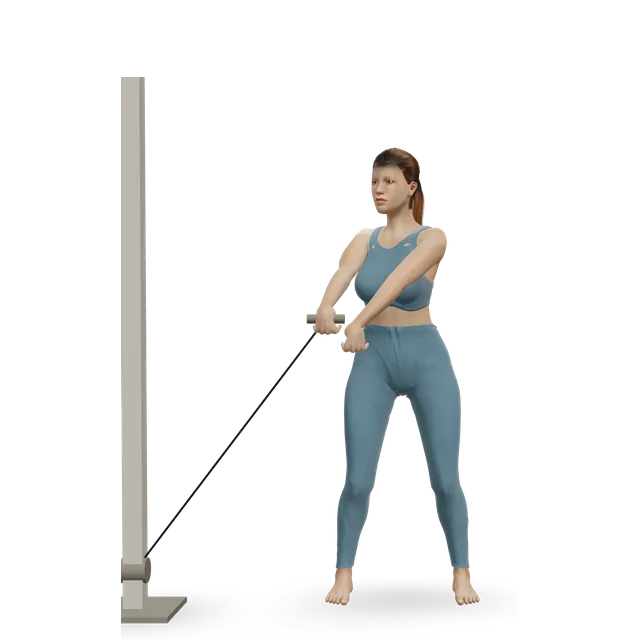
Loading the 3D figure…
The figure repeats the movement from its starting position. Drag to turn it; the arrows open the demos either side.
Side-on to a low pulley, the handle is pulled up and across the body to above the far shoulder as the trunk turns and the legs straighten: the wood chop's low-to-high partner. ACE rates the standing hay baler advanced, the kneeling ones easier, and NASM and the NSCA place chops and lifts after the Pallof press.
Trunk rotation family
Standing cable lift
Source-researched guide.
Form cues
- Keep the arms long; the trunk and legs do the work.
- Start light.
Practice and cautions
No universal dose is assigned. Choose a manageable amount for your current capacity, leave room for controlled repetitions, and allow recovery. A clinician’s individual plan takes priority.
With a stoma or after abdominal surgery (including gallbladder or appendix removal, a hernia repair, hysterectomy, caesarean, weight-loss surgery or a kidney or liver transplant), this is an advanced core exercise: work up through easier core levels first, and stop if you notice doming or bulging around your stoma or scar. It may not suit everyone. This is movement education, not an assessment or treatment prescription. Stop for sharp or increasing pain, dizziness, numbness or tingling; seek individual guidance for symptoms, injury or restrictions.
Sources and review status
Sources support the educational description; they do not establish that this exercise is suitable for you.
- ACE · Standing hay baler, a low-to-high lift (advanced; the half-kneeling version beginner, the kneeling intermediate) ↗
- NASM · Progressive core training (drawing-in and bracing first, then planks and dead bugs; chops and lifts after the Pallof press) ↗
- NSCA · Foundations of Fitness Programming (sample core progressions: the ball back extension before the hip and back extension, dumbbell lateral flexion after the side planks, the ball jackknife among the advanced moves) ↗
- Free Exercise DB · community text ↗
Unlicense · Free Exercise DB contributors; derived from wrkout/exercises.json. Text import; no photographs or media. · Revision f00c92c7dcf1216a928a52c3706c7ce8e2f71ed5
No variation is labeled clinically validated.
What it works
Muscles
Main: Abs. Also: Shoulders, Glutes.
Anatomy: Rectus abdominis, Obliques, Transversus abdominis.
Equipment
A cable machine
Level
Advanced. See the easier and harder options above.
Workouts that use it
Guides that use it
Similar moves
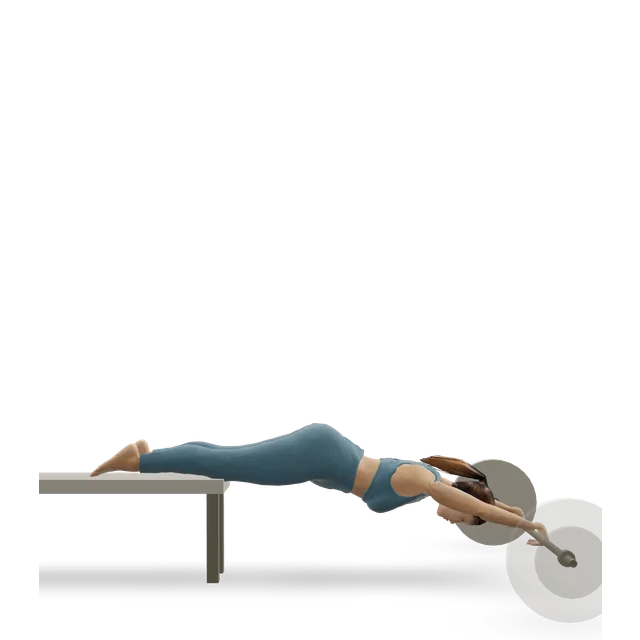 3D demoBarbell rollout with the knees on a benchAdvanced · A barbell + A bench or box
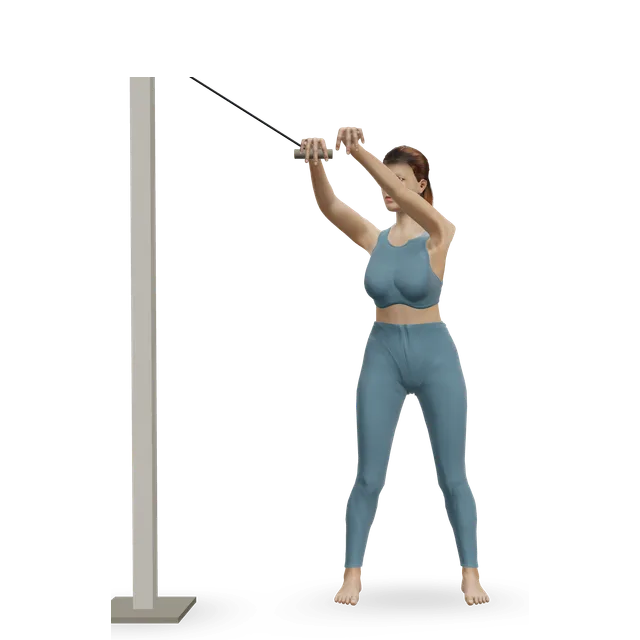 3D demoCable wood chopAdvanced · A cable machine
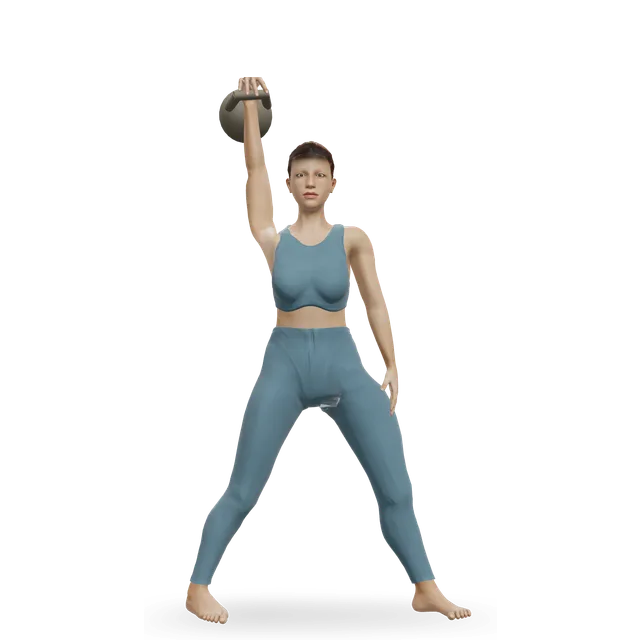 3D demoDouble kettlebell windmillAdvanced · A kettlebell
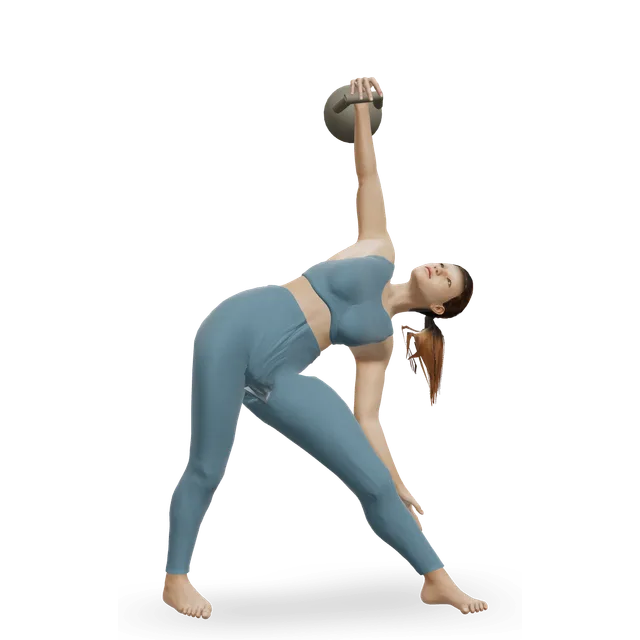 3D demoKettlebell bent pressAdvanced · A kettlebell
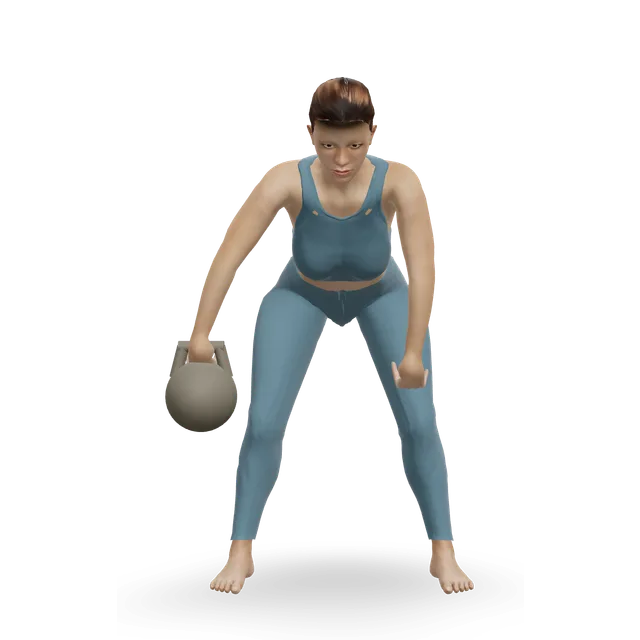 3D demoKettlebell pass between the legsIntermediate · A kettlebell
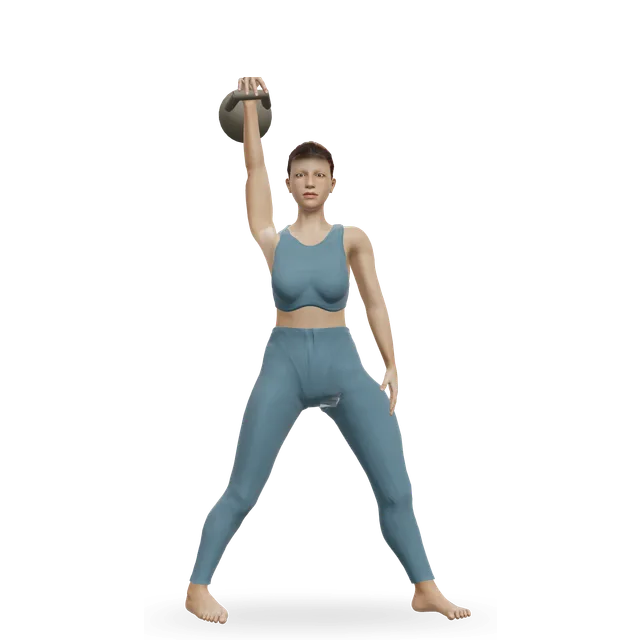 3D demoKettlebell windmillIntermediate · A kettlebell
Browse more
Questions people ask
What muscles does the Standing cable lift work?
Mainly the abs, with help from the shoulders and glutes.
What equipment do I need for the Standing cable lift?
A cable machine.
Is the Standing cable lift good for beginners?
It is an advanced move. Build up to it with the Standing trunk rotation with a ball first.
What is an easier alternative to the Standing cable lift?
Try the Standing trunk rotation with a ball or the Cable press and rotation. Both are written steps in the same progression.