Pain guide · Back pain

Pulled stomach muscle and side strain: tummy pain that isn't a strain, recovery times, and a staged plan

A pulled stomach muscle is a strain or tear in the tummy wall, often during a twist, throw, serve or sit-up; a side strain is the version low on the ribs that fast bowlers, pitchers and hitters get, usually on the side away from their throwing arm. It hurts in one spot, and more when you tense your tummy. Tummy pain that came on by itself, or comes with feeling sick, a fever, vomiting or a lump in the groin, isn't a strain: call 999 or go to A&E for sudden or severe tummy pain, and see the other warning signs below, including pain in pregnancy.

Most strains recover in about 3 to 6 weeks, but they often come back: 30% of first-class fast bowlers who'd had a side strain had another. No trial has tested a programme, so this guide follows the order used in tennis and handball case series, with 3D demos: gentle holds, then curls and twists, then fast throws and your sport, moving on only when each step is pain-free.

When to get help first

Exercise is for pain that has been checked or is clearly mild and settling.

Get urgent medical help if

  • Call 999 or go to A&E: tummy pain that came on very suddenly or is severe, it hurts when you touch your tummy, you're vomiting blood or your vomit looks like ground coffee, your poo is bloody or black and sticky and extremely smelly, you can't pee, you can't poo or fart, you can't breathe, you have chest pain, you have diabetes and you're vomiting, or someone has collapsed. Don't drive yourself.
  • Call 999 or go to A&E for tummy pain with confusion, blotchy or paler skin than usual, or difficulty breathing, which could be sepsis. Ask for an urgent GP appointment or get help from NHS 111 for tummy pain that is gradually getting worse or doesn't go away, or that moves to the lower right side: appendicitis usually starts around the belly button and can come with feeling or being sick, a loss of appetite or a high temperature.
  • Call 999 or go to A&E if you have a hernia (a lump in the groin, upper thigh or tummy) and very bad tummy pain, you feel sick or are being sick, you cannot fart or poo, you have a high temperature or feel hot, cold or shivery, or you've suddenly become confused. The hernia may be trapped (strangulated) or blocking the bowel. Do not drive yourself. With a hernia and pain in or around it, a bloated tummy or constipation, get help from NHS 111.
  • Go to A&E or call 999 for sudden, severe pain in a testicle, testicle pain with feeling or being sick or tummy pain, or testicle pain that has lasted more than an hour or continues at rest. It can be a twisted testicle (testicular torsion), which needs treating straight away. For a lump, swelling or a change in a testicle's size or shape, ask for an urgent GP appointment or get help from NHS 111.
  • If you're pregnant and have tummy pain, call your maternity unit immediately if it comes with vaginal bleeding or spotting, regular cramping or tightenings, lower back pain, unusual discharge or fluid leaking, pain when you pee or pee that looks cloudy, pink, red or brown, or if the pain is severe or doesn't go away after 30 to 60 minutes' rest; if the unit isn't available, call 111. Call 999 for severe pain or bleeding, or for sharp, sudden, intense tummy pain with feeling very dizzy or fainting, which can be a burst ectopic pregnancy.
  • Call 999: sudden, severe pain in the tummy or back, which can come with breathlessness, pale or grey skin, or collapse. It can be a burst abdominal aortic aneurysm, most common in men aged 65 or over and in people who smoke or used to smoke.
  • Call 999 or go to A&E after a hard blow to the tummy, side, lower ribs or hip if you then have severe tummy pain, your tummy hurts when you touch it, there's pain behind your left lower ribs that is tender to touch, you feel dizzy with a fast heartbeat, or, with a bruised or broken rib, you have pain in your tummy or shoulder. The spleen, liver or another organ can be injured, and a damaged spleen can burst straight away or weeks later. Each sign comes from an NHS page; the list combining them is ours.
  • Same day (urgent GP appointment or NHS 111): blood in your pee after a hard blow to the side or lower back. It may look pink, red or dark brown. The NHS asks for any blood in the pee to be checked, and a hard blow can injure a kidney.
  • Call 999 for severe tummy pain if you have glandular fever. A burst spleen is a rare complication.
  • If you take a blood thinner (an anticoagulant) and notice severe bruising or bleeding, get medical help immediately: call 111 or go to A&E. A painful lump in the tummy wall that grows after a cough, a strain or a knock can be bleeding into the muscle (a rectus sheath haematoma), which is more likely on blood thinners and easily mistaken for a strain.

See a doctor or physiotherapist if

  • Same day (GP or NHS 111): pain in the lower back or side with a high temperature, burning or stinging when you pee, or needing to pee more often. It can be a kidney infection.
  • A lump in the groin, upper thigh or tummy, especially one that appears when you cough or strain and goes when you lie down: see a GP, as it may be a true hernia. A femoral hernia (a small lump at the top of the thigh, mainly in women over 50) needs treating in hospital.
  • A strain that is getting worse, or isn't feeling better after looking after it yourself: see a GP or physiotherapist. In many areas you can refer yourself to physiotherapy.
  • Pain low in the tummy just above the groin crease, worse with sprinting, kicking or sit-ups, with no lump: see our sports hernia guide.
  • A ridge or doming down the middle of your tummy when you strain, during or after pregnancy: see our diastasis recti guide, and ask about a pelvic health physiotherapist.
  • A second strain in the same place: ask a physiotherapist to review your programme and your bowling, throwing or serving load. Repeat strains are common.

Understand it

What it is

The tummy wall is four flat muscles: the rectus abdominis down the front (the six-pack), and the external oblique, internal oblique and transversus abdominis at the sides, which run from the lower ribs to the rim of the pelvis and the groin. They curl, twist and bend the trunk sideways, and brace it when you throw, swing or serve. A strain is an overstretched or torn muscle. Our rectus abdominis and obliques guides cover these muscles. In sport, the typical injuries are:

  • A side strain: a tear of the internal oblique (sometimes another side muscle) where it attaches to the underside of one of the lowest four ribs, usually on the side opposite the bowling or throwing arm. Less often, the same muscles tear where they join the rim of the hip bone, from a twist or a direct blow.
  • A rectus abdominis strain: in tennis, a tear of the deep fibres of the lower rectus, below the belly button, on the side opposite the racket arm, from the arched-back phase of the serve; in handball, during the throw.
  • A general pulled stomach muscle from lifting, twisting or a sudden effort. We found no studies of these on their own; they are looked after the same way.

Sources 1, 2, 3, 4, 5, 6, 7, 8

Who gets it

Bowlers, pitchers, batters, servers and throwers: the sports that whip the trunk round. In elite Australian men's cricket there were 6.1 new side and abdominal strains per 100 players a season from 2006 to 2016, second only to hamstring strains, and 5.5 from 2015 to 2022; they weren't among the commonest injuries in elite women. Over half of 207 first-class fast bowlers had had a side strain, and 77% of first strains came at 24 or younger.

In 20 seasons of Major League Baseball there were 393 abdominal strains, 5% of all injuries; at least 92% were in the obliques or the muscles between the ribs, and most were on the side opposite the throwing arm (78% of pitchers' strains) or the batting side (70% of other players'). In the National Hockey League (NHL), abdominal strains kept players out longer than groin strains. In tennis, rectus strains are thought to be common in competitive players, though no one knows how common.

Sources 9, 10, 11, 12, 13, 14, 1

How it's recognised

A sudden, sharp pain at one moment of a delivery, swing, throw, serve or sit-up, often stopping play. Then tenderness in one spot (for a side strain, over one of the lowest four ribs; for a rectus strain, below the belly button) and pain when the muscle works: sitting up against resistance, twisting, or bending sideways against resistance towards the sore side. Coughing and sneezing tense the same muscles, so they often hurt too (our observation).

Pain that came on by itself, or comes with a fever, vomiting, a lump, or pain spreading across the tummy, isn't part of a strain. Appendicitis usually starts around the belly button, moves to the lower right side, and can come with feeling sick or a high temperature; it may feel worse when you move, cough or press on it.

Sources 4, 1, 15, 16

Scans: what they show

A strain is usually recognised from the story and the examination. MRI (magnetic resonance imaging) and ultrasound show side strains well, and elite teams use them to judge severity: in 57 fast bowlers, a muscle tear visible on MRI made a return beyond 6 weeks 8 times more likely, though the scan explained only part of the difference in return times.

Uneven tummy muscles are normal in these sports. In fast bowlers without back pain, the trunk muscles were thicker on the non-bowling side, and in 28 teenage bowlers who stayed injury-free, the internal oblique was thicker on the non-dominant side. Tennis players' rectus is larger on the side opposite the racket arm. A lopsided scan isn't an injury on its own.

Sources 6, 1, 5, 17, 18, 19, 7

How it usually goes

Most players return in about 3 to 6 weeks, with a wide range. Elite fast bowlers took 39 days on average after a side strain, and 44% took more than 6 weeks; professional baseball oblique injuries cost 22 days each; tennis players with rectus strains returned after 4.5 weeks (2 to 8); and 5 handball players after 16 to 22 days. These are elite athletes with medical teams. We found no data for recreational players, so treat these as rough guides, not targets.

It often comes back: 30% of fast bowlers who'd had a side strain had another, nearly half within 2 years; 12.1% of Major League Baseball abdominal strains were repeat injuries; and 6 of 10 strains in one bowling series were repeats.

Sources 17, 13, 12, 1, 8, 11, 4

Look-alikes: bleeding into the muscle, the groin, and a blow to the tummy

Bleeding into the tummy wall (a rectus sheath haematoma) can follow a cough, a strain or a knock, is more likely on blood thinners, and is often mistaken for something else. Pain low in the tummy at the groin crease in athletes, tender over the groin canal and with no lump, is a different problem (inguinal-related groin pain, or a sports hernia), with its own guide. A true hernia is a lump.

A hard blow to the tummy or side can injure the organs inside, including the spleen, liver and kidney. The warning signs about a blow combine NHS pages: the stomach ache page for severe tummy pain or a tummy that hurts to touch, the spleen page for pain behind the left ribs and dizziness with a fast heartbeat, the broken ribs page for tummy or shoulder pain with a rib injury, and the blood in urine page for an urgent check of any blood in your pee. Putting them together is ours.

Sources 20, 21, 22, 23, 24, 15, 25, 26, 27

What helps, and how strong the evidence is

Staged exercise: case series onlyEmerging evidence

A 2017 review found only nine papers on side strain and none on how to treat it, and no trial has tested a programme for any stomach muscle strain. What exists are staged programmes from elite sport. In tennis, 21 competitive players with rectus strains followed five steps: rest; holding exercises and gentle stretches; curls, then sit-ups, oblique work and reverse crunches or hanging knee raises, with tennis but no overhead shots; slow then fast lengthening (eccentric) work, medicine-ball throws and jumps, then serves; and keeping the strength work going through the season. They returned after 4.5 weeks on average (2 to 8), with no repeat injury over 13 months.

In handball, 5 elite players with rectus tears did no tummy exercise for 72 hours, then deep holding exercises from day 4, working to discomfort but not to the pain threshold, then full-range and lengthening work, and from a week, three steps from jogging to throwing, each pain-free before the next. They returned in 16 to 22 days, with no repeat injury at 15 months. These are small series without comparison groups. Side strains have no published programme, and teams use the same order.

Sources 6, 1, 8

The first days, and starting gently: borrowed evidenceEmerging evidence

For the first 2 to 3 days, the NHS advice for any strain is to protect it, rest from the activity, use ice for up to 20 minutes every 2 to 3 hours, and avoid heat, alcohol and massage, then keep moving once pain doesn't stop you. Most strains feel better after 2 weeks, it says, though strenuous exercise is best avoided for up to 8 weeks.

Two muscle strain trials suggest gentle loading needn't wait long. In 50 recreational athletes with severe thigh or calf strains, starting rehab early sped recovery, with strength the same either way; in 43 men with hamstring strains, rehab that allowed a tolerable level of pain was as quick as pain-free rehab and rebuilt more strength. Both are borrowed: neither tested the tummy muscles. The handball programme's 72 hours before gentle holds fits the same pattern.

Sources 3, 28, 29, 8

Injections: no evidence of benefitMixed evidence

In professional baseball, 7.9% of players with oblique injuries had a steroid or platelet-rich plasma (PRP) injection, and they returned 11 days later than those without. They may have had worse injuries, so this shows no benefit rather than proven harm. One cricketer had PRP for a tear where the side muscles join the hip bone. No trial has tested injections for a stomach muscle strain.

Sources 13, 2

Preventing a repeat: untestedMixed evidence

Nothing has been tested. In 207 fast bowlers, side-bend range and side bridge endurance didn't predict side strains, but playing more first-class cricket did. Repeats are common (30% in fast bowlers, 12.1% in Major League Baseball), and the tennis programme kept its strength and throwing work going 2 to 3 times a week through the season, with no repeat injuries in 13 months. Building trunk strength and bowling or throwing volume gradually is plausible but untested (our suggestion).

Sources 11, 12, 1

How much pain is OK while you exercise?

Discomfort, not pain; pain-free before you move up a stageEmerging evidence

From about day 3 or 4, work to mild discomfort but not to the pain threshold, and move to the next stage only when the current one is pain-free. That's how the handball programme progressed. As a number, keep discomfort to about 3 to 4 out of 10 that settles within the day: that figure is borrowed from a hamstring strain trial and hasn't been tested in the tummy muscles.

Coughing, sneezing, laughing, getting up from lying down and sitting up are your everyday tests. If they're worse the next morning than before the session, it was too much, so drop back a step (our suggestion). Breathe out on the effort rather than holding your breath and straining.

Pain that came on by itself, or comes with a fever, vomiting or a lump, isn't a pain-rule question: see the warning signs.

Sources 8, 29

The exercise plan: 4 stages

Start at the first stage. Each move opens a full guide with a 3D demo.

Stage 1

Settle (days 0 to about 3)

Protect it for 2 to 3 days: ice for up to 20 minutes every 2 to 3 hours, rest from sport, and no heat or massage (NHS advice). No tummy exercises yet, as in the handball programme, but keep walking and breathing comfortably, and support coughs and sneezes (written steps below). Doses are editorial unless named.

Lateral breathing (Pilates breathing) demonstrated on the 3D figure3D demoLateral breathing (Pilates breathing)Beginner · No equipment

5 to 8 slow breaths into the sides of the ribs, a few times a day, within comfort · The move page's dose

Harder: Roll-up (Pilates)

Treadmill walking demonstrated on the 3D figure3D demoTreadmill walkingBeginner · Cardio machine

Short, easy walks, little and often · Or walk outside. The NHS advises keeping moving once pain doesn't stop you

Harder: Treadmill jogging

Move on when: Getting in and out of bed, brisk walking and a supported cough are comfortable, often by day 3 or 4.

Follow along: a timer, a cue and the next move, one step at a time.
Stage 2

Hold steady (about days 3 to 10)

Switch the deep tummy muscles back on with holding (isometric) work, then hold the trunk still while your arms and legs move. Work to mild discomfort, not pain. Doses are editorial unless named.

Side-lying tummy draw-in demonstrated on the 3D figure3D demoSide-lying tummy draw-inBeginner · No equipment

Hold up to 10 s, up to 10 times, gently · The move page's dose. The handball programme started with this deepest muscle on day 4

Harder: Bird dog, one limb at a time

McGill curl-up demonstrated on the 3D figure3D demoMcGill curl-upBeginner · No equipment

3 sets of 10 small lifts, holding each 5 to 10 s, to mild discomfort · Adapted from the tennis programme's holds lying with the knees bent, 3 sets of 10 to 20, twice a day

Harder: Crunch

Bird dog demonstrated on the 3D figure3D demoBird dogBeginner · No equipment

2 sets of 6 to 8 each side, with 5 s holds

Easier: Bird dog, one limb at a time · Harder: Bear crawl

Knee side plank demonstrated on the 3D figure3D demoKnee side plankBeginner · No equipment

3 holds of 10 to 20 s each side · With a side strain, start with the uninjured side down

Harder: Side plank

Move on when: These are pain-free, and sitting up from lying down no longer hurts.

Follow along: a timer, a cue and the next move, one step at a time.
Stage 3

Move through range (about weeks 1 to 3)

Curl, twist and bend sideways through the full range at a controlled speed, as in the tennis programme's third step. Doses are editorial unless named.

Chest lift (Pilates curl-up) demonstrated on the 3D figure3D demoChest lift (Pilates curl-up)Beginner · No equipment

2 to 3 sets of 10, building towards 20 to 30 · The tennis programme's curls, in sets of 20 to 30

Harder: Single-leg stretch (Pilates one leg stretch)

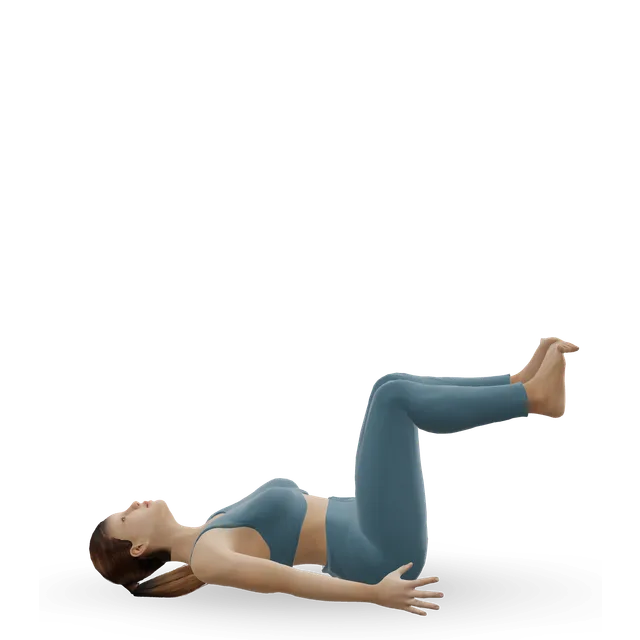
Reverse crunch demonstrated on the 3D figure3D demoReverse crunchIntermediate · No equipment

2 to 3 sets of 8 to 12 · Listed in the tennis programme

Easier: Cross-body crunch · Harder: Captain's chair knee raise

Side-lying open book demonstrated on the 3D figure3D demoSide-lying open bookBeginner · No equipment

8 to 10 slow openings each side · The move page's dose

Harder: Thoracic rotation

Thoracic rotation demonstrated on the 3D figure3D demoThoracic rotationBeginner · No equipment

6 each side, slowly · The move page's dose

Easier: Side-lying open book · Harder: World's greatest stretch

Move on when: Curls, side planks and twisting at a moderate speed are pain-free, and sitting up against resistance no longer hurts.

Follow along: a timer, a cue and the next move, one step at a time.
Stage 4

Speed, lengthening and your sport (about weeks 2 to 6, and on)

Fast and lengthening (eccentric) work and throws, then your sport, building volume before intensity, as in the tennis programme's fourth step. The return steps are written out below. Keep the third and fourth stages going 2 to 3 times a week through the season. Doses are editorial unless named.

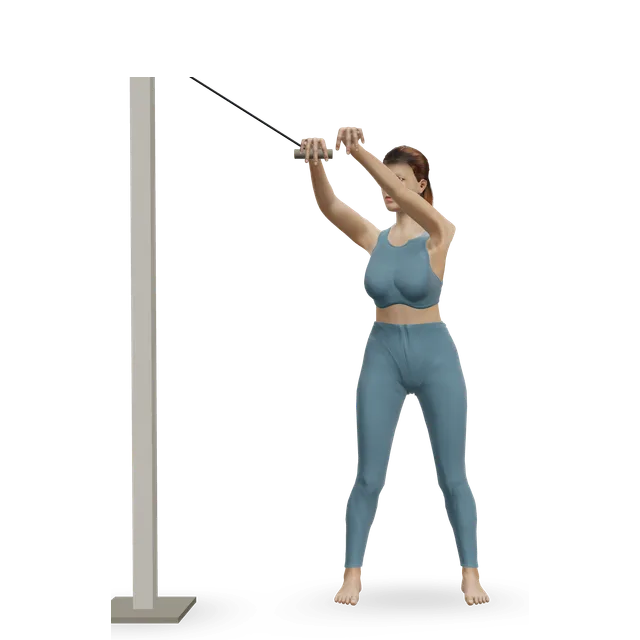
Cable wood chop demonstrated on the 3D figure3D demoCable wood chopAdvanced · A cable machine

2 to 3 sets of 8 each side, slow at first, faster over the sessions

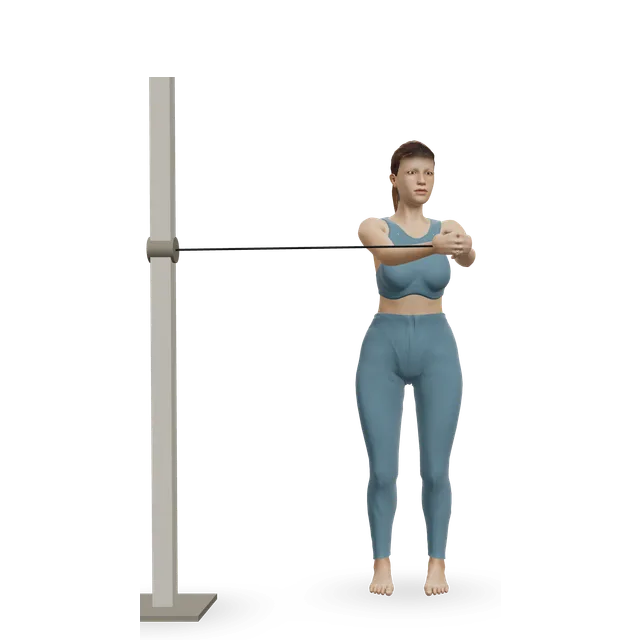
Easier: Standing trunk rotation with a ball

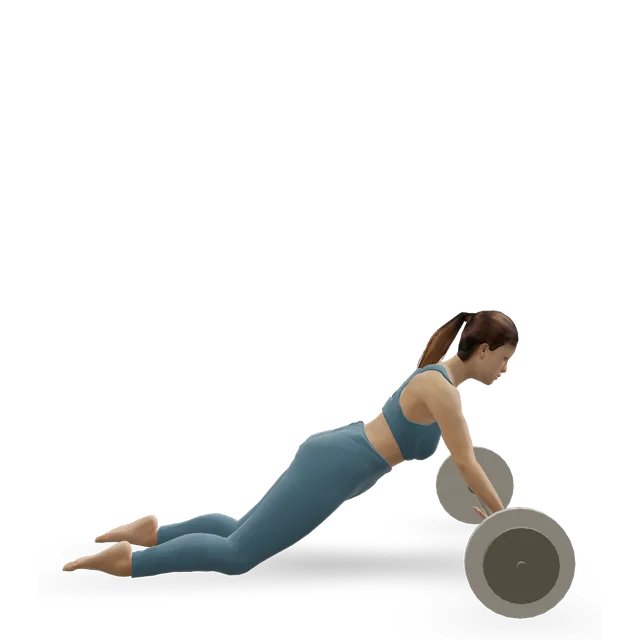
Ab wheel rollout from the knees demonstrated on the 3D figure3D demoAb wheel rollout from the kneesAdvanced · An ab wheel

2 to 3 sets of 5 to 8, a short range at first · The tennis programme's lengthening step includes a roll-out

Easier: Suspension trainer fallout · Harder: Standing ab wheel rollout

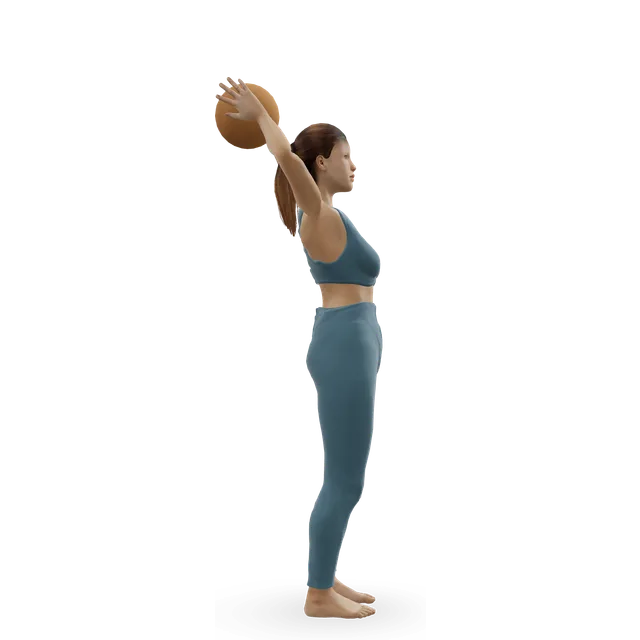
Two-hand overhead throw demonstrated on the 3D figure3D demoTwo-hand overhead throwIntermediate · Medicine ball

3 sets of 6 to 8 with a light ball, building to full effort · The tennis programme's throws, in sets of 6 to 8

Easier: Medicine-ball chest push · Harder: Lying one-arm overhead throw

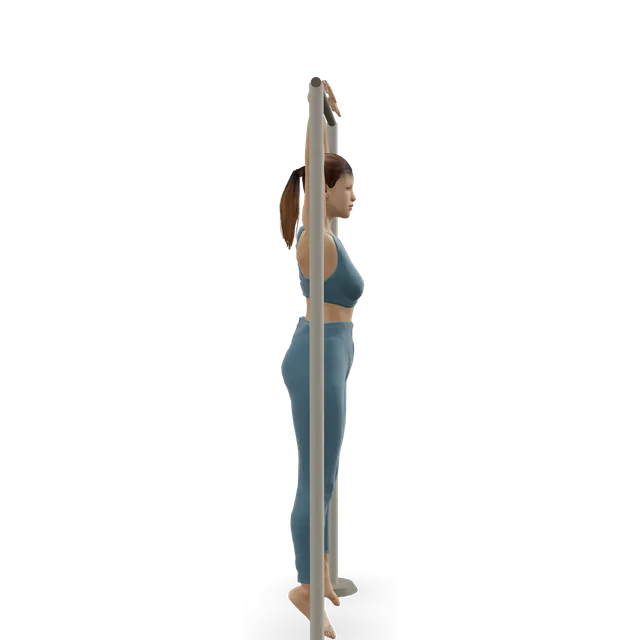
Hanging knee raise demonstrated on the 3D figure3D demoHanging knee raiseIntermediate · Pull-up bar

2 to 3 sets of 6 to 10 · Listed in the tennis programme

Easier: Reverse crunch · Harder: Hanging straight-leg raise

Move on when: Full-effort deliveries, throws, swings or serves are pain-free on the day and the next morning.

Follow along: a timer, a cue and the next move, one step at a time.

What to change for now

The supported cough and sneeze (written steps)

The NHS advises holding a pillow against your chest to cough after a rib injury; the same support helps a sore tummy wall (our suggestion). The figure can't show it, so here are the steps.

  • 1. Sit upright.
  • 2. Fold a pillow or towel and hold it firmly against the sore spot, or press with a flat hand.
  • 3. Breathe in, then cough or sneeze into your elbow while you keep the pressure on.
  • 4. Don't hold back a cough you need.

Source 26

Back to bowling, throwing, serving or batting (written steps)

Our suggestion, following the order of the tennis and handball programmes. Bowlers should follow their club's build-up; our cricket page covers bowling workloads.

  • 1. Easy running and changes of direction first.
  • 2. The action without a ball at half speed: shadow bowling, swings or the serving motion.
  • 3. Short, easy work: bowling off a short run, short throws, second serves or half-pace swings.
  • 4. Add volume first, then speed, over several sessions.
  • 5. Full effort, then match play.
  • 6. Any sharp pain at the old spot: stop for the day, rest a day, and restart a step lower.

Sources 1, 8

Day to day

Get up from lying down by rolling onto your side and pushing up with your arms, and breathe out as you lift anything (our suggestions). The NHS suggests paracetamol for pain and ibuprofen gel for swelling first, and ibuprofen tablets if needed. Keep walking: once pain doesn't stop you, moving helps stop the muscle getting stiff.

Source 3

Positions to swap, and why

Habit or positionWhy it mattersInstead
Sit-ups and crunches in the first daysCurling contracts the injured muscle hard; the programmes start with holds and add curls later.Gentle holding work first.Try: Dead bug heel taps
Fast twisting, bowling, throwing or serving before the trunk holds are pain-freeThese are the actions that cause the injury, and the tennis programme's authors name going back too early as the commonest mistake.Resisting rotation without twisting.Try: Half-kneeling Pallof press
Holding your breath and straining to lift or pushBracing hard raises the pressure inside the tummy; breathing out on the effort is gentler (our reasoning).Breathe out as you lift, and use lighter loads for now.
Stretching hard into the sore side earlyThe programmes bring stretching in gently, and later.Gentle range work within comfort.Try: Side-lying open book
A brace or binder to support the muscleWe found no study supporting one for a strain. After an operation, follow your surgical team's advice.Graded trunk strength.Try: Side-lying tummy draw-in
Stopping the exercises once it stops hurting30% of fast bowlers' side strains came back, nearly half within 2 years.Keep curls, side planks and throws going 2 to 3 times a week.Try: Side plank
Ignoring a lump, a fever or vomitingThese point to a hernia or a problem inside the tummy, not a strain.Get checked: see the warning signs.

Routines to follow

More moves for this area

Questions people ask

Is it a pulled stomach muscle or something serious?

A strain starts with a sudden effort, such as a twist, throw, serve or sit-up, hurts in one spot of the tummy wall, and is worse when you tense the muscles. Call 999 for tummy pain that came on suddenly or is severe, or with vomiting blood, being unable to poo or fart, chest pain or collapse. Appendicitis usually starts around the belly button and moves to the lower right, with feeling sick or a temperature.

Is it a pulled stomach muscle or a hernia?

A hernia is a lump or bulge in the groin, upper thigh or tummy that may get bigger when you cough and smaller when you lie down; a strain has no lump. See a GP about a lump, and call 999 if a hernia comes with very bad tummy pain, vomiting, or being unable to poo or fart.

What is a side strain?

A tear of a side tummy muscle, the internal oblique, where it attaches to one of the lowest ribs, usually on the side opposite the bowling or throwing arm. It's common in fast bowlers (over half of first-class bowlers in one study had had one) and in baseball.

How long does a side strain take to heal?

Elite fast bowlers took 39 days on average, and 44% took more than 6 weeks; professional baseball players lost about 22 days per oblique injury. A tear visible on an MRI scan went with a longer return.

How long does a pulled stomach muscle take to heal?

In athletes, usually about 2 to 8 weeks: tennis players with rectus strains returned after 4.5 weeks on average, and handball players after 16 to 22 days. The NHS says most strains feel better after 2 weeks, but to avoid strenuous exercise for up to 8 weeks.

Should I rest or exercise?

Protect it for 2 to 3 days, then start gentle holding exercises and build up through curls and twists to fast throws, moving on only when each step is pain-free. That's the order used in the published programmes, though no trial has compared approaches.

Can I do sit-ups with a pulled stomach muscle?

Not in the first days. Start with gentle holds and add small curls once these are pain-free, usually in the second week, building towards sets of 20 to 30. Full sit-ups come later.

Why does it hurt to cough or sneeze?

Coughing and sneezing tighten the tummy wall, so they pull on the injured muscle. Hold a pillow or your hand firmly over the sore spot when you cough or sneeze, and don't hold back a cough you need.

I'm pregnant and think I've pulled a stomach muscle. What should I do?

Tummy pains are common in pregnancy, and the NHS says pain that's mild and goes away when you change position or rest is probably nothing to worry about. But call your maternity unit straight away for pain with bleeding, regular tightenings, back pain, leaking fluid, pain when peeing, or pain that's severe or doesn't settle after 30 to 60 minutes' rest. Our pregnancy exercise guide covers safe exercise.

Will it come back?

It often does: 30% of fast bowlers who'd had a side strain had another, nearly half within 2 years, and 12% of Major League Baseball abdominal strains were repeats. Keep the strength and throwing work going after you return.

Do I need a scan?

Usually not. Elite teams use scans to judge severity, and uneven tummy muscles are normal in bowlers and tennis players, so a lopsided scan isn't an injury on its own.

Should I wear an abdominal binder?

We found no study of binders or braces for a strain, so they aren't part of this plan. After an operation, follow your surgical team's advice.

Related exercise guides

Other pain guides

Sources

  1. Maquirriain 2007 · Rectus abdominis strains in 21 tennis players (case series, Br J Sports Med)
  2. Mehta 2021 · Side strains and impact injuries where the side tummy muscles join the hip bone, in cricketers (case series, Indian J Radiol Imaging)
  3. NHS · Sprains and strains
  4. Humphries 2004 · Clinical and MRI features of cricket bowler's side strain (case series, Br J Sports Med)
  5. Connell 2003 · Side strain: a tear of the internal oblique (imaging case series, AJR)
  6. Nealon 2017 · Side strain in sport (narrative review, J Sci Med Sport)
  7. Connell 2006 · Ultrasound and MRI of rectus abdominis strain in elite tennis players (imaging series, AJR)
  8. Balius 2011 · Rectus abdominis injuries in 5 elite handball players: management and rehab (case series, Open Access J Sports Med)
  9. Orchard 2016 · Injuries in elite male cricketers using updated definitions (surveillance study, Open Access J Sports Med)
  10. Orchard 2023 · Injury profiles of elite Australian male and female cricketers (surveillance study, J Sci Med Sport)
  11. Nealon 2018 · Side strain in 207 first-class fast bowlers in Australia and England (retrospective case series, Clin J Sport Med)
  12. Conte 2012 · Abdominal muscle strains in Major League Baseball, 1991 to 2010 (surveillance study, AJSM)
  13. Camp 2017 · Abdominal oblique injuries in Major and Minor League Baseball (surveillance study, OJSM)
  14. Emery 1999 · Groin and abdominal strains in the National Hockey League (surveillance study, Clin J Sport Med)
  15. NHS · Stomach ache
  16. NHS · Appendicitis
  17. Nealon 2019 · MRI findings and return to play after side strain in 57 fast bowlers (cohort study, J Sci Med Sport)
  18. Gray 2016 · Tummy muscle symmetry and low back pain in fast bowlers (cross-sectional study, J Sci Med Sport)
  19. Martin 2017 · Uneven tummy muscles in injury-free teenage fast bowlers (prospective observational study, Phys Ther Sport)
  20. Hatjipetrou 2015 · Rectus sheath haematoma (literature review, Int J Surg)
  21. NHS · Anticoagulant medicines: side effects
  22. Weir 2015 · The Doha agreement on groin pain in athletes (consensus, Br J Sports Med)
  23. NHS · Hernia
  24. AAOS OrthoInfo · Muscle contusion (bruise)
  25. NHS · Spleen problems and spleen removal
  26. NHS · Broken or bruised ribs
  27. NHS · Blood in urine
  28. Bayer 2018 · Early or delayed rehab after a thigh or calf muscle strain in 50 athletes (randomised trial, Scand J Med Sci Sports)
  29. Hickey 2020 · Pain-free or pain-threshold rehab after a hamstring strain in 43 men (randomised trial, JOSPT)
  30. NHS · Femoral hernia
  31. NHS · Testicle pain
  32. NHS · Stomach pain in pregnancy
  33. NHS · Ectopic pregnancy: symptoms
  34. NHS · Abdominal aortic aneurysm
  35. NHS · Glandular fever

Exercise education, not a diagnosis or treatment plan. It is written from the guidelines and studies listed above; review by a clinician is pending. If your pain follows an injury, is severe, is getting worse, or comes with any warning sign listed on this page, get it assessed. Health disclaimer.