Broken, bruised or pulled rib: breathing, exercises and how long it takes
Bruised and broken ribs usually heal by themselves within 2 to 6 weeks, the NHS says, and a pulled muscle between the ribs is looked after the same way. What matters most is breathing deeply and coughing, with a pillow held to your chest, even though it hurts, so you don't get a chest infection. But call 999 or go to A&E if the injury came from a serious accident, your breathing or chest pain is getting worse, you have pain in your tummy or shoulder, or you're coughing up blood: a broken rib can damage the lung, liver or spleen.
This guide gives the NHS advice, why you shouldn't strap your ribs, the exercises week by week with 3D demos, and the typical times for getting back to work and sport. If you were admitted to hospital, your team's plan comes first. Start with the warning signs.
Exercise is for pain that has been checked or is clearly mild and settling.
Get urgent medical help if
Call 999 or go to A&E: a rib injury caused by a serious accident, such as a car accident. Don't drive yourself: ask someone to drive you or call 999.
Call 999 or go to A&E: with a broken or bruised rib, shortness of breath or chest pain that is getting worse, or coughing up blood. A broken rib may have damaged your lung.
Call 999 or go to A&E: with a broken or bruised rib, pain in your tummy or shoulder. A broken rib can damage the liver or spleen.
Call 999: chest pain that wasn't caused by an injury and feels tight or squeezing, or spreads to your arms, neck or jaw, especially with shortness of breath, sweating or feeling sick. It could be a heart attack.
Same day (urgent GP appointment or NHS 111): with a broken or bruised rib, you're coughing up yellow or green mucus, or you have a very high temperature or feel hot, cold or shivery. You may have a chest infection that needs antibiotics.
Same day (urgent GP appointment or NHS 111): your rib pain hasn't improved within a few weeks. You might need stronger painkillers.
See a doctor or physiotherapist if
You're 65 or over, or have heart or lung disease, and have hurt your ribs: get it checked rather than managing alone. In hospital studies, older people with broken ribs were more likely to get pneumonia.
A rib broke from a cough, a sneeze or a minor bump: ask your GP about your bone health.
Rib pain with no injury that builds up with rowing, golf or other training: see a GP. It may be a rib stress fracture.
The broken rib is no better after 6 to 8 weeks: see a GP.
Understand it
What this guide covers
Four rib injuries that are looked after in much the same way:
Bruised or broken (cracked) ribs: usually from a fall, a blow to the chest or severe coughing. Strong chest pain, especially when you breathe in or cough, swelling or tenderness, sometimes bruising, and a crack felt or heard if a rib breaks. Contact sports such as football and rugby are another cause.
A pulled muscle between the ribs (an intercostal strain): tenderness between the ribs. The NHS describes a chest muscle strain as pain that starts after a chest injury or chest exercise, may get worse when you breathe in, and feels better when you rest the muscle.
A side strain: a tear of the internal oblique, a trunk muscle, where it attaches to the lower ribs. In one professional baseball team it happened more often on the side away from the throwing or batting arm.
Rib stress fractures: a crack that builds up with repeated training rather than one blow, mainly in rowers and golfers.
Usually from what happened and where it is tender. The NHS says ribs can't easily be splinted or supported like other bones, so they're usually left to heal naturally, and there's often no need for an X-ray. An emergency department leaflet explains that it X-rays ribs only when a lung injury is suspected, because finding a break wouldn't change the treatment.
Rib stress fractures can be harder to spot and sometimes need a bone scan: in a series of 19 golfers, two were treated as a back strain for 6 to 8 months before the fracture was found.
The NHS says bruised or broken ribs usually get better by themselves within 2 to 6 weeks. NHS trust leaflets give about 4 to 6 weeks for a broken rib and 2 to 4 weeks for bruising, and say some discomfort after that is common; one emergency department leaflet says rib injuries hurt for 3 to 6 weeks. These are typical times, not deadlines. If the broken rib isn't better after 6 to 8 weeks, see a GP.
The commonest complication is a chest infection. Pain makes people breathe shallowly and hold back coughs, so phlegm sits on the chest and small areas of lung can collapse. Less often, a broken rib damages the lung (a collapsed lung, or blood around it), the liver or the spleen, which is why pain or breathlessness that gets worse, or pain in the tummy or shoulder, is a reason to call 999.
In 277 people aged 65 and over admitted to a trauma centre with broken ribs, pneumonia occurred in 31%, against 17% of younger adults with similar injuries, and each extra broken rib raised the risk of pneumonia by 27% and of death by 19%. Across 29 studies of chest injuries, death was more likely with age 65 or over, three or more broken ribs, existing illness such as heart or lung disease, and pneumonia. These were hospital patients with significant injuries, not a typical bruised rib at home, but they are why older people should get a rib injury checked.
With osteoporosis, a cough or sneeze can break a rib. A rib broken by a cough or a minor bump is a reason to ask your GP about your bone health.
Rib stress fractures in rowers and golfersEmerging evidence
Rib stress fractures affect 8% to 16% of elite rowers over a career, mostly ribs 4 to 8 at the side of the chest. A review of 17 studies found rowers usually lost 4 to 6 weeks of training (range 1 to 16 weeks), with little evidence on how best to return. In a series of 19 golfers, 18 were beginners and the other had sharply increased his practice, and most fractures were on the side of the leading arm. Baseball pitching is another reported cause.
Breathe deeply, cough and keep moving from the startEmerging evidence
The NHS and four NHS trust leaflets agree. Breathe normally and cough when you need to, holding a pillow against your chest; take slow, deep breaths regularly; walk around and move your shoulders; and don't lie down or stay still for long. The leaflets add getting up and moving at least every hour, and a breathing routine of deep breaths, huffs and supported coughs.
This is consistent advice from health services rather than trial results: we found no trials of these exercises.
Take painkillers regularly, so you can breathe and coughEmerging evidence
Pain stops people breathing deeply and coughing, so the leaflets put regular pain relief first. The NHS suggests paracetamol or ibuprofen gel, or ibuprofen tablets if needed, and an ice pack wrapped in a tea towel regularly in the first few days; one leaflet suggests ice for 10 to 15 minutes up to 5 times a day, then heat from day 4 if you prefer it.
Two NHS trust leaflets advise against strapping or binding the ribs, because it stops the lungs expanding and can lead to a chest infection. The NHS says ribs can't easily be splinted or supported like other bones, so they're left to heal naturally.
Back to heavy work and sport: typical times, not targetsEmerging evidence
These timings are NHS trust leaflets' advice, not trial results. One says limit heavy lifting and manual work for at least 4 weeks and avoid contact sport for at least 6 weeks; another says avoid sport or exercise that makes the pain worse for about 4 to 6 weeks. The NHS says don't strain yourself or lift heavy objects, and don't play sport that makes the pain worse.
Treat these as typical times: go by how your ribs feel, and if you were admitted to hospital, follow your team's plan.
There are no treatment studies of pulled muscles between the ribs: a review notes only that they can be strained, causing tenderness between the ribs. The nearest figures are borrowed from one case series of side strains, tears of a trunk muscle at the lower ribs, in a professional baseball team: players returned to play after 27.7 days on average (range 4 to 53 days), and 5 of 23 strained it again over the following years. They were professional athletes with medical teams, so treat this as a rough guide, not a target.
This guide treats a pulled rib muscle like a bruised rib: keep breathing and moving, rebuild trunk strength, and return to twisting and throwing gradually.
Rib stress fractures: rest from the cause, then a gradual returnEmerging evidence
For rowers, a review describes 1 to 2 weeks off rowing with pain relief, then a slow return to low-intensity, pain-free training; a later review found little evidence on returning to sport and no study testing any way to prevent them. Great Britain Rowing has a guideline for diagnosing and managing them. For golfers, the case series authors suggest strengthening the serratus anterior, a muscle on the side of the ribs, during rehab and in general conditioning.
Breathe and cough through it; stretch only to mild discomfort
Breathing and coughing aren't optional: breathe normally, take regular slow deep breaths and cough when you need to, with a pillow held to your chest, even though it hurts. Regular painkillers are what make this possible.
For the movement exercises, an emergency department leaflet says move within a comfortable range in the first days, then after about 4 to 6 days stretch a little further, to mild discomfort at the end of the movement. If an exercise is too painful to complete, stop it and ask a physiotherapist. Avoid sport or exercise that makes the pain worse.
Pain or breathlessness that is getting worse, pain in your tummy or shoulder, or coughing up blood is not a pain-rule question: call 999.
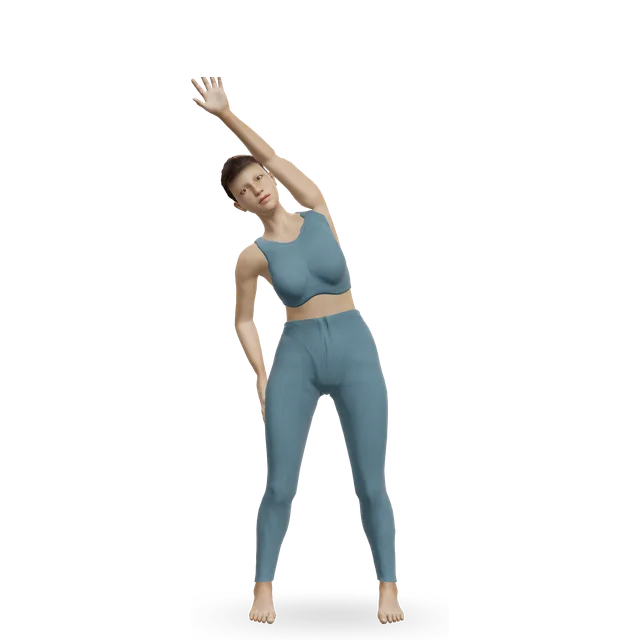
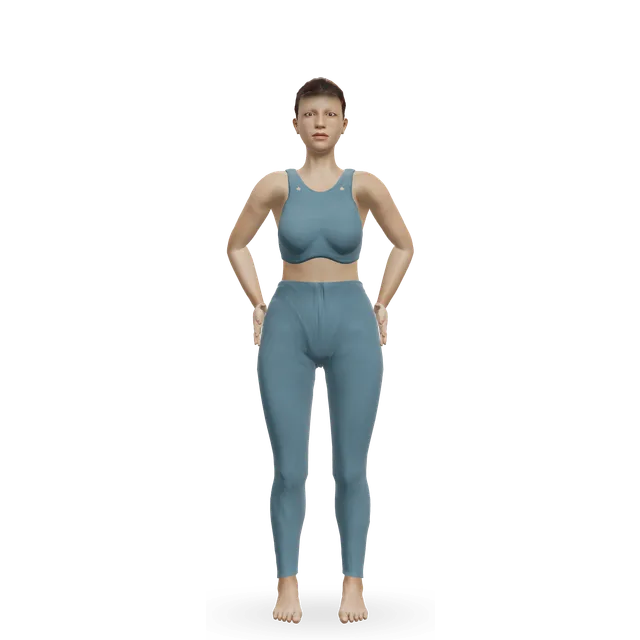
Start at the first stage. Each move opens a full guide with a 3D demo.
Stage 1
First days: breathe deeply, cough supported, keep moving
From the day of the injury to about day 4 to 6. Take your painkillers regularly so you can breathe and cough; use ice for the first few days; sleep more upright for the first few nights; get up and move at least every hour; and don't strap your ribs. The breathing cycle and supported cough are written out below. Doses are the NHS trust leaflets' unless marked. If you were admitted to hospital, follow your team's plan.
3 to 5 slow, deep breaths into the sides of the ribs, holding 2 to 3 s at the top, every hour while awake · Sitting upright, as in the leaflets' deep-breathing exercises
Move on when: You can take a deep breath and cough with less pain, and getting in and out of bed and a chair is easier (about day 4 to 6, one leaflet says).
Follow along: a timer, a cue and the next move, one step at a time.
Stage 2
From about day 4 to 6: stretch a little further
Daily, to mild discomfort at the end of each movement, never sharp pain. Heat from day 4 if you prefer it. Keep the breathing cycle going and build your walking, with no sport or exercise that makes the pain worse. Doses are from an emergency department leaflet unless marked.
10 slow reps, 3 times a day, opening the chest as far as is comfortable · The closest catalog move to the leaflet's hands-behind-the-head chest stretch
Move on when: Deep breaths, coughing, turning and reaching are comfortable most of the time. Trust leaflets say broken ribs usually heal in about 4 to 6 weeks.
Follow along: a timer, a cue and the next move, one step at a time.
Stage 3
Rebuild strength and get back to sport
Usually from about 4 to 6 weeks, 2 or 3 days a week, once it's comfortable. NHS trust leaflets advise no heavy lifting for at least 4 weeks and no contact sport for at least 6 weeks after a broken rib: typical times, not targets. After a rib stress fracture or a side strain, return to rowing, golf or throwing gradually. Doses are the moves' own or editorial.
Move on when: You're back to your usual training without rib pain. For golf, build range sessions up step by step; for rowing, a slow return to low-intensity, pain-free training.
Follow along: a timer, a cue and the next move, one step at a time.
What to change for now
The breathing cycle and supported cough (written steps)
These can't be shown on the 3D figure, so here they are as written steps from NHS trust leaflets. Do the cycle 2 to 3 times an hour through the day (one leaflet) or at least 4 times a day after your painkillers (another).
1. Sit upright and breathe gently through your nose with your shoulders relaxed.
2. Take three slow, deep breaths in through your nose, filling your lungs and widening your ribs. Hold each for 3 to 5 seconds if you can, then breathe out through your mouth.
3. Huff: breathe out quickly through an open mouth, as if steaming up a mirror.
4. To cough, hug a pillow or rolled towel against the sore ribs, or put one hand over the sore area and fold the other forearm over it, and press gently as you cough or sneeze.
5. Don't hold back a cough you need: coughing keeps the lungs clear.
The NHS suggests sleeping more upright for the first few nights; after that, most people find their back or the uninjured side easiest (our suggestion). Rest and take time off work if you need to, and if your job involves lifting, a leaflet suggests asking about light duties. The NHS says don't smoke, and a leaflet says smoking can delay bone healing.
The NHS says bruised or broken ribs usually get better by themselves within 2 to 6 weeks. NHS trust leaflets say about 4 to 6 weeks for a broken rib and 2 to 4 for bruising, and some discomfort after that is common; see a GP if it isn't better after 6 to 8 weeks.
How do I know if my rib is broken or bruised?
Often you can't tell, and it doesn't change the treatment, so an X-ray often isn't needed. Feeling or hearing a crack suggests a break. Whatever you think it is, go to A&E or call 999 for the warning signs above.
Why should I breathe deeply and cough if it hurts?
Because shallow breathing and holding back coughs leave phlegm on the chest and can lead to a chest infection, the commonest complication. Take your painkillers regularly so you can, and hug a pillow to your chest when you cough.
Should I strap my ribs?
No. Strapping or binding stops your lungs expanding and can lead to a chest infection, and ribs heal by themselves without it.
What's the best sleeping position with a broken rib?
The NHS suggests sleeping more upright for the first few nights. After that, most people find their back or the uninjured side easiest; that's our suggestion.
My rib pain is worse after a week. Is that normal?
Pain that is getting worse is one of the NHS's reasons to call 999 or go to A&E, because a broken rib can damage the lung, liver or spleen. Pain that hasn't improved within a few weeks, without getting worse, needs an urgent GP appointment or NHS 111.
Can I exercise with a broken rib?
Yes: walking, breathing exercises and gentle shoulder and trunk movement from the start. NHS trust leaflets advise avoiding sport or exercise that makes the pain worse for about 4 to 6 weeks, heavy lifting for at least 4 weeks and contact sport for at least 6. These are typical times, not targets: go by how your ribs feel.
How long does a pulled rib muscle take to heal?
Pulled rib muscles have hardly been studied. The nearest figures are borrowed from one case series of side strains in professional baseball players, who were back playing after about 4 weeks on average (range 4 to 53 days). Treat it like a bruised rib: keep breathing and moving, and rebuild gradually.
Can coughing break a rib?
Yes: severe coughing is one of the NHS's causes of broken or bruised ribs, and with osteoporosis a cough or sneeze can break a rib. If that happens to you, ask your GP about your bone health.
Are broken ribs more serious in older people?
Yes. In hospital studies, people 65 and over with broken ribs got pneumonia almost twice as often as younger adults, and each extra broken rib raised their risk by about a quarter. Older people with a rib injury should get it checked rather than manage alone.
What is a rib stress fracture?
A crack that builds up with repeated training rather than a single blow, seen in elite rowers (8% to 16% over a career) and in beginner golfers who suddenly practise more. Rowers usually lose 4 to 6 weeks of training, and rib pain that builds with training needs a GP check.
When can I go back to work with a broken rib?
The NHS says rest and take time off work if you need to. If your job involves lifting, ask about light duties until the ribs heal.
Exercise education, not a diagnosis or treatment plan. It is written from the guidelines and studies listed above; review by a clinician is pending. If your pain follows an injury, is severe, is getting worse, or comes with any warning sign listed on this page, get it assessed. Health disclaimer.