Training guide

How to do cable crunches: kneeling and standing, the rope and the curl, your back, and how many

A cable crunch is a crunch you can load: you kneel under a high pulley with a rope held by your face and curl your ribs down towards your pelvis while your hips stay still. Because the cable adds weight in small steps, it's the usual next step once floor crunches are easy, and your six-pack muscle responds to it like any other muscle: hard sets, more reps, then more weight.

No study has tested the cable crunch itself, so this guide is honest about what the crunch, machine and spine studies do show: keep your hips still or your hip flexors take over, keep bending reps to about 60 a session, and don't expect it to flatten your stomach.

It covers the steps on the 3D figure, kneeling, standing and seated versions, how heavy and how many, your back and neck, and who should swap it for something else.

The short version

Curl the ribs down, keep the hips still

Kneel facing a high pulley with a rope, the ends held beside your face. Keeping your hips still, curl your spine so your ribs come down towards your pelvis and your elbows travel towards your thighs, then uncurl slowly against the cable. The American Council on Exercise (ACE) rates the standing version, facing away from the pulley, as a beginner exercise.

Source 1

A crunch you can load

Across 87 studies of ab exercises, bending the spine without bending at the hips, and adding load or an incline, raised the ab work most. In 42 adults, a machine crunch drew less six-pack activity and far more hip flexor activity than a ball crunch against an elastic band, so how you set up matters more than the equipment. No study has tested the cable crunch itself.

Sources 2, 3

Your abs grow like other muscles

Curl-ups thickened the six-pack muscle in 70 women after birth, trunk training enlarged it in 64 older adults, and 10 weeks of machine crunches raised crunch strength by 36% in 16 men. Use the same rules as any lift: hard sets built up over weeks, more reps and then more weight. More weekly sets build more muscle, with diminishing returns.

Sources 4, 5, 6, 7, 8, 9

Your back

The evidence here is indirect: sit-ups compressed the lower spine by more than 3,000 newtons in a computer model of 12 men, and a basic crunch about 2,000, as reported in an expert review. Pig spine segments bent tens of thousands of times under load damaged their discs, but that review judged loaded bending reasonable for healthy backs, at about 60 bending reps a session at most. No study has measured a cable crunch.

Sources 10, 11, 12

How many

2 sets of 10 to 12 with 3 or 4 reps to spare for your first two weeks, then 3 sets of 10 to 12, stopping 1 to 3 reps short, with the last set within 0 to 2, and 60 to 90 seconds' rest. That's our editorial starting point, matching our gym ab workout. Do it 2 or 3 days a week, counting all your ab work, with every bending rep inside about 60 a session.

Source 11

It won't flatten your stomach

Exercising a body part didn't reduce the fat over it across 13 studies of 1,158 people, and 6 to 12 weeks of ab exercise didn't shrink belly fat in two trials. Cable crunches build the muscle; your overall activity and eating decide the fat over it.

Sources 13, 14, 15

Who should swap it

Leave it out with osteoporosis or a past spinal fracture: the UK consensus advises avoiding loaded spinal bending. In the first weeks after a birth the NHS advises avoiding exercises such as sit-ups and planks to start with. With a hernia, keep it light and stop if the hernia bulges, and in pregnancy use standing or side-lying core work.

Sources 16, 17

What a cable crunch is, and what it works

The exercise

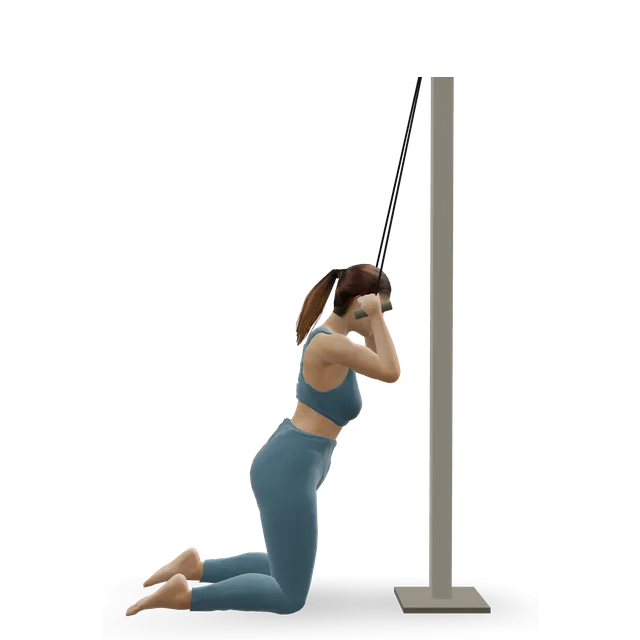
A crunch against a cable: a rope on a high pulley, held by your face, and your trunk curling down so your ribs travel towards your pelvis while your hips stay put. Kneeling facing the stack is the usual version and the 3D demo. Standing with your back to the pulley is ACE's beginner version, and you can also do it seated, from an overhead start or with a twist.

Source 1

The muscles

The rectus abdominis (the six-pack muscle) bends your spine, with the obliques at your sides helping. Your hip flexors join in if your hips fold or your feet are fixed. The movement is spine bending (flexion) under load. Our crunch guide explains the six-pack muscle in more detail.

Sources 2, 3

Why use a cable

It lets you add resistance in small steps, which floor crunches can't, and it's where our crunch guide's ladder ends. Added load or an incline raises the ab work. The cable doesn't make your abs special: they respond to hard sets like any other muscle.

Source 2

What you need first

Controlled bodyweight crunches (the move page's prerequisite), and a neck and back that are comfortable with them. Our crunch guide takes you there.

How people differ

Taller people kneel a little further back so the rope clears the head (our suggestion). In one computer model, an ab crunch machine fitted small users badly; a cable adapts to any size, one reason to prefer it.

Source 18

How to do a cable crunch, step by step

From the move page (the rope by the face, hips still, uncurling slowly) and ACE's standing crunch. The kneeling distance, the pause and the breathing cue are editorial, the breathing cue as in our crunch guide.

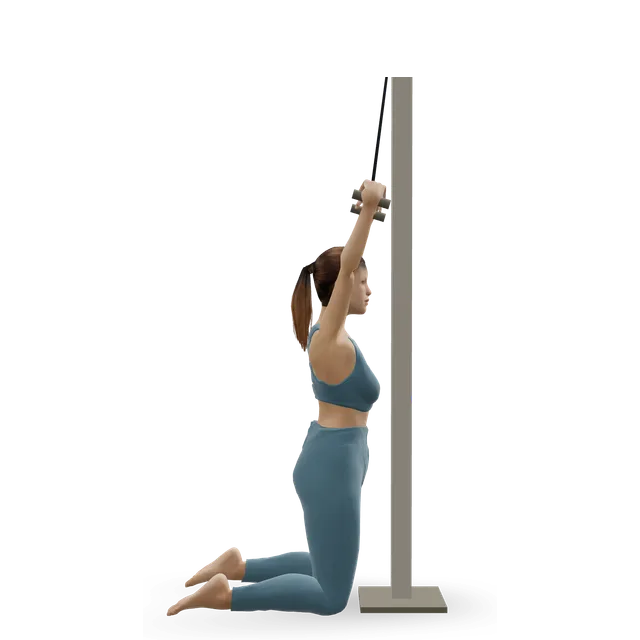
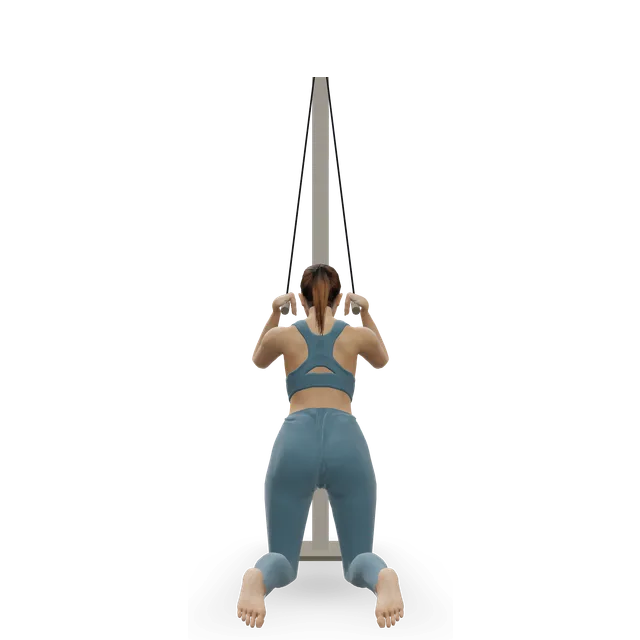
  1. Fix a rope to a high pulley and choose a light weight. Kneel on a mat a short step back from the stack, facing it, knees about hip-width apart.
  2. Take the rope's ends and hold them beside your face or temples, elbows bent and close to your head.
  3. Lean forward slightly from your hips so the weight lifts off the stack, then set your hips there: they don't move again for the rest of the set.
  4. Breathe out and curl your spine: ribs towards your pelvis, chin gently tucked, elbows travelling towards your thighs.
  5. Pause for a moment at the bottom.
  6. Uncurl slowly against the cable to your start position, without letting the stack touch down.
  7. Keep your hands by your face throughout. Pulling with your arms or sitting back on your heels moves the weight without your abs.

Loading the 3D figure…

Gets into position, then repeats the movement. Technical checks passed; qualified exercise review is pending.

The movement on the figure: Kneeling cable crunch

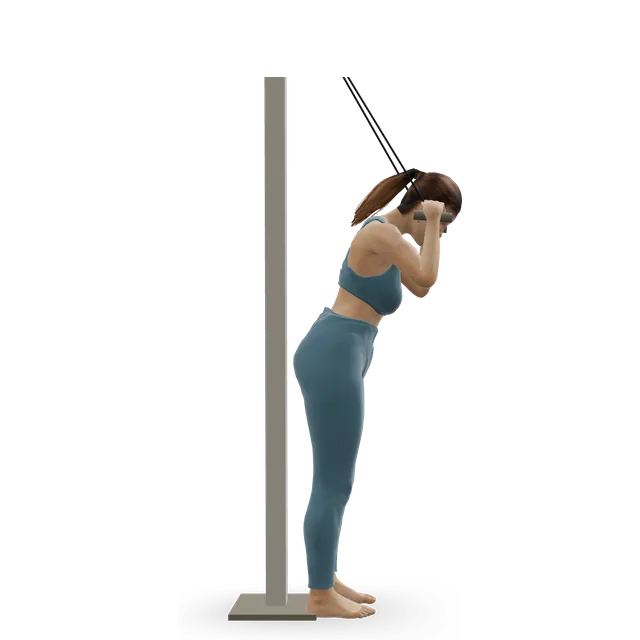
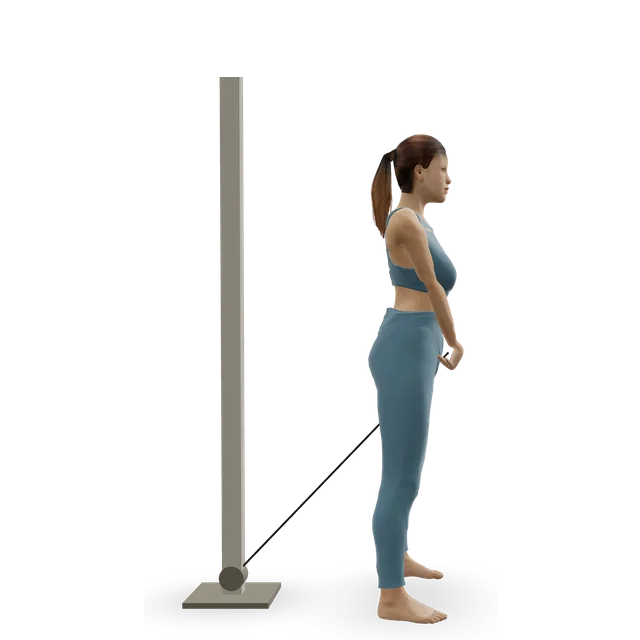
Standing instead

The move page's steps. ACE rates the standing crunch on a cable as a beginner exercise; use a lighter weight than kneeling (our suggestion).

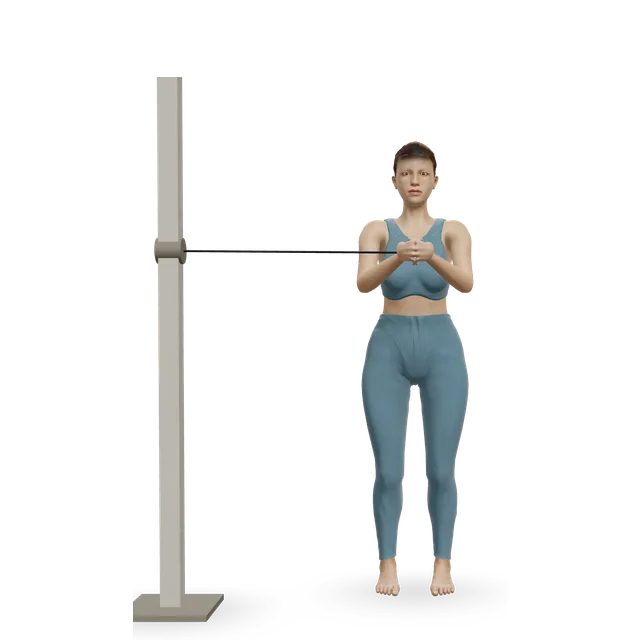
  1. Stand with your back to a high pulley, knees soft, holding the rope's ends over your shoulders.
  2. Keeping your hips still, curl your spine down, drawing your ribs towards your pelvis.
  3. Hold a moment, then unroll slowly back up.

Loading the 3D figure…

Gets into position, then repeats the movement. Technical checks passed; qualified exercise review is pending.

The movement on the figure: Standing cable crunch

What the evidence says

Nobody has studied the cable crunch itselfEmerging evidence

We found no study of muscle activity, spine load or training in the cable crunch, and none comparing kneeling with standing. Everything below comes from floor, ball and machine crunches, computer models and reviews, so read it as the best available guide, not a test of this exercise.

Sources 2, 3

Load and set-up raise the workEmerging evidence

In a synthesis of 87 studies, the ab muscles worked hardest when the spine bent without the hips bending, and inclines or added load raised the work. In 42 adults aged 28 to 67, a seated machine crunch drew 84% of maximum from the six-pack muscle and 65% from the rectus femoris (a hip flexor at the front of the thigh), against 104% and 27% for a ball crunch with an elastic band. When the hips and legs join in, the hip flexors take over: keeping your hips still is the point of the cable crunch's set-up.

Sources 2, 3

The crunch works the six-pack muscle wellEmerging evidence

In 14 people, the crunch was among the top exercises for upper and lower six-pack activity, and the bent-knee sit-up drew high hip flexor activity. In 8 adults with fine-wire electrodes, sit-ups worked the deep psoas, a hip flexor, at 15 to 35% of its maximum, the curl-up at under 10%.

Sources 19, 20

Your abs grow with hard trainingEmerging evidence

In a trial of 70 women 6 to 12 months after birth, 12 weeks of curl-ups thickened the six-pack muscle by 0.7 mm and raised its strength. In 64 adults over 60, 12 weeks of trunk training enlarged it by about 2 square centimetres against walking and balance work alone. In 16 overweight men, 10 weeks of machine crunches raised crunch strength by 36%, against 17% with running alone. None of these used cable crunches.

Sources 4, 5, 6

Effort isn't growthEmerging evidence

Muscle activity measured in one session isn't a validated predictor of muscle growth, so the activity figures above show how hard the muscles worked, not what they will build.

Source 21

Kneeling, standing, seated, overhead and twisting

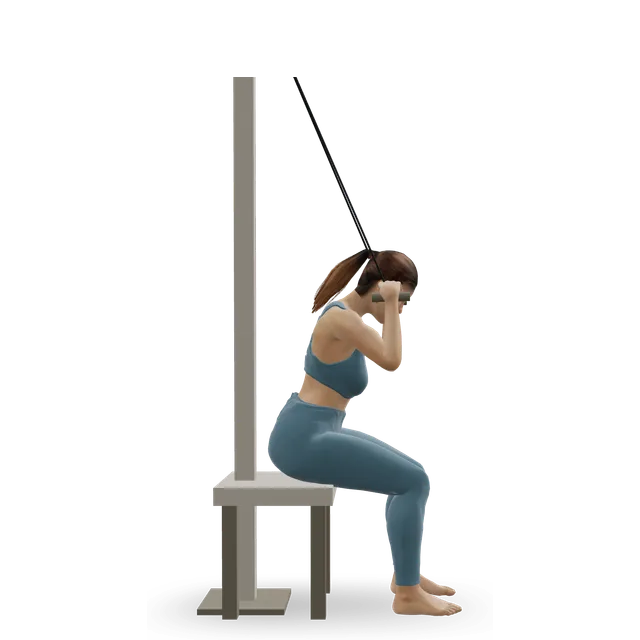
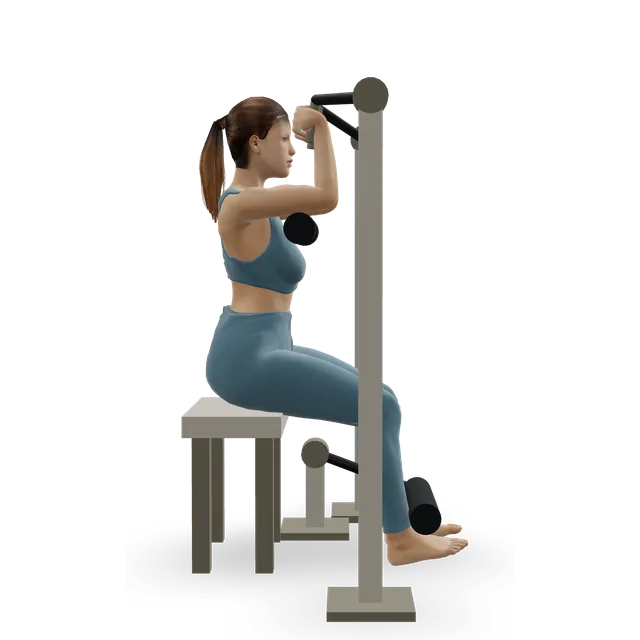
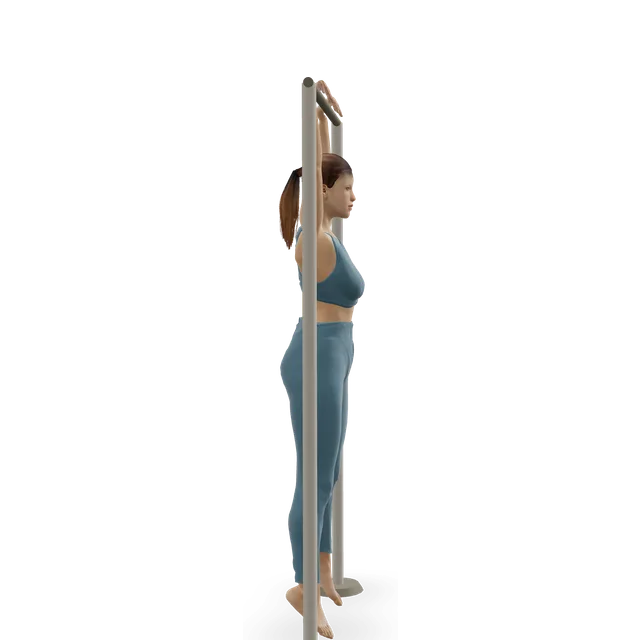
Kneeling cable crunch: 3 sets of 10 to 12 (our gym ab workout). Standing: 2 sets of 10 to 15, light (our editorial starting point). Seated, with your back to the pulley: 2 to 3 sets of 10 to 15 (our cable machine guide's starting point for small moves). From overhead: 2 to 3 sets of 8 to 12, stopping 2 or 3 reps short (the move page's dose); start light, as a heavy stack drags your shoulders. With a twist, elbow towards the opposite knee: 2 sets of 8 to 12 each side, lighter (our editorial starting point). The ab crunch machine: 2 to 3 sets of 8 to 12, stopping 2 or 3 reps short (the move page's dose); its hooked feet bring in the hip flexors more. The cable reverse crunch, which curls the pelvis up instead: 2 to 3 sets of 10 to 12 (our reverse crunch guide). The cable crunch on a Bosu dome has no 3D demo.

Your back, neck and hips

Spine loads: indirect evidenceMixed evidence

No study has measured spine load in a cable crunch. In a computer model of 12 young men, sit-ups compressed the lower spine by more than 3,000 newtons, with bent and straight legs alike. Across 12 ab exercises in 9 volunteers, partial curl-ups gave the most ab work for the spine's compression. An expert review reports about 2,000 newtons for a basic crunch. Adding a cable adds load, so it is reasonable to assume more compression than a floor crunch, but nobody has measured how much.

Sources 10, 22, 11

Pig spines and the 'only so many bends' ideaMixed evidence

Pig spine segments bent and straightened up to 86,400 times under compression developed disc herniations, more often with more compression. An expert review points out that living spines adapt, sets are short with rests, and lab tissue can't remodel, and it judged dynamic bending exercise a reasonable risk for healthy backs, within about 60 bending reps a session.

Sources 12, 11

A computer model of the crunch machineEmerging evidence

A 3D model of an ab crunch machine predicted high loads between the vertebrae and a poor fit for small users, who also leaned on their hip flexors more. It's one model with no people measured, but it's a reason to keep the load moderate and the movement in your spine, not your hips.

Source 18

Who should limit bending

The expert review limits bending exercise only for people with disc problems or back pain that's worse bending forward. The UK consensus on osteoporosis advises modifying or avoiding sustained, repeated or end-range bending, and avoiding loaded bending.

Sources 11, 16

Your neck

Keep your hands by your face and your chin gently tucked; don't pull on your head. Our crunch guide covers the neck in more detail.

Source 2

Your lower back and hips

If you feel it in your lower back or hips, your hips are probably moving and you're hinging rather than curling. Set your hips, use a lighter weight and curl your ribs to your pelvis. With back pain, aim for discomfort no more than about 5 out of 10 that settles within an hour or so and is no worse the next morning, and stop anything that sends pain down a leg, as our back pain guide says.

Common mistakes

Sitting back on your heels

Your hips fold and your body weight pulls the stack. Set your hips and keep them still, as the move page cues.

Pulling with your arms

Your hands stay by your face; let your trunk do the work.

Too heavy

A big stack turns it into a hip hinge. Choose a weight you could curl 10 to 15 times with 1 to 3 to spare, as our plans' starting-weight method suggests.

Yanking your neck

Chin gently tucked and no pulling on your head, as the ab studies advise.

Source 2

Holding your breath

Breathe out as you curl. Holding your breath drives blood pressure up sharply in hard efforts, as our breathing guide explains.

Source 27

Bouncing the stack

Uncurl slowly and don't let the plates touch down between reps.

Sore hands from the rope

Hold the rope's ends rather than the knots, or use a straight bar or an ab strap (our suggestion).

How heavy, how many and how often

No study has tested cable crunch doses. These are our editorial starting points, reconciled with our gym ab workout, cable machine guide and crunch guide.

Your first two weeks

2 sets of 10 to 12, stopping with 3 or 4 reps to spare, with 60 to 90 seconds' rest, as our gym ab workout and our plans' starting note suggest.

Working sets

3 sets of 10 to 12, stopping 1 to 3 reps short, with the last set within 0 to 2 (our gym ab workout). You don't need to go to failure: across 15 studies it gave a trivial growth advantage at most, and most people misjudge the reps they have left by about one.

Sources 23, 24

In a cable session

2 to 3 sets of 10 to 15, the last set ending 0 to 2 reps short, with 60 to 90 seconds' rest: our cable machine guide's starting point for small moves, and the dose in our cable machine workout.

Heavier

2 to 3 sets of 6 to 10, stopping 1 to 3 reps short (our editorial starting point, within the expert review's 6 to 15 reps for loaded bending work).

Source 11

The session ceiling

About 60 bending reps a session at most, cable crunches, crunches and reverse crunches included, and at least 48 hours between bending sessions: one expert review's suggestion, untested, which our crunch guide and gym ab workout keep to.

Source 11

How often

2 or 3 days a week counting all your ab work, as our crunch and get abs guides suggest; our gym ab workout itself is once or twice a week. The NHS asks adults for strengthening activities that work all the major muscle groups, including the abdomen, on at least 2 days a week.

Source 26

Progressing

Add reps until every set reaches the top of the range, then move the pin one step and drop back to the bottom of the range. Adding reps and adding load both worked in a trial of 43 trained people. If the next plate is too big a jump, add reps first, as our cable machine guide explains.

Source 8

Warm up first

3 to 5 minutes of easy movement, a few slow cat-cows and a dead bug or short plank, then a light first set, as our plans and the NHS suggest.

Source 25

No cable?

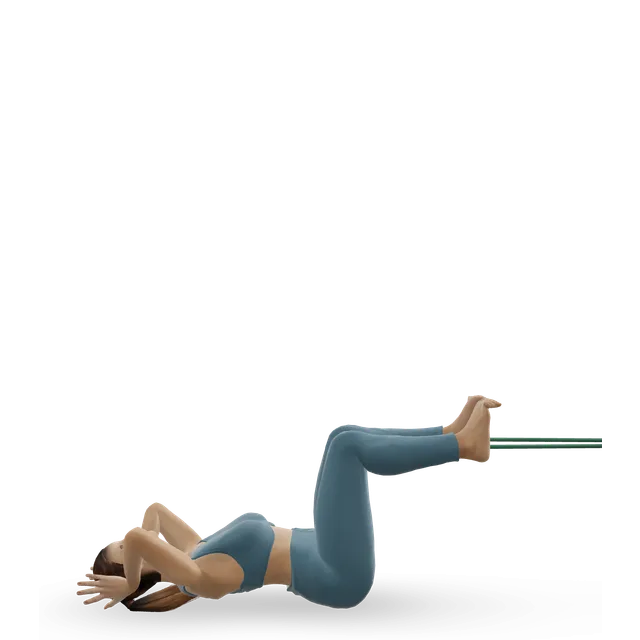
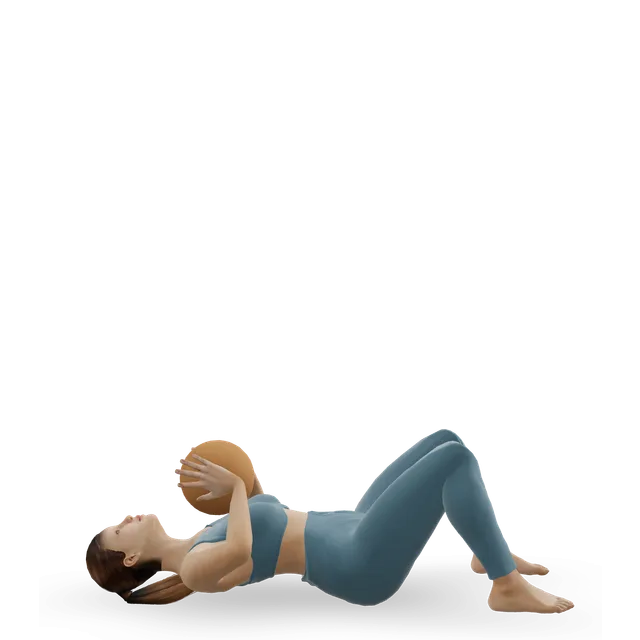
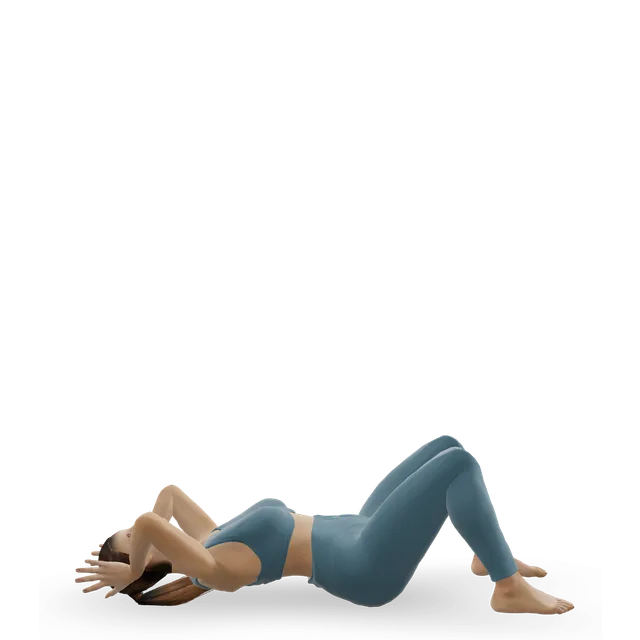
The weighted crunch, a plate or dumbbell held on your chest: 2 to 3 sets of 8 to 15, starting light (our crunch guide's editorial starting point). A long band anchored high, kneeling as for the cable, works the same way (no 3D demo; follow the kneeling steps above). The floor crunch, 2 sets of 12 to 20 stopping 1 to 3 short (our crunch and sit-up workout), is the step before.

Moves that go with it

Warm up with cat-cow, 8 waves, slower than feels natural (the move page's dose), a dead bug, 1 set of 6 each side, and a forearm plank, 1 hold of 20 to 30 seconds (both our gym ab workout). Round out your core with the Pallof press, 2 sets of 10 each side; hanging knee raises, 2 sets of 8 to 12; ab wheel rollouts from the knees, 3 sets of 6 to 10; and suitcase carries, 2 walks of 20 to 30 m each side (all our gym ab workout), plus side planks, 2 holds of 20 to 30 seconds each side (our full-body dumbbell workout B). With osteoporosis or a back that dislikes bending, bird dogs, 6 each side (our beginner core workout), and the Pallof press train your trunk without rounding.

Workouts to follow

Our gym ab workout has kneeling cable crunches with hanging knee raises, rollouts, Pallof presses and carries, kept to about 60 bending reps. Our cable machine workout pairs them with pushdowns. The crunch and sit-up, advanced core and beginner core workouts are the floor options.

Who should change it

Osteoporosis or a past spinal fracture

Leave cable crunches out, as the move page says: the UK consensus advises avoiding loaded spinal bending, and notes reports of spinal fractures with repeated or loaded bending exercises such as sit-ups. Train your trunk with Pallof presses, dead bugs, bird dogs and carries instead, and get individual advice from a physiotherapist when you start.

Sources 16, 29

Back pain worse bending forward, or a disc problem

Use the McGill curl-up and planks instead, as our crunch guide suggests, and see our herniated disc guide. The expert review limits bending exercise only for people with these problems.

Source 11

A hernia

Crunches needn't be banned, but keep the load light (12 to 15 reps), breathe out on the effort, and leave out any move that makes the hernia bulge, as our hernia guide says. After an inguinal hernia repair, the NHS says no heavy lifting or strenuous activity for at least 4 to 6 weeks.

Source 30

After tummy surgery, with a stoma or a pulled stomach muscle

The move page calls it an advanced core exercise after abdominal surgery or with a stoma: work up through easier core levels first, and stop if you notice doming or bulging around a stoma or scar. With a pulled stomach muscle, leave crunches out in the first days; our abdominal strain guide has the staged return.

Pregnancy

Don't start loaded crunches new in pregnancy: the NHS doesn't recommend starting new vigorous activity, and says to stop if you feel uncomfortable, too hot or unwell. Swap them for standing or side-lying core work, as our crunch guide sets out.

Source 31

After a birth and the tummy gap

The NHS says to try to avoid exercises such as sit-ups, planks and high-impact exercises to start with, and to contact the GP if the gap between your tummy muscles is still obvious 8 weeks after the birth. Curl-ups didn't widen the gap in one trial, but no study has tested loaded crunches. If the middle of your tummy domes into a ridge, choose an easier move and see a pelvic health physiotherapist.

Sources 17, 4

High blood pressure, heart disease or eye disease

Breathe out on every rep and keep the load moderate: holding your breath drives blood pressure very high in hard efforts. The American Heart Association calls low- to moderate-intensity strength training with proper breathing safe when blood pressure is controlled, and advises against high-intensity training with active proliferative diabetic eye disease. Our breathing guide lists who should get advice first.

Sources 28, 27

Leaking

Leaking when you crunch or lift is common and treatable: a reason to see our pelvic floor guide and a pelvic health physiotherapist. See a GP about any leaking, as the NHS advises.

Source 32

Warning signs

Stop and get medical help

If you get chest pain or pressure, feel faint or dizzy, are unusually breathless, or your heart races or beats irregularly during exercise, as our plans advise. The American Heart Association says these need immediate medical evaluation.

Source 28

Call 999 (911 in the US)

For chest pain that comes on suddenly and doesn't go away, feels tight or like squeezing, spreads to your arms, neck, jaw, stomach or back, or comes with sweating, feeling sick, light-headedness or breathlessness; severe difficulty breathing; someone who faints while exercising; palpitations that don't go away, or come with chest pain, shortness of breath or feeling faint; or a headache that starts suddenly and is extremely painful, especially while lifting or straining, or comes with numbness or weakness, difficulty speaking or loss of vision. The NHS says a bleed on the brain may be more likely when lifting something heavy. Don't drive yourself to A&E.

Sources 33, 34, 35, 36, 37, 38

Back pain

Call 999 or go to A&E: loss of feeling or numbness around the genitals or bottom, new trouble peeing or controlling your bladder or bowels, changes in genital sensation during sex or problems with erections or orgasm, or pain, tingling, weakness or numbness in both legs. These are signs of cauda equina syndrome, which needs treating in hospital urgently. Don't drive yourself.

Same day (GP or NHS 111): back pain and you feel hot, cold, shivery or generally unwell, or severe pain that starts suddenly or is getting worse quickly.

Source 39

A hernia

See a GP if you think you have a hernia, a bulge or lump that may get bigger when you strain and smaller when you lie down. Get help from NHS 111 if you have a hernia and pain in or around it, a bloated tummy, you feel or are sick, you're vomiting blood or your vomit looks like coffee grounds, you're constipated, you have a high temperature or feel hot, cold or shivery, or you've suddenly become confused. Call 999 or go to A&E for a femoral hernia (a small lump at the top of your thigh, in your groin) with very bad tummy pain, sickness, being unable to fart or poo, a high temperature or sudden confusion.

Sources 40, 41

Urgent GP appointment or NHS 111

For a headache triggered or made worse by coughing, sneezing, bending down or exercising.

Source 37

Your neck

See a GP if neck pain or stiffness hasn't gone after a few weeks, or comes with pins and needles or a cold arm, as our crunch guide says.

Before you start

Speak to your GP first if you haven't exercised for some time or have medical conditions or concerns, as the NHS advises. Get advice before heavy lifting or hard straining work if your blood pressure is uncontrolled, or you have heart disease or chest pain when you're active, a pacemaker or defibrillator, diabetic eye disease, glaucoma, a hernia, recent eye or tummy surgery, or you're pregnant, as our breathing guide lists.

Source 26
Myths

"Cable crunches will flatten your stomach"Strong evidence

Exercising a body part didn't reduce the fat over it across 13 studies of 1,158 people. Six weeks of ab exercise didn't shrink belly fat in 24 adults, and 12 weeks of ab training added nothing to diet alone in 40 women. One trial in 16 men found a little more trunk fat loss with 57 minutes of machine work 4 days a week, a result the larger evidence doesn't back. Ab work builds the muscle; your overall activity and eating decide the fat, as our get abs guide explains.

Sources 13, 14, 15, 6

"Crunches wear out your discs: the spine has only so many bends"Mixed evidence

The idea comes from pig spine segments bent up to 86,400 times in a lab. Living spines adapt, sets are short with rests, and an expert review judged dynamic bending exercise a reasonable risk for healthy backs, within about 60 reps a session. The exceptions are disc problems, back pain that's worse bending forward, and osteoporosis. No study has tested cable crunches.

Sources 12, 11, 16

"Constant cable tension makes it the best ab exercise"Emerging evidence

We found no study of the cable crunch. Added load raises ab work, but so do inclines and other loaded moves, and how you set up mattered more than the machine in one study. The cable's real advantage is small, measurable load steps.

Sources 2, 3

"The exercise that lights up the muscle most builds it most"Emerging evidence

Muscle activity in one session isn't a validated predictor of growth, so the crunch and machine figures on this page show effort, not results.

Source 21

"You have to go to failure"Strong evidence

Across 15 studies, training to failure gave a trivial growth advantage at most. Stop 1 to 3 reps short, as our plans say.

Source 23

Questions people ask

How do you do a cable crunch?

Kneel facing a high pulley with a rope, the ends held beside your face. Keep your hips still and curl your ribs down towards your pelvis until your elbows near your thighs, then uncurl slowly against the cable. Start with a light weight.

What muscles do cable crunches work?

Mainly the six-pack muscle (rectus abdominis), with the obliques helping. If your hips fold or you sit back on your heels, the hip flexors take over: in one study a machine crunch drew far more hip flexor activity than a ball crunch.

Kneeling or standing cable crunches?

Either. Kneeling is the usual version and easier to load; standing, with your back to the pulley, is the version ACE rates for beginners. No study has compared them, so choose the one where you can keep your hips still.

How heavy should my cable crunches be?

Heavy enough that 10 to 15 reps leave 1 to 3 in reserve. There are no weight standards, and stack numbers differ between machines, so compare yourself with yourself on the same station.

How many sets and reps of cable crunches?

Start with 2 sets of 10 to 12 with 3 or 4 reps to spare, then 3 sets of 10 to 12 with 60 to 90 seconds' rest, as our gym ab workout does. Add weight when every set reaches the top of the range. These are our starting points; no study has tested cable crunch doses.

Are cable crunches bad for your back?

Not for most healthy backs, though no study has measured the spine in a cable crunch. An expert review judged loaded bending reasonable for healthy spines within about 60 bending reps a session. Leave them out with osteoporosis or a past spinal fracture, and swap them if bending forward flares your back.

Why do I feel cable crunches in my lower back or hips?

Usually because your hips are moving and you're hinging rather than curling. Set your hips, keep them still, use a lighter weight and curl your ribs towards your pelvis. If it still hurts, our back pain guide's rule applies.

Will cable crunches give me a six-pack?

They build the muscle; whether you see it depends on body fat. Exercising a body part didn't reduce the fat over it across 13 studies, so your overall activity and eating decide that part, as our get abs guide explains.

Cable crunches or the ab crunch machine?

Both load a crunch. The machine's hooked feet bring in the hip flexors more, as one study found, while a cable lets you keep your hips still and fits any size. Use whichever you can do with your hips still.

How do I do cable crunches at home?

Anchor a long band high and kneel as you would at a cable, or hold a weight on your chest for a weighted crunch, 2 to 3 sets of 8 to 15, starting light. Floor crunches with your arms overhead are another step up.

Are cable crunches safe with diastasis recti or after a birth?

The NHS advises avoiding sit-ups and planks at first after a birth, and seeing a GP if the gap is still obvious at 8 weeks. Curl-ups didn't widen the gap in one trial, but no study has tested loaded crunches. If your tummy domes into a ridge, choose an easier move and see a pelvic health physiotherapist.

Can I do cable crunches when pregnant?

Don't start them new in pregnancy, and swap loaded crunches for standing or side-lying core work, as our crunch guide sets out. The NHS says to stop if you feel uncomfortable, too hot or unwell.

Sources

  1. American Council on Exercise · Standing crunch on a cable (exercise library, rated beginner)
  2. Monfort-Pañego 2009 · Abdominal muscle activity in ab exercises: 87 studies (literature synthesis, J Manipulative Physiol Ther)
  3. Sundstrup 2012 · A ball crunch with an elastic band against a seated crunch machine in 42 adults (EMG study, Int J Sports Phys Ther)
  4. Gluppe 2023 · Curl-ups in 70 women with a tummy gap 6 to 12 months after birth (RCT, J Physiother)
  5. Shahtahmassebi 2019 · Trunk training and muscle size, strength and function in 64 older adults (RCT, Scand J Med Sci Sports)
  6. Brobakken 2023 · Machine crunches and torso rotations added to running in 16 overweight men (RCT, Physiol Rep)
  7. Currier 2026 · ACSM position stand: resistance training prescription for muscle function, hypertrophy and physical performance (overview of 137 reviews, MSSE)
  8. Plotkin 2022 · Progressing load or repetitions in 43 trained people (RCT, PeerJ)
  9. Pelland 2026 · Weekly volume and frequency, muscle growth and strength: 67 studies (meta-regressions, Sports Med)
  10. McGill 1995 · Spine compression in sit-ups and standing flexion in 12 young men (modelling study, Clin Biomech)
  11. Contreras 2011 · To crunch or not to crunch: spinal flexion exercises, their risks and how to programme them (expert narrative review, Strength Cond J)
  12. Callaghan 2001 · Disc herniation in pig spine segments bent repeatedly under compression (lab study, Clin Biomech)
  13. Ramirez-Campillo 2022 · Exercising a body part and the fat over it: 13 studies, 1,158 people (systematic review and meta-analysis, Human Movement)
  14. Vispute 2011 · Six weeks of ab exercise and belly fat in 24 adults (RCT, JSCR)
  15. Kordi 2015 · Ab training plus diet against diet alone in 40 women (RCT, J Manipulative Physiol Ther)
  16. Brooke-Wavell 2022 · Strong, steady and straight: UK consensus statement on physical activity and exercise for osteoporosis (consensus statement, BJSM)
  17. NHS · Your post-pregnancy body
  18. Nolte 2013 · A 3D computer model of the abdominal crunch machine (modelling study, J Sports Sci)
  19. Escamilla 2006 · Muscle activity in 7 commercial ab devices, the crunch and the bent-knee sit-up in 14 people (EMG study, JOSPT)
  20. Juker 1998 · Psoas and abdominal wall activity in sit-ups, curl-ups and other tasks in 8 adults (intramuscular EMG, Med Sci Sports Exerc)
  21. Vigotsky 2022 · Surface EMG amplitude in one session is not a validated predictor of muscle growth (review, Sports Med)
  22. Axler 1997 · Low back loads over 12 abdominal exercises in 9 volunteers (lab study, Med Sci Sports Exerc)
  23. Refalo 2023 · Proximity to failure and muscle hypertrophy (meta-analysis, Sports Med)
  24. Halperin 2022 · Accuracy in predicting repetitions to failure (scoping review and meta-analysis, Sports Med)
  25. NHS · How to warm up before exercising
  26. NHS · Physical activity guidelines for adults aged 19 to 64
  27. MacDougall 1985 · Blood pressure during heavy lifting, measured in the artery, in 5 bodybuilders (lab study, J Appl Physiol)
  28. Paluch 2024 · Resistance exercise training with and without cardiovascular disease: 2023 update (American Heart Association scientific statement, Circulation)
  29. NHS · Osteoporosis (past its review date: reviewed October 2022, review due October 2025)
  30. NHS · Inguinal hernia repair
  31. NHS · Exercise in pregnancy
  32. NHS · Urinary incontinence (past its review date: reviewed June 2023, review due June 2026)
  33. NHS · Chest pain (past its review date: reviewed August 2023, review due August 2026)
  34. NHS · Heart attack
  35. NHS · Fainting
  36. NHS · Heart palpitations
  37. NHS · Headaches
  38. NHS · Subarachnoid haemorrhage
  39. NHS · Back pain
  40. NHS · Hernia
  41. NHS · Femoral hernia

Exercise education, not a personal prescription, and clinical review of these guides is pending. Check with a GP before starting hard training if you have a heart condition, chest pain, dizziness or breathlessness when active, and stop for sharp or increasing pain. Health disclaimer.