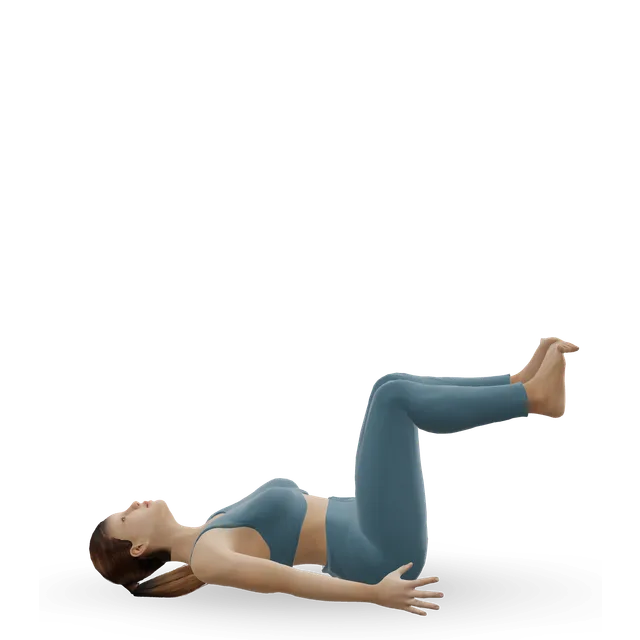
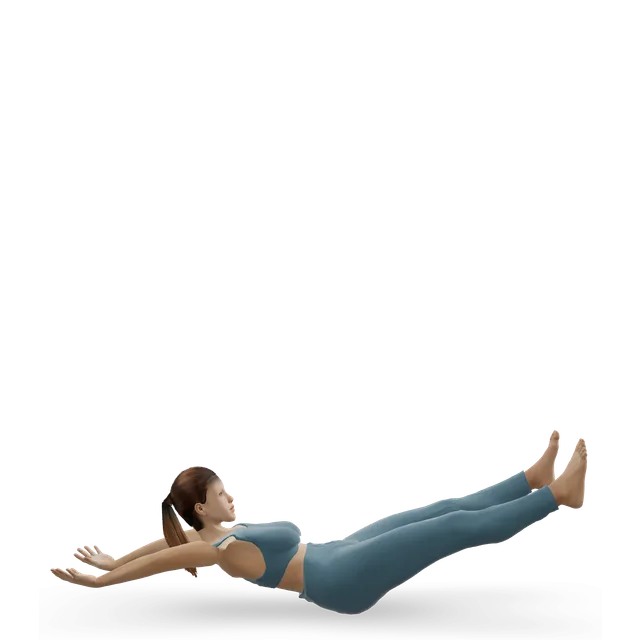
One straight line, held
On your forearms and toes, with your elbows under your shoulders, hold one straight line from head to heels, your waist not sagging, and breathe steadily. Lower your knees and rest as soon as your hips start to sink.
Training guide
A plank is a hold on your forearms or hands and your toes, with one straight line from your head to your heels. Set your elbows under your shoulders, squeeze your glutes lightly, tuck your pelvis a little and breathe steadily, and lower your knees as soon as your hips start to sink. If that's too much, start on your knees: it's the same exercise with a shorter lever.
It's a moderate-effort hold that trains your trunk to stop your spine sagging. Longer isn't better: in a test of 471 students, most people stopped because their arms or legs gave out, not their abs, and harder versions work the abs far more than longer holds. Planks help back pain about as much as other exercise, not more, and they don't burn belly fat.
This guide shows you how to set it up step by step on the 3D figure, forearms or straight arms, how to breathe, how long to hold, what it works, why you shake, how to make it harder, and when to change it or stop.
On your forearms and toes, with your elbows under your shoulders, hold one straight line from head to heels, your waist not sagging, and breathe steadily. Lower your knees and rest as soon as your hips start to sink.
The forearm plank keeps weight off bent-back wrists. The straight-arm plank, the top of a push-up, worked the triceps and the muscles around the shoulder blades harder in 21 men. No study has compared the abs directly; our inference from studies that tilt the body is that the forearm plank is a little harder for the abs.
In 18 adults, the knee plank drew about a third less ab activity than the plank on the toes and felt very, very light. Start there and move up to your toes once 3 holds of 30 seconds are steady, as our plank challenge workout does.
Source 5
Most people do 3 holds of 20 to 45 seconds. In 471 students holding a plank to failure, the legs and arms gave out more often than the abs, and a long-lever plank raised ab activity far more than the standard one. Once 45 seconds is easy, make it harder rather than longer; our plank hold guide covers hold times in detail.
In 62 healthy adults holding a plank until they tired, 97% reached the study's preset stop limit for blood pressure within about a minute, with no harm done. Breathe all the way through; counting out loud helps.
A plank builds endurance in the muscles that hold your trunk still. Core exercise helps back pain about as much as other exercise, not more, and ab exercises don't burn the fat over your abs.
A hold face down on your forearms and toes (the forearm, elbow or low plank) or on straight arms (the straight-arm, high or push-up plank), keeping one straight line from your head to your heels. The knee plank is the same position with your knees down. Nothing moves: it's an isometric (holding) exercise, sometimes called the prone bridge in research.
Your six-pack muscle (rectus abdominis), the obliques at your sides and the deep transversus abdominis stop your spine sagging, with your back muscles holding the line. Your shoulders hold you up, your glutes and thighs keep your hips and knees straight, and on straight arms your triceps and wrists work too.
It's moderate effort: in 30 adults, the front plank drew under 45% of maximal activity in most trunk and hip muscles. These numbers come from EMG (electromyography: electrodes measuring how hard a muscle works), which shows effort in one session, not what a muscle will build over months.
Comfortable kneeling and forearm support for the knee plank, and a brief, controlled plank for the forearm plank. Before the straight-arm plank, the move page asks for a steady knee hover or knee plank for 20 seconds.
Bigger, heavier bodies have more to hold up: in 471 students, plank times fell slightly as body mass rose, and in 120 adults they fell with body mass index and waist size. Younger adults held longer than older ones, and active people longer than inactive ones. Near failure, untrained people leaned more on their back muscles than trained people. None of this is a target: compare yourself with yourself, as our plank test page suggests.
From our move pages and NASM's plank (forearms under the shoulders, a straight line, steady breathing), with the pelvic tuck from a muscle activity study and the bracing cue from a spine stability study. For the knee plank, put your knees down on a soft surface and keep one line from shoulders to knees. For the straight-arm plank, put your hands under your shoulders, fingers spread, and press the floor away so your upper back doesn't sag. For the long-lever plank, set your elbows a hand's width ahead of your shoulders, as our plank challenge workout does. An incline plank, with your hands on a bench or worktop, has no demo of its own.
Loading the 3D figure…
The movement on the figure: Forearm plank
Your weight rests on your forearms, so your wrists stay straight: it's the plank to choose with wrist pain, as its move page says. It's the position of the published plank test, and the one most plank studies used.
On straight arms, your wrists bend back and your shoulders and arms work harder: in 21 men, the triceps and the lower trapezius (a muscle that steadies the shoulder blades) worked harder than in the forearm plank. In 30 yoga practitioners, both versions worked the external oblique well. It's the top of a push-up, so it's worth learning; press the floor away to keep your upper back from sagging.
No study we found compared the abs in the two directly. Raising the feet on wall bars raised ab activity in 24 young adults, and NASM uses a plank with the hands raised on a bench as the easier version, so the straight-arm plank, with your shoulders a little higher than your feet, is probably a little easier for the abs and harder on your wrists and shoulders. That's our inference, not a measured result. Choose by your wrists and shoulders, and learn both.
In 18 adults, the knee plank drew 27% and 26% of maximum in the upper and lower six-pack muscle, against 34% and 40% on the toes, and was rated very, very light against fairly light. NASM teaches both the knee plank and the incline plank as the easier versions for beginners, with holds of 10 to 15 seconds.
NASM calls breath-holding one of the commonest plank mistakes. Breathe steadily, or count your breaths rather than the seconds. As a researcher quoted by the British Heart Foundation put it, you must remember to breathe.
In 62 healthy adults (average age 27, 32 of them women), a plank held until they tired pushed diastolic blood pressure (the lower number) past the study's preset stop limit of 115 mmHg in 97% of them, after about 50 seconds on average: about 40 seconds in the women and 60 in the men. Peaks averaged 177/123 mmHg, nobody came to any harm, and the effort was rated only hard, so most could have kept going. This is why holds stay short and you keep breathing.
Source 8
Holding (isometric) exercise lowered resting blood pressure more than other kinds of exercise across 270 trials, by about 8/4 mmHg, but planks weren't among the exercises tested. Our high blood pressure guide uses knee planks, 3 holds of 20 to 45 seconds, breathing throughout.
In 12 healthy volunteers, eye pressure rose during forearm planks, reverse planks and side planks, but not during a wall sit. With glaucoma, ask your eye team before long holds, as our glaucoma guide advises.
Source 21
In 30 adults, the front plank stayed under 45% of maximal activity in most trunk and hip muscles, which suits endurance and control more than strength. In 18 adults, a plank on the toes drew 34% of maximum in the upper six-pack muscle, 40% in the lower and 40% in the external oblique; a crunch drew more in the upper six-pack (53%) and less in the external oblique (28%). These are single-session measures of effort.
In 471 college students holding a forearm plank to failure, median times were 110 seconds for men and 72 for women. The commonest reasons for stopping were the legs (32%) and the arms (32%), then the abs (21%). A long hold tests endurance and tolerance more than core strength.
Source 6
In 19 adults, a long-lever plank with the pelvis tucked raised ab activity markedly over the standard plank, mostly from the long lever. Suspended planks (on suspension straps) and suspended roll-out planks drew the most six-pack activity of 8 planks in 20 students; stirring the pot on a ball passed 60% of maximum in the six-pack and both obliques in 26 adults; raising the feet raised ab activity in 24 adults; and roll-outs drew the most of 10 exercises in 18 adults. Unstable surfaces raise activity too, though one study warns that back-muscle activity rises with them.
Pulling the shoulder blades together with the pelvis tucked gave the most trunk activity and felt hardest of four positions in 15 adults. Drawing your tummy in hard raised oblique and back activity, but not six-pack activity, and felt harder, in 20 adults. Focusing on your abs raised their activity in 20 students. In a model, bracing (tightening all the way round) steadied the spine better than hollowing. So: tuck your pelvis a little, brace rather than suck in, and keep breathing.
In 21 male college athletes, 8 weeks of extra core training 3 times a week took a plank-based test from about 194 to 242 seconds, with slightly better running economy. Four weeks of core training lengthened holds in 30 novice weightlifters, but there was no comparison group.
In a randomised trial of 61 young adults, 12 weeks of supervised straight-arm, forearm and side planks (1 minute each with 1 minute's rest, 3 sets building to 5, 3 days a week) raised sit-up scores by 55%. It was a small trial, and the group that didn't train got worse over the same weeks, which widens the gap.
In 19 highly trained climbers, 10 weeks of holding or moving core training gave similar gains. In 24 men, 6 weeks of holding exercises stiffened the trunk more than moving ones, and back-muscle oxygen fell during 30-second holds even at very low effort in 8 adults. No trial has compared short plank holds with long ones, so short, repeated holds are reasonable rather than proven, as our plank hold guide explains.
Across 249 trials, exercise reduced chronic low back pain by about 15 points on a 100-point scale against no treatment or usual care, with moderate certainty. Core stability exercise helped about as much as other kinds of exercise, not more, in reviews of 29 trials each.
Plank times didn't predict overuse injuries in 75 college track and cross-country athletes, and in 117 adults, people with back pain held planks longer, not shorter. In 4,147 soldiers followed for 2 years, core stabilisation prevented no more back pain than traditional exercise. The plank does work the deep and side ab muscles more than bridges in people with chronic back pain (45 adults), so it's a useful exercise, not a shield.
Six weeks of ab exercise changed no fat measure in 24 adults, 12 weeks of ab training added to a diet did no better than the diet alone in 40 women, and across 13 studies of 1,158 people, training a body part didn't reduce the fat over it. Our belly fat guide covers what does.
The 12-week plank trial reported 4.5% less whole-body fat with planks, against a 21% rise in the group that didn't train, whose muscle also fell by an eighth. Changes that large in young adults over 12 weeks are hard to explain, it measured the whole body rather than belly fat, and the authors call their sample small, so it doesn't show that planks burn fat.
Source 33
In 12 trained men, heavy back squats drew six-pack and oblique activity similar to a plank weighted with a fifth of their body weight. Planks aren't the only way to train your trunk.
Source 43
We found no study comparing the abs in forearm and straight-arm planks, no trial comparing short and long holds, no study of why people shake in a plank, and no study of planks in pregnancy.
Move up once 3 holds at the top of the range are steady, as our plank challenge workout does. Knee planks, 3 holds of 15 to 30 seconds (our plank challenge workout), or the knee hover, 3 holds of 15 to 30 seconds (its move page's dose); forearm planks, 3 holds of 20 to 45 seconds (our plank challenge workout and plank hold guide); straight-arm planks, 3 holds of 15 to 30 seconds (its move page's dose); plank walk-ups, 3 sets of 6 to 10 (our plank challenge workout); the long-lever forearm plank, 3 holds of 10 to 30 seconds (our plank challenge workout; the demo shows the standard plank); butt-ups, 2 to 3 sets of 10 to 15 slow reps with 2 or 3 reps in reserve (its move page's dose); then suspension fallouts and rollouts from the knees, 3 sets of 6 to 10 (our plank hold guide).
 3D demoKnee plankBeginner · No equipment
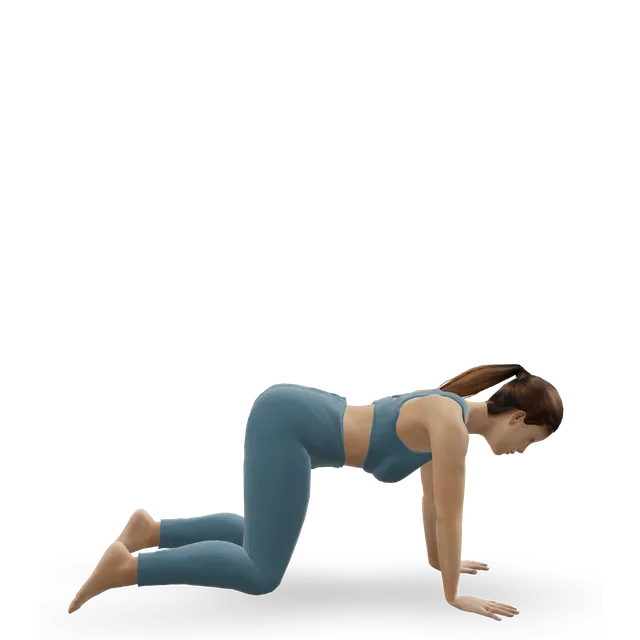 3D demoKnee hover (Pilates tabletop hover)Beginner · No equipment
 3D demoForearm plankIntermediate · No equipment
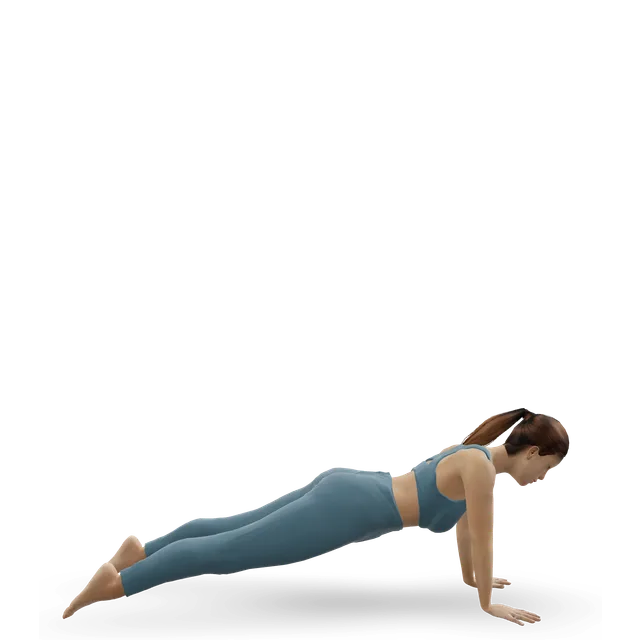 3D demoStraight-arm plank (high plank)Intermediate · No equipment
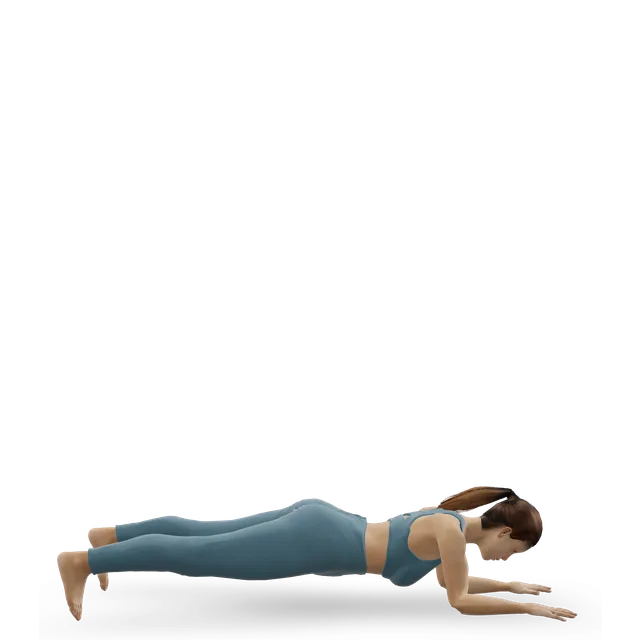 3D demoPlank walk-upAdvanced · No equipment
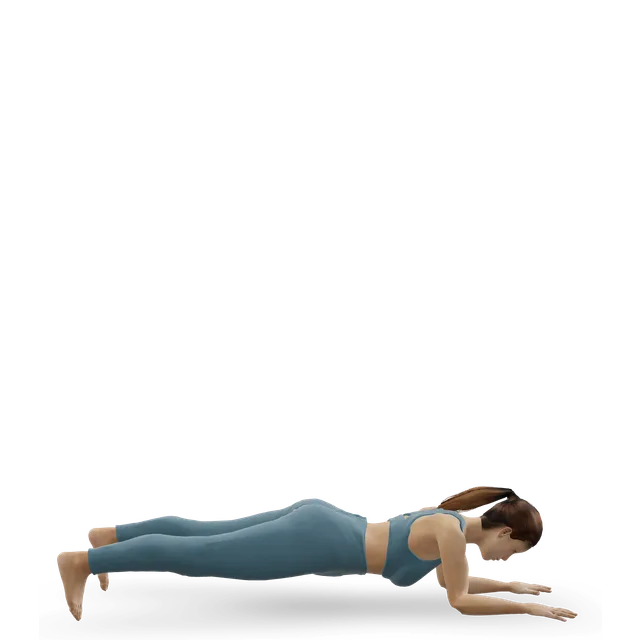 3D demoForearm plank pike (butt-ups)Intermediate · No equipment
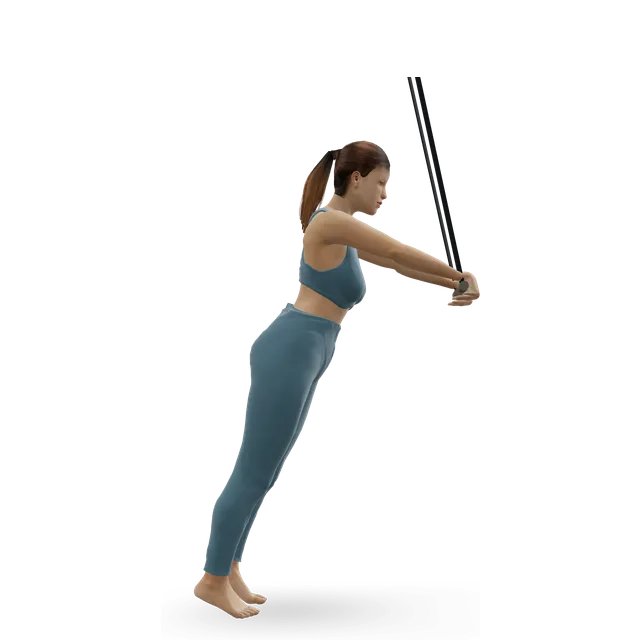 3D demoSuspension trainer falloutIntermediate · An anchor point
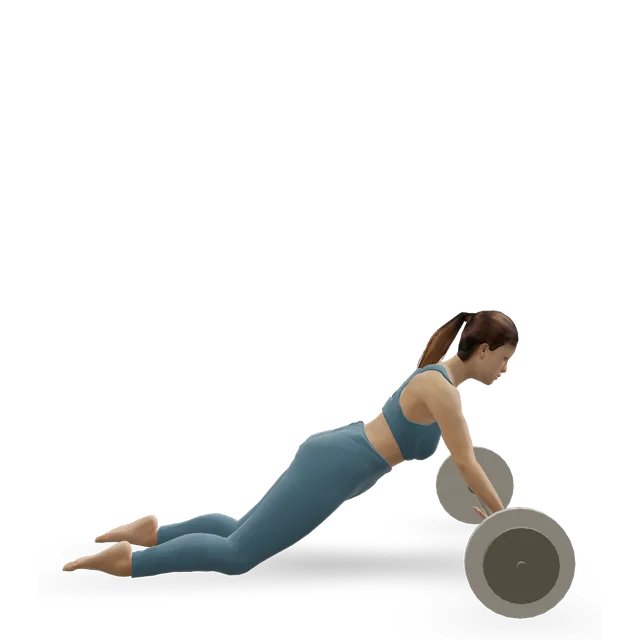 3D demoAb wheel rollout from the kneesAdvanced · An ab wheel
3 holds of 20 to 45 seconds on your forearms, ending each when your hips start to sink (our plank hold guide and plank challenge workout); 15 to 30 seconds on your knees; 15 to 30 seconds on straight arms (its move page's dose). NASM starts beginners at 10 to 15 seconds. Our plank hold guide has the detail, including normal times and short McGill-style holds.
Source 18
30 to 60 seconds between holds, as our plank challenge and ab challenge workouts use.
Once 3 holds of 45 seconds are steady, move to the next version: no training hold in our plank challenge goes beyond about 60 seconds. NASM moves people on at 30 to 45 seconds. In 30 active adults, encouragement alone added about half a minute to a plank without changing muscle activity, which is why a very long hold says more about tolerance than training.
2 or 3 times a week as part of a core routine, as NASM suggests and our get abs guide does, or daily at these modest doses, as our plank hold guide says. With weekly sets matched, how often you train a muscle made little difference to growth across 25 studies.
Time your longest hold once a month at most, fresh and with the same set-up, as our plank challenge workout suggests. Our plank test page has the test's rules.
A plank trains one job: holding your trunk still against sagging. Add a side plank, a bird dog and a gentle curl or a Pallof press to cover bending sideways, twisting and curling, as our plank hold guide suggests.
The commonest one. End the hold, rest and go again; if they sag early, drop to your knees.
It takes the work off your trunk. Lower your hips into one line from head to heels.
Tuck your pelvis a little, or go back to the knee plank. Near failure, untrained people leaned more on their back muscles in one study.
Source 16
Blood pressure climbs in a plank. Breathe steadily and count out loud.
Source 8
Look at the floor just ahead of your hands, with your neck in line.
Press the floor away so your upper back doesn't sag between your shoulder blades.
Make fists, use handles, or go to your forearms, as NASM suggests.
Source 18
Shaking is usually normal muscle fatigue. In one small study of the calf muscles, tremor rose steadily as a moderate hold tired the muscle. No study has looked at planks; end the hold when your form goes, not when you start to shake.
Source 46
Daily maximum-time tests train tolerance, not your abs. Make the plank harder instead.
Knee side planks, 2 to 3 holds of 15 to 30 seconds a side, then side planks, 15 to 40 seconds (our plank challenge workout); bird dogs, one limb at a time and then opposite arm and leg, 1 to 2 sets of 6 to 8 each side with 3 to 5 second holds (our plank challenge workout); dead bugs, 1 set of 6 to 8 each side as a warm-up (our plank challenge workout); mountain climbers, 30 seconds (our no-equipment ab workout), at a pace you can keep smooth with your hips level; bear crawls, 4 crawls of 8 to 10 metres (its move page's dose); the Pilates leg pull front, 3 to 5 each side (its move page's dose); and push-ups, as our push-up guide teaches.
 3D demoKnee side plankBeginner · No equipment
 3D demoSide plankIntermediate · No equipment
 3D demoBird dog, one limb at a timeBeginner · No equipment
 3D demoBird dogBeginner · No equipment
 3D demoDead bugBeginner · No equipment
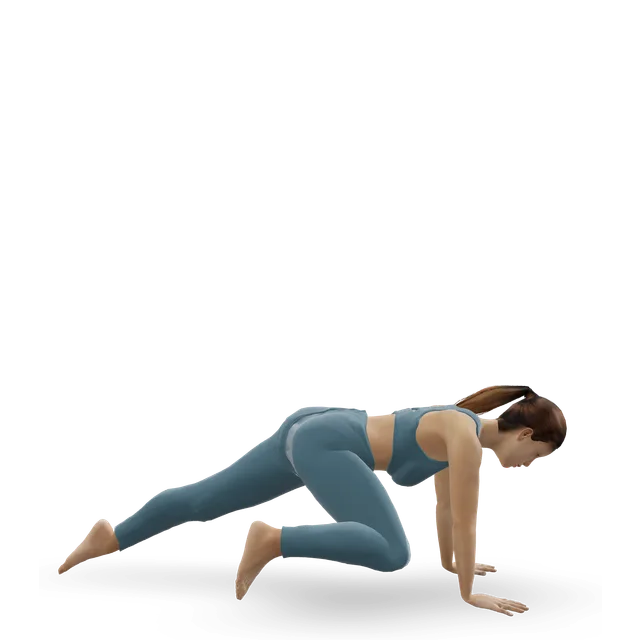 3D demoMountain climbersIntermediate · No equipment
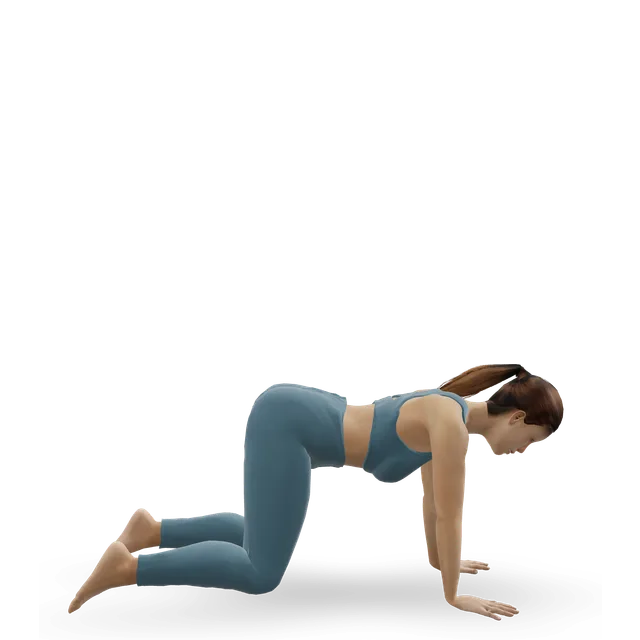 3D demoBear crawlIntermediate · No equipment
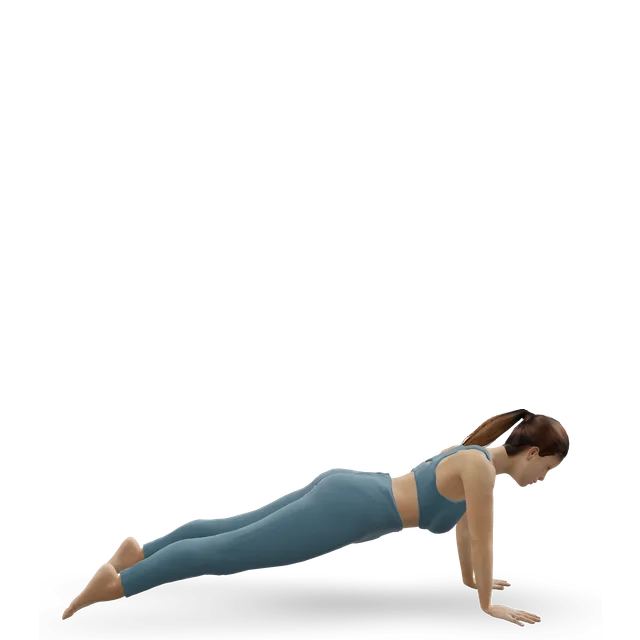 3D demoLeg pull front (Pilates leg pull down)Advanced · No equipment
 3D demoPush-upIntermediate · No equipment
Our plank challenge workout takes you from knee planks to walk-ups, with side planks and bird dogs. Core session A of our 30-day ab challenge adds planks to dead bugs and curls, the beginner core workout starts with knee planks, the no-equipment ab workout uses a forearm plank in a circuit, and the McGill big 3 routine uses short holds.
A 12-minute plank session for the 30-day plank challenge: front planks that get harder, not longer, plus side planks and bird dogs for the whole trunk.
12 minBeginner12 movesNo equipmentA 12-minute core session for the front of the trunk: dead bugs, curl-ups or crunches and front planks, each with steps from beginner to harder.
12 minBeginner11 movesNo equipmentA 15-minute beginner core workout on the floor: dead bugs, bird dogs, knee planks, side planks and curl-ups.
15 minBeginner6 movesNo equipmentAn intermediate ab workout with no equipment: planks, side planks, reverse crunches, hollow holds and mountain climbers.
20 minIntermediate7 movesNo equipmentThe McGill big three for the core: curl-ups, side planks and bird dogs, each held for 10 seconds at a time in falling sets of 5, 3 and 1 reps.
12 minBeginner3 movesNo equipmentThe 30-day plank challenge builds your holds over a month, harder rather than longer; the 30-day ab challenge trains every part of your trunk in four short sessions a week.
A free 30-day plank challenge that gets harder, not longer: three plank sessions a week, two optional McGill big 3 days and a plank test at each end.
3 training days12 minBeginner4 days a weekA free 30-day ab challenge: four 12-minute core sessions a week, from dead bugs to hollow holds, with rest days and an honest word on belly fat.
4 training days12 minBeginnerUse the forearm plank, or make fists on straight arms, as the move pages and our wrist pain from push-ups guide suggest.
Use the forearm plank, or rest your hands on a bench, as the straight-arm plank's move page says, and stop if it hurts.
Keep holds short, breathe throughout and use knee planks, as our high blood pressure guide does. People with controlled blood pressure can do moderate strength training with proper breathing, the American Heart Association says. Get advice first if your blood pressure is uncontrolled.
The British Heart Foundation advises avoiding "using your whole body as a weight, such as press-ups or planks", and holding your breath. Ask your heart team; dead bugs and bird dogs are gentler.
Source 48
Eye pressure rose during planks in healthy volunteers. Ask your eye team before long holds, and breathe throughout.
Source 21
Planks suit you: your spine stays straight, and the UK consensus asks you to avoid repeated or deep rounding rather than holds like this. Our osteoporosis guide uses planks of 20 to 30 seconds, 2 or 3 times.
Source 49
A plank isn't lying on your back, and no guideline we read rules it out. If you already plank, you can usually carry on while it feels comfortable, moving to your knees or an incline as your bump grows, and easing off if your tummy bulges into a ridge, as our pregnancy guide says. Ask your midwife, as our plank hold guide suggests, and don't start long or hard holds in pregnancy: the NHS advises against starting new vigorous exercise.
Source 50
The NHS advises avoiding sit-ups, planks and high-impact exercise to start with. Our diastasis recti guide brings planks back once its curl-up stage is comfortable, knee planks first, at 20 to 30 seconds.
Source 51
After an umbilical or incisional hernia repair, leave planks out at first and build up through gentler core work, as our hernia guide says. With a hernia, leave out any move that makes it hurt or bulge.
If you get chest pain or pressure, feel faint or dizzy, are unusually breathless, or your heart races or beats irregularly during exercise, as our plans advise. The American Heart Association says these need immediate medical evaluation.
Source 47
For chest pain that feels tight, heavy or squeezing, or spreads to your arms, neck, jaw or back; a sudden, extremely painful headache, especially while straining; someone who faints while exercising; palpitations that don't go away, or come with chest pain, breathlessness or feeling faint; severe difficulty breathing; or angina pain that doesn't stop after rest and your medicine. Don't drive yourself to A&E.
A headache that's triggered or made worse by coughing, sneezing, bending down or exercising needs an urgent GP appointment or NHS 111. In the US, contact your doctor or urgent care.
Source 55
If you haven't exercised for some time or have a medical condition, speak to your GP first, as the NHS advises. Get advice before hard straining work if your blood pressure is uncontrolled, or you have heart disease or chest pain when you're active, a pacemaker or defibrillator, diabetic eye disease, glaucoma, a hernia, recent eye or tummy surgery, or you're pregnant, as our breathing guide lists.
Source 60
Call 999 or go to A&E for loss of feeling or numbness around your genitals or bottom, new trouble peeing or controlling your bladder or bowels, changes in genital sensation during sex or problems with erections or orgasm, or pain, tingling, weakness or numbness in both legs. These are signs of cauda equina syndrome, which needs treating in hospital urgently; don't drive yourself. With everyday back pain, aim for pain no more than about 5 out of 10 that settles within an hour or so and is no worse the next morning, as our back pain guides say.
Source 61
See a GP if wrist pain stops normal activities, is getting worse or keeps coming back, hasn't improved after 2 weeks of treating it at home, or comes with tingling or loss of feeling. Contact NHS 111 for severe wrist pain, a snap or popping noise when it started, or a wrist you can't move or that has changed shape or colour.
Source 62
Ask for an urgent GP appointment or get help from NHS 111 for sudden or very bad shoulder pain, being unable to move your arm, a shoulder that has changed shape or is badly swollen, pins and needles that don't go away, or pain after an injury or fall. See a GP if shoulder pain is getting worse or hasn't improved after 2 weeks.
Source 63
See a GP if you think you have a hernia. Get help from NHS 111 if you have a hernia and pain in or around it, a bloated tummy, sickness, constipation, a high temperature or sudden confusion. Call 999 or go to A&E for a femoral hernia (a lump at the top of the thigh) with very bad tummy pain, sickness, being unable to fart or poo, a high temperature or sudden confusion.
Stop if you feel uncomfortable, too hot or unwell, as the NHS advises. Stop and contact your midwife, GP or maternity team if you have vaginal bleeding, your waters break, or you have painful contractions, chest pain, dizziness or become very short of breath, as Tommy's advises.
Aching abs or shoulders for a day or two after a new session are normal. Sharp pain isn't: the NHS says to stop exercising straight away if you feel any pain or become unwell, and to get help from 111 if you're worried or it doesn't go away.
Source 67
Long holds mostly end at the arms and legs, encouragement alone added about half a minute without changing muscle activity, and untrained people lean on their back muscles near failure. A harder version raised ab activity far more than the standard plank. Make it harder, not longer.
The plank is moderate effort and trains one job, holding still against sagging. A crunch drew more upper six-pack activity, and no single exercise trains every ab muscle at a low load on the spine. Add a side plank, a bird dog and a curl or Pallof press.
Shaking is usually normal muscle fatigue, borrowed from one small study of the calf muscles. End the hold when your form goes, not when you start to shake.
Source 46
Both work your trunk. Straight arms add more triceps, shoulder and wrist work; forearms spare your wrists. Pick the one your wrists and shoulders like.
Ab exercises don't remove the fat over your abs. One small 12-week plank trial reported less whole-body fat, but its comparison group's changes were hard to explain; it doesn't show that planks burn belly fat.
Blood pressure climbs steeply in a long plank, the British Heart Foundation advises avoiding planks with heart failure, the NHS advises avoiding them after a birth to start with, and eye pressure rises in a plank. Breathe, keep holds short, and check first if any of these apply to you.
Put your forearms on the floor with your elbows under your shoulders, step back onto your toes, and make one straight line from your head to your heels, squeezing your glutes lightly and tucking your pelvis a little. Breathe steadily, look at the floor just ahead of your hands, and lower your knees when your hips start to sink.
Both train your trunk. The forearm plank spares your wrists; the straight-arm plank works your triceps and shoulders more and is the start of a push-up. The forearm version is probably a little harder for your abs, because your body is lower and level, though no study has compared them directly.
As long as you can keep a straight line, usually 3 holds of 20 to 45 seconds, then make it harder rather than longer. You can plank daily at modest doses like these. Our plank hold guide covers hold times, normal times by age and plank challenges.
Mainly your six-pack muscle and your obliques, holding your trunk still, with your shoulders, glutes and thighs helping and your triceps working on straight arms. It's moderate effort: under half of maximal activity in most trunk muscles in one study.
Yes. It's the same position with a shorter lever, with about a third less ab work, and much easier to hold well. Start there and move up to your toes once 3 holds of 30 seconds are steady.
Breathe steadily the whole time; counting out loud helps. Holding your breath raises your blood pressure, which already climbs during a long hold.
Usually because your muscles are tiring: shaking rises in any long, steady hold, as one small study of the calf muscles showed. It isn't harmful in itself. End the hold when your form goes, and make the plank harder rather than longer.
Usually your hips are sagging or your back is arching. End the hold, tuck your pelvis a little, or go back to your knees. If planks keep flaring your back, use side planks and the McGill big 3, and see our back pain guide.
On straight arms, your wrists bend back and your shoulders carry more. Switch to your forearms, make fists, or put your hands on a bench. See a GP if wrist or shoulder pain hasn't improved after 2 weeks.
No. Ab exercises don't remove the fat over your abs; fat comes off with your overall activity and eating habits. Planks build endurance in the muscles underneath.
They do different jobs: a plank holds your trunk still, a crunch bends it, and a crunch drew more upper six-pack activity in one study. Do both, or stick with planks if bending flares your back. Our crunch guide compares them.
In pregnancy, if you already plank you can usually carry on while it's comfortable, moving to your knees or an incline as your bump grows; ask your midwife. After a birth, the NHS advises avoiding planks to start with, and our diastasis recti guide brings them back in stages.
Exercise education, not a personal prescription, and clinical review of these guides is pending. Check with a GP before starting hard training if you have a heart condition, chest pain, dizziness or breathlessness when active, and stop for sharp or increasing pain. Health disclaimer.