The only adult percentiles are from students
In 471 US college students, the median forearm plank was 110 seconds for men and 72 seconds for women. The scorer rates ages 18 to 40 against their percentiles.
Source 1
Fitness test
Get into a forearm plank, elbows under your shoulders and your body in one straight line, and time how long you can hold it before your form goes. Enter your time with your age and sex. From 18 to 40, the scorer places you among US college students in the only published table of adult plank percentiles. From 41 to 65 it shows what one small study found, without a rating, and at any age it compares you with your last time, because nobody has published plank norms for each decade of adult life. Most long planks end because of tired arms or legs, not abs, and blood pressure rises quickly during a hold, so breathe throughout and read who should skip the test first.
Choose your sex and enter your age, the version you did and how many seconds you held it. Add your last time to see the change. Tick a box to see the US Army's standard, or, for a child of 8 to 12, Canadian children's percentiles.
1:55115 seconds
Between the 50th and 60th percentile for men in a study of US college students (average age 20): around the middle.
| Percentile | Seconds |
|---|---|
| 10th | 62 |
| 20th | 79 |
| 30th | 89 |
| 40th | 97 |
| 50thyour time reaches this | 110 |
| 60th | 122 |
| 70th | 137 |
| 80th | 157 |
| 90th | 201 |
These percentiles come from 471 US college students, held once to failure. We found no adult plank norms for each decade, so compare yourself with yourself too.
Breathe normally throughout. In a lab study, blood pressure rose quickly during a plank held to fatigue: in 97% of healthy young adults the lower number passed 115 mmHg within about a minute.
With heart failure, the British Heart Foundation advises against planks. If your blood pressure is 160/100 or higher and not yet treated, wait until it's treated before holding to failure. In the first weeks after a birth, the NHS advises avoiding planks to start with.
You need a mat, a timer and, ideally, a helper or a phone filming you from the side. The position and stop rules are those of the study behind the adult percentiles (Strand 2014) and the US Army's plank event. The practice hold, the warm-up and the 4-minute stop are our additions (editorial).
Loading the 3D figure…
The movement on the figure: Forearm plank
In 471 US college students, the median forearm plank was 110 seconds for men and 72 seconds for women. The scorer rates ages 18 to 40 against their percentiles.
Source 1
We found no plank norms for each decade of adult life. From 41 to 65 the scorer gives one small Brazilian study's averages as context, with no rating, and from 66 it compares you with your last time.
About a third of the students stopped because of their legs and a third because of their arms; only a fifth stopped because of their abs.
Source 1
Plank times repeat well from day to day. A change of up to about 15 seconds may still be day-to-day difference (our editorial line, from a smallest real change of about 13 seconds in one study).
In healthy young adults asked to hold to fatigue, 97% were stopped when the lower blood pressure number passed 115 mmHg, after about 50 seconds. Breathe throughout, and skip the test if you have heart failure.
The US Army's pass mark is 1:30 at 17 to 21, down to 1:10 from 37; the Marine Corps scores 1:10 to 3:45; Queensland and New South Wales police ask recruits for 90 seconds.
Strand 2014's percentiles for time to fatigue in a forearm plank, in seconds, printed from the scorer's own table. The scorer uses them from 18 to 40 and places your time between the percentiles either side of it; a time equal to a percentile counts as reaching it.
194 US college men, average age 20.
Source 1
277 US college women, average age 20 (the published table heads their column 275).
Source 1
471 students at two universities in Chicago and Los Angeles, 109 of them varsity athletes, all screened with the PAR-Q (Physical Activity Readiness Questionnaire) first. Most were active: 41% exercised 3 to 5 times a week and 19% more often. Each held one plank, timed to a tenth of a second, after a demonstration. Heavier students held for slightly less time, and those active more than 5 times a week held longest.
Source 1
It's the only adult percentile table for a timed forearm plank, with its method and population stated, that we could open. The scorer uses it from 18 to 40 (editorial): the students averaged 20, and 40 is where the Brazilian study's younger group ends.
In 152 adults in Ribeirão Preto, Brazil, those aged 41 to 65 held a prone bridge (a forearm plank) for these average times in seconds, with the standard deviation in brackets. Each group had 17 or 18 people, they held it on an examination table after hip strength tests, and people with back pain were left out. So the scorer gives these averages in words, as context, and never rates your time against them:
Source 2
In 120 US adults, people aged 60 to 79 held a plank for less time than people aged 20 to 35, and the average across both groups was about 2 minutes 25 seconds. With no table by age, the scorer shows your time and the change since last time.
Source 3
Median plank times in seconds for children aged 6 to 15 in the US National Youth Fitness Survey (2012), a nationally representative sample. Boys' and girls' times didn't differ significantly at any single year of age, and the survey gave children no results because there were no established standards to judge them by. The scorer shows the median for a child's age as context:
Percentiles in seconds from 9,606 planks by Canadian children aged 8 to 12 at 11 sites, 2014 to 2017, a convenience sample. One correction was allowed and one trial timed. Tick the box in the scorer to compare a child of 8 to 12 with them. Each row runs from the 5th to 95th percentile in steps of 5; boys of 10 sit above boys of 11, as published. In an earlier study, almost all 8 to 12-year-olds could score on a plank.
The plank times for 60 points (the pass mark) and 100 points (the maximum) in the US Army Fitness Test, effective 1 June 2025, the same for men and women; every group from 37 up has the same times. Soldiers in combat roles need 60 points in every event. It's a soldier standard, not a norm:
As the scorer works them out:
Between two sessions 5 to 9 days apart, 120 adults' times agreed closely (an intraclass correlation of 0.915, where 1 is perfect agreement). In 33 young adults the standard error was 4.8 seconds and the smallest real change 13.3 seconds, and a review found strong evidence of moderate reliability for the prone bridge across studies. In a harder plank test for athletes, scores repeated almost perfectly once the first of three tries counted as practice. So practise once on an earlier day, and treat a change of up to about 15 seconds as possibly day-to-day difference (our editorial line).
The test measures how long you can hold one position against your own body weight. In the students, heavier people held for slightly less time, and the most active held longest.
Source 1
In 471 students, 32% stopped because of their legs, 32% their arms, 21% their abs and 6% their back. In a working population whose holds were stopped at 2 minutes, plank time didn't track a crunch test.
Older adults held for less time than younger ones in a US study, and Brazilians aged 41 to 65 averaged less than those aged 18 to 40. In a workforce study stopped at 2 minutes, most people reached the stop. None of these gives norms for each decade.
People with back pain held shorter planks in one clinic study (28 against 73 seconds), longer ones in a mostly student sample, and the same in active young adults, and plank time didn't predict who had back pain. Back-muscle endurance predicted first back trouble in men in one Danish study, but a review of 12 cohorts found no link between back-muscle endurance or abdominal strength and later back pain.
In 30 novice weightlifters, 8 sessions of core training over 4 weeks took the average plank from 56 to 115 seconds, with no control group. In runners, 8 weeks of core training lengthened a harder plank test more than in a control group.
We found no study linking adult plank time with disease or death, and the US youth survey gave children no results because there were no standards to judge them by. Treat your time as a marker of trunk and shoulder endurance (editorial).
62 healthy adults, average age 27, held a plank after a practice session while their blood pressure was measured beat by beat, and were stopped at the American College of Sports Medicine's (ACSM's) limits. 97% were stopped because the lower number passed 115 mmHg, after 50 seconds on average and at an effort of only about 5 out of 10. All the women reached that limit, sooner than the men. Nobody reached the upper limit of 250, and nobody had a problem.
Source 4
The British Heart Foundation (BHF) advises people with heart failure to avoid exercise that involves "holding your breath" or "using your whole body as a weight, such as press-ups or planks".
Source 5
Blood Pressure UK says to speak to your doctor or nurse before new activity if your readings are 180/100 or higher, and not to start any new activity at 200/110 or higher. Our own line for all-out efforts is stricter: if your readings are 160/100 or higher and not yet treated, wait until they're treated before holding a plank to failure (editorial). People with raised readings reached the 115 limit sooner in the lab study.
The Army Fitness Test's plank: forearms or fists on the ground no more than a fist-width apart, elbows under the shoulders, a straight line from head to heels, and one verbal warning. The event ends if anything but the feet, forearms or hands touches the ground, a foot or hand lifts, or the line breaks; shaking is allowed. Scores depend on age and are the same for men and women.
The plank has been the mandatory core event in the Marines' physical fitness test since 1 January 2023. 1:10 earns the minimum score and 3:45 the maximum, a single standard for everyone.
The Navy dropped curl-ups for the forearm plank in 2021, and the Air Force offers the plank as one of three core options. We couldn't open either service's plank scoring charts.
Queensland and New South Wales police recruits must hold a 90-second prone bridge. Queensland allows one chance to correct the posture and fails a second change or excessive shaking.
There are no norms for either, so the scorer gives your time and the change since last time only.
The back researcher Stuart McGill's battery times a back-extensor hold, a front-of-trunk (flexor) hold and side planks, with no front plank. Its targets are ratios between the holds, such as the side plank lasting about as long as the flexor hold, rather than times for your age.
A US Navy study dropped a single-leg plank for poor reliability, and staged plank tests for athletes use their own scores, so neither compares with the percentile table.
The forearm plank is the test itself. Our plank guide suggests 3 holds of 20 to 45 seconds, then a harder version rather than a longer hold once 45 to 60 seconds is easy. Side planks, dead bugs, bird dogs and carries train the trunk in other directions.
 3D demoForearm plankIntermediate · No equipment
 3D demoKnee plankBeginner · No equipment
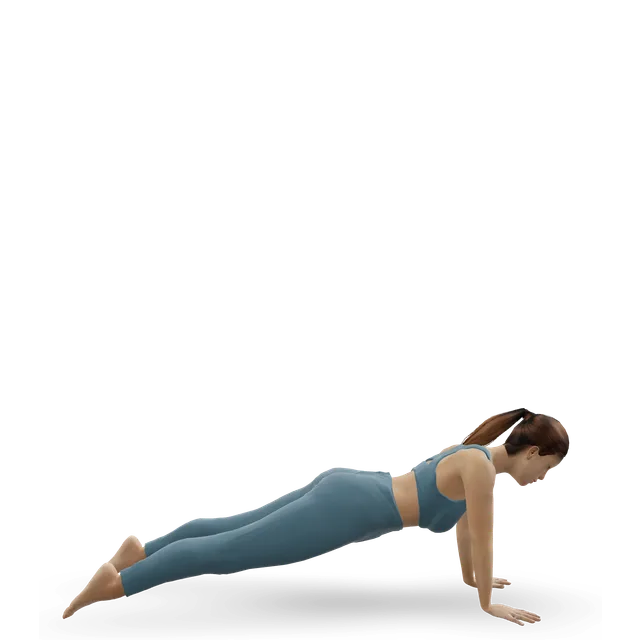 3D demoStraight-arm plank (high plank)Intermediate · No equipment
 3D demoSide plankIntermediate · No equipment
 3D demoKnee side plankBeginner · No equipment
 3D demoDead bugBeginner · No equipment
 3D demoBird dogBeginner · No equipment
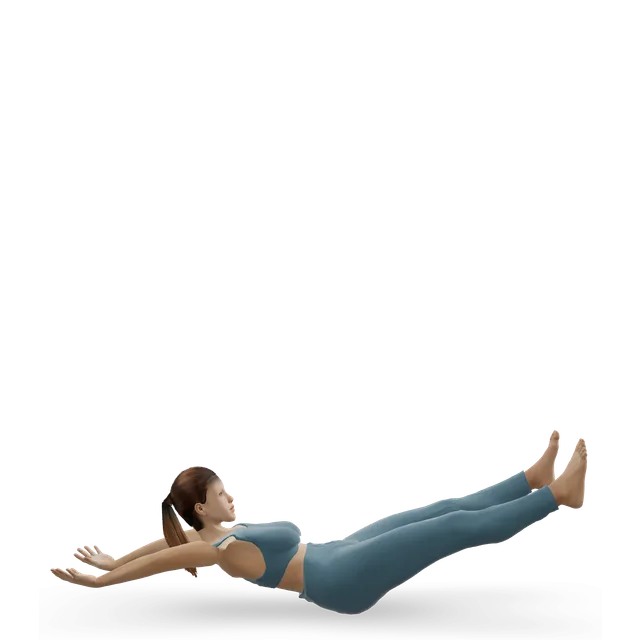 3D demoHollow body holdIntermediate · No equipment
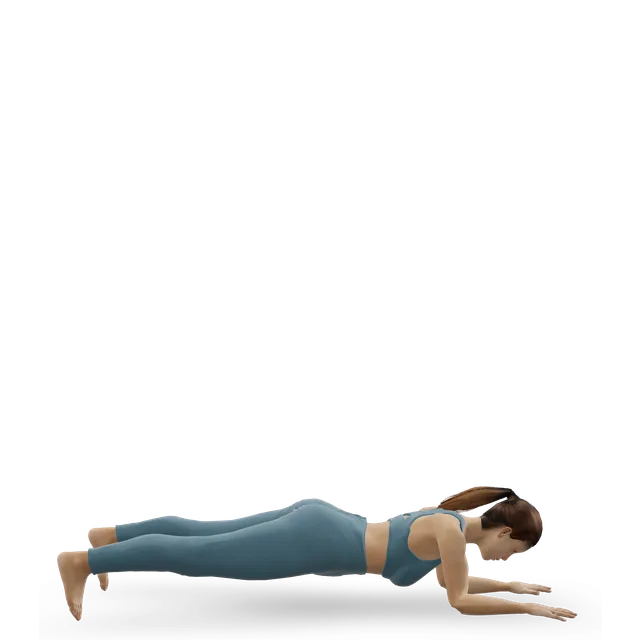 3D demoPlank walk-upAdvanced · No equipment
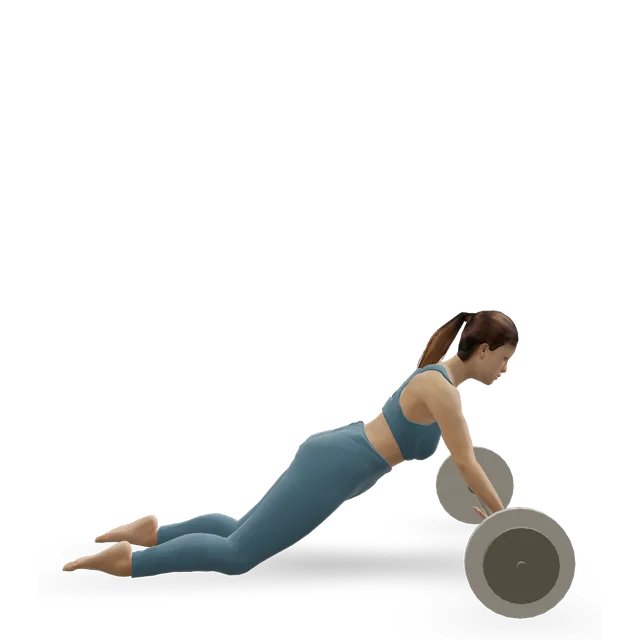 3D demoAb wheel rollout from the kneesAdvanced · An ab wheel
 3D demoHalf-kneeling Pallof pressBeginner · A band + An anchor point
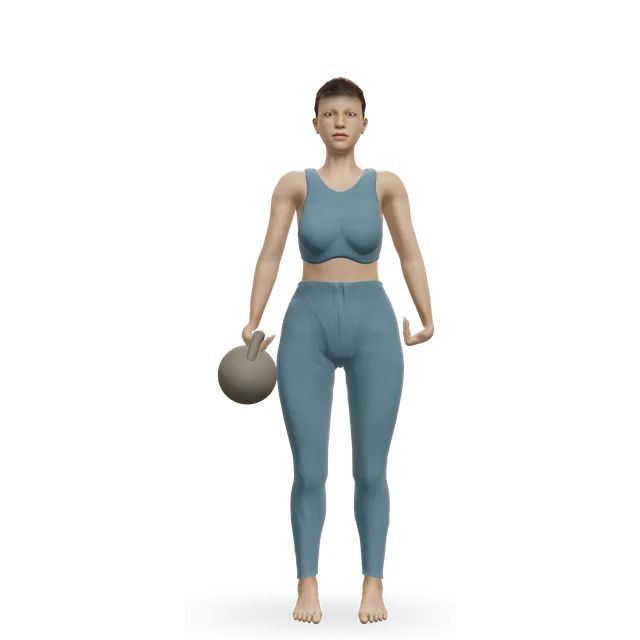 3D demoSuitcase carryIntermediate · A dumbbell + A kettlebell
Start with the beginner core workout or the McGill big 3, and move to the plank challenge and advanced core sessions as holds get easy.
A 15-minute beginner core workout on the floor: dead bugs, bird dogs, knee planks, side planks and curl-ups.
15 minBeginner6 movesNo equipmentThe McGill big three for the core: curl-ups, side planks and bird dogs, each held for 10 seconds at a time in falling sets of 5, 3 and 1 reps.
12 minBeginner3 movesNo equipmentA 12-minute plank session for the 30-day plank challenge: front planks that get harder, not longer, plus side planks and bird dogs for the whole trunk.
12 minBeginner12 movesNo equipmentAn intermediate ab workout with no equipment: planks, side planks, reverse crunches, hollow holds and mountain climbers.
20 minIntermediate7 movesNo equipmentHard core training: ab wheel rollouts, hanging leg raises, L-sits, Copenhagen planks, plank walk-ups and dragon flags.
30 minAdvanced6 movesAn ab wheel, Pull-up barThe 30-day plank challenge starts and ends with this test, and gets harder rather than longer in between.
A free 30-day plank challenge that gets harder, not longer: three plank sessions a week, two optional McGill big 3 days and a plank test at each end.
3 training days12 minBeginner2 days a weekYour first four weeks: two, then three short strength sessions a week at home plus walks, building gently to a full routine.
2 training days20 minBeginner3 days a weekA 12-week calisthenics plan for beginners: three bodyweight sessions a week with push-up, pull-up, squat and dip ladders, and a bar if you have one.
3 training days40 minBeginnerChoose an easier version, or another test, if any of these apply.
If you answer yes to any question on the PAR-Q+, such as a heart condition, chest pain, dizziness or fainting in the past year, or a bone or joint problem, check with your GP or a qualified exercise professional before a hard test.
Source 33
The BHF advises against planks with heart failure. Ask your heart team which trunk exercises suit you, and see our heart failure guide.
Source 5
Keep breathing, and ask your cardiac team before long holds, as our move cautions advise.
Wait until it's treated before holding to failure. Shorter knee plank holds with steady breathing are a gentler start, as our blood pressure guide explains.
The NHS says: "Try to avoid exercises such as sit-ups, planks and high-impact exercises to start with." Before testing, see our guide to exercise after giving birth. If the gap between your stomach muscles is still obvious 8 weeks after the birth, the NHS says to contact your GP, and our diastasis recti guide explains more.
Source 34
Talk to your midwife or doctor first, as the PAR-Q+ advises. Our prenatal routines use kneeling and side-lying trunk work instead; ask your midwife about front planks as your bump grows.
After an inguinal hernia repair, the NHS says not to do any heavy lifting or strenuous activity for at least 4 to 6 weeks. Ask your surgical team when holds are safe.
Source 36
The position loads all of them. Try a side plank or bird dog instead, and see our back pain guide.
Source 37
Eye pressure rises during holds, more at a harder effort. Ask your eye team before testing, and see our glaucoma guide.
The adult percentiles don't apply. The scorer gives the US youth survey's median for ages 6 to 15, or Canadian percentiles for 8 to 12 if you tick the box.
Stop at once for a headache, dizziness, or any pain that isn't just tired muscles, as the study behind the norms did.
Source 1
Call 999 if:
Call 999 or go to A&E for back pain with pain, tingling, weakness or numbness in both legs, a loss of feeling around your genitals or anus, or changes in your bladder or bowels. Ask for an urgent GP appointment or contact 111 for severe back pain that starts suddenly or is getting worse quickly.
Source 37
Only one adult percentile table exists, from US college students, and the age data come from small samples. Times do fall with age in those studies, but nobody has published norms for each decade.
The plank table credited to ACSM that circulates uses Strand's student percentiles with new labels, and gives the same seconds at every age. We found no ACSM document with plank norms that we could open.
In the student study, 32% stopped because of their legs and 32% their arms; only 21% stopped because of their abs.
Source 1
People with back pain held shorter, longer or the same in different studies, and plank time hasn't been shown to predict back pain.
In healthy young adults holding to fatigue, the lower number passed 115 mmHg after about 50 seconds in 97%. The BHF advises against planks with heart failure.
They're job standards: the Army's pass mark runs from 1:30 down to 1:10 by age, and the Marines score 1:10 to 3:45.
No source sets a health target. Two minutes is above the median for male students (110 seconds) and above the 80th percentile for female students (108 seconds).
Source 1
Put your forearms on the floor with your elbows under your shoulders, step back onto your toes and hold one straight line from head to heels for as long as you can. In the study behind the norms, the tester corrected form once and stopped the test the second time it slipped, or at any headache, dizziness or pain that wasn't just tired muscles. Time it in whole seconds, one attempt.
There's no health target, and no published norms for each decade of adult life. From 18 to 40 the scorer compares you with US college students, whose middle times were 110 seconds for men and 72 for women. From 41 to 65 it gives one small Brazilian study's averages, 68 to 81 seconds depending on sex and activity, as context rather than a rating.
In 471 US college students, half held for longer than 110 seconds (men) and 72 seconds (women). In 120 American adults, the average was about 2 minutes 25 seconds, with people aged 20 to 35 holding longer than those aged 60 to 79. Averages depend heavily on who was tested and how strictly.
No study gives a figure for one age. Older adults held planks for less time than younger ones, and in a small Brazilian study adults aged 41 to 65 averaged 68 to 81 seconds. For training, our plank guide suggests 3 holds of 20 to 45 seconds rather than one long hold, and 20 to 30 seconds, 2 or 3 times, if you're older and starting out.
It tests endurance in one held position, and it repeats well from day to day. In a study of 471 students, about a third stopped because of their legs, a third their arms and a fifth their abs, so it tests your shoulders and legs as much as your middle.
The US Army scores the plank by age, the same for men and women: the 60-point pass mark is 1:30 at 17 to 21, down to 1:10 from 37, and the maximum is 3:40 down to 3:20. The Marine Corps scores 1:10 to 3:45, and police in Queensland and New South Wales ask for a 90-second hold.
There's no good evidence that it does. In different studies, people with back pain held planks for less time, longer or the same, and plank time didn't predict back pain. Exercise helps back pain in general, as our back pain guide explains.
For most people, yes, but blood pressure rises quickly: in healthy young adults the lower number passed 115 mmHg within about a minute. Breathe throughout, and skip the test with heart failure, with blood pressure of 160/100 or more that isn't treated, or in the first weeks after a birth.
Plank times rise quickly with core training: in 30 novice weightlifters, 8 sessions over 4 weeks took the average from 56 to 115 seconds. Our plank guide suggests 3 holds of 20 to 45 seconds and then harder versions rather than ever-longer holds, with side planks and bird dogs. Test again every 4 to 8 weeks.
Yes, to track yourself, but there are no norms for knee planks, so the scorer shows your time and the change since last time without a comparison. With heart failure, skip plank tests altogether.
Fitness tests compared with published norms for adults (and for children on the beep test, the vertical jump test and the plank test), not a diagnosis, and clinical review of these pages is pending. Check with a GP before a hard test if you have a heart condition, high blood pressure, chest pain, dizziness or breathlessness when active, and have someone with you for the balance, walking, stepping and floor tests if you've fallen or feel unsteady. Health disclaimer.