The test
As many complete push-ups as you can do in a row without resting: in CSEP's version, men from their toes and women from their knees. You stop when you strain hard or lose good form for two push-ups in a row.
Fitness test
Do as many push-ups as you can in a row without resting, lowering until your chin touches the floor, and stop when your form goes. Enter your count to see how it rates for your age and sex on the Canadian Society for Exercise Physiology's (CSEP's) scale, which uses full push-ups for men and knee push-ups for women, and how many more would reach the next band. The bands describe how adults compare, not a health target: a push-up count is a rough marker of upper-body endurance, and the well-known firefighter study found a link with heart health, not proof. Check the safety notes first if you have a heart condition or high blood pressure.
Choose your sex and the version you did, then enter your age and how many complete push-ups you did in a row. The version starts on the one CSEP's bands use for your sex, full push-ups for men and knee push-ups for women, and you can change it.
25full push-ups
CSEP rates 25 full push-ups as "very good" for men aged 30 to 39 (22 to 29). 5 more would reach "excellent" (30 or more).
| Band | Push-ups |
|---|---|
| Excellent | 30 or more |
| Very goodyour count | 22 to 29 |
| Good | 17 to 21 |
| Fair | 12 to 16 |
| Needs improvement | 11 or fewer |
CSEP's bands, from its 2019 manual as reprinted by ACE. They describe how adults compare, not a health target.
Counts depend on how strictly each rep is judged. Retest the same way, and treat a change of 2 or 3 push-ups as possibly just day-to-day difference.
Push-up counts are a rough fitness marker. In one study of firefighters, more push-ups went with fewer heart problems, but it was a small study of active men and the authors say push-ups weren't an independent predictor; in Canada's national survey, push-ups weren't linked with death.
With heart failure, the British Heart Foundation advises against press-ups. Sore wrists? See wrist pain from push-ups.
You need a mat or carpet, and someone to count or a phone to film yourself from the side; there's no timer. The figure shows a full push-up. Follow the steps for depth, because in the test every push-up goes down until your chin touches the floor. The knee version is in the moves below.
Loading the 3D figure…
The movement on the figure: Push-up
As many complete push-ups as you can do in a row without resting: in CSEP's version, men from their toes and women from their knees. You stop when you strain hard or lose good form for two push-ups in a row.
CSEP rates counts by sex and age, from 15 to 69, in five bands from "excellent" to "needs improvement". We read them in the American Council on Exercise's (ACE's) reprint of CSEP's 2019 manual, made with permission, and who they were built from isn't documented.
Chin to the floor or chest to a fist, nonstop or to a beat, toes or knees: each rule gives different numbers, so only compare counts done the same way.
In 1,104 male firefighters, more push-ups went with fewer heart problems, but the authors say push-ups weren't an independent predictor. In a Canadian survey followed for 13 years, push-up scores weren't linked with death.
How strictly each push-up is judged moves the count most. Retest the same way, and treat a change of 2 or 3 push-ups as possibly just day-to-day difference (editorial).
Skip the test with heart failure or untreated blood pressure of 160/100 or higher, and answer the PAR-Q+ (Physical Activity Readiness Questionnaire for Everyone) before you test to fatigue.
CSEP's bands, from its 2019 manual as reprinted by ACE. They describe how adults compare, not a health target.
Push-ups in a row for "excellent", "very good", "good", "fair" and "needs improvement", in that order:
Source 2
Knee push-ups in a row for "excellent", "very good", "good", "fair" and "needs improvement", in that order:
Source 2
No source we could open says who the bands were built from. Statistics Canada says the same of the grip norms in CSEP's earlier manual, whose methods and reference population "are not documented". Treat the bands as a published convention for comparing adults, not as percentiles of a known group (our reading).
CSEP's manual is sold rather than published openly, so we read its table in ACE's push-up assessment sheet, which reprints it with permission from the manual's 2019 second edition. CSEP's list of changes for its 2021 third edition names no change to this test (our reading).
We found no other push-up norms printed with their owner's permission in a source we could open. Norway's adult norms use a different modified push-up, and we couldn't open the American College of Sports Medicine's (ACSM's) own tables.
The bands run from 15 to 69, so ages 18 and 19 use the 15 to 19 row, and from 70 the calculator shows your count without a band. There are no bands for women doing full push-ups or men doing knee push-ups, so those counts are shown without one too (editorial).
Source 2
As the calculator works them out:
Source 2
How strictly each push-up is judged drives the count. Raters who scored the same 15 videos of a 2-minute push-up test four times disagreed widely, agreeing on individual push-ups only 29% of the time. With a clear standard, 20 inactive adults' counts online and in person agreed closely, with an intraclass correlation (a measure of agreement where 1 is perfect) of 0.94.
A 2022 review of field tests in adults didn't list push-ups among the tests with strong or moderate evidence of reliability (our reading of its summary). Treat a change of 2 or 3 push-ups as possibly just day-to-day difference (editorial).
A push-up test shows how many times in a row you can press your body weight up: in ACE's words, its aim is "To measure upper-body endurance". The reprinted table calls CSEP's bands a "health benefit rating", but no source we opened ties them to health outcomes (our reading).
Source 2
In 1,104 male firefighters followed for 10 years, those who did 41 or more push-ups at the start had far fewer heart events than those who did 10 or fewer. But there were only 37 events, the men were active and middle-aged, and once age and body mass index were allowed for, the top group's lower risk was no longer statistically clear.
The authors say the results "do not support push-up capacity as an independent predictor" of heart disease risk, and that they may not apply to women, older people or inactive people.
Source 4
In 8,116 Canadian adults tested in 1981 and followed for 13 years, there was "no pattern of increased risk of mortality" across push-up scores, while low sit-up scores did go with a higher risk. We could read only the study's summary.
Source 6
One study of active men, with only 37 heart events, found a link, and one national cohort found no link with death. A push-up count says something about your fitness, not about your heart (our reading, as in our push-up guide).
Depth, pace, time limits and the version all change how many push-ups you can do, so a count only compares with norms measured the same way. The next section explains how.
In 23 moderately trained men, 4 weeks of progressively harder push-ups moved them up the push-up steps and raised bench-press strength as bench pressing did. The UK's National Health Service (NHS) asks adults to do strengthening activities on at least 2 days a week, and push-ups count.
In the ACSM and CSEP description of the test, you lower yourself until your chin touches the mat, with your stomach off it. ACE's sheet judges depth by your chest touching a fist, a rolled towel or a foam block instead. We use chin to the floor, with your head in line and your chest leading (editorial); whichever you choose, keep to it every time you test.
CSEP's test runs to fatigue at your own steady pace. The firefighter study kept time to a metronome at 80 beats a minute and stopped at 80 push-ups or 3 missed beats, and military tests count push-ups in a set time, such as 2 minutes. Their numbers can't be scored against CSEP's bands.
CSEP's bands are for full push-ups for men and knee push-ups for women, so the calculator shows other combinations without a band. Norway's adult norms use a different modified push-up, with a knee version only for people who couldn't do it, so they don't match CSEP's test either.
Many charts online don't say where their numbers came from, or mix rules from different tests in one table. We use CSEP's bands because we could read them, with a stated edition and the owner's permission, in ACE's sheet.
Source 2
Easiest first. Train 2 or 3 times a week at the hardest step where you can do 8 clean push-ups, and move up a step when all 3 sets reach 15, as our push-up guide sets out. The planks and the push-up plus build the trunk and shoulder blade control that keeps each push-up clean, and the dumbbell bench press adds load in the gym.
 3D demoWall push-upBeginner · A wall
 3D demoIncline push-upBeginner · A bench or box
 3D demoKnee push-upBeginner · No equipment
 3D demoPush-upIntermediate · No equipment
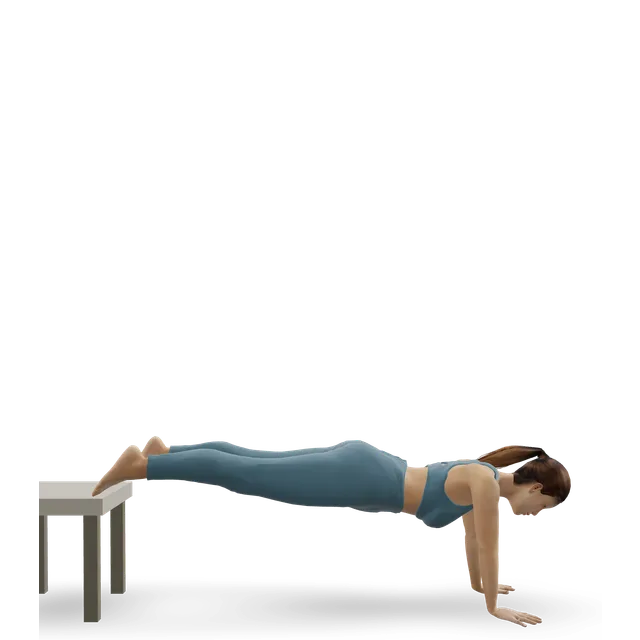 3D demoFeet-elevated push-upAdvanced · A bench or box
 3D demoScapular push-up (push-up plus)Beginner · No equipment
 3D demoForearm plankIntermediate · No equipment
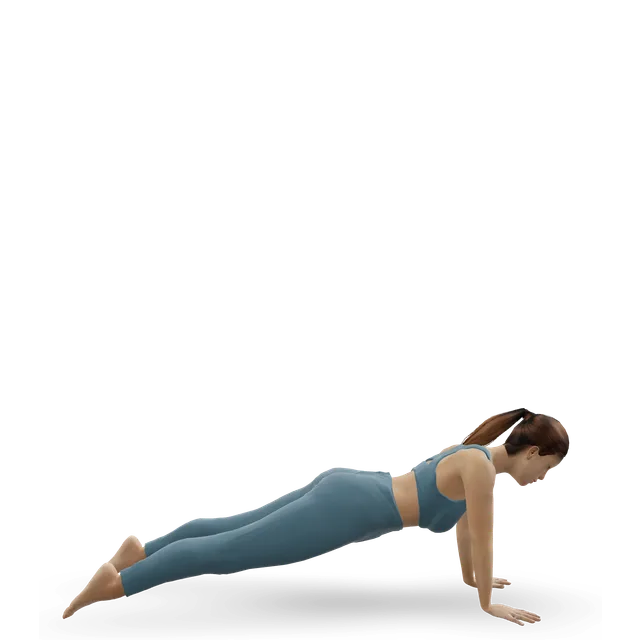 3D demoStraight-arm plank (high plank)Intermediate · No equipment
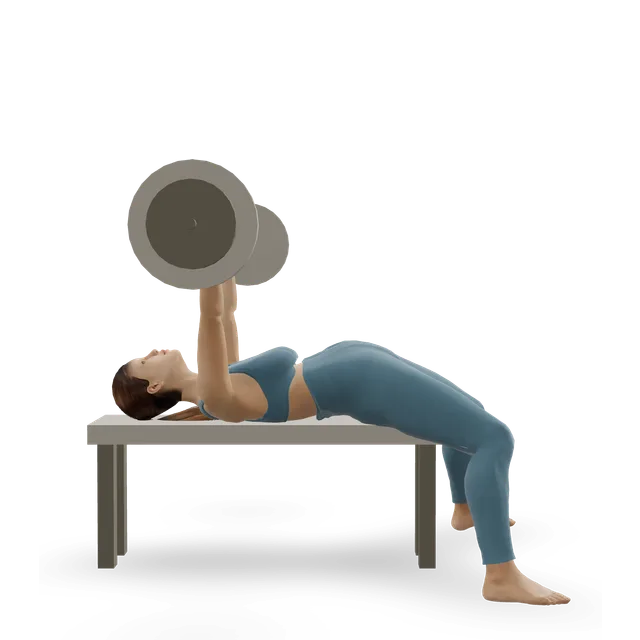
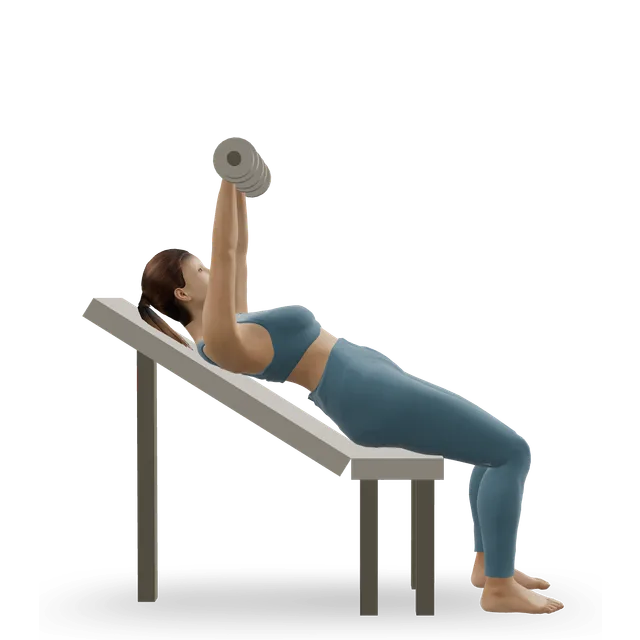
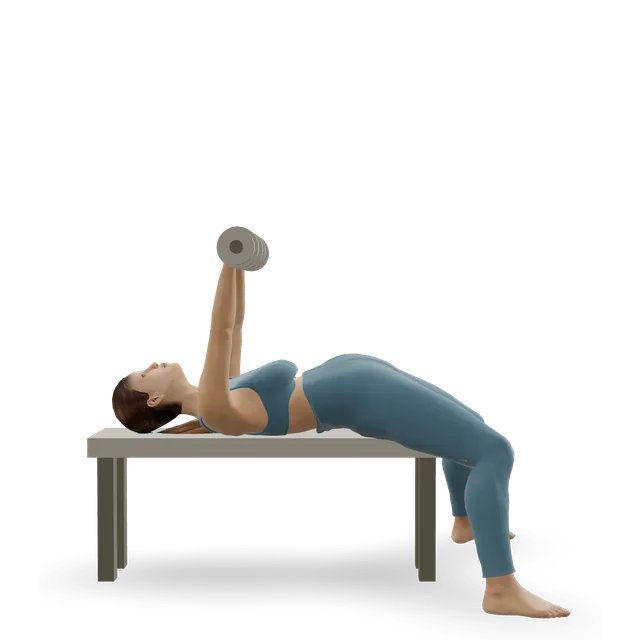 3D demoDumbbell bench pressIntermediate · A dumbbell + A bench or box
The push-up progression is the ladder from our push-up guide, from the wall to the floor. The home and bodyweight workouts put push-ups into whole-body sessions, and the chest workout is for the gym.
Work up to full push-ups: wall, incline and knee push-ups, then the floor push-up and harder variations.
15 minBeginner8 movesA wall, A bench or boxAn upper body workout at home with no gym: push-ups, band rows, pike push-ups, face pulls, close-grip push-ups and Y-T-W raises, with dumbbell options.
30 minIntermediate13 movesA band, An anchor pointA 20-minute full-body workout with no equipment: squats, knee push-ups, bridges, lunges and planks.
20 minBeginner10 movesNo equipmentAn intermediate no-equipment workout: push-ups, split squats, single-leg bridges, pike push-ups and core work.
30 minIntermediate11 movesNo equipmentA gym chest workout: bench press, incline dumbbell press, cable flyes, dips and a push-up finisher.
45 minIntermediate7 movesA band, A barbellEach plan has push-ups or an easier version in its sessions; the beginner plan starts from wall and knee push-ups.
A 12-week calisthenics plan for beginners: three bodyweight sessions a week with push-up, pull-up, squat and dip ladders, and a bar if you have one.
3 training days40 minBeginner2 days a weekYour first four weeks: two, then three short strength sessions a week at home plus walks, building gently to a full routine.
2 training days20 minBeginner3 days a weekThree full-body home workouts a week with dumbbells or no equipment at all, plus walks and an 8-week plan to keep progressing.
3 training days35 minBeginnerThe PAR-Q+ asks whether a doctor has said you have a heart condition or high blood pressure; whether you get chest pain, or have lost your balance from dizziness or lost consciousness; and about other long-term conditions and their medicines, bone or joint problems, and being told to exercise only under medical supervision. If you answer yes to any, check with your GP or a qualified exercise professional before testing to fatigue.
Source 9
The test runs to fatigue, and the PAR-Q+ asks people over 45 who aren't used to regular vigorous to maximal exercise to consult a qualified exercise professional before exercising that hard. Until then, count a set you can finish comfortably instead (editorial).
Source 9
The British Heart Foundation advises avoiding "holding your breath" and "using your whole body as a weight, such as press-ups or planks". Wall push-ups with steady breathing are gentler; ask your heart team.
Source 8
If your readings are 160/100 or higher and not yet treated, save maximal efforts like this test until treatment has brought your blood pressure under control, as our high blood pressure guide advises (our reading of the guidance, not a rule from any one guideline). Easier sets are fine: breathe out on each press and never hold your breath.
With proliferative or severe non-proliferative diabetic retinopathy, or after recent eye laser treatment or surgery, our type 2 diabetes guide advises avoiding vigorous efforts and holding your breath, so ask your eye team before testing to fatigue.
The PAR-Q+ asks you to talk to a health care practitioner first. Wall push-ups are in our pregnancy routines.
Source 9
A push-up loads all three, so test once a sore joint has settled (editorial). Our guides to wrist pain from push-ups and elbow pain, and our shoulder guide, cover what to do meanwhile; the NHS warning signs for wrist pain are below.
Source 15
This page is for adults. CSEP's bands stop at 69, so from 70 the calculator shows your count without a band: track your own count from test to test.
Source 2
Stop and call 999 for sudden chest pain that doesn't go away, pain that spreads to your arms, neck, jaw, stomach or back, or chest pain with sweating, feeling sick, light-headedness or shortness of breath.
Source 16
Stop the test if you feel dizzy or faint, and don't restart it that day (our suggestion, from the PAR-Q+ question on dizziness).
Source 9
For severe wrist pain, a wrist you can't move or hold things with, or a snap, grinding or popping noise at the time of the injury.
Source 15
If wrist pain stops you doing your normal activities, hasn't improved after 2 weeks, or comes with tingling or loss of feeling.
Source 15
The firefighter study found an association in active men, with only 37 heart events, and once age and body mass index were allowed for, the top group's lower risk was no longer statistically clear. A push-up count is a rough fitness marker, not a heart test.
Source 4
Tables differ in depth (chin to the floor or chest to a fist), pace (to fatigue, to a beat or against the clock) and version (toes or knees), so a count only means something against norms measured the same way.
CSEP's bands for women are for knee push-ups, and our push-up guide shows they're real strength work.
Source 2
In Canada's national cohort, push-up scores showed no pattern with death, and no source we opened ties CSEP's bands to health outcomes. A low count is a starting point to train from.
Only complete push-ups count: straight arms at the top and chin to the floor at the bottom, without resting. Counts change a lot when the standard slips.
There's no health standard, but you can compare your count with CSEP's bands for your age and sex. For men aged 30 to 39, 22 to 29 full push-ups rates "very good", and for women aged 30 to 39, 20 to 26 knee push-ups does. Enter your count in the calculator to see your band.
Start with your hands under your shoulders, on your toes or, for CSEP's women's bands, your knees. Push up to straight arms, lower until your chin touches the floor with your stomach off it, and keep going without resting. Stop when you strain hard or lose good form for two push-ups in a row; only complete push-ups count.
That's how CSEP's bands were set: full push-ups for men and knee push-ups for women. A woman doing full push-ups, or a man doing knee push-ups, can't be scored against them, so the calculator shows the count without a band. It's still worth tracking from test to test.
Not on their own. In 1,104 male firefighters, those who did 41 or more had far fewer heart events than those who did 10 or fewer, but there were only 37 events and the difference wasn't statistically clear once age and body size were allowed for. In a Canadian survey followed for 13 years, push-up scores weren't linked with death.
CSEP's isn't: you keep going at a steady pace until your form goes. Military tests count push-ups in a set time, such as 2 minutes, and some tests keep time to a beat, so their scores don't compare with CSEP's bands.
Until your chin touches the floor, with your stomach off it, as the ACSM and CSEP description sets out. Keep your head in line and let your chest lead. Some trainers use a fist or a rolled towel under the chest instead, so keep to one rule every time you test.
Record 0: it's a starting point, not a verdict. Start our push-up ladder at a wall or a worktop, train 2 or 3 times a week, and move up a step when you can do 15 good push-ups in each of 3 sets.
Every 4 to 8 weeks, when you're fresh, with the same depth and surface. Counts can differ by 2 or 3 from day to day, so look at the trend over a few tests.
For most adults, yes, but answer the PAR-Q+ questions first, and skip it with heart failure or untreated blood pressure of 160/100 or higher. Stop and call 999 for chest pain that doesn't go away or spreads to your arms, neck or jaw.
They use different rules: knees or toes, how deep each push-up goes, and whether there's a time limit, and many don't say where their numbers came from. We use CSEP's bands, reprinted with CSEP's permission by the American Council on Exercise.
Fitness tests for adults compared with published norms, not a diagnosis, and clinical review of these pages is pending. Check with a GP before a hard test if you have a heart condition, high blood pressure, chest pain, dizziness or breathlessness when active, and have someone with you for the balance, walking and floor tests if you've fallen or feel unsteady. Health disclaimer.