The test
In the sitting-rising test (SRT in the studies), you sit down on the floor and stand up again with as little support as you can. Each half scores 5, minus 1 for each support and 0.5 for a wobble, so the total is out of 10.
Fitness test
From standing barefoot, sit down on the floor and stand up again using as little support as you can. Each half starts at 5 points: take off 1 for each hand, forearm, knee or side of a leg you use, and half a point for a wobble. Tick what you used, or enter your score, to see your percentile among people your age and sex tested by a research group in Rio de Janeiro. In studies at a clinic there, people who scored lower died at higher rates over the following years, but that's a link across groups, not a forecast for you. Have someone with you and a chair nearby, and don't try it after a hip or knee replacement until your surgical team agrees.
Choose your sex and age, then for sitting down and for standing up, choose how many supports you used and tick if you wobbled. If you've already scored it, switch to entering your score out of 10, in half points.
7.5out of 10
Sitting down 4, standing up 3.5. Women aged 66 to 70 who scored 7.5 were between the 66th and 72nd percentile in a reference group of 2,040 women tested by a research group in Rio de Janeiro: around the middle.
In 4,282 adults aged 46 to 75 at a clinic in Rio de Janeiro, followed for 12 years, people scoring under 8 died at higher rates, even after allowing for age, sex, BMI and health. That's a link across a group, not a prediction for you, and no study has shown that raising your score adds years.
Your score reflects muscle strength and power, flexibility, balance and body size. Scores move in half points: a change of half a point may just be a wobble seen differently.
After a hip or knee replacement, don't try this until your surgical team agrees. If you've been falling, practise with someone present.
You need a clear floor, a mat, a sturdy chair and a helper; the chair is our safety rule, not part of the test. The figure shows a general way down to the floor and back up, using your hands and knees. In the test you sit down and stand up with as little support as you can, and you don't lie down.
Loading the 3D figure…
The movement on the figure: Get Up and Down from the Floor
In the sitting-rising test (SRT in the studies), you sit down on the floor and stand up again with as little support as you can. Each half scores 5, minus 1 for each support and 0.5 for a wobble, so the total is out of 10.
Your score is compared with 4,101 men and 2,040 women aged 16 to 98 tested by a research group in Rio de Janeiro, by sex and 5-year age band.
Source 3
In two studies at a clinic in Rio de Janeiro, people with lower scores died at higher rates over the next 6 to 12 years, even allowing for age, sex and body mass index. That's an association from one clinic, not a forecast.
Among 4,282 adults aged 46 to 75, the median and the most common score were both 8.
Source 2
Have a helper, a mat behind you and a chair nearby, and ask your surgical team first after a hip or knee replacement.
Araújo 2020's reference tables give, for each sex and 5-year age band, the range of percentiles that each score from 0 to 10 covers. The calculator shows the range for your score.
Within each band, people are ranked from the lowest score (the 1st percentile) to the highest (the 99th), and each score covers a range of ranks. For women aged 66 to 70, a score of 7.5 covers the 66th to 72nd percentiles. Where a cell is one number, such as 99, everyone with that score sits at that percentile.
Source 3
Where scores of 6, 8 and 10 sit, by age:
Source 3
Where scores of 6, 8 and 10 sit, by age:
Source 3
The tables come from 4,101 men and 2,040 women aged 16 to 98, in the supplement to a 2020 research letter whose aim was "to propose sex- and age-reference SRT scores for non-athlete adults". We could open the tables but not the letter, so where and when these people were tested is our reading: very likely the same private clinic in Rio de Janeiro as the survival studies, whose patients were mostly referred by their doctors and from upper socioeconomic and education groups.
It's the only set of age and sex reference values we found for the test (editorial). The oldest and youngest bands are small (34 men and 24 women over 85, and 36 women aged 16 to 20), so their ranges are coarse. The published tables colour the cells by quartile without saying how each colour was chosen, so we don't show colours.
Source 3
As the calculator works them out:
When raters scored the same people, they agreed on about 80% of scores; about 10% differed over a wobble (half a point) and 7% over one support (one point). In 30 people with chronic stroke, raters agreed closely (intraclass correlations of 0.95 to 0.97, where 1 is perfect agreement) and repeat tests a little less closely (0.85 to 0.86), and in 50 people with multiple sclerosis repeat tests agreed at 0.93. Scores move in half points: a change of half a point may just be a wobble seen differently.
Sitting down and standing up each start at 5. One point comes off for each hand, forearm, knee or side of a leg used, or a hand on your knee, and half a point for a wobble; more than four supports, or help from a chair, a wall or a person, scores 0. Your best attempt at each half counts.
In 2,002 adults aged 51 to 80 at a clinic in Rio de Janeiro, followed for a median of 6.3 years, those scoring 0 to 3 had 5.44 times the risk of death of those scoring 8 to 10, after allowing for age, sex and body mass index. Each point higher went with 21% better survival. We could read only the study's summary.
Source 4
In 4,282 adults aged 46 to 75 followed for a median of 12.3 years, 42.1% of those scoring 0 to 4 died, against 3.7% of those scoring 10. Allowing for age, sex, body mass index, health and heart and metabolic conditions, scores of 0 to 4 went with 3.84 times the risk of natural death and 6.05 times the risk of death from heart and circulation disease, against a score of 10. Scores of 8, and of 8.5 to 9.5, weren't significantly different from 10.
Source 2
Both cohorts come from one private clinic, mostly people referred by their doctors and from upper socioeconomic groups, and the 2025 study had no data on physical activity. We found no study from another group linking the score to death.
The authors write that "the observational design does not explain why SRT predicts survival", and list whether raising the score would lengthen life as a question for future research.
Source 2
The 2025 authors describe the test as "influenced by muscular strength/power, flexibility, balance, and body composition". In 3,927 people aged 6 to 92, scores rose with whole-body flexibility, but only modestly (a correlation of 0.296).
In 47 adults over 60, five weeks of stretching, three one-hour sessions a week, raised scores from 7.45 to 8.04, and a 24-week home exercise pilot raised them too. Neither study had a comparison group.
In people over 90 who fell, 80% couldn't get up on their own after at least one fall, and 30% lay on the floor for an hour or more; long lies went with serious injuries, hospital admission and moves into long-term care. The World Falls Guidelines recommend practising the floor rise, whatever your score.
In a lab study, healthy older adults took about twice as long as young adults to rise from the floor, and 24% of older people living in congregate housing (shared housing with some services) couldn't rise from any position without support.
Source 14
The World Falls Guidelines teach the floor rise one step at a time, starting with the last, a method called backward chaining. Our older adults guide sets out each step, from kneeling with your hands on a chair seat to getting up from lying down. Practise when you're well, with someone present and a sturdy chair close by.
The UK's National Health Service (NHS) advises calling 999 if you may have hurt your head, back, neck or hip, or you can't get up. If you're not hurt, take your time getting up; our older adults guide has the NHS's step-by-step method.
Source 15
The NHS asks older adults to do activities that improve strength, balance and flexibility on at least 2 days a week, and the World Falls Guidelines recommend balance-challenging, functional exercise 3 or more times a week to help prevent falls.
In a supervised study, 180 of 240 people (75%) could do the test after a knee replacement. The NHS advises not kneeling on your new knee until your doctor says you can, so ask your team first.
Leg strength, hip mobility, balance and the movement itself. Practise getting down and up 5 to 8 times, with someone present the first few times, alongside strength and balance work on at least 2 days a week. The two get-ups at the end are harder.
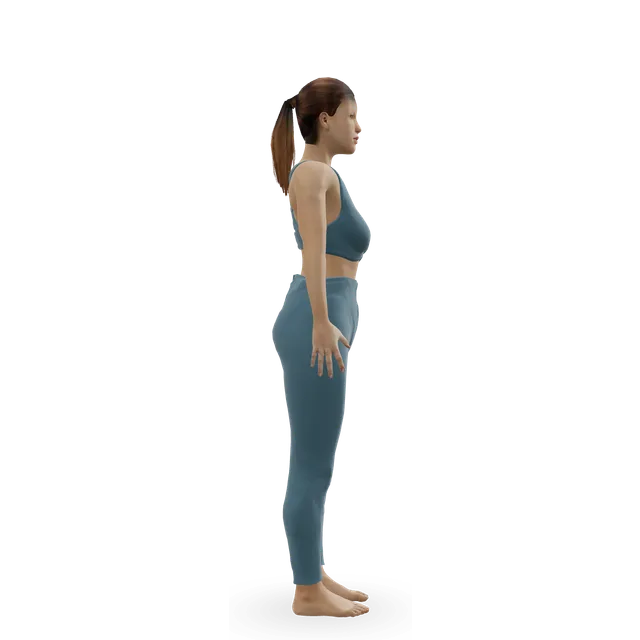 3D demoGet Up and Down from the FloorBeginner · No equipment
 3D demoSit to stand from a chairBeginner · A bench or box
 3D demoBodyweight squatBeginner · No equipment
 3D demoDumbbell goblet squatIntermediate · A dumbbell
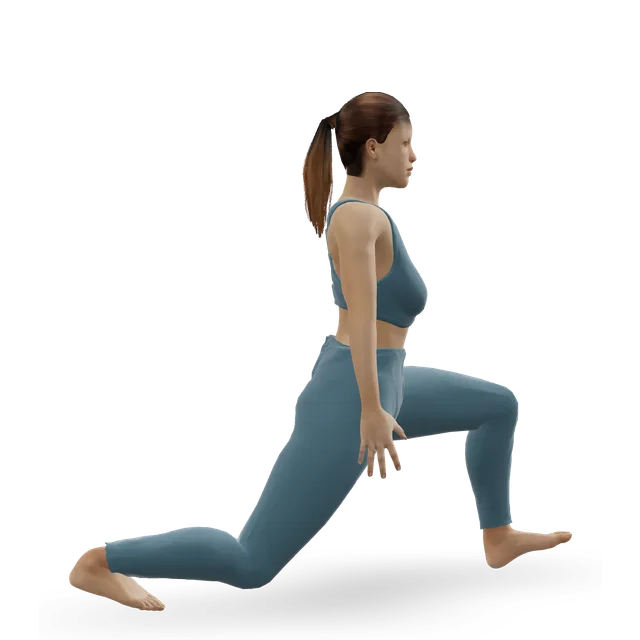 3D demoReverse lungeIntermediate · No equipment
 3D demoSplit squatIntermediate · No equipment
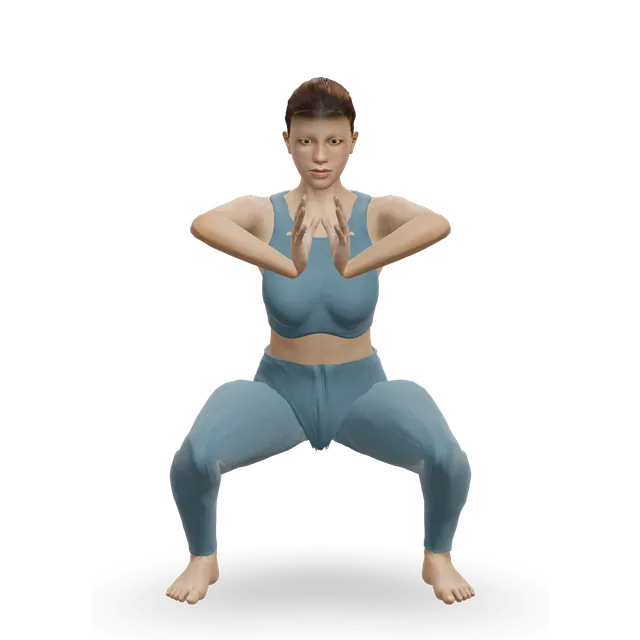 3D demoDeep squat holdIntermediate · No equipment
 3D demoEasy pose (Sukhasana)Beginner · No equipment
 3D demo90/90 switchIntermediate · No equipment
 3D demoSingle-leg standBeginner · A wall
 3D demoTandem stance and heel-to-toe walkBeginner · A wall
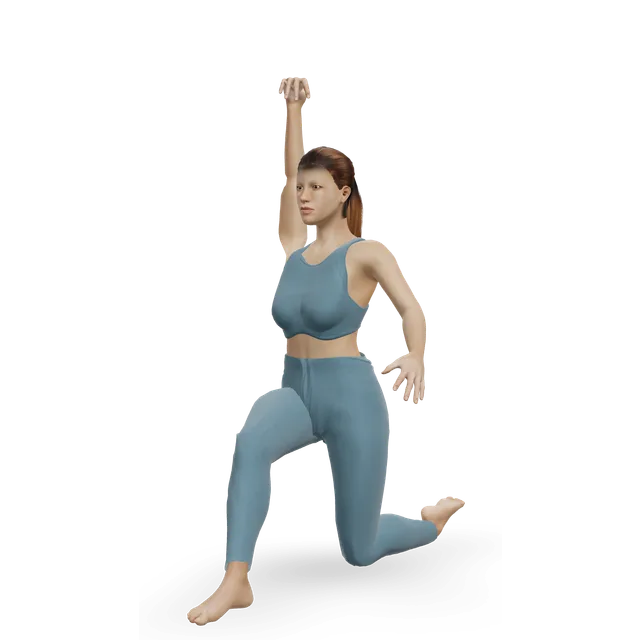 3D demoBodyweight get-upIntermediate · No equipment
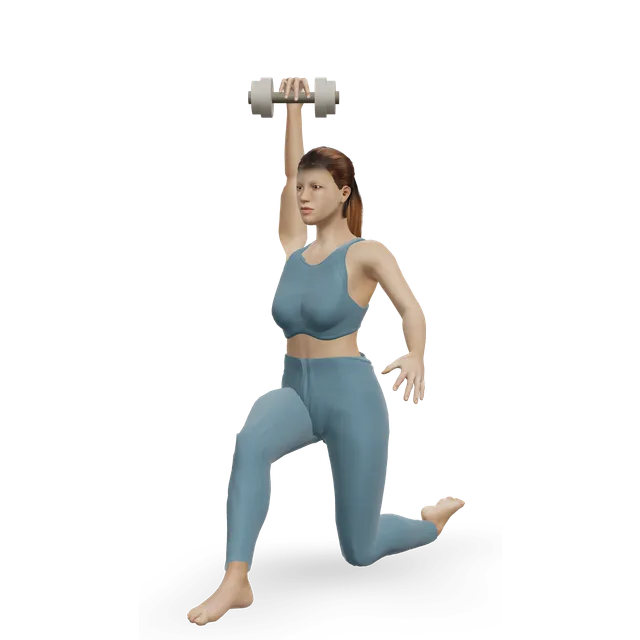 3D demoTurkish get-upAdvanced · A kettlebell + A dumbbell
The balance routine and the strength and balance workout both include the floor move. The leg, hip and squat sessions build the strength and range the test asks for.
Balance practice in 10 minutes: tandem stance, single-leg stands, marches, heel walks, tree pose and floor transfers.
10 minBeginner7 movesA wall, A bench or boxA 40-minute strength and balance session for over-65s, built from the Otago home programme and NHS exercises, using a chair, a counter and a step.
40 minBeginner18 movesA bench or box, Something with weightA gentle leg strength routine with no jumping: sit-to-stands, step-ups, wall sits, bridges and calf raises.
20 minBeginner7 movesA bench or box, A stepA 15-minute hip opener: 90/90 switches, windshield wipers, CARs, Cossack squats, frog and pigeon.
15 minIntermediate8 movesA wallA 25-minute practice session for the squat: find your depth on a chair, groove the bodyweight squat with pauses, then load it with a slow goblet squat.
25 minBeginner8 movesA wall, A bench or boxThe seniors plan and the plan for women over 50 both practise getting down to the floor and back up. The beginner plan builds leg strength with squats, lunges and sit-to-stands.
A 12-week exercise plan for over-65s: strength and balance three times a week, short balance sessions and daily walks, based on falls-prevention trials.
3 training days40 minBeginner3 days a weekA weekly plan for women over 50: strength, bone-loading and balance on 3 days plus walking, built on UK osteoporosis consensus advice.
3 training days45 minBeginner2 days a weekYour first four weeks: two, then three short strength sessions a week at home plus walks, building gently to a full routine.
2 training days20 minBeginnerThe NHS advises "do not sit with your legs crossed" and "do not bend your hip more than 90 degrees", and to avoid activities with a high risk of falling while your hip recovers. Don't try the test until your surgical team agrees.
Source 5
The NHS advises not kneeling on your new knee until your doctor says you can, and not sitting with your legs crossed for the first 6 weeks. Ask your team first, and practise sit-to-stands from a chair meanwhile (editorial).
Practise the floor rise last step first with someone trained, such as a physiotherapist or a falls service, rather than testing yourself. The NHS advises seeing a GP after a fall.
The UK guidelines our older adults guide follows suggest supervised exercise first.
A drop in blood pressure when you stand raises the risk of a fall, as our older adults guide explains. Stand up slowly, and skip the test until a GP has checked it.
Check which positions suit you with a physiotherapist first, as our floor move's own caution advises.
The PAR-Q+ (Physical Activity Readiness Questionnaire for Everyone) asks you to talk to a health care practitioner first. Our exercise in pregnancy guide covers staying active.
Source 18
If you fall during the test and may have hurt your head, back, neck or hip, or you can't get up. If you're not hurt, take your time getting up.
Source 15
Ask your GP about a falls assessment, and practise the floor rise with someone present. The NHS advises seeing a GP after a fall, or if you're worried about your balance.
Source 15
Stay sitting or lie down, and don't try again that day (our suggestion, from the PAR-Q+ question on dizziness).
Source 18
Stop if a hip, a knee or your back hurts on the way down or up, and don't push through it (editorial). Our pain guides cover what to do next.
It's a group association from one clinic, after allowing for age, sex and body size, not a forecast for one person.
No study has tested it; the authors list it as a question for future research.
Source 2
8 was the median and the most common score in adults aged 46 to 75, and percentiles depend on age: a 9 is the 29th to 36th percentile for men aged 16 to 20 but the 83rd to 90th for men aged 56 to 60.
Flexibility correlates only modestly with the score (0.296), and strength, balance and body size matter too.
It hasn't been disproved, but both survival studies come from the same clinic, and we found no independent replication.
Not after a hip or knee replacement without your team's agreement, and not alone if you've been falling.
Sitting down and standing up each start at 5. Take off 1 for every hand, forearm, knee or side of a leg you use, or a hand on your knee, and 0.5 if you wobble, then add the two halves. In the calculator you can tick what you used and it does the sums.
It depends on your age and sex: a score of 9 put men aged 56 to 60 between the 83rd and 90th percentile in the reference tables. Among adults aged 46 to 75 in the main study, the most common score was 8. Enter yours to see your percentile.
In two studies at one Brazilian clinic, people with lower scores died at higher rates over 6 and 12 years, even after allowing for age, sex and body mass index. That's a link across groups of people, not a forecast for you.
No, but its evidence is narrower than headlines suggest. Both studies come from the same private clinic, mostly people referred by their doctors, and we found no independent study linking the score to death.
Probably: in small studies without comparison groups, stretching and home exercise raised scores. Leg strength, hip mobility and practising the movement help, but no study shows that a better score adds years.
Crossing your legs is allowed. Pushing on the sides of your feet isn't, and a hand on your knee or thigh counts as a support.
For most people, with a helper, a mat behind you and a chair nearby. Don't try it after a hip or knee replacement until your team agrees, and not alone if you've been falling.
Follow the step-by-step method in our older adults guide: get onto your hands and knees and use a sturdy chair. If you've fallen and may have hurt your head, back, neck or hip, or can't get up, call 999, and ask your GP about a falls assessment.
Two are usually enough, but you can try again while you're improving. Your best sitting-down and best standing-up scores count, even if they come from different attempts.
Scores fall with age in the reference tables, so the same score ranks higher later in life. A 9 is the 29th to 36th percentile for men aged 16 to 20, but the 83rd to 90th for men aged 56 to 60.
Fitness tests for adults compared with published norms, not a diagnosis, and clinical review of these pages is pending. Check with a GP before a hard test if you have a heart condition, high blood pressure, chest pain, dizziness or breathlessness when active, and have someone with you for the balance, walking and floor tests if you've fallen or feel unsteady. Health disclaimer.










