No norms
We found no published wall sit norms by age or sex, so the scorer compares you only with your own last time at the same depth.
Fitness test
Slide down a wall until your thighs are level with the floor and your shins are upright, and time how long you can hold it, up to 2 minutes. Mark the depth on the wall so every test is the same, and the scorer compares your time with your own last one. There are no published wall sit norms by age or sex, so instead of a rating you'll see what small studies found, and why the test stops at 2 minutes. A wall sit raises blood pressure quickly, so breathe throughout, and if your blood pressure is 160/100 or higher and not yet treated, wait until it's treated before you test. This page also covers the wall squat test, which is the same thing.
Choose both feet or one leg at a time and your depth, and enter the seconds you held it. Add your last time at the same depth to see the change. There's no rating, because there are no published norms.
1:1575 seconds
1:15 with your thighs level. There are no published norms for wall sit times, so compare it with your own next time.
There are no published norms for wall sit times. In small studies of two-foot wall sits at a right angle, active US students aged 18 to 30 averaged about 97 to 107 seconds, French adults aged 66 to 89 about 61 seconds, and Saudi schoolgirls aged 12 to 18 about 61 seconds. Compare yourself with yourself, at the same marked depth.
A change of more than 15 seconds is likely real; that line is ours (editorial), from how much single-leg wall sit times varied after practice.
In the one lab study, people asked to hold a right-angle wall sit to fatigue were stopped first by a blood pressure limit: in 98% the lower number passed 115 mmHg, after about 50 seconds on average, and sooner in people with raised readings. Nobody had a problem, but if your blood pressure is 160/100 or higher and not yet treated, don't do this test until it's treated.
Stand up slowly and walk for a minute afterwards: blood pressure can dip below where it started after a hold. Stop for knee pain.
You need a smooth, sturdy wall, a timer and a strip of tape. These steps follow the study that timed a right-angle wall sit to failure, the trial that stopped at 2 minutes, and a home study that marked the depth on the wall. The 2-minute stop is ours (editorial).
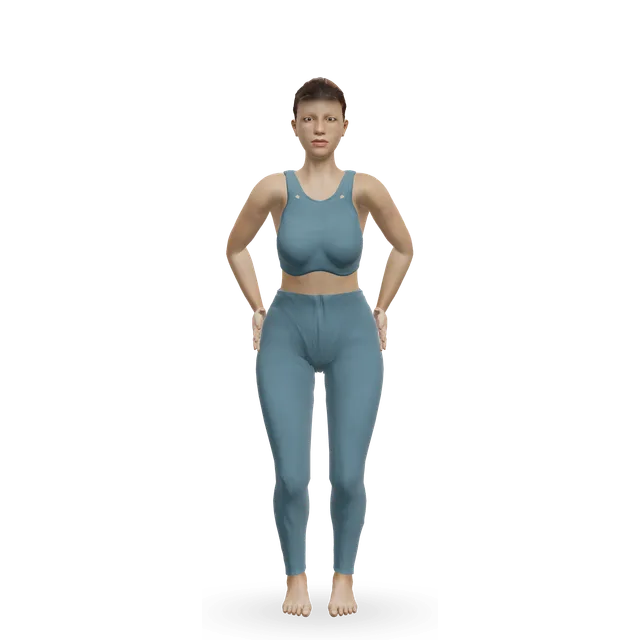
Loading the 3D figure…
The movement on the figure: Wall sit
We found no published wall sit norms by age or sex, so the scorer compares you only with your own last time at the same depth.
Active US students held a right-angle wall sit for about 97 to 107 seconds, French adults aged 66 to 89 about 61 seconds, and Saudi schoolgirls about 61 seconds.
In healthy adults asked to hold to fatigue, 98% were stopped first because the lower blood pressure number passed a safety limit of 115 mmHg, after about 50 seconds, at an effort of only about 6 out of 10.
Source 5
Blood pressure reached 196/112 mmHg at a right angle against 134/76 with a gentle bend.
Source 6
Holding your breath drives blood pressure far higher. The test stops at 2 minutes (editorial), as one blood pressure trial's test did.
There are no published norms for wall sit times. These are the times from small studies, as context only; the scorer never rates you against them.
We searched for wall sit, wall squat and static squat norms by age or sex and found none from a named population. The one source a study calls normative couldn't be found, and online rating charts for wall sits come from one author's experience or a 1984 popular book (our reading).
60 physically active students aged 18 to 30 (34 women, average age 21) held a two-foot wall sit at a right angle, within 5 degrees, to failure after a 10-second practice: about 97 seconds on average when focusing on their body and 107 when focusing outside it.
Source 1
35 French adults aged 66 to 89 in an 8-session exercise programme held a wall sit with their knees at 90 degrees for about 61 seconds before it and 59 after.
Source 2
493 Saudi schoolgirls aged 12 to 18, about half of them athletes, held a 90-degree wall sit for about 61 seconds on average.
Source 3
Healthy adults held a wall sit at about a right angle until fatigue or a blood pressure limit: 53 seconds on average, almost all of them stopped by the limit rather than fatigue.
Source 5
41 schoolboy rugby players held a single-leg wall sit for about 146 seconds on average. It's a different test, so the scorer times each leg and shows the difference, without a rating.
Source 11
After two practice sessions, single-leg wall sit times varied by about 8 seconds between tests; without practice, a timed wall squat in adolescent boys varied by about a quarter, and where people focused their attention moved times by about 10 seconds. So the scorer calls a change of more than 15 seconds likely real (our editorial line).
As the scorer works them out:
After two practice sessions, a single-leg wall sit repeated well (an intraclass correlation of 0.88), with a smallest detectable change of 8 seconds. Without practice, a timed wall squat varied by 26.5% between tests in adolescent boys, and a US Navy study dropped a single-leg wall squat for poor reliability. Static squat times done online and in person agreed well (0.89) in inactive adults.
The test measures how long your thigh muscles can hold you at one knee angle, and the depth changes both your time and the strain.
Students held about 10 seconds longer when they focused on something outside their body than on their own muscles.
Source 1
We found no study linking wall sit time with disease or death. Treat your time as a marker of thigh endurance (editorial).
Across 270 trials, isometric training lowered resting blood pressure by about 8/4 mmHg, with wall squats among the most effective single types, though the certainty of that evidence is low. In 24 adults with untreated raised blood pressure, 4 weeks of home isometric training lowered clinic pressure by 12.4/6.2 mmHg against a control period. That's regular training with set holds, not a test to failure.
61 healthy adults were asked to hold a wall sit at about a right angle to fatigue while their blood pressure was measured beat by beat, with limits set by the American College of Sports Medicine. 98% were stopped first because the lower number passed 115 mmHg, after 53 seconds on average and at an effort of only about 6 out of 10, so they could have gone on for longer. People with high-normal or mildly raised readings got there 15 to 20 seconds sooner, all the women reached the limit, and nobody had a problem.
Source 5
In 23 adults with normal blood pressure doing 2-minute wall squats, it averaged 134/76 mmHg with a gentle bend (135 degrees) and 196/112 at a right angle.
Source 6
In 26 men with raised readings, a trial-style session peaked at 171/113 mmHg on average, with no adverse effects, and 6 went above 115 diastolic. Blood Pressure UK says to speak to your doctor or nurse before new activity at 180/100 or higher; our line for this test is stricter: wait until readings of 160/100 or higher are treated (editorial).
Systolic pressure can fall 17 to 23 mmHg below where it started after wall squats, so stand up slowly and walk for a minute.
Source 19
Straining against a held breath drove average peaks to 320/250 mmHg in heavy leg presses. Breathe throughout, and count out loud if it helps.
Source 7
The European Society of Cardiology (ESC) says isometric training achieves clinically relevant blood pressure reductions, though results are inconsistent, and suggests three sets of 1 to 2 minute contractions, such as a hand-grip, plank or wall sit. The British Heart Foundation advises anyone with a heart condition to ask their healthcare practitioner which exercise suits them.
You lift one foot once you're in position and time until it touches down. The scorer shows each leg's time and the difference.
Source 11
A shallower wall sit is easier on your knees and blood pressure. Mark the height and keep it the same each time; the scorer tracks you against yourself.
A blood pressure trial stopped its test at 2 minutes, while a study of attention held it to failure. The scorer stops at 2 minutes (editorial), because a longer hold adds strain without telling you more.
Our wall sit guide uses 4 holds of 20 to 45 seconds at a comfortable depth, then goes 1 to 2 cm lower rather than longer once 45 seconds is easy. Squats, split squats and step-ups build the thigh strength behind it.
 3D demoWall sitBeginner · A wall
 3D demoQuad set (static quads)Beginner · No equipment
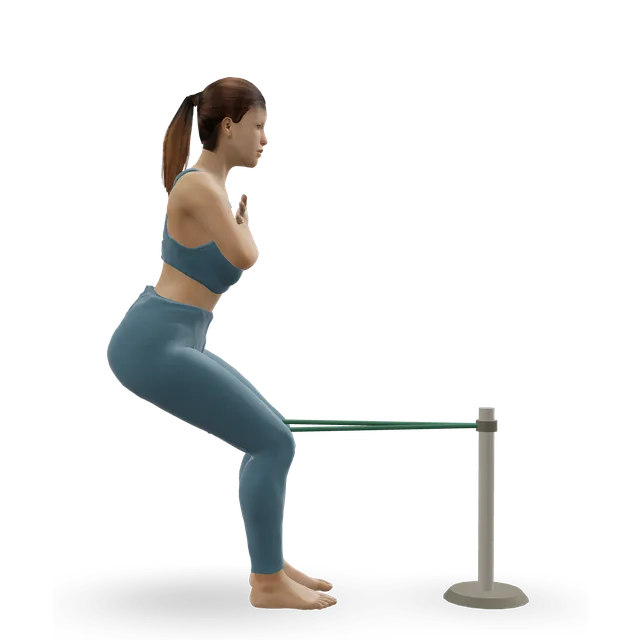 3D demoSpanish squat (band squat hold)Intermediate · A band + An anchor point
 3D demoSit to stand from a chairBeginner · A bench or box
 3D demoChair pose (Utkatasana)Beginner · No equipment
 3D demoBodyweight squatBeginner · No equipment
 3D demoDumbbell goblet squatIntermediate · A dumbbell
 3D demoSplit squatIntermediate · No equipment
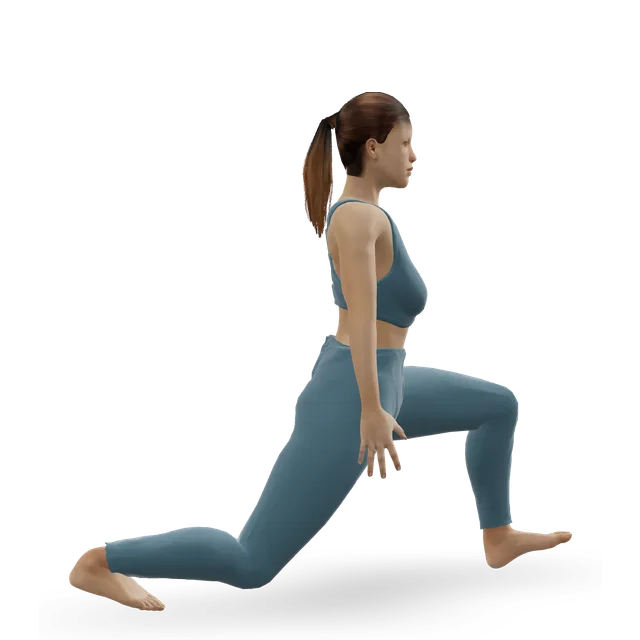 3D demoReverse lungeIntermediate · No equipment
 3D demoStep-upBeginner · A step
The blood pressure workout uses 4 holds of 2 minutes at an effort that builds; the leg and knee workouts build the strength around it.
The isometric routine from blood pressure trials: four 2-minute wall sits with 2 minutes' rest, three days a week, with a warm-up and an unhurried cool-down.
22 minBeginner6 movesA bench or box, A wallA gentle leg strength routine with no jumping: sit-to-stands, step-ups, wall sits, bridges and calf raises.
20 minBeginner7 movesA bench or box, A stepA 25-minute session for knees that don't currently hurt: thigh and hamstring strength, single-leg control, then an optional full-range block with knees over toes.
25 minBeginner13 movesA bench or box, A wallEach plan trains the legs across the week; test again after 4 to 8 weeks at the same depth.
Your first four weeks: two, then three short strength sessions a week at home plus walks, building gently to a full routine.
2 training days20 minBeginner3 days a weekA 12-week exercise plan for over-65s: strength and balance three times a week, short balance sessions and daily walks, based on falls-prevention trials.
3 training days40 minBeginner3 days a weekA weekly plan for women over 50: strength, bone-loading and balance on 3 days plus walking, built on UK osteoporosis consensus advice.
3 training days45 minBeginnerAsk first, test higher, or choose another test if any of these apply.
Wait until it's treated (our editorial line). With raised readings, the lower number passed 115 mmHg sooner in the lab study, and the PAR-Q+ asks for follow-up if your resting blood pressure is 160/90 or higher.
A review warns that quick falls in blood pressure after holds can pose risks with coronary artery disease. Ask your cardiac team first.
The same review calls isometric training "strongly contraindicated (although on the basis of low-quality evidence)" with Marfan syndrome or thoracic aortic disease. See your specialist and our aortic aneurysm guide.
Source 19
Eye pressure rises during leg holds, more at a harder effort. Ask your eye team first, and see our glaucoma guide.
The American College of Sports Medicine advises avoiding vigorous activities that involve breath-holding, such as weightlifting and isometrics. Ask your eye team first.
Source 25
Deeper holds raise the pressure behind the kneecap, as our wall sit guide explains. Test higher at a marked depth, or skip it.
Source 26
The review notes wall squats may not suit people with frailty-related mobility problems, and that the fall in pressure afterwards is a risk for people prone to fainting. The 30-second chair stand test suits you better.
Source 19
Talk to your midwife or doctor first, as the PAR-Q+ advises, and keep holds short and comfortable.
There are no norms at any age; a single study of teenage girls is context only.
Source 3
Call 999 if:
Stop, lie down until the dizziness passes, then get up slowly, as the NHS advises. See a GP if it keeps coming back or comes with changes to your pulse, fainting or collapsing, and get advice before you try holds again.
Source 31
Get advice from NHS 111 if your knee is very painful, you can't move it or put weight on it, it's badly swollen or has changed shape, or it locks, gives way or painfully clicks.
Source 26
We found none after a search, and the one source a study calls normative couldn't be found.
The popular charts are for a one-leg version, and their authors credit their own experience or a 1984 popular book (our reading). A reliability study of the one-leg test gives no norms.
Source 11
At a right angle, the lower blood pressure number passed 115 mmHg after about 50 seconds in 98% of healthy adults. Go lower rather than longer.
Source 5
Side effects were about one per 38,444 holds in trials, with none in the studies we read, but pressure rises sharply, so untreated readings of 160/100 or more should wait (our editorial line).
Two feet or one, the depth, and whether there's a 2-minute stop all differ.
Straining against a held breath drives pressure to extremes. Breathe throughout.
Practice, and even where you focus your attention, change it.
Stand with your back against a wall and slide down, walking your feet out, until your thighs are level with the floor and your shins are upright. Mark the depth with tape, cross your arms or let them hang, and time how long you can hold the position, breathing normally. The test ends when you can't keep your thighs level, when you choose to stop, or at 2 minutes.
There isn't a published one: we searched and found no wall sit norms by age or sex. Small studies give a feel: active US students aged 18 to 30 held about 97 to 107 seconds, French adults aged 66 to 89 about 61 seconds, and Saudi schoolgirls aged 12 to 18 about 61 seconds. Compare yourself with yourself, at the same marked depth.
Because a longer hold adds time at high blood pressure without telling you much more. In a lab study, 98% of healthy adults holding a right-angle wall sit were stopped by a blood pressure limit after about 50 seconds, at an effort of only about 6 out of 10. If you reach 2 minutes, test a little lower next time rather than longer.
Wall sits are used to train blood pressure down, and side effects in trials were rare, about one for every 38,444 holds, but pressure rises fast during a hold. If your readings are 160/100 or higher and not yet treated, wait until treatment has brought them down, and with heart disease, ask your team first.
As regular training, yes: across 270 trials, isometric training lowered resting blood pressure by about 8/4 mmHg, with wall squats among the most effective, though the certainty of the evidence is low. That's training rather than testing: our blood pressure routine uses 4 holds of 2 minutes, 3 days a week, at an effort that builds, not a hold to failure.
Thighs level with the floor, knees and hips at about a right angle, and shins upright with your knees over your ankles. Depth changes everything: in one study blood pressure reached 196/112 mmHg at a right angle against 134/76 with a gentle bend. Mark your depth so every test is the same.
Deeper holds raise the pressure behind the kneecap, as our wall sit guide explains. Test higher, at a marked depth, or skip the test, and get help from NHS 111 if a knee is very painful, won't take your weight, is badly swollen, or locks or gives way.
A harder version where you lift one foot once you're in position and time until it touches down. In 41 schoolboy rugby players it was repeatable after two practice sessions, but the online ratings for it come from one author's experience or a 1984 popular book, not a study. The scorer times each leg and shows the difference, without a rating.
Practise 4 holds of 20 to 45 seconds at a comfortable depth, the dose our wall sit guide uses, and build leg strength with squats, split squats and step-ups. Once 45 seconds is easy, go 1 to 2 cm lower rather than longer, and test again every 4 to 8 weeks at your marked depth.
No. Breathe normally and count out loud if it helps: straining against a held breath sends blood pressure far higher, with average peaks of 320/250 mmHg in a classic study of heavy leg presses.
Fitness tests compared with published norms for adults (and for children on the beep test, the vertical jump test and the plank test), not a diagnosis, and clinical review of these pages is pending. Check with a GP before a hard test if you have a heart condition, high blood pressure, chest pain, dizziness or breathlessness when active, and have someone with you for the balance, walking, stepping and floor tests if you've fallen or feel unsteady. Health disclaimer.