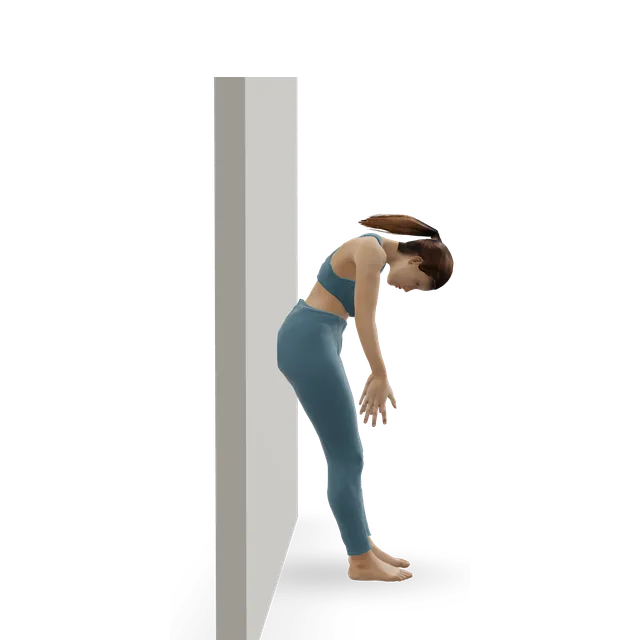
The position
Back and bottom against a wall, feet walked out so your shins stay upright, knees in line with your toes, and breathing normally throughout.
Training guide
A wall sit is a squat held with your back against a wall. How low you sit sets how hard it is: in one study, heart rate and blood pressure climbed steadily from a gentle bend to thighs level with the floor. So start high, keep breathing, and go lower over the weeks.
Wall sits have a second use as a blood pressure exercise: in trials, four 2-minute holds three days a week lowered blood pressure within about 4 weeks, as an extra alongside walking, not instead of it.
This guide covers the position step by step, how long to hold for your legs and for blood pressure, your knees, who should ask a doctor first, and follow-along workouts.
Back and bottom against a wall, feet walked out so your shins stay upright, knees in line with your toes, and breathing normally throughout.
In 23 adults, heart rate and blood pressure rose steadily as they sat lower, from 134/76 mmHg at a gentle bend to 196/112 with the knees at a right angle. Start high and go lower over weeks.
Source 3
Our knee guides use 4 holds of 20 to 45 seconds at a comfortable depth. Our suggestion: once 45 seconds is easy, go 1 to 2 cm lower rather than longer, as the home blood pressure trial adjusted its height.
Source 1
4 holds of 2 minutes with 2 minutes' rest, 3 days a week, with the effort building from about 4 to about 8 or 9 out of 10 over the four holds.
Across 270 trials, isometric training (holding a muscle still under tension) lowered resting blood pressure by about 8/4 mmHg, and wall sits ranked best for the top number. The trials were small and the certainty is low, so wall sits are an add-on to walking, not a replacement.
Straining against a held breath sends blood pressure very high: count out loud instead. Deep holds to fatigue pushed the lower number past 115 mmHg in nearly everyone within about a minute, which is why the routine starts shallow.
Blood pressure studies describe depth by the angle at the back of the knee: 135 degrees is a gentle bend, and 90 degrees a right angle, with your thighs about level with the floor. Knee studies often count the other way, as degrees of bend from a straight leg, where 90 degrees is the same right angle. We use plain words: a gentle bend, and thighs level with the floor.
In 23 adults holding 2-minute wall squats at angles from 135 to 90 degrees, heart rate rose from 76 to 119 beats a minute and blood pressure from 134/76 to 196/112 mmHg.
Source 3
Mark your height on the wall with tape so every hold matches. The home trial used a marker, and changed the height 1 or 2 cm at a time.
Source 1
From our wall sit page and the wall sit trials. Standing for a moment and walking a few steps afterwards is our high blood pressure guide's advice.
Loading the 3D figure…
The movement on the figure: Wall sit
Across 270 randomised trials (15,827 people), isometric training lowered resting blood pressure by 8.2/4.0 mmHg, more than aerobic exercise (4.5/2.5), dynamic resistance training (4.6/3.0) or interval training (4.1/2.5), and the wall squat ranked as the most effective type for the top number. In a 2022 meta-analysis cited by the 2024 review, wall sits lowered blood pressure by 11.4/5.1 mmHg, leg-extension holds by 10.0/3.7 and handgrip by 8.3/4.1; the differences weren't statistically significant.
In 24 trials of adults with raised blood pressure (1,143 people), isometric training lowered clinic readings by about 7/4 mmHg and 24-hour diastolic pressure (the lower number) by 2.4, but 24-hour systolic pressure (the top number) didn't fall significantly, and the certainty was very low to low. The 2024 European Society of Cardiology (ESC) guideline keeps aerobic exercise first and calls isometric results inconsistent. A guide by trial authors suggests isometric training as an extra, or for people who can't manage other exercise, and the British Heart Foundation points out that every type of exercise in the big review lowered blood pressure.
Small trials, mostly in adults with high-normal readings or untreated stage 1 high blood pressure:
In 100 adults, after 4 weeks of training 3 times a week, one or two sessions a week kept blood pressure lower, though by less than three sessions did, and stopping lost the fall within 4 weeks. In the workplace trial, one session a week kept it down for 12 more weeks.
In an NHS feasibility trial of 41 people with untreated stage 1 high blood pressure, a 6-month programme could be delivered with no study-related adverse events, but 34% withdrew.
Source 17
Mostly adults with high-normal readings or untreated stage 1 high blood pressure, not severe high blood pressure. In pooled data from 326 people in 12 studies, about half of them on blood pressure medicines, the effect didn't depend on medicines, age or other traits. In 80 adults, those with a body mass index (BMI) of 25 or more had a smaller fall in diastolic pressure after 4 weeks of leg holds than those with a normal BMI.
Blood pressure rises markedly during squat holds and wall sits: a trial-style session in 26 men with raised blood pressure peaked at about 171/113 mmHg, and in a meta-analysis the 2024 review cites, the top number rose by about 46 mmHg in squat holds and 33 in handgrip holds. What stays lower than in a clinical exercise test is the heart's workload, and pressure falls quickly when you stop, often below where it started.
In 62 mostly young, healthy adults, a wall sit at about a right angle held until fatigue pushed diastolic pressure past 115 mmHg in 98% of them, after about 50 seconds on average, at an effort of about 6 out of 10. Those with high-normal or mildly raised blood pressure got there 15 to 20 seconds sooner, and women sooner than men. No adverse events were reported.
Source 9
Straining against a held breath drives blood pressure to extreme levels: in 5 experienced bodybuilders, peaks averaged 320/250 mmHg in heavy two-leg presses, measured directly in an artery.
Source 8
Holds build strength mostly near the angle you hold. In a review of 26 studies, holding at longer muscle lengths, which for the thighs means a deeper knee bend, built more muscle and carried over better to movement. We found no trial of wall sits on their own for leg strength or muscle size.
In two lab studies of wall squats done as moving reps (18 and 16 adults), the pressure behind the kneecap was higher between about 60 and 90 degrees of knee bend than in a one-leg squat, and at the deepest bends it was higher with the heels close to the wall, where the knees travel past the toes, than with the feet further out. The authors suggest a bend of up to about 50 degrees to keep it lowest.
In 90 adults with knee osteoarthritis, one or three wall squats held for up to 3 minutes, a little shallower than a right angle, made them less sensitive to pressure pain straight away, but didn't change their knee pain.
Source 24
In 6 volleyball players with jumper's knee, holds eased pain for at least 45 minutes, but pooled trials found isometric exercise no better than other exercise for tendon pain overall. The largest patellar tendon trial, in 76 patients, started with holds on a machine and beat eccentric exercise at 24 weeks.
In 13 studies of healthy adults, leg holds raised eye pressure. In 25 people with glaucoma doing pulling and curling holds, eye pressure rose more at a harder effort and quickly returned to normal afterwards.
The dose our knee guides use: 4 holds of 20 to 45 seconds at a comfortable depth. Our suggestion is 2 or 3 days a week, and once 45 seconds is easy at a depth, going 1 to 2 cm lower rather than holding longer, as the home trial adjusted its height.
Source 1
4 holds of 2 minutes with 2 minutes' rest, 3 days a week, as in our high blood pressure guide and its workout. The routine is set out below.
We found no published norms for wall sit times at any age. Hold time depends on how low you sit, so a time means little without the depth: our suggestion is to compare yourself with yourself at a marked depth.
Because holds build strength mostly at the angle you hold, our suggestion is to treat wall sits as an endurance and rehabilitation hold, and to keep squats or lunges for strength through the whole range.
The routine in our high blood pressure guide, from the trials:
The workplace trial started everyone at a gentle bend and stepped them down every 2 or 3 weeks, to a little shallower than a right angle by week 10.
Source 2
The fall builds over about 4 weeks. After that, three sessions a week kept the most; one or two kept less, and stopping lost it within weeks.
Do the routine alongside brisk walking or cycling on most days and 2 or 3 strength sessions a week, as the ESC and our high blood pressure guide advise. If you already have a walking routine, the British Heart Foundation says you may not need to change it. A handgrip squeeze is the alternative if wall sits hurt your knees.
Never strain against a held breath. Breathing normally was part of the home trial's instructions, and our high blood pressure guide suggests counting out loud to keep you breathing.
Deep holds to fatigue pushed diastolic pressure past 115 mmHg within about a minute in nearly everyone, and in a trial-style session, 6 of 26 men with raised blood pressure went past it. That's why the routine starts shallow and builds the effort over the four holds.
Blood pressure can fall below its starting level for a few minutes after a hold, more after wall sits: in studies the 2024 review cites, the top number fell by about 17 to 23 mmHg. Stand up slowly and walk for a minute, especially if you're prone to fainting.
Source 4
Keep the bend small, up to about 50 degrees, where kneecap load was lowest in lab studies. If you go deeper, walk your feet out so your shins stay upright: at deeper bends the load was higher with the heels close to the wall. Our runner's knee guide uses 4 shallow holds of 30 seconds.
Wall squats eased sensitivity to pressure pain for a while but didn't change knee pain in a trial. Follow the pain rule in our knee arthritis guide.
Source 24
Holds can ease kneecap tendon pain for a while in some people, but they're no better than other exercise overall. Our jumper's knee guide covers the staged loading programme from the largest trial.
In a free squat, knees past the toes is normal, as our squat guide explains. In a wall sit the wall takes your balance, so walk your feet out until your shins are upright: at deeper bends, kneecap load was higher with the heels close to the wall.
From a thigh squeeze and sit-to-stands up to the wall sit; the chair pose drops the wall, the Spanish squat is a harder hold with a band, and goblet squats build strength through the whole range.
 3D demoQuad set (static quads)Beginner · No equipment
 3D demoSit to stand from a chairBeginner · A bench or box
 3D demoWall sitBeginner · A wall
 3D demoChair pose (Utkatasana)Beginner · No equipment
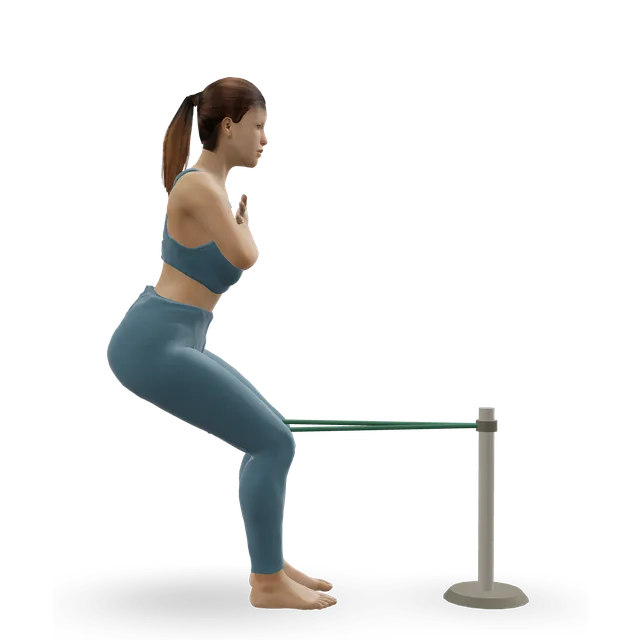 3D demoSpanish squat (band squat hold)Intermediate · A band + An anchor point
 3D demoDumbbell goblet squatIntermediate · A dumbbell
The handgrip squeeze is the alternative: 4 squeezes of 2 minutes at about a third of your hardest, alternating hands, 3 days a week, as in our high blood pressure guide. The ESC lists the plank, but no blood pressure trial has tested it.
At deeper bends, your knees travel past your toes and load the kneecap more. Walk your feet out until your shins are upright.
Depth raises the effort and the blood pressure, and the trials started at a gentle bend.
It sends blood pressure much higher. Count out loud instead.
Source 8
Our suggestion: rest your hands by your sides or on your chest, so your legs do the work.
Deep holds to fatigue pushed diastolic pressure past 115 mmHg within about a minute in nearly everyone.
Source 9
Blood pressure dips after a hold. Stand up slowly and walk for a minute.
Source 4
Keep your knees in line with your toes, as our wall sit page cues.
At the effort used in trials, side effects were rare: one per 38,444 holds in pooled trials, though the trials were small. Some people still need advice first:
The blood pressure workout times the trial routine, and the leg and knee workouts use shorter holds. The 7-minute workout puts a 30-second wall sit inside a fast circuit, which isn't the blood pressure routine; our 7-minute workout guide says who should swap it.
The isometric routine from blood pressure trials: four 2-minute wall sits with 2 minutes' rest, three days a week, with a warm-up and an unhurried cool-down.
22 minBeginner6 movesA bench or box, A wallA gentle leg strength routine with no jumping: sit-to-stands, step-ups, wall sits, bridges and calf raises.
20 minBeginner7 movesA bench or box, A stepA 25-minute session for knees that don't currently hurt: thigh and hamstring strength, single-leg control, then an optional full-range block with knees over toes.
25 minBeginner13 movesA bench or box, A wallThe 12-move circuit from a 2013 fitness journal article: 30 seconds per move and 10 to switch, with a short warm-up and an easier swap for every move.
12 minIntermediate13 movesA wall, A stepA 20-minute beginner wall Pilates workout: standing and floor moves that use a wall for support and feedback. No equipment.
20 minBeginner9 movesA wallThe plans our high blood pressure guide suggests. If you're using wall sits for blood pressure, our suggestion is to add the routine on three days a week with a day between.
Your first four weeks: two, then three short strength sessions a week at home plus walks, building gently to a full routine.
2 training days20 minBeginner3 days a weekA weekly plan for women over 50: strength, bone-loading and balance on 3 days plus walking, built on UK osteoporosis consensus advice.
3 training days45 minBeginner3 days a weekA 3-day strength plan for men over 40 with power and bone work, two cardio days and mobility, built on research on ageing muscle.
3 training days45 minBeginnerStop if you feel dizzy, or have chest pressure, unusual breathlessness or palpitations during a hold, and get medical advice before you train again, as our high blood pressure guide advises. Dizziness that won't go away or keeps coming back needs a GP.
Source 32
Chest pain that doesn't go away, spreads to your arm, neck, jaw, stomach or back, or comes with sweating, feeling sick, light-headedness or breathlessness. Someone who faints while exercising. Signs of a stroke, such as a drooping face, a weak arm or slurred speech, even if they pass.
A knee that is very painful, won't take your weight, is badly swollen or has changed shape, or locks or gives way.
Source 36
They gave the biggest average drops, but in small, low-certainty trials, mostly in people with high-normal or untreated stage 1 readings, and the effect on 24-hour readings is uncertain. The ESC keeps aerobic exercise first, and the British Heart Foundation says that if you already walk regularly, you may not need to change your workouts.
At the effort used in trials, side effects were rare, one per 38,444 holds, and the wall sit trials we read reported no adverse events. But blood pressure does rise markedly during a hold, and deep holds to fatigue push it very high, so start shallow, breathe, and skip them with aortic disease or Marfan syndrome.
Held to fatigue at a right angle, a wall sit pushed diastolic pressure past 115 mmHg in about 50 seconds in healthy young adults. The blood pressure routine uses 2-minute holds at a depth where the effort builds from about 4 to about 8 or 9 out of 10.
In a free squat that's normal, as our squat guide explains. In a wall sit the wall takes your balance, so walk your feet out until your shins are upright: at deeper bends, kneecap load was higher with your heels close to the wall.
Source 23
Holds build strength mostly at the angle you hold, and we found no trial of wall sits for muscle size; squats and lunges build strength through the whole range. No exercise burns fat from one place: 6 weeks of tummy exercises didn't reduce belly fat in 24 adults.
We found no published norms. Hold time depends on depth, so our suggestion is to compare yourself with yourself at a marked depth.
Put your back and bottom against a wall, walk your feet out and slide down until you reach a depth you can hold, with your shins upright and your knees in line with your toes. Keep your back on the wall and your weight through your heels, and breathe normally. Start with a gentle bend and go lower over the weeks.
For leg endurance, 4 holds of 20 to 45 seconds at a comfortable depth, as in our knee guides. For blood pressure, the trials used 4 holds of 2 minutes with 2 minutes' rest, 3 days a week. Once 45 seconds is easy, our suggestion is to go a little lower rather than longer.
We found no published norms for any age. Hold time depends on how low you sit, so our suggestion is to compare yourself with yourself at a marked depth.
In trials, yes: across 270 trials, isometric training lowered resting blood pressure by about 8/4 mmHg, and wall sits ranked best for the top number. The trials were small, mostly in people with high-normal or mildly raised readings, so wall sits are an add-on to walking or cycling, not a replacement.
Warm up, then do 4 holds of 2 minutes with 2 minutes' rest, 3 days a week. Pick a depth so the end of the holds feels about 4, 5 to 6, 7 and 8 to 9 out of 10, breathe normally, and stand up slowly afterwards. Our wall sit workout for blood pressure times it for you.
Readings fell within about 4 weeks in home trials. After that, one session a week kept the fall in a workplace trial; in another trial, one or two a week kept part of it and three kept more, while stopping lost it within weeks.
At the effort used in trials, side effects were rare, but blood pressure does rise markedly during the hold. Ask your GP first if your readings are 160/100 or higher and untreated, or if you have heart disease, and don't do them with Marfan syndrome or aortic disease. Never hold your breath, and don't hold a deep wall sit to failure.
Often, at the right depth: they're a standard knee rehabilitation hold. With pain behind the kneecap, keep the bend small, which kept the load on the kneecap lowest in lab studies, and keep your shins upright if you go deeper. If it makes your knee worse, use our knee pain guides or a handgrip squeeze instead.
Mainly the quadriceps at the front of your thighs, with your glutes helping. Holds build strength mostly at the angle you hold, so add squats or lunges for strength through the whole range.
Squats move through the whole range and can be loaded more heavily, which suits strength and muscle. Wall sits are a steady hold, useful for blood pressure, knee rehabilitation and endurance. Many people do both.
For blood pressure, the trials used 3 days a week with a day between. Short holds for your legs on most days are fine if your knees stay happy, in our view.
Shaking is a common sign that your thigh muscles are working hard and tiring, and a burning feeling in the thighs fades soon after you stop. If you start shaking early in a hold, our suggestion is to go a little higher up the wall. Stop for dizziness or chest pain.
Exercise education, not a personal prescription, and clinical review of these guides is pending. Check with a GP before starting hard training if you have a heart condition, chest pain, dizziness or breathlessness when active, and stop for sharp or increasing pain. Health disclaimer.