Training guide

The 7-minute workout: the 12 exercises, what the research shows, and how to do it well

The 7-minute workout is 12 bodyweight exercises, 30 seconds each with 10 seconds to switch, described in 2013 in ACSM's Health & Fitness Journal, a magazine for fitness professionals from the American College of Sports Medicine (ACSM). It needs only a wall, a chair and a step, and the moves alternate so one part of the body rests while another works. What most people miss: its authors suggested doing it 2 or 3 times through.

In small trials, one round a few times a week mainly made push-ups easier; aerobic fitness improved more with longer sessions. It's a good start, not the whole answer.

This guide covers the 12 moves and an easier version of each, how hard the circuit really is, what the studies show, how to build up, and who should change it, with a follow-along workout that times every move.

The short version

What it is

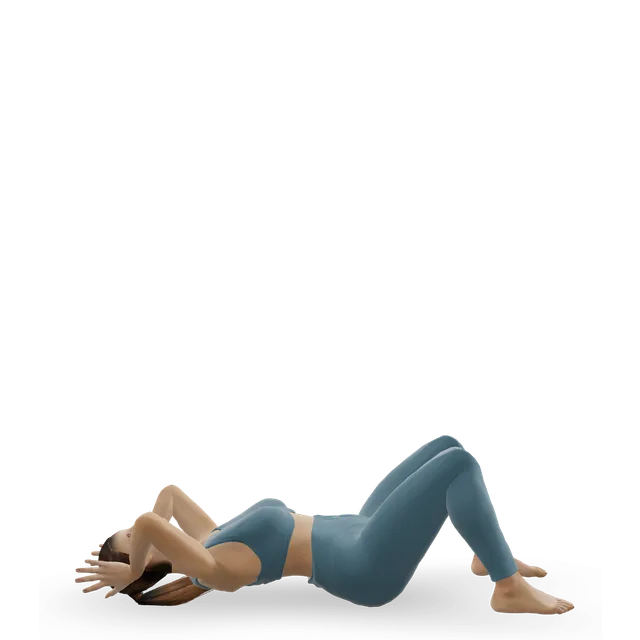
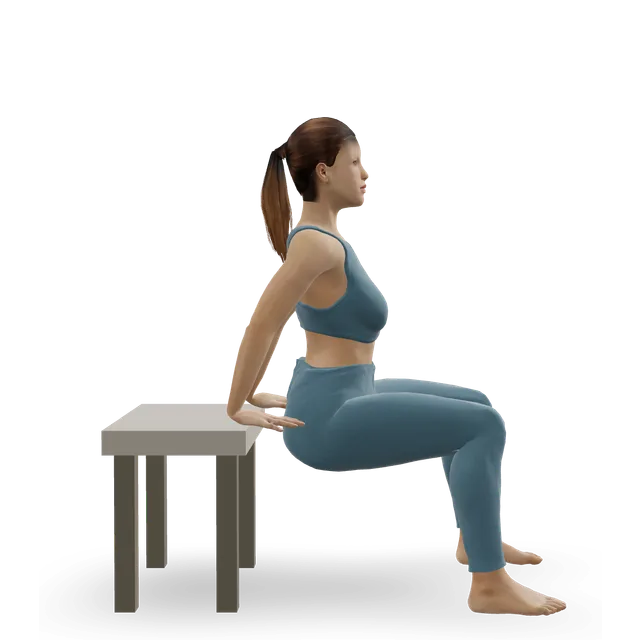
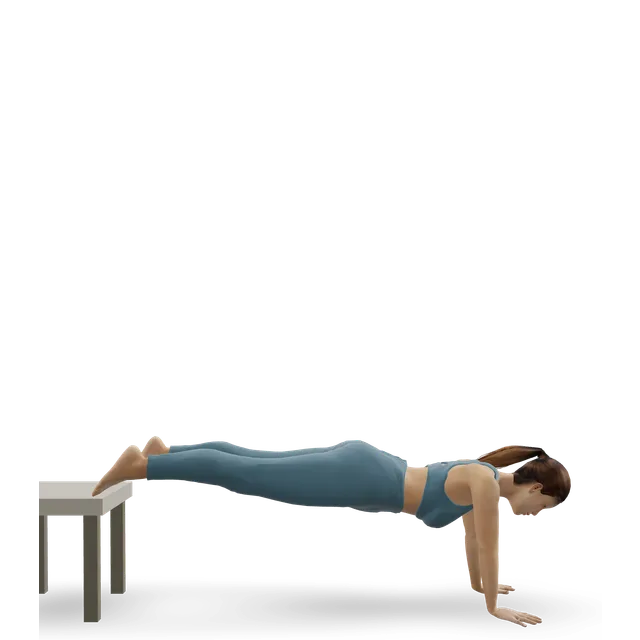
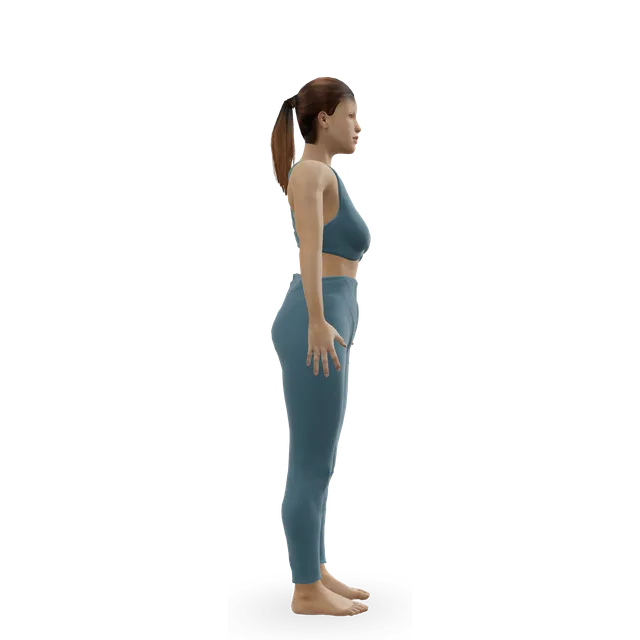
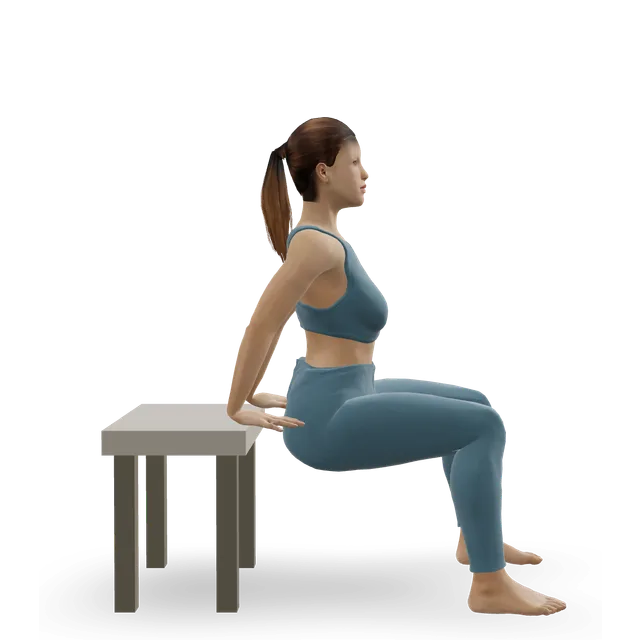
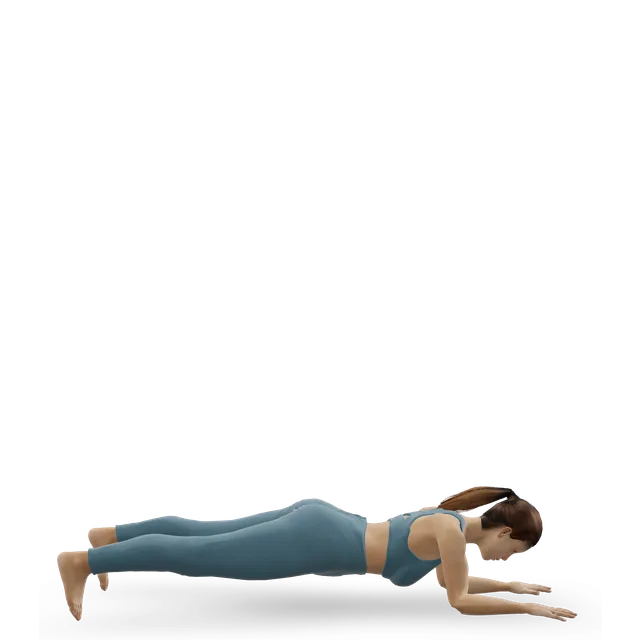
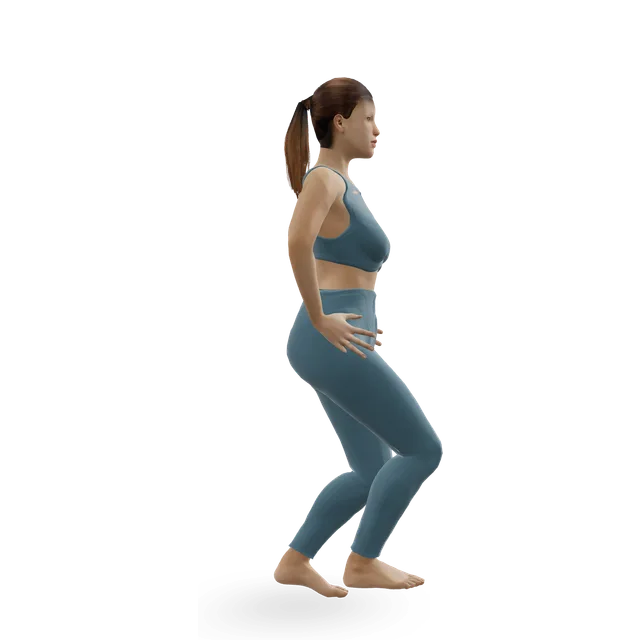
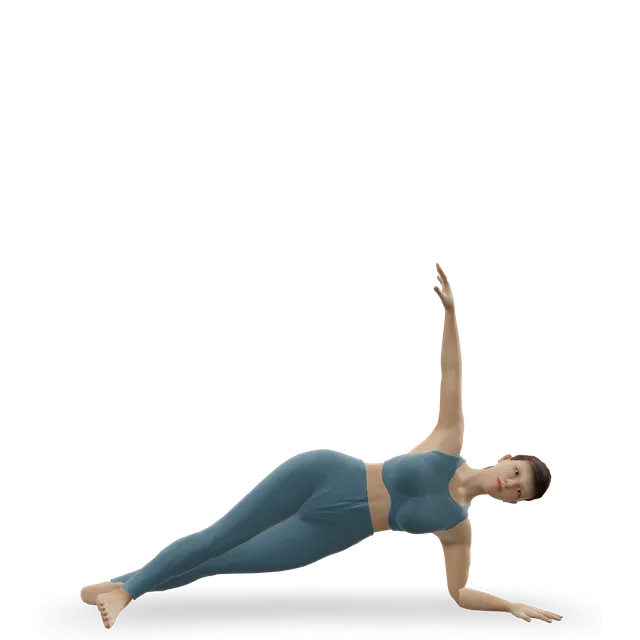
Twelve bodyweight moves, 30 seconds each with 10 seconds to switch: jumping jacks, a wall sit, push-ups, crunches, step-ups onto a chair, squats, triceps dips on a chair, a plank, high knees or running on the spot, lunges, the push-up and rotation, and a side plank. It comes from a 2013 article for fitness professionals, which described the circuit but didn't test it.

Source 1

It was meant to be repeated

The authors suggested 2 or 3 rounds. Because few people can work much above their aerobic limit, they recommended at least 20 minutes of hard exercise, which may take several rounds.

Source 1

Vigorous, but at the gentle end of interval training

In 14 active adults it averaged 141 heartbeats a minute and used about a fifth less oxygen than a bike interval session of the same length. In bodyweight circuits, heart rate runs well ahead of the work your heart and lungs are actually doing, so judge your effort by your breathing.

Sources 2, 3

What it does

In short trials, one round a few times a week mainly built push-up endurance, and men gained some strength. Aerobic fitness improved more when people did more: across 19 trials of whole-body bodyweight interval training, the gains grew with total training time.

Sources 4, 5, 6

Who should change it

The authors advised caution for people with obesity, people who are out of condition, injured or older, and anyone with other health conditions, and advised people with high blood pressure or heart disease to swap the wall sit and planks for moving exercises. If you're inactive and have heart, metabolic or kidney disease, or symptoms when active, check with your GP first.

Sources 1, 7

Where it came from, and what the article said

A circuit for busy clients

Brett Klika and Chris Jordan of the Human Performance Institute in Orlando, Florida, wrote it for clients who were busy professionals and often travelled, so it had to work anywhere without equipment. Their article drew on earlier research into interval and circuit training, including the 1996 Tabata study, but none of that research tested this circuit.

Source 1

How the circuit is built

The authors' design rules, given as their practice rather than as tested findings:

  • Work every major muscle group, using big muscles so the moves build strength and raise your heart rate.
  • Alternate body regions, so a push-up is followed by a squat and one part of the body recovers while another works.
  • Follow a move that drives your heart rate up with one that lets it settle a little.
  • Choose moves that are safe in a small space, can be made easier or harder on the spot, and are quick to switch between.
  • Thirty seconds per move, enough for about 15 to 20 reps, and 15 seconds or less between moves (they used 10).
  • Repeat the circuit 2 or 3 times.

Source 1

The authors' own cautions

Because the circuit is hard, they advised caution for people who are overweight or have obesity, are out of condition, have had injuries, are older, or have other health conditions. For people with high blood pressure or heart disease, they advised against the wall sit, plank and side plank, which can be swapped for moving exercises. They warned everyone against holding their breath, recommended a doctor's clearance before starting, as with any exercise programme, and noted the circuit may be less effective than traditional training for maximal strength and power.

Source 1

The app

By 2017 a popular smartphone app called the 7-Minute Workout had 10 million downloads and claimed to be scientifically proven to promote weight loss and improve the heart and circulation. The lab study that reported this found the circuit lighter than bike intervals (see the evidence below).

Source 2

The 12 exercises, in order

Thirty seconds each with 10 seconds to switch, in the original order: a brisk march stands in for high knees (move 9), and the push-up also stands in for move 11, the push-up and rotation, until we have demos.

What the evidence says

How hard it isEmerging evidence

In a randomised crossover study of 14 active adults, the circuit averaged 141 heartbeats a minute and 1.44 litres of oxygen a minute, against 159 beats and 1.83 litres for a bike interval session of the same length. Bursts approached 90% of maximum heart rate and lactate rose, so it counts as vigorous exercise, but the authors placed it at the low end of interval training.

In 45 adults doing a 15-minute bodyweight circuit, heart rate averaged 89% of maximum but oxygen use only 59% of VO2 max (the most oxygen your body can use, a measure of aerobic fitness). In circuits, heart rate overstates the aerobic work.

Sources 2, 3

The one randomised trial of the circuitEmerging evidence

In the trial, 96 recreationally active students did the circuit 3 times a week for 8 weeks: one group did one round throughout, and another did two rounds in the second 4 weeks. Push-ups improved in both groups and men gained some strength, but aerobic capacity improved only in the women doing two rounds. It was one small trial.

Source 4

Daily micro-sessionsEmerging evidence

In 24 untrained young adults, a 6-minute circuit once or twice a day for 4 weeks, at about 71 to 74% of maximum heart rate, improved push-ups, burpees, single-leg squats and how healthy people felt, but not peak oxygen uptake, body fat or muscle.

Source 5

More time does moreEmerging evidence

Across 19 randomised trials of whole-body bodyweight interval training (657 people), training improved aerobic fitness, muscular fitness and body composition against no exercise. It improved aerobic fitness a little less than running or cycling training, and muscular fitness more, and the gains grew with total training time. The trials were small and rarely checked how hard people worked.

In 19 inactive young adults, an 11-minute routine of five 60-second bodyweight moves, 3 times a week for 6 weeks, raised peak oxygen uptake compared with no training.

Sources 6, 8

Weight and body fatMixed evidence

In 29 young adults doing the 7-minute workout every day for 6 weeks, BMI (body mass index) fell slightly, from 24.4 to 24.0, and waists by about 4 cm, compared with 29 who didn't. But the study didn't report randomisation, and it estimated body fat with bioimpedance scales.

In 24 sedentary women with obesity, a 12-station circuit 3 times a week for 8 weeks, starting with one round and adding a round every 2 weeks, cut body fat mass by about 3%, more than in a control group. Their VO2 max rose by about a third, but it was estimated from a submaximal test, not measured, and the abstract doesn't say the groups were randomised. In 33 inactive women, 5 weeks of bodyweight circuits improved insulin sensitivity, but clearly only in the middle-aged and those with insulin resistance. All small studies.

Sources 9, 10, 11

Older adultsEmerging evidence

In 54 women aged about 68 (41 finished), high-intensity interval circuits for an hour twice a week for 18 weeks raised estimated VO2 max as much as moderate continuous training, with no adverse events during sessions. One trial; use the easier versions and hold a wall for balance.

Source 12

The app in daily lifeMixed evidence

In a randomised crossover trial of 66 inactive UK adults, posted as a preprint and not yet peer reviewed, 2 weeks with a 7-minute workout app or a Couch to 5K app didn't change activity measured by a movement sensor on average, though people reported doing more. The two apps did about the same.

Source 13

High blood pressure and the holdsEmerging evidence

The circuit's authors advised people with high blood pressure or heart disease not to do the wall sit, plank and side plank, and to swap them for moving exercises. Since then, a review of 270 trials found that isometric training programmes (regular sessions of static holds, for 2 weeks or more) lowered resting blood pressure more than any other type of exercise, by about 8/4 mmHg, with the wall squat ranked best for the top number. But those were programmes of holds on their own: nobody has studied 30-second holds inside a fast circuit.

So follow the article's advice: swap the holds for moving exercises, or ask your doctor first. If you do them, keep breathing throughout, never hold your breath, and stop if you feel dizzy (our suggestion). Our wall sit workout for blood pressure follows the routine from the blood pressure trials.

Sources 1, 14

How to do it

Timings from the 2013 article; adding a round every 2 weeks from an 8-week trial (Ajjimaporn 2023); 3 days a week from the 8-week trial of the circuit (Schmidt 2016). The warm-up, the march between rounds and the harder versions are our editorial starting point.

  1. Warm up for 2 to 3 minutes: brisk marching, a few slow squats and some step jacks.
  2. Do the 12 moves in order, 30 seconds each, with 10 seconds to get to the next.
  3. Work hard but keep your form: by the end of the cardio moves you should be down to a few words. End a move early rather than let your back sag or your knees cave in.
  4. Start with one round. Add a round about every 2 weeks, up to 2 or 3, with 1 to 2 minutes of easy marching between rounds.
  5. Do it 3 days a week, with a day between.
  6. When 3 rounds feel easy, make the moves harder rather than adding a fourth round.

Loading the 3D figure…

Gets into position, then repeats the movement. Technical checks passed; qualified exercise review is pending.

The movement on the figure: Jumping jack

How much, how hard and how often

Starting points, not prescriptions. Each names its source, or says it's our suggestion.

How hard

Vigorous: you can't say more than a few words without pausing for breath (the NHS description). Go by your breathing rather than a heart rate number, which reads high in circuits.

Sources 15, 3

How many rounds

Our editorial starting point: one round in week 1, then add a round about every 2 weeks, as an 8-week trial did, up to the 2 or 3 rounds the authors intended.

Sources 1, 10

How often

Three days a week with a day between, as in the 8-week trial. Two small studies used daily sessions; if you go daily, keep most days at a moderate effort (our suggestion, in line with our guide to high-intensity interval training, or HIIT).

Sources 4, 9, 5

Does it count towards the guidelines?

The NHS suggests 75 minutes of vigorous activity a week, or 150 of moderate, plus strengthening on at least 2 days. One round 3 times a week is 21 minutes. UK guidance says short spells of very vigorous activity count, and bodyweight moves such as push-ups count as strengthening when you work until you need a short rest, so the circuit can cover your strength days. Most people will still want walking or other cardio as well.

Sources 15, 16

Beginner version

The same order and timing with easier moves: step jacks, a shallow wall sit, incline push-ups, dead bugs instead of crunches, a low step, sit-to-stands, a bent-knee dip (or skip it), a knee plank, a steady march, split squats holding a wall, wall push-ups and a knee side plank.

Harder versions

Once 3 rounds feel easy, swap in these harder versions rather than adding rounds, landing jumps quietly (our suggestion).

Workouts to follow

Our 7-minute workout times every move and gives an easier swap for each. New to exercise? Start with the 10-minute starter workout. No jumping: the low-impact cardio workout. The wall sit workout is the blood pressure routine from trials.

Plans it fits into

Use the 7-minute workout on busy days, or as a short home session within one of these plans (our suggestion).

Who should check first, and when to stop

Check with your GP first if

  • You haven't exercised for some time, or have a medical condition or concerns (the NHS advice before any new exercise).
  • You're inactive and have heart, metabolic or kidney disease, such as diabetes, or get chest discomfort, unusual breathlessness, dizziness or fainting when active.
  • You have high blood pressure or heart disease: the circuit's authors advised swapping the wall sit and planks for moving exercises, so ask your doctor before doing them. With heart failure, avoid planks (our plank guide).
  • You live with obesity: European guidance advises a heart-risk check and supervision before high-intensity intervals, and the circuit's authors advised caution. The no-jump swaps spare your knees and feet.
  • You're pregnant: don't start a new vigorous activity. If you already do this circuit, avoid lying flat on your back for more than a few minutes in later pregnancy, so swap the crunches for standing moves.
  • You have ME/CFS: NICE (the National Institute for Health and Care Excellence) advises against exercise outside a specialist programme; see our ME/CFS guide instead.

Sources 15, 7, 1, 17, 18, 19

Call 999 now (911 in the US)

Stop and call 999 (don't drive yourself to A&E) for:

  • Sudden chest pain or discomfort that doesn't go away: it can feel tight, heavy, like squeezing or pressure, or like burning. Or pain that spreads to your arms, neck, jaw, stomach or back.
  • Chest pain with sweating, feeling sick, light-headedness or breathlessness.
  • Severe difficulty breathing: gasping, choking or not able to get words out, lips or skin turning very pale, blue or grey, or sudden confusion.
  • Someone who faints while exercising, or who has fainted and can't be woken within a minute, has chest pain or a pounding, fluttering or irregular heartbeat, or hasn't fully recovered.
  • Palpitations that don't go away, or come with chest pain, breathlessness, or feeling faint or fainting.

Sources 20, 21, 22, 23, 24

Call NHS 111 (in the US, your doctor or urgent care)

Get advice the same day for:

  • Being suddenly more short of breath than usual.
  • Palpitations with chest pain, breathlessness or fainting that have now stopped: ask your GP surgery for an urgent appointment, or contact 111.
  • In the days after an unusually hard session, especially your first: dark, red or cola-coloured urine, passing less urine than usual, or muscle pain, tenderness or weakness far worse than normal soreness. These can be signs of rhabdomyolysis, a breakdown of muscle that can harm the kidneys; in reported cases after spin classes, symptoms appeared about 3 days later.

Sources 20, 22, 24, 25, 26

See a GP

  • Chest pain that comes and goes, or went away quickly but you're still worried.
  • Palpitations that keep coming back, are happening more often or last more than a few minutes, or any palpitations if you have a heart condition or a family history of heart problems.
  • Breathlessness that gets worse during normal activities or when you lie down, or comes with swollen ankles.
  • A faint at any time other than during exercise (fainting during exercise needs 999).

Sources 21, 24, 22, 23

During the circuit

Stop a hold the moment you notice you're holding your breath, and stop if you feel dizzy (our suggestion; the authors warned against breath-holding). Stop a move for sharp or increasing joint pain and use its easier version; see a GP or physiotherapist if it keeps happening. Some muscle soreness for a day or two after a new routine is normal.

Source 1

Myths

"Seven minutes is all the exercise you need"Emerging evidence

The authors themselves suggested 2 or 3 rounds and at least 20 minutes of hard exercise. In trials, one round a few times a week mainly built push-up endurance; aerobic fitness needed more time.

Sources 1, 4, 5, 6

"It burns fat for up to 72 hours"Strong evidence

The 2013 article said the metabolic benefits can last up to 72 hours, but the extra energy you use after any session (the afterburn) is about 6 to 15% of the session's own cost, and a review called its role in weight loss generally unfounded.

Sources 1, 27, 28

"It's scientifically proven"Emerging evidence

The article described a circuit built on other studies, and an app later called it scientifically proven. The one randomised trial of the circuit found modest gains, mostly in muscular endurance.

Sources 1, 2, 4

"It's a proper HIIT workout"Emerging evidence

Against a bike interval session of the same length, it used about a fifth less oxygen at a lower heart rate, and circuit heart rates overstate the aerobic work. It's vigorous, at the gentle end of HIIT (high-intensity interval training).

Sources 2, 3

"Do the 7-minute workout to lose belly fat"Emerging evidence

Six weeks of abdominal exercises didn't reduce belly fat in a small trial, and exercise on its own takes off about 2 to 3 kg on average. Whole-body activity and eating less do the work; our weight-loss guide has the detail.

Sources 29, 17

Questions people ask

What is the 7-minute workout?

A circuit of 12 bodyweight exercises, each done for 30 seconds with 10 seconds to switch, published in 2013 in ACSM's Health & Fitness Journal by Brett Klika and Chris Jordan, who designed it for busy clients who travel often. The moves alternate between whole body, legs, upper body and core, so one area rests while another works. The authors suggested doing it 2 or 3 times through.

What are the 12 exercises in the 7-minute workout?

Jumping jacks, wall sit, push-up, abdominal crunch, step-up onto a chair, squat, triceps dip on a chair, plank, high knees or running on the spot, lunge, push-up and rotation, and side plank, in that order. Our follow-along version uses a fast march for the high knees and a plain push-up for the push-up and rotation, with an easier swap for every move.

Does the 7-minute workout actually work?

For muscular endurance, yes: in an 8-week trial, push-ups improved and men gained some strength. For aerobic fitness, one round did little in trials, and more rounds, more weeks or harder efforts did more. The studies are small and short.

Is 7 minutes of exercise a day enough?

It's a good start and it counts, but one round a day adds up to 49 minutes a week, below the 75 minutes of vigorous activity a week the NHS suggests. Building up to 2 or 3 rounds, as the authors intended, and walking on other days gets you there.

Is the 7-minute workout HIIT?

It's interval-style circuit training and counts as vigorous exercise, but in a lab comparison it used about a fifth less oxygen than bike intervals of the same length. Heart rate in circuits reads higher than the aerobic effort really is, so judge it by your breathing.

How many calories does the 7-minute workout burn?

The lab study of the circuit measured oxygen use rather than calories, and found it about a fifth lower than a bike interval session of the same length. How much you burn depends on your size and effort, and the extra burn afterwards is small: about 6 to 15% of the session's own cost. Our calories burned calculator gives a rough estimate.

Will the 7-minute workout help me lose weight or belly fat?

A little, alongside eating less: small studies found slightly smaller waists and less body fat after 6 to 8 weeks, but they had weaknesses. You can't target belly fat with ab exercises, and exercise on its own takes off about 2 to 3 kg on average.

Is the 7-minute workout good for beginners?

Yes, if you start with one round and the easier versions: trials included sedentary and untrained adults. If you're inactive and have heart, metabolic or kidney disease, or symptoms when you're active, check with your GP first.

Can I do the 7-minute workout every day?

Two small studies used daily sessions, for 4 and 6 weeks. Hard sessions are best kept to a few a week with easier days between, so on most days keep it at a moderate effort.

Is the 7-minute workout safe with high blood pressure?

Its authors advised people with high blood pressure or heart disease to swap the wall sit and planks for moving exercises, or check with their doctor first. Programmes of static holds such as wall sits lower blood pressure in trials, but short holds inside a fast circuit haven't been studied. If you do them, keep breathing throughout and stop if you feel dizzy.

Is the 7-minute workout good for older adults?

Interval circuits have been tested in women around 68, with no problems during sessions. Use the easier versions, hold a wall for balance, and add balance exercises, which the World Health Organization recommends for older adults.

Is the 7-minute workout the same as Tabata?

No. The 7-minute workout is 12 different moves for 30 seconds each; the original Tabata protocol was 20-second efforts on a lab bike with 10 seconds' rest, about 8 times, to exhaustion. Our Tabata guide explains the difference.

Sources

  1. Klika 2013 · High-intensity circuit training using body weight: the original 7-minute workout (practical article, ACSM's Health & Fitness Journal)
  2. Riegler 2017 · Acute responses to the 7-minute workout in 14 active adults (randomised crossover study, JSCR)
  3. Clayton 2019 · Heart rate and oxygen use in a 15-minute bodyweight circuit, 45 adults (study, Int J Exerc Sci)
  4. Schmidt 2016 · Bodyweight circuit training and fitness in 96 students (randomised trial, J Sports Med Phys Fitness)
  5. Sperlich 2018 · Daily 6-minute circuit sessions for 4 weeks in untrained young adults (randomised study, Front Physiol)
  6. Scoubeau 2022 · Whole-body bodyweight interval training and fitness: 19 randomised trials (meta-analysis, IJERPH)
  7. Riebe 2015 · Updating ACSM's recommendations for exercise preparticipation health screening (MSSE)
  8. Archila 2021 · An 11-minute bodyweight routine and fitness in 19 inactive adults (randomised trial, Int J Exerc Sci)
  9. Mattar 2017 · Effect of the 7-minute workout on weight and body composition (controlled study, J Sports Med Phys Fitness)
  10. Ajjimaporn 2023 · 8 weeks of bodyweight circuit training in sedentary women with obesity (controlled trial, J Sports Med Phys Fitness)
  11. Micielska 2019 · 15 sessions of bodyweight circuit training and insulin sensitivity in inactive women (controlled trial, Diabetes Res Clin Pract)
  12. Ballesta-García 2020 · Interval circuit training against moderate continuous training in women aged about 68 (randomised trial, IJERPH)
  13. Bondaronek 2025 · A 7-minute workout app against a Couch to 5K app in 66 inactive adults (randomised crossover trial, preprint, Qeios)
  14. Edwards 2023 · Exercise training and resting blood pressure: 270 randomised trials (network meta-analysis, BJSM)
  15. NHS · Physical activity guidelines for adults aged 19 to 64
  16. UK Chief Medical Officers 2019 · Physical activity guidelines (updated July 2026, GOV.UK)
  17. Oppert 2021 · Exercise training for adults with overweight or obesity: European Association for the Study of Obesity recommendations (evidence synthesis, Obesity Reviews)
  18. NHS · Exercise in pregnancy
  19. NICE 2021 · ME/CFS: diagnosis and management (guideline NG206)
  20. NHS · Heart attack
  21. NHS · Chest pain
  22. NHS · Shortness of breath
  23. NHS · Fainting
  24. NHS · Heart palpitations
  25. MedlinePlus (US National Library of Medicine) · Rhabdomyolysis
  26. Masuda 2023 · Rhabdomyolysis after indoor cycling classes: 97 reported cases (systematic review, Phys Sportsmed)
  27. LaForgia 2006 · How exercise intensity and duration affect the afterburn (review, J Sports Sci)
  28. Panissa 2021 · The afterburn after interval and steady exercise (systematic review, Obesity Reviews)
  29. Vispute 2011 · The effect of abdominal exercise on abdominal fat (randomised trial, JSCR)

Exercise education, not a personal prescription, and clinical review of these guides is pending. Check with a GP before starting hard training if you have a heart condition, chest pain, dizziness or breathlessness when active, and stop for sharp or increasing pain. Health disclaimer.