What they mean
EMOM (every minute on the minute): start a set at the top of each minute and rest for what's left. AMRAP (as many rounds or reps as possible): repeat a circuit, or one move, for a fixed time and count what you get done.
Training guide
EMOM means every minute on the minute: you start a set at the top of each minute and rest for what's left. AMRAP means as many rounds (or reps) as possible in a set time. Both come from cross-training classes, and both are ways of putting a clock on your work.
There's very little research on them: we found no trials of EMOM training, and only a handful of single-session lab studies in experienced athletes. So most of this guide is our own advice, built on those studies and the wider evidence on sets and rest. The lab studies agree on one thing: EMOMs, with rest built in, feel easier and keep reps cleaner, while AMRAPs push effort close to the limit and reward good pacing.
This guide explains both formats, what the studies show, how to set up each for skill, strength or conditioning, and the pacing mistakes to avoid, with a follow-along EMOM workout.
EMOM (every minute on the minute): start a set at the top of each minute and rest for what's left. AMRAP (as many rounds or reps as possible): repeat a circuit, or one move, for a fixed time and count what you get done.
We found no trials of EMOM training, and one randomised trial that used an AMRAP circuit as one of its programmes. The rest are single-session lab studies of 12 to 25 experienced athletes, so most of the advice here is our own.
With rest built into each minute, an EMOM gave a lower heart rate, oxygen use, lactate and effort than the same work done as fast as possible, and the least slowing of reps within sets.
Experienced athletes slowed their reps and spread their effort in AMRAPs, and matched for work, an AMRAP and a "for time" workout both drove heart rate to about 99% of maximum.
Our suggestion: EMOMs for skill, strength practice and steady conditioning, because sets broken up with rest built in matched normal sets for strength in trials; AMRAPs for conditioning and as a test you can repeat.
Every minute on the minute. When a minute starts, you do a set number of reps, then rest for whatever is left of it: finish faster and you rest longer. Lab studies used EMOMs of up to 20 minutes, often with a different move each minute. Longer windows, such as every 2 minutes, work the same way (our description).
As many rounds (or reps) as possible. You set a time, 12 to 20 minutes in the studies, and repeat a short circuit with set reps, or one move, resting when you choose. Your score is the rounds and reps you complete.
The mirror image of an AMRAP: a fixed amount of work, done as fast as you can. Studies call it "for time" or "rounds for time".
In strength programmes, an AMRAP set is a single set taken to as many reps as possible, often the last set of a lift, used as a test or to set the next session's weight (common practice). People misjudge how many reps they have left, so treat it as a rough test.
Source 11
Both come from cross-training and high-intensity functional training, which uses varied whole-body moves over different durations, with or without rest, unlike the fixed hard and easy bouts of HIIT (high-intensity interval training).
Source 12
We found no trials of EMOM training, and one randomised trial that used a 30-minute AMRAP circuit as one of its programmes. Everything else is single-session lab studies of 12 to 25 experienced cross-training athletes, so they show how the formats feel and tax the body, not what they do over months.
In 12 trained adults, an EMOM designed to leave about 30 seconds of rest a minute (in practice they rested 30 to 49 seconds) took 20 minutes against 12 for the same work done as fast as possible. Heart rate averaged 153 against 171 beats a minute, oxygen use 31 against 38 mL/kg/min (millilitres per kilogram of body weight per minute), lactate 6.5 against 11.2 mmol/L, and effort 4 against 7 out of 10.
In 25 athletes with matched loads, EMOM caused the least lactate and effort, and jump height fell after AMRAP and "for time" but not after EMOM. In two studies of squats, pull-ups and presses, EMOM showed the least slowing of reps within sets and the lowest heart rate.
In 23 experienced CrossFit participants, a 20-minute AMRAP and a "for time" workout with the same work both drove heart rate to about 99% of maximum and lactate above 14 mmol/L. In AMRAPs, athletes chose a slower bar speed, pacing themselves, and slowed more between sets than in EMOMs.
An EMOM for strength breaks your reps into small sets with rest built in, like cluster sets. In 17 studies, cluster and rest-redistribution sets gave the same strength and muscle growth as traditional sets, better speed and power at lighter loads, and less muscular endurance; in 29 studies, there were no differences, possibly with less fatigue. The American College of Sports Medicine's (ACSM) 2026 overview found set structure made no consistent difference to strength or power, with too little data to judge muscle size. None of these tested EMOM itself.
In 21 men, 12 rounds of 30 seconds of kettlebell swings starting each minute, twice a week for 6 weeks, raised half-squat strength and jump height as much as jump-squat training did (about 10% and 20% across both groups). Our kettlebell swing workout uses this structure.
Source 10
In a 6-week randomised trial of 58 young adults, a 30-minute bodyweight AMRAP 3 times a week (90 minutes a week) raised aerobic fitness no more than 16 or 27 minutes a week of fixed intervals. An exploratory analysis suggested slightly larger gains in muscular endurance, about 4 more reps, with wide uncertainty. Fitness was estimated from a bike test rather than measured directly.
Source 7
High-intensity functional training, which mixes these formats, improved strength, power and endurance in 19 trials of people aged 10 to 23, on low-certainty evidence. Across CrossFit research, few studies had a low risk of bias.
In 100 adults followed through 6 weeks of group strength-endurance classes, there were about 9 injuries per 1,000 training hours, and 18% of people had one. Knees and backs were hurt most often, and burpees and squats were the commonest moves involved.
Source 16
Our editorial method. The 30 to 40 seconds of work follows the one EMOM lab study, which was designed for about 30 seconds of rest a minute (Smith 2024); the strength version follows the evidence on cluster sets.
Loading the 3D figure…
The movement on the figure: Bodyweight squat
Our editorial method, drawing on a perspective article on pacing (de-Oliveira 2021) and the evidence that training to failure isn't needed.
Loading the 3D figure…
The movement on the figure: Push-up
Our suggestions; each says what it rests on.
An EMOM gives fresh, repeated practice with rest built in. In lab studies it showed the least slowing of reps within sets, and the authors of one suggest it suits technique work and recovery days in trained people.
EMOMs of 2 to 5 reps with a weight you could lift about 8 to 10 times (our suggestion): short sets with rest built in matched normal sets for strength and muscle in pooled trials.
Alternating-move EMOMs of 15 to 20 minutes, or AMRAPs of 10 to 15 minutes (our suggestion). The every-minute kettlebell swing structure improved strength and jump height in a trial, and a 30-minute AMRAP raised fitness, though no more than much shorter intervals.
Doing the same work in less time, or more work in the same time, is a form of progressive overload for conditioning (our progressive overload guide). Write down your rounds and reps.
Racing through the work caused the most slowing within sets, and a perspective on pacing suggests planned rests for beginners and keeping away from failure in long AMRAPs. Start at about 7 out of 10.
People underestimate the reps they have left by about 1 on average, and are less accurate in sets of more than 12 reps, which is where AMRAP sets live.
Source 11
Training to failure gave little or no extra muscle or strength in two meta-analyses of 15 studies each, so keep most sets 1 to 3 reps short.
If your reps take 50 seconds, the EMOM has stopped giving you rest: cut the reps (our suggestion).
In group classes, keep your own pace: injuries most often involved burpees and squats. Sudden big jumps in hard exercise can cause rhabdomyolysis, a rare but serious breakdown of muscle.
A few crisp reps a minute: 3 to 5 goblet squats or presses, 10 to 15 kettlebell swings once your hip hinge is solid, or 2 or 3 slow pull-up negatives.
 3D demoDumbbell goblet squatIntermediate · A dumbbell
 3D demoPush-upIntermediate · No equipment
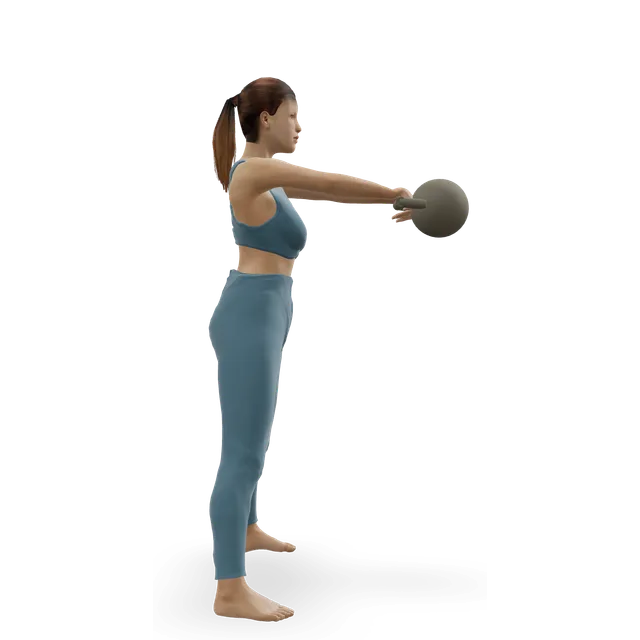 3D demoKettlebell swingIntermediate · A kettlebell
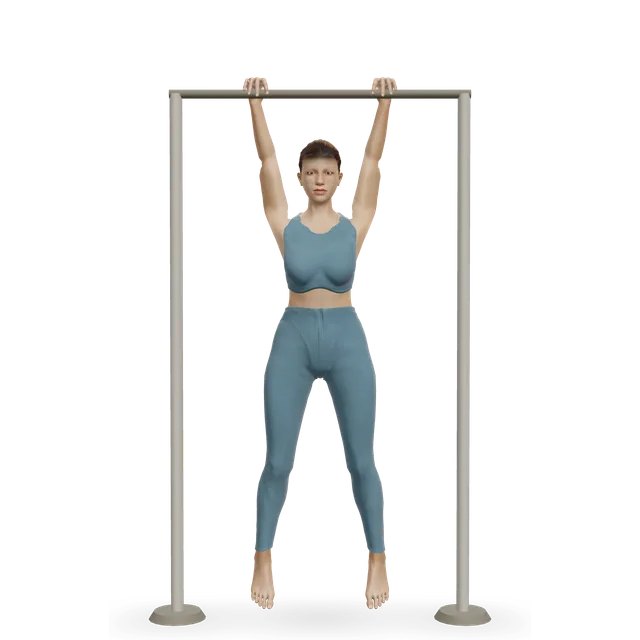
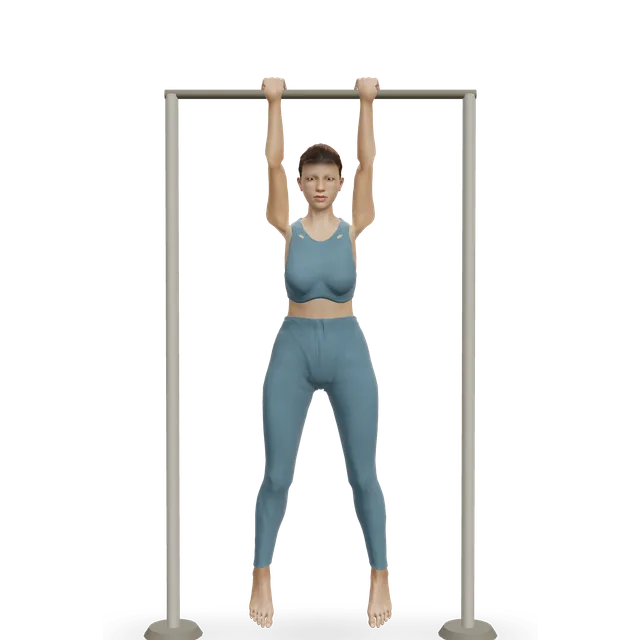
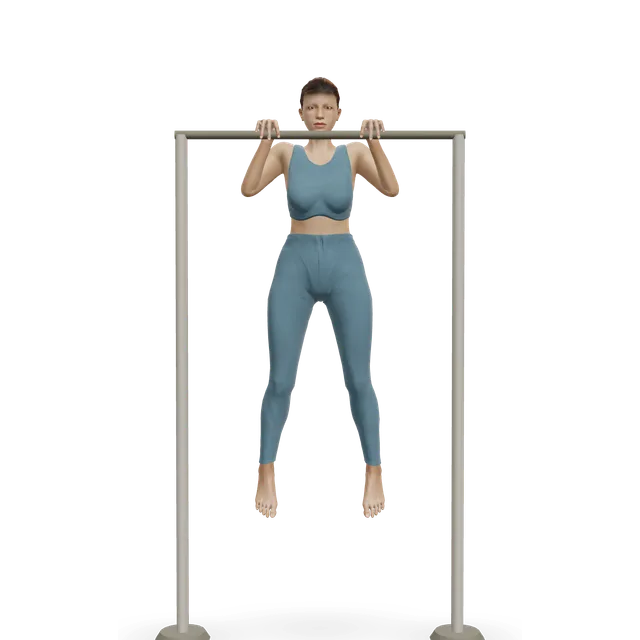 3D demoNegative pull-upIntermediate · Pull-up bar + A step
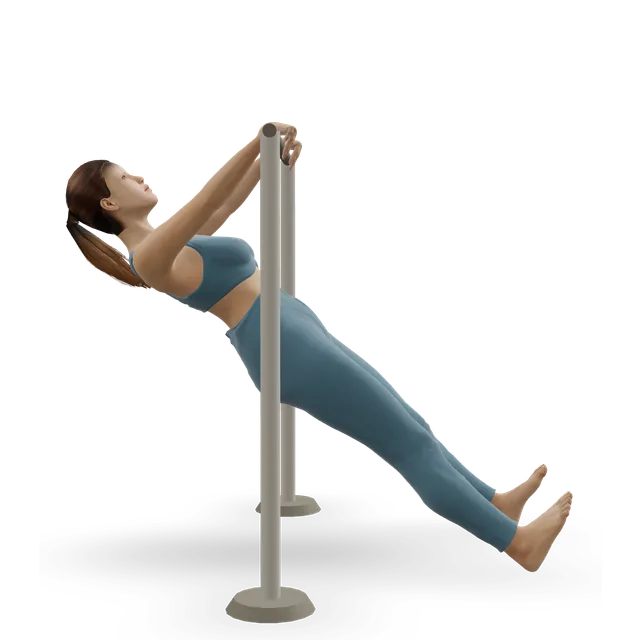
 3D demoScapular pull-upIntermediate · Pull-up bar
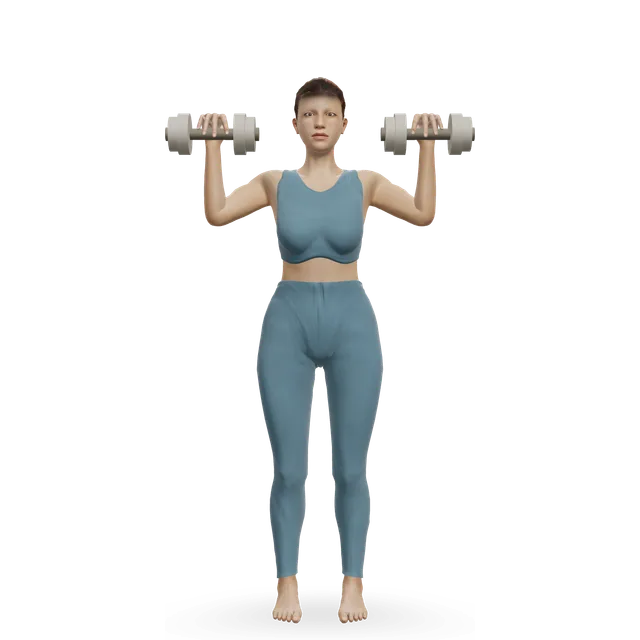 3D demoStanding overhead pressIntermediate · A barbell + A dumbbell
Big-muscle moves you can keep clean when tired: step back instead of jumping in the burpee, and use step jacks for no impact.
 3D demoJumping jackBeginner · No equipment
 3D demoStep jack (low-impact jumping jack)Beginner · No equipment
 3D demoBodyweight squatBeginner · No equipment
 3D demoReverse lungeIntermediate · No equipment
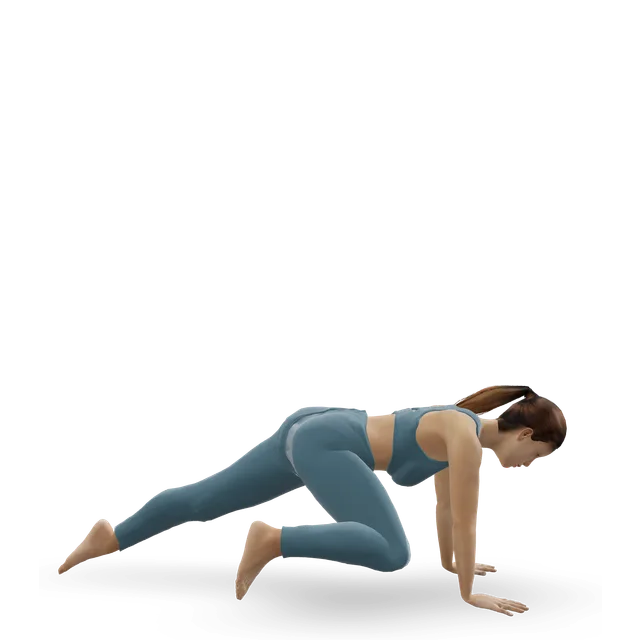 3D demoMountain climbersIntermediate · No equipment
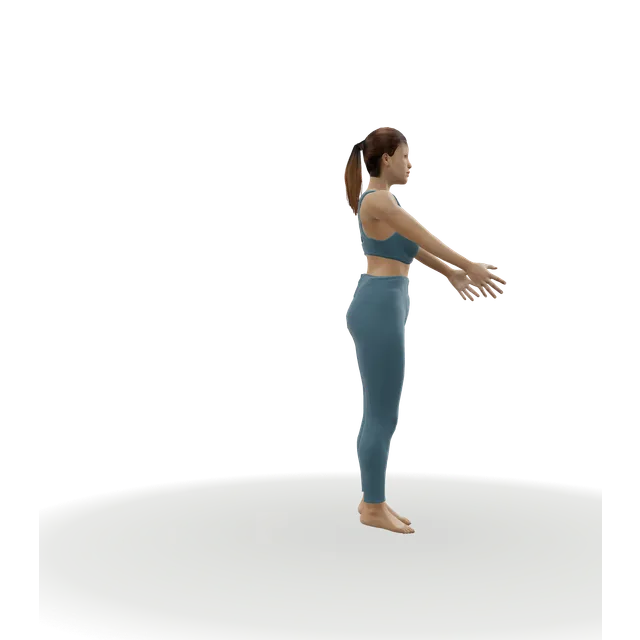 3D demoBurpeeAdvanced · No equipment
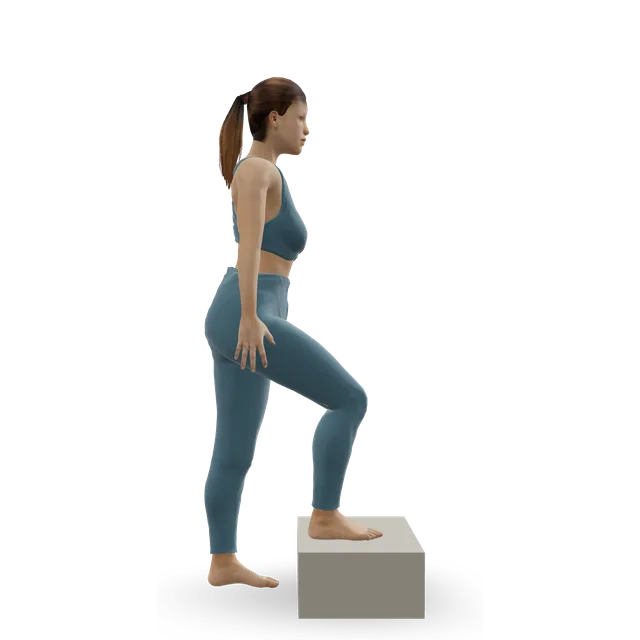 3D demoStair climbingIntermediate · A step
 3D demoIndoor rowing (rowing machine)Beginner · Cardio machine
Our EMOM workout times every minute for you. The kettlebell swing workout is the every-minute structure from the trial above. For an AMRAP, set a timer and use the steps above.
A 16-minute EMOM: start squats, push-ups, lunges or jumping jacks at the top of each minute and rest for what's left, with easier and harder targets.
22 minBeginner9 movesA wallA 20-minute kettlebell swing workout: 30 seconds of swings, 30 seconds of rest, building to the 12 rounds a training trial used, then carries.
20 minIntermediate7 movesA kettlebell, A dumbbellTrain for your first pull-up: hangs, shoulder-blade pulls, rows, band- or machine-assisted pull-ups, slow negatives and grip work in one session.
30 minBeginner8 movesPull-up bar, A stepA 20-minute no-equipment HIIT workout: jumping jacks, jump squats, mountain climbers, burpees, skips and bear crawls.
20 minIntermediate10 movesNo equipmentThree 4-minute blocks of 20 seconds hard and 10 seconds easy, with bodyweight moves and a minute between: the timing of the Tabata study, at home.
22 minIntermediate10 movesA wallBoth plans include sessions that work as EMOMs: swing intervals and skill practice (our suggestion).
An 8-week kettlebell plan for beginners: two strength sessions and a swing-interval day each week, with how to choose a bell and swing safely.
3 training days35 minBeginner3 days a weekA 12-week calisthenics plan for beginners: three bodyweight sessions a week with push-up, pull-up, squat and dip ladders, and a bar if you have one.
3 training days40 minBeginnerStop and call 999 (don't drive yourself to A&E) for:
Get advice the same day for:
In group classes your pace is your own: injuries in group strength-endurance classes most often involved burpees and squats. Stop a move for sharp or increasing pain, and use its easier version.
Source 16
We found no trials showing either beats other ways of arranging the same work. The studies are single sessions, and in the ACSM's overview set structure made no consistent difference to strength or power, with too little data on muscle size.
Racing through the work caused the most slowing within sets, and experienced athletes pace their AMRAPs. Start at a pace you could hold for the whole time.
Training to failure gave a trivial or no advantage for muscle and strength in two meta-analyses, and people misjudge the reps they have left, more so in long sets.
With moderate reps, an EMOM was clearly easier than the same work done non-stop, but reps that take 50 seconds leave almost no rest (our reading).
Source 1
The extra energy you use after any session (the afterburn) is about 6 to 15% of the session's own cost, and a review called its role in weight loss generally unfounded.
Every minute on the minute: at the start of each minute you do a set number of reps, then rest until the next minute begins. The faster you finish, the longer you rest.
As many rounds (or reps) as possible: you repeat a circuit, or one move, for a fixed time and count how much you get done, resting when you choose. In strength programmes, an AMRAP set is one set taken to as many reps as you can.
An EMOM builds rest into every minute; an AMRAP has no set rest. In the same athletes, EMOMs gave lower heart rates and less fatigue, while AMRAPs and "for time" workouts pushed effort close to maximum.
Very little: we found no trials of EMOM training, only single-session studies in experienced athletes. The nearest evidence, on sets broken into small clusters with rest built in, shows the same strength and muscle gains as normal sets, with less fatigue.
It can be: a few reps of a harder move every minute is a version of cluster sets, which built strength and muscle as well as normal sets. For muscle growth, your weekly number of hard sets matters most.
A number you can finish in about 30 to 40 seconds with good form, leaving 20 to 30 seconds to rest (our suggestion; the one lab study designed in about 30 seconds of rest). If a set takes more than about 45 seconds, cut the reps.
Start at a pace you could hold for the whole time, about 7 out of 10, and take short planned rests before your form slips. Racing from the start leads to the most slowing and fatigue.
It's one set taken to as many reps as you can, often used as a test. Going to failure isn't needed for strength or muscle, and people misjudge how many reps they have left, more so in long sets, so keep most sets 1 to 3 reps short.
Tabata is a fixed 20 seconds hard and 10 seconds easy, for short conditioning blocks. An EMOM lets you pick the work and gives you the rest of the minute, which suits strength, skill and steadier conditioning. Both fit into one or two harder sessions a week.
EMOMs suit beginners well, because the rest is built in and you choose the reps. AMRAPs are harder to pace, so beginners should plan rests and stop sets well short of failure.
Studies in experienced athletes used AMRAPs of 12 to 20 minutes and EMOMs of up to 20 minutes. Beginners can start with 8 to 12 minutes (our suggestion).
Yes, with bodyweight moves such as squats, push-ups, lunges, jumping jacks and burpees, or a kettlebell. Our follow-along EMOM workout times every minute for you; for an AMRAP, set a timer and count your rounds.
Exercise education, not a personal prescription, and clinical review of these guides is pending. Check with a GP before starting hard training if you have a heart condition, chest pain, dizziness or breathlessness when active, and stop for sharp or increasing pain. Health disclaimer.