Training guide

How to do bird dogs: on hands and knees, the reach, holds or reps, easier and harder versions, and back pain

A bird dog is a core exercise on your hands and knees: you reach one arm forward and the opposite leg back until both are level with your body, hold for a few seconds and come back, keeping your back and hips still. It's one of Stuart McGill's big three for spine health, with the curl-up and the side plank.

It works the muscles along your back and your glutes, mostly at under half of their maximum in muscle activity studies, so it's control work rather than a strength builder. In one lab study it was among the lower-load exercises for the back, but core exercises like it help back pain about as much as other exercise, not more.

This guide covers the set-up and the reach, whether to hold or do reps, the steps from one limb at a time to harder versions, what bird dogs work and how they load your spine, how many to do, and what the evidence says about back pain. It also covers sore wrists and knees, pregnancy, and how bird dogs compare with dead bugs and supermans, with a 3D demo of each step.

The short version

Reach long, and keep everything else still

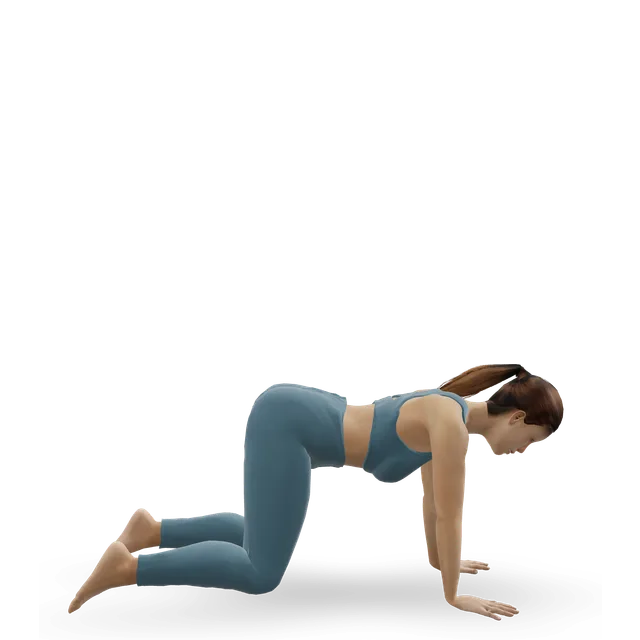
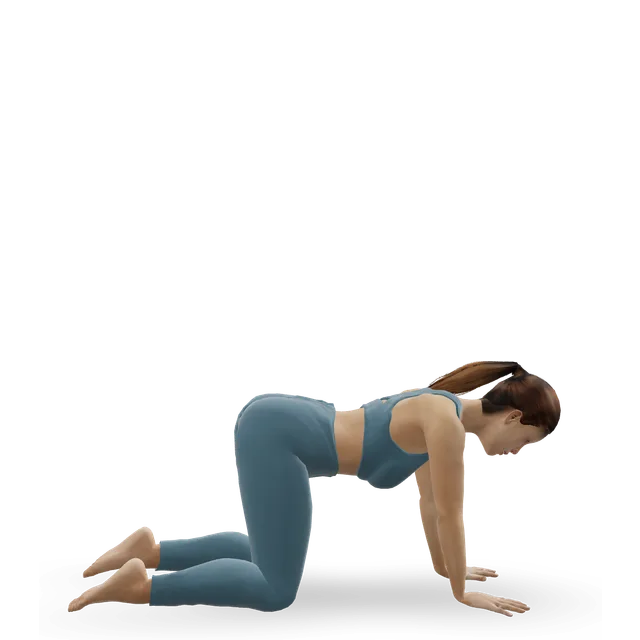
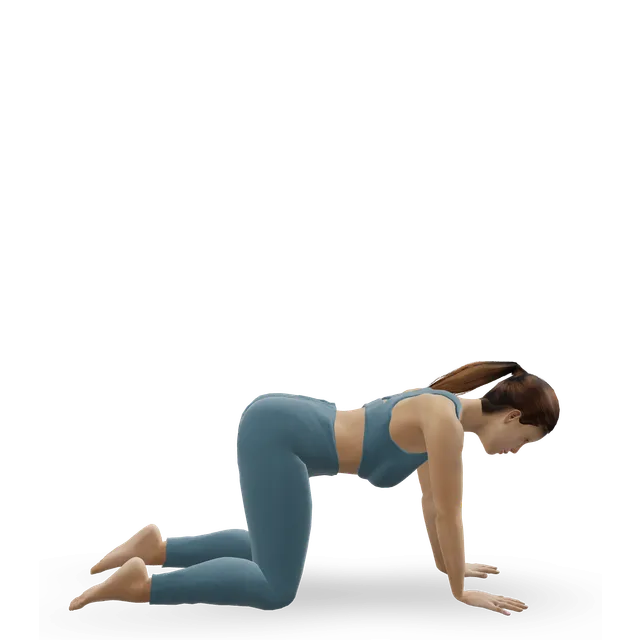
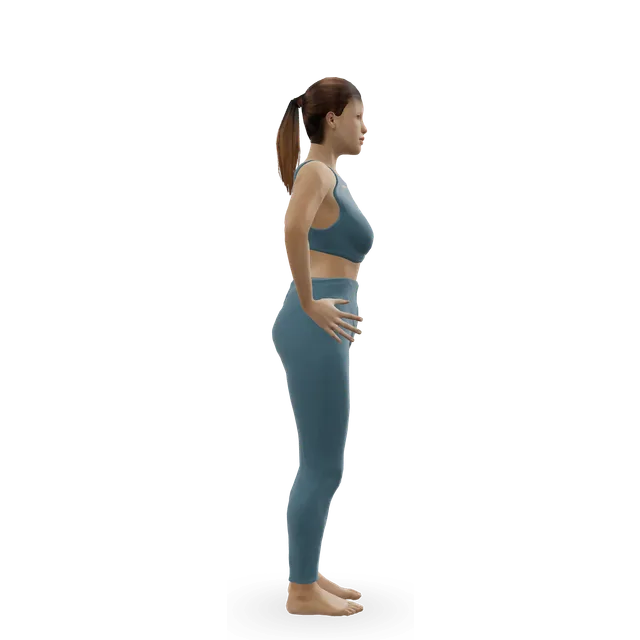
Kneel on all fours, hands under your shoulders and knees under your hips, back flat and neck long. Reach one arm forward and the opposite leg back until both are level with your body, hold a few seconds, come back and swap. The skill is what doesn't move: hips and shoulders level, no twist and no arching.

Source 1

Control work for your back and glutes

It works the back muscles beside your spine and the glute of the lifted leg, with your side abdominals stopping a twist. Most muscles worked at under half of their maximum in muscle activity studies, though the big glute passed 45% in one study of 30 adults.

Sources 2, 3

Hold each rep

Hold each reach for 3 to 10 seconds. Our workouts use 3 to 5 second holds; McGill's routine holds for about 10 seconds in falling sets of 5, 3 and 1 each side, and adds reps rather than seconds.

Sources 4, 5

Start one limb at a time

Lift one arm, then one leg, at a time first (leg lifts ask more of your trunk than arm lifts), then the full bird dog. To make it harder, draw small squares with your hand and foot, or reach on a diagonal.

Sources 6, 7, 8

How many

2 to 3 sets of 6 to 8 each side with 3 to 5 second holds, 2 or 3 days a week, as our back pain plans and 30-day ab challenge use (editorial starting points). Or McGill's 5, 3 and 1 holds of about 10 seconds, which Harvard Health says you can do daily after a while.

Source 4

Back pain

In one lab study it was among the lower-load back exercises (we could read only its abstract), and people with long-lasting back pain rated it very tolerable. But core exercise helps back pain about as much as other exercise, not more, and 6 weeks of bird dogs and bridges didn't improve trunk endurance in active young men.

Sources 9, 10, 11, 12

What a bird dog is, and what it works

An exercise that resists arching and twisting

On all fours, your trunk has to stop your back sagging, arching or twisting as an arm and the opposite leg lift away. It's one of Stuart McGill's big three for spine health, with the curl-up and the side plank. Research calls it the quadruped (or four-point kneeling) arm and leg lift, and our plank guide files it under resisting rotation, with the Pallof press.

Sources 1, 4, 5

What it works

The back muscles beside your spine (the erector spinae, and the deeper multifidus) and the big glute (gluteus maximus) of the lifted leg, with the obliques at your sides stopping your trunk twisting and your shoulder holding the reaching arm. In the studies, most muscles worked at under half of their maximum.

Sources 2, 3, 13, 14

Versions on this page

One limb at a time, the full bird dog with holds, McGill's squares, diagonal reaches like the hands of a clock, and Pilates swimming and the bear crawl as harder relatives, each with a 3D demo; the all-fours straight-leg raise and glute kickback work the glutes more. The bird dog crunch (elbow to knee under you between reaches), an ankle weight or band, and a bird dog from a plank have no demo of their own.

Sources 8, 15

Muscle activity isn't growth

Most studies on this page use EMG (electromyography: electrodes measuring how hard a muscle works over a few reps) or ultrasound. Neither is a validated predictor of which exercise grows a muscle more, so treat the numbers as clues, not verdicts.

Source 16

What the evidence says

Back muscles and glutes, at moderate effortEmerging evidence

In 12 healthy adults on all fours, the obliques worked harder than the six-pack muscle, and the back muscles and big glute worked hardest when the leg lifted, all at under 41% of their maximum.

Source 2

The big glute can work harderEmerging evidence

The arm and leg lift drew more than 45% of maximum from the big glute in 30 adults, which the authors took to suggest it may help strengthen that muscle. Most of the 9 exercises in the study stayed under 45%.

Source 3

Which muscles, on which sideEmerging evidence

In 29 adults, the internal oblique worked hardest on the side of the raised arm and the back muscles on the other side. In 20 adults, the multifidus (the deep muscle beside the spine) worked more selectively in the arm and leg lift than in a face-down trunk raise.

Sources 13, 14

The classic version against other versionsEmerging evidence

In 30 sedentary women, the classic bird dog drew about 51% of a reference contraction from the back and deep trunk muscles, more than two other versions on all fours (about 47% and 44%). The one that lifted the arm and leg on the same side drew the least, but it was the hardest to balance and felt hardest.

Source 17

In people with back painEmerging evidence

In 13 outpatients with long-lasting low back pain, average age 52, the bird dog drew 29% of maximum from the lower back muscles, among the highest of 9 core exercises, and they rated it very tolerable.

Source 10

What hasn't been tested

No trial has tested the bird dog on its own, for strength or for back pain. The one training trial we found combined it with bridges (see the back pain section below).

How bird dogs load your spine

Among the lower-load back exercises, in one lab studyEmerging evidence

Of four back-strengthening exercises in 13 young men, those that lifted the trunk produced the highest spine loads and muscle activity. Extending one leg with the spine held still reduced the load on the spine, and the authors called it a low-risk exercise for starting to strengthen the back muscles; adding the opposite arm raised the challenge. We could read only the study's abstract, which gives no load figures, so we give none.

Source 9

Does your back arch?Emerging evidence

Young men with a history of back pain did the bird dog without extra arching, using more of their lat and upper-back muscles on the lifted-leg side (17 men). In 15 men, drawing in slightly reduced arching at the lower back, though the effects were very small, and stiffened the deep muscles, as bracing did.

Sources 18, 19

Draw in or brace?Mixed evidence

Drawing your belly button in works the deepest tummy muscle more selectively, bracing your whole trunk made the spine stiffer in lab studies, and changes in that deep muscle don't explain recovery from back pain. Our editorial view: either is fine. Tighten your trunk gently, so your back would hold steady if someone nudged you, and keep breathing.

Sources 20, 21, 22, 23

How to do a bird dog, step by step

From our move page, the bird dog of the American Council on Exercise (ACE), with its light bar across the back, and Harvard Health's guide, with its cushion. The hold times come from our workouts (3 to 5 seconds) and McGill's routine (about 10 seconds): coaching practice, not tested against each other in trials.

  1. Kneel on all fours with your hands under your shoulders and your knees under your hips, back flat and neck long, looking at the floor just ahead of your hands.
  2. Tighten your trunk gently, so your back would hold steady if someone nudged you. A small cushion or light stick across your lower back shows you if it tips or slides.
  3. Slide one leg back and lift it to hip height as you reach the opposite arm forward to shoulder height, both long, with your hips and shoulders level.
  4. Hold for 3 to 10 seconds, breathing.
  5. Lower the arm and leg with control back to all fours, and repeat on the other side.

Loading the 3D figure…

Gets into position, then repeats the movement. Technical checks passed; qualified exercise review is pending.

The movement on the figure: Bird dog

The easier version: one limb at a time

From our one-limb move page. Arm lifts are the easier half: leg lifts asked more of the trunk in a study of people with back pain and in one of athletes.

  1. Kneel on all fours, hands under your shoulders and knees under your hips, back flat and neck long.
  2. Reach one arm forward to ear height, hold, and lower it; then the other arm.
  3. Slide one leg back and lift it to hip height, hold, and lower it; then the other leg.
  4. Once each limb lifts without your back moving, lift the opposite arm and leg together: the full bird dog.

Loading the 3D figure…

Gets into position, then repeats the movement. Technical checks passed; qualified exercise review is pending.

The movement on the figure: Bird dog, one limb at a time

Holds or reps?

Both: each rep is a short holdEmerging evidence

McGill's routine holds each rep for about 8 to 10 seconds in falling sets. Harvard Health gives 5, 3 and 1 reps; ACE starts a reverse pyramid at about 8 reps, built up over time to 10, 8 and 6, then 12, 10 and 8. You build up by adding reps, not seconds. This rests on lab studies and clinical practice: no trial has compared hold lengths, as our plank guide says.

Sources 4, 5

Our workouts' holds

Our 30-day ab challenge and back pain plans hold each rep for 3 to 5 seconds; our McGill big 3 routine follows Harvard Health's 5, 3 and 1 with 10-second holds. Either is a fine starting point (editorial).

Quick reps miss the point

The exercise is the still trunk while your arm and leg are away from it. Swinging the limbs out and back without a pause skips that, so reach slowly and hold (our editorial reading).

Easier and harder: from one limb at a time to the bear crawl

Move on when every set reaches the top of its range with your back still (our editorial rule). One limb at a time, 2 sets of 6 each arm and each leg (our 30-day ab challenge), building to 2 to 3 sets of 6 to 8 each side with 3 to 5 second holds (our back pain guide); bird dogs, 2 to 3 sets of 6 to 8 each side with 3 to 5 second holds once one limb at a time is easy (our back pain guide and 30-day ab challenge), or 5, 3 and 1 holds of 10 seconds each side, building to 6, 4 and 2 (our McGill big 3 routine); squares, diagonal reaches or the bird dog crunch, 2 sets of 6 each side (editorial); Pilates swimming, 2 to 3 sets of 20 to 30 seconds (its move page's dose); bear crawls, 4 crawls of 8 to 10 metres, forwards and back (its move page's dose).

How many, and how often

Sets, reps and holds

2 to 3 sets of 6 to 8 each side with 3 to 5 second holds (our back pain guide and 30-day ab challenge), or 6 each side in a circuit (our beginner core and beginner bodyweight workouts), or McGill's 5, 3 and 1 holds of 10 seconds each side (our McGill big 3 routine). These are editorial starting points.

How hard

Control, not failure: the aim is a steady position, as our 30-day ab challenge puts it. End the set when your hips start to tip or your back starts to move.

Rest

30 to 45 seconds between sets, as our 30-day ab challenge uses.

How often

2 or 3 days a week, or daily for the McGill routine if your back likes it: Harvard Health says you can do the three moves daily after a while. Matched for weekly sets, training a muscle more often made little difference to growth.

Sources 4, 24

How to progress

Add a rep to each set rather than holding longer, as our McGill big 3 routine does, then move to the next step on the ladder.

Common mistakes and how to fix them

Your hips tip or twist

Keep your hips and shoulders level, with no tipping towards the lifted leg, as our move page cues it. A cushion or light stick across your lower back shows you if you tip.

Sources 1, 15

Lifting too high

Your back arches. Reach long rather than high, and lift only as high as your lower back stays still.

Source 1

Sagging before you start

Set a flat back on all fours first, then reach.

Source 1

Dropping or craning your head

Keep your neck in line with your back, looking at the floor just ahead of your hands. There's no need to tuck your chin hard (our editorial cue).

Source 1

Rushing

Reach slowly and hold for a real 3 to 5 seconds, as our workouts do.

Locked elbows or bent-back wrists

Keep your elbows soft. Make fists or use push-up handles if your wrists hurt, as our move page and hypermobility routine advise.

Bird dogs against dead bugs, supermans, planks and cat-cow

Bird dog or dead bug?

Neither is better. The bird dog works the back of your trunk and your glutes on all fours; the dead bug works the front of your trunk while you lie on your back. In one ultrasound study of 44 young adults, the bird dog ranked first of 7 exercises for the deepest tummy muscle and the dead bug fourth. Our beginner core workout pairs them.

Sources 2, 25

Bird dog or superman?

The superman lifts your chest, arms and legs face down. Exercises that lift the trunk loaded the spine most in the lab study above, and a superman lifting both arms and legs worked the multifidus hardest in 21 athletes. Start with bird dogs and move on to supermans and back extensions, as our back extension guide suggests.

Sources 9, 7

Bird dog or plank?

The plank resists arching on your elbows and toes and works your shoulders hard; the bird dog resists twisting and arching on all fours. Our plank guide suggests covering each direction rather than choosing one.

Bird dog or cat-cow?

Cat-cow moves your spine through its range, which makes it a warm-up; the bird dog keeps your spine still while your limbs move. Core session B of our 30-day ab challenge does cat-cow first, then bird dogs.

Bird dogs and back pain

Core exercise helps, but no more than other exerciseStrong evidence

Motor control (core stability) exercise of this kind beat minimal treatment for long-lasting low back pain, by about 13 points on a 100-point scale in the long term, across 29 trials and 2,431 people, but it wasn't clinically better than other exercise. Exercise of any kind lowered pain by about 15 points against no treatment, usual care or placebo, across 249 trials.

Sources 11, 26

Bird dogs in people with back painEmerging evidence

Outpatients with long-lasting back pain rated the bird dog very tolerable. In 10 people with long-lasting back pain, the full bird dog asked more of the back muscles than lifting one limb, and the authors advise building up to it.

Sources 10, 6

Training trialsEmerging evidence

Six weeks of front, back and side bridges and bird dogs, twice a week, didn't improve trunk endurance, trunk stability or balance against no training in 60 active young men, beyond the tasks they practised. In 48 people with long-lasting back pain, stabilisation exercise, walking, and both together all eased pain during activity over 6 weeks.

Sources 12, 27

Which exercise is best?Mixed evidence

Three network meta-analyses ranked Pilates, core-based, strength and McKenzie programmes near the top, but they didn't agree on a winner, and some of the evidence was low quality. The authors advise choosing exercise you enjoy.

Sources 28, 29, 30

Our back pain plans

Our back pain guides start with one limb at a time, then bird dogs "once one limb at a time is easy", at 2 to 3 sets of 6 to 8 each side with 3 to 5 second holds, 2 or 3 days a week alongside walking. Their doses are editorial starting points.

If it hurts

Discomfort up to about 5 out of 10 that settles within an hour or so and is no worse the next morning is acceptable, as our back pain guides say. Stop or shrink any move that sends pain, pins and needles or numbness further down your leg; our spinal stenosis guide says to stop bird dogs if they bring on leg symptoms. The NHS advises stopping back exercises that make the pain worse and seeing a GP.

Source 31

Sore wrists, knees or shoulders, pregnancy and after a birth

Sore wrists

Make fists or use push-up handles instead of flat hands, as our move page says, and warm up with wrist rocks.

Sore knees

Kneel on a folded mat or cushion, as our Pilates for hypermobility workout suggests.

A sore shoulder

Reach the leg only, if reaching the arm hurts, as our yoga for shoulder pain routine says.

Pregnancy

The bird dog is our swap for lying on your back after the first trimester, when the NHS advises against lying flat for more than a few minutes. Lift one arm or one leg at a time, sliding the leg back along the floor at first, if you wobble; our pregnancy strength workout uses the full bird dog in the first and second trimesters if you feel steady. Stop if you feel uncomfortable, too hot or unwell, as the NHS advises.

Source 32

After a birth

Start with the gentle tummy exercises the NHS describes. Our postnatal strength workout uses bird dogs, one limb at a time if you wobble; stop any move that makes the middle of your tummy dome (bulge into a ridge).

Source 33

Getting down to the floor is hard

Harvard Health's physical therapist suggests starting on your hands and knees on a bed.

Source 15

Moves that go with it

Dead bugs, 6 each side in 3 rounds (our beginner core workout); knee side planks and McGill curl-ups, 5, 3 and 1 holds of 10 seconds (our McGill big 3 routine); glute bridges, 2 to 3 sets of 10 (our back pain guide); all-fours straight-leg raises, 1 to 2 sets of 5 to 10 each leg (its move page's dose); glute kickbacks, 10 each side with your knees padded (our Pilates glute workout); locust holds, 3 of 10 to 15 seconds (our posterior pelvic tilt routine); cat-cow, 8 waves, slower than feels natural (its move page's dose), and wrist rocks, 10 in each hand position (our wrist and forearm routine), to warm up; child's pose, 1 to 3 minutes (its move page's dose), to finish.

Workouts to follow

Our McGill big 3 routine is the hold version; core session B of our 30-day ab challenge builds from one limb at a time to the full bird dog; the beginner core workout pairs bird dogs with dead bugs and planks; the plank challenge, Pilates for back pain and posterior pelvic tilt routines use them too.

Plans that use them

The 30-day ab and plank challenges use the McGill big 3 routine; the beginner plan uses the beginner bodyweight workout, with bird dogs in its circuit; the pregnancy and postpartum plans use them, one limb at a time where needed.

Warning signs

Stop and get medical help

If you get chest pain or pressure, feel faint or dizzy, are unusually breathless, or your heart races or beats irregularly during exercise, as our plans advise. The American Heart Association says these need immediate medical evaluation.

Source 34

Call 999 (911 in the US)

For chest pain that feels tight, heavy or squeezing, or spreads to your arms, neck, jaw or back; a headache that starts suddenly and is extremely painful; someone who faints while exercising; palpitations that don't go away, or come with chest pain, breathlessness or feeling faint; severe difficulty breathing; or angina pain that doesn't stop after rest and your medicine. Don't drive yourself to A&E.

Sources 35, 36, 37, 38, 39, 40, 41, 42

Check before you start

If you haven't exercised for some time or have a medical condition, speak to your GP first, as the NHS advises. Breathe throughout the holds; never hold your breath.

Source 43

After a faint, or dizziness that keeps coming back

See a GP after any faint, and for dizziness that won't go away or keeps coming back.

Sources 39, 44

Call 999 or go to A&E: back pain with these signs

Loss of feeling or numbness around the genitals or bottom, new trouble peeing or controlling your bladder or bowels, changes in genital sensation during sex or problems with erections or orgasm, or pain, tingling, weakness or numbness in both legs. These are signs of cauda equina syndrome, which needs treating in hospital urgently. Don't drive yourself. With sciatica, the NHS adds sciatica in both legs, and weakness or numbness in both legs that is severe or getting worse.

Sources 31, 45

Urgent GP appointment or NHS 111: back pain

With a high temperature, or if you feel hot, cold, shivery or generally unwell, or if severe pain starts suddenly or gets worse quickly. In the US, use urgent care.

Source 31

See a GP: back pain

Back pain that doesn't improve after a few weeks of treating it at home, stops your day-to-day activities, is worse at night or after resting, or comes with weight loss you can't explain or a lump or change in the shape of your back.

Source 31

Wrist pain

Contact NHS 111 for severe wrist pain; feeling faint, dizzy or sick from the pain; a snap, grinding or popping noise at the time of an injury; not being able to move your wrist or hold things; a wrist that has changed shape or colour; or lost feeling in part or all of your hand. See a GP for wrist pain that stops normal activities, is getting worse or keeps coming back, or hasn't improved after 2 weeks of home treatment, or for tingling or loss of feeling.

Source 46

Knee or shoulder pain

See a GP for knee pain that doesn't improve within a few weeks, and for shoulder pain that is getting worse or hasn't improved after 2 weeks.

Sources 47, 48

Myths

"Bird dogs fix back pain"Strong evidence

Core exercise of this kind helped long-lasting back pain more than minimal treatment but no more than other exercise, no trial has tested the bird dog on its own, and 6 weeks of bird dogs and bridges didn't improve trunk endurance in young men. It's a sensible, gentle part of a back pain plan, as our back pain guides use it, not a fix; walking, Pilates, strength work and other exercise you enjoy help as much.

Sources 11, 26, 12

"Weak core muscles cause back pain"Mixed evidence

Back and abdominal strength and endurance didn't predict who got back pain across 12 cohorts of 5,459 people, core stabilisation prevented no more back pain than ordinary exercise in 4,147 soldiers, and changes in the deep tummy muscle didn't track recovery. Our plank guide grades this mixed because one cohort did link good back-muscle endurance with fewer first episodes of back pain in men.

Sources 49, 50, 23

"The bird dog is the most effective core exercise"Emerging evidence

It's a good, gentle one: most trunk muscles worked at under half of their maximum, with the big glute the exception in one study, and one trial found 6 weeks of bird dogs and bridges didn't improve trunk endurance or balance. Muscle activity in one session isn't proof of better results; use it alongside planks, side planks and loaded work.

Sources 2, 3, 12, 16

"Hold each bird dog for as long as you can"Emerging evidence

McGill's approach holds each rep for about 8 to 10 seconds and adds reps, not seconds. No trial has compared longer holds, as our plank guide says.

Sources 4, 5

"Lift your arm and leg as high as you can"Emerging evidence

Lifting higher makes your lower back arch. Reach long, level with your body, and only as high as your back stays still: the low spine load in the lab study came from keeping the spine still while the limbs moved.

Sources 1, 9

"Bird dogs are too easy to do anything"Emerging evidence

The big glute worked above 45% of maximum in one study, and squares, diagonals and the same-side version make it harder; people with back pain found the full version a step up from one limb at a time.

Sources 3, 17, 8, 6

"Bird dogs burn belly fat"

Core exercises build control and some muscle, but they don't burn the fat over them, as our plank and get abs guides explain. Fat comes off the whole body with your eating and activity.

Questions people ask

What muscles do bird dogs work?

The back muscles beside your spine and the glutes of your lifted leg, with your obliques stopping your trunk from twisting and your shoulder holding the reaching arm. Most muscles work at under half of their maximum, though the big glute passed 45% in one study, so it's control work more than a strength builder.

Are bird dogs good for back pain?

They're a sensible part of a back pain plan, and our back pain guides use them. In one lab study, which we could read only as an abstract, extending a leg with your spine held still was among the lower-load back exercises, and people with long-lasting back pain rated bird dogs very tolerable. But core exercise helps back pain about as much as other exercise, not more, so keep walking and choose what you'll keep doing.

Should I hold bird dogs or do reps?

Both: each rep is a short hold. Our workouts hold for 3 to 5 seconds; McGill's routine holds for about 10 seconds in falling sets of 5, 3 and 1, adding reps rather than seconds as you improve.

How many bird dogs should I do?

2 to 3 sets of 6 to 8 on each side with 3 to 5 second holds, 2 or 3 days a week, as our back pain plans and 30-day ab challenge use. The McGill big 3 routine is the alternative. It's control work, so end the set before your hips start to tip.

How do I make bird dogs harder?

Draw small squares with your hand and foot, move them on a diagonal like the hands of a clock, or bring your elbow and knee together under you between reaches (the bird dog crunch). Then move on to Pilates swimming or bear crawls.

How do I make bird dogs easier?

Lift one arm or one leg at a time: arms first, then legs, which ask more of your trunk. Once each lifts without your back moving, lift the opposite arm and leg together.

Why do my hips tip or my back arch?

You're lifting too high or too fast. Reach long rather than high, only as far as your back stays still, and keep your hips level; a cushion or light stick across your lower back shows you if it tips. Keep your neck in line, looking at the floor just ahead of your hands.

Bird dog or dead bug: which is better?

Neither: the bird dog works the back of your trunk and your glutes on all fours, the dead bug the front of your trunk on your back. Our beginner core workout pairs them, and doing both covers more of your trunk.

Bird dog or superman: which should I do?

Start with the bird dog. The superman lifts your chest and both legs face down, and exercises that lift the trunk loaded the spine most in one lab study. Move on to supermans and back extensions once bird dogs are easy, as our back extension guide suggests.

Are bird dogs safe in pregnancy?

For most people, yes, and they're our swap for lying on your back after the first trimester. If you wobble, lift one arm or one leg at a time, sliding the leg back along the floor at first, and stop if you feel uncomfortable, too hot or unwell.

My wrists or knees hurt on all fours: what can I do?

Make fists or use push-up handles to keep your wrists straight, and kneel on a folded mat or cushion. See a GP for wrist pain that hasn't improved after 2 weeks of home treatment, or that comes with tingling or loss of feeling.

Can bird dogs help sciatica?

They can be part of a plan, but stop or shrink any move that sends pain, pins and needles or numbness further down your leg, as our back pain guides say. Sciatica in both legs, or numbness around your genitals or bottom, needs 999 or A&E.


Sources

  1. ACE · Bird dog (exercise library, rated intermediate, American Council on Exercise)
  2. Souza 2001 · Trunk muscle activity in the dead bug and the quadruped exercise, in 12 healthy adults (EMG study, Arch Phys Med Rehabil)
  3. Ekstrom 2007 · Trunk, hip and thigh muscle activity in 9 rehabilitation exercises, in 30 adults (EMG study, JOSPT)
  4. Harvard Health 2020 · Three moves for better spine health: McGill's curl-up, side plank and bird dog (patient information, Harvard Health Publishing)
  5. Opler 2018 · Low back exercises: Stuart McGill's big three (expert article, American Council on Exercise, reviewed 2026)
  6. Yoon 2015 · Arm, leg and opposite arm and leg lifts on all fours, in 10 people with chronic low back pain (EMG study, Physiother Res Int)
  7. Dafkou 2021 · Multifidus thickness in graded bird dog and superman exercises, in 21 athletes (ultrasound study, Int J Exerc Sci)
  8. McGill 2009 · The curl-up, side bridge and bird dog: muscle activity and progressions, in 8 men (lab study, Arch Phys Med Rehabil)
  9. Callaghan 1998 · Spine load and muscle activity in four back-extensor exercises, in 13 young men (lab study, Phys Ther; read as an abstract)
  10. Calatayud 2019 · How well 13 people with chronic low back pain tolerated 9 core exercises, and their muscle activity (EMG study, IJERPH)
  11. Saragiotto 2016 · Motor control exercise for chronic low back pain: 29 trials, 2,431 people (Cochrane systematic review)
  12. Prat-Luri 2025 · Six weeks of low-dose bridging and bird-dog work in 60 active young men (randomised trial, PLoS One)
  13. García-Vaquero 2012 · Trunk muscle activity in bridges and the bird dog, in 29 adults (EMG study, J Electromyogr Kinesiol)
  14. Kim 2015 · Multifidus activity in a face-down trunk raise and the four-point arm and leg lift, in 20 adults (EMG study, J Phys Ther Sci)
  15. Harvard Health 2026 · Bird dog exercise for your core: how to do it safely (patient information reviewed by a physical therapist, Harvard Health Publishing)
  16. Vigotsky 2022 · Muscle activity measured in one session isn't a validated predictor of muscle growth (review, Sports Med)
  17. Clemente 2022 · Three quadruped exercises compared: effort, balance and muscle activity in 30 sedentary women (EMG study, Front Physiol)
  18. Masaki 2018 · Back muscle activity and spine position in the bird dog, in young men with and without past back pain (lab study, Gait Posture)
  19. Motomura 2024 · Hollowing and bracing during the bird dog: spine angles in 15 men (motion analysis study, J Biomech)
  20. Bjerkefors 2010 · Deep and outer abdominal muscle activity with and without hollowing, in 9 women (EMG study, Man Ther)
  21. Grenier 2007 · Abdominal bracing against hollowing and spine stability, in 8 men (modelling study, Arch Phys Med Rehabil)
  22. Vera-Garcia 2007 · Bracing and hollowing against sudden loads to the trunk, in 11 men (lab study, J Electromyogr Kinesiol)
  23. Wong 2014 · Do changes in the deep trunk muscles explain recovery from low back pain? 15 studies (systematic review, J Pain)
  24. Schoenfeld 2019 · How many times a week to train a muscle for growth: 25 studies (meta-analysis, J Sports Sci)
  25. Tsartsapakis 2024 · Seven core exercises with hollowing or bracing, in 44 young adults (ultrasound study, J Funct Morphol Kinesiol)
  26. Hayden 2021 · Exercise therapy for chronic low back pain: 249 trials (Cochrane systematic review)
  27. Suh 2019 · Stabilisation exercise, walking or both for chronic low back pain, in 48 people over 6 weeks (randomised trial, Medicine)
  28. Hayden 2021 · Which types of exercise help chronic low back pain most: 217 trials, 20,969 people (network meta-analysis, J Physiother)
  29. Owen 2020 · Which modes of exercise training help low back pain most: 89 studies, 5,578 people (network meta-analysis, Br J Sports Med)
  30. Fernández-Rodríguez 2022 · Pilates, strength, core-based and mind-body exercise for chronic low back pain: 118 trials (network meta-analysis, JOSPT)
  31. NHS · Back pain
  32. NHS · Exercise in pregnancy
  33. NHS · Your post-pregnancy body
  34. Paluch 2024 · Resistance exercise training with and without cardiovascular disease: 2023 update (American Heart Association scientific statement, Circulation)
  35. NHS · Heart attack
  36. NHS · Chest pain (past its review date: reviewed August 2023, review due August 2026)
  37. NHS · Headaches
  38. NHS · Subarachnoid haemorrhage
  39. NHS · Fainting
  40. NHS · Heart palpitations
  41. NHS · Shortness of breath
  42. NHS · Angina
  43. NHS · Physical activity guidelines for adults aged 19 to 64
  44. NHS · Dizziness (past its review date: reviewed April 2023, review due April 2026)
  45. NHS · Sciatica
  46. NHS · Wrist pain
  47. NHS · Knee pain
  48. NHS · Shoulder pain (past its review date: reviewed May 2023, review due May 2026)
  49. Sadler 2017 · Which physical measures predict new low back pain: 12 cohorts, 5,459 people (systematic review, BMC Musculoskelet Disord)
  50. George 2011 · Core stabilisation, traditional exercise and brief education to prevent back pain in 4,147 soldiers (cluster randomised trial, BMC Med)

Exercise education, not a personal prescription, and clinical review of these guides is pending. Check with a GP before starting hard training if you have a heart condition, chest pain, dizziness or breathlessness when active, and stop for sharp or increasing pain. Health disclaimer.