Training guide

How to do reverse crunches: curling your pelvis up, on the floor, a bench or hanging, and your lower back

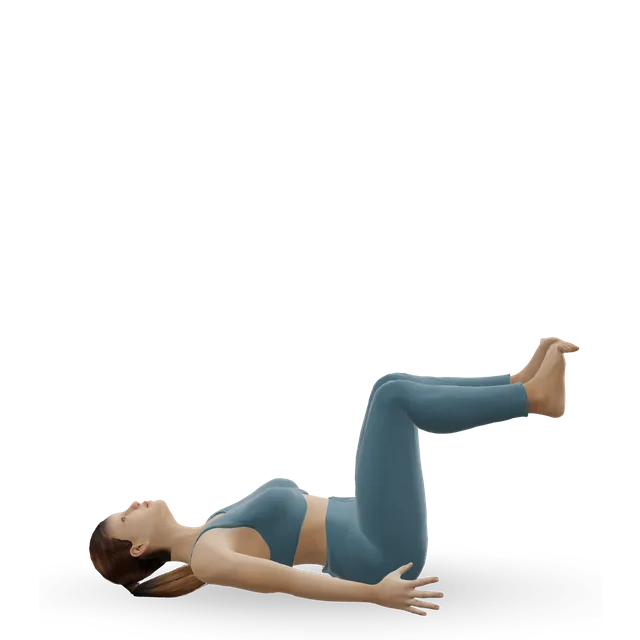
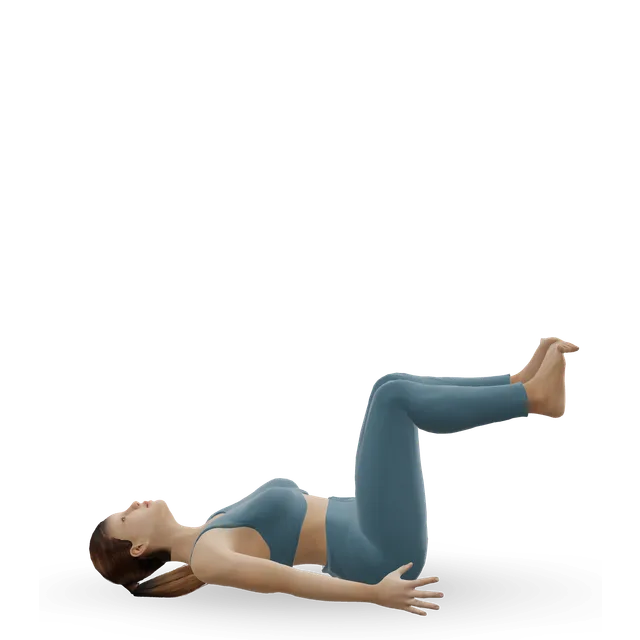
A reverse crunch is a crunch from the bottom up. Lying on your back with your hips and knees bent at right angles, you curl your pelvis towards your ribs so your hips lift a little off the floor, then lower slowly. Your six-pack muscle and obliques do the curling; swinging your legs hands the work to your hip flexors.

In muscle activity studies it worked the six-pack about as hard as a crunch and the obliques harder, but it doesn't single out your lower abs, and no trial has tested it as a training programme on its own.

This guide shows you how to do it without swinging, how many to do, and the steps up to a decline bench, a cable, the captain's chair and hanging knee raises. It covers what reverse crunches work, the lower abs question, how they compare with crunches and leg raises, and your lower back, osteoporosis, pregnancy and the months after a birth, with a 3D demo of each version.

The short version

Curl your pelvis, don't swing

Lie on your back with your hips and knees bent to right angles and curl your pelvis towards your ribs, so your hips lift a little off the floor, then lower slowly. Keep the same bend in your knees, and don't let them pass your hips on the way back.

Source 1

The whole six-pack, and the obliques

In a study commissioned by the American Council on Exercise (ACE), it worked the six-pack about as hard as a basic crunch and the obliques far harder. On an incline it was among the most demanding ab exercises measured.

Sources 2, 3, 4

It doesn't isolate your lower abs

The six-pack works as one muscle. Some studies found a little more activity in its lower part when the pelvis moves, others none.

Sources 5, 6, 7

How many

2 to 3 sets of 8 to 15 slow reps, stopping 2 or 3 reps short of failure, 2 or 3 days a week, and a harder version once 3 sets of 15 are smooth, as our hanging leg raise progression does. Count them towards about 60 bending reps a session, as our get abs guide advises.

Sources 8, 9

Your back

No study has measured spine load in a reverse crunch. It rounds your lower back with every rep, so keep the reps controlled, ease off if repeated bending flares your back, and leave it out with osteoporosis.

Sources 10, 11, 12

It won't burn belly fat

Reverse crunches build the muscle, but exercising your abs doesn't remove the fat over them. Fat comes off with your overall activity and eating.

Sources 13, 14, 15

What a reverse crunch is, and what it works

A crunch from the bottom up

Instead of curling your ribs towards your pelvis, you curl your pelvis towards your ribs. From a tabletop (hips and knees at right angles), your hips lift a little off the floor as your lower back rounds, then lower again. ACE rates it intermediate, a step above the basic crunch, and puts the emphasis on "pulling your pelvis upwards towards your rib cage".

Source 1

What it works

The six-pack muscle (rectus abdominis) and the obliques curl your pelvis, with the deepest tummy muscle (transversus abdominis) working underneath. Your hip flexors hold your legs up and join in more if you swing.

Sources 2, 3, 4

Versions on this page

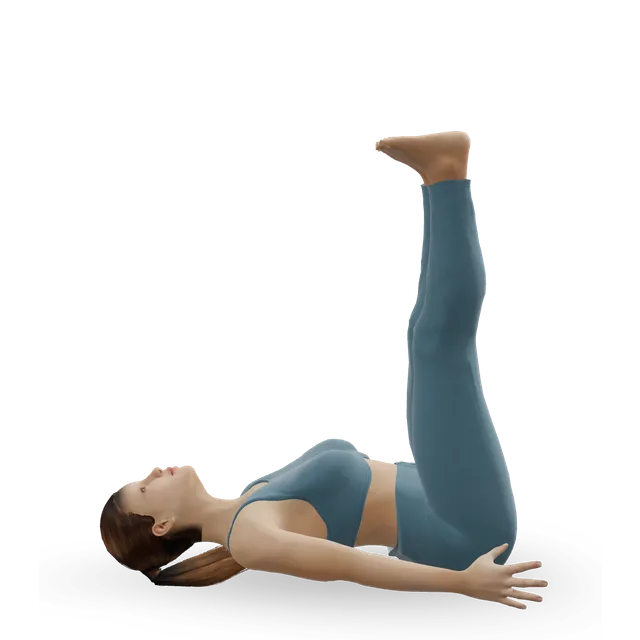
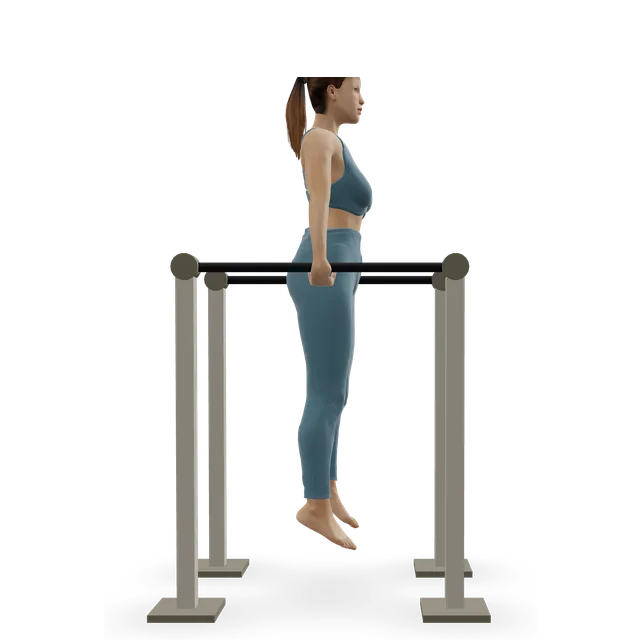
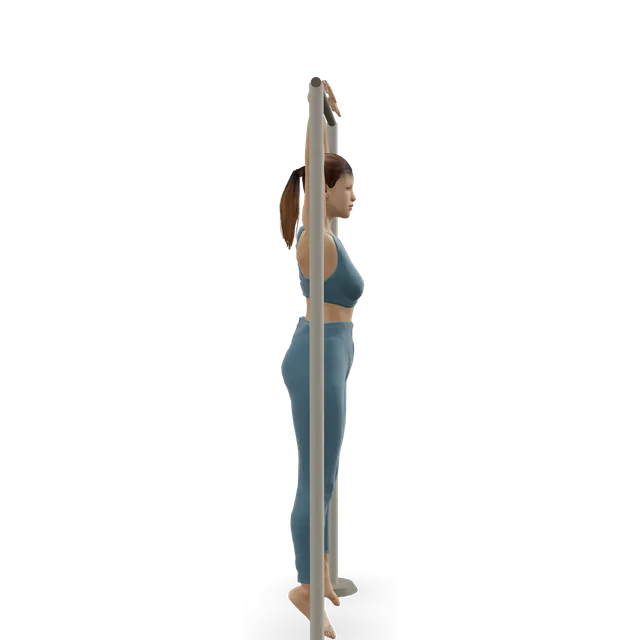
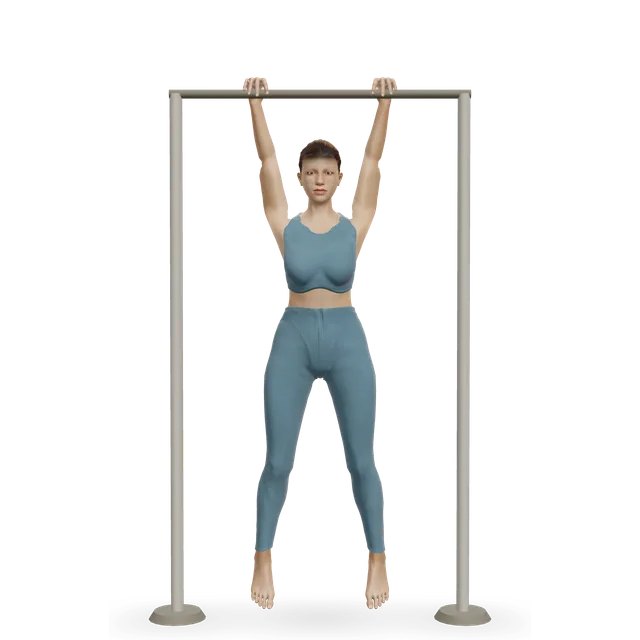
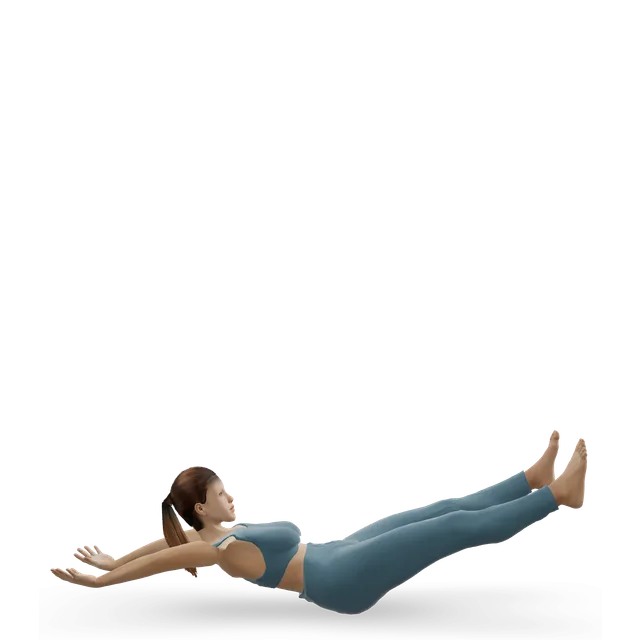
The floor reverse crunch; the bent-knee hip raise, which starts with your feet low; the vertical-leg hip raise, with straight legs; the decline bench reverse crunch; the cable reverse crunch; the captain's chair knee raise; and the hanging knee raise, each with a 3D demo. A reverse crunch machine has no demo of its own: it's the same curl with a pad and a weight stack.

Muscle activity isn't growth

The numbers on this page come from EMG (electromyography: electrodes measuring how hard a muscle works over a few reps). They show effort, not what a muscle will build.

Source 16

What the evidence says

As hard as a crunch for the six-pack, harder for the obliquesEmerging evidence

In ACE's study of 13 ab exercises in 30 adults, the reverse crunch worked the six-pack at 109% of a basic crunch (the study counted only 125% or more as clearly better) and the obliques at 240%, third of the 13. The study wasn't peer reviewed. In 25 adults, the reverse curl gave the most lower six-pack activity of 5 exercises and, with the V-sit, the most outer oblique activity.

Sources 2, 3

Harder on an inclineEmerging evidence

In 21 adults, the reverse crunch on a 30-degree incline was among the most demanding exercises for the upper and lower six-pack and the internal oblique, with quiet lower back muscles but high activity in the rectus femoris, a hip flexor. The authors warn that this hip flexor activity "may be problematic for some people with low back problems".

Source 4

Lifting the pelvis was the most demanding in one studyEmerging evidence

In 10 people, the vertical hip lift (knees bent, hips lifted until the lower back leaves the floor, much like the top of a reverse crunch) was the most demanding of 12 trunk exercises, with six-pack peaks of 80 to 100% of maximum.

Source 17

Moving the pelvis works the obliques moreEmerging evidence

In 9 women, moving the pelvis rather than the ribcage raised oblique activity in most of the tasks tested.

Source 18

Inclines and load make it harderEmerging evidence

A review of 87 studies found that inclines and added load raise how hard ab exercises work. The captain's chair worked the six-pack at 212% of a crunch and the obliques at 310% in ACE's study, and the hanging straight-leg raise passed 130% of maximal six-pack activity in 14 men.

Sources 19, 2, 11

What hasn't been tested

No trial has tested reverse crunches on their own as a training programme, and no study has measured the load on the spine during one. What we know comes from muscle activity studies of a few reps in healthy adults.

How to do a reverse crunch, step by step

From ACE's reverse ab crunch and our move page. Breathing out as you curl is ACE's cue.

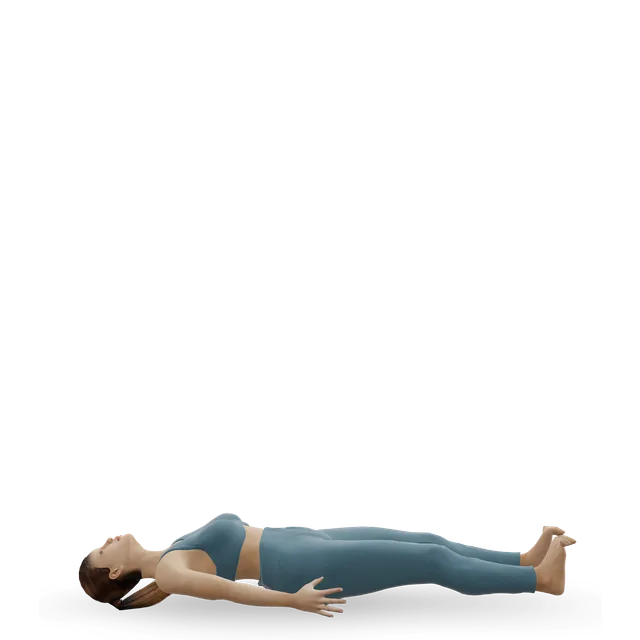
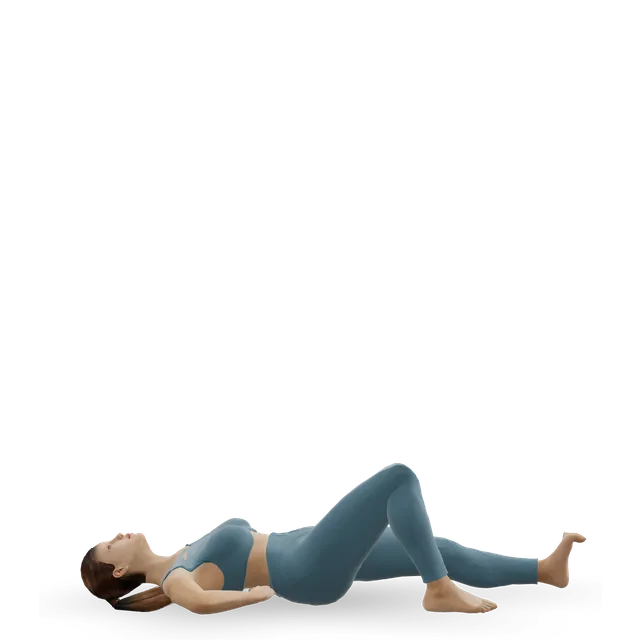
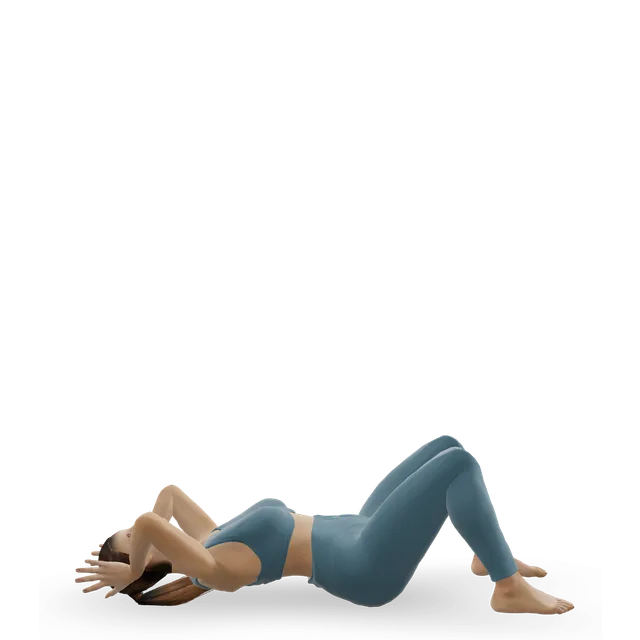
  1. Lie on your back on a mat with your arms by your sides or out to the sides, palms down, for balance.
  2. Breathe out, tighten your trunk and lift your feet until your knees are over your hips and bent to a right angle.
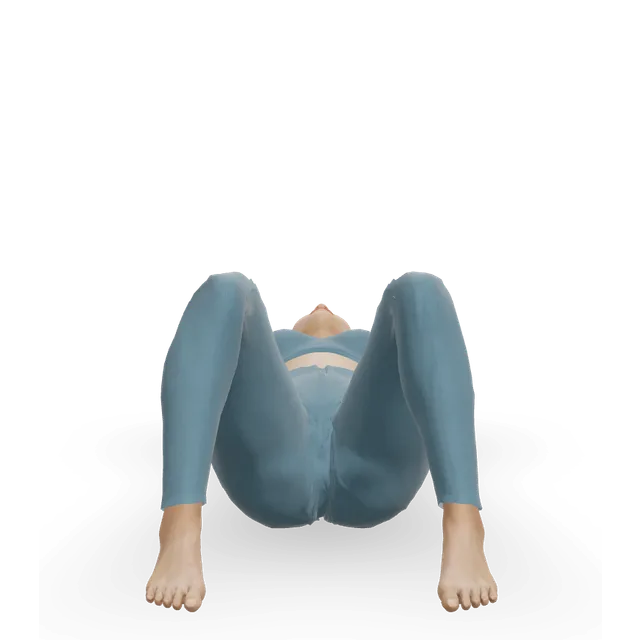
  3. Breathe out and curl your pelvis towards your ribs, so your hips lift a little off the floor and your knees travel towards your chest, keeping the same bend in your knees.
  4. Pause briefly at the top.
  5. Breathe in and lower one part of your back at a time until your knees are back over your hips, not past them.

Loading the 3D figure…

Gets into position, then repeats the movement. Technical checks passed; qualified exercise review is pending.

The movement on the figure: Reverse crunch

A bigger range: the bent-knee hip raise

From our move page. Stop your feet higher if your lower back lifts off the floor as they lower.

  1. Lie on your back with your arms by your sides, palms down, knees bent and feet lifted just off the floor.
  2. Breathe out and draw your knees in towards your chest, keeping the same bend in them.
  3. As your knees pass over your hips, curl your pelvis back so your hips roll off the floor.
  4. Hold for a second, then lower your hips one part at a time and let your feet return to just above the floor.

Loading the 3D figure…

Gets into position, then repeats the movement. Technical checks passed; qualified exercise review is pending.

The movement on the figure: Bent-knee hip raise

Do reverse crunches work your lower abs?

A little emphasis, no isolationMixed evidence

In 11 lean adults, and in 8 adults doing 6 exercises, the upper and lower parts of the six-pack worked alike; in the second study, curl-ups worked both parts harder than the reverse curl-up. In 33 adults, a pelvic tilt (flattening your lower back) worked the lower part harder than a curl-up, but only in trained people doing it correctly, and in 25 adults the reverse curl gave the most lower six-pack activity of 5 exercises. On ultrasound in 15 students, the part nearest the moving load changed most, but crunches worked the whole muscle 36% more than leg raises. ACE's authors concluded the parts act "as a sheath".

So you can shift the emphasis a little, but you can't train your lower abs on their own, as our hanging leg raise guide also says.

Sources 5, 6, 20, 3, 7, 2

Your hip flexors join inEmerging evidence

The hip flexors work whenever the hip bends to lift the legs, and the inclined reverse crunch showed high rectus femoris activity. Curl your pelvis rather than swinging your knees, so your abs, not your hip flexors, do most of the work.

Sources 4, 21

Easier and harder: from heel taps to hanging knee raises

Move up once 3 sets of 15 are smooth, as our hanging leg raise progression says. Heel taps if you need them first, 2 to 3 sets of 6 to 10 each side (our 30-day ab challenge); the floor reverse crunch, 2 to 3 sets of 8 to 15 (our 30-day ab challenge and hanging leg raise progression); the bent-knee or vertical-leg hip raise, 2 to 3 sets of 10 to 15 slow reps (their move pages' dose, editorial); the decline reverse crunch, 2 to 3 sets of 8 to 12, and the cable reverse crunch, 2 to 3 sets of 10 to 12, adding weight once 12 is easy (our editorial starting points); then the captain's chair and the hanging knee raise, 2 to 3 sets of 8 to 12 (our hanging leg raise progression).

How many, and how often

Sets and reps

2 to 3 sets of 8 to 15, as our 30-day ab challenge and hanging leg raise progression use, or 10 to 12 in a circuit, as our no-equipment ab workout does.

How hard

Stop each set 2 or 3 reps short of failure, or 3 or 4 short in your first two weeks, as our plans advise, and end it when you start to swing. Going to failure adds little, and people underestimate the reps they have left by about 1.

Sources 8, 22

Rest

45 to 60 seconds between sets, as the curl block of our 30-day ab challenge uses.

How often

2 or 3 days a week, with 2 or 3 ab moves in a session, as our get abs guide suggests. Matched for weekly sets, training a muscle more often makes little difference to growth.

Source 9

Bending reps

Keep crunches, sit-ups and other bending moves, reverse crunches included, to about 60 reps a session, as our get abs and sit-up guides advise: one expert review's suggestion, untested. Make them harder rather than doing more.

How to progress

Reps up to 15, then a slower lowering (about 3 seconds), then the next step on the ladder (our editorial order, following our plans' advice for body-weight moves).

Reverse crunches and your lower back

No study has measured the loadMixed evidence

We found no study of spine load in a reverse crunch. In 9 volunteers, no single ab exercise trained every ab muscle with a low load on the spine; the hanging straight-leg raise reached about 3,000 newtons of compression in 14 men; and in pig spines, many thousands of bending cycles under load produced disc herniations. A sensible number of controlled reps suits most healthy backs, in our reading.

Sources 10, 11, 23

Core exercise and back painStrong evidence

Core exercise helped chronic low back pain against minimal treatment, but no more than other exercise, and exercise of any kind lowered pain by about 15 points out of 100. Reverse crunches aren't a back pain treatment; choose what you'll keep doing.

Sources 24, 25

If it hurts

An aching lower back usually means you're swinging or lowering too far: shorten the range, slow down, or go back a step, as our hanging leg raise progression says. Discomfort up to about 5 out of 10 that settles within an hour or so and is no worse the next morning is acceptable, as our back pain guides say. Stop if bending forward sends pain down a leg.

Osteoporosis

A UK consensus advises modifying or avoiding "sustained, repeated or end-range flexion", so leave reverse crunches out with osteoporosis or a past spinal fracture, as our 30-day ab challenge and hanging leg raise progression do. Dead bugs, Pallof presses and carries train your abs without bending.

Source 12

Common mistakes and how to fix them

Swinging your legs

Pull your pelvis up towards your ribs rather than swinging your knees, as our move page cues.

Knees passing your hips on the way down

Stop with your knees over your hips, as ACE advises.

Source 1

Opening your knees

Keep the same right angle at the knee all the way through.

Source 1

Dropping fast

Lower one part of your back at a time.

Pushing hard with your hands

Use your arms lightly, for balance (our editorial cue).

Doing too many

Count them in your 60 bending reps, and make the move harder rather than doing more.

Reverse crunches against crunches, leg raises and dead bugs

Reverse crunch or crunch?

Both work the whole six-pack; the reverse crunch worked the obliques harder in ACE's study and spares your neck, so it's a good swap if crunches make your neck ache, as our crunch and sit-up workout suggests.

Source 2

Reverse crunch or leg raise?

In 20 students, a lying leg raise worked the hip flexors more and the six-pack less than a sit-up. The reverse crunch keeps your knees bent and adds the pelvic curl, and it's the first step towards hanging leg raises in our progression.

Source 26

Reverse crunch or hanging leg raise?

The hanging leg raise is much harder: over 130% of maximal six-pack activity in one study. The captain's chair and hanging knee raises sit between them, as our hanging leg raise guide sets out.

Source 11

Reverse crunch or dead bug?

The dead bug keeps your spine still and your back resting on the floor; the reverse crunch bends it. If bending flares your back, or you have osteoporosis, the dead bug is the better choice, as our dead bug guide explains.

Pregnancy, after a birth, and who should change it

Pregnancy

In later pregnancy the NHS advises against lying flat on your back for more than a few minutes, which it says "can make you feel dizzy and is not good for your baby". Our rule starts after the first trimester: swap reverse crunches for the half-kneeling Pallof press or bird dogs, as our pregnancy workouts do.

Source 27

After a birth

Not in the first weeks: the NHS advises avoiding "sit-ups, planks and high-impact exercises to start with". Start with its gentle tummy exercises and our diastasis recti guide's stages, and add reverse crunches once stage 2 is easy and the middle of your tummy doesn't dome (our editorial reading). In a trial of 70 women with a gap between the tummy muscles, 12 weeks of curl-ups didn't widen the gap; reverse crunches weren't tested.

Sources 28, 29

Tummy surgery, a stoma or a hernia

After abdominal or bowel surgery, or with a stoma, leave reverse crunches out while your tummy heals, as our move page says: UK stoma and hospital leaflets advise against sit-ups and double leg raises at first. Stop if you notice bulging around a scar or stoma. With a hernia, leave out any core move that makes it bulge, as our hernia guide advises.

A prolapse or leaking

The NHS advises avoiding activities that put a lot of strain on the pelvic floor, like heavy lifting, running and trampolining. Our crunch and sit-up workout skips its crunch and sit-up tracks, reverse crunches included, with a prolapse or leaking, and our oblique workout swaps its twist and crunch for more Pallof presses with a prolapse.

Source 30

Your neck

Your head stays down in a reverse crunch; if your neck aches, you're probably lifting it.

Moves that go with it

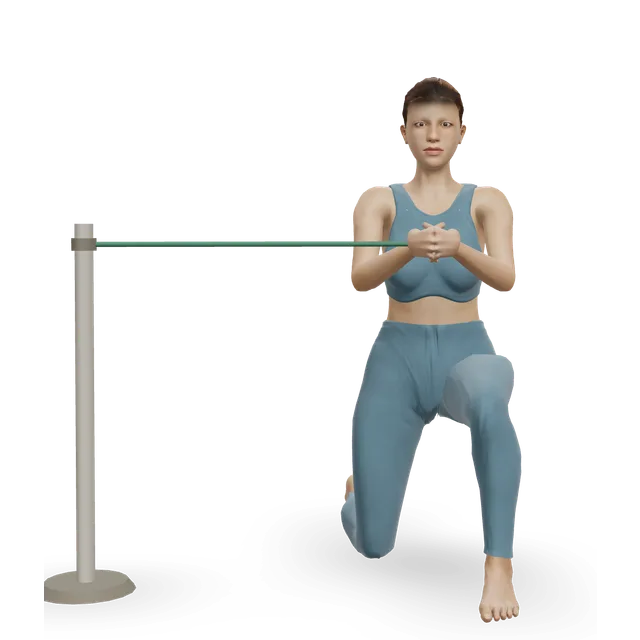
McGill curl-ups, 2 to 3 sets of 5 holds of 8 to 10 seconds, and dead bugs, 2 to 3 sets of 6 to 10 each side (our 30-day ab challenge, session A); half-kneeling Pallof presses, 2 to 3 sets of 8 to 10 each side, and side planks, 2 to 3 holds of 15 to 40 seconds each side (session B); glute bridges, 12 reps (our beginner core workout); and the half-kneeling hip flexor stretch, 30 seconds each side (our hanging leg raise progression).

Workouts to follow

Core session A of our 30-day ab challenge brings reverse crunches in on its harder track; the hanging leg raise progression starts with them and takes you to the bar; the no-equipment ab workout, the crunch and sit-up workout and the dragon flag progression use them too.

Plans that use them

The 30-day ab challenge uses core session A; the calisthenics plan uses our full-body bodyweight workout, which has reverse crunches in its circuit.

Warning signs

Stop and get medical help

If you get chest pain or pressure, feel faint or dizzy, are unusually breathless, or your heart races or beats irregularly during exercise, as our plans advise. The American Heart Association says these need immediate medical evaluation.

Source 31

Call 999 (911 in the US)

For chest pain that feels tight, heavy or squeezing, or spreads to your arms, neck, jaw or back; a headache that starts suddenly and is extremely painful; someone who faints while exercising; palpitations that don't go away, or come with chest pain, breathlessness or feeling faint; severe difficulty breathing; or angina pain that doesn't stop after rest and your medicine. Don't drive yourself to A&E.

Sources 32, 33, 34, 35, 36, 37, 38, 39

Check before you start

If you haven't exercised for some time or have a medical condition, speak to your GP first, as the NHS advises. Breathe out as you curl; never hold your breath.

Source 40

After a faint, or dizziness that keeps coming back

See a GP after any faint, and for dizziness that won't go away or keeps coming back.

Sources 36, 41

Call 999 or go to A&E: back pain with these signs

Loss of feeling or numbness around the genitals or bottom, new trouble peeing or controlling your bladder or bowels, changes in genital sensation during sex or problems with erections or orgasm, or pain, tingling, weakness or numbness in both legs. These are signs of cauda equina syndrome, which needs treating in hospital urgently. Don't drive yourself.

Sources 42, 43

Urgent GP appointment or NHS 111: back pain

With a high temperature, or if you feel hot, cold, shivery or generally unwell, or if severe pain starts suddenly or gets worse quickly. In the US, use urgent care.

Source 42

See a GP: back pain

Back pain that doesn't improve after a few weeks of treating it at home, stops your day-to-day activities, is worse at night or after resting, or comes with weight loss you can't explain or a lump or change in the shape of your back.

Source 42

A pulled tummy muscle

A sudden sharp pain in your tummy muscles during a set may be a strain: see our pulled stomach muscle guide. Get help from NHS 111 (in the US, urgent care) if it's very painful or getting worse, there's a lot of swelling or bruising, or it isn't getting better after treating it yourself.

Source 44

A new lump or bulge

See a GP if you think you have a hernia: a bulge or lump in your groin, upper thigh or tummy that may get bigger when you cough, sneeze or cry and smaller when you lie down. Get help from NHS 111 if you have a hernia and pain in or around it, a bloated tummy, sickness, constipation, a high temperature or sudden confusion. Call 999 or go to A&E for a femoral hernia (a lump at the top of the thigh) with very bad tummy pain, sickness, being unable to fart or poo, a high temperature or sudden confusion.

Sources 45, 46
Myths

"Reverse crunches work your lower abs on their own"Mixed evidence

The six-pack is one muscle. Some studies found a little more activity in its lower part when the pelvis moves, others none, and crunches still worked the whole muscle more than leg raises on ultrasound. You can shift the emphasis; you can't isolate it.

Sources 5, 6, 20, 7

"Reverse crunches are easier on your back than crunches"

Some health pages say research shows this, but we found no study that measured spine load in a reverse crunch. Both bend the lower back, and the inclined version showed high hip flexor activity that researchers say may be a problem for some people with low back problems. Keep reps controlled and ease off if your back complains.

Sources 4, 10

"Reverse crunches are a hip flexor exercise"Emerging evidence

The hip flexors join in, but done as a curl, the reverse crunch worked the six-pack as hard as a crunch and the obliques harder. Swinging your legs is what hands the job to your hip flexors.

Sources 2, 3, 4

"Reverse crunches burn lower belly fat"Strong evidence

Ab exercises don't remove the fat over them: 6 weeks of ab exercise changed no fat measure in 24 adults, adding ab training to a diet did no better than the diet alone in 40 women, and across 13 studies training one area didn't reduce the fat there. Our belly fat guide covers what does help.

Sources 13, 14, 15

Questions people ask

What do reverse crunches work?

Your whole six-pack muscle and your obliques, with your hip flexors helping. In ACE's study they worked the six-pack about as hard as a crunch and the obliques far harder.

Do reverse crunches work your lower abs?

Not on their own: the six-pack works as one muscle. Some studies found a little more activity in its lower part when the pelvis moves, others none.

How many reverse crunches should I do?

2 to 3 sets of 8 to 15, stopping 2 or 3 reps short, as our 30-day ab challenge and hanging leg raise progression use. Move to a harder version once 3 sets of 15 are smooth, and keep all your bending reps to about 60 a session.

Why does my lower back hurt when I do reverse crunches?

Usually because you're swinging, lowering too far or doing too many. Curl your pelvis rather than swinging your knees, stop with your knees over your hips, and go back to dead bugs if it still aches; if the pain lasts or spreads down a leg, see our back pain guide.

Are reverse crunches better than crunches?

Neither is better overall: both work the whole six-pack. Reverse crunches worked the obliques harder in ACE's study and spare your neck, so they're a good swap if crunches make your neck ache.

Reverse crunch or leg raise: which is better?

The reverse crunch is the first step towards hanging leg raises; the captain's chair and hanging knee raises come next. Straight-leg raises lying down lean more on the hip flexors and need your lower back to stay down.

How do I make reverse crunches harder?

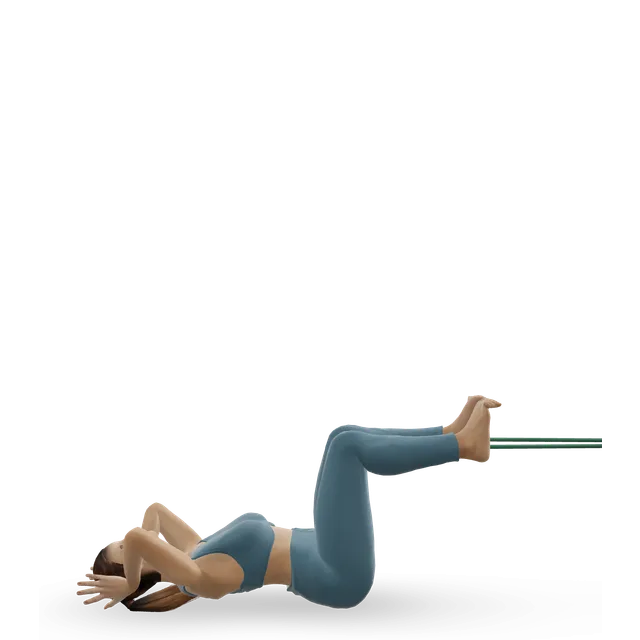
Slow the lowering to about 3 seconds, then use a decline bench, a cable at your ankles, the captain's chair or a hanging knee raise. Inclines and added load raise the work for your abs.

Should I do reverse crunches on a bench or the floor?

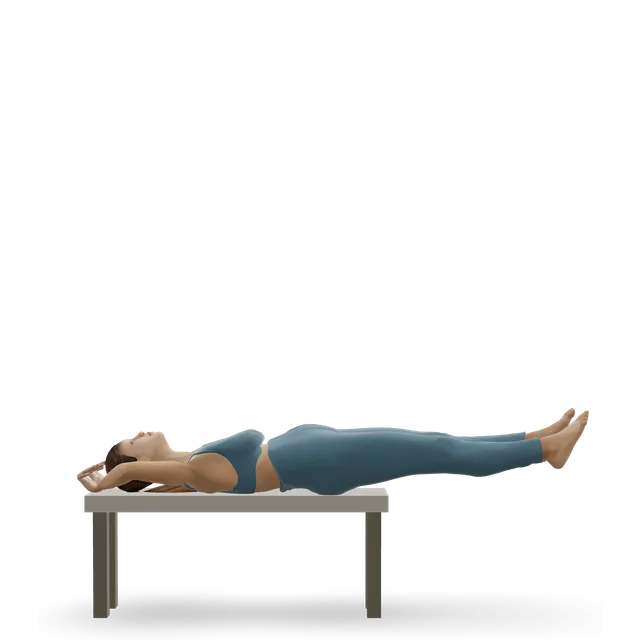
Learn them on the floor. A decline bench makes them harder, and you hold the bench behind your head for balance.

Are reverse crunches OK after a birth or with diastasis recti?

Not in the first weeks: start with the NHS's gentle tummy exercises and our diastasis recti guide's stages. Once stage 2 is easy, they're reasonable if the middle of your tummy doesn't dome; in a trial, curl-ups didn't widen the gap.

Are reverse crunches safe in pregnancy?

After the first trimester, the NHS advises against lying flat on your back for more than a few minutes, so swap them for the half-kneeling Pallof press or bird dogs. At any stage, stop if you feel uncomfortable, too hot or unwell, as the NHS advises.

Will reverse crunches burn lower belly fat?

No. They build the muscle, but exercising a body part doesn't remove the fat over it.

Can I do reverse crunches with osteoporosis?

Leave them out: a UK consensus advises modifying or avoiding repeated or end-range bending of the spine. Dead bugs, Pallof presses and carries train your abs without it.

Sources

  1. ACE · Reverse ab crunch (exercise library, rated intermediate, American Council on Exercise)
  2. ACE 2001 · New study puts the crunch on ineffective ab exercises: 13 ab exercises in 30 adults (ACE-commissioned EMG study, not peer reviewed, ACE FitnessMatters)
  3. Willett 2001 · Upper and lower six-pack and outer oblique activity in 5 ab exercises, in 25 adults (EMG study, J Strength Cond Res)
  4. Escamilla 2006 · Muscle activity in traditional and gadget ab exercises, in 21 adults (EMG study, Phys Ther)
  5. Lehman 2001 · Upper and lower six-pack activity in trunk exercises, in 11 lean adults (EMG study, Phys Ther)
  6. Clark 2003 · Upper and lower six-pack activity in 6 ab exercises, in 8 adults (EMG study, J Strength Cond Res)
  7. Gomirato 2023 · Six-pack thickening in crunches, sit-ups and leg raises, in 15 students (ultrasound study, Int J Exerc Sci)
  8. Refalo 2023 · Training to failure against stopping short, for muscle growth: 15 studies (meta-analysis, Sports Med)
  9. Schoenfeld 2019 · How many times a week to train a muscle for growth: 25 studies (meta-analysis, J Sports Sci)
  10. Axler 1997 · Lower back loads in 12 ab exercises, in 9 volunteers (lab study, Med Sci Sports Exerc)
  11. McGill 2015 · Muscle activity and spine load in the body saw, hanging leg raise and walkout, in 14 men (lab study, J Sports Sci)
  12. Brooke-Wavell 2022 · Strong, steady and straight: UK consensus statement on exercise for osteoporosis (consensus statement, Br J Sports Med)
  13. Vispute 2011 · Six weeks of ab exercise and belly fat in 24 adults (randomised trial, J Strength Cond Res)
  14. Kordi 2015 · Ab training with a diet against the diet alone in 40 women (randomised trial, J Manipulative Physiol Ther)
  15. Ramirez-Campillo 2022 · Does exercising a body part reduce the fat over it? 13 studies, 1,158 people (meta-analysis, Hum Mov)
  16. Vigotsky 2022 · Muscle activity measured in one session isn't a validated predictor of muscle growth (review, Sports Med)
  17. Konrad 2001 · Muscle activity in 12 trunk exercises, in 10 people (EMG study, J Athl Train)
  18. Vera-Garcia 2011 · Ab muscle activity when the pelvis moves rather than the ribcage, in 9 women (EMG study, J Electromyogr Kinesiol)
  19. Monfort-Pañego 2009 · Ab muscle activity in ab exercises: 87 studies (literature review, J Manipulative Physiol Ther)
  20. Sarti 1996 · Upper and lower six-pack activity in curl-ups and pelvic tilts, in 33 adults (EMG study, Arch Phys Med Rehabil)
  21. Andersson 1997 · Ab and hip flexor activity in 38 training exercises, in 6 men (EMG study, Eur J Appl Physiol)
  22. Halperin 2022 · How accurately people predict the reps they have left: 12 studies (scoping review and meta-analysis, Sports Med)
  23. Callaghan 2001 · Repeated bending under load and disc herniation in pig spines (lab study, Clin Biomech)
  24. Saragiotto 2016 · Motor control exercise for chronic low back pain: 29 trials, 2,431 people (Cochrane systematic review)
  25. Hayden 2021 · Exercise therapy for chronic low back pain: 249 trials (Cochrane systematic review)
  26. Kim and Lee 2016 · The sit-up and the leg raise compared, in 20 students (EMG study, J Phys Ther Sci)
  27. NHS · Exercise in pregnancy
  28. NHS · Your post-pregnancy body
  29. Gluppe 2023 · Curl-ups in 70 women with a gap between the tummy muscles after a birth (randomised trial, J Physiother)
  30. NHS · Pelvic organ prolapse
  31. Paluch 2024 · Resistance exercise training with and without cardiovascular disease: 2023 update (American Heart Association scientific statement, Circulation)
  32. NHS · Heart attack
  33. NHS · Chest pain (past its review date: reviewed August 2023, review due August 2026)
  34. NHS · Headaches
  35. NHS · Subarachnoid haemorrhage
  36. NHS · Fainting
  37. NHS · Heart palpitations
  38. NHS · Shortness of breath
  39. NHS · Angina
  40. NHS · Physical activity guidelines for adults aged 19 to 64
  41. NHS · Dizziness (past its review date: reviewed April 2023, review due April 2026)
  42. NHS · Back pain
  43. NHS · Sciatica
  44. NHS · Sprains and strains
  45. NHS · Hernia
  46. NHS · Femoral hernia

Exercise education, not a personal prescription, and clinical review of these guides is pending. Check with a GP before starting hard training if you have a heart condition, chest pain, dizziness or breathlessness when active, and stop for sharp or increasing pain. Health disclaimer.