Skill progressions
Hanging leg raise progression workout: five steps to strict toes to bar
This is a skill ladder, not a full ab session. Find the hardest step you can do well, do 2 or 3 sets of it, and move up when every set reaches the top of its range with a full stop at the bottom and no swing. It differs from our other core sessions: the gym ab workout trains the whole trunk with loaded moves and uses hanging knee raises as one of four, the beginner core workout and McGill big 3 suit a back that dislikes bending, and the advanced core workout assumes straight-leg raises are already easy. Do it 2 or 3 times a week, on days apart, on its own or before other training. Your hip flexors lift your legs; curling your pelvis up at the top is where your abs work hardest. No trial has tested a leg raise programme: the steps follow ACE's and NASM's progressions, and the doses come from our ab challenge, gym ab and advanced core workouts.
Warm-up
- Dead bug1 set of 6 each sideBeginner · Abs, Hip flexors · 3D demoLower your back gently to the floor and breathe out as you reachEasier: Dead bug heel tapsHarder: Forearm plank
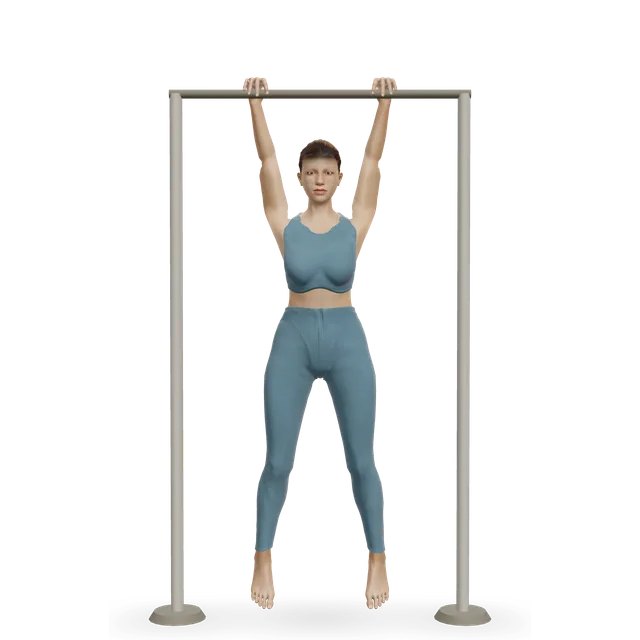
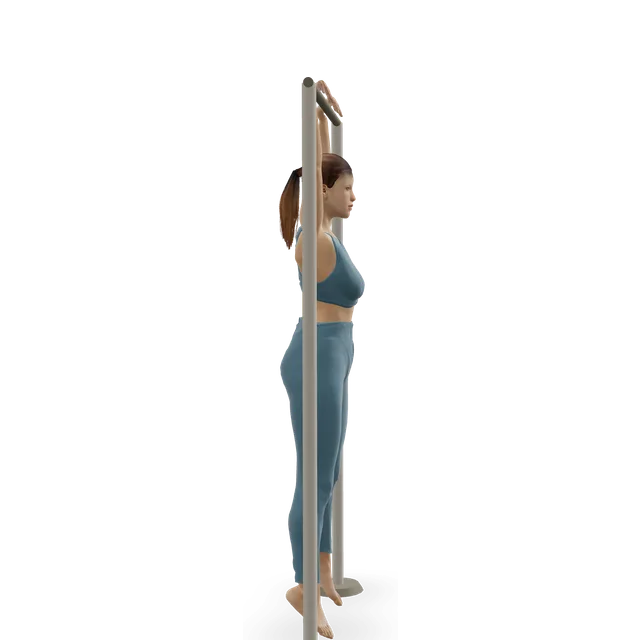
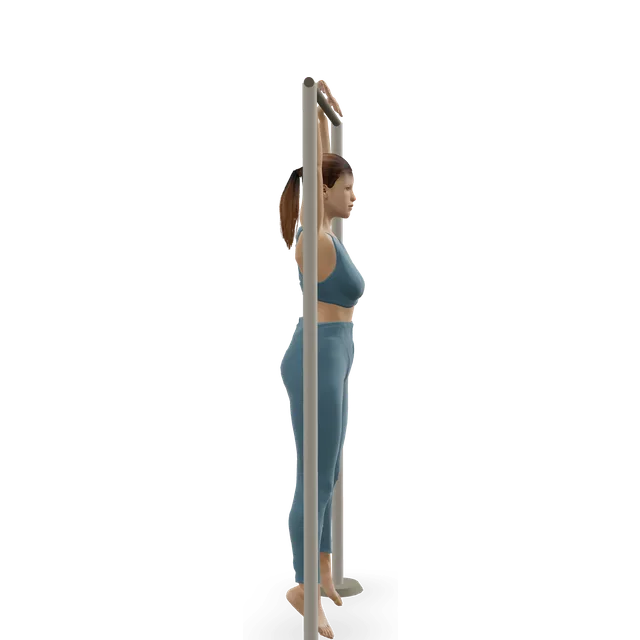
- Bar hang2 × 20 to 30 sIntermediate · Forearms, Back, Shoulders · 3D demoShoulders active, not shrugged; step down before your grip fails. Leave it out after a recent shoulder dislocationEasier: Exercise ball pyramid drapeHarder: One-arm dead hang
- Scapular pull-up2 × 6 to 8Intermediate · Back, Shoulders, Forearms · 3D demoElbows straight; hold the top for a secondEasier: Assisted pull-up (machine)Harder: Pull-up


The ladder (pick your step)
Rest 60 to 90 s; 90 s for straight legs and pikes
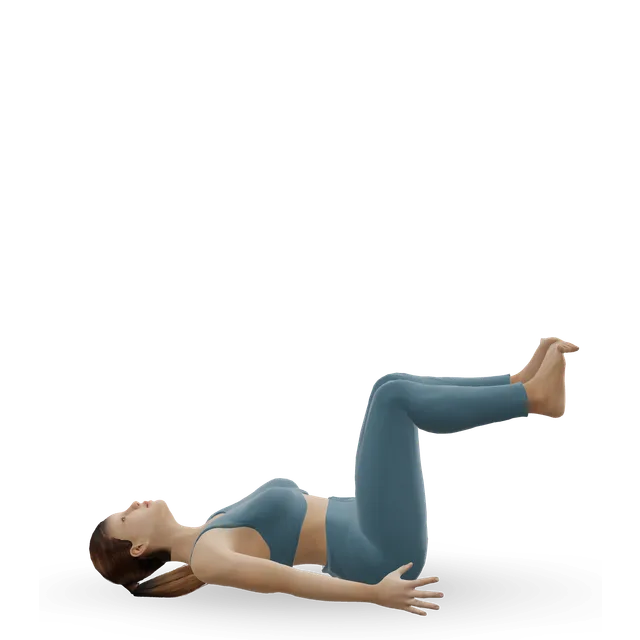
- Reverse crunch2 to 3 sets of 8 to 15Intermediate · Abs, Hip flexors · 3D demoStep 1. Curl your pelvis towards your ribs, with no swinging. Move up when 3 sets of 15 are smooth. Not with osteoporosis or a past spinal fractureEasier: Cross-body crunchHarder: Captain's chair knee raise
- Captain's chair knee raise2 to 3 sets of 8 to 12Intermediate · Abs, Hip flexors, Shoulders · 3D demoStep 2, the captain's chair. Back against the pad, knees up until your thighs are level, then lower slowly. No chair? Go from step 1 to step 3Easier: Reverse crunchHarder: Hanging straight-leg raise
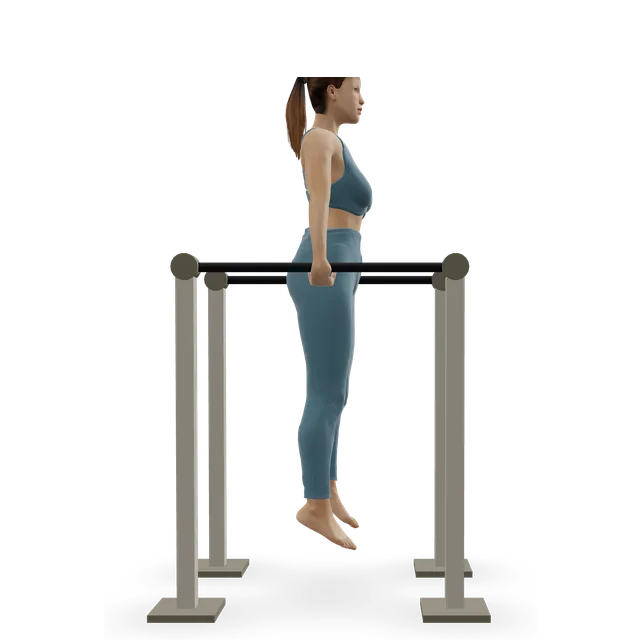
- Hanging knee raise2 to 3 sets of 8 to 12Intermediate · Abs, Hip flexors, Forearms · 3D demoStep 3. Curl your pelvis up and come to a full stop at the bottom; lower over about 5 seconds at first. Arm straps if your grip goes before your absEasier: Reverse crunchHarder: Hanging straight-leg raise
- Hanging straight-leg raise3 sets of 6 to 10Advanced · Abs, Hip flexors, Forearms · 3D demoStep 4. Legs to hip height, curling your pelvis at the top; bend your knees for the last reps rather than swingEasier: Captain's chair knee raiseHarder: V-sit
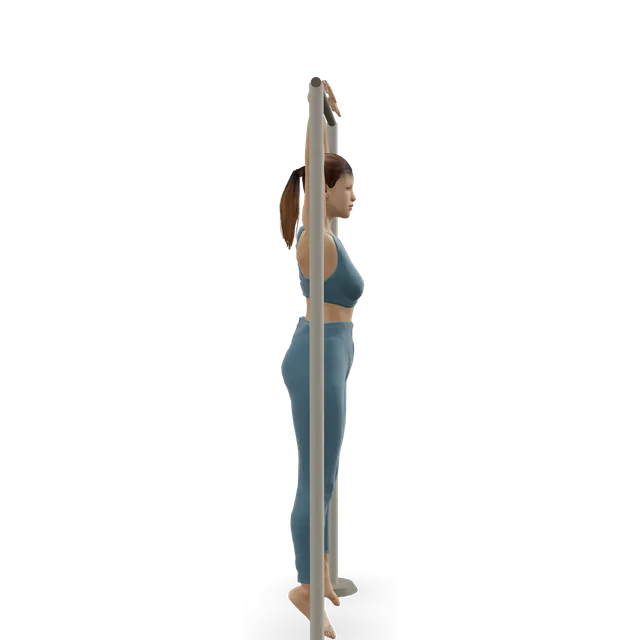
- Hanging pike2 to 3 sets of 3 to 6Advanced · Abs, Hip flexors, Forearms · 3D demoStep 5, strict toes to the bar. Feet up towards the bar, then lower slowly to a still hangEasier: Captain's chair knee raiseHarder: V-sit
Grip
- Farmer's carry2 walks of 20 to 30 mIntermediate · Forearms, Abs, Shoulders · 3D demoHeavy enough that your grip worksHarder: Suitcase carry

Cool-down (optional)
- Half-kneeling hip flexor stretch30 s each sideBeginner · Quads, Glutes · 3D demoPad the kneeling kneeHarder: Couch stretch

Tips
- Move up a step when every set reaches the top of its range with a full stop at the bottom and no swing. Start the new step with 1 set and finish the session on your old step (our editorial starting point).
- In your first two weeks, stop every set with 3 or 4 reps to spare. After that, stop 1 to 3 reps short, and end the set when the swing starts.
- Lift your hips, not just your knees: curl your pelvis up at the top. If your lower back arches or aches, go back a step.
- Grip giving out first? Chalk, arm straps or the captain's chair let your abs end the set; the carries build grip.
- Already doing our gym ab workout? Use your step in place of its hanging knee raise, at the same 2 sets.
- With osteoporosis or a past spinal fracture, leave out the reverse crunch and the hanging raises, and do dead bugs, Pallof presses and carries instead, as our gym ab workout advises.
- In pregnancy, in the first weeks after a birth, after tummy surgery, with a stoma or with a hernia, use the beginner core workout and our guides instead. If the middle of your tummy domes (bulges into a ridge), choose an easier move.
- If a shoulder feels unstable or slips when you hang, leave hanging out; the reverse crunch and dead bug keep your abs working.
The doses are suggested starting points, not a prescription. Choose a range you can control and stop for sharp or increasing pain, numbness or tingling. Get individual advice after an injury or surgery, or if you are pregnant or managing a health condition.
Guides that recommend it
Find more moves like these
More skill progressions




Push-up progression workout
Work up to full push-ups: wall, incline and knee push-ups, then the floor push-up and harder variations.
15 minBeginner8 movesA wall, A bench or box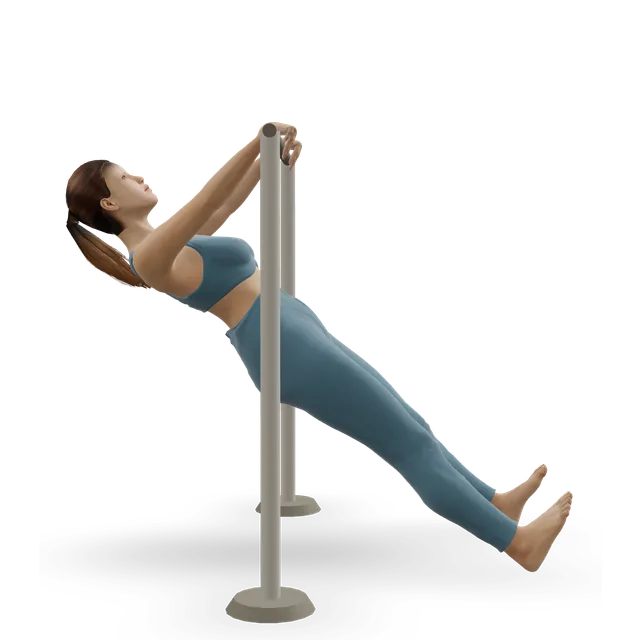
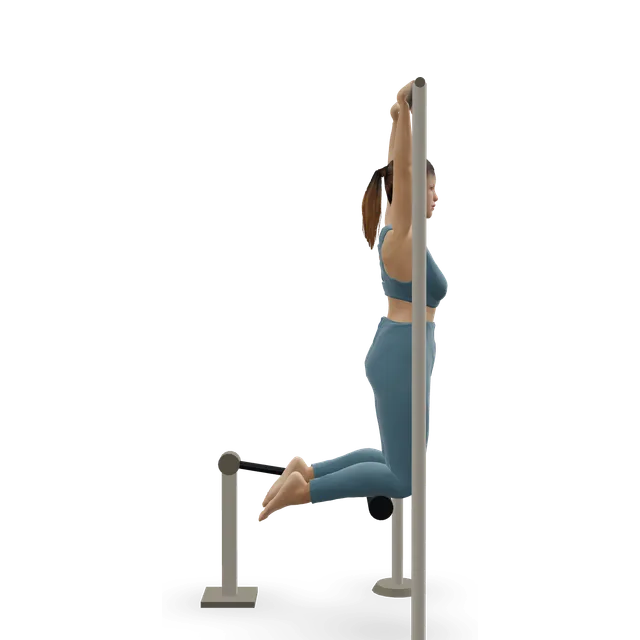
Pull-up progression workout
Work up to your first pull-up: dead hangs, scapular pulls, rows, negatives and assisted pull-ups.
25 minBeginner7 movesPull-up bar, A step

Handstand progression
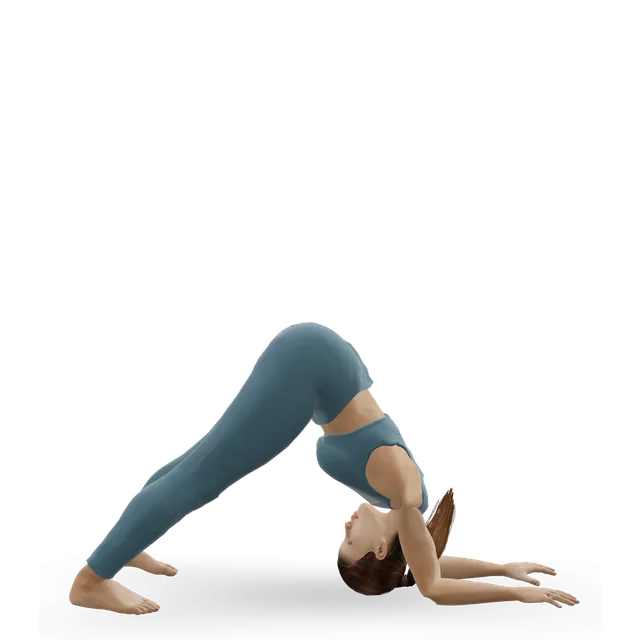
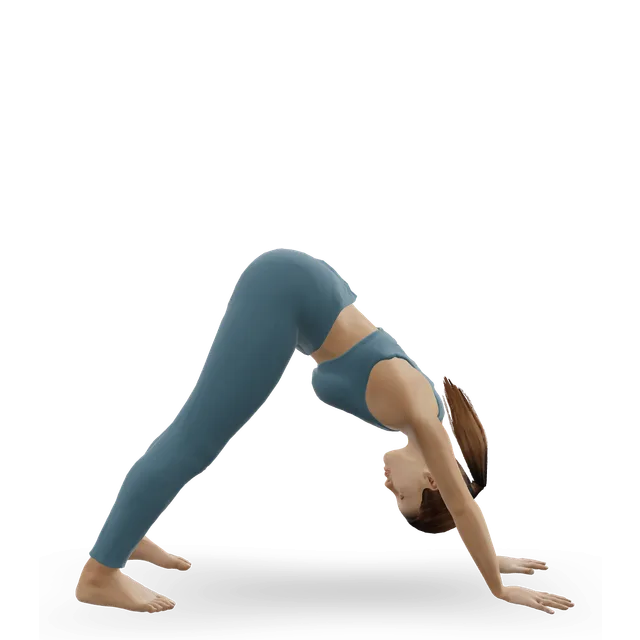
Build toward a handstand: wrist prep, dolphin pose, pike push-ups, crow, the wall handstand and freestanding holds.
25 minAdvanced8 movesA wallQuestions people ask
How long does the hanging leg raise progression workout: five steps to strict toes to bar take?
About 25 minutes, including any warm-up and cool-down listed. Shorten it by doing fewer rounds; lengthen it by adding one.
What equipment do I need?
You need: Pull-up bar, A step, Other / check instructions, A dumbbell, A kettlebell. Each move links to its guide, where you can find an alternative if you are missing something.
Is it suitable for beginners?
It is written for beginners. 8 of its 10 moves have an easier option listed beside them if you need one.
How do I make it easier or harder?
Use the easier or harder option listed under each move, change the number of rounds, or adjust the rest. Progress one change at a time.