Skill progressions
Handstand progression
Strength and confidence upside down, one stage at a time. Practise near a wall with space to come down safely.
Prep
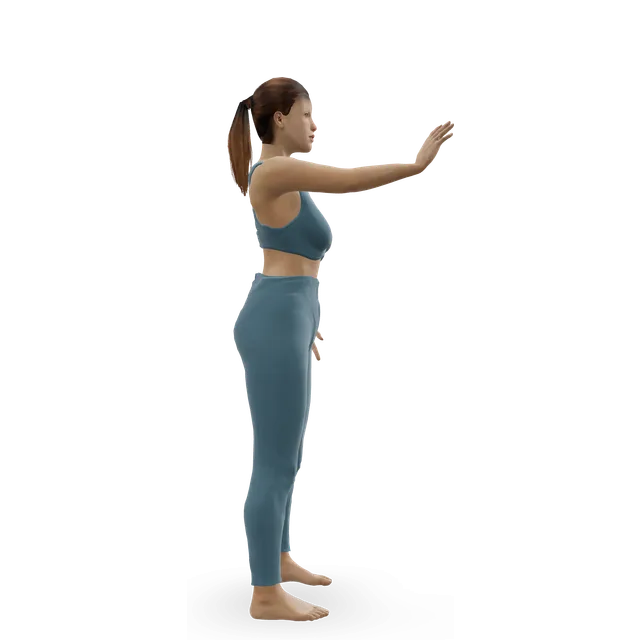
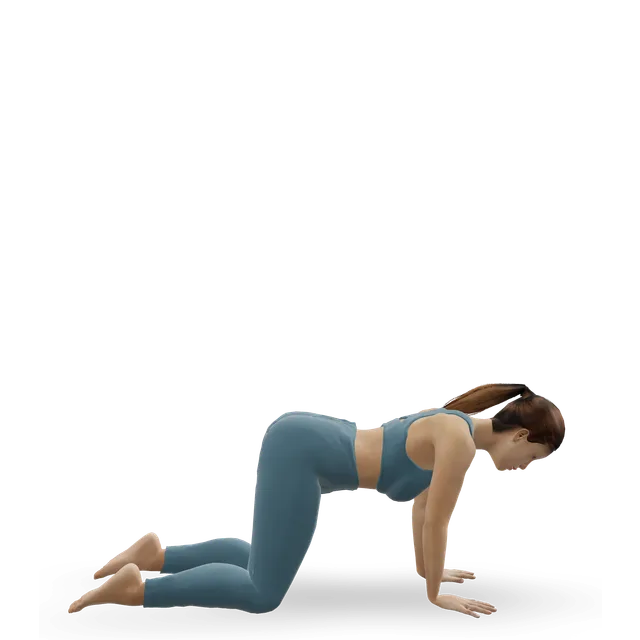
- Quadruped Wrist Rocks10 rocksBeginner · 3D demo
The ladder (pick your step)
Rest 90 s
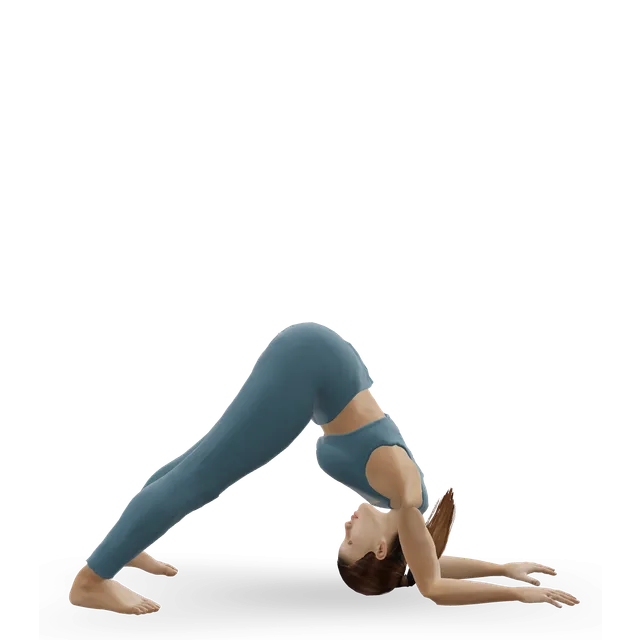
- Dolphin pose (Ardha Pincha Mayurasana)3 × 5 breathsIntermediate · Shoulders, Back, Hamstrings · 3D demoEasier: Downward-facing dog (Adho Mukha Svanasana)Harder: Forearm stand (Pincha Mayurasana)
- Pike push-up3 sets of 6–8Intermediate · Shoulders, Triceps, Chest · 3D demoEasier: Incline push-upHarder: Wall handstand push-up
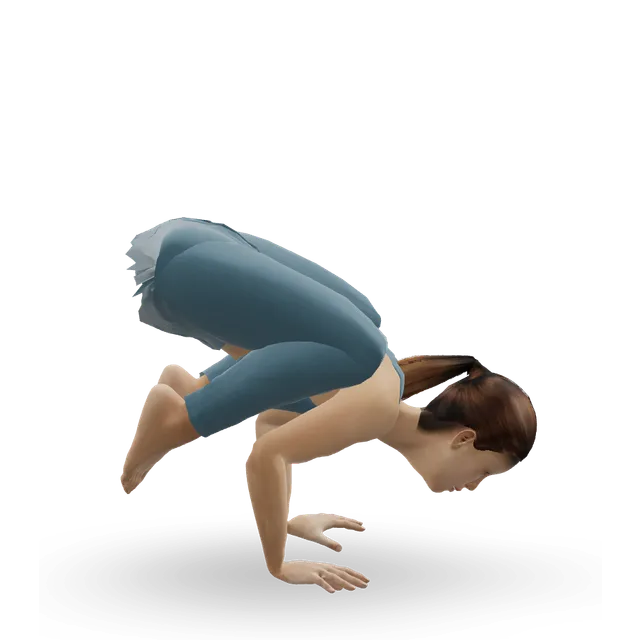
- Crow pose (Bakasana)5 × 5–10 sIntermediate · Shoulders, Triceps, Abs · 3D demoEasier: Extended puppy pose (Uttana Shishosana)Harder: Tuck planche
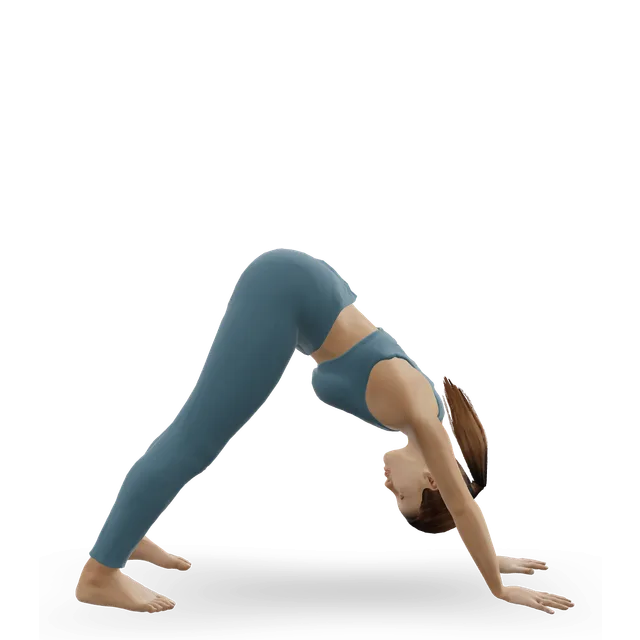
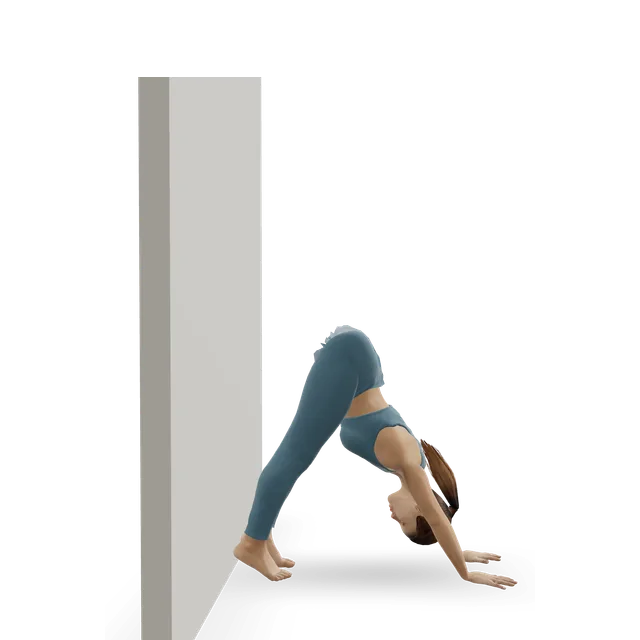
- Intermediate · Shoulders, Triceps, Abs · 3D demoEasier: Downward-facing dog (Adho Mukha Svanasana)Harder: Handstand at the wall (Adho Mukha Vrksasana, chest to wall)
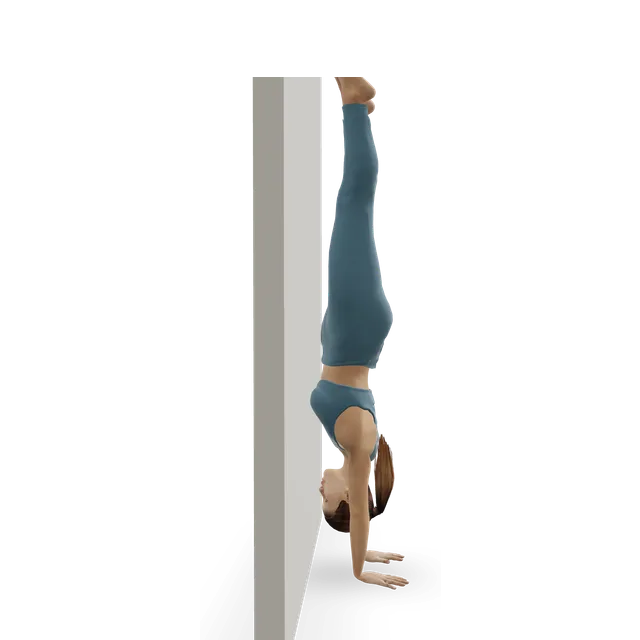
- Advanced · Shoulders, Triceps, Abs · 3D demoEasier: Half handstand at the wall (Ardha Adho Mukha Vrksasana)Harder: Freestanding handstand
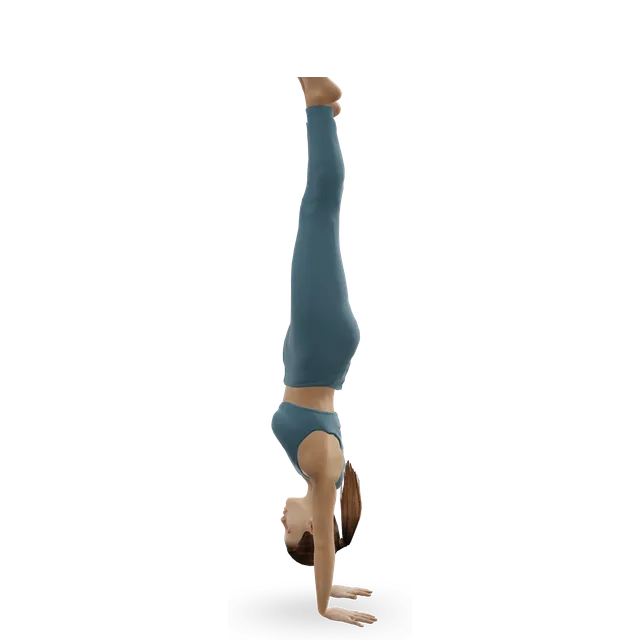
- Freestanding handstand5–10 attemptsExpert · Shoulders, Triceps, Abs · 3D demoEasier: Handstand at the wall (Adho Mukha Vrksasana, chest to wall)
Tips
- Learn to come down (cartwheel out or step down) before you go up.
- Skip inversions with uncontrolled high blood pressure, glaucoma or a recent neck or shoulder injury.
The doses are suggested starting points, not a prescription. Choose a range you can control and stop for sharp or increasing pain, numbness or tingling. Get individual advice after an injury or surgery, or if you are pregnant or managing a health condition.
Find more moves like these
More skill progressions
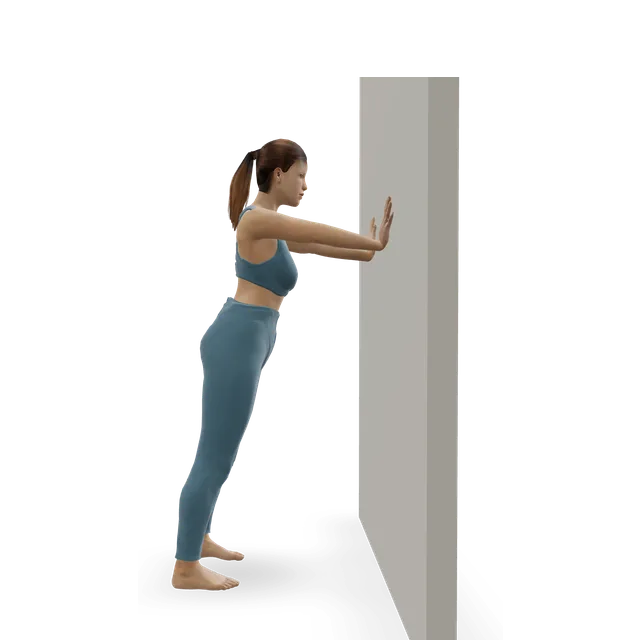
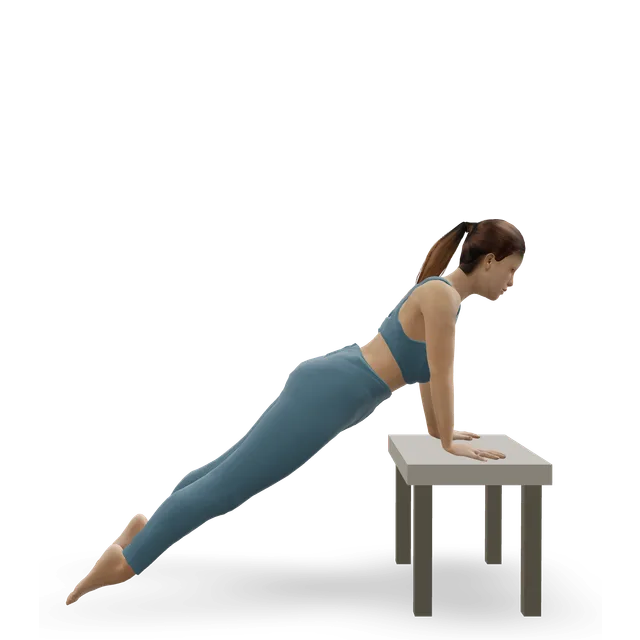
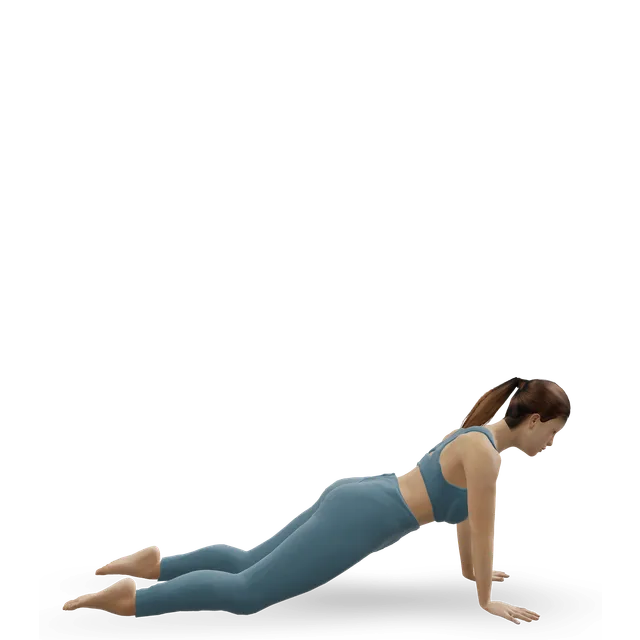
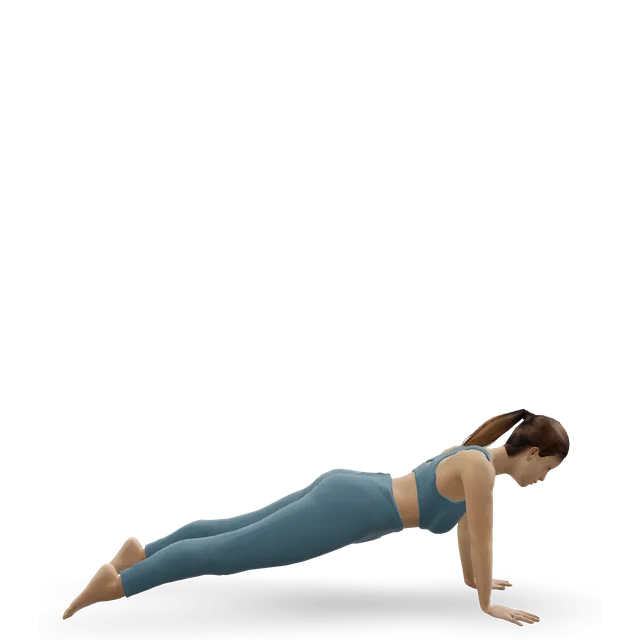
Push-up progression workout
Work up to full push-ups: wall, incline and knee push-ups, then the floor push-up and harder variations.
15 minBeginner8 movesA wall, A bench or box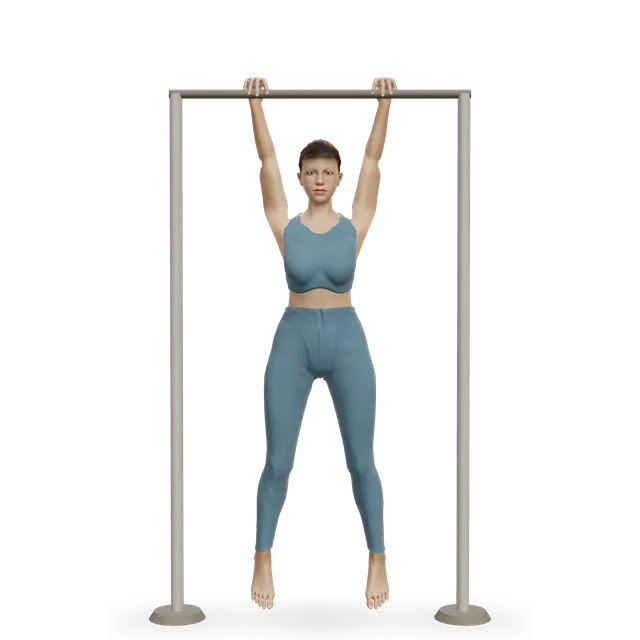
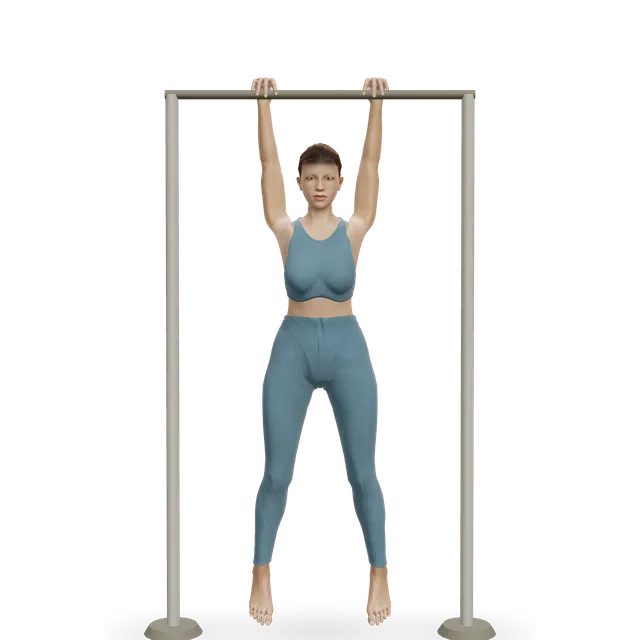
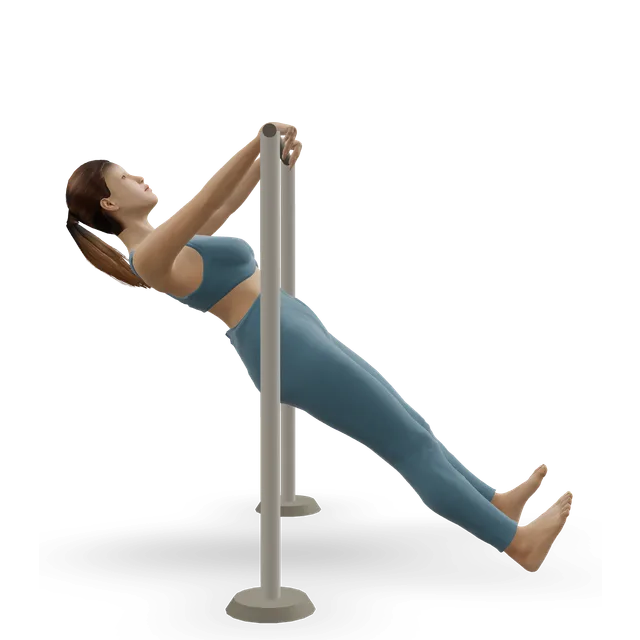
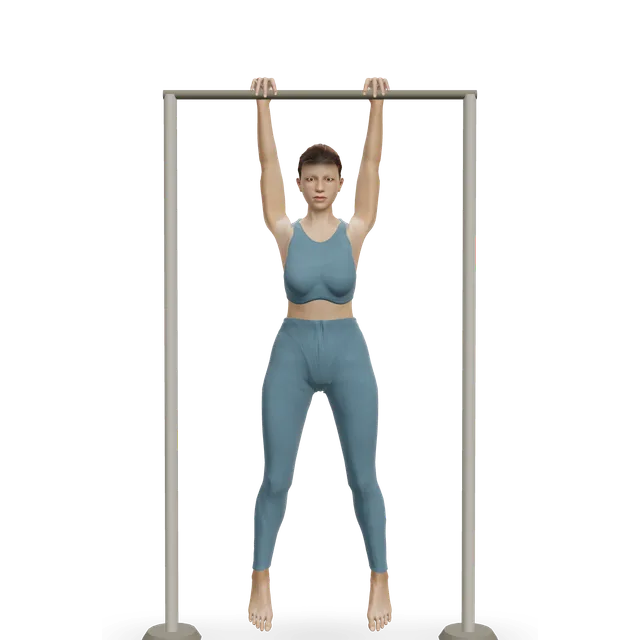
Pull-up progression workout
Work up to your first pull-up: dead hangs, scapular pulls, rows, negatives and assisted pull-ups.
25 minBeginner7 movesPull-up bar, A step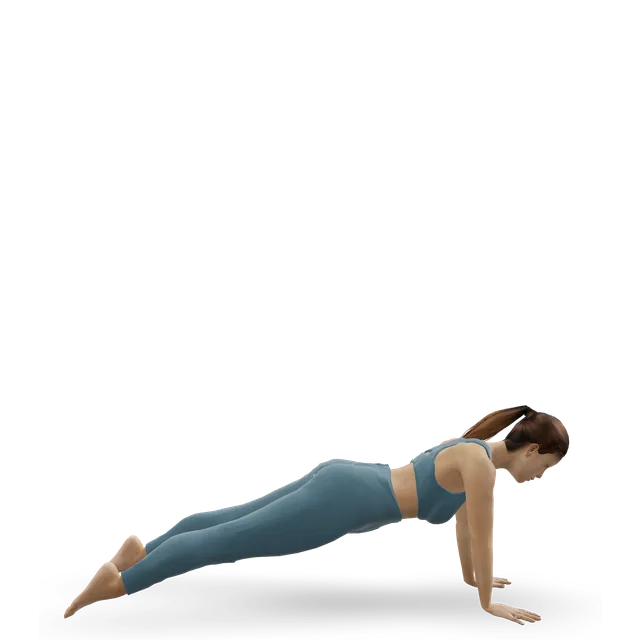
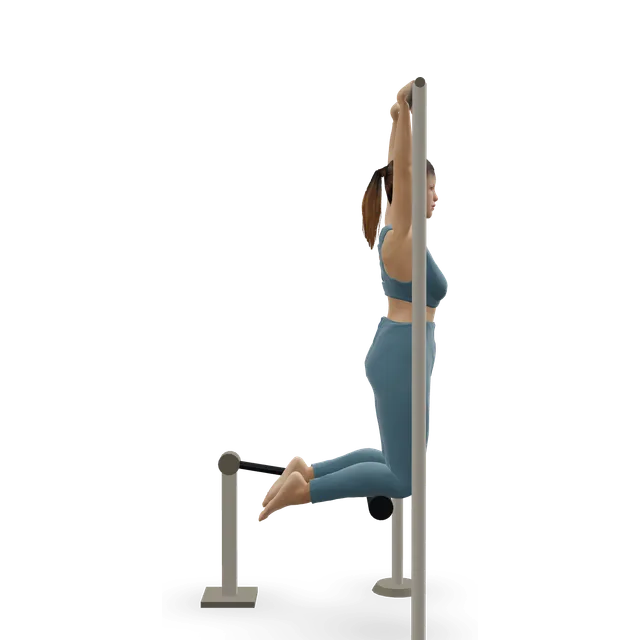
Advanced calisthenics workout
An advanced bodyweight strength session: pull-ups, dips, pistol squats, archer push-ups, L-sits and Nordic curls.
45 minAdvanced9 movesPull-up bar, An anchor pointQuestions people ask
How long does the handstand progression take?
About 25 minutes, including any warm-up and cool-down listed. Shorten it by doing fewer rounds; lengthen it by adding one.
What equipment do I need?
You need: A wall. Each move links to its guide, where you can find an alternative if you are missing something.
Is it suitable for me?
It is written at advanced level. 6 of its 8 moves have an easier option listed beside them; use them freely.
How do I make it easier or harder?
Use the easier or harder option listed under each move, change the number of rounds, or adjust the rest. Progress one change at a time.