Training guide

How to do a dragon flag: progressions to build up to it, what it really works, and your lower back and neck

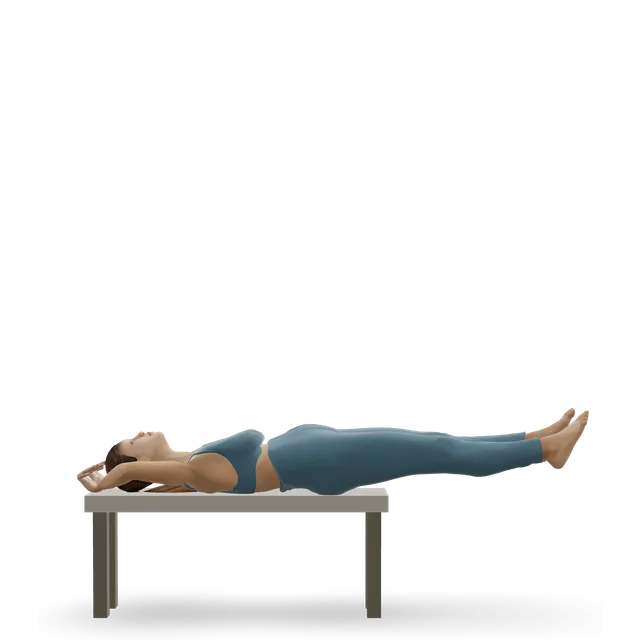
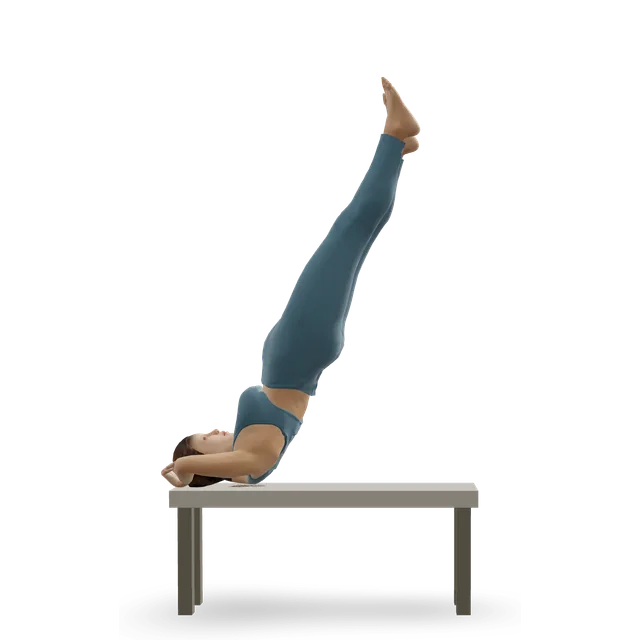
A dragon flag means lying on a bench, gripping it behind your head, lifting your body onto your upper back and lowering it slowly as one straight line. It's more than an ab exercise: your hip flexors, glutes, lats and shoulders all work, and long-lever moves like it load the lower back heavily, so it suits a strong, healthy trunk and isn't for everyone.

No study has measured the dragon flag itself. This guide uses lab studies of similar long-lever moves, the site's own cautions and coaching practice, and says which is which.

It covers who should skip it, how to do a tucked lowering, the steps from the hollow body hold to the full dragon flag and when to move up, how to protect your lower back and neck, how many to do and how often, safer alternatives, how long it might take and the warning signs.

The short version

A straight body, lowered slowly

You lift your body onto your upper back, then lower it as one straight line from your shoulders. It resists your body folding or arching, so your abs, hip flexors and glutes hold the line while your lats and arms hold the bench.

Sources 1, 2

Build up through easier steps

A solid hollow body hold, then bench leg raises to a candlestick, then slow lowerings with your knees tucked, one leg straight, and finally both. No trial has tested this ladder; it is coaching practice.

Sources 1, 2

Protect your lower back

No study has measured the dragon flag, but a similar long-lever move loaded the lower back heavily in a lab study. End each lowering the moment your lower back starts to arch, and keep your pelvis tucked, which raised abdominal work in leg-lifting studies.

Sources 3, 4, 5

Protect your neck

Keep your weight on your upper back and shoulder blades, not your neck, and use a bench or bar that can't tip or slide, as our move page says.

Source 2

A few slow lowerings are enough

Our advanced core workout uses 3 sets of 3 to 5 slow lowerings, and 2 or 3 sessions a week is plenty (editorial); one coach practises 2 to 4 times a week.

Source 1

Not for everyone

Skip it with a hernia, after tummy surgery, in pregnancy or the months after giving birth, with osteoporosis, or with a neck or disc problem. With uncontrolled high blood pressure, glaucoma or diabetic eye disease, choose other core work or ask first.

Sources 6, 7, 8

What a dragon flag is, and what it works

The movement

Lying on a bench or the floor, you grip something fixed behind your head and lift your body until only your upper back and shoulder blades touch. Then you lower slowly as one straight line, hips and knees locked, and raise yourself again without folding at the waist. The move is famously associated with Bruce Lee.

Sources 1, 2

The muscles

Your abdominals hold your trunk straight against gravity, your hip flexors keep your legs up, your glutes keep your hips straight, and your lats, triceps and shoulders hold the bench. Leg-raising moves drive the hip flexors hard: in a review of 9 muscle activity studies, the main hip flexor worked harder the longer the lever.

Sources 2, 9, 10

The load

No study has measured the dragon flag itself. In lab studies of similar long-lever moves, such as the hanging straight-leg raise, the abdominals worked very hard and the lower back took a heavy load. At the top of a dragon flag your weight rests on your upper back with your neck bent forward, much like a shoulderstand (our comparison).

Sources 3, 11

Where people differ

Longer, heavier legs make a longer lever, so the same step can feel much harder for one person than another. A history of back, neck or disc problems is a reason to choose other core work (our suggestion).

What the evidence says

No study of the dragon flag itselfEmerging evidence

We found no study of muscle activity, spine load or training in the dragon flag. Everything on this page comes from studies of similar moves and from coaching practice.

Sources 3, 1

Similar long-lever moves load the lower back heavilyEmerging evidence

In a lab study of 14 men, the hanging straight-leg raise, a similar long-lever move, gave the hardest challenge to the abdominal wall of the exercises tested and put a heavy load on the lower spine. It's the nearest measured move, not the dragon flag itself.

Source 3

No single best ab exerciseEmerging evidence

In 9 people doing 12 abdominal exercises, none both worked all the abdominal muscles hardest and kept the load on the lower back low. The authors concluded that a variety of exercises suits most goals.

Source 11

A tucked pelvisEmerging evidence

In 16 men holding both legs just off the floor, tucking the pelvis drew more activity from the upper and lower rectus abdominis than tipping it forward. In 15 men, lowering both straight legs with the pelvis held tucked worked the abdominals harder than a curl. Both were short lab studies of muscle activity.

Sources 4, 5

The hip flexors work hard in leg raisesEmerging evidence

Across 9 muscle activity studies, the iliopsoas worked harder with more hip bend and a longer lever. In 8 people with fine-wire electrodes, psoas activity was highest in all-out hip flexion efforts.

Sources 9, 10

The ladder is coaching practiceEmerging evidence

The hollow hold, leg raises, and tucked, one-leg and straight-body lowerings come from coaching practice. No trial has tested them.

Sources 1, 2

Who should skip it, or ask first

A hernia or tummy surgery

The dragon flag strains the tummy hard. Leave it out with a hernia or after tummy surgery: UK hospital and stoma leaflets advise against double leg raises at first, as our move pages say. See a GP if you think you have a hernia.

Source 6

Pregnancy and after birth

The NHS advises against starting a new vigorous activity in pregnancy, against activities with a risk of falling, and, later in pregnancy, against lying flat on your back for more than a few minutes. So this isn't one to do in pregnancy. In the first weeks after giving birth, build up from gentler tummy exercises, as our after-birth guide says.

Source 7

Osteoporosis or a past spinal fracture

At the top, your weight rests on a rounded upper back and neck, as in a shoulderstand, so leave it out with osteoporosis or after a spinal fracture, as our move pages advise for the shoulderstand (our reading).

Neck or disc problems

Our dragon flag move page says to skip it entirely with a neck or disc history. Leave it out while back pain is flaring, too (our suggestion).

Blood pressure, heart and eyes

With uncontrolled high blood pressure, heart disease, glaucoma or diabetic eye disease, the hard straining and the head-down top position are reasons to choose other core work, or to ask your GP or eye team first, as our breathing guide says.

Source 8

How to do a tucked dragon flag lowering

From our dragon flag page and coaching practice (12 Minute Athlete, DIE RINGE). The 3 to 5-second lowering is editorial.

  1. Lie on a sturdy bench and grip it, or a fixed bar, behind your head. Check that nothing can tip or slide.
  2. Bend your knees, curl your hips up and roll onto your upper back until your hips are over your shoulders. Your weight is on your shoulder blades, not your neck.
  3. Squeeze your glutes and tuck your pelvis so your lower back stays flat, knees tucked.
  4. Lower slowly, over 3 to 5 seconds, moving as one unit from the shoulders.
  5. Stop the moment your lower back starts to arch or your hips sag, then bend further and bring your feet down with control.
  6. Breathe out steadily as you lower. As this gets easy, straighten one leg, then both.

Loading the 3D figure…

Gets into position, then repeats the movement. Technical checks passed; qualified exercise review is pending.

The movement on the figure: Dragon flag

The ladder

The tucked and one-leg dragon flags have no demo of their own: they are the dragon flag with both knees bent, or one leg bent.

The steps, with doses and when to move up

The move-up points are our editorial choice; coaching sources differ, and no study has compared them.

1. Dead bugs

2 or 3 sets of 8 slow reps each side, your lower back staying down (editorial).

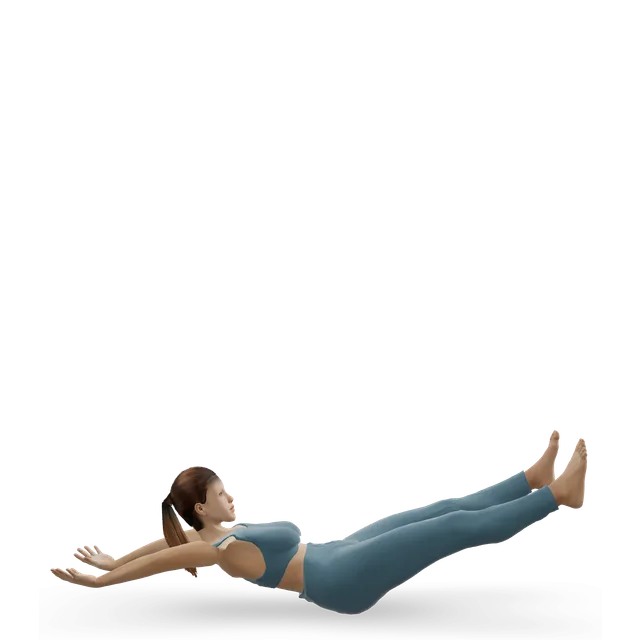
2. Hollow body hold

3 or 4 holds of 15 to 30 seconds. One coach treats a solid hollow body hold as a must before any dragon flag attempt. Move on at a steady 30 seconds with your back down (editorial).

Source 1

3. Reverse crunches

3 sets of 10 to 12 slow reps, curling your pelvis (editorial).

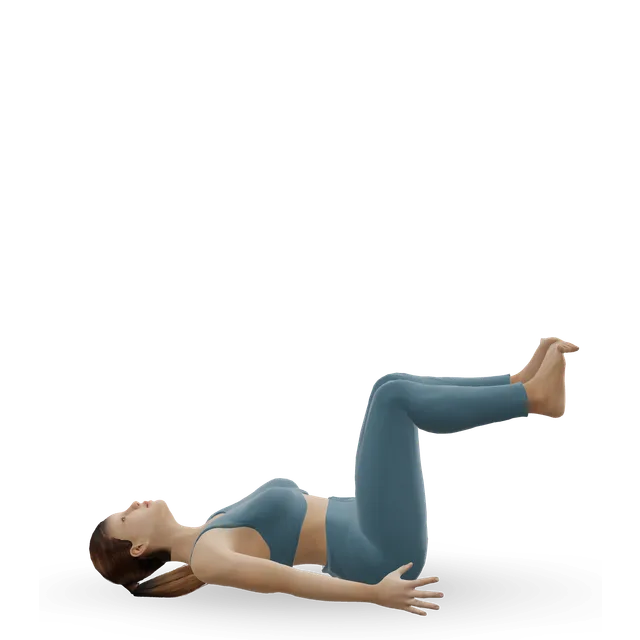
4. Bench leg raise to a candlestick

At the top, lift your hips so your legs point at the ceiling, then lower slowly: 3 sets of 6 to 10 (editorial dose; a coaching step). Move on at 10 controlled reps.

Source 1

5. Tucked lowerings

Knees bent, lowering slowly from the top over 3 to 5 seconds: 3 or 4 sets of 3 to 5, as our advanced core workout does. Move on at 5 lowerings of 5 seconds with your back flat (editorial).

Sources 1, 2

6. One leg straight, then both

The same dose with one leg straight and one tucked, swapping legs; then both legs straight, lowering only as far as your body stays straight.

Sources 1, 2

7. The full dragon flag

Lower and raise again without folding at the hips, with pauses part-way: 3 sets of 2 to 5 (editorial).

Your lower back and neck

Stop at the first archEmerging evidence

Similar long-lever moves load the lower back heavily, so end each lowering the moment your lower back starts to arch or your hips sag, then bend further and bring your feet down. This isn't a beginner's ab exercise, and it isn't one for a current back flare-up.

Source 3

Keep your pelvis tuckedEmerging evidence

Squeeze your glutes and tuck your pelvis so your lower back stays flat. In leg-lifting studies, a tucked pelvis drew more abdominal activity than one tipped forward.

Sources 4, 5

Your neck

Keep your weight on your shoulder blades, not your neck, and keep your neck long. Use a bench or anchor that can't tip or slide, and lower your feet with control rather than dropping them (our move page).

No best ab exerciseEmerging evidence

No single abdominal exercise both worked the abdominals hardest and kept spine load low in a comparison of 12. The dragon flag is one hard option, not a must.

Source 11

How many, how often, and how hard

How often

2 or 3 times a week, with a day between: it's a hard trunk session in itself (editorial). One coach practises 2 to 4 times a week, and strength rose more with at least 2 sessions a week in a large overview of reviews.

Sources 1, 12

How many

3 or 4 sets of 3 to 5 slow lowerings, as our advanced core workout and move page use. Stop each set at the first arch.

How hard

Training to failure isn't needed. A few good lowerings beat a high count, and a lowering that sags teaches the wrong shape.

Source 13

Breathe

Breathe out as you lower, and don't hold your breath, as our breathing guide explains.

Strength around it

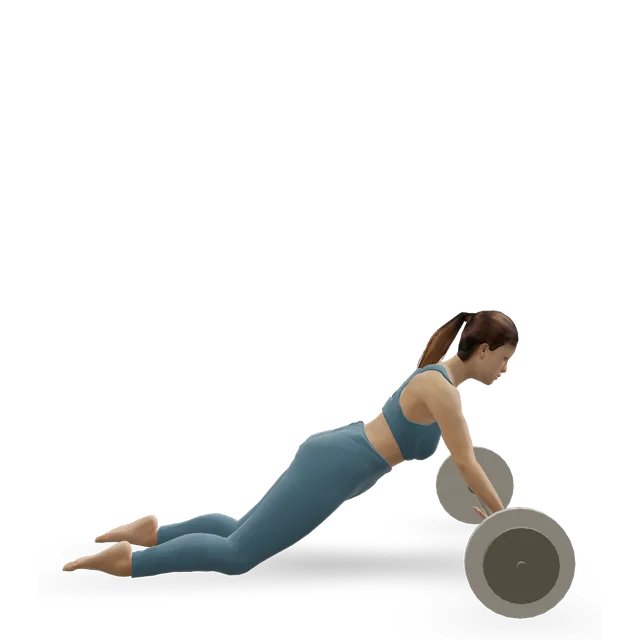
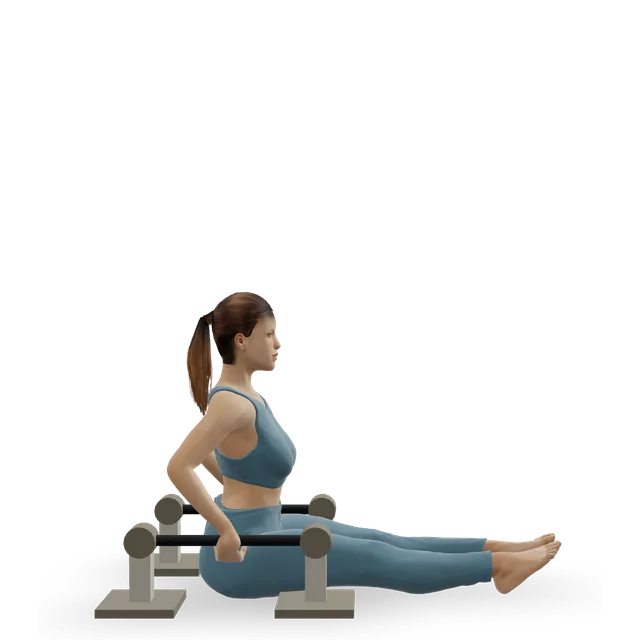
Two or three of these, 2 or 3 sets each, on dragon flag days or between them (editorial).

If you should skip it

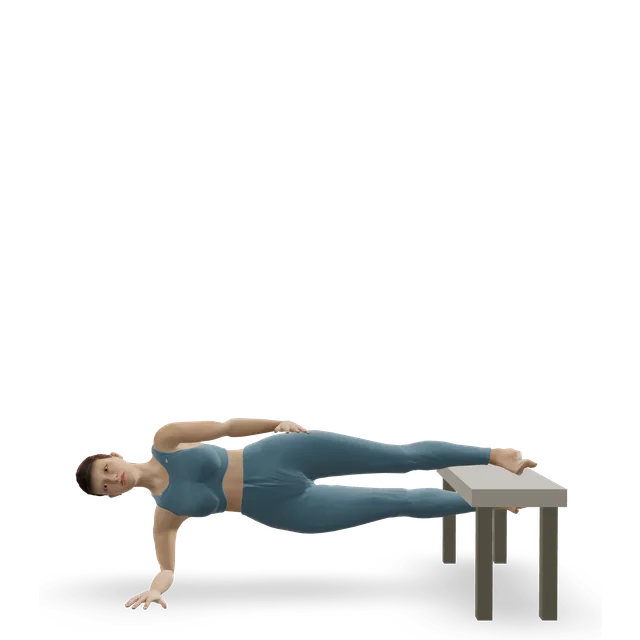
These train the trunk with less strain on the lower back and neck; our plank guide gives the doses.

How long it takes

Our rough estimate, not a promise

No study has timed these skills. With a solid 30-second hollow body hold, controlled tucked lowerings often come within a few weeks, and a full, straight-body dragon flag often takes several months to a year or more of practice 2 or 3 times a week.

Source 1

Workouts

The dragon flag progression follows the ladder above; the beginner and no-equipment core workouts build the base, and the advanced core workout uses the full dragon flag.

Plans

Warning signs

Stop and get help: chest pain, faintness, breathlessness or a racing heart

Stop exercising straight away if you feel any pain or become unwell. Call 999 (911 in the US) for chest pain that doesn't go away or spreads to your arm, neck, jaw, stomach or back, chest pain with sweating, feeling sick, light-headed or short of breath, fainting while exercising, or a pounding, fluttering or irregular heartbeat with chest pain, breathlessness or feeling faint.

Sources 14, 15, 16, 17

Call 999: a sudden, severe headache

A headache that starts suddenly and is extremely painful, especially while straining, can be a bleed on the brain. A headache brought on or made worse by exercise, coughing or bending down needs an urgent GP appointment or NHS 111 (in the US, your doctor or urgent care).

Sources 18, 19

Call 999 or go to A&E: back pain with these signs

Loss of feeling around your genitals or bottom, new trouble peeing or controlling your bladder or bowels, changed sensation during sex, or pain, tingling, weakness or numbness in both legs. These can be signs of cauda equina syndrome, which needs treating in hospital urgently. Don't drive yourself.

Source 20

Your neck

Get a same-day GP appointment or contact NHS 111 for severe neck pain that starts suddenly or gets worse quickly, heaviness or weakness in your arms or legs, or pins and needles in an arm with neck or arm pain, as our neck pain guide says. The NHS advises seeing a GP if neck pain doesn't go away after a few weeks, or comes with pins and needles or a cold arm.

Source 21

A hernia

See a GP if you think you have a hernia, such as a new bulge in your tummy or groin when you strain. Contact NHS 111 if you have a hernia and pain in or around it, a bloated tummy, sickness, constipation, a high temperature or sudden confusion.

Source 6

Call 999 or go to A&E: sudden eye symptoms

Possible signs of sudden glaucoma: intense eye pain, a red eye, rainbow-coloured circles around bright lights, or blurred vision.

Source 8

Myths

"The dragon flag is just an ab exercise"Emerging evidence

No study has measured it, but the abs are only part of it: your hip flexors hold your legs up, your glutes keep your hips straight, and your lats, triceps and shoulders hold the bench. Similar long-lever moves also load the lower back heavily, which is why it isn't a beginner's ab exercise.

Sources 2, 9, 3

"It's the best ab exercise"Emerging evidence

No single abdominal exercise both worked the abdominals hardest and kept spine load low in a comparison of 12. The best choice depends on your goals and your back.

Source 11

"Dragon flags will give you a six-pack"

How visible your abs are depends mostly on body fat, not on which ab exercise you do; our abs guide explains why.

"Dragon flags are bad for your back"Mixed evidence

There's no injury data either way. The load on the lower back is high, so they don't suit a back flare-up, a disc or neck problem, osteoporosis or a hernia. For trained people who stop each lowering at the first arch and keep the pelvis tucked, the risk hasn't been measured, and a high load isn't the same as harm.

Sources 3, 4

"Do as many as you can"Emerging evidence

Training to failure isn't needed, and coaches favour a few controlled lowerings, stopped at the first arch, over high counts.

Sources 13, 1

Questions people ask

Is the dragon flag bad for your back?

No study has measured its risk, but similar long-lever moves load the lower back heavily. Stop each lowering the moment your lower back starts to arch, keep your pelvis tucked, and skip it during a back flare-up or with a disc problem.

What muscles does the dragon flag work?

Your abdominals hold your body straight against gravity, your hip flexors and glutes keep the line at your hips, and your lats, triceps and shoulders hold the bench. It's a whole-body hold, not just an ab exercise.

How many dragon flags should I do?

Quality counts more than numbers: 3 or 4 sets of 3 to 5 slow lowerings, 2 or 3 times a week, each taking 3 to 5 seconds and stopped at the first arch. That's our advanced core workout's dose, and big daily challenges add fatigue without any evidence of faster progress.

How do I build up to a dragon flag as a beginner?

Build a solid 30-second hollow body hold first, then bench leg raises that finish with your hips lifted (a candlestick), then slow lowerings with your knees tucked, then one leg straight, then both. Our dragon flag progression workout puts the steps in one session.

What are dragon flag negatives?

Lowerings only: you get to the top however you can, then lower slowly as one straight line, stopping at the first arch. Coaches use them, tucked first, to build towards the full dragon flag.

Why does my neck hurt in dragon flags?

Your weight may be resting on your neck rather than your shoulder blades, or you may be pulling hard into the bench with your arms. Keep your neck long and your weight on your upper back, and stop if neck pain starts. Severe neck pain that starts suddenly, or pins and needles in an arm, needs a same-day GP appointment or NHS 111.

Can I do a dragon flag without a bench?

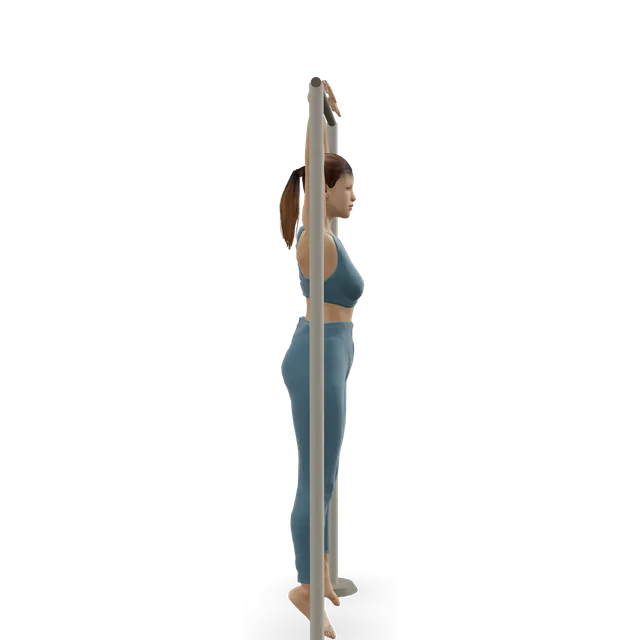
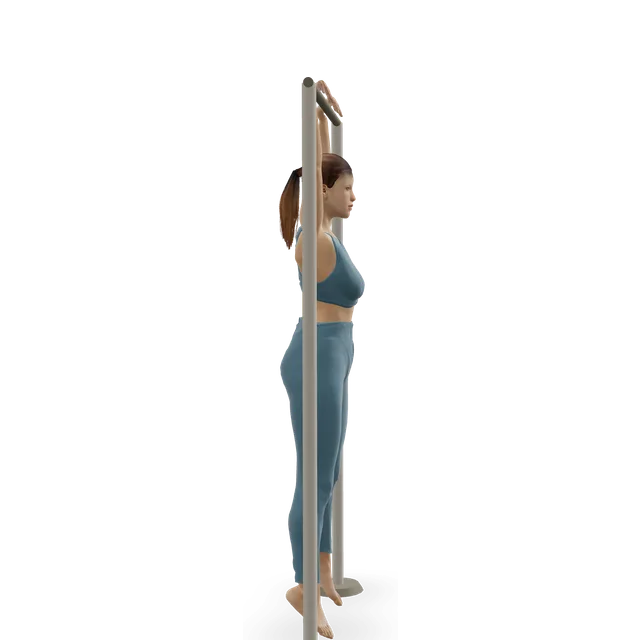
Yes: lie on the floor and grip something fixed behind your head, such as wall bars or a sturdy post. Check first that it can't tip or slide.

Can I do dragon flags with a hernia?

It's best to skip them, because they strain the tummy hard. See a GP if you think you have a hernia, such as a new bulge in your tummy or groin when you strain.

Is the dragon flag the best ab exercise, and will it give me abs?

No single abdominal exercise both worked the abs hardest and kept spine load low in a comparison of 12. How visible your abs are depends mostly on body fat, which our abs guide covers.

Dragon flag or hanging leg raise: which is better?

Both are long-lever trunk exercises with a heavy load on the lower back. The hanging leg raise also trains your grip and shoulders on the bar, and the dragon flag adds the slow straight-body lowering, so pick the one your back and neck tolerate.

How long does it take to learn the dragon flag?

Our rough estimate, not a promise: with a solid 30-second hollow body hold, controlled tucked lowerings often come within a few weeks. A full, straight-body dragon flag often takes several months to a year or more of practice 2 or 3 times a week.

Who should skip the dragon flag?

Anyone with a hernia, after tummy surgery, in pregnancy or the months after giving birth, with osteoporosis, or with a neck or disc problem. With uncontrolled high blood pressure, glaucoma or diabetic eye disease, choose other core work or ask first; dead bugs, bird dogs, side planks and McGill curl-ups train the trunk with less strain.

Sources

  1. 12 Minute Athlete · Build a core of steel with dragon flags (coaching article)
  2. DIE RINGE · Dragon flag: how-to, muscles and variations (exercise library)
  3. McGill 2015 · Muscle activity and spine load in the body saw, hanging leg raise and push-up walkout, 14 men (lab study, J Sports Sci)
  4. Workman 2008 · Pelvic position and abdominal and hip flexor activity in a double leg lift, 16 men (EMG study, J Strength Cond Res)
  5. Shields 1997 · Abdominal muscle activity in curls and in double straight-leg lowering with the pelvis held tucked, 15 men (EMG study, Spine)
  6. NHS · Hernia
  7. NHS · Exercise in pregnancy
  8. NHS · Glaucoma
  9. Juan 2024 · Hip flexor muscle activity in rehabilitation and strength exercises: 9 studies (systematic review, J Clin Med)
  10. Juker 1998 · Psoas and abdominal wall activity in a range of tasks, 8 people (fine-wire EMG study, Med Sci Sports Exerc)
  11. Axler 1997 · Abdominal muscle work and spine load in 12 abdominal exercises, 9 adults (lab study, Med Sci Sports Exerc)
  12. Currier 2026 · Resistance training for strength, muscle and performance: 137 reviews (ACSM position stand, Med Sci Sports Exerc)
  13. Refalo 2023 · Training close to failure and muscle growth: 15 studies (meta-analysis, Sports Med)
  14. NHS · How to warm up before exercising
  15. NHS · Chest pain (past its review date: reviewed August 2023, review due August 2026)
  16. NHS · Fainting
  17. NHS · Heart palpitations
  18. NHS · Subarachnoid haemorrhage
  19. NHS · Headaches
  20. NHS · Back pain
  21. NHS · Neck pain (past its review date: reviewed April 2023, review due April 2026)

Exercise education, not a personal prescription, and clinical review of these guides is pending. Check with a GP before starting hard training if you have a heart condition, chest pain, dizziness or breathlessness when active, and stop for sharp or increasing pain. Health disclaimer.