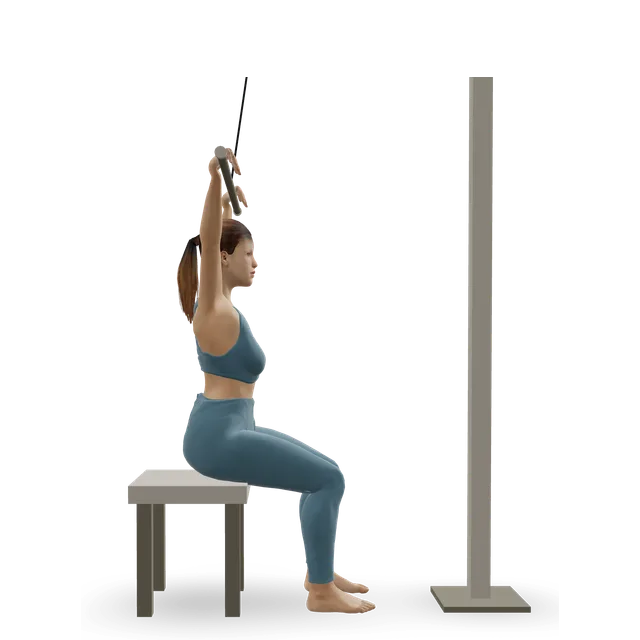
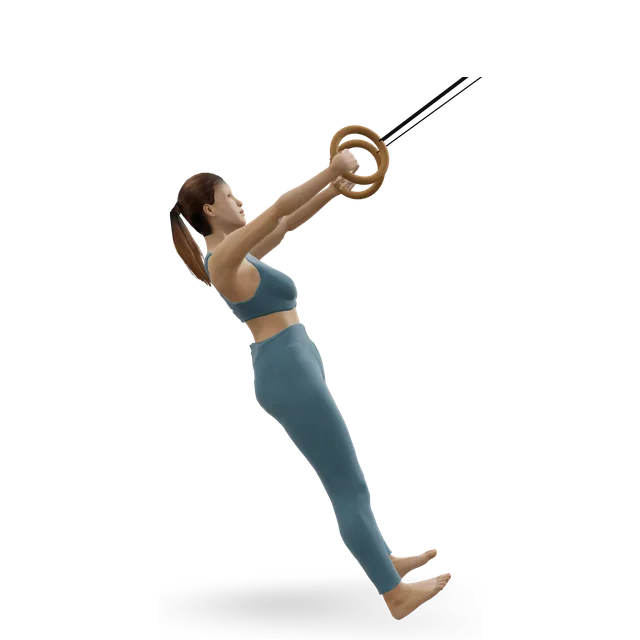
Training guide

How to do negative pull-ups: slow lowering, how long and how many, the shoulders and elbows, and moving to your first pull-up

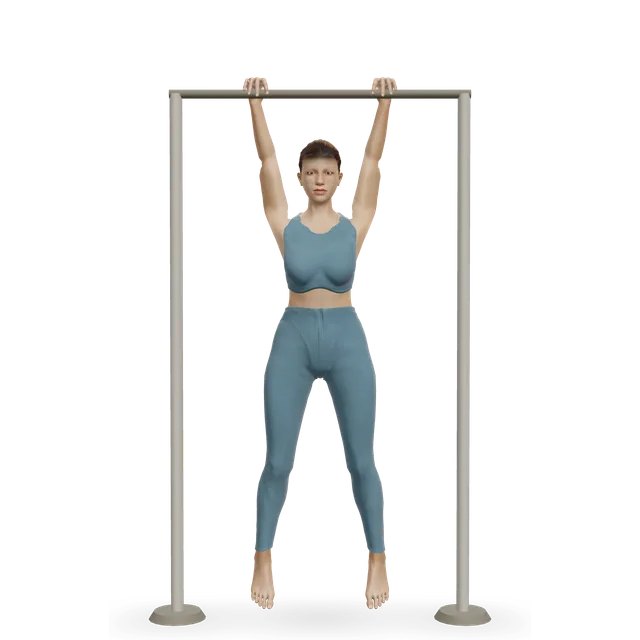
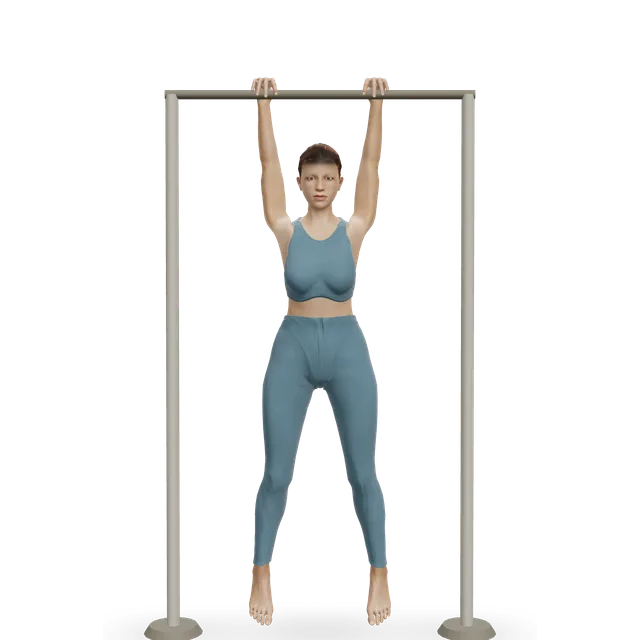
A negative pull-up is the lowering half of a pull-up: step or jump up so your chin is over the bar, then lower yourself slowly to straight arms, and step back up rather than pulling. Muscles are about 40% stronger lowering than lifting, so negatives let you work at your full body weight before you can pull yourself up. Lower for 3 to 5 seconds at first, building towards 5 to 10, and start with 2 or 3 sets of 3, two or three days apart.

Negatives build strength, mostly for lowering, and no trial has tested them alone for a first pull-up, so they work best alongside rows and assisted pull-ups in the same session.

This guide shows them step by step on the 3D figure, how long and how many, the soreness to expect and the warning signs that aren't ordinary soreness, your shoulders and elbows, and when to try your first full rep.

The short version

A negative is the lowering half of a pull-up

Step or jump up so your chin is over the bar, lower yourself slowly to straight arms, then step back up rather than pulling. You can lower more than you can lift: across thousands of people, muscles were about 40% stronger lowering than lifting.

Source 1

Lower for 3 to 5 seconds, building towards 5 to 10

That's our pull-up guide's editorial cue. No study has compared negative lengths in a pull-up; across studies, lifting and lowering speed changed muscle and strength gains little, and reps lasting more than about 10 seconds built less muscle.

Sources 2, 3

Start small: 2 or 3 sets of 3, two or three days apart

Build to 3 sets of 3 to 5 (our pull-up guide and workouts, editorial). Your first sessions will make your arms sorer than ordinary sets do: lowering work damaged arm muscles more than leg muscles in a lab study, and experts advise bringing it in over 1 or 2 weeks.

Sources 4, 5

They build lowering strength most, and they aren't the whole route

Across 27 trials, lowering-only training raised lowering strength far more than lifting-only training (27% against 10%) and lifting strength about the same (13% against 14%). No trial has tested negatives alone for a first pull-up; the one trial of a pull-up routine combined them with assisted pull-ups, rows and chin-ups. Pair them with a row and an assisted pull-up in the same session.

Sources 6, 7, 8

Step down, and test a chin-up every second week

Step back down to the box at the end of each lower: falls are the commonest pull-up bar injury in US emergency departments. Try a full chin-up every second week once you can lower for about 5 seconds and do 10 inverted rows at a low bar, as our first pull-up workout says.

Source 9

Sore is normal; very sore with dark pee isn't

Muscle pain, swelling or weakness far worse than the session explains, especially with dark, cola-coloured pee, needs medical help the same day: it can be rhabdomyolysis (a breakdown of muscle that can harm the kidneys), which has followed big sessions of chin-ups and pull-ups.

Sources 10, 11, 12

How to do a negative pull-up, step by step

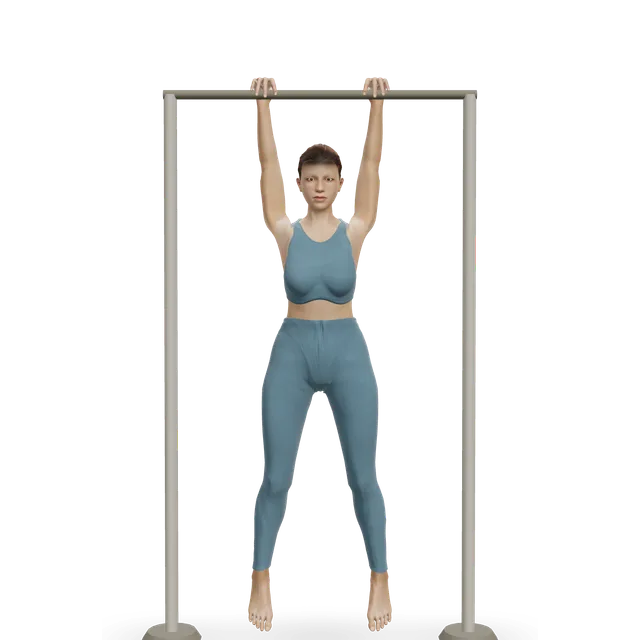
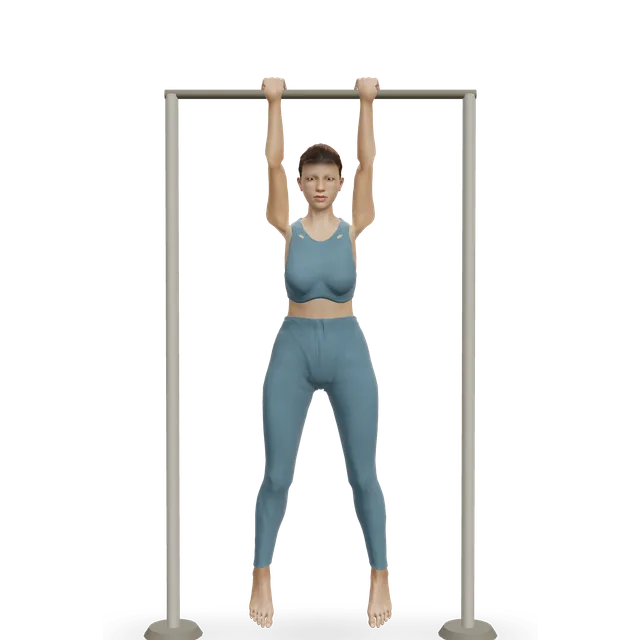
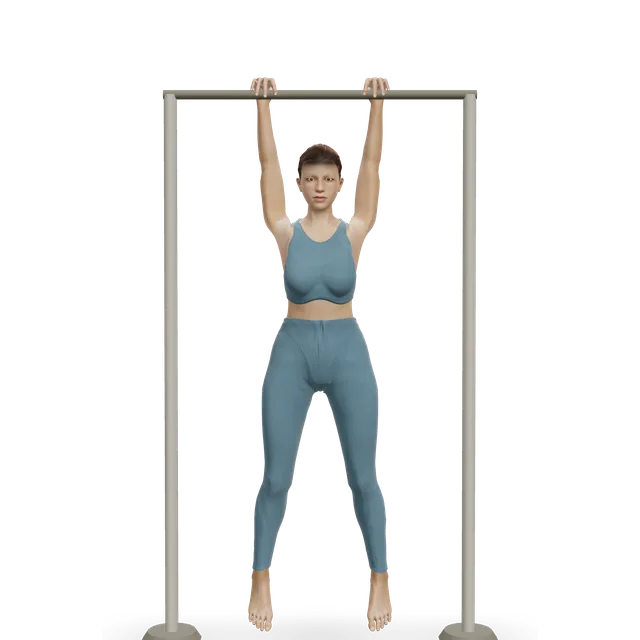
From our move page ("Use a step or a small jump to get the chin above the bar"; "Lower for 3 to 5 seconds at first, building towards 5 to 10"; "Step back up to the top for the next rep rather than pulling") and our pull-up guide. With your palms facing you, it's a negative chin-up: the same steps, with no separate 3D demo.

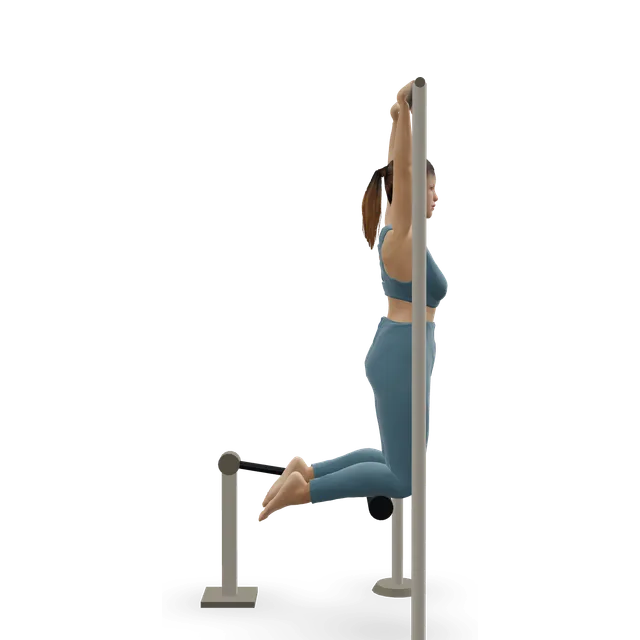
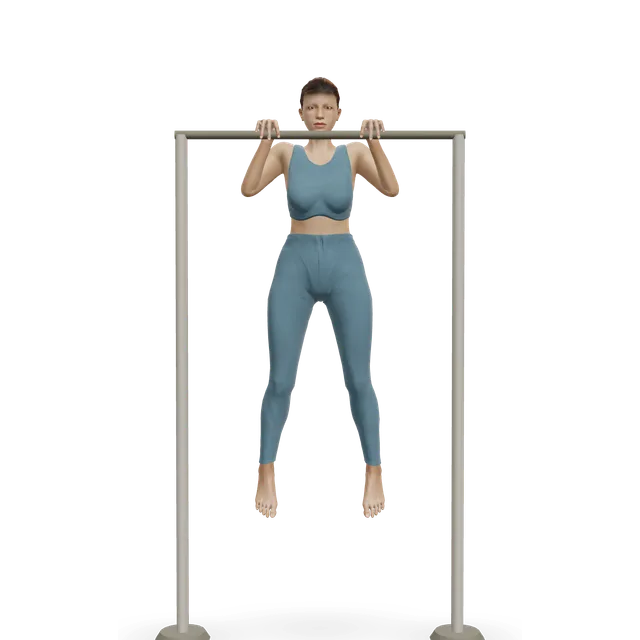
  1. Set a stable box or step under the bar, high enough that you can reach the top position without a big jump.
  2. Take an overhand grip a little wider than your shoulders, with your thumbs round the bar.
  3. Step or jump up so your chin is over the bar, elbows bent and close to your sides, shoulder blades drawn down. Take your feet off the box and cross or straighten your legs.
  4. Breathe, brace, and lower yourself slowly, counting 3 to 5 seconds and keeping the same speed the whole way.
  5. Keep going all the way to straight arms in a still hang, shoulders drawn down rather than shrugged up. Don't drop into the bottom.
  6. Put your feet back on the box and step up to the top again for the next rep, rather than pulling. After the last rep, step down to the floor.
  7. End the set when you can no longer lower smoothly for your target time, and rest about 2 minutes.

Loading the 3D figure…

Gets into position, then repeats the movement. Technical checks passed; qualified exercise review is pending.

The movement on the figure: Negative pull-up

What it is, and what it works

One exercise, several names

Negative pull-ups are also called eccentric pull-ups or pull-up negatives (eccentric means the muscle is working while it lengthens). With your palms facing you, they're negative chin-ups. You start at the top, stepping up from a box or with a small jump, and do only the lowering.

Why you can do them before a pull-up

Muscles make more force lengthening than shortening. In a review of 1,516 measurements from 12,546 people, lowering strength was 1.41 times lifting strength: 1.47 in women, 1.38 in men and 1.42 for upper-body actions. About 98% of those measurements were on machines, and pulldowns were too few to study, but it explains why someone who can't lift their body weight can often lower it under control.

Source 1

What they workEmerging evidence

The same muscles as a pull-up: the lats, the biceps and the other elbow flexors, the trapezius and rhomboids, the back of the shoulder and your grip. They work at lower activity for the same load: in 19 strength-trained men, the biceps, brachioradialis and chest muscle were more active pulling up than lowering in every pull-up grip, and muscles are less active when lengthening generally. High force with lower activity is also why lowering work makes you sorer.

Sources 13, 14, 15, 16, 17

What you need first

A bar that holds your weight and a stable box or step to reach the top, as our move page says; a steady hang; and shoulders that are comfortable with your arms overhead. Test a doorway bar before you trust it (our pull-up guide's suggestion).

How people differ

Your body weight is the load, so strength for your size matters most. College women's heaviest pull-up averaged 0.73 times body weight and men's 1.16, and women who achieved a pull-up after training had more strength for their body mass. In young Norwegian adults, men did a median of 7 strict pull-ups; women who couldn't do one were tested on a horizontal version, which suggests more than half of 11,927 young women couldn't do a strict pull-up (our reading). Compare yourself with yourself.

Sources 18, 19, 20

What the evidence says

Lowering-only training builds strength, mostly for loweringStrong evidence

Across 27 randomised trials, lowering-only training raised lowering strength far more than lifting-only training (27% against 10%), lifting strength about the same (13% against 14%) and holding strength about the same (18% against 17%). Earlier reviews of 20 and 40 studies found the gains were largely specific to lowering, and in trained people lowering work can still add strength. The catch: almost all these trials used machines that fix the speed of movement, and only 7 of the 27 trained the upper body, so this is indirect evidence for body-weight negatives.

Sources 6, 21, 22, 23

Muscle growth: about the same as lifting-only trainingMixed evidence

Across 15 studies, muscle grew 10.0% with lowering-only training and 6.8% with lifting-only training, a difference that could have been chance. A 2025 review of 26 studies (682 people) found no overall difference at very low certainty, with a hint in favour of lowering for the arms. The 2026 ACSM (American College of Sports Medicine) overview found muscle growth helped by heavy lowering, and strength unaffected by the choice.

Sources 24, 25, 3

The one trial of lowering-only pull-upsEmerging evidence

30 advanced to elite climbers trained twice a week for 5 weeks. The lowering group did 6 sets of 3 lowers, each lasting 5 seconds, wearing extra weight. Their heaviest pull-up rose 5.0% against a 1.5% fall in the comparison group, but their maximum pull-up reps didn't change more than the comparison group's, and the authors said the groups were small after dropouts. It tells us little about beginners.

Source 7

The one trial of a pull-up routineEmerging evidence

30 inactive men who could already do 3 or 4 pull-ups did a routine of assisted pull-ups, inverted rows, reverse-grip (chin-up) pulls and negatives, each set taken to failure, and pull-up reps rose in every group, most with added forearm training (4.0 to 12.9). The negatives' own effect can't be separated from the rest.

Source 8

What no trial has testedEmerging evidence

We found no trial of negatives alone for a first pull-up, and none comparing negatives with band or machine help. In a 2003 study of college women training towards a pull-up, those who succeeded had more strength for their body mass; its summary doesn't say how many succeeded or how long it took. So the advice to combine negatives with other steps rests on the one routine that worked, not on a head-to-head test.

Sources 8, 19

How long to lower

The cue: 3 to 5 seconds, building towards 5 to 10

That's our move page's and pull-up guide's editorial cue, and every pull-up workout on the site uses it. Keep the speed even all the way to straight arms: if you drop the last third, the count was too long or you're too tired.

No pull-up study has compared lengthsMixed evidence

Across 8 studies, muscle grew about the same with whole reps lasting 0.5 to 8 seconds, and very slow reps, over 10 seconds each, built less. The ACSM overview found strength unaffected by fast or slower lifting, and a review of tempo found that small changes don't affect strength gains, adding that no study has tracked the lowering phase on its own over time.

Sources 2, 3, 26

Slower lowering in other lifts: the trials disagreeMixed evidence

In untrained adults, 4-second lowering built more strength than 1-second in biceps curls (20 people) and squats (18 people). In 22 soccer players squatting to failure, 2 seconds beat 4, and in 10 adults on leg extensions, 2 and 4 seconds gave the same strength. A 2025 review of 9 studies (166 people) found the effect uncertain.

Sources 27, 28, 29, 30, 31

Longer isn't always kinderEmerging evidence

In 46 people aged about 77 doing bodyweight exercises, half dropped out with 5-second lowering, against 17% with 3-second lowering.

Source 32

Past about 10 seconds

We found no evidence that lowering for longer than about 10 seconds adds anything: that's our reading of the studies of whole-rep length, not a test of negatives. It makes each set take far longer, so once you can lower for about 10 seconds, add a rep or a set, or spend the effort on assisted pull-ups and chin-up attempts.

Source 2

How many and how often

Start

2 or 3 sets of 3, lowering for 3 to 5 seconds, as our pull-up guide suggests (editorial). That keeps your first sessions to about 6 to 9 lowers, which fits two findings: a first session of 6 hard arm lowerings protected the muscles from later damage as well as 24 did, and experts advise bringing lowering work in over 1 or 2 weeks (our reading).

Sources 33, 5

Build

Towards 3 sets of 3 to 5, lowering for 5 to 10 seconds, as our pull-up progression does (editorial). Change one thing at a time: add a rep to each set, then a second or two to each lower (our suggestion).

How hard

End the set when you can no longer lower smoothly for your target time. In 29 trained men, ending pull-up sets once their speed had dropped by a quarter built more than carrying on until it had halved, as our pull-up guide notes.

Source 34

Rest

About 2 minutes between sets, as our back workout at home does, or 90 seconds to 2 minutes when you alternate them with rows, as in our first pull-up workout.

How often

Two or three times a week, not on back-to-back days, early in your session, as our pull-up guide says; the ACSM overview found strength rose most with 2 or more sessions a week and with exercises done early. Not every day while you're sore: soreness peaks 1 to 3 days later.

Sources 3, 5

Your week

Our pull-up guide suggests 6 to 12 hard pulling sets a week across rows, assisted pull-ups and negatives, building towards 12 to 18 (editorial).

After a break

The protection from your first sessions lasted at least 6 months in the arm muscles of 35 men but was gone by 9 to 12 months. After a few months off, start again at 2 sets of 3 (our reading).

Source 35

Moving on to your first pull-up

Pair them with a row and an assisted pull-up

Do negatives in the same session as a row and an assisted pull-up, at the hardest step you can do well, as our pull-up and assisted pull-up guides say. Negatives train the lowering at your full weight; assisted pull-ups train the whole rep; rows build the pull. The one routine that raised pull-up reps trained several steps in every session, and grip work helped most.

Source 8

When to test a full rep

Try a chin-up (palms facing you, usually the easier grip) every second week once you can lower for about 5 seconds and do 10 inverted rows at a low bar, as our first pull-up workout says. Give it 1 or 2 attempts at the start of a session, when you're fresh.

How long it takes

No study has timed a first pull-up from scratch. Our pull-up guide's estimate: often 2 to 6 weeks if you can already lower yourself for about 5 seconds or need only a little help, and often 2 to 6 months from no pulling strength, sometimes longer. Track your negatives and your band or machine help to see progress before the first full rep.

Source 19

Pulldowns help, but practise on the barMixed evidence

In 34 active young men who could already do about 2 pull-ups, 8 weeks of pulldowns raised them to 5.8 on average, or 8.5 with a wobbly set-up. But pulldown strength and pull-ups were only loosely related in elite women swimmers, and in 25 trained men pull-ups went with pulldown reps at body weight rather than the heaviest pulldown.

Sources 36, 37, 38

The pull-up ladder

Our pull-up guide's ladder: bar hangs, 2 holds of 20 to 30 seconds; scapular pull-ups, 2 sets of 6 to 8; inverted rows, 3 sets of 6 to 12; machine-assisted pull-ups, 3 sets of 6 to 10; band-assisted pull-ups at the move page's 2 to 4 sets of 8 to 12 (ACE); negatives, 2 or 3 sets of 3; then chin-up attempts every second week, and chin-ups and pull-ups at 3 sets of 3 to 8 (our pull-up progression). Do two or three steps in each session.

Common mistakes and how to fix them

Dropping from the top or the bottom

It skips the lowering and lands hard on your shoulders and elbows. Step down to the box.

Source 9

Too many, too soon

Start with 2 or 3 sets of 3, and build over weeks.

Sources 33, 5

Slow at the top, a crash at the bottom

Keep the count even all the way; the bottom, where your arms are longest, is the hardest part to control (our suggestion).

Stopping short of straight arms

Lower all the way to a still hang, as our move page says.

Shrugging into your ears at the bottom

Keep your shoulder blades drawn down, as in a scapular pull-up.

Kicking or swinging

Keep your legs still, crossed or straight.

Using a wobbly chair

Use a stable box or step, never a chair that can tip, as our step-up workout says.

Negatives every day

Leave two or three days between sessions.

Source 4

Never testing a full rep

Try a chin-up every second week once you can lower for about 5 seconds.

Ignoring your grip

Add hangs, carries and wrist curls, as our first pull-up workout does.

Source 8

Soreness, and when it isn't ordinary

Lowering work makes you sorest, and arms mostStrong evidence

In 15 inactive men doing 5 sets of 10 heavy lowerings for nine muscle groups, the lats among them, "muscle damage was greater for arm than leg muscles". Strength fell 16 to 57% the next day and soreness peaked at 43 to 70 on a 100-point scale. A second session was much milder.

Sources 4, 17

One session protects you for monthsStrong evidence

This is the repeated bout effect: one session of lowering work protects the muscle against damage from the next. In the arm muscles it lasted at least 6 months; a first session of 6 hard lowerings protected as well as 24, and four light sessions as well as one hard one. So start small: you get the protection without the worst of the soreness.

Sources 39, 35, 33, 40

Bring it in over 1 or 2 weeks

A review of muscle soreness advises that "Eccentric exercises or novel activities should be introduced progressively over a period of 1 or 2 weeks".

Source 5

Ordinary soreness

A dull ache that starts 12 to 24 hours later, is worst at 1 to 3 days and goes within about a week, milder each time, as our muscle soreness guide explains. Train other muscles, or do easy rows, until it eases (our suggestion).

Big blood-test rises are common; rhabdomyolysis is rareStrong evidence

After 50 hard arm lowerings, 51 of 203 volunteers had creatine kinase (a sign of muscle damage in the blood) above 10,000 units, yet "none experienced visible myoglobinuria or required treatment for impaired renal function".

Source 41

But it has followed pull-ups and chin-upsEmerging evidence

Case reports describe rhabdomyolysis after 24 sets each of chin-ups and push-ups without rest ("'Cola colored' urine" two days later), after days of kayaking and "a lot of pull-ups in crossfit", in five sailors and Marines after a new upper-body programme, and in women trainees after one session of push-ups and assisted pull-ups. MedlinePlus lists "Severe exertion, such as marathon running or calisthenics" among its causes and "Dark, red, or cola-colored urine" among its signs. Build up gradually.

Sources 10, 11, 42, 43, 44, 12

Your shoulders, elbows and the bar

Grip and the shoulderEmerging evidence

In 11 experienced men, the underhand (chin-up) grip moved the shoulder blade in ways that may raise the risk of impingement in the hang and the start of the pull, and a model of the same men put more of the load on the rotator cuff with that grip. A wide grip raised the shoulder's turning force by 7% in 21 men. If your shoulders complain, use a shoulder-width overhand or neutral grip.

Sources 45, 46, 47

The bottom is a hang

Every negative ends in a hang, so our dead hang and pull-up guides' rules apply: shoulders drawn down rather than shrugged up at the bottom, and no hanging while a shoulder is painful and stiff.

Your elbowsEmerging evidence

In 57 videos and 22 patients, distal biceps tendons tore with the palm up in 98% and the elbow nearly straight in 89%, mostly while holding (88%) rather than lowering (7%). Our reading: the risky moment is a sudden catch on a straight, palm-up arm, so finish each negative under control into the hang and step down. In 667 climbers, the elbow was 17.7% of long-term injuries. With pain at the inner or front of the elbow, use an overhand or neutral grip and shorten the negatives.

Sources 48, 49

Pull-ups in a large groupEmerging evidence

When the US Marine Corps added pull-ups to women's fitness tests, upper-limb injuries didn't rise in 49,910 women, and when the men's standard rose, a falling injury trend levelled off. These are records, not trials.

Sources 50, 51

The bar and the boxEmerging evidence

An estimated 40,987 US emergency visits for pull-up bar injuries from 2015 to 2024 were most often falls, then being struck, with some bars slipping or coming loose, and head and face injuries made up nearly half. Test a doorway bar, use a stable box, and step down.

Source 9

Moves that go with it

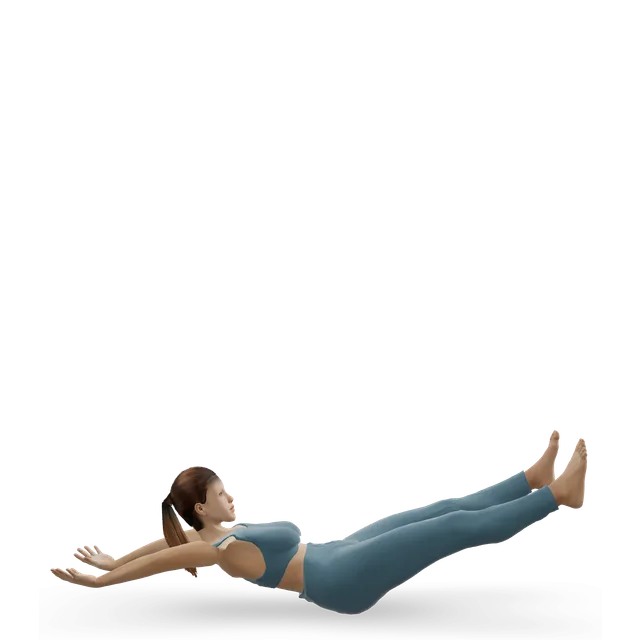
Farmer's carries, 2 walks of 20 to 30 m, and wrist curls, 2 sets of 12 to 15, for grip (our first pull-up workout); band pull-aparts, 1 set of 10 to 15, and shoulder circles to warm up (our pull-up challenge); a hollow body hold, 2 holds of 20 to 30 seconds, for a still body on the bar (our muscle-up progression); face pulls, 3 sets of 15 (our back workout); lat pulldowns, 3 sets of 8 to 12 stopping 2 or 3 reps short (our lat pulldown guide).

Workouts to follow

The first pull-up workout is built round negatives with rows, band or machine help and grip work; the pull-up progression and challenge set the negatives by level; the back workout at home offers them as the vertical pull.

Plans that use it

The 30-day pull-up challenge has a level for a first pull-up; the calisthenics plan uses the pull-up progression.

Who should change it, and warning signs

Stop and get medical help

If you get chest pain or pressure, feel faint or dizzy, are unusually breathless, or your heart races or beats irregularly during exercise, as our plans advise. The American Heart Association says these need immediate medical evaluation.

Source 52

Call 999 (911 in the US)

For chest pain that feels tight, heavy or squeezing, or spreads to your arms, neck, jaw or back; a sudden, extremely painful headache, especially while straining; someone who faints while exercising; or palpitations that don't go away, or come with chest pain, breathlessness or feeling faint. Don't drive yourself to A&E.

Sources 53, 54, 55, 56, 57, 58

A headache with effort

Ask for an urgent GP appointment or get help from NHS 111 for a headache that's triggered or made worse by coughing, sneezing, bending down or exercising.

Source 55

Muscles far sorer than the session explains

Same day (call NHS 111, or go to A&E if you feel very unwell): after a big or unusual session, such as hundreds of pull-ups, push-ups, dips or curls, a challenge or a new class, muscle pain, swelling or weakness far worse than the session explains, and dark pee (red, brown, tea or cola coloured), sometimes starting hours or days later. Dark pee isn't always there, so muscles far sorer, more swollen or weaker than the session explains still need the same-day check. It can be rhabdomyolysis, a breakdown of muscle that can harm the kidneys.

Start with 2 or 3 sets of 3, and skip the "100 pull-ups" challenges while you're new.

Sources 12, 43, 44

Your shoulder

Keep shoulder pain to about 5 out of 10 or less during the exercise, back to its usual level by your next session, as our shoulder guides advise. A sharp pinch means lower, lighter or stop.

Ask for an urgent GP appointment or get help from NHS 111 for sudden or very bad shoulder pain, an arm you can't move, a shoulder that has changed shape or is badly swollen, pins and needles that don't go away, no feeling in your arm or shoulder, an arm or shoulder that's hot or cold to touch, pain after an injury or a fall, severe pain in both shoulders, or feeling feverish or unwell. Go to A&E if, after an injury, you can't move your arm or your shoulder looks out of place or has changed shape. See a GP if shoulder pain is getting worse or hasn't improved after 2 weeks.

Call 999 or go to A&E: after a fall or injury, your shoulder looks out of place or has changed shape, you cannot move your arm, or your shoulder is painful, bruised or swollen. Do not drive yourself, and do not try to put it back in yourself.

Your shoulder has partly or fully come out of joint, or you worry it might, including a clunk, a dead arm or a feeling it will slip when you hang from the bar or at the bottom of a pull-up. Get it checked by a GP or physiotherapist soon (our suggestion).

Sources 59, 60, 61

Your elbow

Keep elbow discomfort to about 3 to 4 out of 10, settled within an hour and no worse the next morning, as our pull-up challenge says. With pain at the front of the elbow, use an overhand or neutral grip and leave chin-up negatives out.

A pop or snap with sudden pain at the front of the elbow, especially with bruising, a gap at the front of the elbow or a bulge in the upper arm, can be a torn biceps tendon. Go to an urgent treatment centre or A&E (in the US, urgent care) the same day, and don't wait for it to settle, as our biceps guides say.

A snap at the back of the elbow with sudden pain and weakness straightening the arm needs an urgent treatment centre or A&E.

Source 62

A pop at the shoulder, or sudden weakness

Same day (GP or NHS 111): a sudden pop or snap with pain at the shoulder or upper arm during a lift, with or without a bulge low in the upper arm. It's usually a torn long head of the biceps. Most need no operation, but the rotator cuff can tear at the same time.

Same day (GP or NHS 111): sudden weakness lifting the arm after an injury or fall. A rotator cuff tear caused by an injury needs urgent referral to a shoulder specialist. After a dislocation in anyone over 40, the rotator cuff should be checked: about 40% have a tear.

Falls from the bar

Pull-up bar injuries in US emergency departments, mostly at home, were most often falls, so step down rather than drop. Test a doorway bar before you trust it.

Source 9

A hernia

See a GP if you think you have a hernia, a bulge or lump that may get bigger when you strain and smaller when you lie down. Get help from NHS 111 if you have a hernia and pain in or around it, a bloated tummy, you feel or are sick, you're vomiting blood or your vomit looks like coffee grounds, you're constipated, you have a high temperature or feel hot, cold or shivery, or you've suddenly become confused. Call 999 or go to A&E for a femoral hernia (a small lump at the top of your thigh, in your groin) with very bad tummy pain, sickness, being unable to fart or poo, a high temperature or sudden confusion.

The NHS lists lifting heavy weights among the causes of a femoral hernia. After an inguinal hernia repair, avoid heavy lifting or strenuous activity for at least 4 to 6 weeks.

Sources 63, 64, 65

After heart, lung or breast surgery, or a dislocation

After heart surgery through the breastbone, or a heart or lung transplant, follow your surgeon's advice before pushing, pulling or lifting with your arms.

After breast cancer surgery or reconstruction, follow your surgical team's advice on when you can lift your arm above shoulder height, or push, pull or lift with it.

After a recent shoulder dislocation, or shoulder or elbow surgery, follow your surgical team's limits first.

Pregnancy

The NHS says strength training at a gym is fine if you already do it, but it isn't the time to start new vigorous training. Hanging gets harder as your weight changes: machine-assisted chin-ups or rows are easy swaps, and stop if you feel uncomfortable or unwell, as our chin-up guide says.

Source 66

Muscular dystrophy

With muscular dystrophy, leave out exercises that focus on lowering a heavy load or hard landings unless your neuromuscular team advises them, as our move page's caution says.

Before you start

Speak to your GP first if you haven't exercised for some time or have medical conditions or concerns, as the NHS advises. Get advice before hard or straining work if your blood pressure is uncontrolled (140/90 or higher at a clinic, or 135/85 at home), or you have heart disease or chest pain when you're active, a pacemaker or defibrillator, diabetic eye disease, glaucoma, a hernia, recent eye or tummy surgery, or you're pregnant, as our breathing guide lists.

With controlled high blood pressure, the American Heart Association considers low- to moderate-intensity strength training with proper breathing safe. Breathe out as you lift, as our breathing guide advises.

With a pacemaker or defibrillator, the American Heart Association asks you to check with your doctor before upper-body strength training, because repeated arm movements can damage or dislodge the leads.

Sources 67, 68, 52

Sore, or hurt?

Muscle soreness for a day or two after a new or harder session is common and fades. Sharp pain, or pain that builds during a set or lingers into the next day, isn't: swap to an easier version, and see a clinician if it persists, as our plans advise. The NHS says to stop exercising straight away if you feel any pain or become unwell, and to get help from 111 if symptoms worry you or don't go away.

Source 69
Myths

"Negatives are the fastest way to a pull-up"Emerging evidence

Lowering-only training builds lowering strength most and lifting strength about as much as lifting-only training. In elite climbers, loaded negatives raised the heaviest pull-up 5% but not reps, and the one routine that raised pull-up reps combined negatives with assisted pull-ups, rows, chin-ups and grip work. No trial has tested negatives alone for a first pull-up.

Sources 6, 7, 8

"The slower the negative, the better"Mixed evidence

Reps lasting 0.5 to 8 seconds grew muscle alike and very slow reps grew less, speed didn't change strength gains across reviews, and trials of 1 against 4 seconds of lowering disagree. Control matters more than the count: 3 to 5 seconds, building towards 5 to 10.

Sources 2, 3, 27, 29

"Do as many as you can, every day"Strong evidence

Lowering work damages arm muscles more than legs, a few lowers give the same protection as many, and big arm sessions have been followed by rhabdomyolysis. Start with 2 or 3 sets of 3, two or three days apart.

Sources 4, 33, 10, 11

"If you can do negatives, you can do a pull-up"Strong evidence

You're about 40% stronger lowering than lifting, so a slow negative often comes weeks or months before a full rep (our pull-up guide's estimate). Try a chin-up every second week once you can lower for about 5 seconds.

Source 1

"Jumping into a negative is cheating"

The jump only gets you to the top; the lowering is the exercise. A box is safer than a big jump, as our move page suggests.

"Negatives are bad for your elbows"Emerging evidence

We found no study of elbow injuries from negatives. Distal biceps tears mostly happened on a sudden load with a straight, palm-up arm, while holding rather than lowering. Lower under control to the bottom rather than dropping, and shorten the negatives if the inner or front of the elbow hurts.

Source 48

Questions people ask

What are negative pull-ups?

The lowering half of a pull-up: you step or jump up so your chin is over the bar, then lower yourself slowly to straight arms. Muscles are about 40% stronger lowering than lifting, so you can do them before you can pull yourself up.

How do you do negative pull-ups?

Stand on a stable box under the bar, grip it a little wider than your shoulders and step up so your chin is over it. Take your feet off and lower for 3 to 5 seconds, steady all the way to straight arms, then put your feet back on the box and step up again rather than pulling. End the set when you can't lower smoothly.

How long should a negative pull-up take?

Start at 3 to 5 seconds and build towards 5 to 10, which is our editorial cue. No study has compared lengths in a pull-up; whole reps up to about 8 seconds built muscle alike, and very slow reps over 10 seconds built less.

How many negative pull-ups should I do?

Start with 2 or 3 sets of 3, two or three days apart, and build to 3 sets of 3 to 5. Lowering work makes you sorer than usual at first, and a few lowers give your muscles most of the protection for next time.

Do negative pull-ups work?

They build strength, mostly for lowering: across 27 trials, lowering-only training raised lowering strength 27% and lifting strength 13%, about the same as lifting-only training. No trial has tested them alone for a first pull-up, so combine them with rows and assisted pull-ups.

Will negatives get me my first pull-up?

As part of a routine, they can help; on their own, no study shows it. The one trial of a pull-up routine used assisted pull-ups, rows, chin-ups and negatives together. Try a full chin-up every second week once you can lower for about 5 seconds; our pull-up guide's estimate is often 2 to 6 weeks from there.

Negatives or assisted pull-ups?

Both, in the same session: negatives build the lowering at your full weight, and assisted pull-ups train the whole rep. No trial has compared them for a first pull-up.

Negatives or lat pulldowns?

Both help. Pulldowns raised pull-up reps in young men who could already do a couple, but pulldown strength predicted pull-ups only loosely in women swimmers. Practise on the bar too.

Why are my arms so sore after negative pull-ups?

Lowering work causes the most muscle soreness, and arm muscles are damaged more than legs by the same work. It peaks 1 to 3 days later and fades within about a week, and the next sessions make you far less sore.

Can negative pull-ups cause rhabdomyolysis?

Rarely, after very big or unaccustomed sessions; cases have followed many sets of chin-ups and pull-ups. Get medical help the same day for muscle pain, swelling or weakness far worse than the session explains, especially with dark, cola-coloured pee. Start small and build up.

Can I do negative pull-ups without a box or a bar?

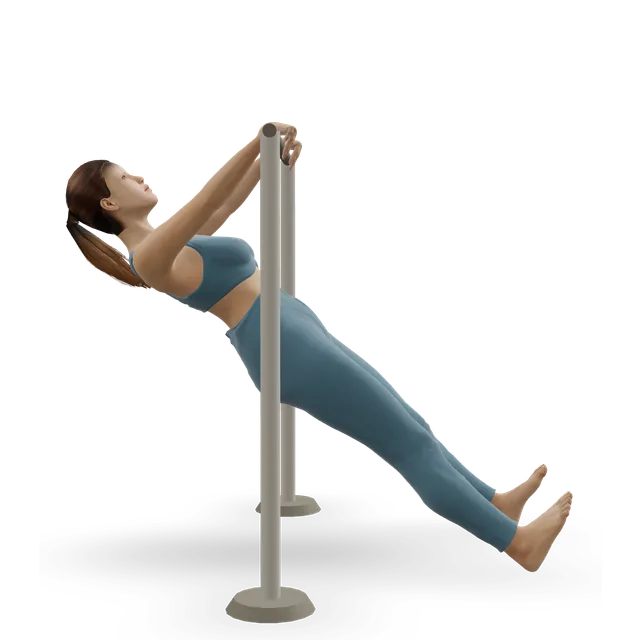
You need a bar that holds your weight. A jump to the top works if the bar is low enough to land safely, but a stable box is better. With no bar, slow inverted rows under a sturdy table or bar train the same pulling muscles, as our pull-up challenge does.

My elbows or shoulders hurt during negatives. What should I change?

Use an overhand or neutral grip rather than palms facing you, keep your shoulders drawn down at the bottom, shorten the negatives, and step down rather than dropping. Keep shoulder pain to about 5 out of 10, settled by your next session, and elbow discomfort to 3 to 4 out of 10, settled within an hour. See our pull-up pain guides if it lasts.

Sources

  1. Nuzzo 2023 · How much stronger muscles are when lowering than lifting: 1,516 ratios from 12,546 people (meta-analysis, Sports Med)
  2. Schoenfeld 2015 · How long each rep lasts and muscle growth: 8 studies (systematic review and meta-analysis, Sports Med)
  3. Currier 2026 · Resistance training prescription for muscle function, size and performance in healthy adults: an overview of 137 reviews (ACSM position stand, Med Sci Sports Exerc)
  4. Chen 2019 · Muscle damage from lowering exercise in arm, leg and trunk muscles in 15 sedentary men (trial, Scand J Med Sci Sports)
  5. Cheung 2003 · Delayed onset muscle soreness: treatment and performance (review, Sports Med)
  6. Spudić 2025 · Lowering-only against lifting-only training on isokinetic machines: 27 trials (systematic review and meta-analysis, Sports Med Open)
  7. Vigouroux 2024 · Lowering-only, holding or explosive pull-up training in 30 advanced climbers (randomised trial, Bioengineering)
  8. Sepehri Rahnama 2025 · Assisted pull-ups, rows, chin-ups and negatives, with core or grip training, for pull-ups in 30 inactive men (randomised trial, Sports)
  9. Shabbir 2026 · Pull-up bar injuries in US emergency departments, 2015 to 2024 (national surveillance study, Injury)
  10. Pearcey 2013 · Rhabdomyolysis after a session of chin-ups and push-ups (case report, Clin J Sport Med)
  11. Larsen 2014 · Rhabdomyolysis in a well-trained woman after kayaking and many pull-ups (case report, Ugeskr Laeger)
  12. MedlinePlus (US National Library of Medicine) · Rhabdomyolysis
  13. Youdas 2010 · Muscle activity in pull-ups and chin-ups in 25 adults (EMG study, J Strength Cond Res)
  14. Dickie 2017 · Muscle activity in four pull-up grips, lifting and lowering, in 19 strength-trained men (EMG study, J Electromyogr Kinesiol)
  15. Duchateau 2008 · How the nervous system controls shortening and lengthening muscle actions (review, J Physiol)
  16. Kellis 1998 · Muscle activity when lowering against lifting on an isokinetic machine in 12 women (EMG study, Med Sci Sports Exerc)
  17. Douglas 2017 · Eccentric exercise: how the body responds (review, Sports Med)
  18. Johnson 2009 · Pulldown and pull-up strength and reps in 35 college men and 23 college women (study, J Strength Cond Res)
  19. Flanagan 2003 · Training college women to do a pull-up (training study, Res Q Exerc Sport)
  20. Aandstad 2021 · Fitness and strength norms in young Norwegian men and women, pull-ups included (reference data, Eur J Appl Physiol)
  21. Roig 2009 · Eccentric against concentric training for strength and muscle mass: 20 trials (systematic review and meta-analysis, BJSM)
  22. Douglas 2017 · Long-term adaptations to eccentric training: 40 studies (systematic review, Sports Med)
  23. Vogt 2014 · Eccentric exercise as a training method (review, J Appl Physiol)
  24. Schoenfeld 2017 · Concentric against eccentric muscle actions and muscle growth: 15 studies (systematic review and meta-analysis, J Strength Cond Res)
  25. da Silva 2025 · Eccentric against concentric actions and muscle growth: 26 studies, 682 people (systematic review and meta-analysis, J Strength Cond Res)
  26. Wilk 2021 · Movement tempo in resistance training, strength and muscle growth (review, Sports Med)
  27. Kojic 2021 · One-second against four-second lowering in biceps curls in 20 untrained adults (randomised trial, Biol Sport)
  28. Kojic 2024 · One-second against four-second lowering in squats in 18 untrained adults (randomised trial, Front Physiol)
  29. Shibata 2021 · Two-second against four-second lowering in squats in 22 soccer players (randomised trial, J Strength Cond Res)
  30. Azevedo 2022 · Two-second against four-second lowering in leg extensions in 10 adults (within-person trial, Biol Sport)
  31. Amdi 2025 · Lowering duration, strength and muscle growth: 9 studies, 166 people (systematic review and meta-analysis, J Sports Sci)
  32. Katsura 2026 · Three-second against five-second lowering in bodyweight exercise in 46 older adults (randomised trial, Eur J Appl Physiol)
  33. Nosaka 2001 · A few lowering reps protect the arm muscles as well as many, in 34 men (trial, Eur J Appl Physiol)
  34. Sánchez-Moreno 2020 · Ending pull-up sets at a 25% or a 50% loss of speed in 29 strength-trained men (randomised trial, J Strength Cond Res)
  35. Nosaka 2001 · How long protection from lowering-exercise muscle damage lasts, in 35 men (trial, Med Sci Sports Exerc)
  36. Li 2025 · Eight weeks of lat pulldowns and pull-up reps in 34 young men (randomised trial, Eur J Sport Sci)
  37. Halet 2009 · Pulldown strength and pull-ups in 28 elite college women swimmers (study, J Strength Cond Res)
  38. Sanchez-Moreno 2016 · What predicts pull-up performance in 25 trained men (study, J Sports Med Phys Fitness)
  39. McHugh 2003 · The repeated bout effect: why a second bout of lowering work does less damage (review, Scand J Med Sci Sports)
  40. Chen 2010 · Four light lowering sessions protect as well as one hard one, in 30 untrained men (trial, Med Sci Sports Exerc)
  41. Clarkson 2006 · Creatine kinase and kidney function after 50 hard arm lowerings in 203 volunteers (study, Med Sci Sports Exerc)
  42. Brown 1994 · Arm rhabdomyolysis after a new upper-body programme in 5 military personnel (case series, Mil Med)
  43. Cohen 2018 · Arm rhabdomyolysis after one session of push-ups and assisted pull-ups in 3 women (case report, Fed Pract)
  44. Mitchell 2018 · Exertional rhabdomyolysis in three young women (case reports, BMJ Case Rep)
  45. Prinold 2016 · Shoulder blade movement in three pull-up grips in 11 experienced men (motion study, J Sci Med Sport)
  46. Urbanczyk 2020 · Rotator cuff loading in three pull-up grips (shoulder model study, Scand J Med Sci Sports)
  47. Pouly 2026 · Grip width and angle in pull-ups: muscle activity and joint loads in 21 men (lab study, Sports Biomech)
  48. Jukes 2022 · How distal biceps tendons tear: 57 videos and 22 patients (video analysis study, Bone Jt Open)
  49. Grønhaug 2018 · Long-term injuries in 667 climbers (survey, BMJ Open Sport Exerc Med)
  50. Arnold 2026 · Upper-limb injuries in 49,910 female Marines after pull-ups joined the fitness test (observational study, Mil Med)
  51. McNeal 2026 · Upper-limb injuries in male Marines after the pull-up standard rose (interrupted time series, Mil Med)
  52. Paluch 2024 · Resistance training with and without heart disease: 2023 update (American Heart Association scientific statement, Circulation)
  53. NHS · Chest pain (past its review date: reviewed August 2023, review due August 2026)
  54. NHS · Heart attack
  55. NHS · Headaches
  56. NHS · Subarachnoid haemorrhage
  57. NHS · Fainting
  58. NHS · Heart palpitations
  59. NHS inform · Exercises for shoulder problems (NHS Scotland)
  60. NHS · Shoulder pain (past its review date: reviewed May 2023, review due May 2026)
  61. NHS · Dislocated shoulder
  62. NHS · Elbow and arm pain
  63. NHS · Hernia
  64. NHS · Femoral hernia repair
  65. NHS · Inguinal hernia repair
  66. NHS · Exercise in pregnancy
  67. NHS · Physical activity guidelines for adults aged 19 to 64
  68. NHS · High blood pressure
  69. NHS · How to warm up before exercising

Exercise education, not a personal prescription, and clinical review of these guides is pending. Check with a GP before starting hard training if you have a heart condition, chest pain, dizziness or breathlessness when active, and stop for sharp or increasing pain. Health disclaimer.