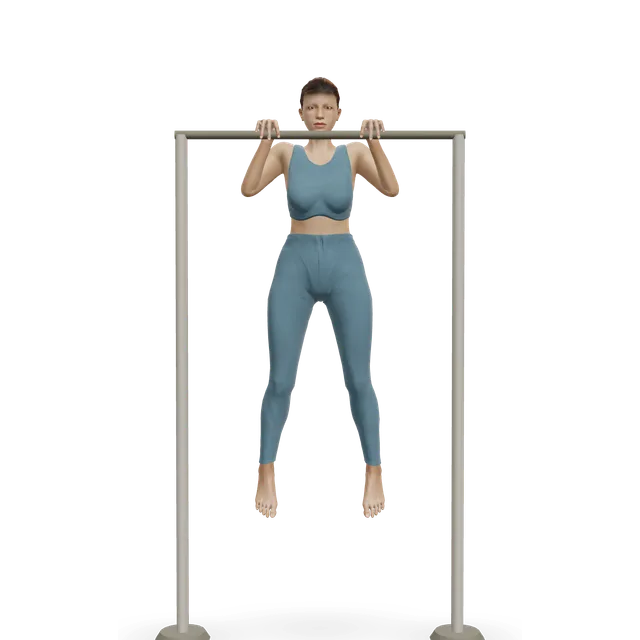
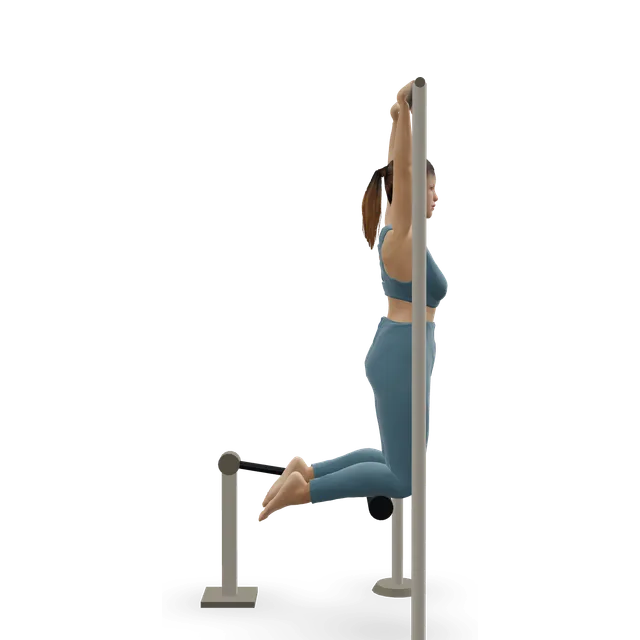
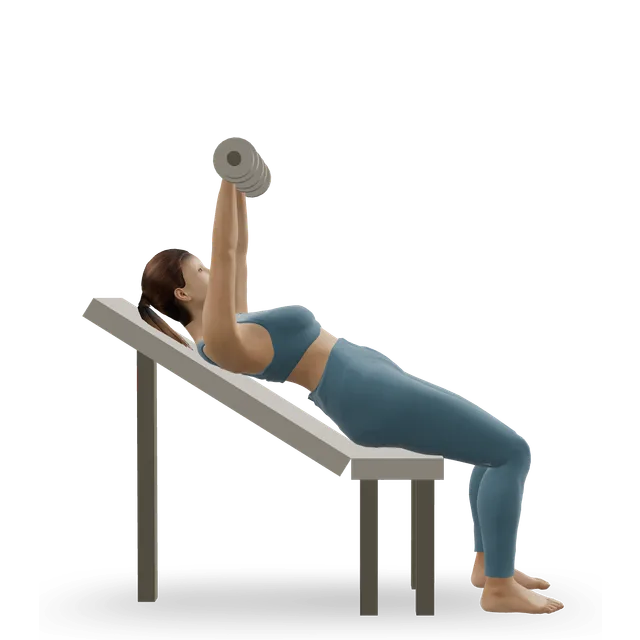
Train the whole back
Pull-ups, chin-ups and pulldowns work the lats very hard; rows add the middle back and rear shoulders; shrugs and face-down raises cover the traps; and hinges train the muscles along your spine.
Training guide
Your back is a group of muscles: the lats, the widest muscles of the back, which pull your arms down and back; the traps and rhomboids, which move your shoulder blades; the rear shoulders; and the long muscles beside your spine. Building back muscle, for a bigger or wider back, comes from training all of them with pulls, rows, shrugs and hinges, eating enough, and giving it months.
Most back research measures which muscles work during an exercise, not how much they grow, so the advice on sets, reps and how often comes from studies of muscle growth in general.
This guide covers which exercises work which muscles, whether grip width matters, how many sets and how often, training at home and in the gym, working up to a pull-up, how long it takes, and when back or shoulder pain needs help. It ends with a back workout you can do at home.
Pull-ups, chin-ups and pulldowns work the lats very hard; rows add the middle back and rear shoulders; shrugs and face-down raises cover the traps; and hinges train the muscles along your spine.
Lat activity was similar with wide, medium and narrow grips in the pulldown, and narrower grips were slightly stronger.
Split your rows and pulls over 2 sessions. More sets grow more muscle, with diminishing returns past about 20 a week (our plans' shared notes).
Sets of about 6 to 15 reps, stopped 1 to 3 reps short of failure, grow muscle about as well as going to failure, with light or heavy weights.
A band, a pair of dumbbells and, if you can, a pull-up bar cover every pattern; bands built strength like weights in trials.
In one small 8-week study, strength rose by 17%. Visible change takes months, and people vary a lot in how much they grow.
The latissimus dorsi, or lats, are the widest muscles of the back. They run from the spine, pelvis and lower ribs to the front of the upper arm, and they pull your arm down and back, or pull your body up to your hands in a chin-up. The teres major, below the shoulder blade, works with them. Our lats muscle page has the anatomy.
The trapezius, or traps, covers the back of the neck, the tops of the shoulders and the upper back in three parts: the upper part shrugs, the middle squeezes the shoulder blades together and the lower draws them down. The rhomboids sit under it, between your spine and shoulder blades.
The back of the deltoid pulls your arm back and out, so rows, face pulls and reverse flys train it alongside the upper back.
The erector spinae run either side of your spine. They straighten your back and lower you under control when you bend, so hinges and back extensions train them.
Mostly the lats, the traps and the rear shoulders, with the muscles along your spine lower down. Your shoulders and waist shape the V too; our wider shoulders and belly fat guides cover those.
Most back studies measure muscle activity (EMG, electromyography) during one set. That shows which muscles work, but it isn't a validated way to predict how much a muscle will grow.
Source 15
In one small 8-week study of 18 young men new to lifting, a strength training programme raised their strength by 17%, and single muscle fibres in the lats grew. Extra protein (1.8 against 0.85 g per kg a day) made no difference.
Source 13
In 25 adults, pull-ups and chin-ups worked the lats harder than a maximal test contraction. Chin-ups used more biceps and chest, and pull-ups more of the lower traps.
Source 1
In 26 adults, inverted rows worked the lats, lower traps, rear shoulders and biceps at more than 61% of their maximum. In another study, the inverted row loaded the spine least of the rows compared.
The bent-over row put the most load on the low back of the rows compared, and in 15 trained men, a free-weight row worked the muscles along the spine 34% harder than a machine row.
Across grips from one to two shoulder widths, lat activity was similar in 15 men, and their 6-rep best was slightly higher with narrow and medium grips (about 80 kg) than wide (77 kg). In 40 trained men, 7 grips made no difference to lat activity. Palms facing away worked the lats more than palms facing you in one study. These are muscle activity studies; no trial has compared growth.
A 2026 review of 23 studies found pulling the bar to the front of the chest was the most consistent factor for lat activity in the pulldown, while findings on grip width were inconsistent. The pullover worked the chest more than the lats.
Source 6
A narrower grip, and keeping the elbows lower, went with more lat activity in the seated row. In 14 trained men, a wide grip worked the traps and the side of the shoulder more.
Actively squeezing the shoulder blades back didn't raise middle trap or rhomboid activity in held pulls.
Source 19
In 30 adults, shrugs worked the upper traps most, and face-down raises worked the middle and lower traps most. In 12 women with neck muscle pain, a dumbbell shrug drew about as much trap activity as a maximal test contraction.
Across 33 studies, pull-ups and inverted rows on suspension straps were among the exercises that worked the back of the shoulder hardest.
Source 21
In 15 studies, each extra weekly set added a little more growth, and 10 or more sets per muscle a week did best. A 2026 analysis of 67 studies found the extra gain shrinks as sets rise.
In 25 studies, training a muscle once or 3 times a week built the same muscle when the weekly sets were equal.
Source 23
In 15 studies, sets stopped short of failure built almost as much muscle as sets taken to failure.
Source 9
Light and heavy weights grew muscle alike when the sets were hard.
Across 8 studies, elastic bands built strength as well as weights and machines.
Source 11
In 47 studies of adults over 50, strength on the lat pull rose by about 25%.
Source 25
Each week, include a vertical pull (pull-ups, chin-ups or pulldowns), a row, something for the traps and rear shoulders (shrugs, face pulls or reverse flys), and a hinge or back extension.
About 10 to 20 hard sets of rows and pulls a week, plus a few sets for your traps and lower back (our plans' shared notes: about 10 or more sets per muscle a week, with little extra past about 20).
Twice a week is a good split (our suggestion); at the same weekly sets, once or 3 times a week built muscle alike.
Source 23
About 6 to 12 reps for rows and pulls and 12 to 20 for face pulls and reverse flys (our pull day workouts), and 8 to 12 for shrugs (the dumbbell shrug's own dose), stopping 1 to 3 reps short of failure.
Use the grip that feels best on your shoulders, and pull to the front of your chest. Lead with your elbows and use a full range, letting your shoulder blades move with your arms; squeezing them back hard didn't add muscle activity in a study.
Add reps, then load. For pull-ups, work up a ladder: hangs, rows, band help, slow lowering, chin-ups, then pull-ups. Our first pull-up workout estimates a few weeks if you're close, and often 2 to 6 months from scratch (our editorial estimate).
At home, a band in a door anchor, a pair of dumbbells and a pull-up bar cover rows, pulls, shrugs and hinges; our back workout at home puts them together. In the gym, use pulldowns, cable rows, chest-supported rows, barbell rows and the assisted pull-up machine.
Follow our build muscle guide on protein and energy. In the 8-week study, extra protein above about 0.85 g per kg a day didn't add to lat growth.
Source 13
Doses from our pull-up progression workout; do it twice a week and move up a step when the one you're on feels solid. Our pull-up guide covers the technique.
Loading the 3D figure…
The movement on the figure: Negative pull-up
Pick a vertical pull, a row and an upper-back move for each session, and a hinge once or twice a week; each move's guide covers the technique.
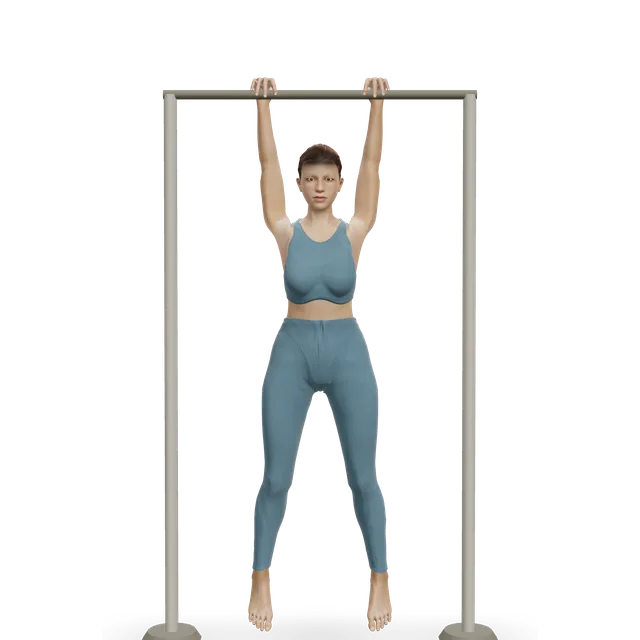 3D demoPull-upAdvanced · Pull-up bar
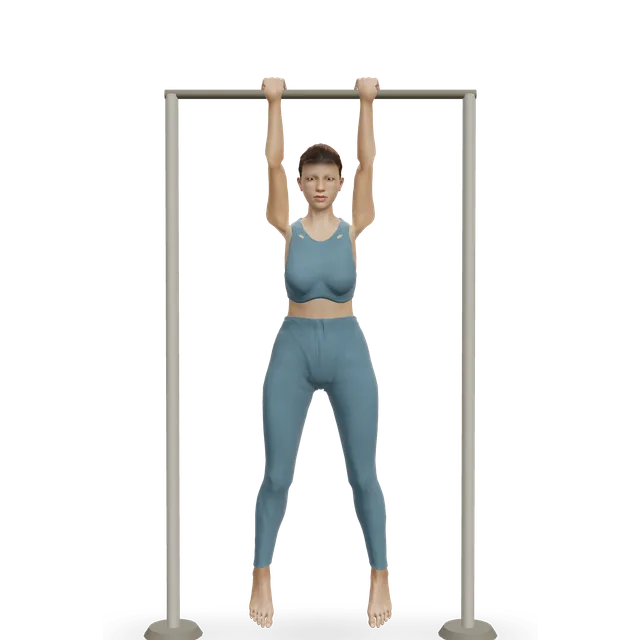 3D demoChin-upAdvanced · Pull-up bar
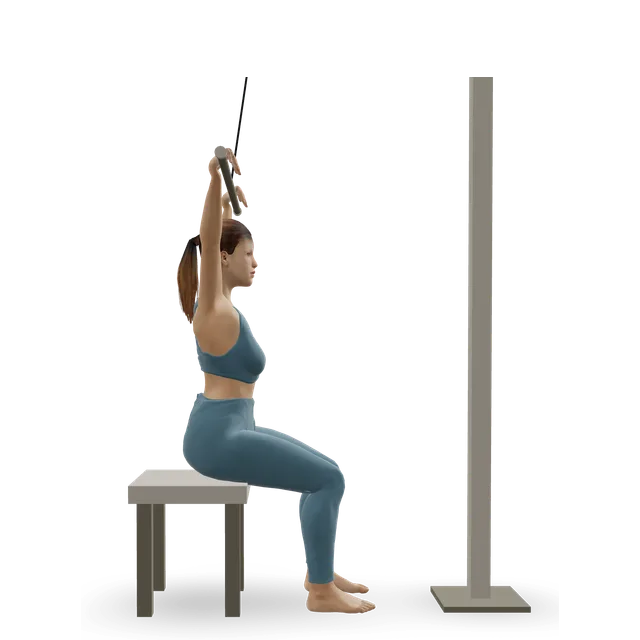 3D demoLat pulldownBeginner · A cable machine
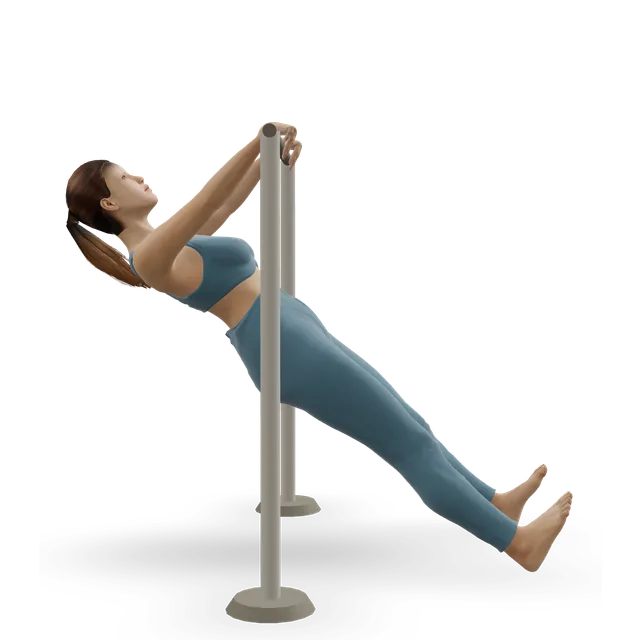 3D demoInverted rowIntermediate · Pull-up bar
 3D demoBand rowBeginner · A band + An anchor point
 3D demoSupported single-arm dumbbell rowIntermediate · A dumbbell + A bench or box
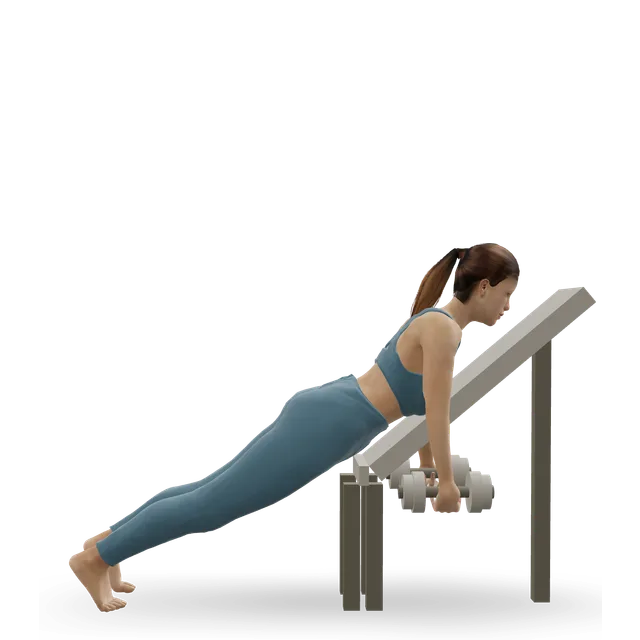 3D demoChest-supported dumbbell rowBeginner · A dumbbell + A bench or box
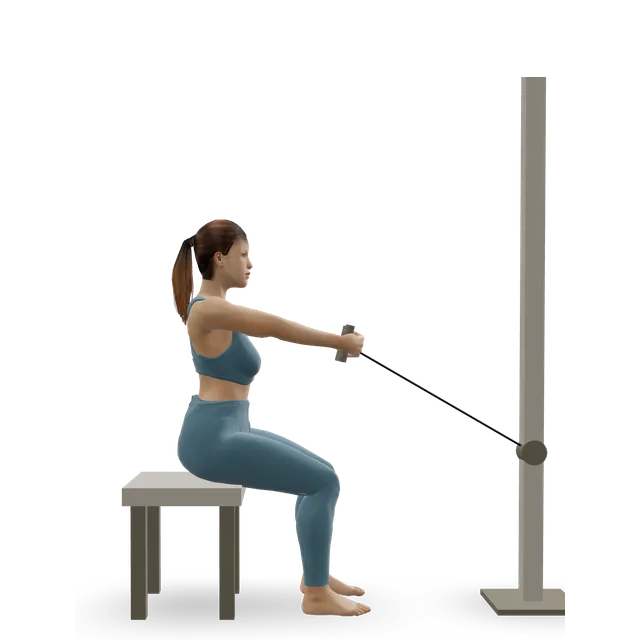 3D demoSeated cable rowBeginner · A cable machine
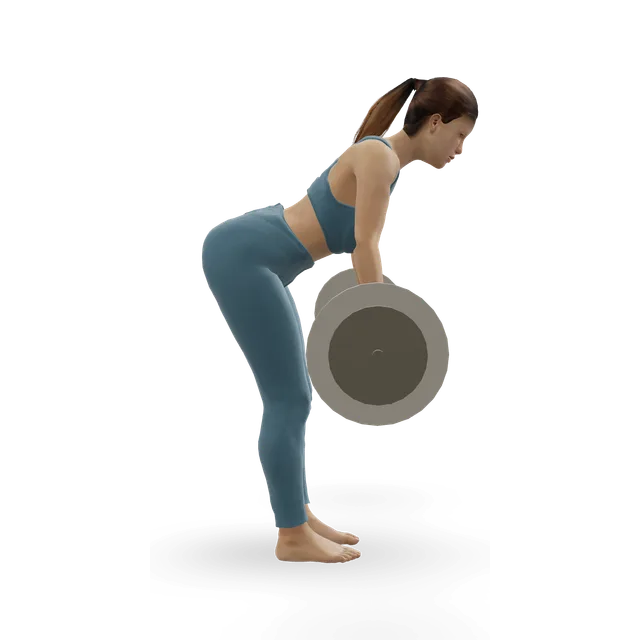 3D demoBent-over barbell rowAdvanced · A barbell
 3D demoFace pullIntermediate · A band
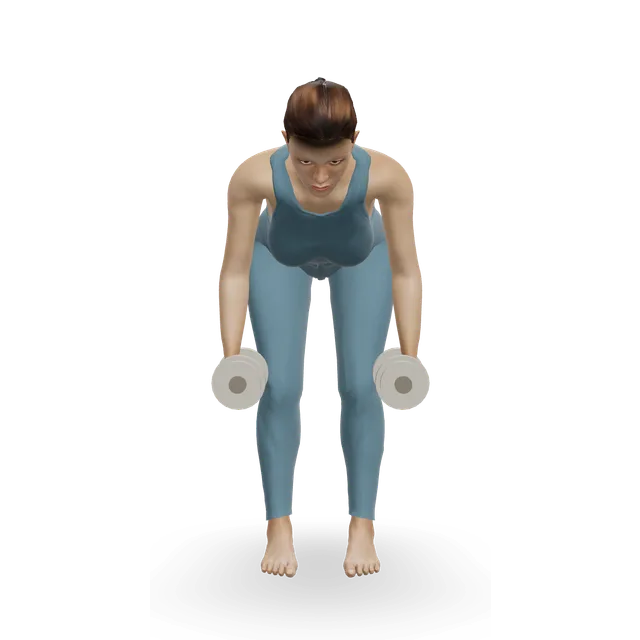 3D demoBent-over reverse flyIntermediate · A dumbbell
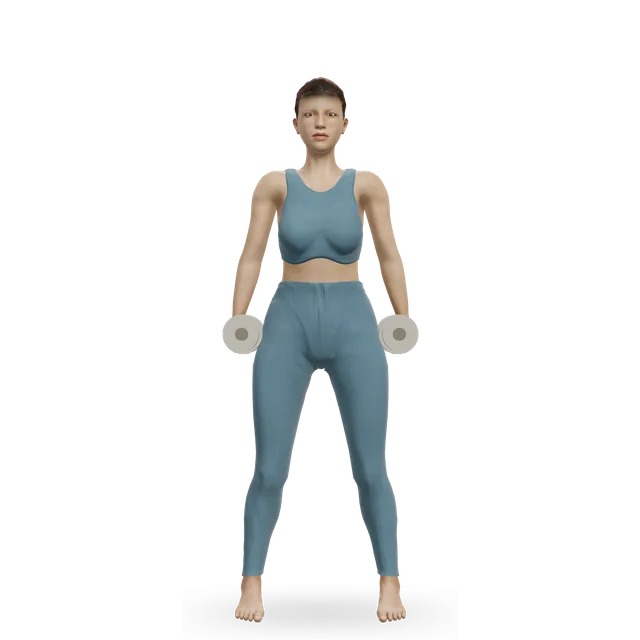 3D demoDumbbell shrugBeginner · A dumbbell
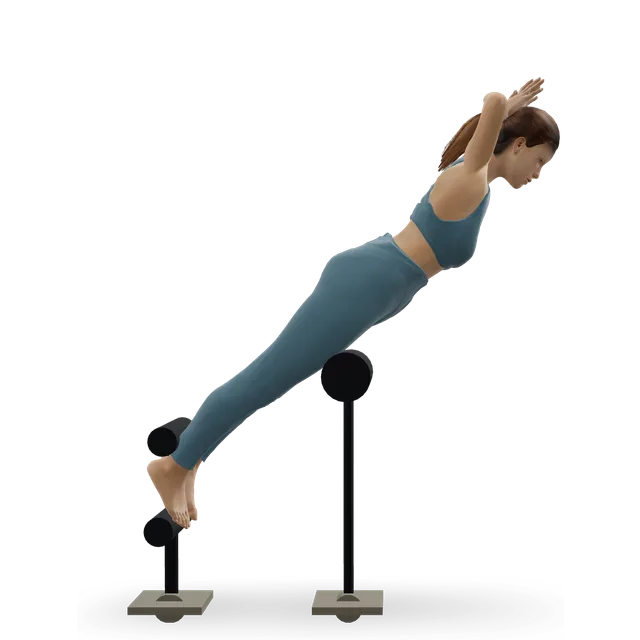 3D demoBack extension on a 45-degree benchIntermediate · A bench or box
 3D demoDumbbell Romanian deadliftIntermediate · A dumbbell
The back workout at home needs a band and dumbbells, plus a pull-up bar if you have one; the others are for the gym, or build towards your first pull-up.
A back workout at home with dumbbells and a band: pull-ups or band-assisted pulls, two rows, face pulls, reverse flys, shrugs and Romanian deadlifts.
40 minIntermediate14 movesA band, Pull-up barA gym back workout: lat pulldowns, cable rows, dumbbell rows, face pulls, back extensions and shrugs.
45 minBeginner8 movesPull-up bar, A bandA pull day workout for back and biceps: pull-ups, barbell rows, chest-supported rows, face pulls and curls, with sets, reps and rest.
55 minIntermediate10 movesPull-up bar, A barbellPull day B: cable rows, lat pulldowns, one-arm dumbbell rows, reverse flyes, incline curls and back extensions, with sets, reps and rest.
50 minIntermediate10 movesPull-up bar, A cable machineWork up to your first pull-up: dead hangs, scapular pulls, rows, negatives and assisted pull-ups.
25 minBeginner7 movesPull-up bar, A stepTrain for your first pull-up: hangs, shoulder-blade pulls, rows, band- or machine-assisted pull-ups, slow negatives and grip work in one session.
30 minBeginner8 movesPull-up bar, A stepDumbbell upper body workout B: incline presses, chest-supported rows, seated presses, lateral raises, reverse flyes, hammer curls and skull crushers.
45 minIntermediate11 movesA dumbbell, A bench or boxSplits with a pull day, and full-body plans with home options.
A 6-day push/pull/legs plan for experienced lifters: two push, two pull and two leg days, with sets, reps, rest and lighter weeks.
6 training days55 minAdvanced5 days a weekA 5-day gym split that trains every muscle twice a week: upper, lower, push, pull and legs, with an honest look at the bro split.
5 training days50 minIntermediate4 days a weekA 4-day upper/lower split: two upper body and two lower body gym days, each muscle trained twice a week, with sets, reps and progression.
4 training days50 minIntermediate3 days a weekA 12-week calisthenics plan for beginners: three bodyweight sessions a week with push-up, pull-up, squat and dip ladders, and a bar if you have one.
3 training days40 minBeginner4 days a weekA 4-day dumbbell-only plan for home or gym: two upper and two lower days, every set, rep and rest, and how to keep progressing when the dumbbells max out.
4 training days45 minBeginner3 days a weekAn 8-week resistance band workout plan: three full-body sessions a week at home or away, with how to choose bands, add tension and anchor them safely.
3 training days35 minBeginnerStrength comes first: it rose by 17% in 8 weeks in one small study of the lats. Upper-body muscles grew sooner than leg muscles in a 12-week trial, and growth showed on scans from about weeks 3 to 4 in another.
Visible change takes months, and people vary a lot: after the same 12 weeks of arm training, some barely changed and others grew a great deal. Track your weights and reps rather than the mirror.
Source 14
Adults over 50 gained about 25% in lat pull strength in trials.
Source 25
For back pain with numbness, tingling or weakness in both legs, loss of feeling around your genitals or bottom, or changes in bladder or bowel control; or for chest pain that comes on suddenly and doesn't go away, or spreads to your arms, neck, jaw, stomach or back.
A pop or tearing at the front of the armpit or chest during a heavy pull or press, followed by bruising or a change in shape, can be a torn chest tendon. Get help the same day from NHS 111 or an urgent treatment centre, as our pec strain guide explains.
For back pain that's severe or getting worse quickly, or comes with feeling hot, cold and shivery; or for sudden or very bad shoulder pain, an arm you can't move, a shoulder that's changed shape or is badly swollen, or pins and needles that don't go away. In the US, contact your doctor or urgent care.
If back pain isn't improving after a few weeks or stops you doing your daily activities, or if shoulder pain isn't improving after 2 weeks. Our guides on back pain after deadlifts and elbow pain from pull-ups cover training pain.
New pull-up sets, especially slow negatives, can leave you very sore. Muscle pain far worse than the session explains, with dark, red or cola-coloured urine, needs medical help the same day, as our rhabdomyolysis guide explains.
Keep your back long in rows and hinges and avoid rounding under load, as the UK consensus advises; our osteoporosis guide covers which moves to change.
Source 31
In muscle activity studies, the lats worked about the same across grip widths, and narrower grips were slightly stronger. No trial has compared how much the lats grow with different grips, and muscle activity doesn't predict growth.
No growth trial has tested this. Muscle activity studies show that rows and pulls both work the lats, and that grip and elbow position shift the emphasis within each.
Actively squeezing didn't raise middle trap or rhomboid activity in one study. Let your shoulder blades move with your arms.
Source 19
Pulling to the front was the most consistent factor for lat activity across 23 studies.
Source 6
Shrugs work the upper part hardest. The middle and lower parts need rows, face pulls and face-down raises.
Inverted rows worked the lats and upper back hard with little load on the spine, and bands built strength like weights in trials.
No trial shows it. Deadlifts and unsupported rows work the muscles along the spine harder, but rows, pulls and back extensions also train your back.
Source 16
There isn't one: pull-ups or pulldowns for the lats, rows for the lats and middle back, shrugs for the upper traps, and face pulls or reverse flys for the rear shoulders cover it. Do 2 or 3 of these each session.
Build your lats with pull-ups, pulldowns and rows. Grip width matters less than people think: lat activity was similar with wide and narrow grips. A V shape also depends on your shoulders and waist.
Rows, shrugs and hinges such as Romanian deadlifts work the middle back, traps and the muscles along your spine. No trial has shown that rows build thickness and pull-ups width; both train the lats.
About 10 to 20 hard sets of rows and pulls a week suits most people, plus a few sets for your traps and lower back. More sets help, but the extra gain shrinks.
Twice a week is a good split. At the same number of weekly sets, once or three times a week built muscle alike, so choose what fits your week.
Yes. A band, a pair of dumbbells and ideally a pull-up bar cover rows, pulls, shrugs and hinges, and bands built strength like weights in trials. Our back workout at home puts it together.
Not much for the lats: narrow, medium and wide grips gave similar lat activity, and narrower grips were slightly stronger. In seated rows, a narrower grip with the elbows lower leaned more on the lats, and a wider grip more on the traps and the side of the shoulders.
Strength comes within weeks: it rose by 17% in 8 weeks in one small study of the lats. Visible change takes months, and people vary a lot.
Shrugs work the upper traps hardest; rows, face pulls and face-down Y raises work the middle and lower parts. Use 2 to 3 sets of 8 to 12 shrugs with a pause at the top, plus your rows.
No. Deadlifts and unsupported rows work the muscles along your spine hard, but rows, pulls and back extensions also train your back. If you deadlift, learn it well and progress slowly.
Use rows, pulldowns or band-assisted pull-ups, and practise hangs and slow lowering from the top. Our pull-up progression takes you there step by step.
Some muscle soreness after new exercises is normal, as our muscle soreness guide explains. Sharp pain, pain spreading down a leg, numbness or weakness is not: stop, and see a GP, or call 999 for the urgent signs.
Exercise education, not a personal prescription, and clinical review of these guides is pending. Check with a GP before starting hard training if you have a heart condition, chest pain, dizziness or breathlessness when active, and stop for sharp or increasing pain. Health disclaimer.