How to do bent-over rows: torso angle, grip and back-friendly options
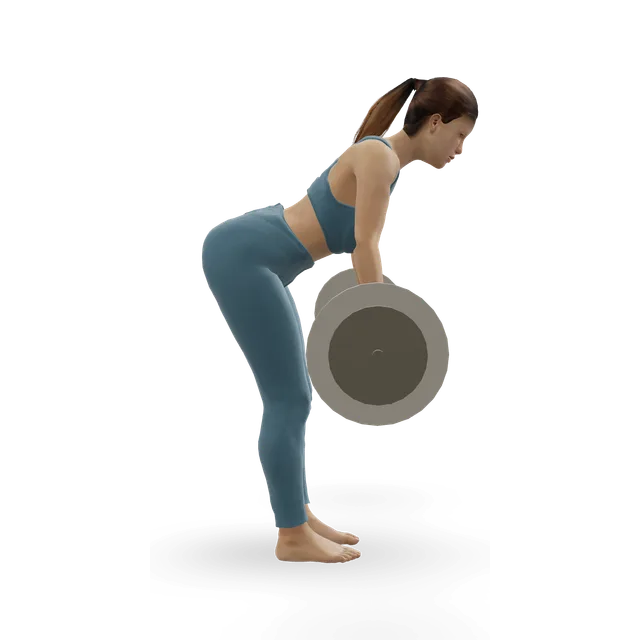
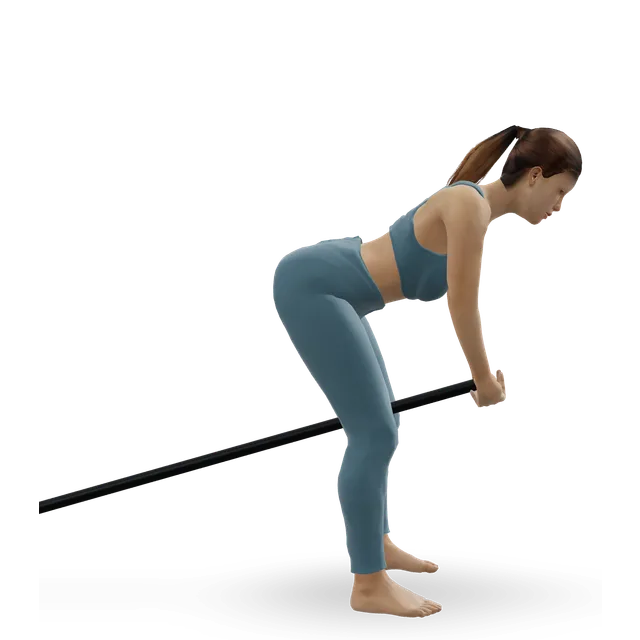
A bent-over row is two skills at once: holding a hip hinge and rowing a weight to your body. Soften your knees, push your hips back until your torso is between about 45 degrees and horizontal with a flat back, then pull the bar to your lower ribs and lower it to straight arms, without your torso rising.
The research on rows is small: lab studies of a handful of lifters. They agree on one useful thing: the bent-over row asks more of your lower back than supported rows do. We found no study of torso angle, the Pendlay row or injuries, so much of the usual advice is coaching judgement, and we say so.
This guide covers the set-up, torso angle, grip and elbows, the Pendlay, underhand and dumbbell versions, your lower back and the chest-supported swap, and the ladder from supported rows to the barbell, with a 3D demo of every step and the warning signs to act on.
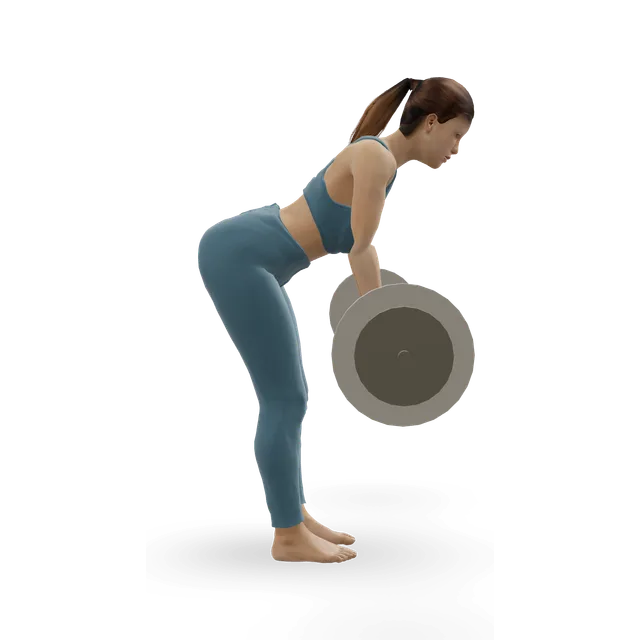
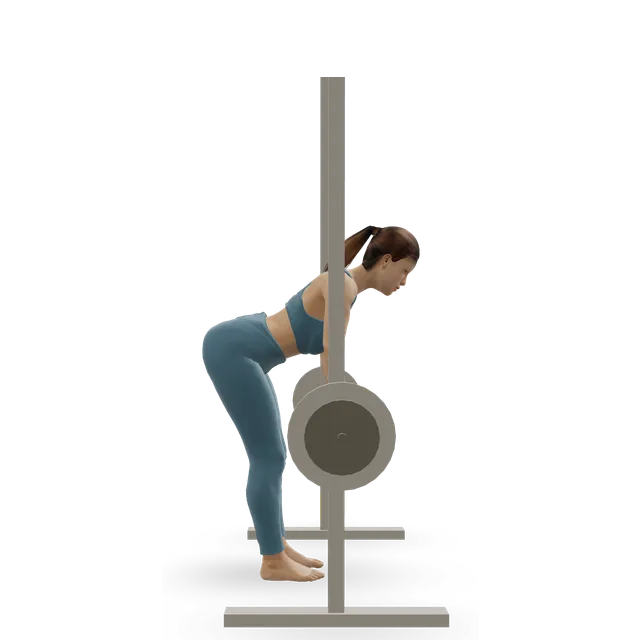
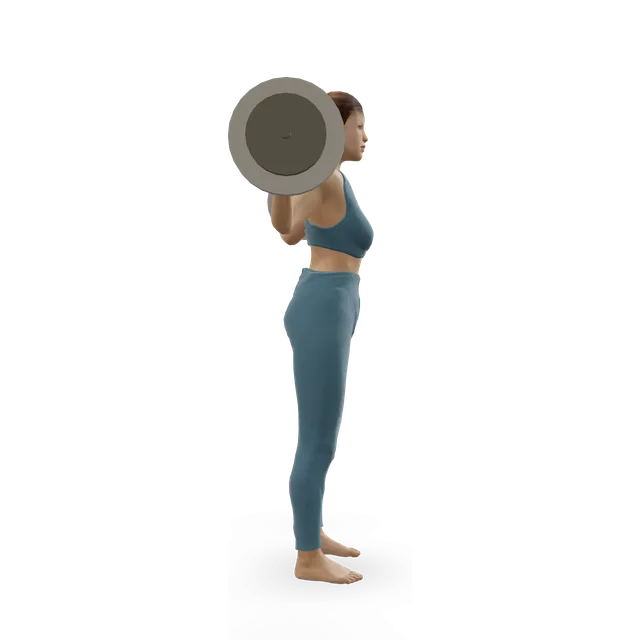
Soften your knees, push your hips back and bend forward with a flat back until your torso is between about 45 degrees and horizontal, arms hanging. Pull the bar to your lower ribs or upper belly, then lower it to straight arms.
The American Council on Exercise (ACE) keeps your back straight throughout. Hold the same torso angle for the whole set and don't jerk your torso up to lift the bar: when it starts rising and each rep becomes a heave, the set is over, as our move page says.
Of three rows measured in 7 men, the bent-over row put the largest load on the lower spine, and in 15 trained men it worked the lower-back muscles about a third more than a machine row. That's training for your back, and it's also why your lower back can tire first.
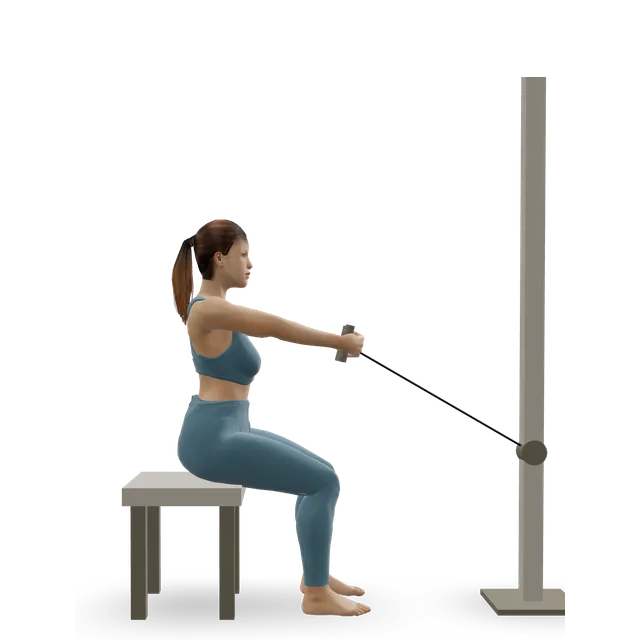
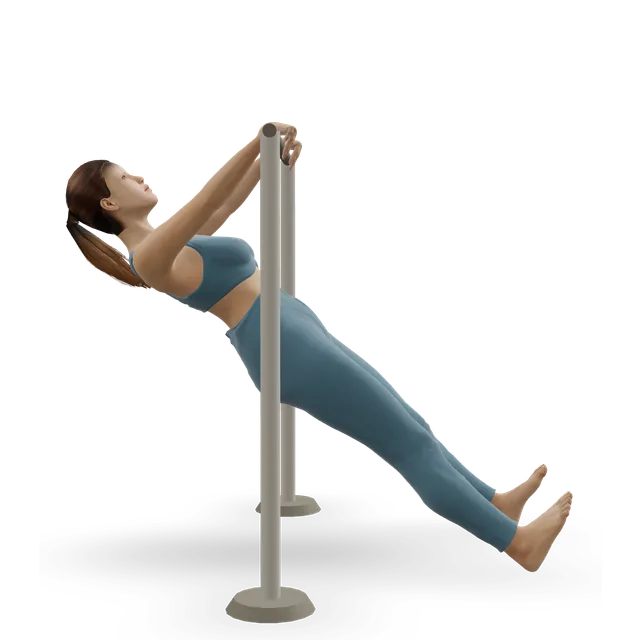
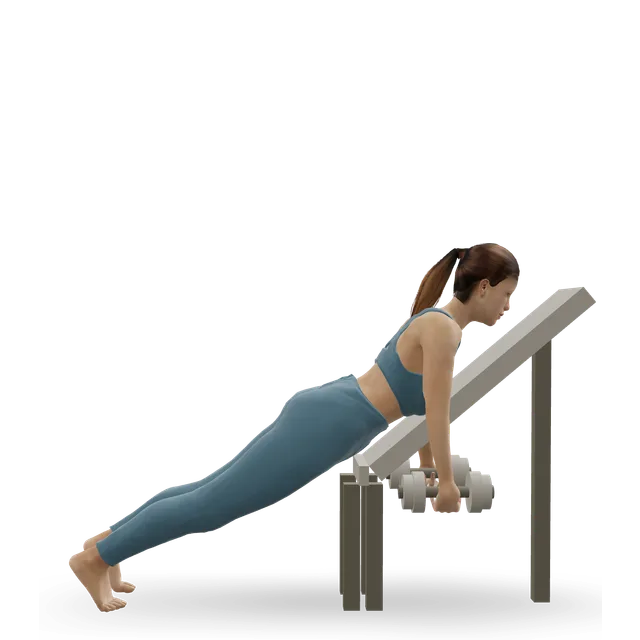
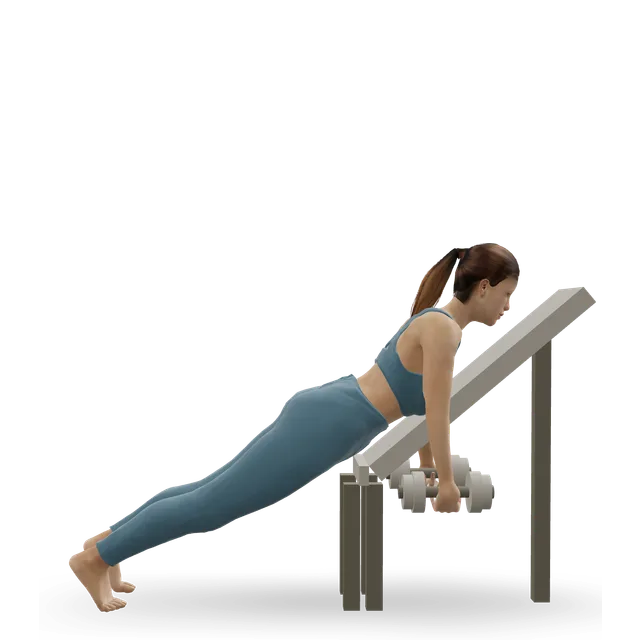
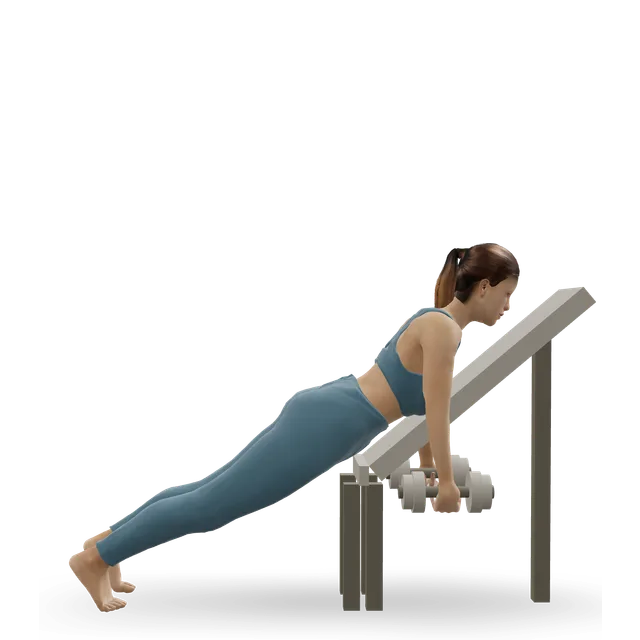
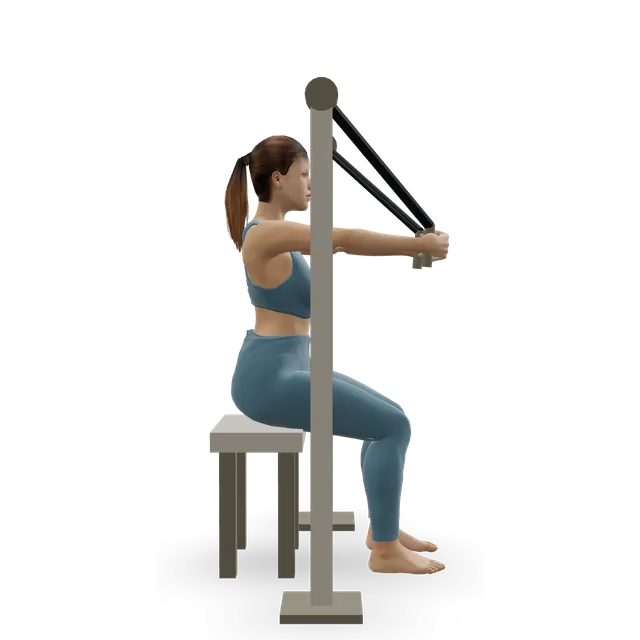
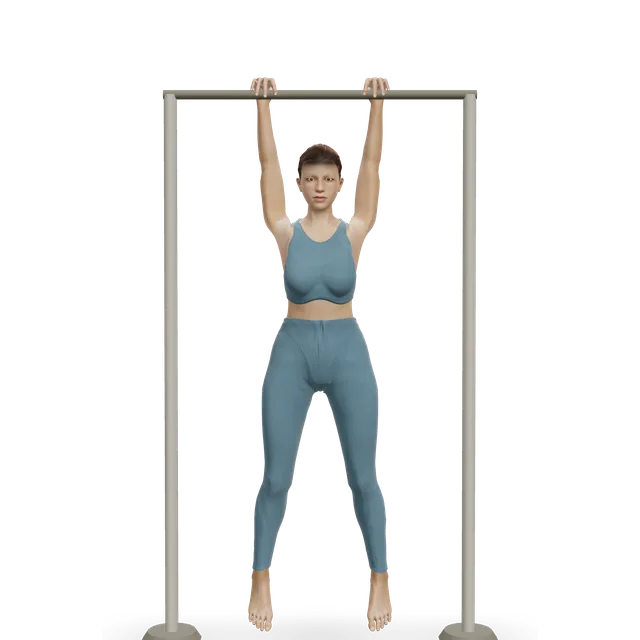
The chest-supported dumbbell row, the seated cable row and the inverted row train the same pulling muscles without the bent-over hold. Of the three rows tested in one lab study, the inverted row loaded the lower spine least.
A row with your trunk bent forward and unsupported, so your back and hips hold the hinge while your arms and upper back pull. ACE rates the barbell bent-over row an advanced exercise.
The lats, the trapezius and rhomboids between your shoulder blades, the rear shoulders and the biceps do the pulling, and the lower-back muscles hold you in place. Across studies of pulling exercises, where your elbows went changed lat activity more than the grip did.
On our exercise pages the barbell row sits in the harder group of the row family, after band, cable, supported dumbbell and inverted rows, because it needs a hip hinge you can hold while you tire.
What the evidence says
The bent-over row loads the lower spine mostEmerging evidence
In 7 men comparing a standing bent-over row, an inverted row and a one-arm cable row, the bent-over row produced the largest load and stiffness in the lower spine, with high back muscle activity on both sides. The inverted row drew the most lat and upper-back activity with the least spine load, and the one-arm cable row challenged the trunk's resistance to twisting most.
Grip and elbows change muscle use a littleMixed evidence
In one study, a bent-over row grip 1.5 times shoulder width drew more lat activity than a shoulder-width grip. In seated rows, a narrower grip with the elbows lower favoured the lats, and a wider grip the trapezius and rear shoulders. The studies are small and the differences modest.
Actively pulling the shoulder blades back didn't change activity in the middle trapezius and rhomboids during seated rows, in a small study of held positions.
In 16 trained men doing a chest-supported barbell row, lat activity was highest in the top half of the range. Full rows are still the default: a full range builds more strength.
The type of equipment matters less than doing the workStrong evidence
In a 2026 overview of 137 reviews by the American College of Sports Medicine (ACSM), the type of equipment didn't consistently change strength or muscle gains. Strength rose most with heavier loads, a full range, 2 to 3 sets and at least two sessions a week.
We found no study of torso angle in the bent-over row, no study of the Pendlay row and no study counting injuries from any row. The studies here measured muscle activity or spine load in small groups, and muscle activity readings don't predict which exercise builds more muscle.
From ACE's bent-over row and our move page ("Do not jerk the torso upward to lift the bar"). The rack, the neck position, the moving shoulder blades and setting the bar down between sets are editorial.
Take the bar from a rack at about thigh height, or deadlift it up from the floor, with collars on.
Grip it palms down, about shoulder-width or a little wider, so your wrists, elbows and shoulders line up.
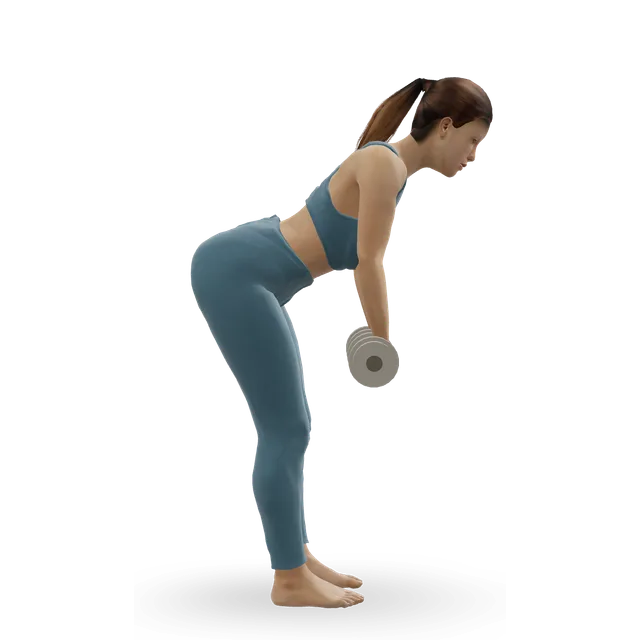
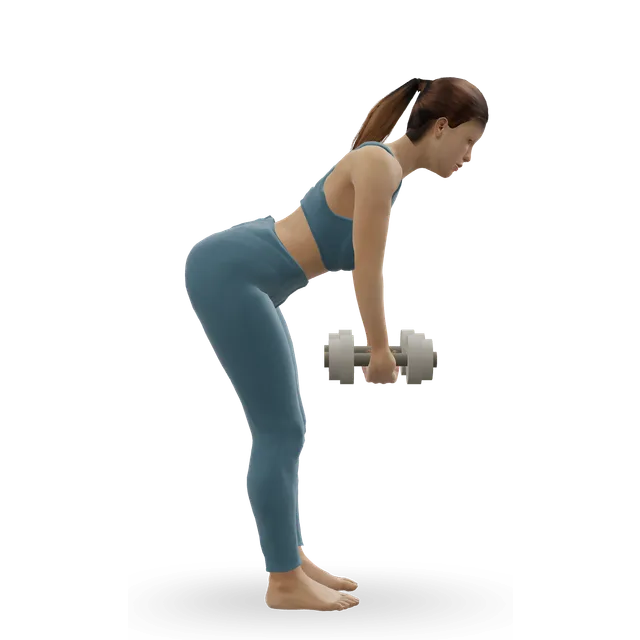
Soften your knees, push your hips back and bend forward with a flat back until your torso is between about 45 degrees and horizontal, arms hanging straight down. Keep your weight over the middle of your feet and your neck in line with your back.
Brace, then pull the bar to your lower ribs or upper belly, your elbows travelling back past your trunk and your shoulder blades sliding back.
Lower the bar under control to straight arms, letting your shoulder blades come forward a little.
Keep your torso at the same angle every rep, and don't jerk it upward to lift the bar. When you can't hold the hinge, the set is over.
Set the bar down between sets rather than standing holding it.
Loading the 3D figure…
Drag to turn
Gets into position, then repeats the movement. Technical checks passed; qualified exercise review is pending.
That's the move page's range. The further forward you lean, the longer the lever of your trunk and the bar on your lower back, and the more the row works your upper back rather than your shoulders and upper trapezius (our editorial view, from the physics). About 45 degrees is a reasonable start.
Pick one and keep it
Choose an angle you can hold for the whole set. The usual failure is your torso creeping upright until each rep is a heave: lower the weight, or finish with a chest-supported row.
Where the bar touches
Your lower ribs or upper belly; ACE says towards your belly button. Pulling higher, to your chest with your elbows flared, shifts the work to your upper back and rear shoulders (our editorial view).
Some row near horizontal, Pendlay-style; many gym guides use about 45 degrees. Some pull to the lower chest, others to the belly button or the lower ribs. We found no study of torso angle, so pick a version you can hold strictly and progress it (our view).
Grip and elbows
Width
About shoulder-width or a little wider, as ACE advises. In one study a grip 1.5 times shoulder width drew more lat activity than a shoulder-width grip, so experiment within that range.
Overhand is the standard bent-over row. An underhand grip brings your elbows closer to your sides, and in pulldowns a palms-up grip worked the biceps more. The Yates row is an underhand row with a more upright torso.
Elbows back towards your hips, close to your sides, favour the lats; flared out to the sides, they favour the upper back and rear shoulders, as in studies of seated rows. Where your elbows go matters more than which way your palms face.
Fine if your grip gives out before your back does (our editorial view).
Your lower back, and the chest-supported swap
Why your lower back tires
Holding the hinge is hard work: the bent-over row loaded the lower spine most of three rows tested, and it worked the lower-back muscles more than a machine row. Feeling those muscles work is normal; sharp pain or pain down a leg isn't.
A chest-supported dumbbell row, incline dumbbell row or lying T-bar row lets the bench do the job your lower back does in a bent-over row, and bench-supported rows lowered back muscle activity in a preliminary study of 3 people. The seal row, lying face down on a high bench with a barbell, belongs here too.
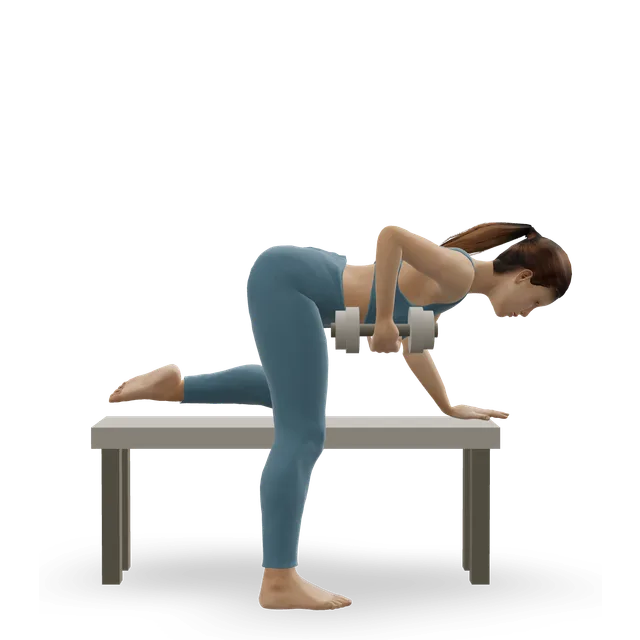
The one-arm dumbbell row with a hand and knee on a bench takes most of the load off your lower back. The seated cable row, a machine row and the inverted row remove the hinge altogether, and the inverted row loaded the lower spine least.
Rows are good back work. The UK consensus on osteoporosis advises avoiding postures with a lot of spinal rounding, so keep your back long, and use chest-supported rows if holding the hinge is hard.
A strict bent-over row where the bar starts on the floor every rep and your torso stays close to horizontal: you pull it fast to your lower chest, set it down and reset your back before the next rep. It keeps every rep honest. We found no study of it, so claims that it's safer or better are untested.
Underhand and Yates rows
Palms facing forward, elbows closer to your sides; the Yates row adds a more upright torso. The underhand row has its own move page.
Dumbbell rows
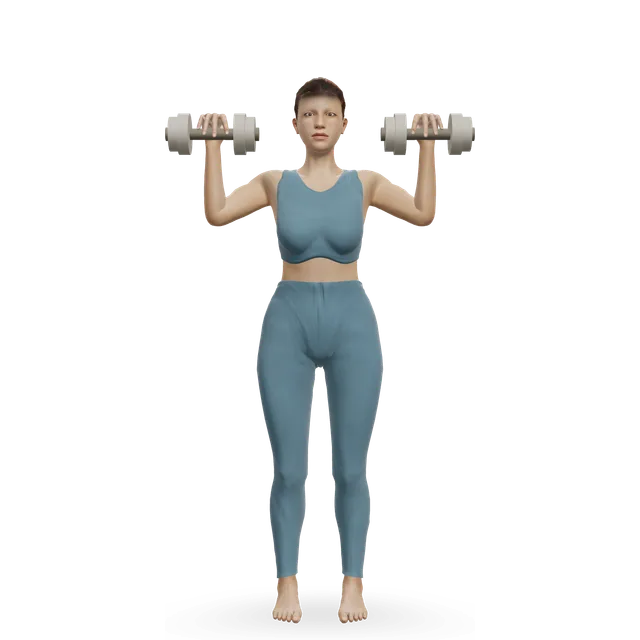
Two dumbbells bent over train the same hinge as the barbell, palms down or facing in, and a hospital shoulder programme uses bent-over dumbbell rows. One at a time, with a hand and knee on a bench, takes most of the load off your lower back.
The same unsupported hinge, with a handle or a fixed bar path.
Seated cable and inverted rows
Upright or hanging, without the hinge. The cable stack also lets you add weight in small steps.
Your bent-over row progression: from supported rows to the barbell
Step 1: hold the hinge
Hinge practice, 2 sets of 8, then 2 holds of 20 to 30 seconds at about 45 degrees with a flat back. Move on when you can hold it for 30 seconds without your back changing (our editorial check).
Step 2: a band, cable or inverted row
3 sets of 10 to 15 with a band (our editorial starting point); the seated cable row for 3 to 4 sets of 8 to 12 and the inverted row for 3 to 4 sets of 6 to 12, the move pages' doses. Move on at 3 sets of 12 smooth reps with your shoulder blades moving.
Step 3: a supported dumbbell row
The chest-supported row for 3 to 4 sets of 8 to 12, stopping about 2 reps short of failure, or the one-arm row for 3 sets of 8 to 12 each side, the move pages' doses. Move on at 3 sets of 12 at a moderate weight without twisting.
Step 4: the bent-over two-dumbbell row
3 sets of 8 to 12, stopping 2 or 3 reps short of failure, as in our full-body dumbbell workout B. Move on at 3 sets of 10 with the hinge held every rep.
Step 5: the barbell row
3 sets of 8, as in our beginner strength programme's first two weeks, adding 1 to 2.5 kg a session; later 3 to 4 sets of 6 to 10, stopping about 2 reps short, as in our pull day workout. Keep adding weight while your torso holds its angle on every rep.
After that
Pendlay-style rows from the floor, underhand rows, T-bar rows, and pull-ups for the same muscles from another angle.
Where coaches disagree
Some teach the barbell row from day one with the empty bar; others start with supported rows. Supported rows build the pull without the hinge, which suits beginners and anyone whose lower back tires first (our view).
We found no trial of row strength over time. In 14,690 people training once a week, strength rose 30 to 50% in the first year before levelling off. Our estimate, not a trial result: the empty bar for 3 sets of 8 is comfortable for most beginners after a few sessions of supported rows.
Our beginner strength programme rows in workout A, and pull-ups or pulldowns count towards the same muscles. In the ACSM's overview, strength improved most with at least two sessions a week.
3 sets of 8 in our beginner strength programme's first two weeks, later 3 to 4 sets of 6 to 10, the move page's dose. Supported rows suit 3 to 4 sets of 8 to 12.
How hard
About 2 RIR (reps in reserve: how many more you could have done), as our move page and pull day workout advise, and the set ends when you can't hold the hinge. Training to failure isn't needed for muscle growth, and people misjudge their reps in reserve by about one.
About 2 minutes for the barbell row, as in our pull day workout, and about 90 seconds for supported rows. In 21 trained men, 3-minute rests built more strength than 1-minute rests.
1 to 2.5 kg a session on the barbell row while every rep holds its angle, as our beginner strength programme does; reps, then weight, for dumbbell rows.
Common mistakes and how to fix them
Your torso rising as the set goes on
Each rep becomes a heave. Lower the weight, or finish the set with a chest-supported row.
A rounding back
The bent-over row already loads the lower spine more than other rows. Hinge with a flat back from the hips, and take some weight off.
It strains your neck. Keep your neck in line with your back and look at the floor a little ahead.
Standing holding the bar between sets
Your back tires before the set starts. Set it down.
Rowing through lower-back pain
Pain is a reason to change the row, not to push through. Swap to a chest-supported, one-arm supported or seated cable row.
Who should change the bent-over row
Back pain or a disc flare
While it's irritable, use the chest-supported, one-arm supported or seated cable row, and bring the bent-over row back as the pain settles (our suggestion, in line with our back pain guide). The bent-over row loads the lower spine most of the rows tested.
Our upper back pain guide's strengthening stage uses chest-supported and one-arm rows. The NHS advises seeing a GP for back pain that comes from between your shoulders.
Rows usually suit. Our shoulder impingement plan uses the chest-supported dumbbell row and the seated cable row, and a hospital shoulder programme includes bent-over dumbbell rows or a seated row machine.
Try dumbbells with your palms facing in, or a lighter load, and see our elbow guides (our suggestion).
High blood pressure, heart disease and eye conditions
If your blood pressure is controlled, low- to moderate-intensity strength training is safe: breathe out as you pull rather than holding your breath, use weights you could lift 10 to 15 times, and leave maximal lifts until you've had advice. With glaucoma or diabetic eye disease, ask your specialist before lifting heavy, and keep sets short.
Follow our pregnancy guide and breathe out on the effort. A seated cable row or one-arm supported row avoids lying on your front as your bump grows (our suggestion).
The row ladder: from the hinge to the barbell
Work up in order, moving on at the targets in the progression above.
If back pain comes with pain, tingling, weakness or numbness in both legs; loss of feeling around your genitals or anus; changes in your bladder or bowels, such as difficulty peeing, or peeing or pooing yourself; changes in how your penis or vagina feels during sex, or not being able to get or keep an erection or to orgasm; chest pain; or if it started after a serious accident. In the US, call 911.
If you have back pain and feel hot, cold, shivery or generally unwell, or the pain is severe, starts suddenly or is getting worse quickly. In the US, contact your doctor or urgent care.
If back pain doesn't improve after a few weeks of self-care, stops your day-to-day activities, worries you, is worse at night or not eased by rest, comes from between your shoulders, or comes with weight loss without trying, a lump or swelling, or a change in your back's shape.
For chest pain or pressure, unusual breathlessness, dizziness or fainting, or a racing or irregular heartbeat during exercise, as our plans advise.
Sore, or hurt?
Tired, achy back muscles after a new session are common and fade within a day or two. Sharp pain, pain that gets worse during a set or pain that travels down a leg isn't: swap to a supported row and get checked if it doesn't settle.
Myths
"Bent-over rows are bad for your back"Mixed evidence
They load the lower spine the most of the rows tested, which is training for your back, not proof of harm, and no study has counted injuries. Keep the load honest and swap to a supported row when your back tires first.
"Squeeze your shoulder blades together and hold them there"Mixed evidence
Let them move: forward at the bottom, back as you pull. Actively squeezing them back didn't change mid-back muscle activity in seated rows, and our shoulder joint guide explains why the shoulder blade is built to move.
Between about 45 degrees and horizontal, with a flat back. The further you lean, the more your upper back works and the harder your lower back works to hold you; pick an angle you can hold for every rep.
Where should the bar touch in a bent-over row?
Your lower ribs or upper belly; ACE says towards your belly button. Pulling higher, with your elbows flared, shifts the work to your upper back and rear shoulders.
Overhand or underhand grip for bent-over rows?
Either. Overhand is the standard bent-over row; underhand brings your elbows closer to your sides and, in pulldowns, worked the biceps more. Where your elbows go changes muscle use more than which way your palms face.
How wide should my grip be on bent-over rows?
About shoulder-width or a little wider. In one study a grip 1.5 times shoulder width drew more lat activity than a shoulder-width grip, so experiment within that range.
What's a Pendlay row?
A strict bent-over row where the bar starts on the floor every rep, your torso stays close to horizontal, and you pull it fast to your lower chest, then set it down and reset. It's a good way to keep every rep honest; we found no study comparing it with other rows.
Why does my lower back hurt when I do bent-over rows?
The bent-over row asks a lot of your lower back: it loaded the lower spine more than two other rows in a lab study and worked the lower-back muscles a third more than a machine row. Lighten the load, keep the angle, set the bar down between sets or switch to a chest-supported row, and see our back pain guide if the pain persists.
Chest-supported row or bent-over row?
Both build your back. The chest-supported row lets you row hard without your lower back holding a hinge, while the bent-over row trains that hinge too. Use the chest-supported row when your back tires before your upper back does.
Are dumbbell or barbell rows better?
Both work. A one-arm row with a hand and knee on a bench takes most of the load off your lower back, and two dumbbells bent over train the same hinge as the barbell. The barbell lets you add weight in small steps.
Should I squeeze my shoulder blades together when I row?
Let them move: forward a little at the bottom, back as you pull. Actively pinching them back didn't change mid-back muscle activity in seated rows, and the shoulder blade is built to move.
Bent-over row or seated cable row?
The seated cable row trains the same muscles with your trunk upright and supported, and the weight stack adds load in small steps. Free-weight rows worked the lower-back muscles more, so choose by your goal and how your back feels.
How many sets and reps of bent-over rows should I do?
3 sets of 8 to start, as in our beginner strength programme, then 3 to 4 sets of 6 to 10, stopping about 2 reps short of failure. Add 1 to 2.5 kg a session while every rep holds its angle.
What can I do instead of bent-over rows with a bad back?
The chest-supported dumbbell row, one-arm supported row, seated cable row or inverted row all train the same pulling muscles without the bent-over hold. Of three rows tested in one lab study, the inverted row loaded the lower spine least.
Exercise education, not a personal prescription, and clinical review of these guides is pending. Check with a GP before starting hard training if you have a heart condition, chest pain, dizziness or breathlessness when active, and stop for sharp or increasing pain. Health disclaimer.