3D demo
Chest-supported T-bar row
Strength · Back, Biceps, Shoulders
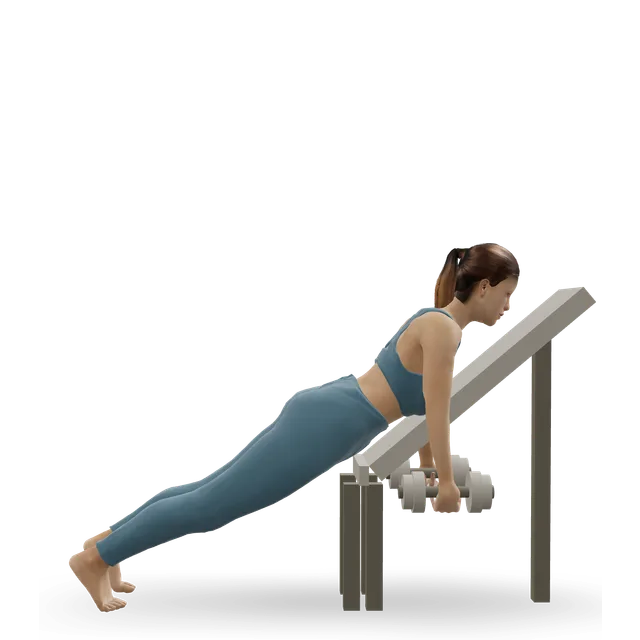
Loading the 3D figure…
The figure repeats the movement from its starting position. Drag to turn it; the arrows open the demos either side.
Lying face down on the pad of a T-bar row machine, the handles are rowed up from long arms: the T-bar row with the chest supported, so the low back is spared the bent-over hold, and the handles allow a palms-down, palms-up or palms-in grip. A free-weight row worked the low-back muscles more than a machine row in one EMG study, and the bent-over row gave the largest spine load of three rows in another.
Movement guide
Chest-supported T-bar row
Make it easier or harder
Choose a version that fits your control and comfort.
Easier option
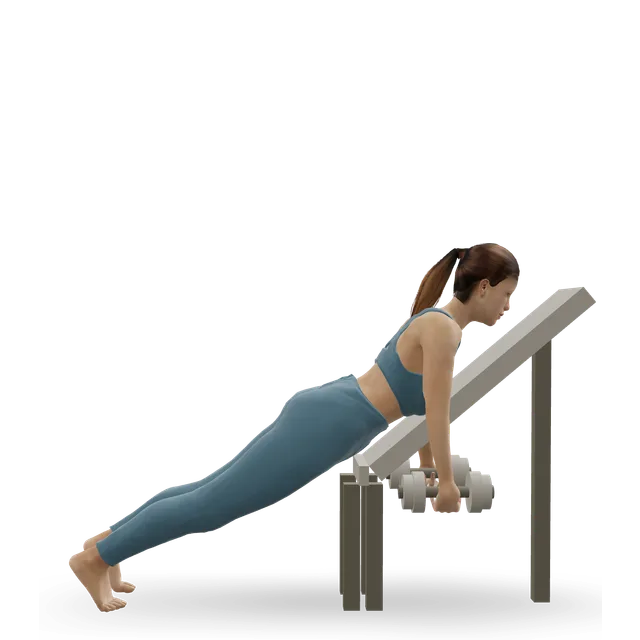 3D demoChest-supported dumbbell rowBeginner · A dumbbell + A bench or box
Similar move, beginner grade.
Harder option
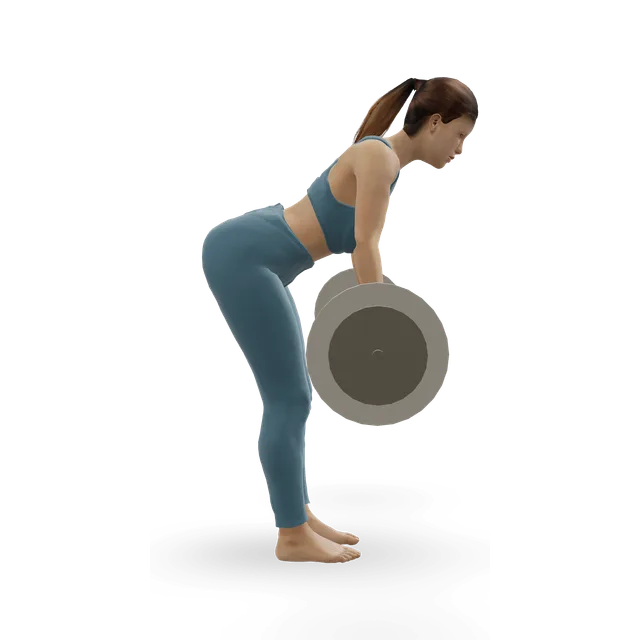 3D demoBarbell row standing on a benchAdvanced · A barbell + A bench or box
Similar move, advanced grade.
Source-researched guide.
Form cues
- Keep the chest on the pad; don't lift off it to heave the weight.
- Lead with the elbows.
Practice and cautions
2 to 3 sets of 8 to 12, stopping with 2 or 3 reps in reserve (our editorial starting point).
After heart surgery through the breastbone, or a heart or lung transplant, follow your surgeon's advice before pushing, pulling or lifting with your arms. This is movement education, not an assessment or treatment prescription. Stop for sharp or increasing pain, dizziness, numbness or tingling; seek individual guidance for symptoms, injury or restrictions.
Sources and review status
Sources support the educational description; they do not establish that this exercise is suitable for you.
- Saeterbakken 2015 · One- and two-arm rows compared: rowing one arm at a time worked the obliques harder, and a free-weight row the low back more than a machine row (EMG, Int J Sports Med) ↗
- Fenwick 2009 · Three rows compared: the inverted row drew the most lat and upper-back activity with the least spine load, the bent-over row the most spine load, and the standing one-arm cable row challenged twisting most (EMG and spine model, JSCR) ↗
- Free Exercise DB · community text ↗
Unlicense · Free Exercise DB contributors; derived from wrkout/exercises.json. Text import; no photographs or media. · Revision f00c92c7dcf1216a928a52c3706c7ce8e2f71ed5
No variation is labeled clinically validated.
What it works
Muscles
Main: Back. Also: Biceps, Shoulders.
Anatomy: Latissimus dorsi, Teres major, Trapezius, Rhomboids, Erector spinae, Multifidus.
Equipment
Strength machine
Level
Intermediate. See the easier and harder options above.
Pain guides that use it
Part of a staged plan, with when to get help first.
Guides that use it
Similar moves
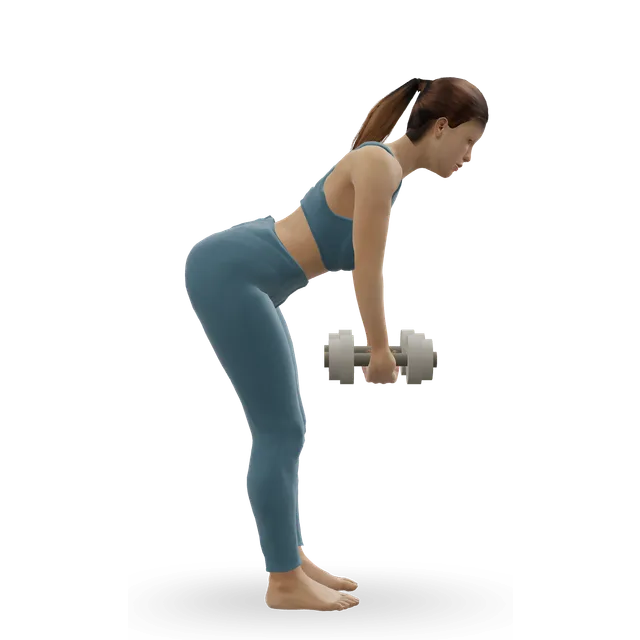 3D demoBent-over dumbbell row, palms inIntermediate · A dumbbell
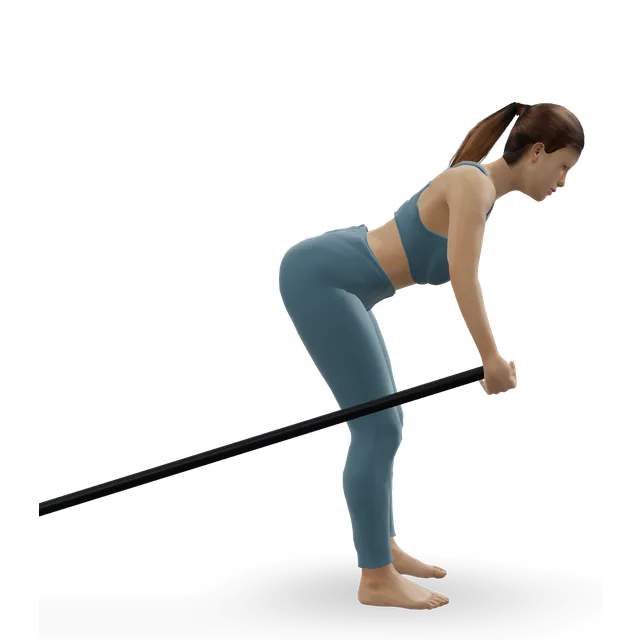 3D demoBent-over one-arm landmine rowIntermediate · A barbell
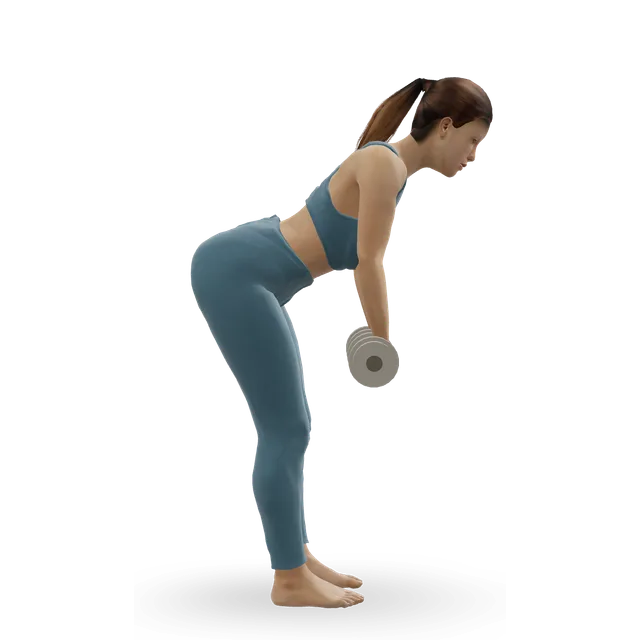 3D demoBent-over two-dumbbell rowIntermediate · A dumbbell
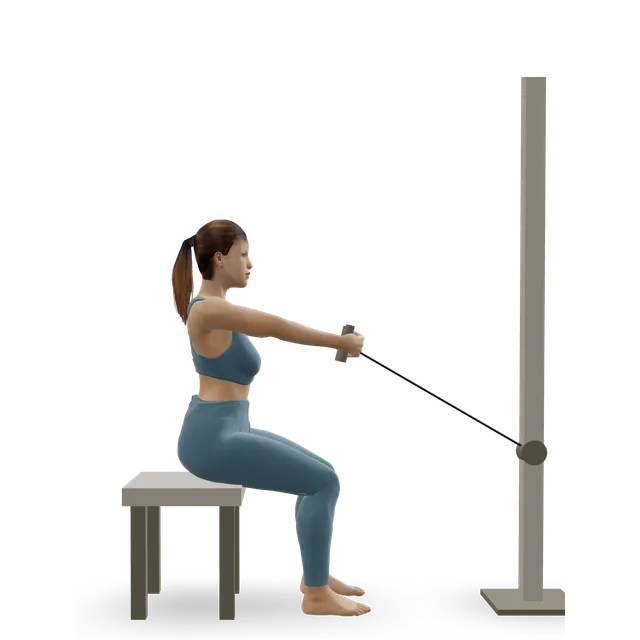 3D demoElevated seated cable rowIntermediate · A cable machine + A step
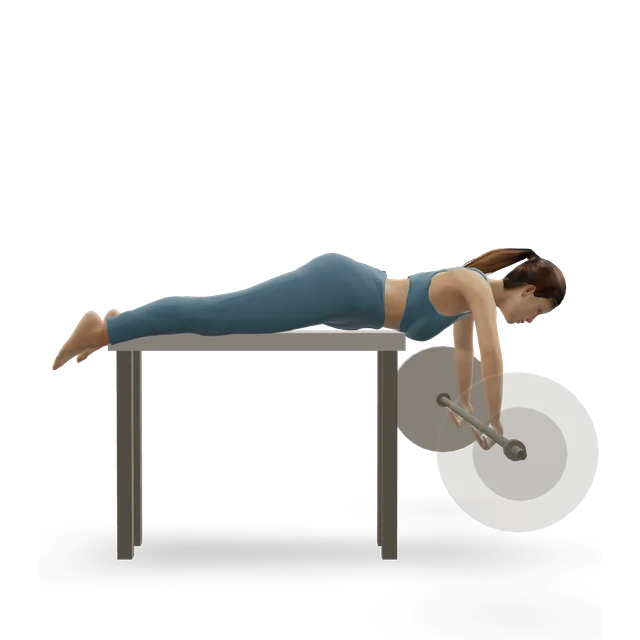 3D demoLying cambered bar rowBeginner · A barbell + A bench or box
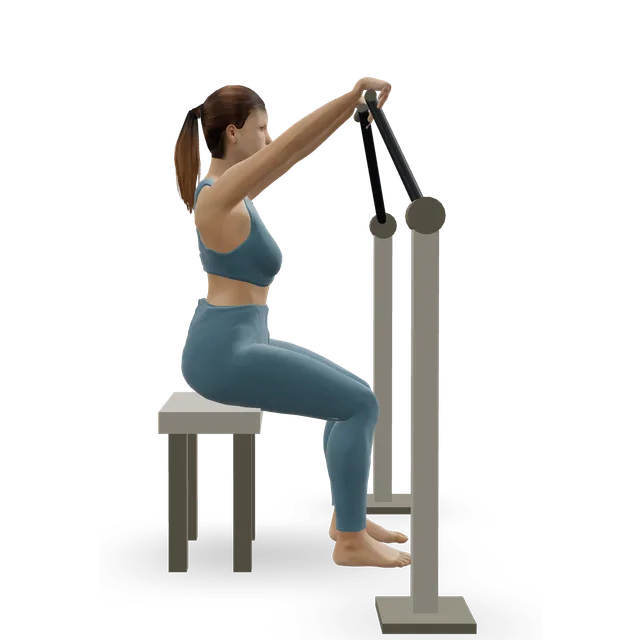 3D demoMachine high rowBeginner · Strength machine
Browse more
Questions people ask
What muscles does the Chest-supported T-bar row work?
Mainly the back, with help from the biceps and shoulders.
What equipment do I need for the Chest-supported T-bar row?
Strength machine.
Is the Chest-supported T-bar row good for beginners?
It is graded intermediate. If it is too hard right now, start with the Chest-supported dumbbell row.
What is an easier alternative to the Chest-supported T-bar row?
Try the Chest-supported dumbbell row or the Kneeling rope high row. It works similar muscles at a lower grade.
How do I make the Chest-supported T-bar row harder?
Progress to the Barbell row standing on a bench or the Bent-over barbell row. Follow that guide’s technique and any stated timing.