What a row asks of the elbow, and what no study has measuredEmerging evidence
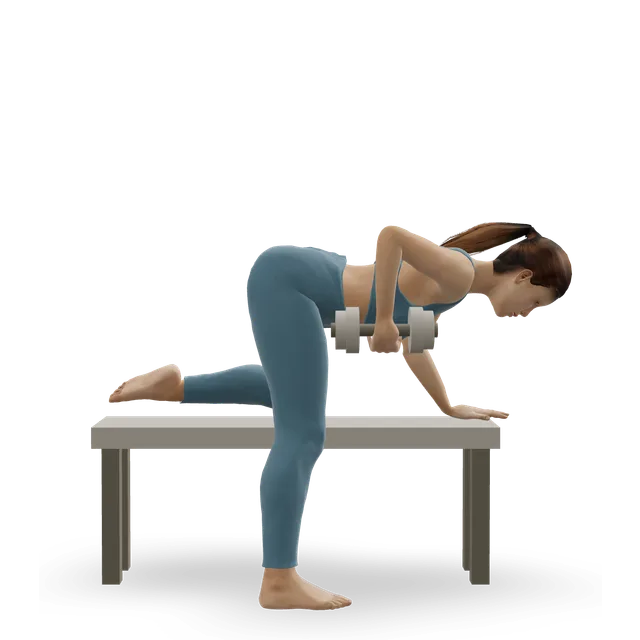
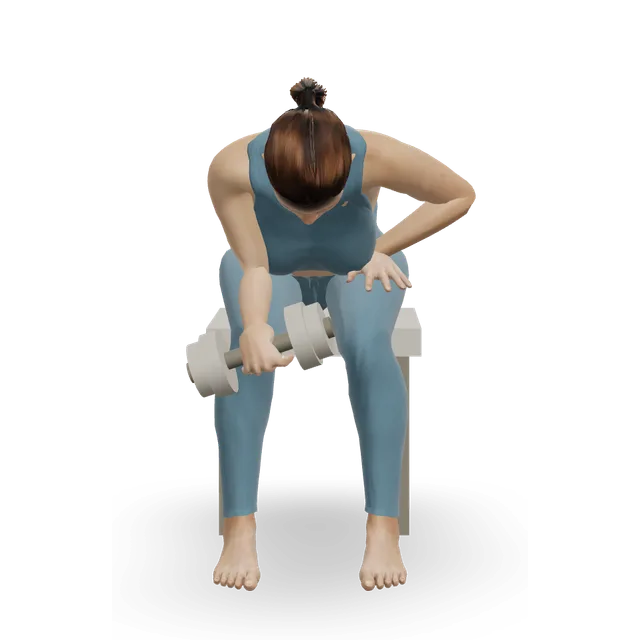
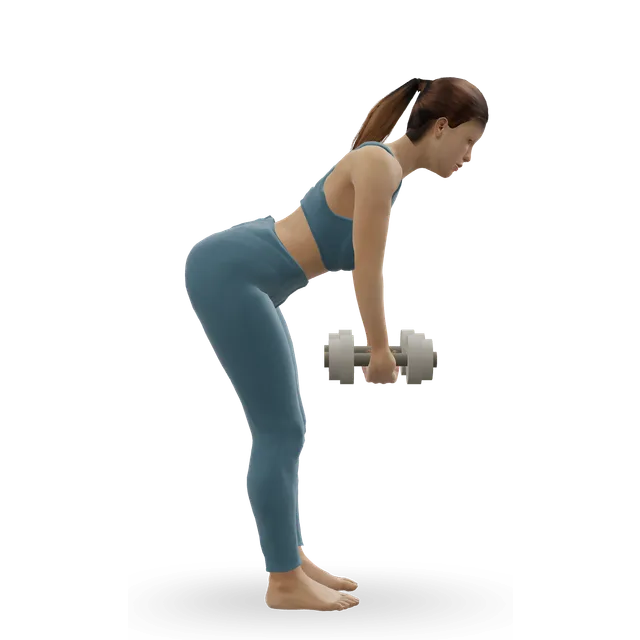
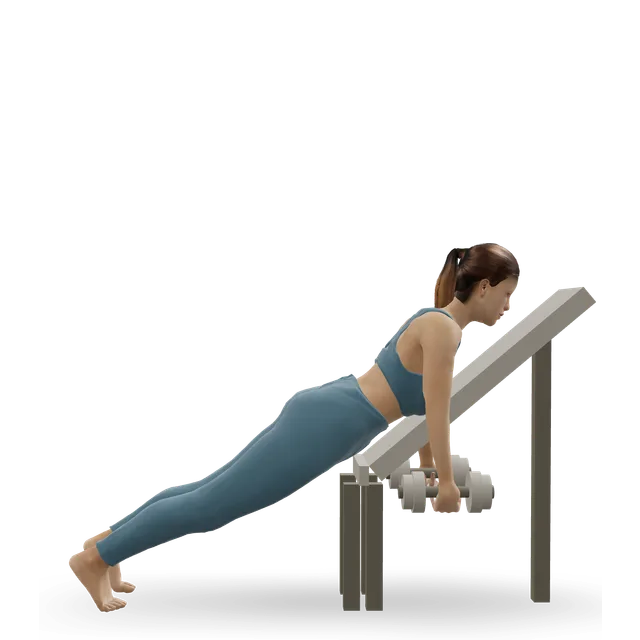
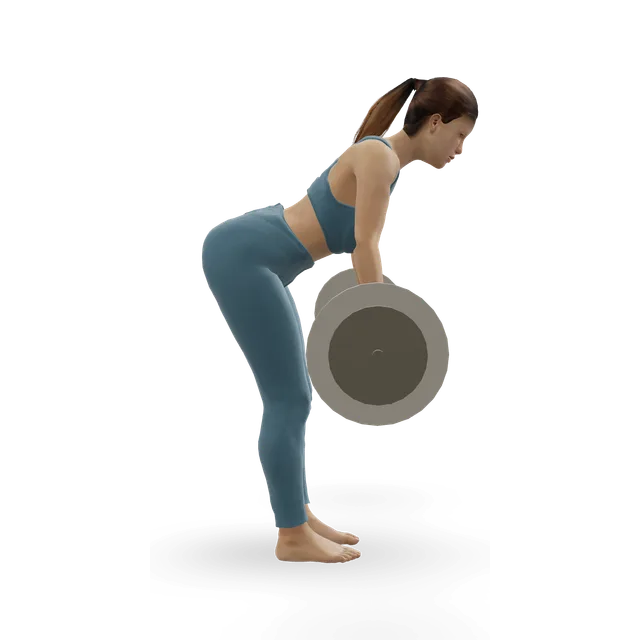
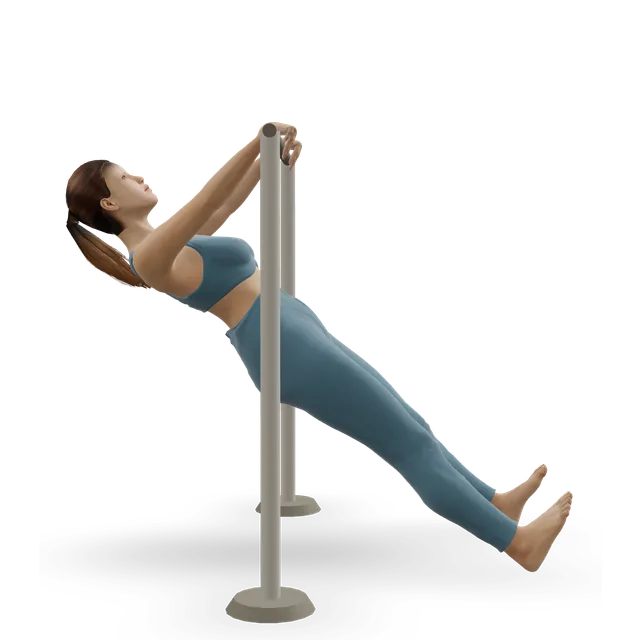
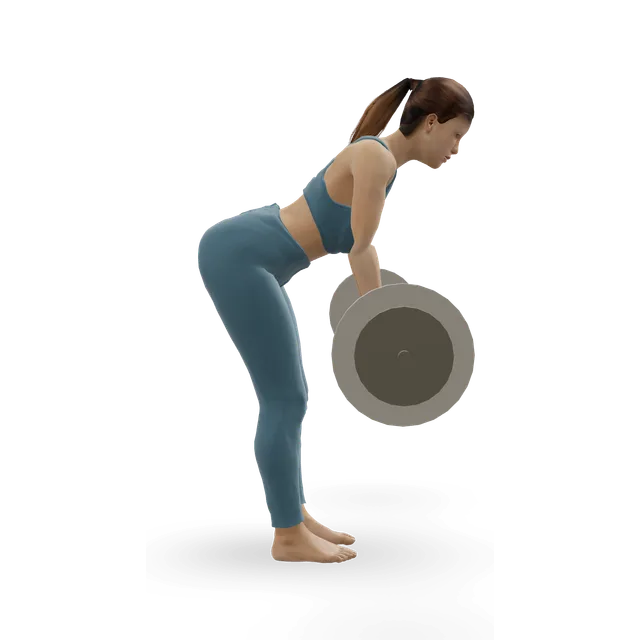
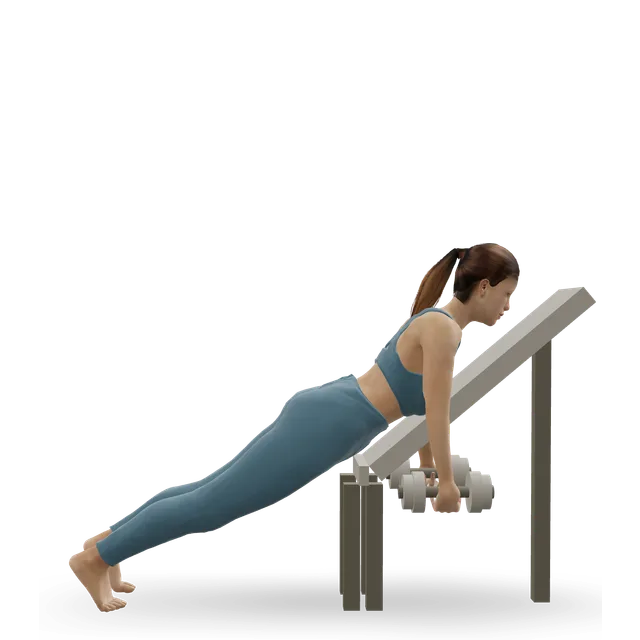
In every row your hands grip the bar, handle or dumbbell, your elbows bend under load to bring it to your trunk, and at the top they are bent deeply. The muscles that bend the elbow (the brachialis, the biceps and the brachioradialis) and the forearm muscles that grip and hold the wrist steady all work, and their tendons attach at the elbow: the gripping and wrist-lifting muscles on the outer bump, the wrist-bending muscles on the inner bump, and the biceps at the front.
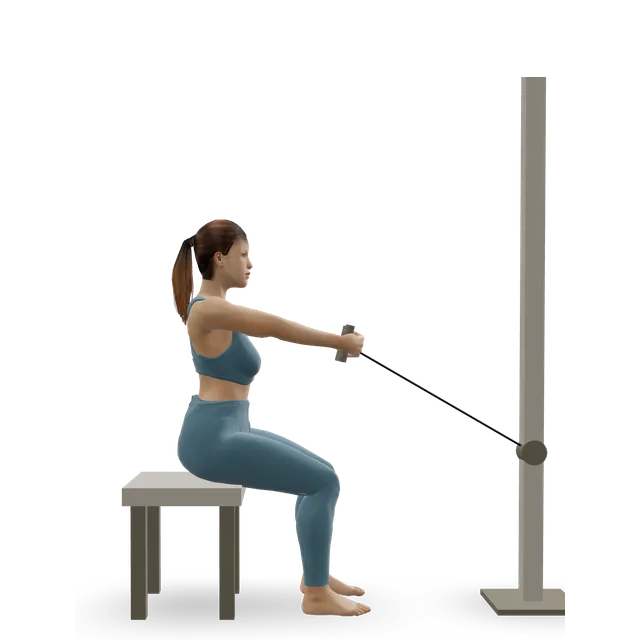
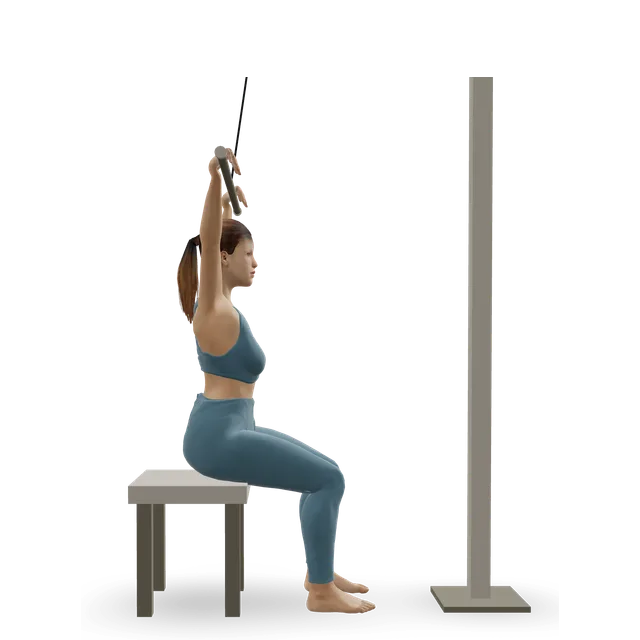
No study has counted elbow pain from rows, and we found no lab study that measured elbow loads, or forearm activity across grips, in any row; the only row study with forearm data used thick handles. Two studies measured the biceps in a seated cable row and disagree: in 21 recreationally trained adults (read as an abstract), palms up, palms facing and elbows out at shoulder height drew more biceps activity than palms down, while in 12 trained men holding positions, grip made no difference to the biceps. Studies comparing rows measured the trunk, not the arms. So the map on this page comes from curl, pull-up, pulldown and gripping studies, studies of the conditions, and NHS, NHS inform, British Society for Surgery of the Hand (BSSH) and American Academy of Orthopaedic Surgeons (AAOS) pages.
Sources 1, 2, 3, 4
The outside of the elbow: tennis elbow, the commonest pattern in our readingEmerging evidence
Pain on or just below the bony bump on the outside, sometimes into the forearm, worse gripping the bar, with an overhand grip, and in daily life lifting a kettle or turning a handle. The NHS describes pain around the outside of the elbow, most common between 35 and 54. In 4,783 Finnish adults aged 30 to 64, 1.3% had tennis elbow and 0.4% golfer's elbow, most often at 45 to 54, in men and women alike, with forceful and repetitive work strongly linked.
Grip matters here. When gripping, the wrist-lifting muscles worked harder than the wrist-bending ones at low to moderate effort, and always harder with the palm turned down; a bent wrist cut grip strength by 40% to 50% while the muscles kept working as hard. With the palm down, the brachioradialis takes a bigger share of bending the elbow. That is why overhand barbell and T-bar rows, a bent wrist and a crushing grip tend to provoke it (our reading; no study counts the causes).
Sources 5, 6, 7, 8
The inside of the elbow: golfer's elbowEmerging evidence
Pain on or just below the inner bump, spreading into the forearm, worse gripping hard and bending the wrist. A UK review says it is aggravated by gripping, bending the wrist and turning the palm down, and that up to 20% also have ulnar nerve involvement. The AAOS names weightlifting among its causes and says it usually affects adults between 40 and 60. NHS inform suggests changing how you grip or lift and reducing the weight you carry.
Sources 9, 10, 11
The front of the elbow: the biceps tendonMixed evidence
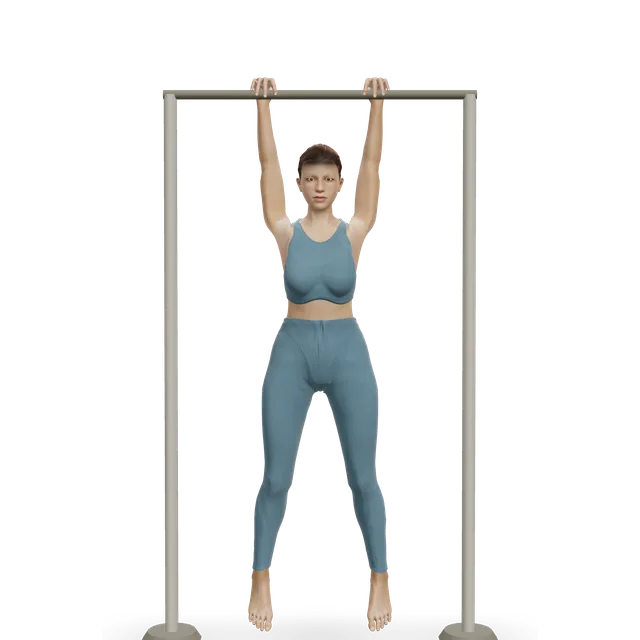
An ache in the crease, worse with underhand rows, chin-ups, curls and carrying, and turning the palm up against resistance, with no pop, is usually an overloaded biceps tendon, or occasionally the brachialis beneath it. In curls, a palms-up grip drew about 19% more biceps activity than palms down in 10 bodybuilders, and the chin-up drew more than the pull-up. In one seated cable row study, read as an abstract, palms up and palms facing drew more biceps activity than palms down; but in another seated row study, in pulldowns and across whole pull-ups, grip made little or no difference. So an underhand or palms-facing row may load a sore biceps tendon more than an overhand one, but the evidence is mixed.
Partial tears and tendon pain at the front of the elbow are usually treated without surgery first, though the studies are of low quality. A swelling in the crease with painful palm turning is rarely an inflamed bursa there.
Sources 12, 13, 2, 3, 14, 15, 16, 17, 18
A pop at the front of the elbow: a torn biceps tendon, which is rareStrong evidence
A sudden pop or snap during a heavy effort, then bruising, a gap at the front of the elbow, a bulge as the muscle bunches up the arm, and weakness turning the palm up. The AAOS says these tears happen in only 3 to 5 people per 100,000 a year, rarely in women, and that repair is ideally done in the first 2 to 3 weeks. A national estimate was about 2.55 per 100,000 a year, with 95% men, and smoking and a higher body weight linked; in one smaller study, smokers had 7.5 times the risk.
Two video studies changed the picture of how it happens. In 57 online videos, 98% of tears happened with the palm up and 89% with the elbow nearly straight, mostly during a held pull rather than while lowering; in 56 more, deadlifts were the commonest activity. In 183 strength athletes who had a repair, deadlifts and biceps curls led, and delaying surgery made the results worse. No tear during a row was found in these series; the nearest position in a row is the bottom of a heavy underhand row, with the palm up and the elbow nearly straight (our reading). A clinician can usually confirm a full tear by examination.
Sources 19, 20, 21, 22, 23, 24, 25
Tingling in the ring and little fingers: the ulnar nerveEmerging evidence
The nerve runs in a tunnel behind the inner bump. The BSSH says numbness or tingling in the little and ring fingers is usually the earliest sign, often brought on by leaning on the elbow or holding it bent. In 20 cadaver arms, bending the elbow fully narrowed the tunnel by 30% to 41% and raised the pressure in the nerve, and the pressures are lowest at about 40 to 50 degrees of bend. The top of a row, with the elbow sharply bent and squeezed back, loads it most (our reading), and so does sleeping with the arm bent.
The same nerve can be squeezed higher up, and NHS inform says elbow problems can come from the neck, often felt as pins and needles or a sharp, hot or burning pain.
Sources 26, 27, 28, 29, 30
The grip, the bar and the handlesEmerging evidence
Pain building through the forearm on heavy, long sets, especially with thick bars or Fat Gripz, is the forearm muscles and their tendons doing more: in 15 trained men, thick handles lowered the most they could lift and raised forearm muscle activity in the deadlift, the bent-over row and pull-ups. Straps ease the grip's limit, but a review found no consistent effect in pulling exercises, and they didn't raise maximum strength in lat pulldowns; no study has measured forearm tendon load or elbow pain with them. An even ache in the forearms and biceps a day or two after a new or harder session is muscle soreness, gone within about a week.
Sources 1, 31, 32, 33
Who gets itEmerging evidence
No study counts elbow pain from rows. Tennis and golfer's elbow are mid-life conditions in men and women, linked with forceful, repetitive arm work, smoking and obesity. In weight-training sports the elbow is among the commonly injured places, though only a few of the studies were at low risk of bias; in 71 bodybuilders, most injuries were in the shoulder, elbow, lower back and knee; in weightlifting and powerlifting the elbow isn't in the top three.
In our reading it mostly bothers people who row heavy and often, add volume quickly, use thick bars or a crushing grip, row overhand with a bent wrist, or have a manual job or racquet sport that loads the same tendons; and men in mid-life who smoke are the ones who tear the biceps tendon.
Sources 6, 34, 35, 36
When arm pain isn't the elbow
The NHS says elbow and arm pain is not usually a sign of anything serious. It makes arm pain that comes on suddenly with pressure, heaviness or squeezing across your chest a 999 call, and its heart attack page says chest pain may spread to the arm, neck and jaw. It sends an arm that tingles or feels numb to an urgent treatment centre or A&E, while its pins and needles page says see a GP if you keep getting it or it lasts a long time: sudden numbness, or numbness after an injury, is urgent; tingling that comes and goes with the elbow bent can wait for a GP.
Sources 37, 38, 39
When a scan or test matters, and how it usually goesEmerging evidence
Rarely does a scan help at first. Tennis and golfer's elbow and ulnar nerve symptoms are diagnosed from the story and an examination. A suspected full biceps tear is confirmed by examination, often with an ultrasound or magnetic resonance imaging (MRI) scan to plan the repair. Nerve tests are for constant numbness, a weak hand or wasting, and an X-ray for an injury, a fall or an elbow that won't straighten.
No study follows elbow pain from rows. NHS inform says most new elbow pain or flare-ups should begin to settle within 6 weeks. In the untreated or placebo groups of 24 tennis elbow trials, 89% had improved at a year, and the AAOS says 80% to 95% do well without surgery. With mild ulnar nerve symptoms, 89.5% had improved at 6 months after advice on positions to avoid. After a biceps repair, all 183 strength athletes in one series returned to sport. Golfer's elbow and biceps tendon pain have hardly been studied, so their outlook is borrowed from tennis elbow. No one can promise a date.
Sources 25, 30, 40, 41, 42, 24