Keep the arm working, and ease the grip that provokes itStrong evidence
NHS inform suggests "changing how you grip or lift an object. reducing the weight you are carrying. taking regular breaks while doing aggravating activities", and says "You don't need to be symptom free before you consider returning to work". The NHS says don't rest a repetitive strain injury for more than a few days, and NHS Lothian says "Continuing to use your arm will not cause long term damage".
The NHS tennis elbow page also says it "usually gets better after resting your arm for a few weeks", so health-service wording on rest is mixed. The fair summary is to ease off the grip that brings it on and keep the arm working.
Sources 2, 37, 4, 1
Handles, tools and the desk: sensible advice, not tested for elbow painEmerging evidence
NHS Lothian: "Try to use the minimal amount of force to grip objects", increase the grip size or reduce the weight of tools, and "Use a different mouse (e.g. a thumb mouse)". The Health and Safety Executive (HSE) recommends a power grip with the wrist near the handshake position, "a screwdriver handle with a flexible grip requires less force", handles long enough for the whole hand, and no narrow handles. Thicker helps only up to a point: in 61 healthy workers, grip force was highest with a handle about 3.8 cm across and fell with thicker ones, and a thin screwdriver handle made the wrist bend more.
For vibrating tools, the HSE says use low-vibration tools, shorter spells and no more grip than you need, and that vibration damage "is preventable, but once the damage is done it is permanent". No trial has tested handle or tool changes in people with elbow pain, and a review found no good evidence for workplace changes for tennis elbow.
Sources 4, 38, 39, 40, 41, 42, 7
Loading exercise is the main treatment, though the gains are smallMixed evidence
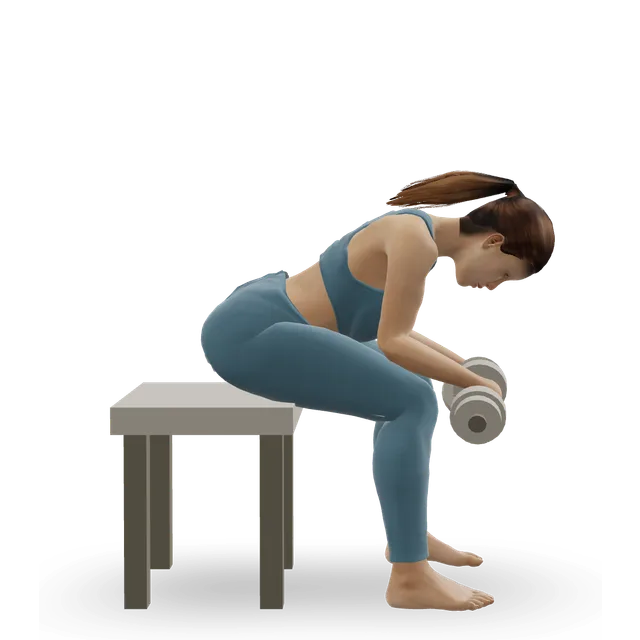
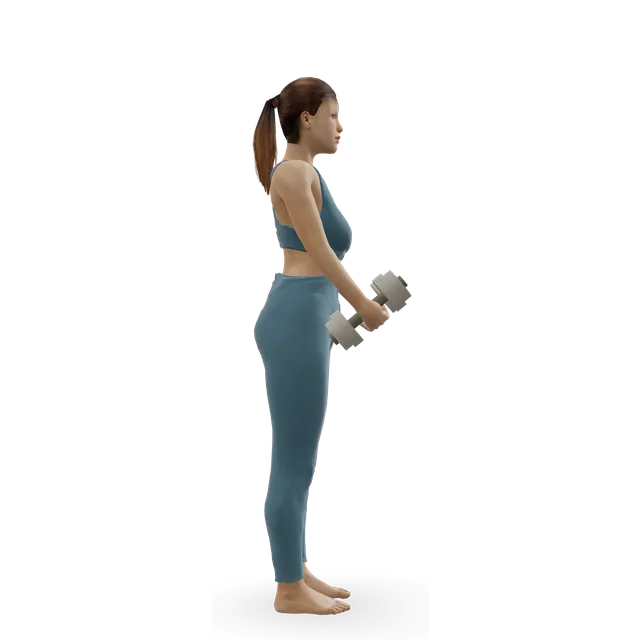
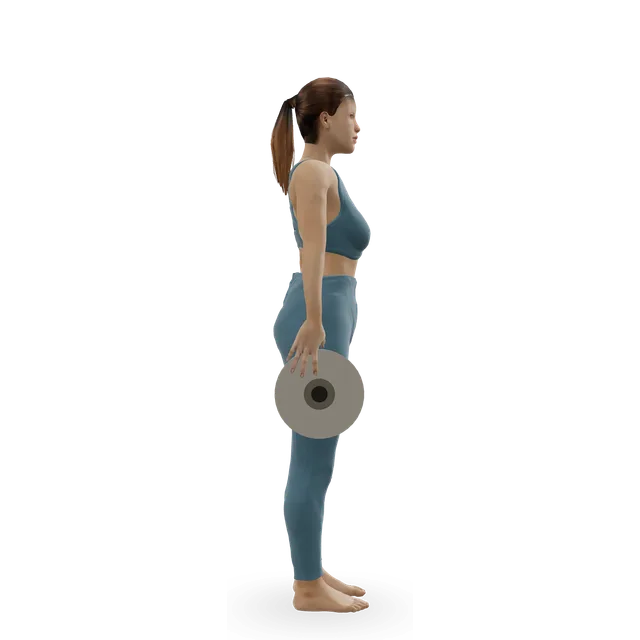
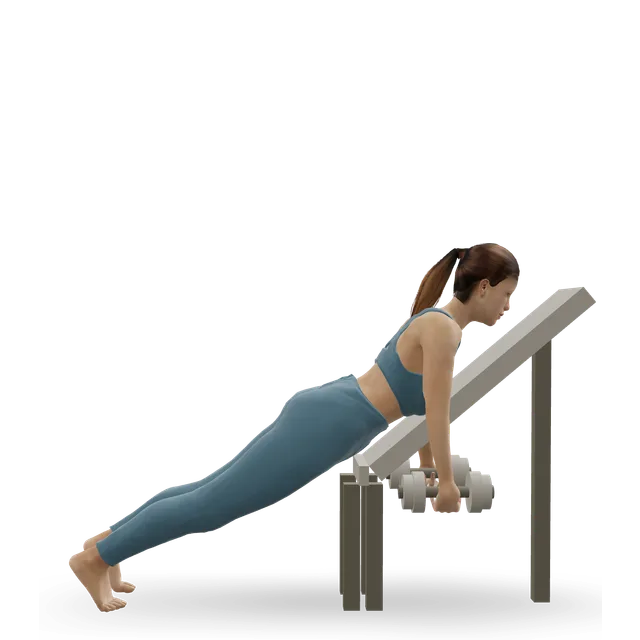
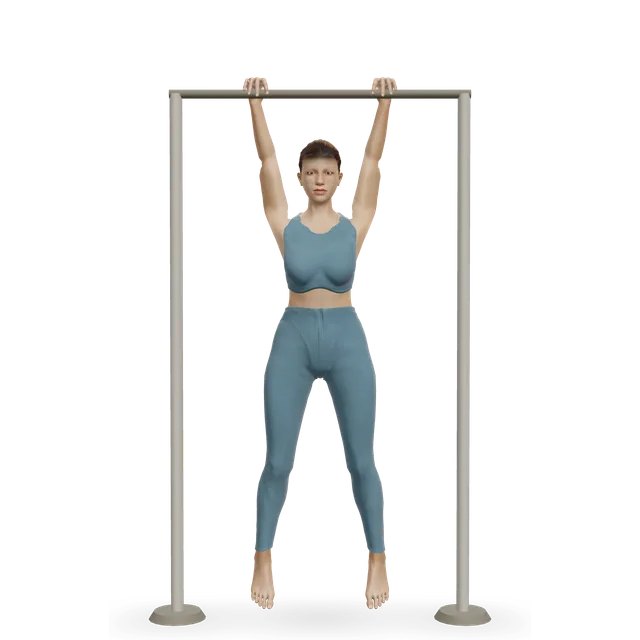
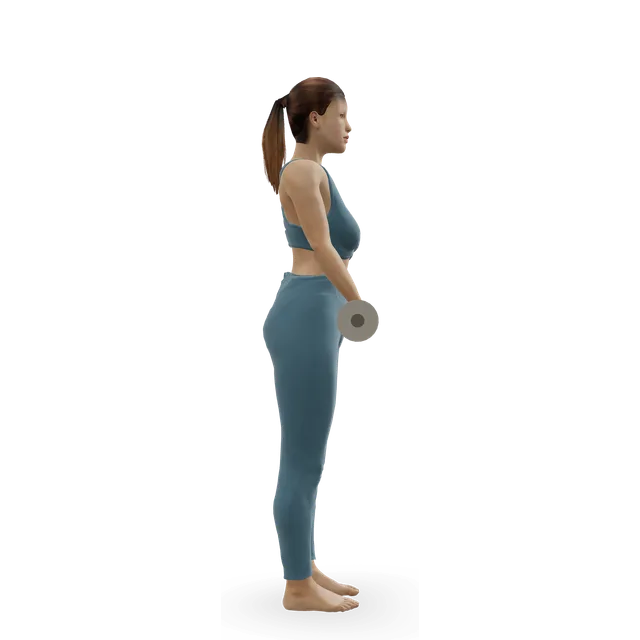
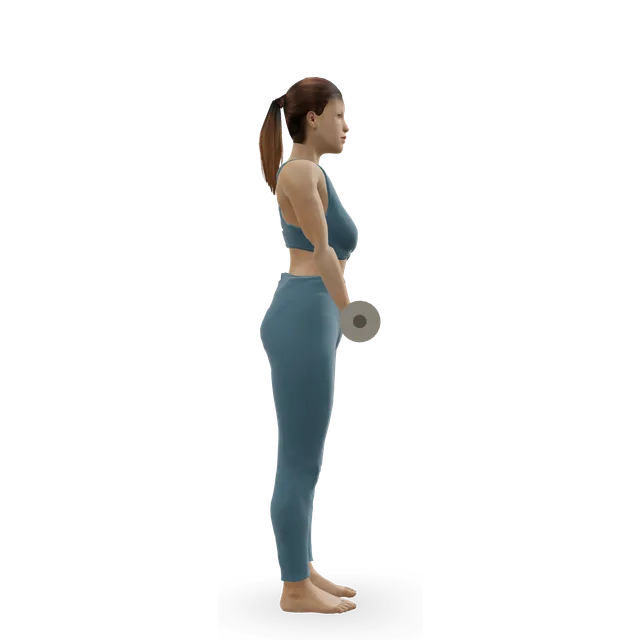
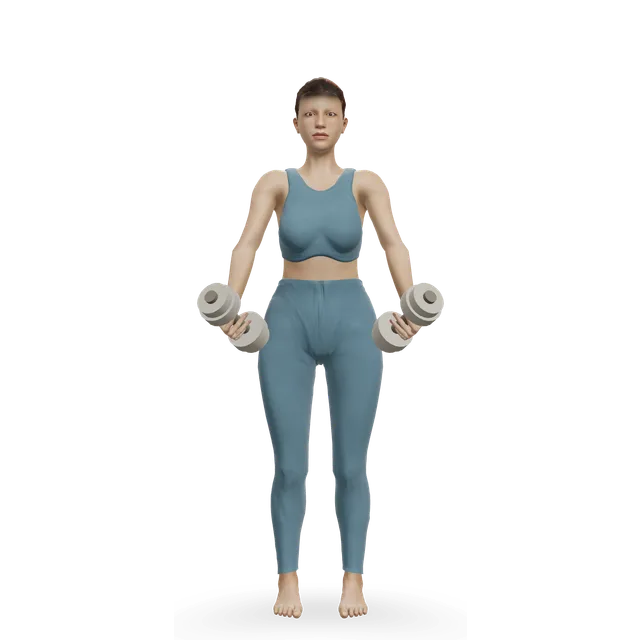
UK elbow surgeons say physiotherapy should be offered. A UK consensus suggests held contractions of up to 60 s, 5 times, once a day, and slow lifting and lowering, 3 sets of 10 to 15 once a day, for at least 6 weeks. Across 30 trials of 2,123 people, exercise did better than a steroid injection for pain-free grip at every time point, on low-certainty evidence.
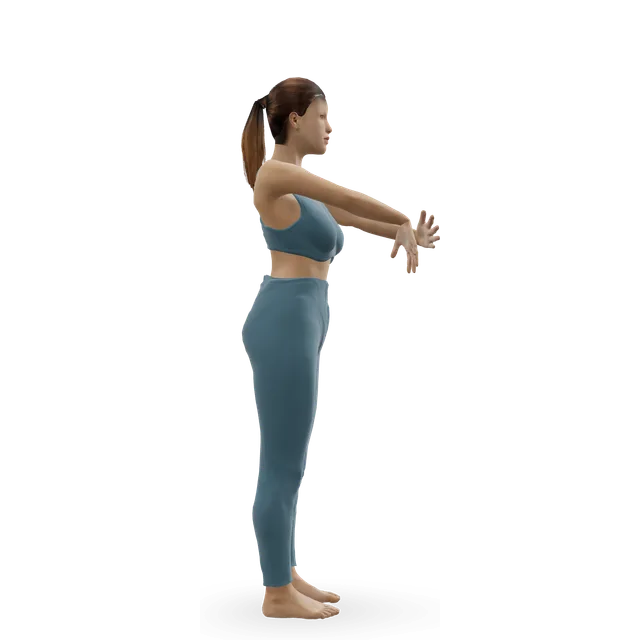
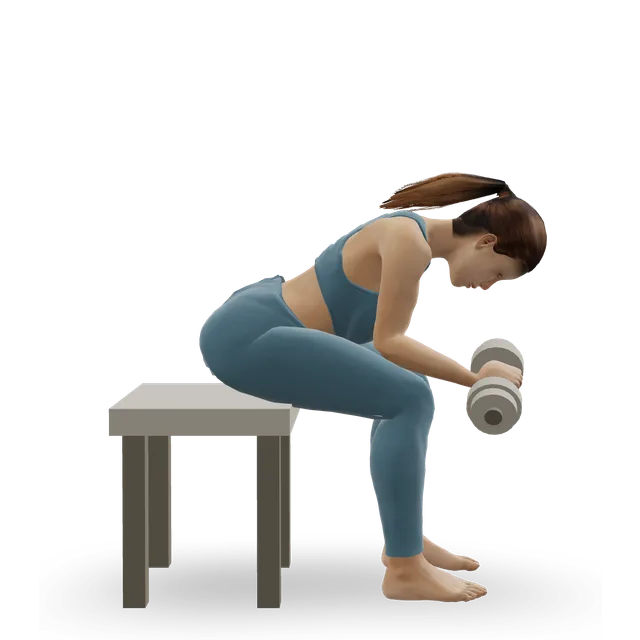
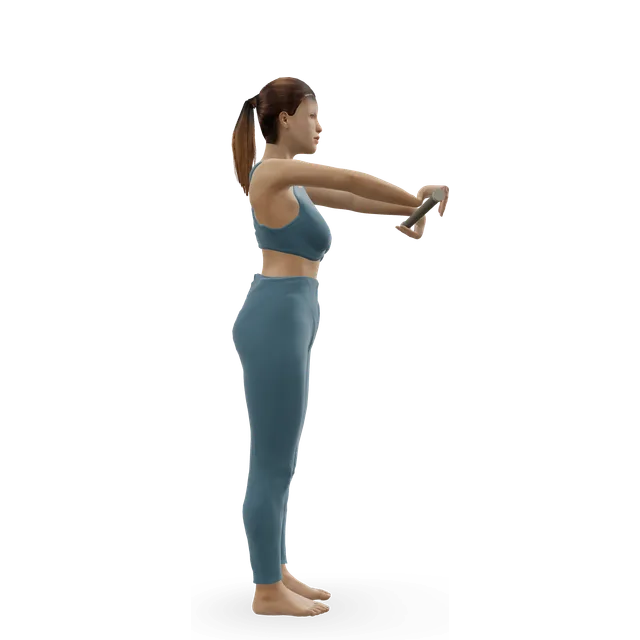
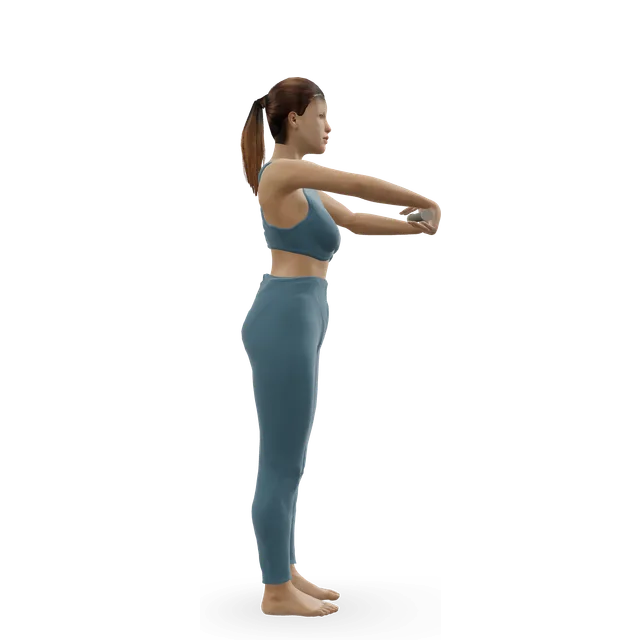
Against waiting it out, the gains are small: across 23 trials of manual therapy and exercise, benefits were small and didn't last, and in two trials people who had physiotherapy did no better at a year than those who didn't. NHS leaflets follow the same pattern: an NHS Scotland booklet's slow lowering, 3 sets of 15, and an NHS Borders leaflet's ball squeezes and hammer turns. Slow lowering eased pain a little faster than lifting in 120 people, home holds improved disability but not overall success in 40, and in one trial most people gave up heavy slow loading because it hurt. Stretching alone did about as well as stretching plus strengthening at 6 weeks in 94 people, so no single exercise has been shown to beat another.
Sources 30, 43, 44, 45, 28, 46, 50, 51, 47, 48, 49, 64
Golfer's elbow and the ulnar nerve: thinner evidenceEmerging evidence
For golfer's elbow, a review found 5 small studies of slow-lowering exercise in 143 people, with one trial showing a clear advantage. NHS leaflets use slow-lowering wrist curls (NHS inform: "Do 3 sets of 12, once a day") and stretches.
For the ulnar nerve, information about which positions to avoid comes first: in 70 people, 89.5% improved at 6 months, and a night splint or nerve glides added nothing to advice alone. UK hand surgeons suggest a headset for calls and pads or nothing under the inner elbow, and US orthopaedic surgeons say don't drive with the arm on the open window. Surgery is mainly to stop weakness and muscle wasting getting worse.
Sources 52, 53, 9, 34, 11, 12, 13
Steroid injections, platelet-rich plasma and shockwave: not recommendedStrong evidence
In a trial of 165 people with tennis elbow, 83% had recovered a year after a steroid injection against 96% after a placebo injection, and the pain came back in 54% against 12%. UK elbow surgeons say a steroid injection "should not be used" for tennis elbow, and NHS inform says it has "limited benefit" and "may be detrimental to the health of your tendon". For golfer's elbow, an injection helped at 6 weeks but not at 3 months or a year; for radial tunnel syndrome it was no better than salt water.
Platelet-rich plasma (PRP) and blood injections probably don't help more than a placebo injection (32 studies, 2,337 people, moderate certainty), and UK elbow surgeons say shockwave "should not be used".
Sources 46, 30, 2, 54, 15, 55, 13
Straps and braces: optional, and a placebo brace group improved tooMixed evidence
In a trial of 31 people with tennis elbow, a counterforce strap eased pain at rest more than a placebo strap at 2 to 12 weeks, and people rated their elbow function a little better at 26 weeks, but the placebo brace group also improved over time: pain, grip and function were better in both groups at 6 months and 3 years. Across 7 small crossover trials, a forearm strap eased pain while gripping straight away; wrist splints didn't.
UK elbow surgeons say braces "may not give benefit", and NHS Lothian says they are "usually only worn when carrying out activities that cause pain". For golfer's elbow, US orthopaedic surgeons say a strap "may occasionally cause more forearm pain" and suggest a wrist brace as an alternative.
Sources 56, 57, 58, 30, 2, 4, 59
Surgery: no better than a sham operation in one small trialEmerging evidence
In 26 people with tennis elbow followed for about 2.5 years, surgery did no better than a sham operation. UK elbow surgeons say people should know "there is no evidence of benefit compared to a placebo", and suggest referral if tennis elbow hasn't improved after 12 to 24 weeks of good care; the NHS mentions surgery after 6 to 12 months.
Sources 60, 30, 1
Racquets and clubs: expert advice and old studiesMixed evidence
US orthopaedic surgeons say "stiffer racquets and looser-strung racquets often can reduce the stress on the forearm", and suggest a smaller head if yours is oversized. In 16 players, a grip a quarter of an inch (about 6 mm) bigger or smaller than recommended made no difference to forearm muscle activity. In a 1979 survey of club players, changes in stroke technique and racquet helped stop it coming back, and a brace least. NHS Fife suggests getting "some professional advice about your technique". None of this has been tested in a trial.
Sources 61, 62, 63, 9