Pain guide · Elbow pain

Elbow pain when straightening your arm: the back of the elbow, tennis elbow, stiffness, what helps

Elbow pain when you straighten your arm is common, and without an injury it is usually tennis elbow, which can make the arm hard to straighten fully, or a sore tendon or a swelling at the back of the elbow. A stiff elbow that won't straighten all the way usually follows an old injury or arthritis. Painless clicking is common and isn't a sign of arthritis on its own.

This guide starts with the signs that need help today, from a 999 call or accident and emergency (A&E) to the National Health Service's 111 line (NHS 111) or a general practitioner (GP), including an elbow you can't fully straighten after a fall, which was broken in about half of people in a large study. It then sorts the causes by where it hurts, explains when an X-ray or scan helps, how to grip, carry and press while it settles, and gives a three-stage plan with a 3D demo of every move that ends with pressing, carrying and dips.

When to get help first

Exercise is for pain that has been checked or is clearly mild and settling.

Get urgent medical help if

  • Same day (NHS 111): after a fall or knock you can't fully straighten the elbow, or the injured arm is very painful or the pain is getting worse, it's very swollen or bruised, it's stiff and hard to move, or you also have a very high temperature or feel hot, cold or shivery, which could be an infection. In a large study, about half of people who couldn't fully straighten the elbow after an injury had a fracture.
  • Go to A&E or call 999 if you've injured your arm and it is numb, tingling or has pins and needles; a bone is sticking out or a bad cut is bleeding heavily; or the arm or elbow has changed colour or shape, or is at an odd angle. Don't drive yourself.
  • Urgent treatment centre or A&E: severe pain in your arm and it's difficult to move; you've injured your arm and heard a snap, or your arm has changed shape; or your arm tingles or feels numb.
  • Urgent treatment centre or A&E: a pop or snap at the back of the elbow during a push, a press or a dip, or after a fall onto an outstretched hand, then sudden pain and swelling, bruising at the back of the elbow or forearm, a gap above the point of the elbow, or weakness straightening the arm, especially overhead. Don't wait to see if it settles: a full tear in an active person is usually repaired, and expert guidance favours repairing it early.
  • Same day (urgent GP appointment or NHS 111): a swollen elbow with a very high temperature, or you feel hot, cold or shivery; or severe pain in one joint that started suddenly, swelling around a joint, the skin around a joint has changed colour, or difficulty moving a joint. It could be an infection in the joint or the bursa, or gout.
  • Ask for an urgent GP appointment or get help from NHS 111 the same day if the skin over the swelling is painful, hot and swollen. Redness can be harder to see on brown or black skin. The bursa may be infected and need antibiotics, especially if there's a cut, graze or insect bite over it.
  • Call 999 or go to A&E: after a fall or a blow, the elbow looks out of place, has changed shape, or you can't move it. Don't try to put it back in yourself. Support the arm in a sling or with a towel, hold an ice pack wrapped in a tea towel to it, and don't drive yourself.
  • Same day (NHS 111): your arm hurts when you exercise, but the pain goes away when you rest.
  • Call 999: arm pain that comes on suddenly with pressure, heaviness, tightness or squeezing across your chest, especially with shortness of breath, sweating or feeling sick. It could be a heart attack.
  • Call 999, even if it passes: sudden weakness or numbness in one arm, with a drooping face or slurred speech. These are signs of a stroke.
  • A young child (usually under 5) who suddenly won't use an arm, or holds it still by their side, after it was pulled or swung, or after a stumble, a fall or a roll: take them to an urgent treatment centre or A&E the same day. It is most often a pulled elbow, which a doctor or nurse can usually put back in minutes; don't try to put it back yourself. A fall, swelling, bruising or pain when a bone is touched means an X-ray first. This is our suggestion, from NHS trust emergency department leaflets: the NHS website has no page on pulled elbow.
  • Same day: the elbow locks or catches, or suddenly can't fully bend or straighten. A loose piece of bone or cartilage, or damage to the joint surface on the outer side of the elbow, can do this.

See a doctor or physiotherapist if

  • Elbow or arm pain that hasn't gone after a few weeks of looking after it yourself (for tennis elbow, the NHS says after at least 2 weeks of self-care). In many areas you can refer yourself to NHS physiotherapy.
  • An elbow that has slowly stopped straightening fully, or won't straighten as far as the other one, without an injury: see a GP or physiotherapist. It is often arthritis or a stiff joint, and occasionally a loose piece of bone or cartilage. (Our suggestion: no NHS page covers this.)
  • An elbow that locks or catches: occasionally a loose piece of bone or cartilage is the cause.
  • Weakness straightening the arm that you notice without a clear injury, or back-of-elbow pain if you've had steroid injections near the elbow, have kidney disease or use anabolic steroids: get it checked. These can weaken the tendon.
  • Pain at the back of the elbow as the arm straightens when you throw: bone spurs or a stress fracture at the tip of the elbow need assessing.
  • A swelling on the point of the elbow that isn't better after 1 to 2 weeks of looking after it yourself.
  • A swelling that keeps coming back, a firm lump that keeps growing, a lump that grows back after it was removed, or a lump with weight loss or night sweats: see a GP. Rarely, something else can look like bursitis.
  • Contact your GP if you have elbow pain and have ever been diagnosed with cancer or a joint condition like rheumatoid arthritis, or your elbow is hot, swollen or tender, especially if you can't recall an injury. If your GP practice is closed, phone 111.
  • Elbow or forearm pain with pins and needles, or a sharp, hot or burning pain: it can come from a nerve in the neck, even if your neck doesn't hurt. See a GP or physiotherapist.
  • Pins and needles that keep coming back or are constant, numbness in the ring and little fingers that doesn't go, a weak or clumsy hand, or visible wasting between the thumb and index finger. Ask about referral: one NHS referral guide treats permanent numbness or wasting as urgent.

Where does it hurt?

Location narrows the likely causes; it does not diagnose.

After a fall or knock: you can't fully straighten the elbow, or it is very painful or swollen

Possibly a fracture: about half of people who couldn't fully straighten the elbow after an injury had one. Get help from NHS 111 the same day, or go to A&E if it has changed shape or the hand is numb. Our broken elbow guide covers recovery.

Read: Broken elbow →
The outside of the elbow, worse gripping or lifting with the arm straight, and hard to straighten fully

Usually tennis elbow. Grip is weaker and more painful with the arm straight. Our tennis elbow guide has a full plan.

Read: Tennis elbow →
The inside of the elbow, worse gripping and bending the wrist

Usually golfer's elbow. Our golfer's elbow guide covers it.

Read: Golfer's elbow →
A soft swelling on the point of the elbow, and the elbow still moves

Usually olecranon bursitis, a swollen fluid sac. If it becomes hot, red and painful, get it checked the same day, as the warning signs say. Our elbow bursitis guide covers it.

Read: Elbow bursitis →
At the tendon just above the point of the elbow, worse with dips, skull crushers and the lockout of a press, strength kept

Usually triceps tendon pain, the rarest of the elbow tendon problems. Our triceps tendinopathy guide has a loading plan.

Read: Triceps tendonitis →
A pop at the back of the elbow, then bruising, a gap or weakness straightening, especially overhead

Possibly a torn triceps tendon, which is rare but best repaired early: go to an urgent treatment centre or A&E, as the warning signs say.

Read: Triceps tendonitis →
A jamming pain at the very back of the elbow at full straightening, in a thrower or boxer

Possibly the tip of the elbow pinching at the back of the joint (posterior impingement), described in throwers and in a few boxers. Our elbow ligament guide covers throwers.

Read: UCL injury (thrower's elbow) →
Stiff all round, slowly losing the last bit of straightening, sometimes catching or locking

Often arthritis, an old injury or a loose piece of bone or cartilage. Our elbow arthritis guide covers getting the movement back.

Read: Elbow arthritis and stiffness →
After a fracture or dislocation, straightening isn't coming back

Common: straightening is usually the last movement to return. Your team's plan comes first. Our elbow dislocation guide covers recovery.

Read: Dislocated elbow →
The front of the elbow, after lifting, with a pop or a bulge in the upper arm

Possibly the biceps tendon. A pop with bruising and a bulge needs urgent care. Our distal biceps guide covers it.

Read: Front of the elbow (biceps tendon) →
Can't straighten your arm after a hard biceps or pull-up session, very sore

Usually muscle soreness that settles over a few days. Rarely, it is muscle breakdown, which our pull-ups guide's warning signs describe.

Read: Elbow pain in pull-ups and curls →
A young child who won't use the arm after it was pulled or swung

Often a pulled elbow: take them to an urgent treatment centre or A&E the same day, as the warning signs say. Our children's elbow guide covers it.

Read: Elbow pain in children →
Pins and needles in the ring and little fingers

Usually the ulnar nerve, which is squeezed when the elbow is bent rather than straight. Our ulnar nerve guide covers it.

Read: Ulnar nerve entrapment →
Painless clicks, or a flick over the inner bump as you bend and straighten

Usually harmless: a fold of joint lining or the ulnar nerve slipping is normal in many elbows. Clicks with pain, swelling or locking need a check.

A hot, red, swollen elbow, especially with a fever

Possibly an infected bursa or joint, or gout: get help the same day, as the warning signs say.

Wrist pain when you bend it back or lean on your hands

Our wrist pain when bending back guide covers push-ups, yoga and falls onto the hand.

Read: Wrist pain bending back →

Understand it

After a fall, not being able to straighten fully mattersStrong evidence

In 1,740 people with an elbow injury in 5 English emergency departments, 46% of those who couldn't fully straighten the elbow had a fracture; of adults who could, 98.4% had none. The authors say people who can't fully straighten it after an injury "should be referred for radiography", and that those not X-rayed should come back if it hasn't settled within 7 to 10 days. This is a clinician's test after an injury, not a home test, and the NHS sends a very painful, swollen or stiff injured arm to NHS 111.

Sources 1, 2

Tennis elbow: a common cause, and it can stop the arm straighteningStrong evidence

The NHS lists "difficulty fully straightening your arm" among the symptoms of tennis elbow, and says it is worse lifting or bending the arm, gripping and moving the wrist. In a Finnish population study of 4,783 adults aged 30 to 64, 1.3% had it at any one time, most often at 45 to 54, as often in men as in women, and more often with forceful, repetitive arm work and in people who smoke. The NHS says it is "more common in people between 35 and 54 years of age", from computer work, manual tasks and leisure activities as well as tennis.

Gripping with the arm straight is weaker and more painful. In 81 people with tennis elbow, the sore arm had 50% of the other arm's grip strength with the elbow straight and 69% with it bent; in 21 people, pain-free grip was strongest with the elbow bent to a right angle and the thumb up. These are small clinic studies.

Sources 3, 4, 5, 6, 7, 8, 9

The back of the elbow: a bursa, the triceps tendon or a pinchEmerging evidence

A soft swelling on the point of the elbow is usually olecranon bursitis: at least 10 people per 100,000 a year, mostly men aged 40 to 60, and about a third infected in one review (24% in a large military study). The elbow usually still moves, unlike an infected joint, though Arthritis UK lists restricted movement among its symptoms.

Pain at the triceps tendon just above the point of the elbow, worse straightening against resistance (dips, skull crushers, press lockouts) with strength kept, is triceps tendinopathy, "the rarest of the tendinopathies around the elbow". A torn triceps tendon is rare: about 0.5% of tendon ruptures seen in US emergency departments, men about 12 times as often as women. It usually follows a heavy push or a fall onto an outstretched hand, with sudden pain, bruising, "A gap that you can feel in the back of the elbow" and weakness straightening, US orthopaedic surgeons (AAOS) say.

In throwers, the tip of the elbow can be driven into its socket at the end of the throw, causing pain, bone spurs and lost straightening; in 72 professional baseball players having elbow surgery, a spur there was the commonest finding. In 5 professional boxers, missed punches that forced the elbow past straight did the same. No study has looked at this in weightlifters or calisthenics, so linking it to lockouts in the gym is our inference.

Sources 10, 11, 12, 13, 14, 15, 16, 17, 18, 19, 20

A stiff elbow after an injury, and arthritisEmerging evidence

Stiffness after an elbow injury is common, reported in up to 56%, and straightening is usually the movement lost. After a simple dislocation, 56% of 110 adults reported some stiffness about 7 years later, though most used the arm well. After surgery for elbow fractures, extra bone in the soft tissues (heterotopic ossification) showed on X-ray in 37% and limited movement in 20%.

Osteoarthritis of the elbow is uncommon unless the elbow was injured before, Arthritis UK says. Without an injury it mostly affects middle-aged men with heavy manual work or weightlifting, causes pain at the very end of straightening, and before surgery people lacked on average 22 to 29 degrees of straightening. "Occasionally, the elbow may lock in a fixed position", from a loose bit of bone or cartilage. Rheumatoid arthritis involves the elbow in 32% to 61% of people after 10 years, as one review reports.

Sources 21, 22, 23, 24, 25, 26, 27, 13, 28

Clicking is usually harmlessEmerging evidence

A fold of joint lining is "normal anatomic finding" in 86% to 100% of elbows and causes symptoms in only a few. The ulnar nerve slipped over the inner bump in 51% of 153 Japanese volunteers and 15.8% of 76 nerves in healthy Chinese adults, without symptoms. So painless clicking isn't a sign of damage or arthritis on its own; pain, swelling, locking or lost straightening are what matter.

Sources 29, 30, 31

Other causes, and how rare they areEmerging evidence

Elbow pain can come from the neck, "even when you don't feel pain in your neck", NHS inform says, often with pins and needles or burning. In young children, a pulled elbow is common at ages 1 to 4: "the child will hold the arm still at their side and refuse to bend or rotate the elbow or use the arm". A hot, swollen elbow can be an infection or gout. Tumours at the elbow are rare: it is the site of about 1% of bone tumours, and soft tissue lumps there are about 10 times more often harmless than not.

Sources 32, 33, 34, 35, 36

When an X-ray or scan helpsStrong evidence

After an injury, an X-ray if you can't fully straighten the elbow. A suspected triceps tear shows a fleck of bone on a side X-ray in 61% to 88% of operated cases, then an ultrasound or magnetic resonance imaging (MRI) scan confirms it. An X-ray shows arthritis, spurs and loose pieces. A hot, swollen bursa or joint may need a sample of fluid to test for infection and gout. Tennis elbow is diagnosed by examination; scans are for an uncertain diagnosis.

Sources 1, 37, 17, 13, 38, 9

How it usually goesStrong evidence

Tennis elbow gets better in most people: in the no-treatment groups of 24 trials, 89% had improved at a year. The NHS says physiotherapy may help if it hasn't improved after 6 weeks of home treatment, and mentions surgery only after 6 to 12 months. New elbow pain "should begin to settle within 6 weeks" in many cases, NHS inform says. Bursitis in soldiers lasted a mean of about 4 months. After a simple dislocation, function was good 14 to 25 years later, and a stiff elbow can keep improving for 6 to 12 months: "patience is warranted". No one can promise a date.

Sources 39, 3, 32, 11, 40, 41
What helps, and how strong the evidence is

Keep it moving, then use it moreStrong evidence

NHS inform says move the elbow gently for 10 to 20 seconds every hour in the first day or two, then "try to use your elbow more", and avoid sports or heavy lifting until you have less discomfort and good movement. The NHS suggests simple exercises "such as bending and straightening your arm". After a simple dislocation, early movement gave a faster recovery than 3 weeks in plaster (121 against 102 degrees of movement at 6 weeks, back to work in 10 against 18 days), with the same result at a year, in a trial of 100 adults.

Sources 32, 3, 42, 43

Tennis elbow: exercise helps early, most recover either way, and injections backfireStrong evidence

In 198 people, physiotherapy (8 sessions over 6 weeks, with home exercise) beat wait-and-see at 6 weeks (65% against 27% successful) and matched it at a year (94% against 90%). A steroid injection helped most at 6 weeks but did worse at a year (68%), and in another trial of 165 people it did worse than a placebo injection at a year (83% against 96% recovered, with 54% against 12% coming back). NHS inform says injections have "limited benefit" and "may be detrimental to the health of your tendon".

A UK physiotherapy consensus suggests still holds of up to 60 seconds, 5 times, once a day, then lifting and lowering in 3 sets of 10 to 15 once a day, and stretches held 30 seconds 3 times, with pain at a level the person finds acceptable. The plan uses these doses.

Sources 44, 45, 39, 46, 47

Grip and carrying with a bent elbow: our inference from small studiesEmerging evidence

NHS inform suggests changing how you grip or lift, reducing the weight you carry and taking regular breaks. Carrying with the elbow slightly bent and the thumb up, rather than hanging straight with the palm down, is our inference from small studies that found grip weakest and most painful with the arm straight; no trial has tested it. A counterforce strap eased pain at rest for some weeks against a placebo brace in 31 people, but NHS inform says the evidence for braces is limited.

Sources 6, 8, 47, 48

A stiff elbow: gentle work and time, splints for some, surgery rarelyEmerging evidence

Gentle stretching (contract and relax) helped early stiffness without harm in 3 small trials. For stiffness that lasts, splints worn in physiotherapy gained about 47 to 49 degrees over a year in 66 people, with no difference between dynamic and static types. In 30 people still stiff after 6 months, surgery to release the joint plus rehabilitation gained 41 degrees against 17 with rehabilitation alone. Never force it.

Most daily tasks need about 30 to 130 degrees of elbow movement; some modern tasks, like using a phone, need more bend, but no study showed daily tasks need full straightening. Sport, push-ups and pressing do (our reading).

Sources 21, 41, 49, 50, 51, 52, 53

Arthritis and loose pieces: exercise first, and NICE's position on keyhole clean-outsMixed evidence

The National Institute for Health and Care Excellence (NICE) says offer therapeutic exercise to everyone with osteoarthritis, that joint pain may increase when they start, and that steroid injections give short-term relief of 2 to 10 weeks. It also says: "Do not offer arthroscopic lavage or debridement to people with osteoarthritis"; its evidence wasn't specific to the elbow. Elbow case series report about 34 degrees more movement after removing spurs and loose pieces, with complications in 6% to 12%, and Arthritis UK says loose pieces that cause pain can be removed with keyhole surgery. So the evidence is mixed, and it is a decision to make with a specialist.

Sources 54, 25, 13

A torn triceps tendon: early assessment mattersEmerging evidence

In 22 people with a torn triceps tendon, 10 tears were missed at first, and a direct repair was always possible within 3 weeks of the injury; later, a more complex reconstruction was needed. Across 262 operated cases, 89% went back to their previous activity and about 6% tore again. These are case series, but they agree.

Sources 55, 37, 16

A pinch at the back of the elbow: rest from the provoking movement firstEmerging evidence

For throwers, care starts with a break from throwing, physiotherapy and a gradual return with technique checked. Keyhole removal of spurs, for those who don't settle, returned most athletes to sport in case series, but in professional baseball a third needed two or more operations. All 5 boxers in one series returned to boxing after keyhole surgery. No trial has compared treatments.

Sources 17, 56, 20, 18

How much pain is OK while you exercise?

Mild discomfort only, about 3 to 4 out of 10, settled within an hour and no worse the next morning (the elbow hub's rule)Emerging evidence

Borrowed from the elbow hub: some discomfort during the exercises is fine. Keep it mild, no more than about 3 to 4 out of 10. It should settle within an hour or so, and your elbow should be no worse the next morning. If it is worse, go lighter next time (a lighter weight, fewer reps or a shorter hold), not nothing. The hub sets it lower than NHS inform's general scale, which rates 0 to 5 out of 10 as acceptable and says your pain should be "no worse the morning after you've exercised", because most tennis elbow trials used pain-free or nearly pain-free exercise; the exact 3 to 4 figure is editorial. In long-lasting pain generally, exercise that allowed some pain did no worse than pain-free exercise.

For straightening (our suggestion): a stretch or ache at the end of straightening that eases within a few minutes is fine. Hold the end gently, never force it, and take it a little further each week. A sharp jam at the very back of the elbow at full straightening means stop a few degrees short for now. New weakness, a pop, locking, or lost straightening after an injury aren't pain-rule questions: get them checked. Tingling in the ring and little fingers means stop that position and avoid long holds with the elbow fully bent.

Sources 57, 46, 43

The exercise plan: 3 stages

Start at the first stage. Each move opens a full guide with a 3D demo.

Stage 1

Settle: bend and straighten every day, and calm what's sore

About the first 2 weeks. Full, comfortable bending and straightening several times a day, still holds for the sore tendon (the outer elbow or the back of the elbow), and the grip, carrying and gym changes in the written steps below. Doses come from the UK tennis elbow consensus, the move pages and our tennis elbow, triceps and elbow pain guides, as named, or are editorial. After a fracture, dislocation or tendon repair, your team's plan comes first; a suspected triceps tear gets checked before any loading.

Elbow bend and straighten (elbow range of motion) demonstrated on the 3D figure3D demoElbow bend and straighten (elbow range of motion)Beginner · No equipment

10 slow reps, up to 4 times a day; once it moves comfortably, hold the straight end for 15 to 30 s · The move page's dose (an NHS Borders leaflet, with Arthritis UK's holds). The NHS suggests bending and straightening the arm

Harder: Dumbbell biceps curl

Wrist & forearm flow demonstrated on the 3D figure3D demoWrist & forearm flowBeginner · No equipment

10 slow reps each direction, 2 to 3 times a day · Editorial, as in our tennis elbow guide; NHS inform's palm up and palm down

Easier: Wrist circles · Harder: Wrist flexor stretch

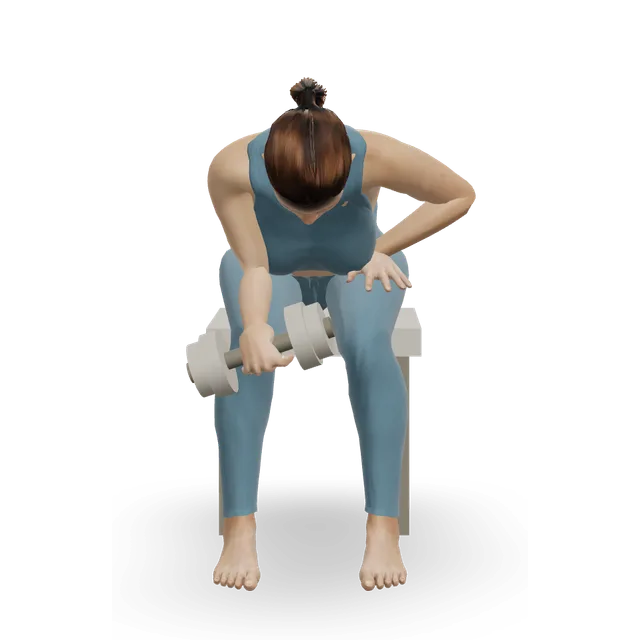
Reverse wrist curl demonstrated on the 3D figure3D demoReverse wrist curlBeginner · A dumbbell + A bench or box

Held still, wrist level, forearm supported: 5 holds of 30 to 45 s, once a day (for the outer elbow) · As in our tennis elbow guide; the UK consensus uses holds of up to 60 s, 5 times, once a day

Easier: Wrist-extensor eccentrics · Harder: Plate pinch

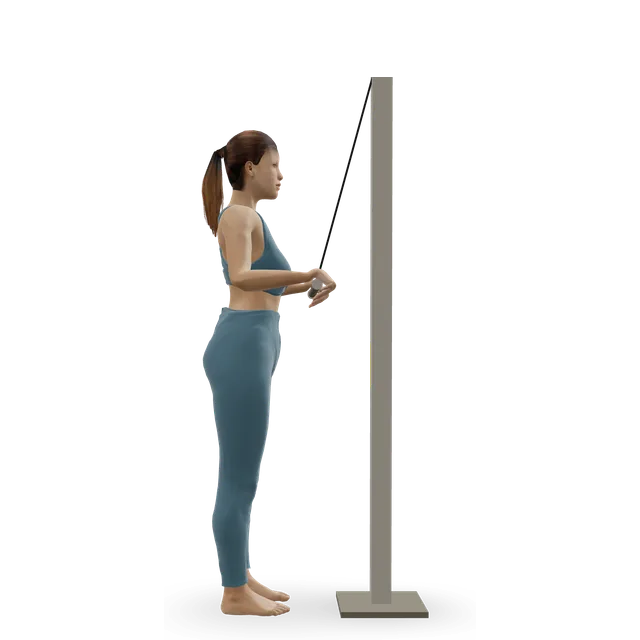
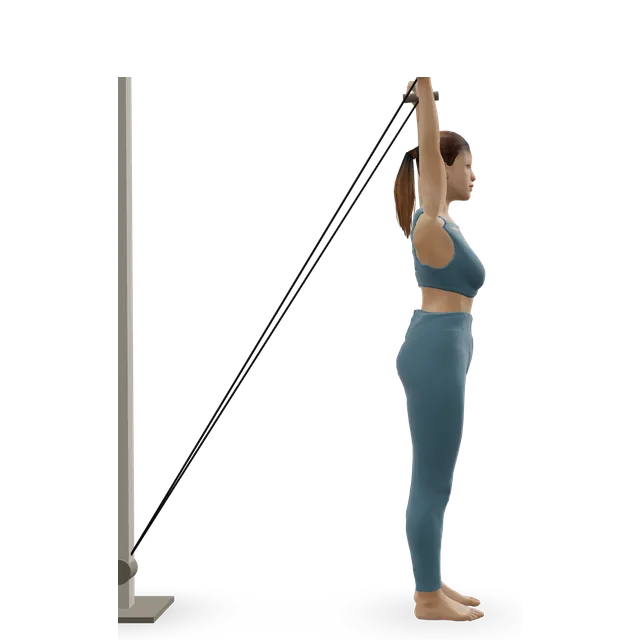
Triceps pushdown demonstrated on the 3D figure3D demoTriceps pushdownBeginner · A cable machine

Held still at about halfway down: 5 holds of 30 to 45 s at a moderate effort, once a day (for the back of the elbow) · Editorial, as in our triceps tendinopathy guide

Harder: Dumbbell skull crusher (lying triceps extension)

Ball squeeze demonstrated on the 3D figure3D demoBall squeezeBeginner · Other / check instructions

30 s of squeezing and releasing, 5 to 10 times a day, elbow bent · As in our elbow pain guide (an NHS Borders leaflet's dose), as firmly as you can without increasing the pain

Easier: Tendon glides (hand tendon gliding exercises) · Harder: Band finger extension

Band row demonstrated on the 3D figure3D demoBand rowBeginner · A band + An anchor point

3 sets of 10 to 15 · The move page's dose (an editorial starting point). Pulling keeps training going

Harder: Supported single-arm dumbbell row

Move on when: You can bend and straighten as far as the other side, or close to it, with no more than mild pain, the holds stay within the pain rule, and the elbow is no worse the next morning (editorial).

Follow along: a timer, a cue and the next move, one step at a time.
Stage 2

Build: strength through the range, short of a hard lockout

About weeks 2 to 8. Slow lifting and lowering for the forearm and the triceps, curls through your full comfortable range and close-grip pushing on an incline, 2 to 3 days a week, with the forearm loading daily as the consensus does.

Wrist-extensor eccentrics demonstrated on the 3D figure3D demoWrist-extensor eccentricsBeginner · A dumbbell

3 sets of 15, once a day, lowering over 3 to 4 s (for the outer elbow) · As in our tennis elbow guide; the UK consensus uses 3 sets of 10 to 15 once a day

Harder: Wrist curls

Triceps pushdown demonstrated on the 3D figure3D demoTriceps pushdownBeginner · A cable machine

3 sets of 10 to 15, lowering over 3 s, stopping just short of a hard lockout · As in our triceps tendinopathy guide (editorial); the lockout note is editorial

Harder: Dumbbell skull crusher (lying triceps extension)

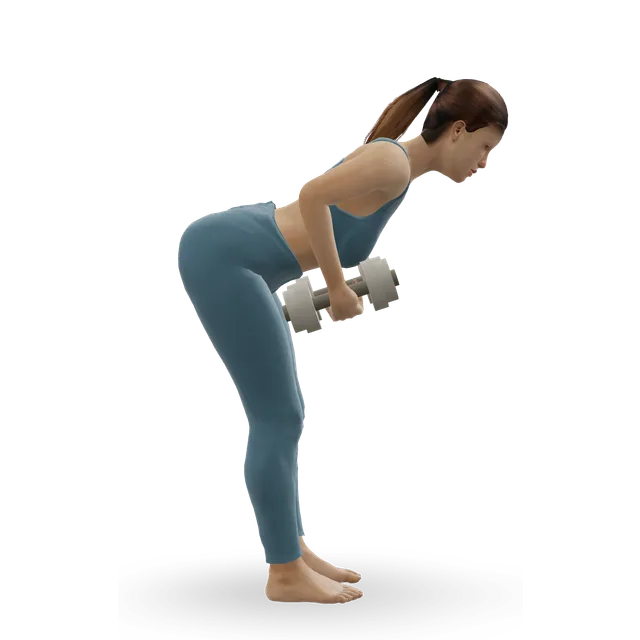
Dumbbell triceps kickback demonstrated on the 3D figure3D demoDumbbell triceps kickbackBeginner · A dumbbell

2 to 3 sets of 10 to 15, light, straightening as far as is comfortable · Editorial, as in our elbow arthritis guide: straightening is the movement lost first

Harder: Dumbbell skull crusher (lying triceps extension)

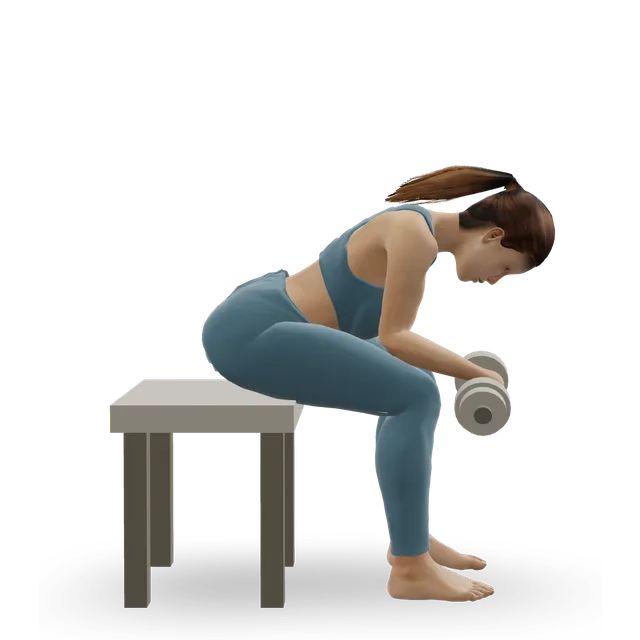
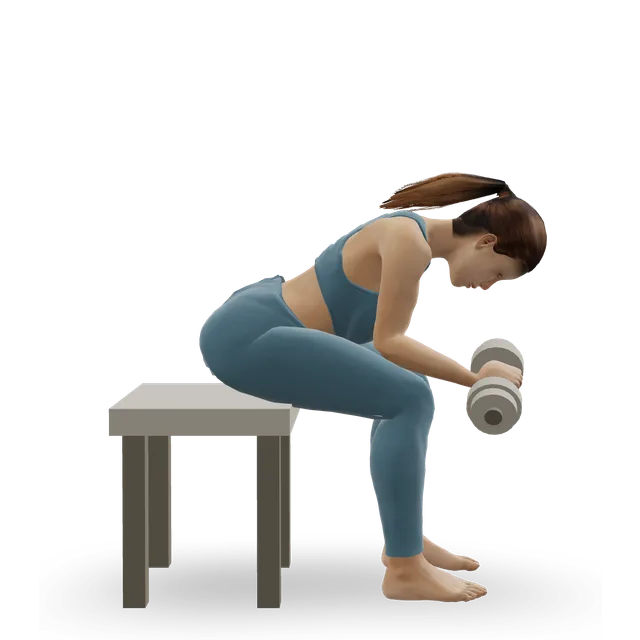
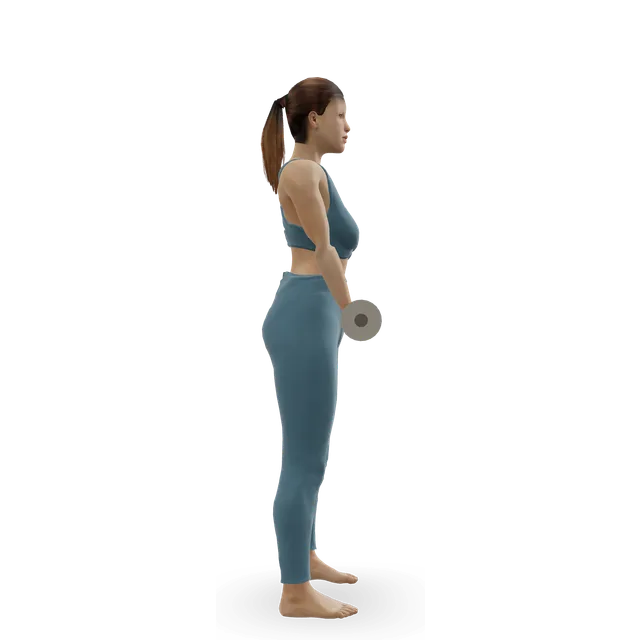
Dumbbell biceps curl demonstrated on the 3D figure3D demoDumbbell biceps curlBeginner · A dumbbell

2 to 3 sets of 10 to 15, light, through your full comfortable range · Editorial, as in our elbow arthritis guide; Arthritis UK suggests light biceps and triceps strengthening

Easier: Seated dumbbell curl · Harder: Incline inner biceps curl

Dumbbell forearm rotation demonstrated on the 3D figure3D demoDumbbell forearm rotationBeginner · A dumbbell + A bench or box

3 sets of 10 · Editorial, as in our tennis elbow guide

Easier: Wrist-extensor eccentrics · Harder: Plate pinch

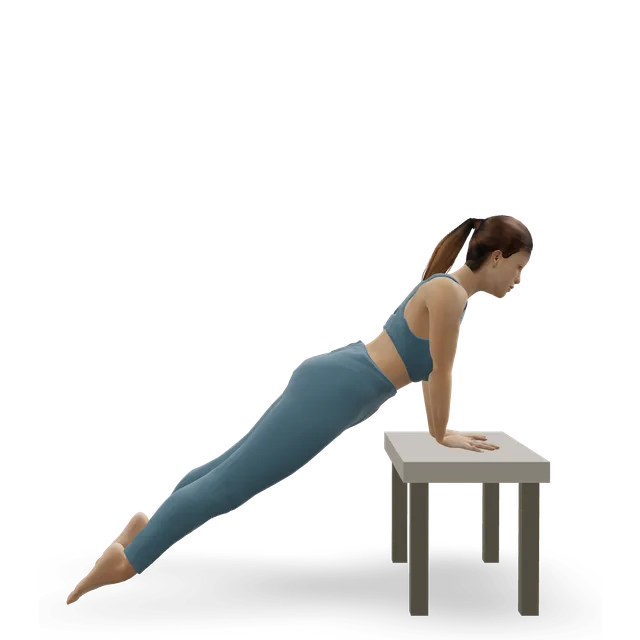
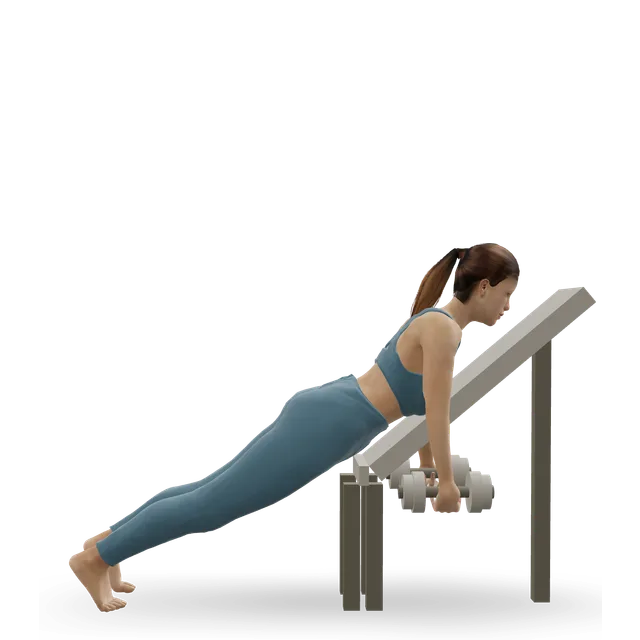
Close-grip incline push-up demonstrated on the 3D figure3D demoClose-grip incline push-upBeginner · Other / check instructions

2 to 3 sets of 8 to 12 · Editorial, as in our triceps tendinopathy guide

Easier: Wall push-up · Harder: Push-up

Move on when: 3 sets of the slow triceps and forearm work stay within the pain rule, the elbow straightens fully or as far as it is going to, and it is back to usual by the next morning (editorial).

Follow along: a timer, a cue and the next move, one step at a time.
Stage 3

Pressing, carrying and straight-arm work come back

From about weeks 6 to 8, often later. Heavier pressing, push-ups, skull crushers and carrying, then dips and full lockouts last, while the gym, sport and lifting at work come back by the written steps below. How they come back is our suggestion.

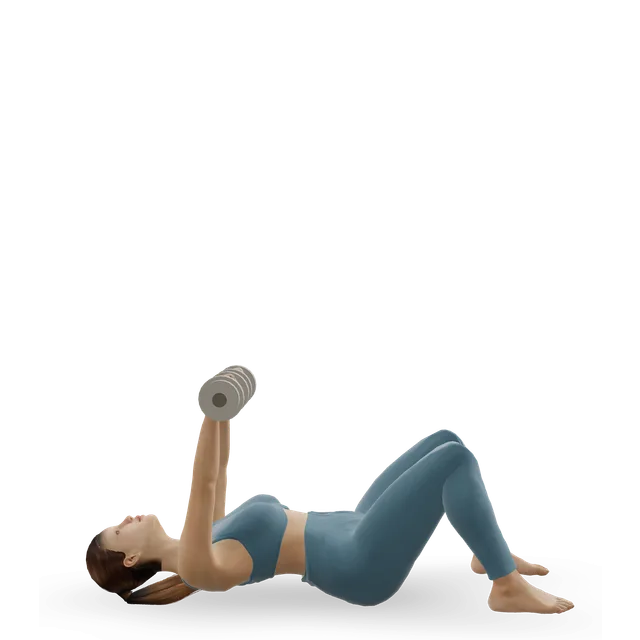
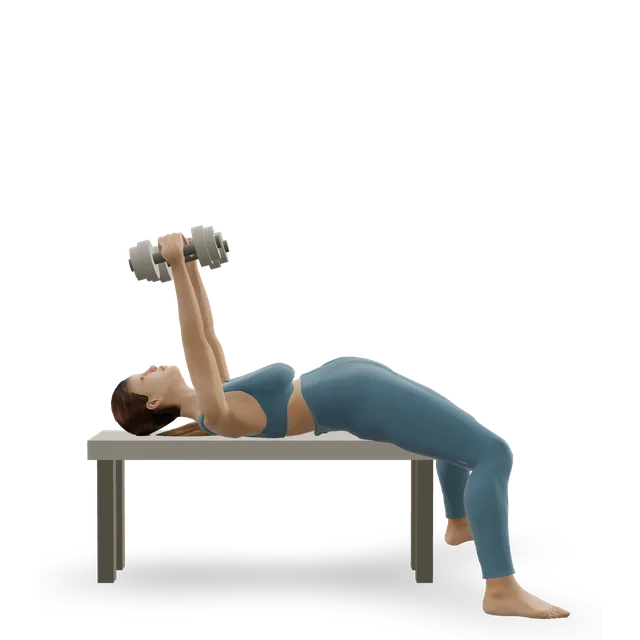
Dumbbell floor press demonstrated on the 3D figure3D demoDumbbell floor pressIntermediate · A dumbbell

2 to 3 sets of 8 to 12, stopping with 2 or 3 reps in reserve · The move page's dose (an editorial starting point); the floor shortens the range

Easier: Chest press machine · Harder: Bench press with chains

Push-up demonstrated on the 3D figure3D demoPush-upIntermediate · No equipment

3 sets of 8 to 12 · Editorial, as in our tennis elbow and triceps guides

Easier: Wall push-up · Harder: Close-grip push-up (close triceps position)

Dumbbell skull crusher (lying triceps extension) demonstrated on the 3D figure3D demoDumbbell skull crusher (lying triceps extension)Intermediate · A dumbbell + A bench or box

3 sets of 8 to 10, lowering over 3 s · Editorial, as in our triceps tendinopathy guide. Skip it or shorten the range if the ring and little fingers tingle, as the move page says

Easier: Dumbbell triceps kickback · Harder: Triceps dip (upright)

Farmer's carry demonstrated on the 3D figure3D demoFarmer's carryIntermediate · A dumbbell + A kettlebell

3 walks of 20 to 30 m, arms long but not forced straight · Editorial, as in our tennis elbow guide

Harder: Suitcase carry

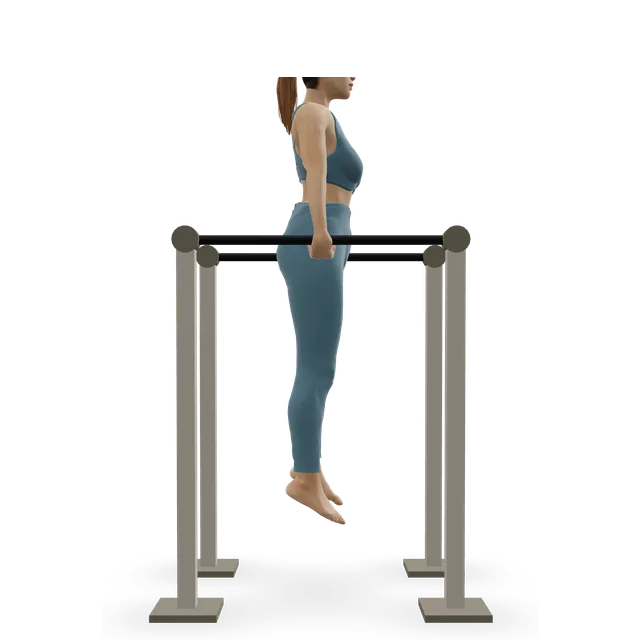
Triceps dip (upright) demonstrated on the 3D figure3D demoTriceps dip (upright)Advanced · Other / check instructions

2 to 3 sets of 5 to 10, stopping with 2 or 3 reps in reserve, to about level upper arms · The move page's dose (an editorial starting point); last, once pressing is comfortable

Easier: Bench dip · Harder: Ring dip

Move on when: Our suggestion: add one heavier or longer thing at a time (heavier presses, then lockouts and dips, then straight-arm calisthenics such as handstands), keep two strength sessions a week, and drop back a stage for a few days if it flares rather than stopping. Throwers return through a gradual throwing programme with technique checked.

Follow along: a timer, a cue and the next move, one step at a time.

What to change for now

Gripping, lifting and the gym for now (written steps)

Our 3D figure can't show these. They come from NHS inform, the NHS and US orthopaedic surgeons; where a step is our suggestion or our inference, it says so. No trial has tested a way of lifting or pressing for elbow pain.

  • 1. Grip and carry: change how you grip or lift, reduce the weight you carry and take regular breaks (NHS inform). Carry with the elbow slightly bent and the thumb up, close to your side, and split loads between two bags (our inference from small grip studies).
  • 2. Presses and push-ups: stop just short of snapping into a hard lockout, lower under control, and use a lighter load or a shorter range, such as a floor press (editorial; our inference from studies of throwers and boxers).
  • 3. Dips and skull crushers: dips to about a right angle at the elbow; skull crushers and overhead extensions come back in the last stage, as our triceps guide says (editorial).
  • 4. Sleep: if the elbow stiffens overnight, rest it nearly straight on a pillow rather than tightly bent (our suggestion).
  • 5. The point of the elbow: avoid leaning on it, use padding, and "do not knock or bang your joints" (the NHS).
  • 6. Throwing: a break from throwing, then a gradual throwing programme with your technique checked (a review for throwers).
  • 7. Young children: "To safely lift a child, grasp gently under the arms. Do not lift children by holding their hands or arms" (AAOS).

Sources 47, 6, 8, 18, 38, 33, 17

Positions to swap, and why

Habit or positionWhy it mattersInstead
Carrying heavy bags with straight arms and palms downIn tennis elbow, grip was weakest and most painful with the elbow straight in small studies.Elbows slightly bent, thumbs up, two lighter bags.Try: Farmer's carry
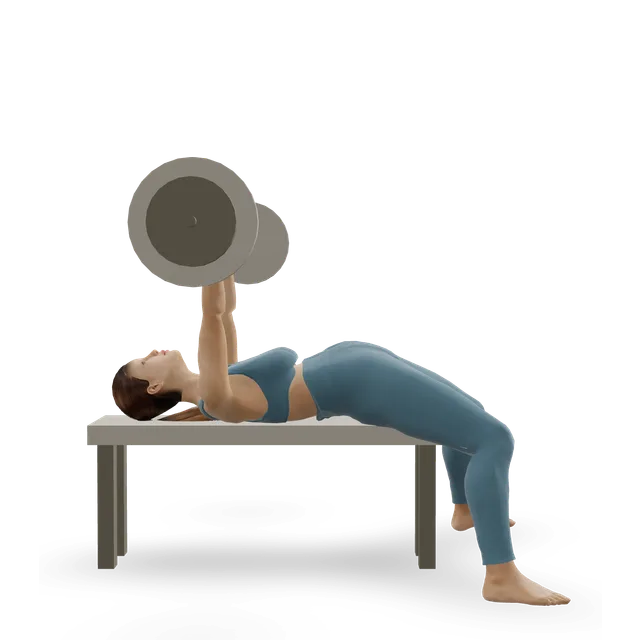
Snapping into a hard lockout on presses and push-upsForced straightening jams the back of the elbow in throwers and boxers; for lifters this is our inference.Stop just short of lockout and lower slowly.Try: Dumbbell floor press
Deep dipsThey load the triceps tendon and the front of the shoulder at the end of the range.Upright dips to about level upper arms, in the last stage.Try: Triceps dip (upright)
Skull crushers and overhead extensions early onA high load on the triceps tendon at a long length, as our triceps guide says.Pushdown holds, then slow pushdowns.Try: Triceps pushdown
Leaning on the point of the elbowPressure on a swollen bursa keeps it irritated, the NHS says.Pad it, or rest your forearm instead.
Forcing a stiff elbow straight, or letting someone push itGentle stretching helped without harm, and splints gain movement over months; forcing adds pain.Gentle holds at the end of the range.Try: Elbow bend and straighten (elbow range of motion)
Keeping the arm in a sling for weeks without adviceEarly movement after a simple dislocation gave a faster recovery than plaster.Move it within comfort, as your team allows.Try: Elbow bend and straighten (elbow range of motion)
Waiting to see if a pop with weakness straightening settlesA torn triceps tendon is easiest to repair within about 3 weeks.An urgent treatment centre or A&E.
Repeated steroid injections for tennis elbowThey did worse than a placebo injection at a year, with more pain coming back.Exercise and time; talk to your GP.

Routines to follow

More moves for this area

Questions people ask

Why does my elbow hurt when I straighten my arm?

Without an injury, it is most often tennis elbow, which can make it hard to straighten fully and hurts gripping with the arm straight. Pain at the back of the elbow can be the triceps tendon, a swollen bursa or a pinch at the back of the joint. After a fall, an elbow that won't straighten fully needs help the same day.

I can't fully straighten my elbow after a fall. What should I do?

Get help from NHS 111 the same day, or go to A&E if it has changed shape, a bone is showing or the hand is numb. In a large study, about half of people who couldn't fully straighten the elbow after an injury had a fracture.

Why does my elbow hurt when I straighten my arm after a workout?

Usually the tendons have had more load than they are used to: tennis elbow on the outside, the triceps tendon at the back. If you can't straighten it after a hard biceps or pull-up session and it is very sore, our pull-ups guide covers the rare muscle breakdown that needs same-day care. A pop with weakness straightening needs urgent care.

What causes pain at the back of the elbow when straightening?

A soft swelling on the point is usually bursitis, and the elbow still moves. Pain at the tendon with dips, skull crushers and press lockouts, with your strength kept, is the triceps tendon. A jam at the very end of straightening, described in throwers and boxers, can be a pinch at the back of the joint.

Can tennis elbow stop me straightening my arm?

Yes: the NHS lists difficulty fully straightening the arm as a symptom. Gripping with the arm straight is weaker and more painful. About 9 in 10 people have improved within a year.

My elbow clicks when I straighten it. Is that arthritis?

Usually not. A fold of joint lining is normal in nearly every elbow, and the nerve on the inner side slips over the bone in many healthy people. Clicks with pain, swelling, locking or lost straightening need a check.

Why won't my elbow straighten all the way?

After an injury, swelling, a fracture or stiffness can stop it; slowly over months or years, arthritis or an old injury, sometimes with a loose piece that catches. Daily life needs about 30 to 130 degrees, so many people manage well. See a GP or physiotherapist if it is getting worse.

Should I lock out my elbows when lifting?

No study has tested it. Controlled full straightening is normal, but while it hurts, stop just short of snapping into a hard lockout and lower slowly (our suggestion). Add lockouts back last.

Will an injection help my elbow?

For tennis elbow, a steroid injection eases pain for a few weeks but did worse than a placebo injection at a year, with more pain coming back. For arthritis, NICE says injections give 2 to 10 weeks of relief. Exercise and time help most people.

Should I wear an elbow strap or brace?

A forearm strap may help for a few weeks, but the evidence is limited. Use it alongside the exercises, not instead of them.

My elbow is stiff after a fracture or dislocation. Will it straighten again?

Straightening is usually the last movement to return, and stiffness is common. It can keep improving for 6 to 12 months with exercise, and splints help some people. Don't force it, and tell your fracture team if it stops improving.

When should I see a doctor?

Call 999 for arm pain with pressure or squeezing in your chest, and go to A&E after an injury if the elbow has changed shape or the hand is numb. Get help the same day if you can't fully straighten it after a fall, after a pop with weakness, or for a hot, swollen elbow. See a GP if it hasn't improved after a few weeks or is slowly losing straightening; in the US, call 911 where this page says 999.

Related exercise guides

Other pain guides

Sources

  1. Appelboam 2008 · The elbow extension test for ruling out a fracture, in adults and children in 5 English emergency departments (prospective study, BMJ)
  2. NHS · Broken arm or wrist
  3. NHS · Tennis elbow
  4. NHS · Elbow and arm pain
  5. Shiri 2006 · How common tennis and golfer's elbow are, and why, in 4,783 Finnish adults (population study, Am J Epidemiol)
  6. Dorf 2007 · Elbow position and grip strength in tennis elbow (study of 81 people, J Hand Surg Am)
  7. Pitts 2021 · Grip and wrist strength with the elbow bent and straight in 19 people with tennis elbow (study, J Hand Ther)
  8. Cooke 2021 · Arm position and pain-free grip strength in 21 people with tennis elbow (study, Physiother Res Int)
  9. Karanasios 2022 · How accurate examination tests for tennis elbow are: 24 studies (systematic review, J Hand Ther)
  10. Baumbach 2014 · Knee and elbow bursitis: literature review and treatment algorithm (review, Arch Orthop Trauma Surg)
  11. Schermann 2017 · Elbow bursitis in 2,692 soldiers (military cohort, Mil Med)
  12. Blackwell 2014 · Olecranon bursitis: a systematic overview (Shoulder & Elbow)
  13. Arthritis UK · Elbow pain
  14. Donaldson 2014 · Tendinopathies around the elbow, part 2: medial elbow, distal biceps and triceps (review, Shoulder & Elbow)
  15. Whitmore 2025 · Acute tendon ruptures seen in US emergency departments (national database study, Orthop J Sports Med)
  16. AAOS OrthoInfo · Triceps tendon tear at the elbow (patient information, American Academy of Orthopaedic Surgeons)
  17. Bowers 2022 · Posteromedial elbow impingement in throwing athletes: diagnosis and treatment (review, Curr Rev Musculoskelet Med)
  18. Valkering 2008 · Posterolateral elbow impingement in 5 professional boxers (case series, Am J Sports Med)
  19. Sidhu 2024 · Persistent outer elbow pain from overlooked posterolateral impingement (literature review, Clin Shoulder Elb)
  20. Andrews 1995 · Outcome of elbow surgery in 72 professional baseball players (case series, Am J Sports Med)
  21. Wistow 2025 · Stretching for stiffness after an elbow injury (systematic review, JSES International)
  22. Anakwe 2011 · Long-term outcomes after a simple elbow dislocation (cohort of 110, JBJS Am)
  23. Barco 2023 · Acute elbow dislocation: a critical appraisal of the literature (review, JSES Int)
  24. Foruria 2013 · Extra bone (heterotopic ossification) after surgery for 130 elbow fractures and fracture-dislocations (cohort, J Bone Joint Surg Am)
  25. de Klerk 2020 · Keyhole and open clean-out surgery for primary elbow osteoarthritis: 21 studies (systematic review and meta-analysis, EFORT Open Rev)
  26. Gramstad 2006 · Management of elbow osteoarthritis (review, J Bone Joint Surg Am)
  27. Ravalli 2019 · Elbow osteoarthritis: causes and treatment (review, J Funct Morphol Kinesiol)
  28. Hong 2025 · Rheumatoid arthritis of the elbow and its surgery (review, J Rheum Dis)
  29. Lubiatowski 2020 · Synovial plica of the elbow and its clinical relevance (review, EFORT Open Rev)
  30. Endo 2021 · The ulnar nerve slipping at the elbow on ultrasound in 153 Japanese volunteers (cross-sectional study, JSES Int)
  31. Liu 2024 · Ulnar nerve slipping at the elbow without symptoms in 38 healthy adults (ultrasound study, Quant Imaging Med Surg)
  32. NHS inform · Elbow problems
  33. AAOS OrthoInfo · Nursemaid's elbow
  34. NHS · Septic arthritis
  35. Mazzolin 2023 · Bone and soft tissue tumours at the elbow in a Brazilian referral centre (case series, Acta Ortop Bras)
  36. Savvidou 2019 · Soft tissue tumours of the elbow (review, EFORT Open Rev)
  37. Dunn 2017 · Triceps tendon ruptures: 262 operated cases (systematic review, Hand)
  38. NHS · Bursitis (past its review date: reviewed October 2023, review due October 2026)
  39. Ikonen 2022 · How tennis elbow goes without treatment: the no-treatment and placebo groups of 24 trials (systematic review and meta-analysis, Clin Orthop Relat Res)
  40. Mackinnon 2023 · 14 to 25 years after a simple elbow dislocation treated with early movement: 71 people (cohort, J Bone Joint Surg Am)
  41. Lindenhovius 2012 · Dynamic or static progressive splints for a stiff elbow after injury in 66 people (RCT, J Bone Joint Surg Am)
  42. Iordens 2017 · Early movement or 3 weeks in plaster after a simple elbow dislocation: FuncSiE (RCT of 100, Br J Sports Med)
  43. Smith 2017 · Should exercises be painful in chronic musculoskeletal pain? (systematic review and meta-analysis, Br J Sports Med)
  44. Bisset 2006 · Physiotherapy, a steroid injection or wait and see for tennis elbow in 198 people (RCT, BMJ)
  45. Coombes 2013 · A steroid or placebo injection, with or without physiotherapy, for tennis elbow in 165 people (RCT, JAMA)
  46. Bateman 2021 · An optimised physiotherapy protocol for tennis elbow (UK consensus study, BMJ Open)
  47. NHS inform · Tennis elbow
  48. Kroslak 2019 · A counterforce brace or a placebo brace for tennis elbow in 31 people (RCT, J Shoulder Elbow Surg)
  49. Müller 2013 · Splints for a stiff elbow without a bony block: 13 studies (systematic review and meta-analysis, J Shoulder Elbow Surg)
  50. Guglielmetti 2020 · Surgical release or rehabilitation for a stiff elbow after injury in 30 people (RCT, J Shoulder Elbow Surg)
  51. Morrey 1981 · Elbow motion needed for 15 daily activities in 33 adults (study, J Bone Joint Surg Am)
  52. Sardelli 2011 · Elbow range of motion for modern tasks in 25 adults (study, J Bone Joint Surg Am)
  53. Oosterwijk 2018 · Shoulder and elbow movement needed for daily activities: 36 studies (systematic review, Physiother Theory Pract)
  54. NICE NG226 · Osteoarthritis in over 16s: diagnosis and management (2022)
  55. van Riet 2003 · Surgical treatment of distal triceps ruptures in 22 people (case series, J Bone Joint Surg Am)
  56. Reddy 2000 · Elbow arthroscopy in 172 people: a long-term clinical review (case series, Arthroscopy)
  57. NHS inform · Exercises for elbow problems

Exercise education, not a diagnosis or treatment plan. It is written from the guidelines and studies listed above; review by a clinician is pending. If your pain follows an injury, is severe, is getting worse, or comes with any warning sign listed on this page, get it assessed. Health disclaimer.