Pain guide · Elbow pain

Radial tunnel syndrome: a squeezed forearm nerve, and how it differs from tennis elbow

Radial tunnel syndrome is an aching pain in the muscle on the top of the forearm, a few centimetres below the bony bump on the outside of the elbow, put down to a branch of the radial nerve being squeezed where it passes under a forearm muscle. It is rare, often sits alongside tennis elbow, and usually causes no numbness or weakness. Experts disagree about whether nerve compression really causes the pain, and nerve tests and scans are usually normal.

It is usually considered when tennis elbow treatment hasn't helped and the tenderness sits lower down, in the muscle. Most people start with fewer of the movements that provoke it, a wrist splint for a while, and gentle stretches and nerve glides. In the only controlled trial, a steroid injection did no better than a dummy injection, and surgery helps some people, unpredictably. This guide covers the warning signs, how clinicians tell it from tennis elbow, what the evidence does and doesn't show, and a staged plan with 3D demos.

When to get help first

Exercise is for pain that has been checked or is clearly mild and settling.

Get urgent medical help if

  • Call 999: arm pain that comes on suddenly with pressure, heaviness, tightness or squeezing across your chest, especially with shortness of breath, sweating or feeling sick. It could be a heart attack.
  • Call 999: sudden weakness or numbness in one arm, especially with a drooping face or slurred speech. It could be a stroke.
  • Go to an urgent treatment centre or A&E if you have severe pain in your arm and it's difficult to move, you've injured your arm and heard a snapping noise or it has changed shape, or your arm tingles or feels numb.
  • After surgery: the wound becomes red, hot, more swollen or more painful, oozes or smells, or you feel unwell or feverish. Contact your surgical team the same day, or NHS 111 out of hours.
  • Throbbing pain and swelling in the arm, with red, blue or darker skin and swollen veins: ask for an urgent GP appointment or get help from NHS 111. It could be a blood clot.
  • Arm pain or swelling with breathlessness or chest pain: call 999 or go to A&E, and do not drive yourself. It can be a blood clot that has reached the lungs.

See a doctor or physiotherapist if

  • You can't straighten your fingers at the knuckles or lift your thumb (a finger drop), or your wrist feels weak: see a GP promptly. That is the nerve itself not working (posterior interosseous nerve palsy), which is checked and treated differently, sometimes with surgery.
  • See a GP if you constantly have pins and needles or they keep coming back. Radial tunnel syndrome shouldn't cause tingling or numbness, so they point to another nerve.
  • Elbow or arm pain that hasn't gone after a few weeks of looking after it yourself (for tennis elbow, the NHS says after at least 2 weeks of self-care). In many areas you can refer yourself to NHS physiotherapy.
  • Tennis elbow care hasn't helped after 6 to 12 weeks, and the ache sits a few centimetres below the bony bump rather than on it: ask your physiotherapist or GP to check for radial tunnel syndrome.
  • A lump in the forearm near the elbow: see a GP. Ganglia, fatty lumps and, rarely, bone tumours can press on the nerve.

Understand it

Where it is, and two different problems

Just above the elbow, the radial nerve divides into a branch that carries feeling to the back of the hand and thumb, and a deep branch, the posterior interosseous nerve, which carries no feeling from the skin but powers the muscles that straighten the wrist, fingers and thumb. The deep branch runs through a channel of muscle and fibrous bands in front of the elbow (the radial tunnel) and passes under the edge of the supinator muscle, at a fibrous arch called the arcade of Frohse. Across 13 published series, that arch was where surgeons most often found it squeezed.

Radial tunnel syndrome is pain without weakness or numbness. Weakness of the muscles that straighten the fingers and thumb (a finger drop) is a different problem, posterior interosseous nerve syndrome, which a neurologist's review says is usually easy to identify because of the weakness.

Sources 1, 2, 3, 4, 5, 6

Why it's debatedMixed evidence

It was first described in people whose tennis elbow hadn't settled, with pain and tenderness over the supinator muscle but no weakness, by analogy with carpal tunnel syndrome. A neurologist's review argues that 'it is debatable whether radial nerve entrapment causes the forearm discomfort', and a reference text notes that some experts question whether it exists at all.

Across 13 published series (391 arms), definitions varied, nerve tests were abnormal in only 8.9% of 327 arms, three-quarters of the series used a test injection to make the diagnosis, and many people also had tennis elbow, which makes results hard to compare. One surgical series concluded that the usual signs may be unreliable, and another cast doubt on whether nerve compression causes this kind of elbow pain. Surgeons who treat it argue that it is a real diagnosis, made from where the pain is, what it feels like and the tests that provoke it. So it is a label for a pattern of pain, usually used when tennis elbow care hasn't worked, and experts disagree about it.

Sources 6, 2, 4, 7, 8, 9

How common it is, and the overlap with tennis elbowEmerging evidence

In a US insurance database, 75,459 people had the diagnosis: about 9 in 100,000 people a year, at an average age of 52, and 55% were women. A review gives about 0.03% of people a year, against 0.1% to 0.35% for carpal tunnel syndrome.

The two can overlap: 5.7% of people in the database also had tennis elbow on the same side within 6 months, and US orthopaedic surgeons say it can occur at the same time as tennis elbow. In one small study of 32 people with tennis elbow lasting over 6 months, a nerve-blocking injection pointed to radial tunnel syndrome in 44%. That is one small study, so the size of the overlap is uncertain.

Sources 10, 3, 11, 12

How it feels, and how clinicians tell it from tennis elbowEmerging evidence

An aching or sharp pain on the top of the forearm and the outer elbow, brought on by straightening the wrist and fingers, turning the palm up, gripping and lifting. Numbness is rare, because the nerve at this level mainly powers muscles.

Where it's tender: tennis elbow is tender on the bony bump; radial tunnel syndrome is most tender about 3 to 5 cm below it, over the muscle. What provokes it: turning the palm up against resistance, and straightening the middle finger against resistance. Tennis elbow doesn't cause tenderness along the nerve. A local anaesthetic injection into the tender spot that takes the pain away supports the diagnosis. A placebo-controlled trial required 4 of 5 signs: pain with activity, tenderness 3 to 5 cm below the bump, pain worse turning the palm up, pain spreading down the back of the forearm, and a positive result on one more examination test.

Sources 1, 3, 13, 14, 4

What tests and scans do and don't showEmerging evidence

Nerve conduction tests are generally inconclusive: abnormal in 8.9% of arms in published series, and normal in all 32 people in the nerve-block study. A normal test doesn't rule it out, and an abnormal one points to weakness of the nerve or another diagnosis. MRI (magnetic resonance imaging) is usually normal, though in 25 people suspected of it, 13 had swelling or wasting in the muscles the nerve supplies, and 2 of 10 healthy volunteers had borderline findings. Ultrasound looked promising in a small pilot study, but in the 32-person study the size of the nerve didn't separate those with and without a positive nerve block. No single test confirms it.

Sources 4, 3, 12, 15, 16

Look-alikes

Most of these have their own guides on this site.

  • Tennis elbow: pain on the bony bump, worse gripping and lifting with the wrist. The two often sit together.
  • A pinched nerve in the neck: pain spreading from the neck, changed by moving the neck, often with tingling.
  • Posterior interosseous nerve palsy: weakness straightening the fingers or lifting the thumb. See a GP promptly.
  • Burning or tingling over the back of the thumb and hand: the radial nerve's other branch, the one that carries feeling (Wartenberg's syndrome). Our brachioradialis muscle guide covers it.
  • A lump pressing on the nerve: ganglia, fatty lumps and, rarely, bone tumours.
  • Intersection syndrome: pain and creaking further down, a few finger-widths above the wrist.

Sources 1, 6, 2

How it usually goesEmerging evidence

It hasn't been well studied. In the placebo-controlled trial, pain and disability improved over 3 months in both groups, including those given a saline injection. In a series of 40 people given one steroid injection, 23% went on to surgery within a year. A review notes that non-surgical care is often tried for a long time, often a year.

Sources 13, 17, 3

What helps, and how strong the evidence is

Non-surgical care comes first, on expert adviceEmerging evidence

There are no randomised trials of rest, splints, anti-inflammatories or exercise for radial tunnel syndrome: a 2013 review found none, and a 2008 review of 21 case series said the effectiveness of non-surgical treatment is unknown. A 2023 review notes ongoing controversy about the tests, non-surgical options and when to operate. Reviews still advise changing the activities that provoke it, a wrist splint for a while and anti-inflammatory medicines, often for months, and one notes that non-surgical care often isn't very effective. A splint helps you avoid forceful or repeated turning of the palm up and bending the wrist back, which press on the nerve.

One surgical series' first treatment was a wrist splint, avoiding long spells with the forearm turned palm down, the wrist bent and the elbow straight, and anti-inflammatories, for 3 to 6 months.

Sources 3, 1, 18, 19, 20, 14

Exercise: a stretch and nerve-glide programme that hasn't been testedEmerging evidence

The American Academy of Orthopaedic Surgeons (AAOS) gives a programme of three forearm stretches and radial nerve glides for 6 to 12 weeks, and says that stretching and strengthening the forearm muscles can help relieve pain and tenderness. You shouldn't feel significant pain during an exercise; if the pain steadily worsens, the exercises increase it, or it hasn't improved after 6 to 12 weeks, talk to your doctor or physiotherapist. No study has tested the programme.

The plan below adds the gradual forearm loading from our tennis elbow guide, labelled as borrowed, because the two overlap and use the same forearm muscles. For pain from repeated movement, the NHS advises against resting the area for more than a few days, because it becomes weaker and less flexible.

Sources 11, 21

Steroid injections: no better than saline in the only controlled trialEmerging evidence

In the only placebo-controlled trial, 49 people diagnosed by strict criteria had one injection of a steroid with local anaesthetic, or saline with local anaesthetic. At 2 weeks and 3 months, pain, disability and elbow scores were similar in both groups, and both improved over time.

Series without a comparison group report better results: after one steroid injection in 40 people, 57% had a worthwhile improvement at a year; in an older series, 16 of 26 had lasting relief; and in a third, 11 of 18 settled with one injection and other non-surgical care. A test injection helps confirm the diagnosis, and a steroid may help some people, but in the one trial it did no better than saline.

Sources 13, 17, 22, 14

Surgery helps some people, unpredictablyMixed evidence

Surgery to release the nerve is considered after about 3 to 6 months of good non-surgical care that hasn't helped, or if weakness develops. A review gives success rates of 67% to 92% and satisfaction of 40% to 83%. In older series, 11 of 28 people had good or excellent results on examination (though 64% rated their own result that well, and results were worse with compensation claims); 13 of 37 had substantial relief and 12 had complications, and the authors called the outcome unpredictable; and of 19 people, 75% had good scores but only 40% were satisfied.

In a surgeon's series of 14 carefully selected people, pain fell from 6.7 to 3.3 out of 10. A 2026 review of 11 studies found that surgical approaches varied widely. In the US database, 5% were readmitted within 90 days and 2.1% had a second operation.

Sources 1, 14, 3, 23, 7, 8, 9, 24, 10

How much pain is OK while you exercise?

The elbow rule (borrowed from tennis elbow), and nerve glides only to a stretchEmerging evidence

No pain rule has been tested in radial tunnel syndrome, so this one is borrowed from our tennis elbow guide, where it is our suggestion based on the tennis elbow trials: discomfort no more than about 3 to 4 out of 10 during the forearm exercises, settling within an hour or so, with your arm no worse the next morning. If it is worse, go lighter next time, not nothing.

The US surgeons' programme adds: 'You should not feel significant pain during an exercise.'

Turning the palm up against resistance is one of the tests that provoke it, so keep loaded forearm turning very light at first.

Nerve glides: 'Stretch only to the point where you feel tension.' A glide shouldn't leave tingling behind. Stop and get advice if tingling doesn't fade quickly, or numbness or weakness appears.

Sources 11, 3, 13

The exercise plan: 3 stages

Start at the first stage. Each move opens a full guide with a 3D demo.

Stage 1

Settle: less of what provokes it, and keep moving (about weeks 0 to 2)

Cut back forceful, repeated forearm turning, heavy palm-down lifting, and long spells with the elbow straight, the palm down and the wrist bent. A wrist splint for a while if your clinician offers one, and anti-inflammatories if they suit you. Don't rest the arm completely for more than a few days, and if a tennis elbow strap makes the ache worse, take it off. The stretches follow the US surgeons' programme, and its nerve glide and palm-up stretch are written steps below; the other doses are editorial unless a source is named.

Wrist flexor stretch demonstrated on the 3D figure3D demoWrist flexor stretchBeginner · A wall

5 holds of 15 s, 4 times a day, gently, elbow straight but not locked · The US surgeons' programme's dose for this stretch, which it does with the other hand rather than a wall

Easier: Wrist circles · Harder: Quadruped wrist rocks

Wrist extensor stretch (tennis elbow stretch) demonstrated on the 3D figure3D demoWrist extensor stretch (tennis elbow stretch)Beginner · No equipment

5 holds of 15 s, 4 times a day, elbow not locked · The US surgeons' programme's dose. Ease off if it brings on tingling or pain down the forearm

Easier: Wrist & forearm flow

Ball squeeze demonstrated on the 3D figure3D demoBall squeezeBeginner · Other / check instructions

30 s of squeezing and releasing, 5 to 10 times a day, only as firmly as doesn't increase your pain · Our elbow pain guide's dose, from an NHS Borders leaflet

Easier: Tendon glides (hand tendon gliding exercises) · Harder: Band finger extension

Move on when: Everyday tasks are getting easier, the ache settles within an hour, and your arm is no worse the next morning.

Follow along: a timer, a cue and the next move, one step at a time.
Stage 2

Build: load the forearm gradually (about weeks 2 to 8)

This borrows our tennis elbow guide's progression: still holds first, then lifting and lowering, once a day for the forearm and 2 to 3 times a week for the shoulder. Keep the stretches and glides going. None of it has been tested in radial tunnel syndrome.

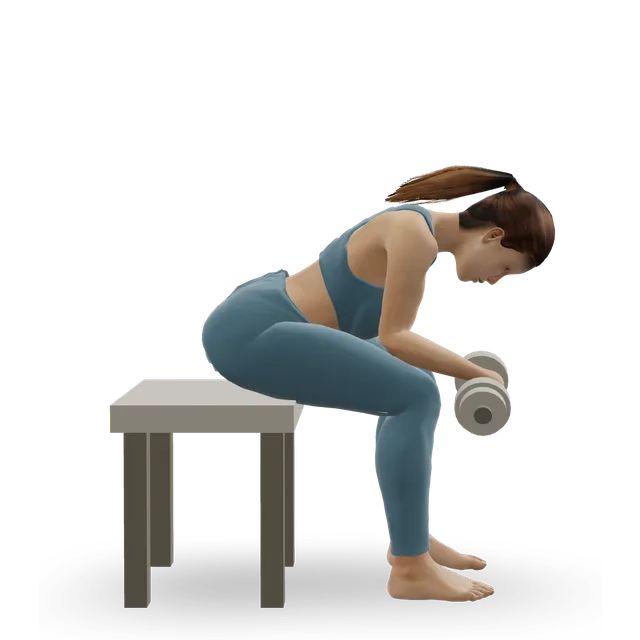
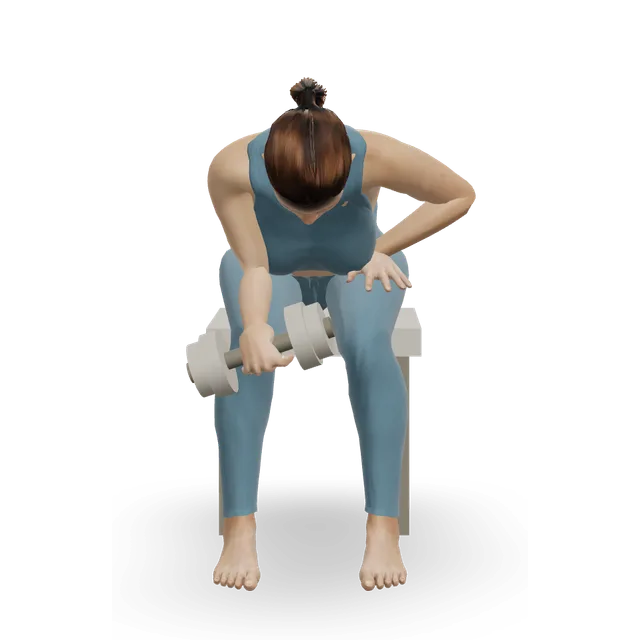
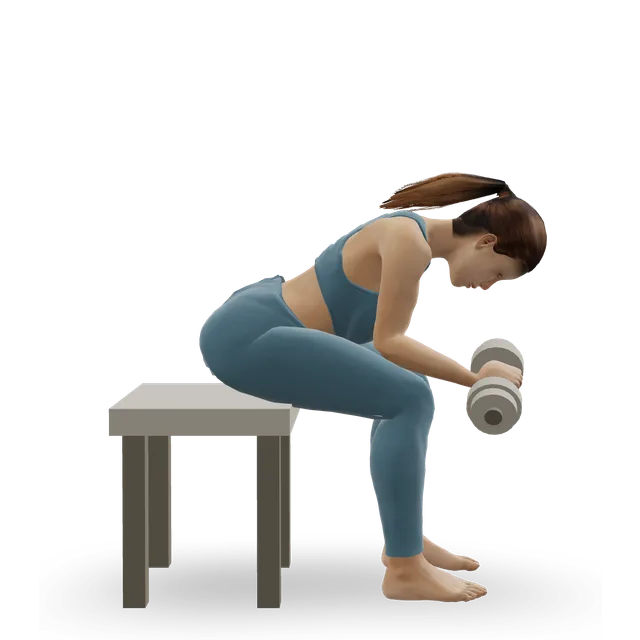
Reverse wrist curl demonstrated on the 3D figure3D demoReverse wrist curlBeginner · A dumbbell + A bench or box

5 holds of 30 to 45 s with the wrist level, then 3 sets of 10 to 15 · Our tennis elbow guide's doses, from a UK consensus protocol: borrowed

Easier: Wrist-extensor eccentrics · Harder: Plate pinch

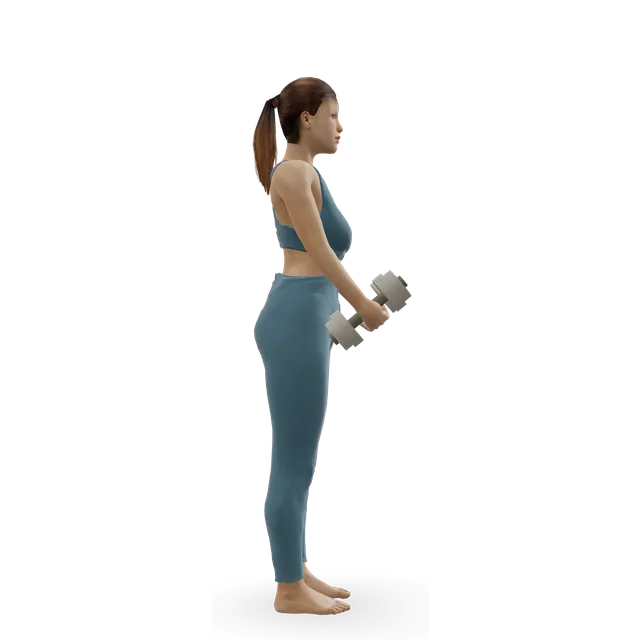
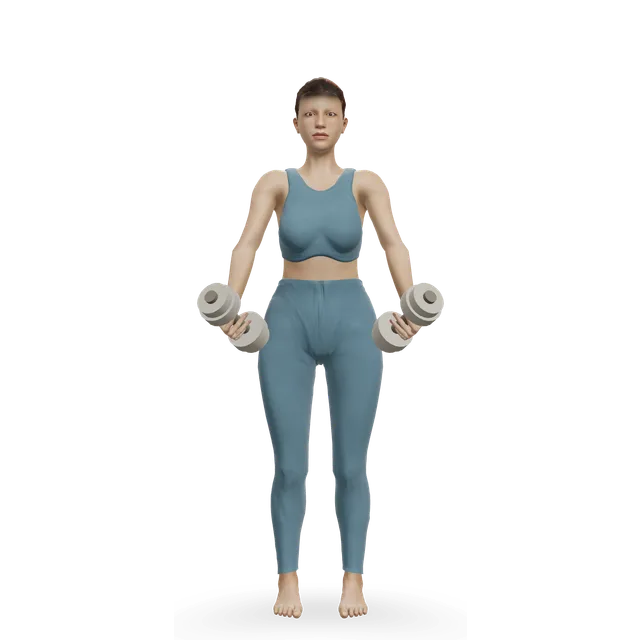
Wrist curls demonstrated on the 3D figure3D demoWrist curlsBeginner · A dumbbell

2 to 3 sets of 12 to 15 · Editorial dose, as in our tennis elbow guide

Easier: Wrist-extensor eccentrics · Harder: Plate pinch

Dumbbell forearm rotation demonstrated on the 3D figure3D demoDumbbell forearm rotationBeginner · A dumbbell + A bench or box

2 sets of 10, with no weight first, then a light one · Editorial dose. Turning the palm up against resistance provokes it, so build slowly

Easier: Wrist-extensor eccentrics · Harder: Plate pinch

Band finger extension demonstrated on the 3D figure3D demoBand finger extensionBeginner · A band

2 sets of 15 · Editorial dose

Easier: Ball squeeze · Harder: Plate pinch

Move on when: Every set stays within the pain rule, and a set no longer causes discomfort.

Follow along: a timer, a cue and the next move, one step at a time.
Stage 3

Strengthen and return (from about 6 to 12 weeks)

Build towards your work or sport, adding load one change at a time and practising the task in short sessions. If it hasn't improved after 6 to 12 weeks of the programme, talk to your GP or physiotherapist; surgery is usually only considered after 3 to 6 months of good non-surgical care.

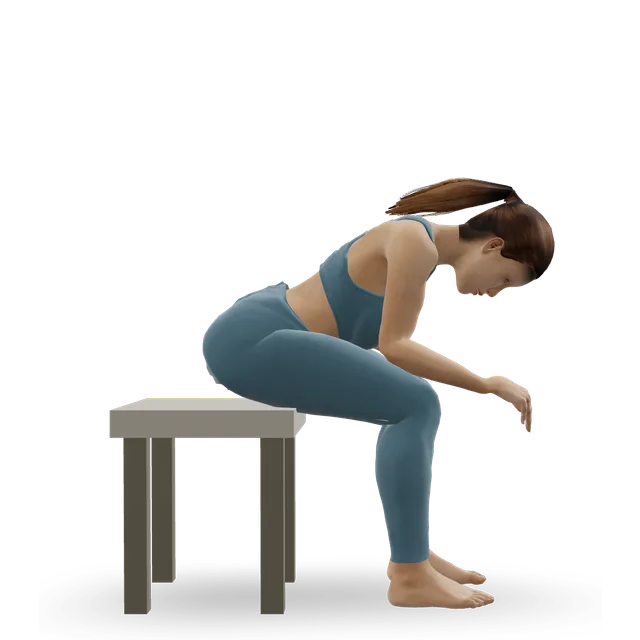
Wrist-extensor eccentrics demonstrated on the 3D figure3D demoWrist-extensor eccentricsBeginner · A dumbbell

3 sets of 15, lowering over 3 to 4 s · Our tennis elbow guide's dose, from a US physiotherapy guideline for tennis elbow: borrowed

Harder: Wrist curls

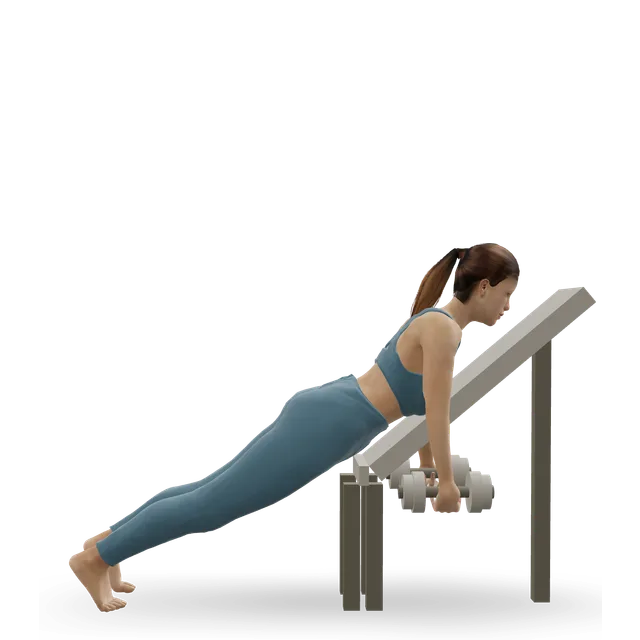
Incline push-up demonstrated on the 3D figure3D demoIncline push-upBeginner · A bench or box

3 sets of 8 to 12 · Editorial dose

Easier: Wall push-up · Harder: Push-up

Move on when: Heavy palm-down and palm-up lifting comes back last. If weakness, numbness or tingling appears at any stage, stop and see a GP.

Follow along: a timer, a cue and the next move, one step at a time.

What to change for now

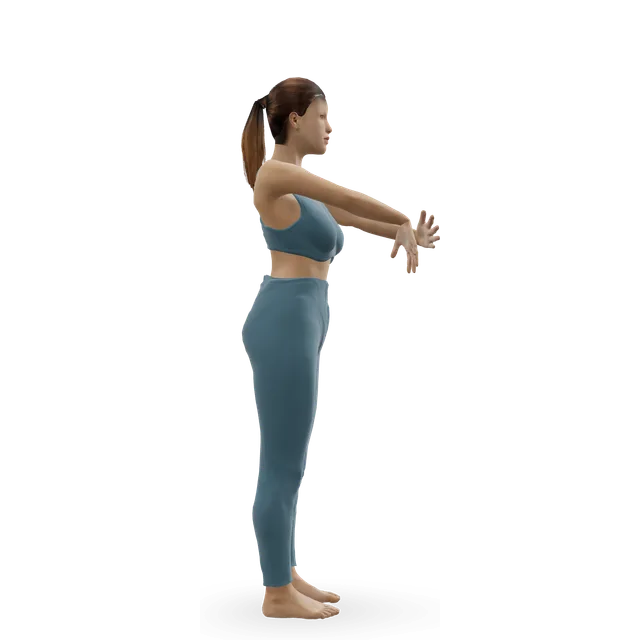
The radial nerve glide (written steps)

From the US surgeons' programme. It hasn't been tested in radial tunnel syndrome, and for a different nerve at the elbow, the only trial found nerve glides added nothing to advice. Ask a physiotherapist to check your technique.

  • 1. Stand comfortably with your arms loose at your sides.
  • 2. Drop your shoulder down and reach your fingers towards the floor.
  • 3. Turn your arm inwards, thumb towards your body, and bend your wrist so the palm faces up.
  • 4. Gently tilt your head away from the side you're working.
  • 5. Take your shoulder back and your arm slightly away from your body, keeping the wrist bent and the head tilted.
  • 6. Hold each position for 3 to 5 seconds. The programme's dose: 5 to 8 times, 2 to 4 times a day, 5 to 7 days a week. Stretch only to the point where you feel tension, and stop if tingling lasts or numbness or weakness appears.

Source 11

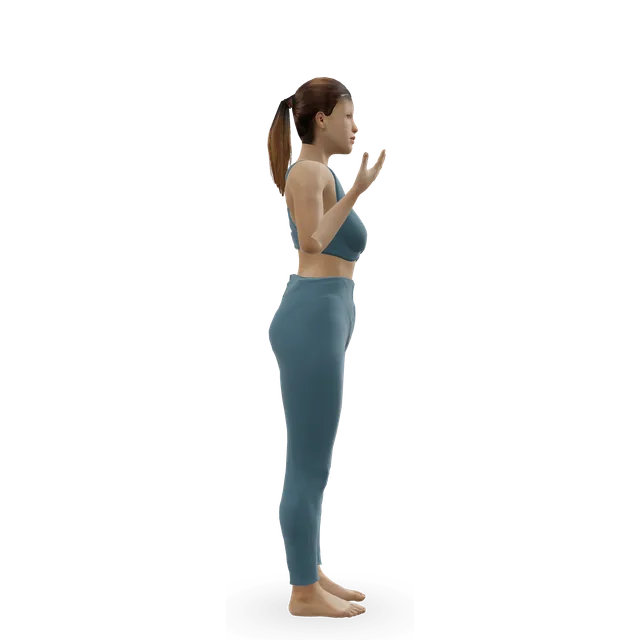
The palm-up stretch (written steps)

The programme's supination stretch, for tasks that turn the palm up, grip or twist, such as using a screwdriver.

  • 1. Bend your elbow at your side, palm facing the ceiling.
  • 2. With your other hand, hold your wrist, not your hand.
  • 3. Gently turn your forearm further palm-up until you feel a stretch.
  • 4. Hold for 15 seconds. The programme's dose: 5 times, 4 times a day, 5 to 7 days a week.

Source 11

Changing how you work and grip

Splinting and activity changes aim to avoid forceful or repeated turning of the palm up and bending the wrist back, and one surgical series advised avoiding long spells with the forearm turned palm down, the wrist bent and the elbow straight. In practice (our suggestions): use power tools or lever handles rather than twisting hard by hand; lift with the palm up or thumb up and the elbows bent; bring the mouse and keyboard closer; and take short breaks. The NHS suggests asking your employer about changing how you work.

Sources 1, 14, 21

After surgery (as your team allows)

Your surgical team's plan comes first. In one surgical series:

  • 1. No splint; the dressings were changed every few days.
  • 2. Gentle elbow movement within the limits of pain from the start, with nerve glides.
  • 3. No heavy work for about 8 weeks (daily housework was allowed), then normal activity.
  • 4. Then stages 2 and 3 of this plan, as your team allows.

Source 14

Positions to swap, and why

Habit or positionWhy it mattersInstead
Forceful, repeated forearm turning (screwdrivers, wringing, stiff taps)Turning the palm up against resistance provokes it, and splinting is used to avoid it.Power tools, the other hand or lever handles for now; light forearm rotations in stage 2.Try: Dumbbell forearm rotation
Heavy palm-down lifting, such as reverse curlsStraightening the wrist and fingers against load brings it on (our reasoning, from the tests that provoke it).Hammer curls with the thumb up; palm-down lifting comes back last.Try: Hammer curl
Long spells with the elbow straight, the palm down and the wrist bentOne surgical series advised avoiding this position.Bring the mouse and keyboard closer, carry with your elbows bent, and take short breaks (our suggestion).
A tennis elbow strap that makes the ache worseIn one series, 3 people's pain increased with a strap, which the authors put down to its pressure on the forearm.Take it off, and ask about a wrist splint instead.
Pushing stretches or nerve glides into tingling or numbnessThe US surgeons' programme says to stretch only to the point where you feel tension.A smaller range; stop if tingling lasts.
Repeated steroid injectionsIn the only placebo-controlled trial, steroid did no better than saline.Stage 2 loading, and a review with your clinician.
Rushing to surgeryResults are unpredictable, and surgery is usually only considered after 3 to 6 months of good non-surgical care.The full non-surgical programme first.
Resting the arm completelyFor pain from repeated movement, the NHS says resting for more than a few days makes the area weaker and less flexible.The stage 1 moves, and less of what provokes it rather than nothing.Try: Elbow bend and straighten (elbow range of motion)
Months of tennis elbow care without a re-checkRadial tunnel syndrome has a different tender spot and different tests.Ask to be examined again if tennis elbow care hasn't helped after 6 to 12 weeks.

Routines to follow

More moves for this area

Questions people ask

What is radial tunnel syndrome?

An aching pain in the muscle on the top of the forearm, a few centimetres below the outer elbow, put down to a branch of the radial nerve being squeezed where it passes under the supinator muscle. It usually causes no numbness or weakness. It is rare: about 9 in 100,000 people a year are diagnosed with it in a large US database.

Is radial tunnel syndrome real?

It is debated. A neurologist's review argues that it's not clear nerve compression causes the pain, a reference text notes that some experts question whether it exists, and published studies diagnosed it in different ways. Surgeons who treat it say it is a real diagnosis made by careful examination.

How is it different from tennis elbow?

Tennis elbow is tender on the bony bump on the outside of the elbow; radial tunnel syndrome is most tender 3 to 5 cm lower, in the muscle. Turning the palm up, or straightening the middle finger, against resistance tends to bring on radial tunnel pain, and tennis elbow doesn't cause tenderness along the nerve.

Can I have both?

Yes, the two can overlap. In a large US database, about 6% of people diagnosed with radial tunnel syndrome also had tennis elbow on the same side within 6 months, and US surgeons say the two can occur together. One small study suggested the overlap may be bigger in tennis elbow that has lasted many months, but it hasn't been confirmed.

How is it diagnosed?

By examination: where it's tender and which movements provoke it. Nerve tests and MRI scans are usually normal, so a normal test doesn't rule it out. A local anaesthetic injection into the tender spot that takes the pain away supports the diagnosis.

Does it cause weakness or a finger drop?

Radial tunnel syndrome is pain without weakness. Weakness straightening the fingers or lifting the thumb is a different problem, posterior interosseous nerve palsy, and needs a GP promptly. Numbness or pins and needles point to another nerve.

What treatment helps?

Reviews advise cutting back the forearm turning and gripping that provoke it, a wrist splint for a while and anti-inflammatories, often for months, though no trial has tested these. A US surgeons' programme of forearm stretches and radial nerve glides runs for 6 to 12 weeks, without significant pain.

Do steroid injections work?

In the only placebo-controlled trial, of 49 people, a steroid injection did no better than a saline injection at 2 weeks or 3 months, and both groups improved. Series without a comparison group report that some people do well after one injection.

Do radial nerve glides or 'flossing' help?

They are part of the US surgeons' programme: 5 to 8 repetitions, 2 to 4 times a day, holding each position for 3 to 5 seconds and stretching only to the point of tension. They haven't been tested in radial tunnel syndrome. Stop if they bring on tingling that lasts.

When is surgery considered, and does it work?

After about 3 to 6 months of good non-surgical care that hasn't helped, or if weakness develops. Reviews give success rates of 67% to 92% and satisfaction of 40% to 83%, and older series called the outcome unpredictable.

How long is recovery after surgery?

In one series, people moved the elbow from the start, did nerve glides, wore no splint and avoided heavy work for 8 weeks, then went back to normal activity. Your own team's plan comes first.

Should I wear a tennis elbow strap?

If it makes the ache worse, take it off: in one series, 3 people's pain increased with a strap, which the authors put down to its pressure. The support reviews mention is a wrist splint that limits forearm turning and wrist bending.

Related exercise guides

Other pain guides

Sources

  1. Steinberg 2024 · Radial tunnel syndrome (Merck Manual Professional Version)
  2. Shamrock 2023 · Radial tunnel syndrome (StatPearls review, summary record)
  3. Levina 2021 · Radial tunnel syndrome (review, Curr Rev Musculoskelet Med)
  4. Hones 2024 · How radial tunnel syndrome is diagnosed in published series (systematic review of 13 series, Eur J Orthop Surg Traumatol)
  5. Strohl 2017 · Ulnar tunnel, radial tunnel, anterior interosseous nerve and pronator syndromes (review, JAAOS)
  6. Rosenbaum 1999 · Disputed radial tunnel syndrome (review, Muscle Nerve)
  7. Atroshi 1995 · Radial tunnel release: unpredictable outcome in 37 people (case series, Acta Orthop Scand)
  8. De Smet 1999 · Radial tunnel release and tennis elbow: disappointing results? (case series of 19 people, Acta Orthop Belg)
  9. Patterson 2024 · Posterior interosseous nerve compression, also called radial tunnel syndrome: a clinical diagnosis (case series of 14 people, Hand)
  10. Zhang 2023 · How common radial tunnel syndrome is, and its overlap with tennis elbow (US insurance database, J Hand Surg Am)
  11. AAOS OrthoInfo · Therapeutic exercise program for radial tunnel syndrome (2024)
  12. Keles 2026 · Ultrasound and nerve tests for radial tunnel syndrome in long-standing tennis elbow (study of 32 people, Am J Phys Med Rehabil)
  13. Estaji 2025 · Steroid vs saline injection for radial tunnel syndrome (placebo-controlled RCT of 49 people, J Hand Surg Am)
  14. Engin 2023 · Managing radial tunnel syndrome with injections and surgery (case series, Eurasian J Med)
  15. Ferdinand 2006 · MRI features of radial tunnel syndrome (imaging study of 25 people, Radiology)
  16. Kerasnoudis 2024 · Nerve ultrasound to tell radial tunnel syndrome from tennis elbow (pilot study, J Neuroimaging)
  17. Marchese 2019 · A single steroid injection for radial tunnel syndrome (prospective series of 40 people, Hand)
  18. Wolf 2023 · Radial tunnel syndrome: review and best evidence (JAAOS)
  19. Huisstede 2008 · Treatments for radial tunnel syndrome (systematic review of observational studies, J Hand Surg Am)
  20. Rinkel 2013 · Treatments for cubital tunnel syndrome, radial tunnel syndrome and elbow bursitis (systematic review, Clin J Pain)
  21. NHS · Repetitive strain injury (RSI)
  22. Sarhadi 1998 · Radial tunnel syndrome: diagnosis and management (case series, J Hand Surg Br)
  23. Sotereanos 1999 · Results of surgery for radial tunnel syndrome (case series of 28 people, J Hand Surg Am)
  24. Raymond 2026 · Surgery for radial tunnel syndrome by surgical approach (systematic review of 11 studies, Hand)
  25. NHS · Elbow and arm pain
  26. NHS · Pins and needles
  27. NHS · Tennis elbow
  28. NHS · Lumps

Exercise education, not a diagnosis or treatment plan. It is written from the guidelines and studies listed above; review by a clinician is pending. If your pain follows an injury, is severe, is getting worse, or comes with any warning sign listed on this page, get it assessed. Health disclaimer.