Pain guide · Elbow pain

Elbow pain in women: tennis and golfer's elbow, work and babies, nerves, arthritis and the menopause

Elbow pain in women usually comes from the tendons at the outside of the elbow (tennis elbow) or the inside (golfer's elbow), and it is about as common in women as in men, most often between about 40 and 55. Gripping, twisting and lifting with the palm down bring it on, at work, at home or holding a baby, and most people who get it don't play tennis or golf. The menopause hasn't been shown to cause it, though midlife is when it peaks. Most tennis elbow gets better within a year; keeping the arm moving, changing how you grip and lift, and strengthening the forearm help, while steroid injections leave people worse off in the long run.

This guide starts with the warning signs, because arm pain that comes on suddenly with pressure, heaviness or squeezing across your chest, or with breathlessness, sweating or feeling sick, needs 999 straight away, in women as in men. A hot, swollen elbow with a high temperature, or a pop with bruising at the front of the elbow, needs help the same day. Then it sorts the causes by where it hurts and by life stage, from work and babies to the menopause, rheumatoid arthritis and breast cancer treatment, says when to see a general practitioner (GP) or contact the National Health Service's 111 line (NHS 111), and gives a three-stage plan with 3D demos.

When to get help first

Exercise is for pain that has been checked or is clearly mild and settling.

Get urgent medical help if

  • Call 999: arm pain that comes on suddenly with pressure, heaviness, tightness or squeezing across your chest, especially with shortness of breath, sweating or feeling sick. It could be a heart attack.
  • Call 999: a heart attack can cause pain or discomfort in your chest that happens suddenly and doesn't go away; pain that spreads to either arm, your neck, jaw, upper back or stomach; or feeling sick, sweaty, light-headed or short of breath. Women sometimes have the less well-known symptoms rather than chest pain, the British Heart Foundation says.
  • Get help from NHS 111: pain or tightness in your chest, neck, shoulders, jaw or arms that comes and goes, often brought on by exercise, stress, emotion or cold and easing after a few minutes' rest. It can be angina, a sign of a heart problem. If you've been diagnosed with angina, get help from NHS 111 too if it feels worse than before, is happening more often, lasts longer or happens when you're resting.
  • Call 999: sudden weakness or numbness in one arm, especially with a drooping face or slurred speech. It could be a stroke.
  • Go to A&E or call 999 if you've injured your arm and it is numb, tingling or has pins and needles; a bone is sticking out or a bad cut is bleeding heavily; or the arm or elbow has changed colour or shape, or is at an odd angle. Don't drive yourself.
  • Urgent treatment centre or A&E: severe pain in your arm and it's difficult to move; you've injured your arm and heard a snap, or your arm has changed shape; or your arm tingles or feels numb.
  • Urgent treatment centre or A&E: a pop or snap and sudden pain during an effort, which could be a torn tendon. At the front of the elbow, with bruising and a bulge in the upper arm, don't wait for it to settle: a torn biceps tendon is best repaired within the first 2 to 3 weeks.
  • Same day (NHS 111): after a fall or knock you can't fully straighten the elbow, or the injured arm is very painful or the pain is getting worse, it's very swollen or bruised, it's stiff and hard to move, or you also have a very high temperature or feel hot, cold or shivery, which could be an infection. In a large study, about half of people who couldn't fully straighten the elbow after an injury had a fracture.
  • Same day (urgent GP appointment or NHS 111): a swollen elbow with a very high temperature, or you feel hot, cold or shivery; or severe pain in one joint that started suddenly, swelling around a joint, the skin around a joint has changed colour, or difficulty moving a joint. It could be an infection in the joint or the bursa, or gout.
  • Ask for an urgent GP appointment or get help from NHS 111 the same day if the skin over the swelling is painful, hot and swollen. Redness can be harder to see on brown or black skin. The bursa may be infected and need antibiotics, especially if there's a cut, graze or insect bite over it.
  • Call 999 or go to A&E if redness spreads through the skin around the elbow and you have a very high temperature or feel hot, cold or shivery, a fast heartbeat or fast breathing, purple patches on the skin, feel dizzy or faint, are confused, or have cold, clammy or pale skin. These can be signs of a serious infection. Don't drive yourself.
  • Same day (NHS 111): your arm hurts when you exercise, but the pain goes away when you rest.
  • If you take an aromatase inhibitor (anastrozole, letrozole or exemestane): call a doctor or NHS 111 now if your muscles feel weak, or the joints or tendons in your ankles, legs, shoulders or arms feel weak, painful or swollen, and ask a doctor for advice urgently about a sudden attack of pain in a joint. Don't stop the tablets without talking to your doctor first.

See a doctor or physiotherapist if

  • Elbow or arm pain that hasn't gone after a few weeks of looking after it yourself (for tennis elbow, the NHS says after at least 2 weeks of self-care). In many areas you can refer yourself to NHS physiotherapy.
  • Pins and needles that keep coming back or are constant, numbness in the ring and little fingers that doesn't go, a weak or clumsy hand, or visible wasting between the thumb and index finger. Ask about referral: one NHS referral guide treats permanent numbness or wasting as urgent.
  • Numbness or tingling in your thumb and fingers that wakes you at night: see a GP if it is getting worse or not going away. It can be carpal tunnel syndrome, which our carpal tunnel guide covers.
  • A gradual ache at the front of the elbow, sometimes with a lump, and weakness turning the palm up, especially from your 50s: see a GP. Torn biceps tendons are rare in women, but in women they are more often partial and gradual than sudden (our suggestion, from one case series).
  • Contact your GP if you have elbow pain and have ever been diagnosed with cancer or a joint condition like rheumatoid arthritis, or your elbow is hot, swollen or tender, especially if you can't recall an injury. If your GP practice is closed, phone 111.
  • Swelling in several joints, or morning stiffness that lasts more than 30 minutes: see a GP. It can be an inflammatory arthritis such as rheumatoid arthritis rather than osteoarthritis.
  • Elbow pain in a child or teenager, a swelling or lump, or pain and swelling in several joints. A UK care pathway lists these as reasons for referral rather than routine tennis elbow care.
  • Tennis elbow that hasn't improved after 12 to 24 weeks of good care: a UK care pathway suggests referral at that point.
  • A swelling on the point of the elbow that isn't better after 1 to 2 weeks of looking after it yourself.

Where does it hurt?

Location narrows the likely causes; it does not diagnose.

The outer elbow, tender on or just below the bony bump, worse gripping, lifting a kettle, wringing a cloth or using a mouse

Usually tennis elbow, which can spread down the forearm and weaken your grip. Our tennis elbow guide has the full plan.

Read: Tennis elbow →
The inner elbow, tender over the bony bump, worse gripping, lifting and bending the wrist

Usually golfer's elbow, about as common in women as tennis elbow. Our golfer's elbow guide covers it.

Read: Golfer's elbow →
Tingling in the ring and little fingers, worse leaning on the elbow or with it bent, often at night

Usually the ulnar nerve at the elbow (cubital tunnel), somewhat less common in women than in men. Our ulnar nerve guide covers it.

Read: Ulnar nerve entrapment →
Tingling in the thumb, index and middle fingers that wakes you at night, sometimes with an ache up the forearm

Usually carpal tunnel syndrome at the wrist, about twice as common in women, most often in midlife and in pregnancy. Our carpal tunnel guide covers it.

Read: Carpal tunnel syndrome →
The top of the forearm, a few finger-widths below the outer bump, when tennis elbow treatment hasn't helped

Possibly radial tunnel syndrome, which is rare. Our radial tunnel guide covers it.

Read: Radial tunnel syndrome →
A soft swelling on the point of the elbow, after leaning on it

Usually olecranon bursitis, more common in men. Hot, red skin over it can mean infection, as the warning signs say. Our elbow bursitis guide covers it.

Read: Elbow bursitis →
A stiff, achy elbow that won't fully straighten or bend, sometimes grinding or locking

Possibly osteoarthritis, which rarely starts in the elbow without an old fracture or heavy manual work. Our elbow arthritis guide covers it.

Read: Elbow arthritis and stiffness →
A warm, swollen, stiff elbow, with other swollen joints and morning stiffness over 30 minutes

Possibly rheumatoid arthritis, about twice as common in women, which often reaches the elbows over the years: see a GP.

An ache at the front of the elbow, sometimes with a lump, and weakness turning the palm up

Possibly the biceps tendon; in women, tears are rare and more often partial and gradual. A sudden pop with bruising needs help fast, as the warning signs say. Our biceps tendon guide covers it.

Read: Front of the elbow (biceps tendon) →
Elbow or forearm ache with painful, weak or swollen tendons elsewhere, on breast cancer tablets

Possibly a side effect of an aromatase inhibitor: call a doctor or NHS 111, and don't stop the tablets without advice, as the warning signs say.

Aches in many joints around the menopause

Our joint pain in the menopause guide covers aches in several joints; this guide covers the elbow.

Read: Joint pain in menopause →
Arm pain with chest pressure, heaviness or squeezing, breathlessness, sweating or feeling sick, in either arm

Possibly the heart: call 999, as the warning signs say. Elbow pain that is worse when you grip and tender over the bone, with none of these signs, points to the tendon.

A hot, red, swollen elbow with a high temperature

Possibly an infection or gout: get help the same day, as the warning signs say.

Elbow pain when lifting, at the gym, at work or lifting a child

Our elbow pain when lifting guide covers the lifts and the baby-lifting steps.

Read: Elbow pain when lifting →
Elbow pain at night, or that wakes you

Our elbow pain at night guide sorts the causes.

Read: Elbow pain at night →
Pain along the forearm

Our forearm pain guide sorts the causes.

Read: Forearm pain →
Pain on the thumb side of the wrist after the birth, or tingling hands in pregnancy

Usually the wrist, not the elbow. Our wrist pain in pregnancy guide covers both.

Read: Wrist pain in pregnancy →

Understand it

Usually tennis or golfer's elbow, about as common in women as in menStrong evidence

In a small UK population study (24 women with each condition), 0.7% of women and 0.8% of men had tennis elbow at the time, and 0.7% of women and 0.4% of men golfer's elbow. In Finland, how common tennis elbow was "did not differ between men and women", and the UK care pathway says it "affects women and men equally".

In one US county, new diagnoses each year were much the same in women and men overall (3.5 and 3.3 per 1,000), and the same was true of French workers. Women in English general practice consulted about the elbow a little less often than men, unlike most other parts of the body.

Sources 1, 2, 3, 4, 5, 6

A midlife problem, in women and men alikeStrong evidence

In the UK and Finland, tennis and golfer's elbow were commonest at 45 to 54 in both sexes. In one US county, new diagnoses peaked at 40 to 49, a little higher in women than in men at that age (10.2 against 7.8 per 1,000 a year), and the average age at diagnosis was 47 in both. The NHS says tennis elbow is most common between 35 and 54.

Sources 1, 2, 4, 7

Gripping, twisting and lifting, at work and at homeStrong evidence

Forceful and repetitive arm work together went with 5.6 times the odds of tennis elbow in Finland, and the same work raised new cases by about 3 times in both women and men in a French study of workers. Tools over 1 kg, lifting heavy loads often and over 2 hours a day of repetitive movements raise the odds, and bending and straightening the elbow for over an hour a day went with tennis and golfer's elbow in the UK study.

The NHS names typing, using a mouse, sewing, screwdrivers and playing instruments, and an NHS leaflet adds DIY and housework. Most people who get tennis elbow don't play tennis.

Sources 2, 8, 5, 9, 10, 1, 7, 11

Babies and caring: the same movements, but no studyEmerging evidence

No study has measured lifting babies, childcare, housework or caring as a cause of elbow pain. Holding a baby with the elbow bent for long spells, lifting a car seat or a toddler with the palms down, and wringing and lifting at home use the same gripping, lifting and bending that the work studies link with tennis and golfer's elbow, so the grip and lifting steps in this guide apply (our reasoning, not evidence).

Two surveys of breastfeeding women reported arm and shoulder pain without giving figures for the elbow. In 216 women in Turkey, rocking the baby to sleep in the arms went with worse arm, shoulder and hand function, and in 471 mothers in Arabic-speaking countries, using arm and back support went with less pain.

Sources 12, 13

The menopause hasn't been shown to cause itEmerging evidence

Tennis and golfer's elbow peak at the same ages in men, and no study has linked menopausal status with them. In one US records study, women taking hormone replacement therapy (HRT) had more coded tennis elbow (27.8% against 22.7%), probably because they saw doctors more, so it can't show cause. Oestrogen's effects on tendons have been studied mainly in the laboratory.

The NHS lists muscle aches and joint pains among menopause symptoms; those are general aches, which our joint pain in the menopause guide covers. A sore spot on the elbow that hurts when you grip is the tendon, at any age.

Sources 4, 1, 14, 15, 16, 17, 18

Breast cancer tablets can affect tendons and nervesStrong evidence

Aromatase inhibitors (anastrozole, letrozole or exemestane), which lower oestrogen further after breast cancer, can cause carpal tunnel syndrome and trigger finger, at up to 10 times the rate seen with tamoxifen, in a review of 19 studies. The NHS asks you to call a doctor or NHS 111 if the joints or tendons in your arms feel weak, painful or swollen, and not to stop the tablets without advice.

Sources 19, 20

Tingling fingers are more often the wrist than the elbowStrong evidence

In UK general practice, carpal tunnel syndrome at the wrist was diagnosed in about 193 women and 88 men per 100,000 a year, most often in women aged 45 to 54. The ulnar nerve at the elbow is somewhat less common in women: in one Italian area, nerve tests confirmed it in 17.2 women and 32.7 men per 100,000 a year.

Ulnar nerve symptoms are tingling in the ring and little fingers, worse leaning on the elbow or with it bent. Constant numbness, weakness or visible wasting of the hand needs referral, urgently if it is permanent, UK hand surgeons and an NHS service say.

Sources 21, 22, 23, 24

Arthritis at the elbow in women: more often rheumatoid than wearStrong evidence

Osteoarthritis that starts in the elbow mainly affects middle-aged men who have done heavy manual work; otherwise it usually follows an old injury. Rheumatoid arthritis is about twice as common in women (0.93% against 0.40% of UK adults) and often reaches the elbow over the years; in one German clinic, ultrasound found fluid in the elbow in 55% of people with rheumatoid arthritis.

The National Institute for Health and Care Excellence (NICE) asks GPs to refer suspected rheumatoid arthritis to a specialist, urgently if more than one joint is affected, the small joints of the hands or feet are involved, or it has lasted 3 months or more.

Sources 25, 26, 27, 28, 29, 30, 31

Some causes are more common in menEmerging evidence

A swollen bursa on the point of the elbow is more common in men and with age. Torn biceps tendons at the front of the elbow are rare (about 1.2 per 100,000 people a year) and happen "rarely in women"; in one series of 13 women, most tears were partial and half came on gradually, sometimes with a lump, rather than with a sudden pop.

Sources 32, 33, 34, 35, 36

Pregnancy: no study of the elbowStrong evidence

No study has looked at elbow pain in pregnancy. The arm problems of pregnancy with evidence behind them are at the wrist: carpal tunnel syndrome, which "sometimes gets better by itself in a few months, particularly if you have it because you're pregnant", the NHS says, and pain on the thumb side of the wrist (De Quervain's), common after the birth.

Sources 37, 38

The heart: arm pain is as common in women's heart attacks as men'sStrong evidence

In 27 studies of heart attacks and unstable angina, left arm or shoulder pain was reported by 38% of women and 37% of men; women more often had pain between the shoulder blades, sickness and breathlessness, and chest pain was still the commonest symptom. The NHS asks you to call 999 for arm pain that comes on suddenly with pressure, heaviness or squeezing across your chest, and heart pain can spread to either arm. Women sometimes have the less well-known symptoms rather than chest pain, the British Heart Foundation says.

Sources 39, 40, 41, 42

When a scan or test helpsStrong evidence

Tennis and golfer's elbow are diagnosed from what you describe and an examination: "Plain radiographs of the elbow are not essential", the UK care pathway says, and scans are rarely needed without a fall or an injury, an NHS leaflet adds.

Tests answer specific questions: an X-ray after a fall when the elbow won't fully straighten, as about half of those have a fracture; nerve tests for a nerve problem in specialist care; blood tests and X-rays of the hands and feet for suspected rheumatoid arthritis, without delaying the referral; fluid drawn from a swollen bursa or joint when infection or gout is possible; and an electrocardiogram (ECG) and blood tests for a suspected heart attack.

Sources 3, 11, 43, 23, 31, 33, 44

How it usually goesStrong evidence

In the no-treatment and placebo groups of 24 trials, 89% of people with tennis elbow were much better or recovered at a year, the share still unimproved halving every 2.5 to 3 months, and how long it had lasted before didn't change the odds. "It can take between 6 and 24 months to settle", an NHS leaflet says. In one US county, it came back within 2 years in about 1 in 12 people.

Golfer's elbow follows a similar course, on thinner evidence, and early ulnar nerve symptoms often settle with changes of position. No one can promise a timescale.

Sources 45, 46, 11, 4, 47, 23
What helps, and how strong the evidence is

Exercise is the recommended treatment, though its extra benefit is smallEmerging evidence

The UK care pathway for tennis elbow strongly recommends physiotherapy with exercise. Across 23 trials (1,612 people, 47% of them women), exercise or hands-on therapy eased pain by about half a point out of 10 more than minimal treatment over 4 weeks to 3 months (low certainty). Exercise did better than a steroid injection on everything except short-term pain, and only a little better than waiting. All the trials were in mixed groups, and none reported women's results separately.

Sources 3, 48, 49

The doses: holds, slow lifting and lowering, and stretchesEmerging evidence

A UK expert consensus sets the doses: forearm stretches "held for 30 s and repeated three times before and after loading", holds "for up to 60 s and repeated five times, once daily", and lifting and lowering "in three sets of 10 to 15 repetitions, once daily". Slow lowering eased pain faster than lifting in one trial of 120 people, and holds plus lifting and lowering did best in a small trial of 34.

NHS inform's tennis elbow exercises start with 2 to 3 repetitions at a time, building to sets of 8 and a maximum of 2 sets of 15, with "a small weight such as a tin of beans". Golfer's elbow uses the same approach for the muscles that bend the wrist, on thinner evidence.

Sources 50, 51, 52, 53, 54, 55

Steroid injections help for weeks, then leave people worse offStrong evidence

A steroid injection works best at about 6 weeks, but at a year people who had one were worse off than with waiting (69% against 83% better) or a placebo injection (83% against 96%), and it came back more often (54% against 12% in one trial). The UK primary care trial found no difference at a year. The UK care pathway says a steroid injection "should not be used", and NHS inform says it "may be detrimental to the health of your tendon".

Sources 56, 57, 58, 59, 3, 60

Blood injections, shockwave, nerve stimulation and surgery: no meaningful benefit shownStrong evidence

Platelet-rich plasma (PRP) and other blood injections did no better than placebo across 32 studies (2,337 people, 56% women; moderate certainty). Shockwave therapy gave little or no benefit across 9 trials (1,006 people). Adding transcutaneous electrical nerve stimulation (a TENS machine) to GP advice and exercise made no difference in a UK trial of 241 adults. Surgery hasn't been shown to beat placebo surgery, and the UK care pathway advises against steroid injections and shockwave.

Sources 61, 62, 63, 64, 65, 3

Painkillers: a gel first, for short spellsEmerging evidence

The NHS suggests paracetamol or rubbing an anti-inflammatory gel onto the elbow. The UK care pathway allows anti-inflammatories for short-term relief, up to 4 weeks, with gels preferred, and naproxen tablets did no better than simple painkillers and an advice sheet in a UK trial. In pregnancy, paracetamol is usually the best painkiller, and the NHS says avoid ibuprofen, including gels, unless a doctor or pharmacist advises it; when breastfeeding, ask a pharmacist.

Sources 7, 3, 59, 66, 67

Straps: some short-term relief, no proof of moreMixed evidence

A Cochrane review of 5 small trials could draw no firm conclusions about straps and braces, and a placebo-brace trial of 31 people found less pain at rest over 2 to 12 weeks. An NHS leaflet says straps "do not work for everyone", and NHS inform says one "may be useful in the short term but overall there is limited evidence". If one helps, wear it during the jobs that hurt.

Sources 68, 69, 11, 60

Changing how you grip and lift: consistent advice, untestedEmerging evidence

NHS services agree: keep using the arm ("Continuing to use your arm will not cause long term damage"), reduce what makes it worse, lift and grip with the palm up and the least force that works, use thicker handles and lighter tools, and take regular breaks. At work, employers should reduce force, vibration, repetition and fixed postures and can offer temporary changes to duties, the Health and Safety Executive says. None of this has been tested in a trial, but it is low-risk and matches what causes the problem.

Sources 11, 60, 70, 7, 71

Rheumatoid arthritis: early specialist treatment matters mostStrong evidence

If the elbow is warm, swollen and stiff with other swollen joints, the priority is seeing a GP and a specialist early: starting treatment early is what protects the joints, and NICE asks for urgent referral when several joints are involved.

Sources 72, 31

How much pain is OK while you exercise?

Mild discomfort, up to about 3 to 4 out of 10, settled within an hour and by the next morningEmerging evidence

Mild discomfort during the forearm exercises is fine: no more than about 3 to 4 out of 10, settling within an hour or so, and the elbow no worse the next morning. If it is worse, go lighter next time rather than stopping, and when a set no longer causes discomfort, make it harder. That is the rule our elbow guides use (editorial numbers).

The trials differ: all but one used pain-free exercise, while the UK consensus allows pain "to a level that the individual patient deems acceptable to them". NHS inform's elbow exercise pages allow up to 5 out of 10, with the pain "no worse the morning after". This guide keeps the stricter 3 to 4.

Tingling is the exception: stop any position or exercise that brings on pins and needles, especially in the ring and little fingers. Arm pain with chest pressure, sweating or breathlessness, a hot, swollen elbow, or a pop with bruising aren't pain-rule questions: they are warning signs.

Sources 50, 53, 54

The exercise plan: 3 stages

Start at the first stage. Each move opens a full guide with a 3D demo.

Stage 1

Settle: keep using the arm, and start the tendon gently

The first 2 weeks, or longer while it is irritable; daily. Choose the outer-elbow (wrist-lifting) or inner-elbow (wrist-bending) moves to match where it hurts. The doses come from the UK consensus, NHS inform and an NHS leaflet, as named; no trial has tested a plan for elbow pain in women. With tingling, our ulnar nerve guide's plan comes first, and with a hot, swollen elbow, none of this applies until it has been checked.

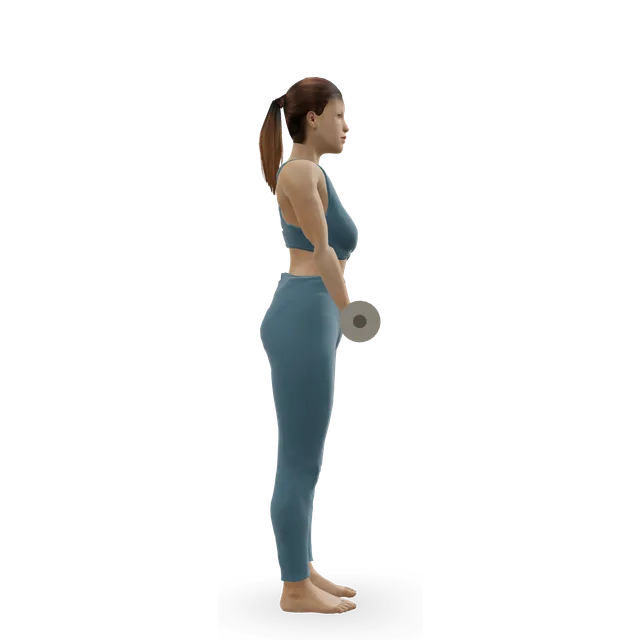
Elbow bend and straighten (elbow range of motion) demonstrated on the 3D figure3D demoElbow bend and straighten (elbow range of motion)Beginner · No equipment

10 slow repetitions, up to 4 times a day · The move page's dose, from an NHS leaflet. With ring and little finger tingling, skip long holds at full bend, as the move page says

Harder: Dumbbell biceps curl

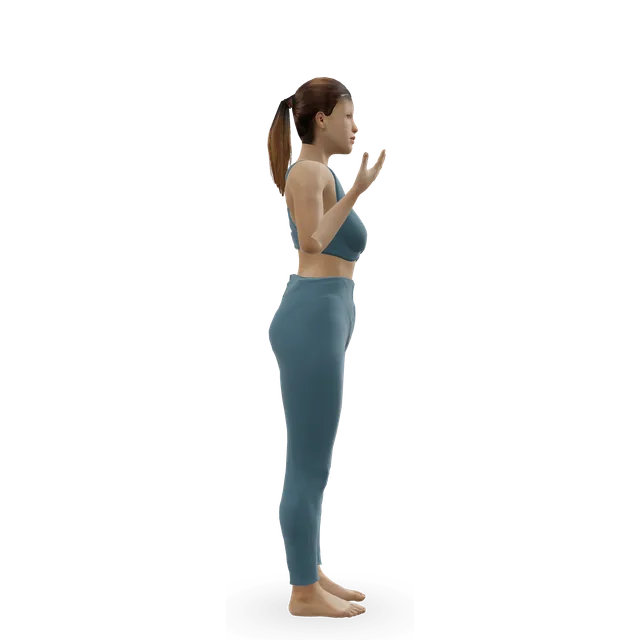
Wrist & forearm flow demonstrated on the 3D figure3D demoWrist & forearm flowBeginner · No equipment

10 slow repetitions each way, 2 to 3 times a day · Editorial, as in our elbow pain guide; NHS inform's tennis elbow exercises include turning the palm up and down

Easier: Wrist circles · Harder: Wrist flexor stretch

Reverse wrist curl demonstrated on the 3D figure3D demoReverse wrist curlBeginner · A dumbbell + A bench or box

For the outer elbow: hold the weight with the wrist level for 30 to 60 s, 5 times, once a day, light enough to stay within the pain rule · The UK consensus dose for holds, as our tennis elbow guide uses it

Easier: Wrist-extensor eccentrics · Harder: Plate pinch

Wrist curls demonstrated on the 3D figure3D demoWrist curlsBeginner · A dumbbell

For the inner elbow: the same holds, palm up · The UK consensus dose, borrowed for golfer's elbow (editorial); NHS inform's elbow exercises include a held wrist bend

Easier: Wrist-extensor eccentrics · Harder: Plate pinch

Ball squeeze demonstrated on the 3D figure3D demoBall squeezeBeginner · Other / check instructions

Squeeze as firmly as you can without increasing your pain, for 30 s, 5 to 10 times a day · An NHS Borders leaflet's dose

Easier: Tendon glides (hand tendon gliding exercises) · Harder: Band finger extension

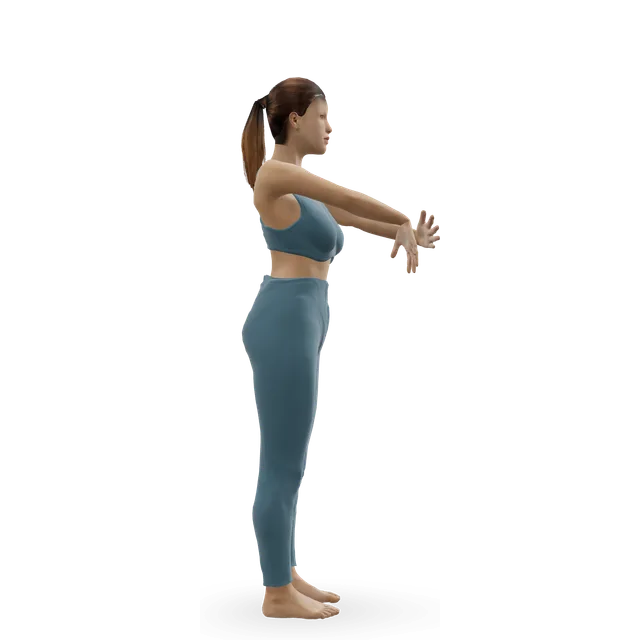
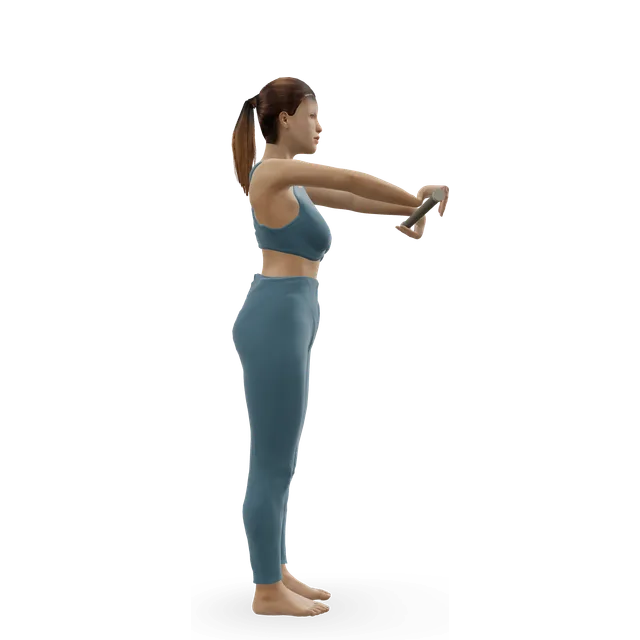
Wrist extensor stretch (tennis elbow stretch) demonstrated on the 3D figure3D demoWrist extensor stretch (tennis elbow stretch)Beginner · No equipment

3 holds of 30 s, after the holds, once or twice a day · The move page's dose; the UK consensus does 3 holds of 30 s before and after loading. Ease off if the hand tingles, as the move page says

Easier: Wrist & forearm flow

Move on when: The holds are comfortable within the pain rule, and the elbow is no worse the next morning (the check our elbow pain guide uses).

Follow along: a timer, a cue and the next move, one step at a time.
Stage 2

Build: load the forearm tendons on purpose

About weeks 2 to 8: the forearm moves once a day, the shoulder moves 2 or 3 times a week. Slow lifting and lowering at the UK consensus doses.

Wrist-extensor eccentrics demonstrated on the 3D figure3D demoWrist-extensor eccentricsBeginner · A dumbbell

For the outer elbow: 3 sets of 10 to 15, once a day, lowering slowly · The UK consensus dose for lifting and lowering; slow lowering eased pain faster in a trial

Harder: Wrist curls

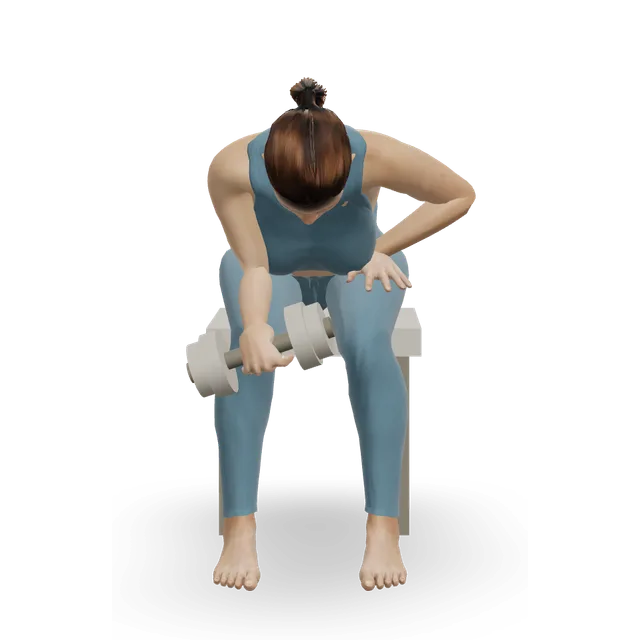
Reverse wrist curl demonstrated on the 3D figure3D demoReverse wrist curlBeginner · A dumbbell + A bench or box

For the outer elbow: 3 sets of 10 to 15, lifting and lowering, once a day · The UK consensus dose

Easier: Wrist-extensor eccentrics · Harder: Plate pinch

Wrist curls demonstrated on the 3D figure3D demoWrist curlsBeginner · A dumbbell

For the inner elbow: 3 sets of 10 to 15, once a day · The UK consensus dose, borrowed for golfer's elbow (editorial)

Easier: Wrist-extensor eccentrics · Harder: Plate pinch

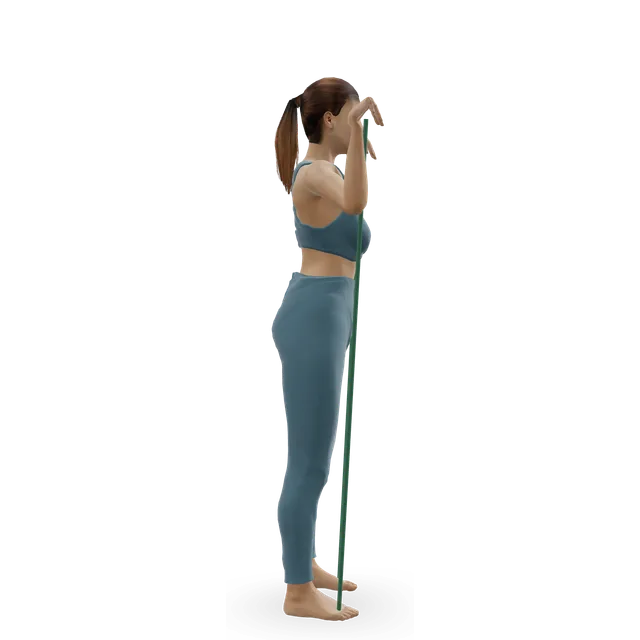
Tyler twist (flexible bar, for tennis elbow) demonstrated on the 3D figure3D demoTyler twist (flexible bar, for tennis elbow)Beginner · Other / check instructions

If you have a flexible bar, for the outer elbow: 3 sets of 15, about 4 s a repetition, 30 s rest between sets · The move page's dose, from a trial. For the inner elbow, the reverse Tyler twist (its move page gives 3 sets of 15)

Easier: Wrist-extensor eccentrics · Harder: Reverse wrist curl

Dumbbell forearm rotation demonstrated on the 3D figure3D demoDumbbell forearm rotationBeginner · A dumbbell + A bench or box

3 sets of 10 · Editorial, as in our elbow pain and tennis elbow guides

Easier: Wrist-extensor eccentrics · Harder: Plate pinch

Band row demonstrated on the 3D figure3D demoBand rowBeginner · A band + An anchor point

3 sets of 10 to 15, stopping 2 to 3 reps short of failure · The move page's dose; an NHS leaflet says it's a good idea to keep your shoulders strong

Harder: Supported single-arm dumbbell row

Move on when: A set no longer causes discomfort: then a heavier weight or a stiffer bar (the check our elbow pain and tennis elbow guides use).

Follow along: a timer, a cue and the next move, one step at a time.
Stage 3

Strengthen and return: grip, carry and lift normally

From about 6 to 12 weeks, 2 or 3 times a week, then keep going. Practise the task that started it (the mouse, gardening, a racquet, lifting the baby or a car seat, carrying shopping) in short spells, a little more each week (our suggestion), keeping palm-up lifting and thicker grips for heavy jobs, as an NHS leaflet advises. Ask about temporary changes at work if you need them, see a physiotherapist if it isn't improving after about 6 weeks, as the NHS suggests, and ask about referral after 12 to 24 weeks, as the UK care pathway says.

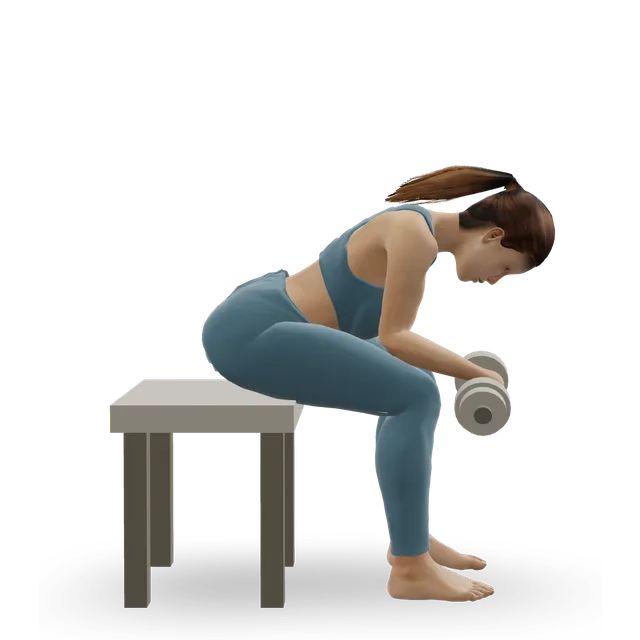
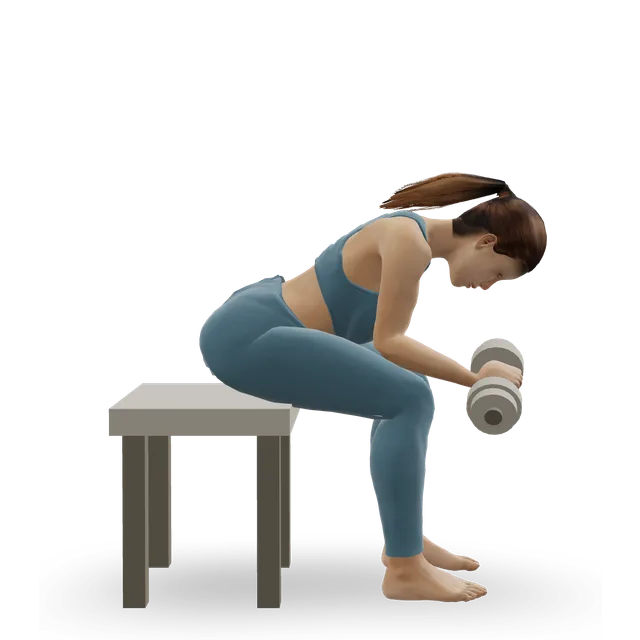
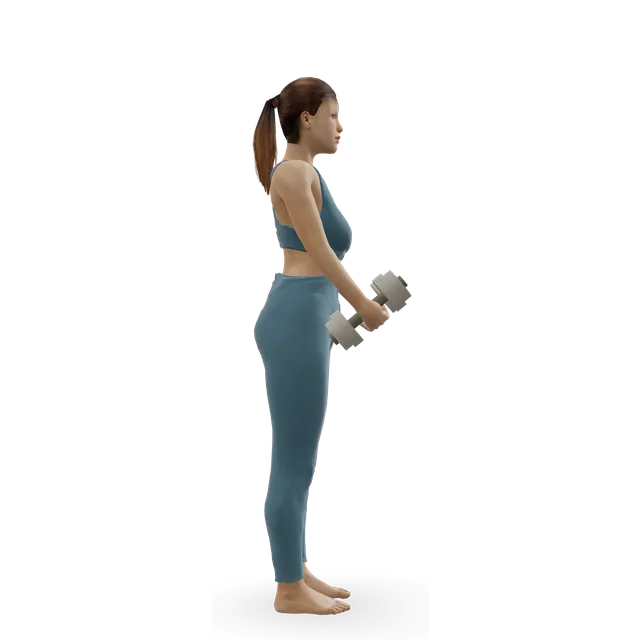
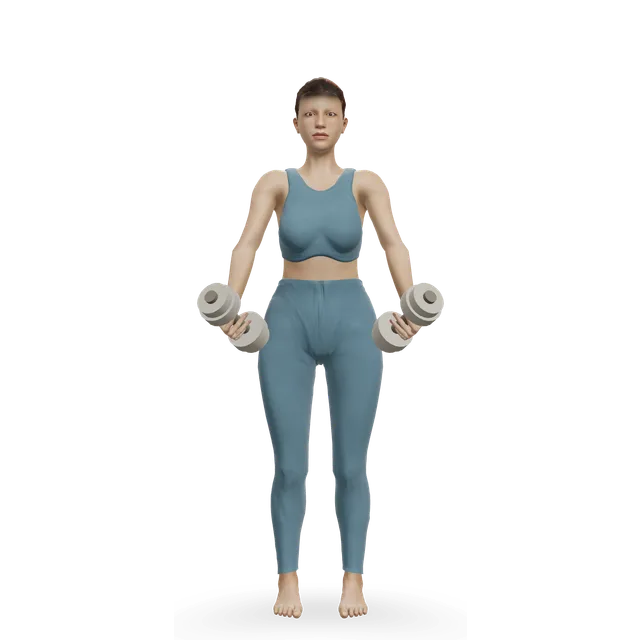
Hammer curl demonstrated on the 3D figure3D demoHammer curlBeginner · A dumbbell

3 sets of 8 to 12 · Editorial, as in our elbow pain guide. Leave thumb-up curls if the thumb side of the wrist hurts, as the move page says

Easier: Seated dumbbell curl · Harder: Alternating hammer curl

Farmer's carry demonstrated on the 3D figure3D demoFarmer's carryIntermediate · A dumbbell + A kettlebell

3 walks of 20 to 30 m · Editorial, as in our elbow pain guide: practice for shopping and carrying. Clear floor space to put the weights down, as the move page says

Harder: Suitcase carry

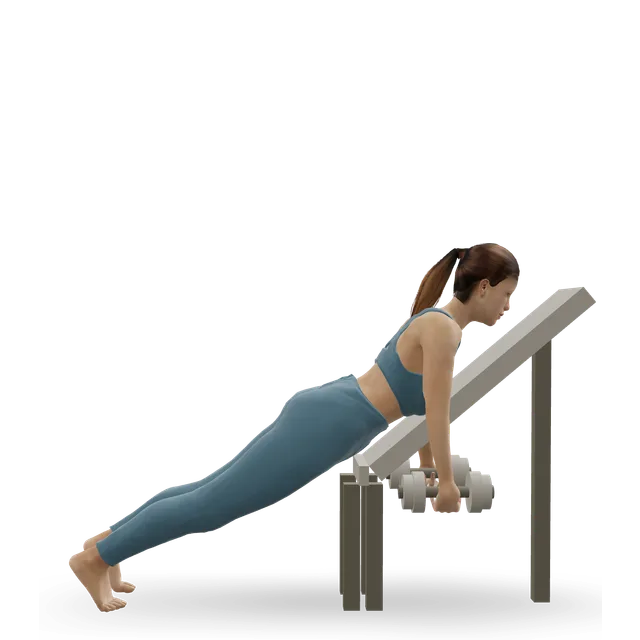
Incline push-up demonstrated on the 3D figure3D demoIncline push-upBeginner · A bench or box

3 sets of 8 to 12 · Editorial, as in our elbow pain guide. Use a higher surface if the wrists complain, as the move page says

Easier: Wall push-up · Harder: Push-up

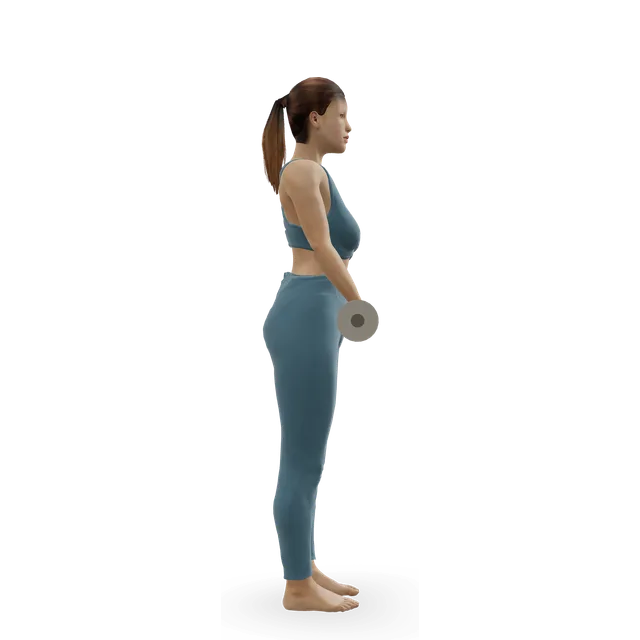
Dumbbell reverse curl demonstrated on the 3D figure3D demoDumbbell reverse curlIntermediate · A dumbbell

2 to 3 sets of 8 to 12, light, last · Editorial, as in our tennis elbow guide: palm-down lifting loads the outer tendon most, so it comes back last

Easier: Seated dumbbell curl · Harder: Chin-up

Move on when: Our suggestion: a normal week of work, home and sport passes the pain rule. Keep a twice-weekly forearm and grip habit for the long term; our wrist and forearm routine fits.

Follow along: a timer, a cue and the next move, one step at a time.

What to change for now

Grip, tools and lifting (written steps)

Our 3D figure can't show these. They come from NHS leaflets and pages.

  • 1. Keep using your arm, but reduce or change the jobs that make it worse; after the first 48 hours, use your elbow more, and stay at or go back to work (NHS inform; the NHS).
  • 2. Where you can, lift and grip with your palm facing up, close to your body, with the least force that works (NHS Lothian).
  • 3. Make grips thicker and loads lighter: wrap a bandage round a handle, use lighter tools, and split heavy shopping into two bags (NHS Lothian; NHS inform).
  • 4. Try a different mouse, such as a thumb mouse, and keep your work and tools close to your body (NHS Lothian).
  • 5. Take regular breaks from the jobs that hurt (NHS inform).
  • 6. A hot or cold pack wrapped in a towel for up to 20 minutes every 2 to 3 hours can ease pain (the NHS), but not with poor circulation or numb skin (NHS inform).

Sources 11, 60, 70, 7

Babies and caring (written steps)

No study has tested these. They are our suggestions, from the grip and lifting advice and two breastfeeding surveys.

  • 1. Lift the baby, a car seat or a toddler with your palms up and close to your body.
  • 2. When feeding, support your arm and the baby on pillows rather than holding the baby's weight with a bent elbow; arm and back support went with less pain in one survey.
  • 3. Swap arms, and use a sling or pram for longer spells.
  • 4. Rocking the baby to sleep in your arms went with worse arm function in one survey: share it, or use other ways to settle the baby when your arm is sore.

Sources 13, 12, 11

Work (written steps)

These come from the Health and Safety Executive and NHS inform.

  • 1. Your employer should reduce the force, vibration, repetition and fixed postures in your work, and make sure tools fit your hand (HSE).
  • 2. Ask about temporary changes to your duties while it settles (HSE).
  • 3. You don't need to be free of symptoms before going back to work (NHS inform).

Sources 71, 60

Tingling fingers and night positions (written steps)

These come from UK hand surgeons and the NHS.

  • 1. With ring and little finger tingling, avoid leaning on the inner elbow and keeping it bent for long; a folded towel wrapped round the elbow at night stops it bending, and a headset avoids holding a phone to your ear (UK hand surgeons).
  • 2. With thumb and finger tingling at night, a wrist splint worn at night for up to 6 weeks can help carpal tunnel symptoms (the NHS).

Sources 23, 38

Positions to swap, and why

Habit or positionWhy it mattersInstead
Lifting with the palm facing down: a kettle, a car seat, bags held outIt loads the outer elbow tendons most; NHS Lothian says lift with the palm up.Palm up or thumb up, with the object close to your body.
Gripping hard and long: tools, a mouse, secateurs, a racquetForceful, repetitive gripping is the main risk.The least grip that works, thicker handles, lighter tools and breaks.
Holding a baby or a phone with the elbow bent for long spellsBent elbows and leaning squeeze the ulnar nerve, and rocking a baby in the arms went with worse arm function in a survey.Support your arm on pillows, swap arms, use a sling, and a headset for calls.
Resting it completely, or a sling"Continuing to use your arm will not cause long term damage", an NHS leaflet says.Keep using it within the pain rule.Try: Elbow bend and straighten (elbow range of motion)
A steroid injection to get on with itPeople were worse off at 6 to 12 months and it came back more often; the UK care pathway says don't.Exercise, grip changes, a strap during the painful jobs, and time.
Paying for PRP or shockwaveNo meaningful benefit over placebo.The staged plan.Try: Wrist-extensor eccentrics
Pushing the forearm exercises hard into painMost trials used pain-free exercise, and our elbow guides keep to about 3 to 4 out of 10.A lighter weight, a held position and slower progress.
Heavy palm-down curls while it's soreThey load the sore outer tendon most (our reasoning).Thumb-up curls first.Try: Hammer curl
Leaning on the point of the elbowIt can cause or flare bursitis; the NHS suggests padding when you put a lot of pressure on a joint.Padding, or lean on your forearm.
Putting arm pain with chest pressure, sweating or breathlessness down to your elbowIt can be a heart attack, in women as in men.Call 999.
Assuming midlife elbow pain is just the menopauseNo study links them, and tennis elbow peaks at the same ages in men.Treat the tendon, and see a GP about menopause symptoms if you want to know your options.Try: Reverse wrist curl

Routines to follow

More moves for this area

Questions people ask

What causes elbow pain in women?

Usually tennis elbow on the outside or golfer's elbow on the inside, from gripping, lifting and twisting at work or at home, most often between about 40 and 55. A squeezed nerve, a swollen bursa and arthritis are other causes. They are about as common in women as in men.

Can the menopause cause elbow pain or tennis elbow?

No study has shown it: tennis elbow peaks at the same ages in men, and no study has linked it with the menopause. The NHS lists muscle aches and joint pains among menopause symptoms, and our joint pain in the menopause guide covers those. A sore spot on the elbow that hurts when you grip is the tendon, and it responds to the same plan at any age.

Is elbow pain a sign of a heart attack in women?

Rarely on its own, but arm pain is as common in women's heart attacks as in men's. Call 999 for arm pain that comes on suddenly with pressure, heaviness or squeezing across your chest, or with breathlessness, sweating or feeling sick, in either arm. Elbow pain that is worse when you grip and tender over the bone points to the tendon. In the US, call 911 where this page says 999.

Why does my elbow hurt from holding my baby?

No study has looked at it, but holding and lifting a baby uses the same gripping and bending that cause tennis and golfer's elbow. Lift with your palms up and close to your body, support your arm on pillows when feeding, and swap arms; the plan above rebuilds strength. Pain on the thumb side of the wrist after the birth is more often the wrist, which our wrist pain in pregnancy guide covers.

Is tennis elbow more common in women?

No: population studies in the UK and Finland found it about as common in women as in men, most often at 45 to 54. In one US county, women in their 40s were diagnosed a little more often than men of the same age.

Why do my fingers tingle with elbow pain?

Tingling in the ring and little fingers, worse with the elbow bent, points to the ulnar nerve at the elbow. Tingling in the thumb, index and middle fingers is usually carpal tunnel syndrome at the wrist, about twice as common in women. Tennis elbow itself doesn't cause numbness; see a GP for tingling that keeps coming back or a weak hand.

Will a steroid injection fix my tennis elbow?

It eases pain for about 6 weeks, but people who had one were worse off at 6 to 12 months and more likely to have it come back. UK guidance says don't use it. Exercise and grip changes help more over time.

Do tennis elbow straps work?

They ease pain for some people while they wear them, but trials can't say they do more than that. If one helps, wear it only during the jobs that hurt.

How long does tennis elbow last?

Usually months: 89% were much better at a year without treatment, and how long it had lasted didn't change the odds. An NHS leaflet says 6 to 24 months to settle. It comes back within 2 years in about 1 in 12 people.

Could my elbow pain be arthritis?

Osteoarthritis rarely starts in the elbow unless you've broken it before or done heavy manual work. Rheumatoid arthritis, about twice as common in women, can affect the elbows: see a GP for warm, swollen joints, several at once, or morning stiffness over 30 minutes.

Can I get elbow pain in pregnancy?

No study has looked at it; tingling hands in pregnancy are usually carpal tunnel syndrome at the wrist, which often settles after the birth. In pregnancy, use paracetamol rather than ibuprofen, including gels, unless a doctor or pharmacist advises otherwise.

When should I see a doctor?

Call 999 for arm pain with chest pressure or the other heart signs. Get help the same day for a hot, swollen elbow with a high temperature, or a pop with bruising at the front of the elbow. See a GP if it isn't better after a few weeks of looking after it yourself, or for lasting tingling, a weak hand or swollen joints.

Related exercise guides

Other pain guides

Sources

  1. Walker-Bone 2012 · Tennis and golfer's elbow and work in 6,038 UK adults (population study, Rheumatology)
  2. Shiri 2006 · How common tennis and golfer's elbow are, and why, in 4,783 Finnish adults (population study, Am J Epidemiol)
  3. Singh 2023 · UK care pathway for tennis elbow (British Elbow and Shoulder Society pathway, Shoulder Elbow)
  4. Sanders 2015 · New cases of tennis elbow by age and sex in a US county, 2000 to 2012 (population study, Am J Sports Med)
  5. Herquelot 2013 · Work and new tennis elbow in 1,046 French workers followed for years (cohort study, Scand J Work Environ Health)
  6. Jordan 2010 · How many people consult a GP each year about each body region, by age and sex, in 12 English practices (observational study, BMC Musculoskelet Disord)
  7. NHS · Tennis elbow
  8. van Rijn 2009 · Work factors and specific elbow problems (systematic review, Rheumatology)
  9. Descatha 2013 · Work tasks and new tennis and golfer's elbow in 699 newly employed workers (cohort study, Scand J Work Environ Health)
  10. Descatha 2016 · Work and tennis elbow: 5 prospective studies (systematic review and meta-analysis, Arthritis Care Res)
  11. NHS Lothian · Tennis elbow: information for patients (2024)
  12. Gürsu 2026 · Muscle and joint pain in 216 breastfeeding women in the first 6 months (cross-sectional study, J Community Health Nurs)
  13. AlMohri 2026 · Muscle and joint pain from breastfeeding in 471 mothers (online survey, BMC Womens Health)
  14. Bcharah 2026 · Hormone replacement therapy and coded tendon problems in women aged 45 and over (records study, Orthop J Sports Med)
  15. Wright 2024 · The musculoskeletal syndrome of menopause (narrative review, Climacteric)
  16. Hansen 2016 · Sex hormones and tendons (review, Adv Exp Med Biol)
  17. Leblanc 2017 · Oestrogen and tendon and ligament health (review, J Steroid Biochem Mol Biol)
  18. NHS · Symptoms of menopause and perimenopause
  19. Chung 2022 · Breast cancer tablets (aromatase inhibitors), carpal tunnel syndrome and trigger finger: 19 studies (systematic review, Plast Reconstr Surg)
  20. NHS · Side effects of anastrozole
  21. Latinovic 2006 · New cases of carpal tunnel, ulnar nerve and other compressed nerves in UK general practice (population study, J Neurol Neurosurg Psychiatry)
  22. Mondelli 2005 · New cases of the ulnar nerve squeezed at the elbow in Siena, Italy (population study, J Neurol Sci)
  23. British Society for Surgery of the Hand · Cubital tunnel syndrome
  24. NHS Borders · Referral help toolkit: cubital tunnel syndrome
  25. DeBernardis 2026 · Treating primary elbow osteoarthritis without a joint replacement (review, J Am Acad Orthop Surg)
  26. Jahn 2025 · Elbow osteoarthritis and heavy or vibrating work (systematic review and meta-analysis, Occup Med)
  27. Arthritis UK · Elbow pain
  28. Abhishek 2017 · How common rheumatoid arthritis is in the UK, by sex (population study, Rheumatology)
  29. Hong 2025 · Rheumatoid arthritis of the elbow and its surgery (review, J Rheum Dis)
  30. Schäfer 2020 · Elbow arthritis on ultrasound in 102 people with rheumatoid arthritis (cross-sectional study, J Clin Med)
  31. NICE NG100 · Rheumatoid arthritis in adults: management (2018, updated 2020)
  32. Shemesh 2024 · Who gets bursitis on the point of the elbow, in 10,301 people (population study, J Clin Med)
  33. NHS · Bursitis (past its review date: reviewed October 2023, review due October 2026)
  34. Safran 2002 · Torn biceps tendons at the elbow: how common, and in whom (population study, Clin Orthop Relat Res)
  35. American Academy of Orthopaedic Surgeons (OrthoInfo) · Biceps tendon tear at the elbow
  36. Jockel 2010 · Torn biceps tendons at the elbow in 13 women (case series, J Shoulder Elbow Surg)
  37. Massey 2014 · Nerve problems in pregnancy (review, Continuum)
  38. NHS · Carpal tunnel syndrome
  39. van Oosterhout 2020 · Heart attack symptoms in women and men compared: 27 studies (systematic review and meta-analysis, J Am Heart Assoc)
  40. NHS · Elbow and arm pain
  41. NHS · Angina
  42. British Heart Foundation · Signs and symptoms of heart attacks in women
  43. Appelboam 2008 · The elbow straightening test after an injury, in 2,127 people (diagnostic study, BMJ)
  44. NHS · Heart attack
  45. Ikonen 2022 · How tennis elbow goes without treatment: the no-treatment and placebo groups of 24 trials (systematic review and meta-analysis, Clin Orthop Relat Res)
  46. Karjalainen 2023 · Is it time to reconsider surgery for tennis elbow? (editorial, Bone Joint J)
  47. Stahl 1997 · A steroid injection for golfer's elbow in 58 people (RCT, J Bone Joint Surg Am)
  48. Wallis 2024 · Manual therapy and exercise for tennis elbow: 23 trials (Cochrane review)
  49. Karanasios 2021 · Exercise against other treatments for tennis elbow: 30 trials (systematic review, Br J Sports Med)
  50. Bateman 2021 · A UK consensus physiotherapy protocol for tennis elbow (consensus study, BMJ Open)
  51. Peterson 2014 · Slow lowering or lifting exercise for long-lasting tennis elbow in 120 people (RCT, Clin Rehabil)
  52. Stasinopoulos 2017 · Three exercise programmes for tennis elbow in 34 people (RCT, J Hand Ther)
  53. NHS inform · Exercises for tennis elbow
  54. NHS inform · Exercises for elbow problems
  55. See 2026 · Slow-lowering exercise for golfer's elbow: 5 studies (systematic review, Complement Ther Med)
  56. Bisset 2006 · Physiotherapy, a steroid injection or wait and see for tennis elbow in 198 people (RCT, BMJ)
  57. Smidt 2002 · Steroid injections, physiotherapy or wait and see for tennis elbow in 185 people (RCT, Lancet)
  58. Coombes 2013 · A steroid or placebo injection, with or without physiotherapy, for tennis elbow in 165 people (RCT, JAMA)
  59. Hay 1999 · A steroid injection or naproxen for tennis elbow in 164 people in UK general practice (RCT, BMJ)
  60. NHS inform · Tennis elbow
  61. Karjalainen 2021 · Blood and platelet-rich plasma injections for tennis elbow (Cochrane review)
  62. Buchbinder 2005 · Shockwave therapy for tennis elbow (Cochrane review)
  63. Buchbinder 2011 · Surgery for tennis elbow (Cochrane review)
  64. Chesterton 2013 · TENS added to GP care for tennis elbow in 241 people: TATE (RCT, BMJ)
  65. Wheeler 2026 · Shockwave or a dummy dose, both with home exercise, for long-lasting tennis elbow in 43 people (RCT, Shoulder Elbow)
  66. NHS · Pregnancy, breastfeeding and fertility while taking paracetamol for adults
  67. NHS · Pregnancy, breastfeeding and fertility while taking ibuprofen
  68. Struijs 2002 · Straps and braces for tennis elbow (Cochrane review)
  69. Kroslak 2019 · A counterforce brace or a placebo brace for tennis elbow in 31 people (RCT, J Shoulder Elbow Surg)
  70. NHS inform · Elbow problems
  71. Health and Safety Executive · Upper limb disorders at work
  72. NHS · Rheumatoid arthritis (past its review date: reviewed March 2023, review due March 2026)

Exercise education, not a diagnosis or treatment plan. It is written from the guidelines and studies listed above; review by a clinician is pending. If your pain follows an injury, is severe, is getting worse, or comes with any warning sign listed on this page, get it assessed. Health disclaimer.