Neck pain is commoner in womenStrong evidence
In 2020, about 2,890 in every 100,000 women and 2,000 in every 100,000 men had neck pain at any one time (122 million women and 82 million men worldwide), and it is commonest in mid to later life. The Global Burden of Disease researchers say the reasons for the difference need exploring; they suggest women's smaller neck bones and muscles may matter after injuries, and that genes may affect how pain is felt.
In office workers, being a woman and having had neck pain before were the only factors with strong evidence for predicting new neck pain (7 cohort studies). Nothing about this suggests women's necks are fragile or need gentler training: the strength trials below were done in women.
Sources 1, 2
Most of it is the neck itself
Ordinary neck pain comes from the muscles and small joints: stiffness, an ache at the back or side, pain at the end of turning or looking up, sometimes spreading to the top of the shoulder or causing a headache. Clicking and grinding are common and not usually serious. The NHS names sleeping in an awkward position, long spells at a desk, a pinched nerve and an injury as the commonest causes, and NHS inform adds muscle strain or tension and anxiety and depression.
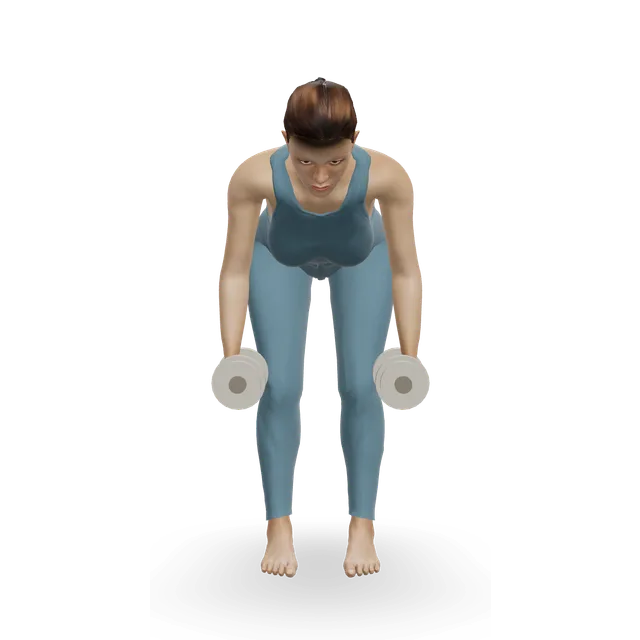
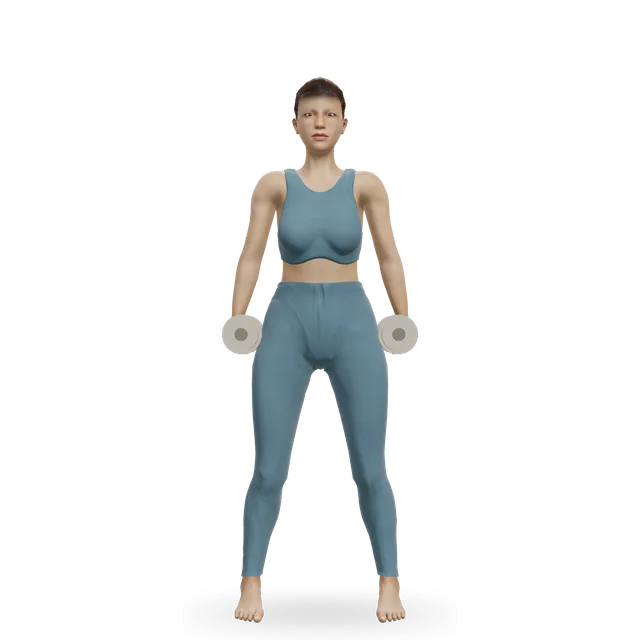
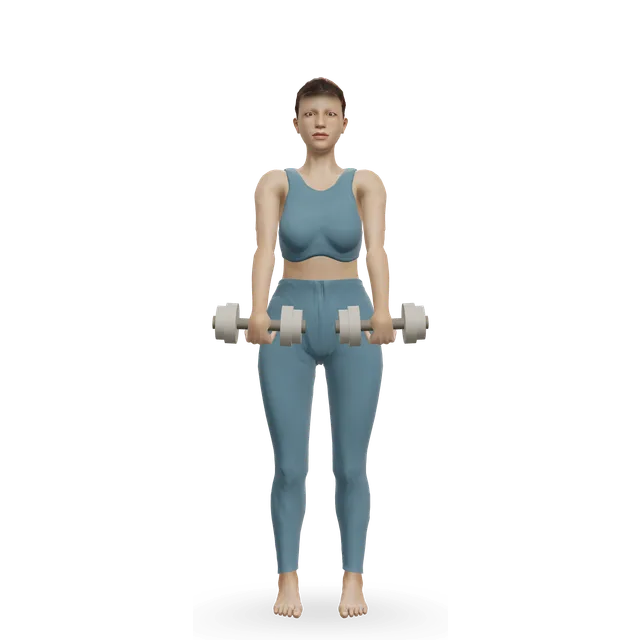
An ache across the top of the shoulders and the base of the neck, with tender muscles, often after long desk or caring days, is what the trapezius trials in women treated. Neck arthritis (cervical spondylosis) brings a stiff, achy neck in mid and later life, with headaches that often start at the back of the neck.
Sources 3, 4, 5, 6, 7
Desk work and stress play a part, but it isn't just stressMixed evidence
In office workers, a keyboard close to the body (about 1.5 times the risk), little variety in tasks and feeling tense predicted new neck pain (10 cohort studies). In 1,204 Swedish university students, perceived stress and computer sessions of 4 hours or more without a break each raised the chance of new neck pain by about 1.7 times, and women developed neck pain about 2.5 times as often as men.
Across studies of stress and long-lasting neck and arm pain, stress was linked with about 2.3 times the odds, but the evidence was low quality and the studies varied a lot, and stress didn't predict new neck pain in office workers. Forward head posture was only slightly more common in adults with neck pain, in snapshot studies that can't show which came first.
Sources 8, 9, 10, 2, 11
Headaches, migraine and the jawStrong evidence
Migraine affects about 17.0% of women and 8.6% of men, and tension-type headache 27.1% and 23.4%, a small difference (357 studies). The NHS says women are more likely to get migraine, a stiff neck can be an early sign of an attack, attacks just before or during a period are often longer and more severe, and migraine often gets better after the menopause.
In 797 Danish adults, neck pain in the past year was reported by 76% of people with migraine and 88% with tension-type headache, against 57% without headaches. Jaw joint problems (temporomandibular disorder) were about twice as common in women in 5 population studies; the NHS says the pain around the jaw, ear and temple can be worse when chewing and when stressed.
Periods can play a part through menstrual migraine, and more severe premenstrual symptoms went with more muscle and joint pain in a snapshot study of 257 nursing students, but no study we found shows that periods cause neck pain itself.
Sources 12, 13, 14, 15, 16, 17, 18
Pregnancy and the year after the birthEmerging evidence
In 1,835 pregnant women in Australia, 12.4% reported neck pain, about 1 in 8. Headaches are common early in pregnancy and usually improve, but from 20 weeks a severe headache with vision problems, pain below the ribs or sudden swelling can be pre-eclampsia. Tingling hands in pregnancy can be carpal tunnel syndrome, which is more likely then.
After the birth, feeding, lifting and carrying load the neck. In clinic surveys in Nigeria (310 mothers) and Cameroon (110 mothers), 52% and 35% had neck pain with breastfeeding, mostly during feeds, and in an online survey of 395 mothers in Poland, those who preferred to feed lying down had less intense neck pain. These are snapshots that may not apply elsewhere. A severe headache after an epidural can come from an accidental puncture of the fluid sac around the spine, which can be treated.
Sources 19, 20, 21, 22, 23, 24, 25, 26, 27
The menopause, loose joints, fibromyalgia and other conditions commoner in womenEmerging evidence
The NHS lists muscle aches and joint pains, and headaches and migraines that are worse than usual, among menopause symptoms, and across 16 studies 71% of perimenopausal women reported muscle and joint pain. No study we found looked at the neck alone.
In 555 adults in a US community study, very flexible joints were found in 23.5% of women and 6.8% of men, and neck pain in 24.1% of the women with them against 16.0% without. Fibromyalgia, widespread pain with tiredness and poor sleep, is more common in women and usually starts between 25 and 55, though in studies that avoided referral bias women were 60% or fewer of the cases. From 50, polymyalgia rheumatica (stiff shoulders, neck and hips in the morning) and temporal arteritis are more common in women, and an overactive thyroid, about 10 times more common in women, can swell the front of the neck.
Sources 28, 29, 30, 31, 32, 33, 34, 35, 36, 37, 38
The heart: the signs women reportStrong evidence
The NHS says heart attack pain is usually in the chest and can spread to the arms, neck or jaw, with breathlessness, sweating or feeling sick. The British Heart Foundation says men and women mostly share the same symptoms, but women sometimes have the less well-known ones rather than chest pain, including pain that spreads to either arm, the neck, jaw, upper back or stomach. After the menopause, women's risk rises.
Across 27 studies of more than a million people, women having a heart attack more often had pain between the shoulder blades (about 2.2 times the odds), in the neck (1.8) and in the jaw (1.75), and more often felt sick or breathless, while chest pain was still the commonest symptom in both (74% of women, 79% of men). In a US registry of 1,143,513 people, 42.0% of women and 30.7% of men had no chest pain. Neck pain that changes as you move your head, with none of these signs, points to the neck itself.
Sources 39, 40, 41, 42, 43
When a scan or test helpsStrong evidence
Neither the NHS nor NHS inform suggests a scan for ordinary neck pain; both advise looking after it yourself, and a GP or physiotherapist if it isn't improving. Scans can mislead: in 1,211 volunteers without neck symptoms, 87.6% had bulging discs on magnetic resonance imaging (MRI), including 78.0% of women in their 20s.
Tests answer specific questions: an electrocardiogram (ECG) and blood tests for a suspected heart attack; blood pressure and urine checks for pre-eclampsia; a blood test for a thyroid problem; blood tests, and sometimes an ultrasound scan or a biopsy of the temple artery, for temporal arteritis; a nerve test when carpal tunnel syndrome isn't clear; and an MRI scan when there are signs of a trapped nerve or pressure on the spinal cord.
Sources 3, 4, 44, 39, 21, 38, 37, 22
How it usually goesStrong evidence
The NHS says most neck pain lasts only a few weeks, and NHS inform expects the biggest change within the first couple of weeks and most problems to improve within 8 weeks. In the trials in women, pain fell over 10 weeks of shoulder strength training and stayed lower after 12 months of neck training. Carpal tunnel syndrome can settle by itself within a few months, particularly in pregnancy; menopause symptoms usually last 7 to 9 years, and joint pain can continue afterwards; migraine often gets better after the menopause. No one can promise a timescale.
Sources 3, 4, 5, 45, 22, 28, 13