Strength at home
Postnatal strength workout (from about 6 weeks)
The next step after the postnatal exercises, from about 6 weeks after a straightforward birth, and after a caesarean once it's comfortable, usually from about 6 weeks. It builds the lifts you do all day with a baby, squatting, picking up a car seat, pushing and pulling, with your pelvic floor working as you lift. The postpartum workout plan's stages set when to start and how much to do; stop if anything brings on pain, heaviness, leaking or heavier bleeding.
Warm-up
- Cat-cow6 slow roundsBeginner · Back, Abs · 3D demoA small range; it eases a back that's stiff from feedingHarder: Half lord of the fishes (Ardha Matsyendrasana)
- Beginner · Abs · 3D demoSitting: on each breath out, gently lift your pelvic floorHarder: Roll-up (Pilates)



Circuit
2 rounds · Rest 60 to 90 s between rounds
- Sit to stand from a chair8 to 12Beginner · Quads, Glutes, Hamstrings · 3D demoLift your pelvic floor and breathe out as you stand: the knack. When 12 are easy, move to the bodyweight squat, then a goblet squatHarder: Bodyweight squat
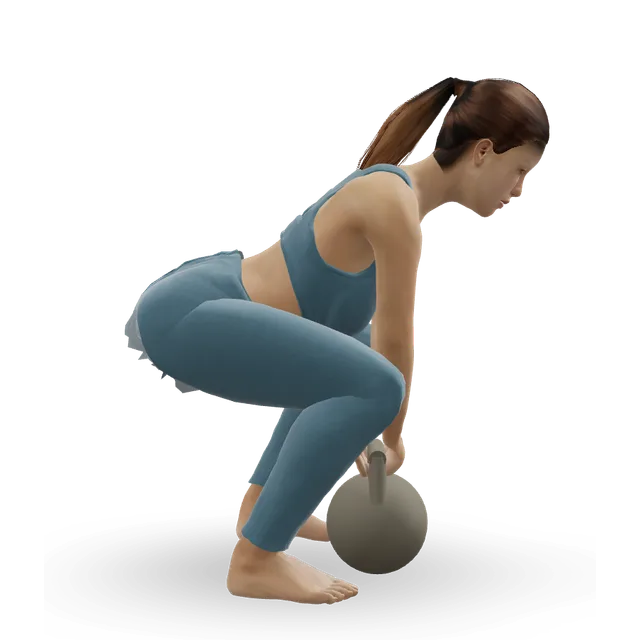
- Kettlebell deadlift8 to 10Beginner · Glutes, Hamstrings, Back · 3D demoStart no heavier than your baby in a car seat. Bend your knees, keep the weight close and breathe out as you stand. After a caesarean, wait until about 6 weeks and it feels comfortableHarder: Dumbbell Romanian deadlift
- Wall push-up8 to 12Beginner · Chest, Triceps, Shoulders · 3D demoMove to the incline push-up when 12 are easy; full push-ups laterHarder: Push-up
- Band row10 to 15Beginner · Back, Biceps, Shoulders · 3D demoAnchor the band in a closed door on the hinge side or round a sturdy postHarder: Supported single-arm dumbbell row
- Glute bridge10 to 12Beginner · Glutes, Hamstrings, Abs · 3D demoTilt your pelvis first, then liftEasier: Pelvic tilt into bridgeHarder: Glute kickback (quadruped hip extension)
- Reverse lunge6 to 8 each sideIntermediate · Quads, Glutes, Hamstrings · 3D demoHold a support. Skip it if it brings on perineal or pelvic painEasier: Split squatHarder: Split squat with dumbbells
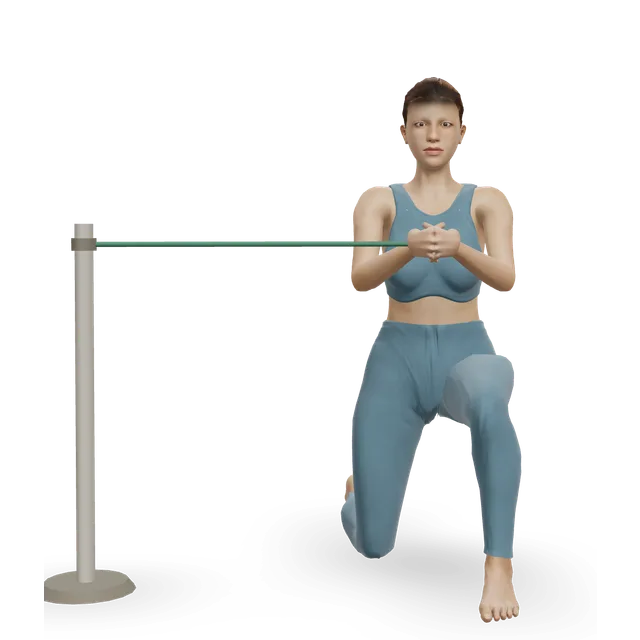
- Half-kneeling Pallof press8 each sideBeginner · Abs, Glutes, Shoulders · 3D demoStand instead if kneeling is uncomfortableHarder: Pallof press





Tummy
2 rounds
- Dead bug heel taps6 each sideBeginner · Abs, Hip flexors · 3D demoStop if the middle of your tummy domes; heel slides are the easier optionHarder: Forearm plank
- Bird dog5 to 8 each sideBeginner · Back, Abs, Glutes · 3D demoOne limb at a time if you wobbleEasier: Bird dog, one limb at a timeHarder: Bear crawl


Cool-down
- Beginner · Back, Shoulders, Glutes · 3D demoHarder: Extended puppy pose (Uttana Shishosana)
- Pelvic floor exercise (Kegel)10 slow holds of up to 10 s, then 10 quick squeezesBeginner · Pelvic floor · 3D demoSitting or lying on your side


Tips
- Twice a week with a day between, and walks on the other days.
- Start with 2 rounds. Move on when they feel easy with no doming you can't control, leaking, heaviness or pain: add reps, then a third round, then weight, in small steps.
- If bleeding gets heavier, turns red again or comes back after a session, you've done too much: drop back for a week, and tell your midwife if it continues.
- Breastfeeding? Feed or express first, drink water and wear a well-fitting supportive bra.
- Planks, full push-ups, running and jumping come later: the NHS advises avoiding sit-ups, planks and high-impact exercise to start with, and the running checks come from about 12 weeks.
- A tummy gap? This session suits you; add the diastasis recti workout once head lifts are comfortable. Leaking, heaviness or a bulge: see a pelvic health physiotherapist.
- Short of time or sleep? One round counts.
The doses are suggested starting points, not a prescription. Choose a range you can control and stop for sharp or increasing pain, numbness or tingling. Get individual advice after an injury or surgery, or if you are pregnant or managing a health condition.
Part of these weekly plans
Follow the whole week: which session on which day, and how to progress.
Guides that recommend it
Find more moves like these
More strength at home



Beginner bodyweight workout
A 20-minute full-body workout with no equipment: squats, knee push-ups, bridges, lunges and planks.
20 minBeginner10 movesNo equipment


Full-body bodyweight workout
An intermediate no-equipment workout: push-ups, split squats, single-leg bridges, pike push-ups and core work.
30 minIntermediate11 movesNo equipment


Full-body dumbbell workout
A 35-minute full-body strength workout with dumbbells: goblet squats, presses, rows, Romanian deadlifts and carries.
35 minIntermediate9 movesA band, A dumbbellQuestions people ask
How long does the postnatal strength workout (from about 6 weeks) take?
About 25 minutes, including any warm-up and cool-down listed. Shorten it by doing fewer rounds; lengthen it by adding one.
What equipment do I need?
You need: A bench or box, A kettlebell, A wall, A band, An anchor point. Each move links to its guide, where you can find an alternative if you are missing something.
Is it suitable for beginners?
It is written for beginners. 3 of its 14 moves have an easier option listed beside them if you need one.
How do I make it easier or harder?
Use the easier or harder option listed under each move, change the number of rounds, or adjust the rest. Progress one change at a time.