Pain guide · Elbow pain

Elbow pain at night: tennis elbow, the funny-bone nerve, bursitis, arthritis and how to sleep

Elbow pain at night usually comes from tennis elbow, which the National Health Service (NHS) says can cause constant pain that affects sleep; from the ulnar (funny-bone) nerve, irritated when you sleep with your elbow bent, which can wake you with tingling ring and little fingers; or from lying on a swollen point of the elbow (bursitis). Arthritis and a trapped nerve in the neck can do it too. On its own, night pain is a weak sign of anything serious.

Call 999 for arm pain with pressure, heaviness or tightness across your chest, and go to accident and emergency (A&E) after an injury that leaves the elbow out of shape or the arm numb; get help the same day, through an urgent general practitioner (GP) appointment or the NHS's 111 line (NHS 111), for a hot, swollen elbow, especially with a high temperature; and see a doctor straight away for pain that is there all night, every night, or comes with weight loss or night sweats. This guide covers how to sleep with each cause, what helps (in trials, most people with tennis elbow were better within a year, and advice on positions helped most people with an irritated ulnar nerve), and a three-stage plan back to a full night and a full grip, with 3D demos.

When to get help first

Exercise is for pain that has been checked or is clearly mild and settling.

Get urgent medical help if

  • Call 999: arm pain that comes on suddenly with pressure, heaviness, tightness or squeezing across your chest, especially with shortness of breath, sweating or feeling sick. It could be a heart attack.
  • Call 999: sudden weakness or numbness in one arm, especially with a drooping face or slurred speech. It could be a stroke.
  • Go to A&E or call 999 if you've injured your arm and it is numb, tingling or has pins and needles; a bone is sticking out or a bad cut is bleeding heavily; or the arm or elbow has changed colour or shape, or is at an odd angle. Don't drive yourself.
  • Urgent treatment centre or A&E: severe pain in your arm and it's difficult to move, or you've injured your arm and heard a snap. Tingling or numbness that comes on suddenly or after an injury belongs here too.
  • Same day (urgent GP appointment or NHS 111): a swollen elbow with a very high temperature, or you feel hot, cold or shivery; or sudden severe pain in one joint with swelling, a change of colour and difficulty moving it. It could be an infection in the joint or the bursa, or gout.
  • Call 999 or go to A&E if redness spreads through the skin around the elbow and you have a very high temperature or feel hot, cold or shivery, a fast heartbeat or fast breathing, purple patches on the skin, feel dizzy or faint, are confused, or have cold, clammy or pale skin. These can be signs of a serious infection. Don't drive yourself.
  • Ask for an urgent GP appointment or get help from NHS 111 the same day if the skin over the swelling is painful, hot and swollen. Redness can be harder to see on brown or black skin. The bursa may be infected and need antibiotics, especially if there's a cut, graze or insect bite over it.
  • Same day (NHS 111): after a fall or knock you can't fully straighten the elbow, or the injured arm is very painful, very swollen or bruised, or stiff and hard to move. In a large study, about half of people who couldn't fully straighten the elbow after an injury had a fracture.
  • Same day (NHS 111): your arm hurts when you exercise, but the pain goes away when you rest.

See a doctor or physiotherapist if

  • Elbow pain that is there all night, every night, so you can't rest or sleep, or night pain with unexplained weight loss or unusual night sweats: see a doctor straight away, as an NHS trust's tennis elbow leaflet advises. Bone pain that is constant or worse at night, especially with a lump or a past history of cancer, needs checking too.
  • Contact your GP if you have elbow pain and have ever been diagnosed with cancer or a joint condition like rheumatoid arthritis, or your elbow is hot, swollen or tender, especially if you can't recall an injury. If your GP practice is closed, phone 111.
  • Pins and needles that keep coming back or are constant, numbness in the ring and little fingers that doesn't go, a weak or clumsy hand, or visible wasting between the thumb and index finger. Ask about referral: one NHS referral guide treats permanent numbness or wasting as urgent.
  • Elbow or arm pain that hasn't gone after a few weeks of looking after it yourself (for tennis elbow, the NHS says after at least 2 weeks of self-care). In many areas you can refer yourself to NHS physiotherapy.
  • A swelling on the point of the elbow that isn't better after 1 to 2 weeks of looking after it yourself.
  • An elbow that locks or catches: occasionally a loose piece of bone or cartilage is the cause.
  • Pins and needles or a cold arm alongside neck pain, or a new loss of strength or feeling in the arm that you cannot explain (a possible nerve problem).
  • Numbness or tingling in your thumb and fingers that wakes you at night: see a GP if it is getting worse or not going away. It can be carpal tunnel syndrome, which our carpal tunnel guide covers.
  • Pain that wakes you most nights for more than a few weeks despite changing how you sleep, or that is just as bad whatever position you lie in: our suggestion is to see a GP or physiotherapist. In many areas you can refer yourself.

Where does it hurt?

Location narrows the likely causes; it does not diagnose.

The outside of the elbow, aching in bed and often worst on waking, sore to grip, lift or turn a handle

Usually tennis elbow.

Read: Tennis elbow →
The inside of the elbow, worse gripping, lifting or bending the wrist

Usually golfer's elbow.

Read: Golfer's elbow →
Tingling or numbness in the ring and little fingers that wakes you, worse with the elbow bent or leaning on it

The ulnar nerve at the elbow (cubital tunnel syndrome). Keeping the elbow straighter at night is the first step.

Read: Ulnar nerve entrapment →
A soft swelling on the point of the elbow, sore to lie or lean on

Olecranon bursitis. If the skin over it becomes painful, hot and swollen, or you feel feverish, get a same-day check.

Read: Elbow bursitis →
A stiff elbow that won't fully straighten or bend, painful at the ends of its movement, sometimes grating or locking

Elbow arthritis, or stiffness after an old injury.

Read: Elbow arthritis and stiffness →
Arm pain with pins and needles or burning that changes as you move your neck

A nerve in the neck can cause it, even without neck pain.

Read: Pinched nerve in the neck →
Tingling in the thumb, index and middle fingers that wakes you

Usually carpal tunnel syndrome, at the wrist rather than the elbow.

Read: Carpal tunnel syndrome →
Shoulder pain spreading down the upper arm, worse lying on that side

The shoulder: our shoulder pain at night guide covers it.

Read: Shoulder pain at night →
The front of the elbow after a sudden pop while lifting

A possible torn biceps tendon: an urgent treatment centre or A&E, as the warning signs say.

Read: Front of the elbow (biceps tendon) →
The forearm below the elbow, aching after gripping or typing

Our forearm pain guide maps it.

Read: Forearm pain →
Several swollen, stiff joints, the elbow among them, stiff for more than 30 minutes in the morning

Possibly rheumatoid arthritis: see a GP soon.

A sudden hot, red, swollen elbow, often starting overnight

Gout or an infection. With a high temperature, get help the same day.

Constant pain that doesn't change with position or movement, with weight loss, night sweats, a fever or feeling unwell

See a doctor, as the warning signs say.

Understand it

What usually causes itStrong evidence

The NHS says elbow and arm pain is not usually a sign of anything serious, and at night the usual causes are the same as by day. Tennis elbow (pain on the outside) affected 1.3% of 4,783 Finnish adults aged 30 to 64, and golfer's elbow (on the inside) 0.4%; both were commonest at 45 to 54 and were linked with smoking and with repetitive, forceful arm work. The NHS says tennis elbow pain can range from mild discomfort to constant pain that can affect your sleep, and US orthopaedic surgeons list pain at night among its symptoms.

Irritation of the ulnar nerve at the elbow (cubital tunnel syndrome) is the second commonest trapped nerve after carpal tunnel syndrome; in the UK Biobank it was linked with smoking, diabetes with nerve or small blood vessel problems, being male, carpal tunnel syndrome, osteoarthritis and rheumatoid arthritis. A swelling on the point of the elbow (olecranon bursitis) can follow leaning on it for long spells or a knock. Primary elbow osteoarthritis is uncommon, affecting 2% to 3% of people, mostly men, first noticed at about 50 on average, and more often in manual workers, weightlifters and throwers. NHS inform says elbow pain can also come from the neck, even without neck pain.

Sources 1, 2, 3, 4, 5, 6, 7, 8, 9, 10

Why the elbow can hurt more in bed: what's knownEmerging evidence

Bending the elbow stretches the ulnar nerve around the bony bump on the inside of the elbow and reduces its blood supply. US orthopaedic surgeons say many people sleep with their elbows bent, which can aggravate the nerve and wake you at night or in the morning with your fingers asleep, and UK hand surgeons say sleeping with the elbow habitually bent can make it worse. A swollen bursa on the point of the elbow is sore to lean or lie on, and the NHS suggests extra cushions around the joint while you sleep.

Poor sleep was reported by 71.7% of 46 people with long-standing tennis elbow, more than in people without it, and went with more pain. With elbow arthritis, pain is typically at the ends of the movement; in more advanced arthritis, pain at rest and at night is more common, a specialist review says. Sleep was disturbed in 56.5% of 186 people with a trapped nerve in the neck, and the NHS's advice for neck pain is a low, firm pillow, your head level with your body, and not sleeping on your front.

Sources 11, 12, 13, 14, 8, 15, 16

Tennis elbow at night: an idea to try, not a finding

Why tennis elbow aches at night isn't known. One US surgeon noticed that many of his patients felt worst on waking and suggested that sleeping on your side with the arm overhead presses on the outer elbow. In his look back at 39 patients, the 33 who kept the arm down at night, with a loose tie from the wrist to the thigh, all improved within 3 months, and the 6 who couldn't keep the tie on didn't.

There was no comparison group, the tie disturbed some people's sleep, and no trial has tested the idea. Keeping the arm by your side, or resting on a pillow in front of you, costs nothing, so it is worth a try, but it isn't a proven cause or treatment.

Source 17

Pain, sleep and the body clockEmerging evidence

Sleep and pain affect each other: in studies that follow people over time, sleep problems predict new and worse long-lasting pain more strongly than pain predicts poor sleep, a review found. In a laboratory study of healthy volunteers kept awake under controlled conditions, pain sensitivity followed a daily rhythm, highest in the middle of the night and lowest in the afternoon. That study wasn't in people with pain, so applying it to elbow pain at night is our inference. The NHS's sleep habits, and talking therapy for insomnia that lasts, are the tools for the sleep side.

Sources 18, 19, 20

When night pain needs checkingStrong evidence

The reassuring pattern, in our reading of the sources: pain that changes when you change position, eases when you move the arm, and is linked to what you did that day. An NHS trust's tennis elbow leaflet lists constant night pain that stops you resting or sleeping, unexplained weight loss, unusual night sweats, a high temperature or feeling unwell, a hot, swollen joint, numbness or pins and needles, and losing grip as reasons to see a doctor straightaway. The NHS says see a GP for bone pain that is worse at night, and NHS inform asks you to contact your GP about elbow pain if you have ever had cancer or an inflammatory arthritis. A swollen elbow with a very high temperature can be an infection and needs help the same day.

On its own, night pain is a weak sign: at a back pain clinic, 213 of 482 people had night pain, 90 of them every night, and none was found to have a serious disease. That study was in back pain, not elbow pain.

Sources 21, 22, 10, 1, 23, 24

Tests and scansEmerging evidence

Tennis elbow is diagnosed from your story and an examination; US orthopaedic surgeons say a magnetic resonance imaging (MRI) scan may be used to check the tendon or rule out other problems. For the ulnar nerve, X-rays and nerve tests may be used, but in a Swedish trial 76% of people with typical symptoms had normal nerve tests, and 75% of those with abnormal tests improved anyway, so routine testing seemed unnecessary in mild cases. Arthritis is confirmed on X-rays, which also show bone spurs and loose pieces. Fluid may be drawn from a swollen bursa with a needle to check for infection or gout.

Sources 3, 12, 25, 9, 8, 13, 7

How it usually goesStrong evidence

Tennis elbow mostly settles within a year: in a Dutch trial, 83% of the people who waited and 91% of those who had physiotherapy were successes at a year, and an NHS trust tells patients most people are better within 12 months. Mild ulnar nerve symptoms have a good outlook: 89.5% of people in the Swedish trial had improved at 6 months after advice on positions, and UK hand surgeons expect mild cases to clear up fully in most people. The NHS says bursitis usually goes away in a few weeks.

Sleep can recover when the cause is treated: in 145 people having surgery for cubital tunnel syndrome, insomnia scores fell from the insomnia range (10.7) to 4.1 within 3 months. No one can promise a timescale.

Sources 26, 27, 21, 25, 12, 13, 28

What helps, and how strong the evidence is

How to sleep: advice by cause, untested in trialsEmerging evidence

No trial has tested a sleeping position, pillow or splint for elbow pain at night as such, so the advice is about avoiding what provokes each cause. For a numb-fingered elbow, US orthopaedic surgeons say keep the elbow straight at night by wrapping a towel around it or wearing an elbow pad backwards, and UK hand surgeons say a folded towel or a splint from a therapist may be curative in early cases. For a swollen point of the elbow, the NHS suggests extra cushions around the joint while you sleep.

An NHS orthopaedic hospital's tennis elbow advice is to support the arm with a pillow if needed and take your pain relief an hour before bed. For arm pain from the neck, the NHS says use a low, firm pillow, keep your head level with your body and don't sleep on your front. The NHS also suggests a heat pack, or frozen peas wrapped in a tea towel, for 10 to 15 minutes, every few hours.

Sources 11, 12, 13, 29, 16, 1

The ulnar nerve: advice about positions helped most people, and night splints added nothing in a trialEmerging evidence

In a Swedish trial of 70 people with mild or moderate symptoms, everyone was told what provokes the nerve and how to avoid it; 51 of the 57 followed for 6 months (89.5%) had improved, and adding night splints or nerve gliding exercises made no difference. A 2025 review found only this one trial of night splints against advice, at high risk of bias, and judged the evidence too weak to say whether splints should be recommended or not. A Cochrane review of 15 trials found mostly single small trials of non-surgical treatment.

In a US series of 25 arms, a rigid night splint holding the elbow at 45 degrees, with changes to daily activities for 3 months, was followed by 21 of 24 arms (88%) avoiding surgery, but there was no comparison group. So the towel and the position changes come first, and a splint from a hand therapist is a reasonable next step.

Sources 25, 30, 5, 31

Tennis elbow: most people get better within a year, and injections backfireStrong evidence

In a Dutch trial of 185 people, 83% of those who waited and 91% of those who had physiotherapy counted as successes at a year, against 69% of those given steroid injections; the injections worked best at 6 weeks, but many people's pain came back. In an Australian trial of 198 people, 47 of 65 people helped early by an injection relapsed, while most people who had physiotherapy or waited had improved by a year. The NHS says physiotherapy may help if it hasn't improved after 6 weeks of looking after it at home, and surgery may be an option if it lasts 6 to 12 months.

Sources 26, 27, 2

Exercise by day for tennis and golfer's elbowEmerging evidence

No trial has tested exercise for elbow pain at night as such. For tennis elbow, our tennis elbow guide's plan of still holds, then slow lowering, then lifting is the backbone, and an NHS trust's leaflet uses fist clenching and wrist movements held still against your other hand, 10 times, building to 3 sets of 10, 2 or 3 times a day. In the Australian trial, physiotherapy with exercise beat waiting at 6 weeks, and most people in both groups were better by a year. The NHS suggests simple exercises such as bending and straightening your arm.

Sources 21, 27, 2, 32

Bursitis and arthritisEmerging evidence

For bursitis, the NHS advises rest from pressure, an ice pack and painkillers, and extra cushions at night; fluid may be drawn off and tested, an infected bursa needs antibiotics, and US orthopaedic surgeons suggest an elbow pad to cushion it. For elbow arthritis, painkillers and changes to activity come first, and injections give temporary relief; a keyhole operation can remove loose pieces and bone spurs that block the ends of the movement, and many people get substantial relief from it, a specialist review says.

Sources 13, 7, 9, 8

How much pain is OK while you exercise?

Mild in the day, and tonight is the testEmerging evidence

Some discomfort during forearm exercises is fine. Keep it mild: no more than about 3 to 4 out of 10. It should settle within an hour or so, and your elbow should be no worse the next morning. If it is worse, go lighter next time (a lighter weight, a bendier bar, fewer reps or a shorter hold), not nothing. When a set no longer causes any discomfort, it's time to progress. This is the elbow hub's rule, and it is editorial; in trials of long-lasting muscle and joint pain, exercise that allowed some pain did no worse than pain-free exercise.

Tingling is the exception: stop any exercise or position that brings on pins and needles or numbness in your hand, especially in the ring and little fingers, and avoid holding the elbow fully bent while it settles.

Tonight is the test (our suggestion, borrowed from our shoulder pain at night guide): exercise soreness should settle within a few hours and not disturb your sleep that night. If a new exercise is followed by a worse night two or three times running, make it lighter or do it earlier in the day. An NHS trust's tennis elbow leaflet is looser: it says ease back if pain is over 5 out of 10 and lasts more than 24 hours, and carry on if it is under 5 and settles within 24 hours. This guide keeps the hub's stricter limit.

Two more exceptions. With bursitis, keep weight off the point of the elbow in every exercise. With arthritis, the National Institute for Health and Care Excellence (NICE) warns that joint pain may rise when you start exercising, but regular exercise will still help. Chest pressure with arm pain, a hot swollen elbow, a fever, or numbness and weakness that are getting worse are warning signs, not pain-rule questions.

Sources 21, 32, 33

The exercise plan: 3 stages

Start at the first stage. Each move opens a full guide with a 3D demo.

Stage 1

Calm the nights: set up the bed, and keep the arm moving gently by day

About the first 2 weeks. Use the night changes for your cause every night (the written steps below), and do these moves earlier in the day rather than at bedtime, within the pain rule. With tingling in the ring and little fingers, nothing here should bring it on. Doses come from the named guides and move pages; none has been tested for night pain.

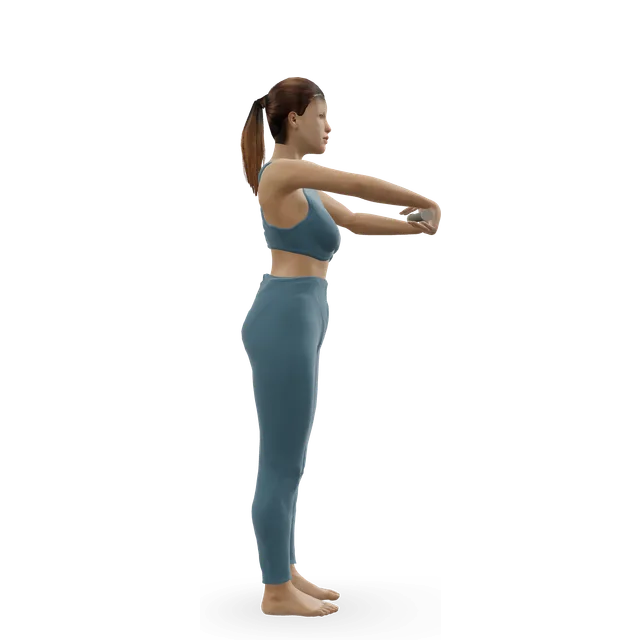
Reverse wrist curl demonstrated on the 3D figure3D demoReverse wrist curlBeginner · A dumbbell + A bench or box

Tennis elbow: 5 holds of 30 to 45 s, once a day · Held still with the wrist level and the forearm supported, light enough to stay within the rule: our tennis elbow guide's dose. An NHS trust's leaflet uses the same movement held still against your other hand, 10 times, building to 3 sets of 10

Easier: Wrist-extensor eccentrics · Harder: Plate pinch

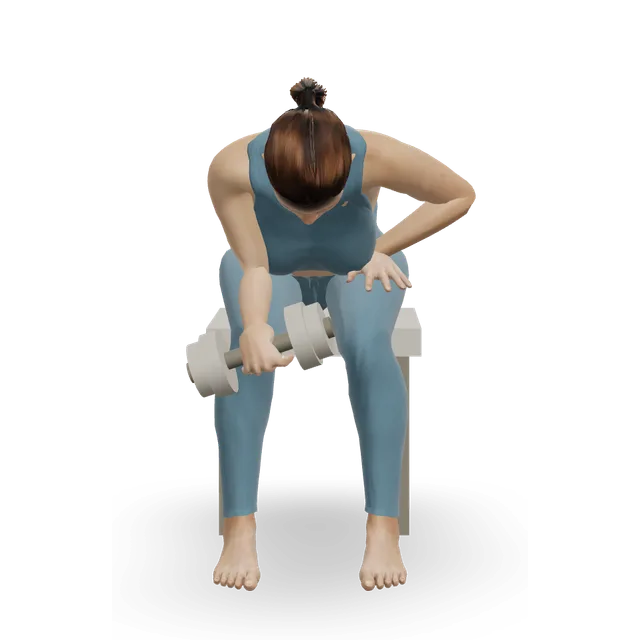
Wrist curls demonstrated on the 3D figure3D demoWrist curlsBeginner · A dumbbell

Golfer's elbow: 5 holds of 30 to 45 s, once a day · Held still, palm up, the wrist level and the forearm supported: our golfer's elbow guide's dose

Easier: Wrist-extensor eccentrics · Harder: Plate pinch

Elbow bend and straighten (elbow range of motion) demonstrated on the 3D figure3D demoElbow bend and straighten (elbow range of motion)Beginner · No equipment

10 slow reps, up to 4 times a day · The move page's dose, from an NHS Borders leaflet. With tingling in the ring and little fingers, skip long holds at full bend, as the move page says

Harder: Dumbbell biceps curl

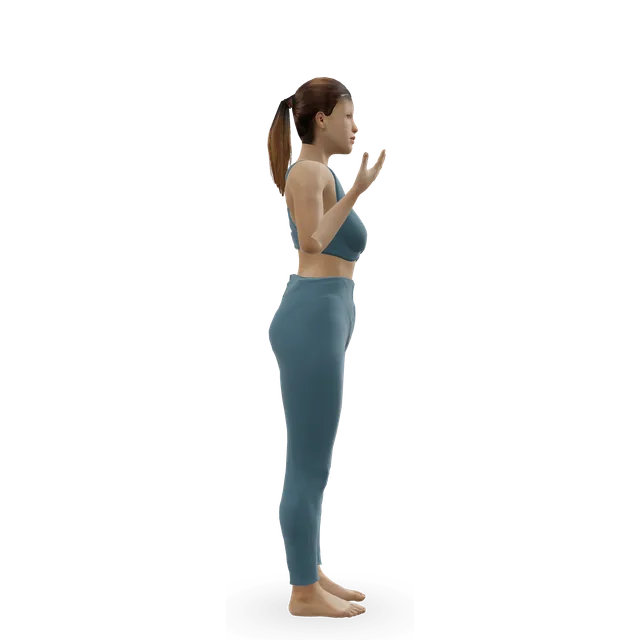
Wrist & forearm flow demonstrated on the 3D figure3D demoWrist & forearm flowBeginner · No equipment

10 slow reps each direction, 2 or 3 times a day · As in our tennis elbow guide (editorial)

Easier: Wrist circles · Harder: Wrist flexor stretch

Ball squeeze demonstrated on the 3D figure3D demoBall squeezeBeginner · Other / check instructions

30 s of squeezing and releasing, 5 to 10 times a day · As firmly as you can without increasing your pain: our tennis elbow guide's dose, from an NHS Borders leaflet

Easier: Tendon glides (hand tendon gliding exercises) · Harder: Band finger extension

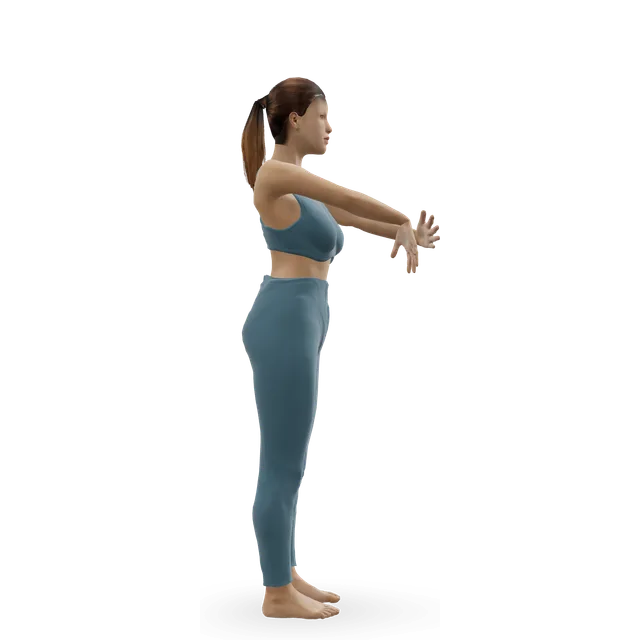
Wrist extensor stretch (tennis elbow stretch) demonstrated on the 3D figure3D demoWrist extensor stretch (tennis elbow stretch)Beginner · No equipment

Tennis elbow only: 3 holds of 30 s, after the holds · The move page's dose, from an NHS Scotland booklet. Ease off if it brings on tingling, as the move page says

Easier: Wrist & forearm flow

Move on when: Most nights in the last week were settled, the holds are comfortable within the pain rule, and the elbow is no worse the next morning.

Follow along: a timer, a cue and the next move, one step at a time.
Stage 2

Build: load the forearm by day

About weeks 2 to 8: the forearm work once a day, the shoulder and upper back work 2 or 3 times a week, all earlier in the day. Keep the night set-up going.

Wrist-extensor eccentrics demonstrated on the 3D figure3D demoWrist-extensor eccentricsBeginner · A dumbbell

Tennis elbow: 3 sets of 15, once a day, lowering over 3 to 4 s · Our tennis elbow guide's dose, from a US physical therapy guideline

Harder: Wrist curls

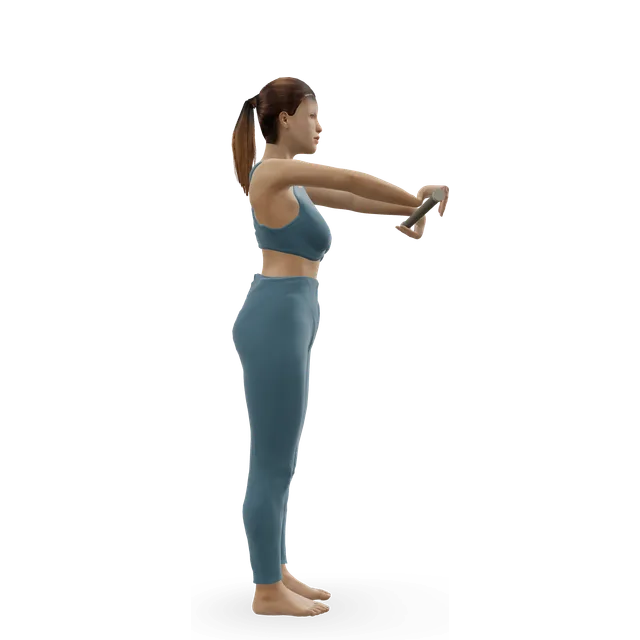
Tyler twist (flexible bar, for tennis elbow) demonstrated on the 3D figure3D demoTyler twist (flexible bar, for tennis elbow)Beginner · Other / check instructions

Tennis elbow, with a flexible bar: 3 sets of 15, about 4 s per rep · The move page's dose, from the Kazi trial; once a day is the page's editorial starting point

Easier: Wrist-extensor eccentrics · Harder: Reverse wrist curl

Reverse Tyler twist (flexible bar, for golfer's elbow) demonstrated on the 3D figure3D demoReverse Tyler twist (flexible bar, for golfer's elbow)Beginner · Other / check instructions

Golfer's elbow, with a flexible bar: 3 sets of 15, about 5 s per release · The move page's dose, from the Tyler series; once a day is the page's editorial starting point

Harder: Wrist curls

Dumbbell forearm rotation demonstrated on the 3D figure3D demoDumbbell forearm rotationBeginner · A dumbbell + A bench or box

3 sets of 10 · As in our tennis elbow guide (editorial)

Easier: Wrist-extensor eccentrics · Harder: Plate pinch

Band row demonstrated on the 3D figure3D demoBand rowBeginner · A band + An anchor point

3 sets of 10 to 15, stopping 2 to 3 reps short of failure · The move page's dose, an editorial starting point

Harder: Supported single-arm dumbbell row

Move on when: A set no longer causes discomfort (then use a heavier weight or a stiffer bar, as our tennis elbow guide says), and nights have stayed settled for 2 weeks, including after exercise days.

Follow along: a timer, a cue and the next move, one step at a time.
Stage 3

Strengthen, and your usual sleeping position comes back

From about week 6 to 8, 2 or 3 days a week, ongoing: lifting, carrying and pushing, while your usual sleeping position comes back by the written steps below. Doses are as in our tennis and golfer's elbow guides (editorial).

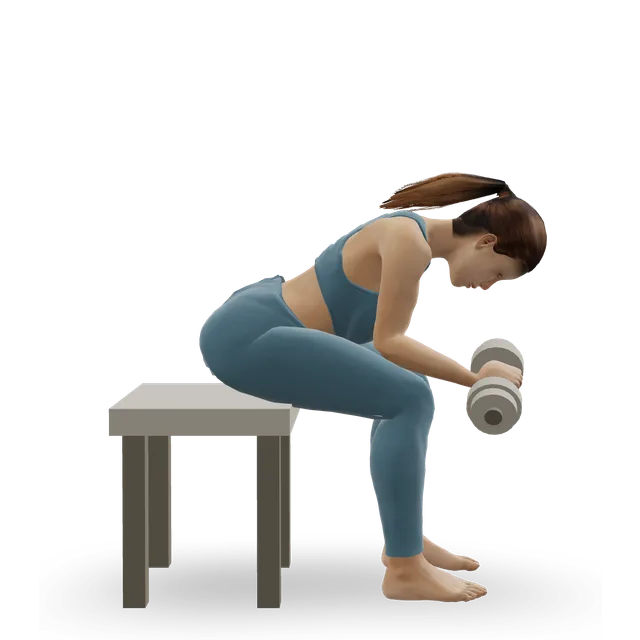
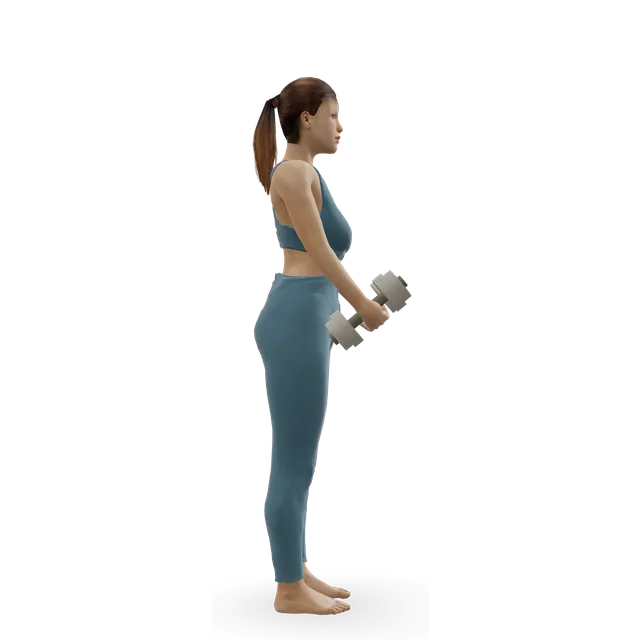
Hammer curl demonstrated on the 3D figure3D demoHammer curlBeginner · A dumbbell

3 sets of 8 to 12 · Thumb up, which loads the outer elbow less than palm-down lifting

Easier: Seated dumbbell curl · Harder: Alternating hammer curl

Farmer's carry demonstrated on the 3D figure3D demoFarmer's carryIntermediate · A dumbbell + A kettlebell

3 walks of 20 to 30 m · With an irritable ulnar nerve, keep the elbows straight

Harder: Suitcase carry

Chest-supported dumbbell row demonstrated on the 3D figure3D demoChest-supported dumbbell rowBeginner · A dumbbell + A bench or box

3 sets of 8 to 12 · Raise the incline or add a folded towel if the pad presses on your chest, as the move page says

Harder: Supported single-arm dumbbell row

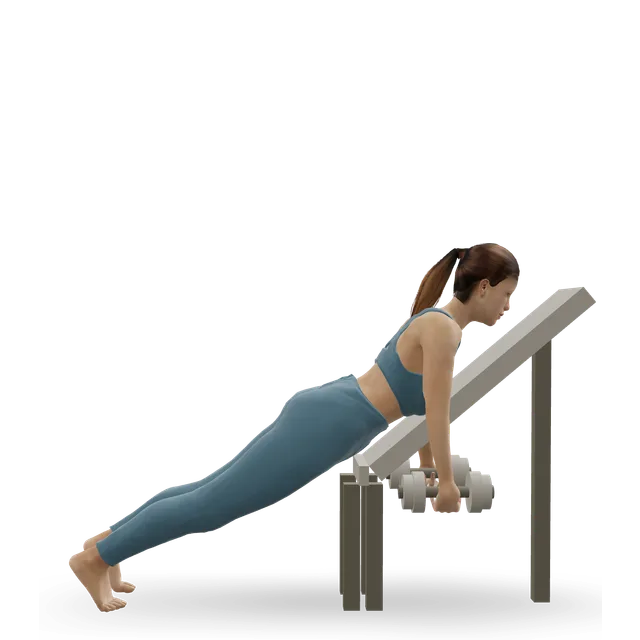
Incline push-up demonstrated on the 3D figure3D demoIncline push-upBeginner · A bench or box

3 sets of 8 to 12 · Use a higher surface if the wrists or shoulders complain, as the move page says

Easier: Wall push-up · Harder: Push-up

Move on when: Our suggestion: gripping, lifting and your usual sleeping position are back most nights, within the pain rule. If a busy day brings a worse night, drop back a stage for a few days.

Follow along: a timer, a cue and the next move, one step at a time.

What to change for now

How to sleep tonight (written steps)

Our 3D figure can't show these changes. No trial has tested a sleeping position for elbow pain, so each step names its source or is our suggestion.

  • 1. Tingling ring and little fingers (the ulnar nerve): keep the elbow fairly straight. Wrap a towel around the straightened elbow, taped loosely so it stays on, or wear an elbow pad backwards (US orthopaedic surgeons). If that isn't enough after a few weeks, ask a hand therapist about a night splint (UK hand surgeons).
  • 2. Tennis or golfer's elbow: lie on your back or the other side, with the sore arm by your side or resting on a pillow in front of you, not overhead or under your pillow (our suggestion, from one surgeon's case series). Support the arm on a pillow if that's more comfortable (an NHS orthopaedic hospital).
  • 3. A swollen point of the elbow: put extra cushions around it, and lie on the other side (the NHS).
  • 4. Arm symptoms from the neck: a low, firm pillow with your head level with your body, and not on your front (the NHS). If resting your hand on top of your head eases the arm, that position is fine for a while (our suggestion, from a reported sign of a trapped neck nerve).
  • 5. Before bed: a heat pack, or frozen peas wrapped in a tea towel, for 10 to 15 minutes, whichever helps (the NHS), and your painkiller about an hour before bed if it suits you (an NHS orthopaedic hospital's tip). Ask a pharmacist which painkiller suits you.
  • 6. Sleep habits: the same wake-up time every day, an hour to relax before bed, a dark and quiet room, and no tea, coffee or alcohol in the 6 hours before bed (the NHS).
  • 7. If you wake in pain: bend and straighten the elbow gently a few times, change position and resettle the pillows; if you can't get back to sleep, get up and do something calm until you feel sleepy (our suggestion).

Sources 11, 12, 17, 29, 13, 16, 34, 1, 20

By day (written steps)

These come from the NHS, US orthopaedic surgeons and UK hand surgeons.

  • 1. Avoid or reduce the activities that make tennis elbow worse, without resting the arm completely (the NHS).
  • 2. Paracetamol or an anti-inflammatory gel, and a hot or cold pack (or frozen peas) wrapped in a towel for up to 20 minutes every 2 to 3 hours (the NHS).
  • 3. A forearm strap or brace for the jobs that hurt (the NHS lists one); taking it off at night is our suggestion.
  • 4. With tingling fingers: don't lean on the inside of the elbow, use a headset or the speaker for long calls, and break up long spells with the elbow bent, such as driving with your arm on the window (US orthopaedic surgeons and UK hand surgeons).

Sources 2, 11, 12

The full night comes back (written steps)

No trial has tested how to return to your usual sleeping position. These steps are our suggestion, alongside the NHS's sleep habits.

  • 1. Keep the night set-up until most nights have been settled for 2 weeks.
  • 2. Then return to your usual position for part of the night, and keep the towel on for the ulnar nerve until the tingling has stopped.
  • 3. If a busy day brings a worse night, that day's load was too much: drop back a stage for a few days rather than stopping.
  • 4. If poor sleep carries on for weeks despite these changes, see a GP: the NHS says talking therapy for insomnia can help.

Source 20

Injections, medicines and surgery

For tennis elbow, a steroid injection eases the pain for a few weeks but did worse than physiotherapy or waiting at a year, with many relapses; talk to your GP before having one. The NHS says surgery may be an option if tennis elbow lasts 6 to 12 months.

For the ulnar nerve, surgery is for severe symptoms or those that don't respond to the changes above, mainly to stop weakness getting worse, UK hand surgeons say; a Cochrane review found simple release of the nerve did as well as moving it. In 145 people, insomnia scores improved within 3 months of surgery. For bursitis, an infected bursa needs antibiotics, and for arthritis, injections give temporary relief.

Sources 26, 27, 2, 12, 5, 28, 13, 9

Positions to swap, and why

Habit or positionWhy it mattersInstead
Sleeping with the elbow bent, the hand tucked under your pillow or chin, when the ring and little fingers tingleBending the elbow stretches and squeezes the ulnar nerve, and many people sleep with their elbows bent, which can make it worse.A towel wrapped around the straightened elbow, or an elbow pad worn backwards.
Sleeping with the sore arm overhead, with tennis elbowOne surgeon's case series suggests it presses on the outer elbow; no trial has tested it.The arm by your side or on a pillow in front of you (our suggestion).
Lying or leaning on the point of a swollen elbowPressure keeps the bursa irritated; the NHS suggests extra cushions around the joint while you sleep.Cushions around it, lying on the other side, and an elbow pad by day.
Leaning on the inside of the elbow at a desk or on a car windowIt presses on the ulnar nerve, US orthopaedic surgeons and UK hand surgeons say.Elbow pads, or rest the forearm instead.
Holding a phone to your ear for long callsKeeping the elbow bent for long spells provokes the ulnar nerve.A headset or the speaker.
Lifting with your palm facing downIt loads the tendon on the outer elbow most, as our tennis elbow guide explains.Palm up or thumb up, with the object close to your body; hammer curls come back in stage 3.Try: Hammer curl
Wearing a forearm strap all nightA strap eases pain while you use the arm; no source we read supports wearing one in bed.The strap for the jobs that hurt, off at night (our suggestion).
Hard forearm or gym sessions late in the evening, if you sleep badlyThe NHS advises no exercise in the 4 hours before bed for insomnia.Exercise earlier in the day.
Forcing the wrist stretch when it brings on tinglingTingling comes from a nerve, not a muscle, the move page says.A gentle pull only, or leave it out.
Repeated steroid injections to get through the nightsTennis elbow did worse at a year after injections, with many relapses, in two trials.The stage plan, and talk to your GP if pain stops you doing it.
Sleeping on your front with arm pain from the neckThe NHS advises against sleeping on your front with neck pain.Your back or side, with a low, firm pillow and your head level with your body.

Routines to follow

More moves for this area

Questions people ask

Why does my elbow hurt at night?

Usually tennis elbow, which can cause constant pain that affects sleep, or the ulnar nerve at the back of the inner elbow, irritated when you sleep with the elbow bent. Lying on a swollen point of the elbow (bursitis), arthritis and problems in the neck can do it too. Rarely, an infection or a problem in the bone causes night pain, with other signs such as a fever or weight loss.

Why does my elbow hurt when I wake up?

Many people sleep with their elbows bent, which can irritate the ulnar nerve and leave the ring and little fingers numb in the morning. Leaning or lying on the point of the elbow can inflame the bursa there. Swollen, stiff joints in the morning that take more than 30 minutes to loosen, especially in the hands too, need a GP.

How should I sleep with tennis elbow?

No trial has tested sleeping positions, but resting the arm by your side or on a pillow in front of you, rather than overhead or under your pillow, is reasonable to try. In one surgeon's case series, people who kept the arm down at night all improved, though there was no comparison group. Taking your painkiller about an hour before bed may help.

How should I sleep with golfer's elbow or pain on the inside of the elbow?

The same idea applies: keep the arm by your side or on a pillow, and avoid sleeping with the elbow tightly bent (our suggestion). Tingling in the ring and little fingers points to the ulnar nerve, which sits just behind the inner elbow: wrap a towel around the straightened elbow at night. Golfer's elbow is about a third as common as tennis elbow.

Why do my fingers go numb at night?

Numb or tingling ring and little fingers usually mean the ulnar nerve at the elbow, made worse by a bent elbow. Tingling and numbness in the hand that are usually worse at night are typical of carpal tunnel syndrome at the wrist, which a wrist splint worn at night can help. A problem in the neck can cause pins and needles in the arm too. Numbness that doesn't go, or a weak or clumsy hand, needs a GP soon.

Should I wear a splint or brace at night?

For the ulnar nerve, a towel or an elbow pad worn backwards to keep the elbow straight is the first step. A trial found night splints added nothing to advice in mild cases, and a review found too little evidence to recommend them for or against. Tennis elbow straps are for the jobs that hurt in the day, and no source we read supports wearing one in bed.

Is elbow pain at night serious?

Usually not on its own. See a doctor straight away if the pain is there all night, every night, or comes with weight loss or night sweats, and get help the same day for a hot, swollen elbow, especially with a high temperature. Call 999 for arm pain with pressure or tightness across your chest.

Why does my elbow hurt when I'm resting?

Tennis elbow can cause constant pain, not just pain with use, and in more advanced arthritis, pain at rest and at night is more common. A joint that suddenly becomes hot, swollen and painful at rest can be gout or an infection and needs checking the same day.

What can I do tonight?

Try a heat pack, or frozen peas wrapped in a tea towel, for 10 to 15 minutes, paracetamol or an anti-inflammatory gel, and a pillow to support the arm. Keep the elbow fairly straight if your fingers tingle, and keep pressure off a swollen point of the elbow. Ask a pharmacist which painkiller suits you.

How long until I can sleep through?

No one can promise a timescale. Tennis elbow settles within a year in most people (83% of those who waited and 91% of those who had physiotherapy in one trial), and with an irritated ulnar nerve, 89.5% of people in a trial had improved at 6 months after advice on positions. See a GP if it isn't improving after 2 weeks of looking after it yourself.

Will a steroid injection help me sleep?

It may for a few weeks, but tennis elbow did worse at a year after injections than after physiotherapy or waiting, and many people relapsed. Talk it through with your GP if pain is stopping you sleeping or exercising.

Related exercise guides

Other pain guides

Sources

  1. NHS · Elbow and arm pain
  2. NHS · Tennis elbow
  3. American Academy of Orthopaedic Surgeons (AAOS, OrthoInfo) · Tennis elbow (lateral epicondylitis)
  4. Shiri 2006 · Tennis and golfer's elbow in 4,783 Finnish adults aged 30 to 64 (population study, Am J Epidemiol)
  5. Caliandro 2025 · Treatment for ulnar nerve problems at the elbow: 15 trials (Cochrane systematic review)
  6. Lucey 2026 · Who gets cubital tunnel syndrome: 1,971 cases in the UK Biobank (case-control study, J Hand Surg Eur Vol)
  7. AAOS OrthoInfo · Elbow (olecranon) bursitis
  8. Martinez-Catalan 2021 · Primary elbow osteoarthritis: evaluation and management (review, J Clin Orthop Trauma)
  9. AAOS OrthoInfo · Osteoarthritis of the elbow
  10. NHS inform · Elbow problems
  11. AAOS OrthoInfo · Cubital tunnel syndrome (ulnar nerve entrapment at the elbow)
  12. BSSH · Cubital tunnel syndrome (patient information)
  13. NHS · Bursitis (past its review date: reviewed October 2023, review due October 2026)
  14. Sağlam 2022 · Sleep and mood in 46 people with long-standing tennis elbow (case-control study, Agri)
  15. Shi 2023 · Sleep disturbance in 186 people with a trapped nerve in the neck (cross-sectional study, Eur Spine J)
  16. NHS · Neck pain and stiff neck (past its review date: reviewed April 2023, review due April 2026)
  17. Gorski 2019 · Sleeping position and tennis elbow in one surgeon's patients (retrospective case series, J Am Acad Orthop Surg Glob Res Rev)
  18. Finan 2013 · Sleep and pain: an update on which affects which (review, J Pain)
  19. Daguet 2022 · The daily rhythm of pain sensitivity in healthy volunteers (laboratory study, Brain)
  20. NHS · Insomnia
  21. East Lancashire Hospitals NHS Trust · Tennis elbow pain: information and exercise leaflet (November 2022)
  22. NHS · Symptoms of bone cancer
  23. NHS · Septic arthritis
  24. Harding 2005 · Night pain in 482 people at a back pain triage clinic (prospective study, Spine)
  25. Svernlöv 2009 · Advice, night splints or nerve gliding for mild or moderate cubital tunnel syndrome in 70 people (RCT, J Hand Surg Eur Vol)
  26. Smidt 2002 · Steroid injections, physiotherapy or wait and see for tennis elbow in 185 people (RCT, Lancet)
  27. Bisset 2006 · Physiotherapy, a steroid injection or wait and see for tennis elbow in 198 people (RCT, BMJ)
  28. Said 2019 · Sleep before and after cubital tunnel surgery in 145 people (prospective cohort, J Shoulder Elbow Surg)
  29. Robert Jones and Agnes Hunt Orthopaedic Hospital NHS · Tennis elbow, supported self-care (its review date, February 2026, has passed)
  30. Bateman 2025 · Night splints for cubital tunnel syndrome (systematic review, Hand Ther)
  31. Shah 2013 · A rigid night splint and activity changes for cubital tunnel syndrome in 25 arms (case series, J Hand Surg Am)
  32. Smith 2017 · Should exercise be painful? 7 trials of long-lasting muscle and joint pain (systematic review and meta-analysis, Br J Sports Med)
  33. NICE · Osteoarthritis in over 16s: diagnosis and management (NG226, guideline)
  34. Fast 1989 · Resting the hand on the head to ease arm pain from a neck nerve: the shoulder abduction relief sign (report, Arch Phys Med Rehabil)
  35. NHS · Heart attack
  36. NHS · Carpal tunnel syndrome

Exercise education, not a diagnosis or treatment plan. It is written from the guidelines and studies listed above; review by a clinician is pending. If your pain follows an injury, is severe, is getting worse, or comes with any warning sign listed on this page, get it assessed. Health disclaimer.