Pain guide · Wrist and hand pain

Wrist pain in pregnancy: carpal tunnel, swelling, the thumb after the birth, and when to call

Wrist and hand pain is common in pregnancy, especially later on, and it usually comes from carpal tunnel syndrome: extra fluid presses on the nerve at the front of the wrist, causing tingling, numbness or aching in the thumb and first fingers, often in both hands and worse at night. About 1 in 3 pregnant women notice it, mostly mildly; it can't harm your baby, and it usually improves after the birth, though not always quickly. Gradual swelling of the fingers is normal too, and after the birth the thumb side of the wrist can get sore from lifting and feeding a baby (De Quervain's, sometimes called mummy thumb), which is more common in the year after the birth.

A few signs need a call. Sudden swelling of your face, hands or feet, a severe headache, vision problems or pain below the ribs can be pre-eclampsia: get urgent help from your maternity unit, or the National Health Service's 111 line (NHS 111) if you've recently given birth or can't reach it. Call 999 for sudden weakness or numbness in one arm with a drooping face or slurred speech, and go to accident and emergency (A&E) after a fall if your wrist has changed shape or your hand is numb, cold or pale. See a general practitioner (GP) if numbness won't go away, your hand feels weak or you drop things. This guide covers the causes by stage of pregnancy and after the birth, splints, sleep, typing, feeding and lifting your baby, what the evidence says about splints, injections and painkillers, and a four-stage plan with 3D demos.

When to get help first

Exercise is for pain that has been checked or is clearly mild and settling.

Get urgent medical help if

  • Get urgent medical help: you're pregnant or have given birth in the last few weeks and have symptoms of pre-eclampsia, such as pain below the ribs, a severe headache that does not go away with simple painkillers, vision problems such as blurred vision or seeing flashing lights, sudden swelling of the face, hands or feet, heartburn that does not go away with heartburn medicines, being sick, or feeling very unwell. If you're pregnant, call your maternity unit if you have the number; if you've recently given birth or cannot call your maternity unit, call 111.
  • Call your midwife or maternity unit straight away for vaginal bleeding, fluid leaking from the vagina, regular painful tightenings, a change in your baby's movements, a high temperature, a severe headache, problems with your vision, or sudden swelling of your face, hands or feet.
  • Swelling of your face, hands, legs or feet that comes on suddenly needs checking immediately: call your midwife, GP or labour ward. It can be a sign of pre-eclampsia, or of a blood clot (deep vein thrombosis, DVT). Swelling that comes on gradually is usually normal.
  • Same day (urgent GP appointment or NHS 111): throbbing pain in one leg (rarely both), usually the calf or thigh; swelling in one leg (rarely both); red, blue or darkened skin around the painful area, which may be harder to see on brown or black skin; or swollen veins. This can be a deep vein thrombosis (DVT). It is more likely after surgery, a hospital stay, 3 or more days in bed, a journey of over 4 hours, pregnancy or a recent birth, cancer, a previous clot, or contraception or hormone replacement therapy (HRT) that contains oestrogen.
  • Call 999, even if it passes: sudden weakness or numbness in one arm, with a drooping face or slurred speech. These are signs of a stroke.
  • Numbness in both arms at the same time, dizziness, double vision or blackouts, an unusual, severe and persistent headache, legs giving way for no reason, or changes in your speech or swallowing: call your GP straight away or go to your nearest A&E department. This is the advice of POGP, the UK's pelvic and obstetric physiotherapists. Tingling in both hands at night is common in pregnancy and is usually carpal tunnel syndrome, not this.
  • Call 999 or go to A&E after an injury (don't drive yourself) if the arm, wrist or hand is numb, tingling or has pins and needles; a bone is sticking out or a bad cut is bleeding heavily; or the wrist, thumb or a finger has changed shape, is at an odd angle, or has turned blue, grey, white or cold.
  • After a fall or a knock to your bump, even if you feel fine, call your maternity unit: they may want to check you and your baby. If you hit your head, call your GP or NHS 111 as well. This is our suggestion, from NHS Greater Glasgow and Clyde's and NHS Wales's maternity advice: the NHS website gives no tier for a fall in pregnancy.
  • Same day (NHS 111, an urgent treatment centre or an urgent GP appointment): a wrist or hand injury that is very painful, getting worse, very swollen or bruised, stiff, or that you can't use. It may be broken. Get the same help if you also have a very high temperature, or feel hot, cold or shivery: this could be an infection.
  • Same day: a joint or lump that is hot, red and swollen, or hand or wrist pain with a high temperature or feeling hot, cold or shivery. It could be an infection or gout.
  • Same day: you have lost the feeling in part or all of your hand.
  • Same day: both hands numb or clumsy (dropping things, trouble with buttons or handwriting), especially with unsteady walking or falls. Pressure on the spinal cord in the neck can do this, and it is often first mistaken for carpal tunnel syndrome. Tingling in both hands at night is common in pregnancy and is usually carpal tunnel syndrome: this line is about hands that become clumsy, especially with unsteady walking.
  • In the hours or weeks after the birth: pain in the shoulder or arm that comes on strongly, followed days or weeks later by weakness in the arm or hand: ask for an urgent GP appointment or get help from NHS 111. It is rare, and most women recover well. Weakness with a drooping face or slurred speech is a 999 call (our suggestion, from a case series).

See a doctor or physiotherapist if

  • See a GP if your carpal tunnel symptoms are getting worse or are not going away, or treatment at home is not working.
  • In pregnancy or after a birth, numb or tingling hands that wake you: a wrist splint at night is the usual first step. Tell your midwife or GP if it's getting worse, your hand feels weak, or it hasn't settled a few months after the birth, as it can last longer (our suggestion, from the NHS and a review).
  • See a GP if you constantly have pins and needles, or it keeps coming back.
  • You drop things easily or feel weakness in your hand, or the muscle at the base of your thumb looks thinner: see a GP soon. Early treatment can help prevent long-term nerve damage, and severe carpal tunnel syndrome is referred urgently.
  • See a GP if thumb-side wrist pain is stopping you doing normal activities, is getting worse or keeps coming back, hasn't improved after 2 weeks of treating it at home, or comes with tingling or loss of feeling in your hand.
  • Swollen, stiff, painful joints in several fingers or both hands, especially stiff in the morning, in pregnancy or after the birth: see a GP. Diagnosing rheumatoid arthritis quickly is important, because early treatment can prevent it getting worse, and almost half of women who have it have a flare after giving birth.
  • Pins and needles or a cold arm alongside neck pain, or a new loss of strength or feeling in the arm that you cannot explain (a possible nerve problem).
  • Carpal tunnel symptoms still there 6 weeks to 3 months after the birth, or making it hard to care for your baby: see your GP, health visitor or a women's health physiotherapist.

Where does it hurt?

Location narrows the likely causes; it does not diagnose.

Tingling, numbness or aching in the thumb and first fingers, often in both hands, waking you at night, later in pregnancy

Usually carpal tunnel syndrome, which about 1 in 3 pregnant women notice. A splint that keeps your wrist straight at night is the first step: this guide's plan covers it.

Read: Carpal tunnel syndrome →
Puffy fingers and tight rings that came on gradually, worse at the end of the day

Normal swelling in pregnancy: take rings off and raise your hands (the written steps below).

Swelling of the face, hands or feet that came on suddenly, or with a headache, vision problems or pain below the ribs

Possibly pre-eclampsia, or a blood clot: get urgent help (the warning signs).

The thumb side of the wrist, worse lifting your baby with your thumbs up, from late pregnancy or in the months after the birth

Usually De Quervain's tenosynovitis, sometimes called mummy thumb. Our De Quervain's guide covers it; this guide's written steps cover lifting and feeding.

Read: De Quervain's tenosynovitis →
Hand or wrist symptoms that wake you, and how to sleep with them

Our wrist and hand pain at night guide covers splints and sleeping positions.

Read: Wrist and hand pain at night →
Tingling in the fingers that started after the birth, while breastfeeding

Often carpal tunnel syndrome linked with breastfeeding, which usually eases within weeks of weaning.

The forearm and wrist after typing or using a mouse

Our wrist pain from typing guide covers the desk and breaks.

Read: Wrist pain from typing →
The ring and little fingers, worse with the elbow bent

Usually the ulnar nerve at the elbow.

Read: Ulnar nerve entrapment →
Pain or tingling from the neck into the hand, changed by moving your neck

A trapped nerve in the neck, which is rare in pregnancy.

Read: Pinched nerve in the neck →
Several swollen, stiff finger or wrist joints, worse in the morning, or a rheumatoid arthritis flare after the birth

See a GP: early treatment matters. Our rheumatoid arthritis exercise page covers the hands.

A finger that clicks or catches

Trigger finger, which a large US study didn't find more often after the birth.

Read: Trigger finger →
Swollen, sore finger joints

Our finger pain guide covers the joints.

Read: Finger pain →
After a fall onto your hand

Check the injury warning signs first; our wrist sprain guide explains a sprain or a break.

Read: Wrist sprain or fracture →
Shoulder and arm pain that came on strongly in the days or weeks after the birth, then weakness

Rare: get it checked the same day (the warning signs).

Back, hip or rib pain in pregnancy as well

Our back, hip and rib pain in pregnancy guides cover them.

Read: Back pain in pregnancy →

Understand it

Common, and commonest late in pregnancyEmerging evidence

Wrist and hand pain is common in pregnancy and builds towards the end. In 184 Turkish women asked about pain in each trimester, hand and wrist pain affected 9.2% in the first trimester, 16.8% in the second and 29.3% in the third, and 33.2% at some point; only low back and back pain were commoner. Most of it is carpal tunnel syndrome: 59 of the same women (32.1%) reported its symptoms, 42 of them in both hands, and of 639 Dutch women followed through pregnancy, 219 (34%) reported symptoms, mostly mild to moderate and worse after 32 weeks.

Far fewer need a diagnosis or treatment. Carpal tunnel syndrome was diagnosed in 0.34% of pregnancies in records from Rochester, Minnesota, and in 2.8% of mothers in records from Pennsylvania, and in Malmö, Sweden, 56 of 2,358 women (2.3%) had symptoms that a hand surgeon examined. Symptoms are commonest in the third trimester (11%, 26% and 63% of cases by trimester in an Iranian clinic study), but they can start in any trimester, and in 7 of 30 French cases they started after the birth. A review adds that the nerve works less well late in pregnancy even in many women without symptoms.

Sources 1, 2, 3, 4, 5, 6, 7, 8

Why the figures vary so muchMixed evidence

How common it is depends on how it is counted. A review found that 31% to 62% of pregnant women were diagnosed from their symptoms and 7% to 43% on nerve tests; across 5 Iranian studies of 2,065 women, 10.5% met clinical criteria and 5.67% had it confirmed on nerve tests; and 23% of 482 women in the third trimester had its signs in one study. UK leaflets give figures of up to 50% or 60% without citing a UK study, and no UK study has measured it. The honest summary: about a third of pregnant women notice it, and far fewer need treatment.

Sources 9, 10, 11, 12, 13, 14

Carpal tunnel syndrome: how it feels, and why pregnancy brings it onStrong evidence

Carpal tunnel syndrome is pressure on the median nerve where it passes through a tunnel at the front of the wrist. It brings aching, numbness or tingling in the thumb, index and middle fingers, a weak thumb or a weaker grip, often starting slowly, coming and going and worse at night or first thing in the morning. Holding a phone, a book or a steering wheel with the wrist bent forwards can bring it on, NHS inform says. In pregnancy it is often in both hands (68% of the Rochester cases), and a pregnancy booklet adds swollen, hot hands and pain that can shoot up the arm as far as the shoulder.

NHS trust leaflets explain why pregnancy brings it on: the body holds extra fluid, and the swelling presses on the nerve in the tunnel. Outside pregnancy, pressure in the tunnel is lowest with the wrist close to straight and rises a lot when it bends forwards or back, which is why a splint keeps it straight at night. Pregnancy loosens the joints a little (wrist laxity rose in 19 of 35 women), but the change didn't track the levels of relaxin, oestrogen or progesterone, so loosened wrists aren't the explanation. Carpal tunnel syndrome can't harm your baby, an NHS trust leaflet says.

Sources 15, 16, 3, 17, 12, 18, 19, 20, 21, 22

Who is more likely to get it: links, not causesEmerging evidence

In studies, carpal tunnel symptoms in pregnancy went with more fluid retention and swelling (in the Dutch cohort, higher fluid-retention scores went with 1.8 times the odds), gaining more weight in pregnancy and a higher body weight, and gestational diabetes (1.4 times the odds of a diagnosis in the year after the birth, in US insurance claims). A first pregnancy was a link in Malmö and in Iranian studies, but more previous births was in a study from Pennsylvania. The NHS lists being pregnant among the things that make carpal tunnel syndrome more likely, alongside being overweight, arthritis and diabetes. These are links reported in studies, not causes, and none of it is anyone's fault.

Sources 2, 23, 4, 5, 24, 11, 25, 10, 15

Swelling: gradual is normal, sudden is a warning signStrong evidence

"It's normal to get some swelling in pregnancy, particularly in your legs, ankles, feet and fingers", the NHS says. It is often worse at the end of the day and further into pregnancy, rings can get tight, and swelling that comes on gradually is not usually harmful to you or your baby. But "A sudden increase in swelling can be a sign of pre-eclampsia or a type of blood clot called deep vein thrombosis (DVT) and needs to be checked immediately". The National Institute for Health and Care Excellence (NICE) lists sudden swelling of the face, hands or feet among the symptoms of pre-eclampsia that need checking straight away.

Pre-eclampsia complicates 2% to 8% of pregnancies worldwide. It is most likely from 20 weeks, can happen at any point in pregnancy and can start in the days or weeks after the birth. The NHS's current list of its symptoms is a severe headache that doesn't go away with simple painkillers, vision problems such as blurred vision or seeing flashing lights, pain below the ribs, sudden swelling of the face, hands or feet, feeling very unwell, heartburn that doesn't go away with heartburn medicines, and being sick.

Sources 26, 27, 28, 29, 30

After the birth: the thumb side of the wrist, and carpal tunnel while breastfeedingEmerging evidence

De Quervain's tenosynovitis, sometimes called mummy thumb, is pain on the thumb side of the wrist from the tendons that move the thumb, worse lifting with the thumb pointing up, as when lifting a baby, or gripping and turning the wrist. It is more common in the year after the birth: in US insurance claims it was diagnosed in 0.7% of 357,534 women in the year after giving birth, against 0.2% of similar women who hadn't, and in Korea in about 2.1% of 1.6 million women across pregnancy and the following year. When it starts is unsettled: US surgeons say people who get it after having a baby often notice it within 4 to 6 weeks, but in 63 Israeli women the baby was 5.4 months old on average, and some cases start in pregnancy (never before the fifth month in one small series).

Who gets it isn't settled either. In the Israeli group, a pregnancy over 40 weeks, a first birth and a body mass index over 25 were linked with it, while twins and a birth weight over 3.5 kg weren't (the baby's weight when it started wasn't recorded). Carers who aren't the birth mother get it too, and in one study of people caring for babies, how often they lifted mattered. Whether hormones or lifting is the cause isn't known, the British Society for Surgery of the Hand (BSSH) says.

Carpal tunnel syndrome that starts after the birth is different. In two small series it began a few weeks after the birth (3.5 weeks on average in one), mostly in women who were breastfeeding, without swelling, and lasted about 6 months, starting to ease within 14 days of weaning; all 27 women in one series were free of symptoms by a year, 2 of them after an operation.

Sources 31, 25, 32, 33, 34, 35, 36, 37, 38, 39, 40

Rarer causes, each with its own cluesEmerging evidence

Rheumatoid arthritis often eases in pregnancy (an estimated three in five women improve), but almost half of women who have it have a flare after giving birth, Arthritis UK says. Several swollen, warm, stiff joints, often in both hands and stiff in the morning, need a GP, because diagnosing it quickly matters. Problems felt in the hand can come from a trapped nerve in the neck, even without neck pain, though this is rare in pregnancy. Postpartum neuralgic amyotrophy, an inflammation of the nerves to the arm, is rare too: in a series of 11 women, strong shoulder and arm pain started from 1 to 2 hours to 2 weeks after the birth, weakness followed, and 8 of the 10 who were followed up got back 90% to 100% of their function.

Falls happen in 25% to 27% of pregnancies, a review found, and a fall onto the hand can sprain or break the wrist. Thinning of the bones linked with pregnancy and breastfeeding is rare and mostly causes fractures in the spine. The causes that aren't the hand at all have their own signs: sudden swelling with a headache or vision problems (pre-eclampsia), one arm suddenly weak with a drooping face (a stroke), numbness in both arms with dizziness, double vision or changes in speech, and a hot, swollen joint with a fever. Each is uncommon, and the NHS asks you to get help for any symptom you're worried about.

Sources 41, 42, 43, 44, 45, 46, 47, 48, 49, 50, 51, 52, 27

When a scan or test helpsStrong evidence

Usually none in pregnancy. "Tests are not usually needed as symptoms in pregnancy and postnatally normally resolve in the first few weeks to a few months after baby is born", an NHS trust leaflet says, and nerve conduction studies "are not essential to make a diagnosis", NHS inform says. A UK hand surgery pathway from Getting It Right First Time (GIRFT) and BSSH keeps nerve tests for when the diagnosis is uncertain, another nerve may be involved, symptoms come back, or diabetes or another nerve condition is present. In one Iranian study, examination tests agreed poorly with nerve tests, which is one reason the story and the pattern matter most.

Tests answer specific questions. After a fall onto the hand, an X-ray checks for a break: UK radiation guidance asks about pregnancy for X-rays between the diaphragm and the knees, so a wrist X-ray is outside that area, but tell the staff you're pregnant or breastfeeding, as the NHS asks. Blood pressure and urine checks look for pre-eclampsia. Nerve tests help if symptoms are severe, don't settle after the birth or an operation is being considered, and scans aren't usually needed for De Quervain's.

Sources 53, 16, 54, 55, 6, 47, 56, 57, 28, 31

How it usually goes, in pregnancy and after the birthMixed evidence

In pregnancy, carpal tunnel symptoms usually build towards the third trimester and are worse at night. A night splint and the everyday changes help most women: in Malmö, splints at night made 46 of 56 women symptom-free, and few women need an injection or an operation.

After the birth most women improve, but how quickly depends on who was studied. In 48 American women seen a month after the birth, symptoms had gone completely in 76%; in 46 Turkish women, 10.9% still had symptoms at 6 months and 4.3% at 12 months; and in one retrospective series, all 40 women whose symptoms started in pregnancy were better within 2 weeks of the birth. At the other end of the range, about half still had symptoms a year later in small, selected Italian clinic groups (54% of 63 women in one), and a review of those groups reported about 30% at 3 years; these figures come from the studies' published summaries (abstracts), and the groups were selected, so they may not apply to most women. Even there, pregnant women were 3 to 4 times likelier to improve than other women with carpal tunnel syndrome, and 85% needed no further treatment 3 years on.

UK leaflets say symptoms normally settle within the first few weeks to a few months after the birth, sometimes longer while breastfeeding. Breastfeeding-related carpal tunnel syndrome lasted about 6 months and eased after weaning. De Quervain's after the birth often settles too: milder cases recover over a few weeks, BSSH says, and most resolve without treatment but can take several months (NHS Lothian); in the Israeli group, symptoms lasted 5.15 months on average, and in one small trial, 8 of 9 women treated with a splint got better at the end of breastfeeding. No study has looked at whether carpal tunnel syndrome comes back in a later pregnancy, and no one can promise a timescale.

Sources 1, 2, 4, 3, 58, 24, 40, 59, 9, 60, 61, 53, 62, 18, 39, 38, 63, 34, 64
What helps, and how strong the evidence is

A splint at night: the usual first step, though the evidence is thinEmerging evidence

"A wrist splint is something you wear on your hand to keep your wrist straight. It helps to relieve pressure on the nerve. You wear it at night while you sleep. You may need to wear a splint for up to 6 weeks before it starts to feel better", the NHS says, and NHS inform adds that it "shouldn't stop you from keeping your wrist mobile during the day". No trial in pregnancy has compared a splint with no splint. In studies without a comparison group, night splints made 46 of 56 Swedish women symptom-free, grip strength rose by 5.4 lb (about 2.4 kg) a week after splinting in 82 American women, and a rigid and an elastic splint both helped 41 women late in pregnancy; a 2026 review of 12 studies in pregnancy and breastfeeding found night splints helped mild to moderate cases, on low to very low certainty evidence.

Outside pregnancy, a Cochrane review of 29 trials (1,937 adults) found splinting may give little or no benefit on average in the short term (0.37 points better on a 1 to 5 symptom scale, low certainty), but in one trial of 80 people, night splints made overall improvement about four times as likely, and 7 of 40 people splinted had side effects that passed. Because a splint is cheap with "no plausible long-term harms", the review concluded that "small effects could justify its use". It is a sensible first step, not a cure.

Sources 15, 16, 4, 58, 65, 66, 67

Nerve and tendon glides: gentle, with a small and uncertain effectEmerging evidence

NHS trust pregnancy leaflets teach gentle hand movements and glides: wrist bends, a fist and finger stretch, the thumb to each finger and elbow bends about 10 times (NHS Lothian), aiming for "10 times every hour" (St Helens and Knowsley), or nerve and tendon glides 5 times through, 3 times a day (Calderdale and Huddersfield) or 8 to 10 times, three times a day (St George's). Evidence in pregnancy is thin: symptoms eased in a study of 33 pregnant women doing exercises in 3 sets of 10 a day, whose groups were split by a nerve test result rather than by chance, and in the comparison group of a 54-woman trial, who did glides and wore a splint.

Outside pregnancy, a review of 22 trials (1,203 people) found that nerve glides eased pain and improved function by a small amount in the short term, on very low certainty evidence, with no effect on symptom severity or grip. A Cochrane review called the evidence for exercise and mobilisation limited and of very low quality. Glides are cheap and gentle to try alongside a splint; they aren't a reason to delay getting help.

Sources 12, 22, 62, 53, 68, 69, 70, 71

Everyday changes: consistent advice, untested in trialsEmerging evidence

Taking rings off when your fingers swell, raising your hands on a pillow, cold water or an ice pack for about 10 minutes, keeping your wrists straight at a keyboard, short breaks every hour, supporting your baby on pillows to feed, and lifting with both hands and the load close to you are the consistent advice of NHS trust physiotherapists, the NHS, the UK's pelvic health physiotherapists (Pelvic, Obstetric and Gynaecological Physiotherapy, POGP) and the Health and Safety Executive (HSE). None has been tested as a treatment on its own in pregnancy, but they follow what brings symptoms on, and the written steps below give each with its source.

At work, once you tell your employer in writing that you're pregnant, breastfeeding or gave birth in the last 6 months, they must do an individual risk assessment, which should be reviewed as the pregnancy progresses because it may affect your dexterity and reach, the HSE says. "You don't need to be symptom free before you consider returning to work", NHS inform says.

Sources 18, 12, 62, 13, 72, 73, 74, 75, 76, 77, 78, 16

Painkillers: paracetamol, not ibuprofenStrong evidence

"If you're pregnant, paracetamol is usually the best painkiller to use", the NHS says, and it is usually the best painkiller while breastfeeding too. Avoid ibuprofen in pregnancy unless a doctor or pharmacist advises it; the NHS page's advice covers its gels and sprays as well as tablets. While breastfeeding, check with a pharmacist or doctor first, though ibuprofen can often be used if needed. Painkillers may ease carpal tunnel pain for a short time but don't treat the cause, and the "paracetamol or ibuprofen" on the NHS carpal tunnel page is general advice that doesn't fit pregnancy.

Sources 79, 80, 15

Steroid injections: an option in pregnancy and while breastfeedingEmerging evidence

If a splint doesn't help, the NHS says a steroid injection might be recommended, and the UK hand surgery pathway recommends a single steroid injection for carpal tunnel syndrome in pregnancy. The evidence in pregnancy is small and uncontrolled: in 20 pregnant women, pain fell from 8.7 to 4.3 out of 10 three weeks after an injection; in 24 women late in pregnancy, the injected hand improved more than the other one; and a retrospective study of 37 women compared an injection, a splint and both. A review of steroid injections in pregnancy found no harm to mother or baby from injections that act locally, and concluded that pregnancy "should not be considered a contraindication to a single dose of non-systemic steroid", while a 2026 review noted that no formal safety analysis was possible.

While breastfeeding, "Corticosteroids can be used during breastfeeding. Use the lowest dose and duration possible", the NHS Specialist Pharmacy Service says, with hydrocortisone and methylprednisolone among its preferred choices; joint injections of methylprednisolone may temporarily reduce milk supply. Whether to have an injection is a decision for your clinician, with you.

Sources 15, 55, 81, 82, 83, 84, 66, 85

Surgery is rarely neededStrong evidence

Few women need an operation for carpal tunnel syndrome that starts in pregnancy: 3 of 56 in Malmö during pregnancy and 1 after the birth, 7 of 50 in all in Rochester, 1 of 45 in an Italian cohort and 3 of 58 in a retrospective series. If symptoms are severe or don't settle, the operation "is considered a safe procedure for both mother and fetus", a review says, and BSSH offers surgery "Only if symptoms are severe or don't improve with other treatments". Severe carpal tunnel syndrome, with numbness that doesn't go away, weakness or wasting of the thumb muscles, is referred urgently in the UK pathway.

Sources 4, 3, 60, 40, 54, 86, 55

De Quervain's after the birth: an injection works well; rest from thumb-up lifting and a splint come firstEmerging evidence

In the only controlled trial in pregnant or breastfeeding women, 18 women with De Quervain's had either a steroid injection or a thumb splint: all 9 who had the injection got complete relief (with one later recurrence), and none of the 9 with a splint did, though 8 of them got better at the end of breastfeeding. A Cochrane review found it was the only trial, small and of poor quality, with no side effects seen. In adults generally, adding a thumb splint for 3 to 4 weeks to an injection improved function slightly, though by less than people would notice (30 studies, 1,663 people), and BSSH says an injection relieves the pain in about 70% of cases. Avoiding the movements that hurt and a thumb and wrist splint are the usual first steps, and many cases settle with time.

Sources 64, 87, 88, 38, 63

Exercise is safe in pregnancy and after the birthStrong evidence

Exercise is safe for you and your baby in pregnancy, the NHS says: aim for 150 minutes of moderate activity a week, with strength exercises twice a week, start with about 10 minutes a day if you're new to it, and don't take up a new vigorous sport. In later pregnancy, avoid lying flat on your back for more than a few minutes, the NHS says, and POGP says avoid long spells on your back after about 18 weeks, which is why this guide's pregnancy stages are done sitting or standing. After the birth, start with pelvic floor and deep tummy exercises and walking, and avoid sit-ups, planks and high-impact exercise to start with. No trial has tested a hand exercise plan for wrist pain in pregnancy.

Sources 89, 90, 91, 76

What isn't for pregnancy, or doesn't helpMixed evidence

Laser and shockwave treatment: one trial gave high-intensity laser to 54 pregnant women and reported pain 3.11 points lower on a 0 to 10 scale, but a 2025 review calls laser and shockwave treatment contraindicated in pregnancy, so this guide leaves them out. Cupping, kinesio taping and laser acupuncture were each tested in single small trials (30 pregnant women; 36 women after the birth) with no untreated group, so they show little either way. Vitamin B6 didn't improve overall symptoms (2 trials, 50 people), and water tablets and anti-inflammatory tablets did no better than a placebo, all in old, small trials outside pregnancy; vitamin B6 levels weren't linked with carpal tunnel syndrome in pregnant women.

Sources 69, 92, 93, 94, 95, 96

How much pain is OK while you exercise?

Up to about 5 out of 10 during hand exercises, settling within half an hour and no worse the next morning; tingling from glides that fades within the hour; tonight is the testEmerging evidence

Hand and wrist exercises (the rule our wrist guides use): some discomfort is fine and isn't damage. Keep it to about 5 out of 10 or less; it should settle within half an hour or so, and your hand should be no worse the next morning. If it is, do fewer, smaller or lighter next time, not nothing. NHS inform's hand exercise page uses the same scale (0 to 3 minimal, 4 to 5 acceptable, 6 to 10 excessive), says your pain should be no worse the morning after, and asks you to stop exercises that cause new pain. It is written for adults generally, not for pregnancy.

Nerve and tendon glides: "some increase in symptoms is expected, however this should not last more than one hour" (an NHS hand therapy leaflet), and "You may feel a mild tingle or stretch that should go away once stopping the exercise" (an NHS pregnancy leaflet). Stop and get advice if numbness spreads or lasts, or your grip or thumb gets weaker.

Tonight is the test (borrowed from our wrist pain at night guide; editorial): do strength work earlier in the day, and if a new exercise is followed by a worse night two or three times running, make it lighter or do it earlier. Judge the week, not one night. With De Quervain's after the birth, "If you experience a lasting increase in pain, please stop and speak to your physiotherapist" (NHS Lothian), and leave thumb-up lifting until it settles.

Don't rest the hand completely: the NHS says don't rest a repetitive strain for more than a few days, because the area gets weaker and less flexible, and NHS inform calls keeping the wrist, hand, fingers and thumbs moving an essential part of treatment and recovery. For whole-body exercise, the NHS's advice holds: start gently if you're new to it, no long spells flat on your back in later pregnancy, and build up gradually after the birth. Stop and call your midwife or maternity unit for bleeding, fluid leaking, regular painful tightenings, chest pain, dizziness, or pain or swelling in a calf (our exercise in pregnancy page's list).

The warning signs aren't pain-rule questions: sudden swelling of the face, hands or feet, a severe headache or vision problems, one arm suddenly weak with a drooping face, numbness in both arms with dizziness or double vision, numbness that has become constant, weakness or dropping things, a hot, swollen joint with a fever, or a wrist that has changed shape after a fall. No study has tested a pain rule for wrist pain in pregnancy, so this is health-service advice and our reading of it.

Sources 97, 98, 62, 63, 99, 43, 89, 91

The exercise plan: 4 stages

Start at the first stage. Each move opens a full guide with a 3D demo.

Stage 1

Settle: a straight wrist at night, gentle movement by day

Any trimester, daily, for as long as symptoms last. Wear a splint that keeps your wrist straight every night (the NHS says it can take up to 6 weeks to start to help), keep your hands moving little and often by day, and use the written steps below. Every move in stages 1 and 2 is done sitting or standing, with the forearm supported where it helps: nothing flat on your back from the second trimester, as our exercise in pregnancy page advises, and no weight through the palms while tingling is active, as an NHS trust leaflet says. With any warning sign, get checked first; if you've been diagnosed with De Quervain's, rheumatoid arthritis or carpal tunnel syndrome that needs treatment, your clinician's plan comes first. No trial has tested this plan: its pregnancy stages follow NHS trust pregnancy leaflets and the Chartered Society of Physiotherapy (CSP) carpal tunnel exercises, and its stages after the birth follow POGP and the NHS.

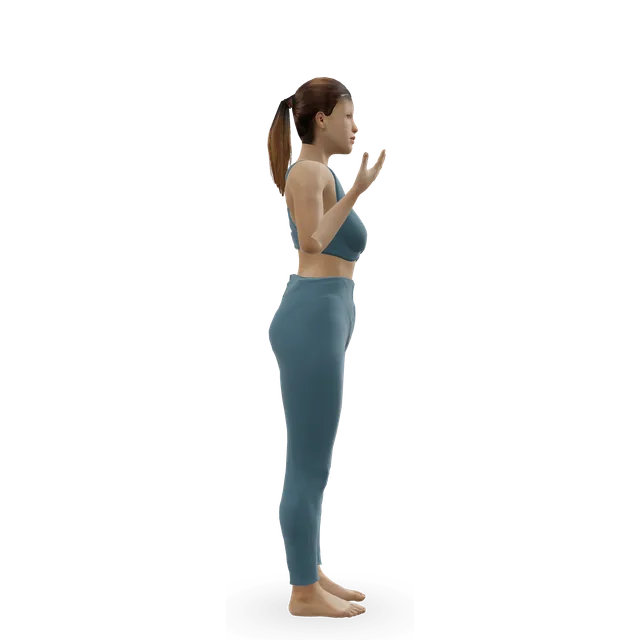
Median nerve glide (six hand positions, for carpal tunnel) demonstrated on the 3D figure3D demoMedian nerve glide (six hand positions, for carpal tunnel)Beginner · No equipment

About 7 s in each position, 5 times through, 3 times a day · The move page's dose (a carpal tunnel trial's protocol). NHS pregnancy leaflets use similar amounts: 5 times through, 3 times a day (Calderdale and Huddersfield) or 8 to 10 times, three times a day (St George's). A little extra tingling should fade within an hour; skip the last step if the thumb side of the wrist is sore, as the move page says

Easier: Median nerve slider (neck-to-arm nerve glide)

Tendon glides (hand tendon gliding exercises) demonstrated on the 3D figure3D demoTendon glides (hand tendon gliding exercises)Beginner · No equipment

4 to 6 of each position, holding each for 5 s, up to 4 times a day · The move page's dose (an NHS hand therapy leaflet); Calderdale and Huddersfield's pregnancy leaflet goes through the sequence 5 times, 3 times a day

Harder: Ball squeeze

Wrist & forearm flow demonstrated on the 3D figure3D demoWrist & forearm flowBeginner · No equipment

10 slow bends and straightens of the wrist, then 10 turns palm up and palm down with the elbows bent, a few times a day · From NHS Lothian's pregnancy leaflet (bend and straighten 10 times) and St Helens and Knowsley's (palms up and down, aiming for 10 times every hour); how often is editorial

Easier: Wrist circles · Harder: Wrist flexor stretch

Elbow bend and straighten (elbow range of motion) demonstrated on the 3D figure3D demoElbow bend and straighten (elbow range of motion)Beginner · No equipment

10 slow repetitions, up to 4 times a day · The move page's dose; NHS Lothian's pregnancy leaflet repeats the same bend and straighten 10 times

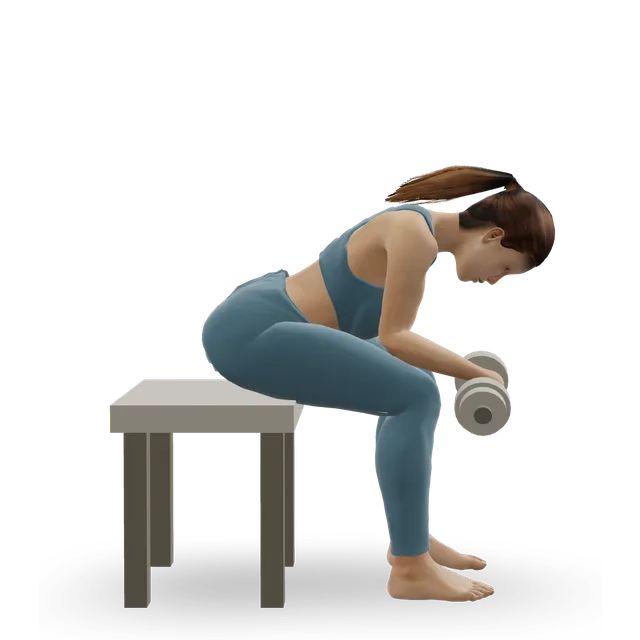
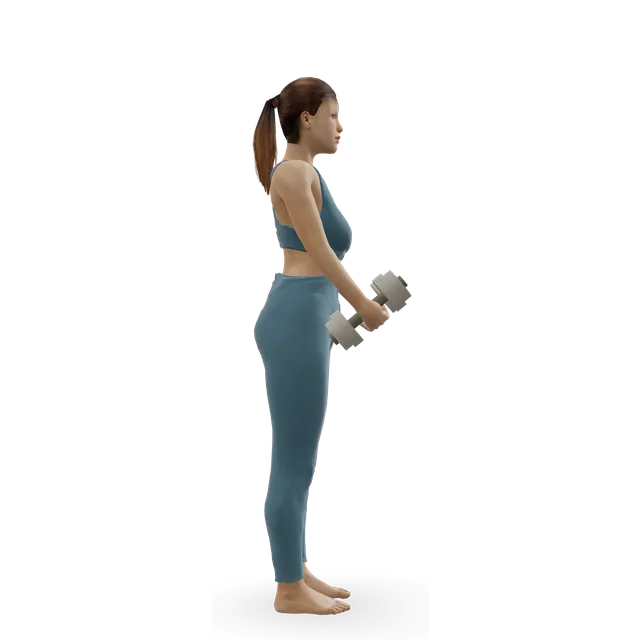
Harder: Dumbbell biceps curl

Treadmill walking demonstrated on the 3D figure3D demoTreadmill walkingBeginner · Cardio machine

About 10 minutes a day to start if you're new to exercise, building towards 150 minutes a week of moderate activity · The NHS's starting point and its 150 minutes a week; walking outdoors counts the same, and swimming can replace it

Harder: Treadmill jogging

Move on when: Nights are settling with the splint, the glides don't leave tingling for more than an hour, and gripping is easier (adapted from our wrist pain at night guide; editorial). Stages 1 and 2 can run side by side. If numbness becomes constant, your hand gets weaker or you drop things, see a GP instead (the warning signs).

Follow along: a timer, a cue and the next move, one step at a time.
Stage 2

Grip and forearm strength, sitting comfortably

From about 2 weeks into stage 1, 2 or 3 days a week, earlier in the day, until the birth. Keep grip, forearm and upper-back strength for the last weeks of pregnancy and for lifting and feeding your baby, within the pain rule, sitting with the forearm supported, and keep the splint at night. The NHS suggests strength exercises twice a week in pregnancy. If you use our wrist and forearm routine or the pregnancy Pilates workout, skip their all-fours and wall moves while tingling is active (our suggestion).

Ball squeeze demonstrated on the 3D figure3D demoBall squeezeBeginner · Other / check instructions

A soft ball: squeeze and hold for 5 s, 3 sets of 10 · The CSP's hand squeeze; Royal Berkshire's pregnancy leaflet also progresses its fist exercise with a soft ball. Leave hard squeezing if a finger catches, as the move page says

Easier: Tendon glides (hand tendon gliding exercises) · Harder: Band finger extension

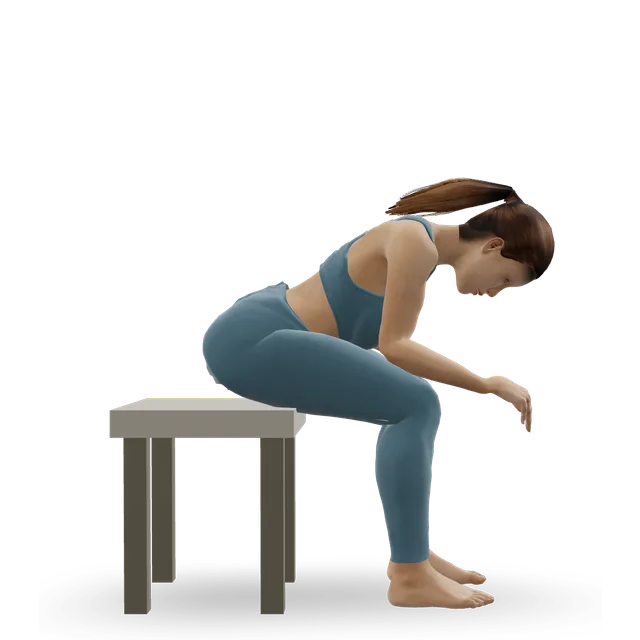
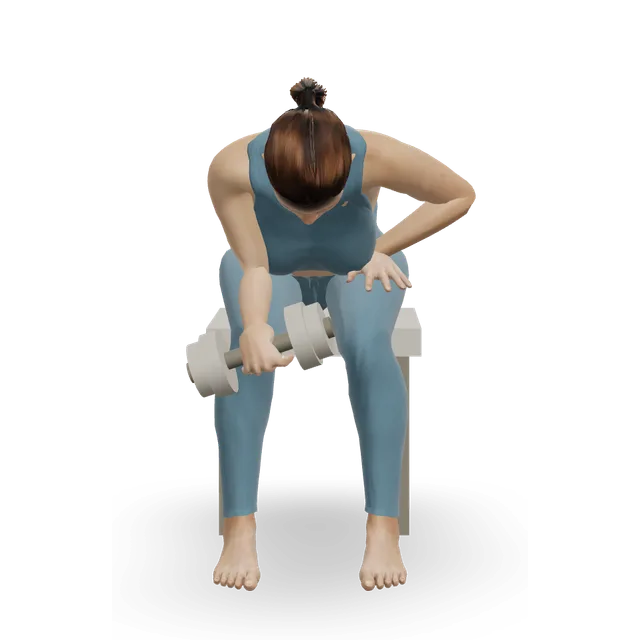
Reverse wrist curl demonstrated on the 3D figure3D demoReverse wrist curlBeginner · A dumbbell + A bench or box

3 sets of 10 holding a tin of beans, adding weight gradually · The CSP's wrist exercise with a weight; Royal Berkshire's leaflet also progresses with a light weight

Easier: Wrist-extensor eccentrics · Harder: Plate pinch

Wrist curls demonstrated on the 3D figure3D demoWrist curlsBeginner · A dumbbell

2 sets of 10, light and slow · As in our carpal tunnel guide (editorial)

Easier: Wrist-extensor eccentrics · Harder: Plate pinch

Band finger extension demonstrated on the 3D figure3D demoBand finger extensionBeginner · A band

2 sets of 10 to 15 · As in our carpal tunnel guide (editorial)

Easier: Ball squeeze · Harder: Plate pinch

Band row demonstrated on the 3D figure3D demoBand rowBeginner · A band + An anchor point

3 sets of 10 to 15, sitting tall, stopping 2 to 3 reps short of failure · The move page's dose (editorial): shoulder-blade strength for feeding and carrying. Check the band and the anchor before every set, as the move page says

Harder: Supported single-arm dumbbell row

Move on when: Carry on until the birth within the pain rule. Drop back to stage 1 for a few days during a flare, and stop for any warning sign.

Follow along: a timer, a cue and the next move, one step at a time.
Stage 3

After the birth: the first weeks

From the first days, as you feel able. Pelvic floor and deep tummy muscles first, with walking, as POGP and the NHS teach. Keep your hands moving while you feed and care for your baby, with the night splint, and the splint during baby care too if it helps (an NHS trust leaflet). With De Quervain's, use the thumb splint your clinician advises. After a caesarean, go at your own pace; our caesarean guide has the timings.

Pelvic floor exercise (Kegel) demonstrated on the 3D figure3D demoPelvic floor exercise (Kegel)Beginner · No equipment

10 long squeezes held for up to 10 s, with 10 s rest, then 10 short squeezes, at least 3 times a day, starting lying down and sitting · POGP's dose after the birth; the move page starts at 8 of each and builds to 10. With a urinary catheter, start once it's out and you're passing urine normally, as the move page says

Side-lying tummy draw-in demonstrated on the 3D figure3D demoSide-lying tummy draw-inBeginner · No equipment

Hold for up to 10 s, breathing normally, up to 10 times · The move page's dose, which is the NHS's after the birth

Harder: Bird dog, one limb at a time

Tendon glides (hand tendon gliding exercises) demonstrated on the 3D figure3D demoTendon glides (hand tendon gliding exercises)Beginner · No equipment

4 to 6 of each position, holding each for 5 s, up to 4 times a day, between feeds · The move page's dose, as in stage 1

Harder: Ball squeeze

Wrist & forearm flow demonstrated on the 3D figure3D demoWrist & forearm flowBeginner · No equipment

As in stage 1, gently · With De Quervain's, after 2 to 3 weeks in the splint, NHS Lothian's movements are done 5 to 10 times, 2 or 3 times a day, stopping if the pain lasts

Easier: Wrist circles · Harder: Wrist flexor stretch

Thoracic rotation demonstrated on the 3D figure3D demoThoracic rotationBeginner · No equipment

6 slow turns each side, sitting tall, moving with the breath · The move page's dose: a break for the upper back between feeds

Easier: Side-lying open book · Harder: World's greatest stretch

Treadmill walking demonstrated on the 3D figure3D demoTreadmill walkingBeginner · Cardio machine

A walk every day, gradually increasing the time and pace during the first 6 weeks · POGP's advice; a buggy walk counts, with a loose grip on the handles (an NHS trust leaflet)

Harder: Treadmill jogging

Move on when: Daily care of your baby is comfortable and nothing brings on heaviness, leaking or more bleeding: often from about 6 weeks after a straightforward birth, and later after a caesarean (our suggestion). After a caesarean, lift nothing heavier than your baby for at least 6 weeks (POGP).

Follow along: a timer, a cue and the next move, one step at a time.
Stage 4

Lifting, carrying and your usual exercise

From about 6 weeks after the birth, 2 or 3 sessions a week, then keep going. Grip, arm and leg strength for lifting a car seat, a buggy and a growing baby, with your usual exercise back one activity at a time (editorial). Avoid sit-ups, planks and high-impact exercise to start with (the NHS), and start swimming once you've had 7 days clear of bleeding (POGP). Then everyday life comes back in full: typing, lifting, feeding and carrying with the written steps below (straight wrists, short breaks, both hands and the load close to you), keeping the splint for nights that flare (our suggestion). Running and jumping follow our postpartum guide's readiness checks.

Dumbbell forearm rotation demonstrated on the 3D figure3D demoDumbbell forearm rotationBeginner · A dumbbell + A bench or box

2 sets of 10, a light dumbbell held near one end · As in our carpal tunnel guide (editorial)

Easier: Wrist-extensor eccentrics · Harder: Plate pinch

Dumbbell goblet squat demonstrated on the 3D figure3D demoDumbbell goblet squatIntermediate · A dumbbell

2 sets of 8 to 12, to a chair at first, a light weight held close to your chest with straight wrists · As in our postpartum page (editorial): practice for lifting from low down with the load in front of you, as POGP advises. After a caesarean, lift nothing heavier than your baby for about 6 weeks, as the move page says

Easier: Bodyweight squat · Harder: Barbell front squat

Farmer's carry demonstrated on the 3D figure3D demoFarmer's carryIntermediate · A dumbbell + A kettlebell

2 walks of 20 to 30 m with a light weight in each hand · Editorial: practice for shopping bags and a car seat; start light

Harder: Suitcase carry

Band row demonstrated on the 3D figure3D demoBand rowBeginner · A band + An anchor point

3 sets of 10 to 15, stopping 2 to 3 reps short of failure · The move page's dose (editorial)

Harder: Supported single-arm dumbbell row

Wall push-up demonstrated on the 3D figure3D demoWall push-upBeginner · A wall

2 sets of 8 to 12, only if bending the wrist back doesn't bring on tingling · As in our carpal tunnel guide (editorial). Move on to incline push-ups once 12 are easy, using fists or push-up handles if the wrist complains

Harder: Push-up

Hammer curl demonstrated on the 3D figure3D demoHammer curlBeginner · A dumbbell

2 sets of 10, light, last · Editorial. Thumb-up lifting aggravates De Quervain's, so leave it until the thumb side has settled, as the move page says

Easier: Seated dumbbell curl · Harder: Alternating hammer curl

Move on when: Our suggestion: your usual week passes the pain rule and caring for your baby is comfortable. If symptoms come back, go back to stage 1, and see a GP if they don't settle; breastfeeding-related symptoms often ease after weaning. Keep two strength sessions a week, as the NHS advises for all adults.

Follow along: a timer, a cue and the next move, one step at a time.

What to change for now

Splints and sleep (written steps)

Our 3D figure can't show these. Each step names its source.

  • 1. Wear a splint that keeps your wrist straight every night, for up to 6 weeks before it starts to help (the NHS). Keep the wrist moving by day, and wear the splint by day only for short spells of repetitive tasks, not all the time (NHS inform).
  • 2. Make sure it isn't too tight (St George's), buy the right size and watch for changes in the colour of your skin or swelling (NHS Lothian), and never wear it for driving (St Helens and Knowsley).
  • 3. After the birth, keep wearing it at night, and during baby care if you need to; you can take the metal part out when you're holding your baby (Whittington Health).
  • 4. From 28 weeks, go to sleep on your side, either side, and if you wake up on your back, don't worry: turn over and go back to sleep on your side (the NHS). If only one hand is affected, avoid sleeping on that side (Royal Berkshire).
  • 5. Rest your arm on a pillow, and if you wake with numb hands, move them gently (Whittington Health) or hang the hand out of the bed or shake it (the CSP).
  • 6. Keep your hand out from under your head or pillow (our suggestion: bent wrists raise the pressure on the nerve, and outside pregnancy, preferring to sleep on your side went with carpal tunnel syndrome in one study).

Sources 15, 16, 53, 12, 22, 18, 100, 13, 101, 19, 102

Swelling and cold (written steps)

For gradual swelling only: sudden swelling of the face, hands or feet is a warning sign, not something to treat at home.

  • 1. Take rings off while they still come off (Whittington Health).
  • 2. Raise your hands on a pillow whenever you can (NHS Lothian), higher than your shoulder when you're resting (Calderdale and Huddersfield), especially before bed (St Helens and Knowsley).
  • 3. Cold: an ice pack on your wrist for 10 minutes, or your wrist under a cold tap (NHS Lothian), or your hands in cold water for about 10 minutes (Royal Berkshire). Wrap ice in a cloth, never straight on the skin, and take care if you have reduced feeling in your hand (NHS inform and NHS Lothian).

Sources 26, 18, 12, 62, 22, 13, 43

Typing, work, phones and grip (written steps)

Each step names its source.

  • 1. At a desk: the keyboard just below elbow height, the mouse in line with your elbow and a separate keyboard and mouse for a laptop (the HSE), with your chair set so your wrists stay straight while you type (Whittington Health).
  • 2. Take short breaks often: "5 to 10 minutes every hour is better than 20 minutes every 2 hours" (the HSE).
  • 3. Tell your employer in writing that you're pregnant, breastfeeding or gave birth in the last 6 months: they must do an individual risk assessment and review it as the pregnancy progresses, and make sure you aren't sitting or standing for long periods, lifting heavy loads or using a workstation that causes posture problems (the HSE). You don't need to be free of symptoms to keep working (NHS inform).
  • 4. Hold your phone or a book with your wrist straight and change position often, loosen your grip on a buggy or trolley, and cut down hard gripping and repeated wrist bending (NHS inform, St George's and the NHS).
  • 5. Avoid carrying heavy shopping bags (NHS Lothian), and try to avoid repetitive actions and lifting and carrying while it's bad (Calderdale and Huddersfield).

Sources 73, 18, 74, 77, 78, 16, 53, 15, 12, 62

Feeding, lifting and caring for your baby (written steps)

Each step names its source.

  • 1. Feeding: support your baby with pillows or cushions so your shoulders and arms are relaxed (the NHS); put pillows on your lap, or feed lying on your side (POGP); and use cushions to support your wrist so it isn't bent for long (St George's).
  • 2. Lifting: keep a car seat, a buggy or a toddler in front of you, bend your knees and breathe out as you lift (POGP), and try not to lift with your thumb stretched out (Whittington Health). Scooping your baby up with both hands, palms up and elbows in, is our suggestion, as our De Quervain's guide says.
  • 3. After a caesarean, lift nothing heavier than your baby for at least 6 weeks, and encourage older children to climb up to you when you're sitting rather than bending to pick them up (POGP).
  • 4. Nappies and bathing: get to your baby's level, kneeling by the bath or using a changing surface at waist height (POGP), and ask for help with bathing and nappies when you can (Whittington Health).
  • 5. With numb fingers, make sure you have a good grip when carrying hot water, using a sharp knife or drying glasses (NHS Lothian), and take care with hot or cold objects and when driving (St Helens and Knowsley).

Sources 75, 76, 53, 18, 12, 22

Painkillers, injections and getting help

Paracetamol is usually the best painkiller in pregnancy and while breastfeeding. Avoid ibuprofen in pregnancy, including gel, unless a doctor or pharmacist advises it, and check with a pharmacist or doctor before using it while breastfeeding (the NHS). If a splint and these steps don't help, see a GP: an injection may be offered, which the UK hand surgery pathway recommends in pregnancy and the NHS Specialist Pharmacy Service says can be used while breastfeeding, and surgery is rarely needed.

After the birth, you can ask a GP or health visitor about a physical problem at any time (the NHS). Carpal tunnel symptoms that last longer than 6 weeks to 3 months after the birth, or make it hard to care for your baby, are a reason to see your GP or a women's health physiotherapist (NHS trust leaflets).

Sources 79, 80, 15, 55, 85, 91, 18, 62

Positions to swap, and why

Habit or positionWhy it mattersInstead
Sleeping with your wrists bent, or your hand tucked under your head or pillowPressure in the carpal tunnel is lowest with the wrist close to straight and rises a lot when it bends.A splint that keeps your wrist straight, your arm on a pillow, and gentle glides by day.Try: Median nerve glide (six hand positions, for carpal tunnel)
Weight through your palms while tingling is active: all fours, floor push-ups, downward dog or wrist rocksAn NHS trust leaflet says avoid putting weight through the palm of your hand, and bending the wrist back raises the pressure on the nerve.Sitting moves such as the ball squeeze; forearms or fists if you need to be on all fours.Try: Ball squeeze
Stretching the wrist back against a wall while symptoms are activeThe move page says numbness or tingling is a nerve complaining, and to keep the pressure gentle with carpal tunnel symptoms.Gentle tendon glides.Try: Tendon glides (hand tendon gliding exercises)
Long spells of typing or phone use with bent wristsHolding a phone or book with the wrist bent brings symptoms on, NHS inform says, and the HSE advises short, frequent breaks.Straight wrists, a break every hour, and a few slow wrist movements.Try: Wrist & forearm flow
Resting the hand completelyThe NHS says resting a repetitive strain for more than a few days makes the area weaker and less flexible.Little and often: gentle glides through the day.Try: Tendon glides (hand tendon gliding exercises)
Lifting your baby or a car seat with your thumbs up and your wrists bentLifting with your thumbs pointing up and the wrist moving makes De Quervain's pain worse, US surgeons say, and an NHS trust leaflet says try not to lift with your thumb stretched out.Both hands, palms up, the load close to you; farmer's carry practice.Try: Farmer's carry
Hammer curls and other thumb-up lifting while the thumb side hurtsThe move page says leave thumb-up curls until De Quervain's has settled.Light palm-up wrist curls.Try: Wrist curls
A splint worn all day, or for drivingNHS inform says the splint shouldn't stop you keeping your wrist moving by day, and an NHS trust leaflet says never wear it for driving.Nights, and short spells of repetitive tasks.
Exercising flat on your back for long spells from the second trimesterThe NHS says lying flat on your back for more than a few minutes in later pregnancy can make you feel dizzy and isn't good for your baby, and our exercise in pregnancy page keeps moves on your back short from the end of the first trimester.Sitting, standing and side-lying versions; after the birth, the side-lying tummy draw-in.Try: Side-lying tummy draw-in
Ibuprofen tablets or gel in pregnancyThe NHS says avoid ibuprofen in pregnancy unless a doctor or pharmacist advises it.Paracetamol, unless your GP or midwife says not to.
Laser or shockwave treatment in pregnancyA 2025 review calls laser and shockwave treatment contraindicated in pregnancy.A splint and gentle glides.
Vitamin B6 or water tablets for carpal tunnel syndromeThey did no better than a placebo in old, small trials outside pregnancy.A splint and glides, and a GP if it isn't settling.
Putting sudden swelling down to normal pregnancy swellingSudden swelling can be pre-eclampsia or a blood clot, and the NHS says it needs checking immediately.Urgent help (the warning signs).
Heavy shopping in one hand, wringing cloths, or a tight grip on the buggyNHS trust leaflets say heavy bags, hard gripping and repetitive actions can make symptoms worse.A loose grip, split loads and online shopping.

Routines to follow

Wrist and forearm routine

Wrist mobility and forearm strength for desk work, climbing, push-ups and handstands.

10 minBeginner7 movesA wall, A dumbbell

Grip strength workout: squeezes, curls, carries and hangs

A 20-minute grip session: warm up the wrists and fingers, train the hand and forearm muscles, then carry and hang to load your grip the way everyday life does.

20 minBeginner10 movesOther / check instructions, A band

Pregnancy strength workout (no lying on your back)

A 30-minute strength workout for any trimester with dumbbells and a band: squats, rows, hinges, presses and side-lying hip work, none on your back.

30 minBeginner14 movesA dumbbell, A bench or box

Pregnancy Pilates workout (no lying on your back)

A 20-minute Pilates workout for any trimester: seated, standing, all-fours and side-lying moves, with no lying on your back or front and no jumping.

20 minBeginner15 movesA wall, A bench or box

Prenatal yoga workout (no lying on your back)

A 20-minute prenatal yoga workout for any trimester: seated breathing, all-fours and kneeling poses, supported standing poses and rest, none flat on your back.

20 minBeginner15 movesA step, A wall

Postnatal exercises

A gentle 25-minute routine for the first weeks after birth: pelvic floor, breathing, tummy and hip exercises on the floor, sit-to-stands and a walk.

25 minBeginner12 movesA bench or box, Cardio machine

Postnatal strength workout (from about 6 weeks)

A 25-minute strength workout from about 6 weeks after birth: sit-to-stands, deadlift practice, push-ups, rows, bridges and tummy work, with the knack.

25 minBeginner14 movesA bench or box, A kettlebell

3-minute desk movement break

A 3-minute standing break to repeat every 30 to 60 minutes at your desk: sit-to-stands, calf raises, marching, an upper-back turn and chin tucks.

3 minBeginner5 movesA bench or box, A wall

More moves for this area

Questions people ask

Is wrist pain normal in pregnancy?

Yes, it's common: in one study, hand and wrist pain rose from 9.2% of women in the first trimester to 29.3% in the third. Most of it is carpal tunnel syndrome, which about 1 in 3 pregnant women notice, usually mildly. It can't harm your baby.

When should I worry about wrist or hand pain in pregnancy?

Get urgent help for sudden swelling of your face, hands or feet, a severe headache, vision problems or pain below the ribs, which can be pre-eclampsia. Call 999 for sudden weakness or numbness in one arm with a drooping face or slurred speech, and go to A&E after a fall if your wrist has changed shape or your hand is numb, cold or pale. See a GP if your symptoms are getting worse or not going away, you constantly have pins and needles, or you drop things or your hand feels weak.

Why do my hands go numb at night when I'm pregnant?

Usually carpal tunnel syndrome: extra fluid squeezes the nerve at the front of your wrist, and bending your wrists in bed squeezes it more. It's typically worse at night and often in both hands. A splint that keeps your wrist straight at night is the usual first step.

Is wrist pain an early sign of pregnancy?

No source we read lists it as one. In one study, hand and wrist pain was least common in the first trimester (9.2% of women) and commonest in the third, and carpal tunnel symptoms are commonest later in pregnancy, though they can start in any trimester.

Does carpal tunnel from pregnancy go away after the birth?

For most women it improves, often within weeks to a few months: 76% were free of symptoms a month after the birth in one study, and only 4.3% still had them a year later in another. But in small, selected Italian clinic groups about half still had symptoms at a year, and it can last while you breastfeed, often easing within weeks of weaning. See your GP if it's still there 6 weeks to 3 months after the birth.

What helps carpal tunnel in pregnancy?

A splint that keeps your wrist straight at night, rings off and your hands raised when they swell, short breaks from typing and gripping, and gentle glides by day. The evidence for splints and glides is small, but splints are cheap with no known long-term harms, and glides are gentle. If they don't help, your GP may suggest an injection; surgery is rarely needed.

Can I have a steroid injection while pregnant or breastfeeding?

Possibly: a UK hand surgery pathway recommends a single injection for carpal tunnel syndrome in pregnancy, and a review found no harm to mother or baby from injections that act locally. The NHS Specialist Pharmacy Service says steroids can be used while breastfeeding, though joint injections of one steroid may temporarily reduce milk supply. It's a decision for your clinician, with you.

What painkillers can I take for wrist pain in pregnancy or while breastfeeding?

Paracetamol is usually the best painkiller in pregnancy and while breastfeeding. Avoid ibuprofen, including gels, in pregnancy unless a doctor or pharmacist advises it; while breastfeeding, check with a pharmacist first, though it can often be used. Painkillers ease carpal tunnel pain only for a short time.

Are swollen hands in pregnancy a sign of pre-eclampsia?

Swelling that comes on gradually, worse at the end of the day, is normal. Swelling of the face, hands or feet that comes on suddenly can be a sign of pre-eclampsia or a blood clot and needs checking immediately, especially with a headache, vision problems or pain below the ribs. Pre-eclampsia affects 2% to 8% of pregnancies and can start after the birth.

Why does my wrist hurt after having a baby?

Pain on the thumb side, worse lifting your baby with your thumbs up, is usually De Quervain's tenosynovitis (mummy thumb), which is more common in the year after the birth. Avoiding thumb-up lifting and a thumb splint are the usual first steps, many cases settle with time, and an injection works well if it doesn't. Tingling in the fingers after the birth, especially while breastfeeding, can be carpal tunnel syndrome.

How should I hold and feed my baby with sore wrists?

Support your baby on pillows or cushions so your wrists stay straight and your shoulders relaxed, or feed lying on your side. Lift with both hands and the load close to you, not with your thumb stretched out, and change nappies at waist height.

Can I keep working at a keyboard with carpal tunnel in pregnancy?

Usually yes: you don't need to be free of symptoms to work. Keep your wrists straight with the keyboard just below elbow height, take short breaks every hour, and tell your employer, who must do a risk assessment for you.

Related exercise guides

Other pain guides

Sources

  1. Kesikburun 2018 · Muscle and joint pain in each trimester in 184 Turkish pregnant women (descriptive study, Ther Adv Musculoskelet Dis)
  2. Meems 2015 · Carpal tunnel symptoms in 639 Dutch pregnant women (prospective cohort, BJOG)
  3. Stolp-Smith 1998 · Carpal tunnel syndrome diagnosed in pregnancy in Rochester, Minnesota (records study, Arch Phys Med Rehabil)
  4. Ekman-Ordeberg 1987 · Carpal tunnel syndrome in 56 of 2,358 pregnant women in Malmö, Sweden (prospective study, Acta Obstet Gynecol Scand)
  5. Wright 2014 · Who develops carpal tunnel syndrome in pregnancy: weight, weight gain and previous births (records study, Obstet Med)
  6. Khosrawi 2012 · Carpal tunnel syndrome in each trimester in 100 Iranian pregnant women (cross-sectional study, Adv Biomed Res)
  7. Seror 1998 · Pregnancy-related carpal tunnel syndrome in 30 pregnancies (case series, J Hand Surg Br)
  8. Ablove 2009 · Carpal tunnel syndrome in pregnant women (review, WMJ)
  9. Padua 2010 · Pregnancy-related carpal tunnel syndrome: how common, and how it goes (systematic review, Muscle Nerve)
  10. Alitaleshi 2026 · How common carpal tunnel syndrome is in pregnancy: 5 Iranian studies of 2,065 women (review, J Hand Surg Glob Online)
  11. Oliveira 2019 · Carpal tunnel symptoms in 482 women in the third trimester (cross-sectional study, Arch Gynecol Obstet)
  12. NHS Lothian · Carpal tunnel syndrome in pregnancy (physiotherapy leaflet, 2022, past its review date of July 2025)
  13. Royal Berkshire NHS Foundation Trust · Carpal tunnel syndrome during pregnancy or after birth (physiotherapy leaflet, 2025)
  14. NHS Tayside · I have been told I have carpal tunnel syndrome (leaflet, 2015)
  15. NHS · Carpal tunnel syndrome
  16. NHS inform · Carpal tunnel syndrome
  17. Pelvic, Obstetric and Gynaecological Physiotherapy (POGP) · Pregnancy-related pelvic girdle pain, with a section on carpal tunnel syndrome (booklet, 2018, past its review date of 2021)
  18. Whittington Health NHS Trust · Carpal tunnel syndrome in pregnancy (patient information factsheet, 2026)
  19. Gelberman 1981 · Pressure in the carpal tunnel with the wrist straight and bent (laboratory study, J Bone Joint Surg Am)
  20. Weiss 1995 · The wrist position with the lowest pressure in the carpal tunnel (laboratory study, J Bone Joint Surg Am)
  21. Marnach 2003 · Joint laxity and hormones in pregnancy (prospective study, Obstet Gynecol)
  22. St Helens and Knowsley Teaching Hospitals NHS Trust · Carpal tunnel syndrome in pregnancy (physiotherapy leaflet, past its review date of October 2022)
  23. Padua 2001 · Carpal tunnel symptoms, swelling and nerve tests late in pregnancy in 7 Italian centres (multicentre study, Clin Neurophysiol)
  24. Turgut 2001 · Carpal tunnel syndrome in 46 Turkish women followed for a year after the birth (cohort, J Clin Neurosci)
  25. Smith 2025 · Hand and wrist conditions in the year after giving birth in 357,534 US women (insurance claims study, J Hand Surg Glob Online)
  26. NHS · Swollen ankles, feet and fingers in pregnancy
  27. NHS · Pregnancy symptoms you need to get help for
  28. NICE NG133 · Hypertension in pregnancy: diagnosis and management (2019, updated 2023)
  29. NHS · Pre-eclampsia
  30. Duley 2009 · The global impact of pre-eclampsia and eclampsia (review, Semin Perinatol)
  31. American Academy of Orthopaedic Surgeons (AAOS), OrthoInfo · De Quervain's tenosynovitis (patient information)
  32. Bae 2023 · De Quervain's tenosynovitis in pregnancy and the year after in 1.6 million Korean women (population study, Clin Orthop Surg)
  33. Schned 1986 · De Quervain's tenosynovitis in pregnant women and new mothers (case series, Obstet Gynecol)
  34. Daglan 2024 · Risk factors for De Quervain's after the birth in 63 Israeli women (case-control study, Hand)
  35. Schumacher 1985 · De Quervain's tendinitis starting in pregnancy in 6 women (case series, Arch Intern Med)
  36. Skoff 2001 · De Quervain's tenosynovitis in people caring for newborns (case series, Am J Orthop)
  37. Manzoor 2024 · De Quervain's in 190 people caring for babies (cross-sectional study, J Pak Med Assoc)
  38. British Society for Surgery of the Hand (BSSH) · De Quervain's syndrome (patient leaflet, 2016)
  39. Wand 1989 · Carpal tunnel syndrome while breastfeeding in 27 women (retrospective study, J R Soc Med)
  40. Wand 1990 · Carpal tunnel syndrome in 40 pregnant and 18 breastfeeding women (retrospective study, J Hand Surg Br)
  41. Arthritis UK · Pregnancy, fertility and arthritis
  42. NHS · Rheumatoid arthritis (past its review date: reviewed March 2023, review due March 2026)
  43. NHS inform · Wrist, hand, finger and thumb problems
  44. Nwafor 2025 · A slipped disc in the neck in pregnancy (case report, J Neurosurg Case Lessons)
  45. Lederman 1996 · Nerve inflammation in the arm after childbirth (postpartum neuralgic amyotrophy) in 11 women (case series, Neurology)
  46. Hrvatin 2022 · Risk factors for falls in pregnancy (systematic review, J Matern Fetal Neonatal Med)
  47. NHS · Broken arm or wrist
  48. Issa 2026 · Pregnancy and lactation associated osteoporosis (systematic review, Calcif Tissue Int)
  49. Orhadje 2025 · Pregnancy-associated osteoporosis: how it shows, risk factors and treatment (systematic review and meta-analysis, Osteoporos Int)
  50. NHS · Symptoms of a stroke
  51. Pelvic, Obstetric and Gynaecological Physiotherapy (POGP) · Other musculoskeletal symptoms in pregnancy (web page, 2020)
  52. NHS · Septic arthritis
  53. St George's University Hospitals NHS Foundation Trust · Carpal tunnel syndrome in pregnancy and postnatally (physiotherapy leaflet, 2025)
  54. Osterman 2012 · Carpal tunnel syndrome in pregnancy (review, Orthop Clin North Am)
  55. Getting It Right First Time (GIRFT) and the British Society for Surgery of the Hand · Adult carpal tunnel syndrome: hand surgery pathway (UK pathway)
  56. Health Protection Agency, the Royal College of Radiologists and the College of Radiographers · Protection of pregnant patients during diagnostic medical exposures to ionising radiation (RCE-9, guidance, 2009)
  57. NHS · X-ray
  58. Courts 1995 · Splinting for carpal tunnel symptoms in 82 pregnant women (case series, J Hand Ther)
  59. Padua 2002 · Carpal tunnel syndrome a year after pregnancy in 63 Italian women (prospective study, Neurology)
  60. Mondelli 2007 · Carpal tunnel syndrome in 45 pregnant women followed for 3 years (cohort and literature review, Electromyogr Clin Neurophysiol)
  61. Mondelli 2007 · What predicts improvement of carpal tunnel syndrome in pregnant women (prospective study, Muscle Nerve)
  62. Calderdale and Huddersfield NHS Foundation Trust · Carpal tunnel syndrome during and after pregnancy (physiotherapy leaflet, 2025)
  63. NHS Lothian · De Quervain's tenosynovitis (leaflet, 2022, past its review date of August 2025)
  64. Avci 2002 · An injection or a splint for De Quervain's in 18 pregnant or breastfeeding women (randomised trial, J Hand Surg Am)
  65. Mete Cavus 2025 · A rigid or an elastic wrist splint for carpal tunnel syndrome in 41 pregnant women (comparison study, Hand)
  66. Kumari 2026 · Treatment without surgery for carpal tunnel syndrome in pregnancy and breastfeeding: 12 studies (systematic review, J Clin Orthop Trauma)
  67. Karjalainen 2023 · Splinting for carpal tunnel syndrome: 29 trials of 1,937 adults (Cochrane systematic review, Cochrane Database Syst Rev)
  68. Keskin 2020 · Home exercise for carpal tunnel syndrome in 33 pregnant women (controlled study, J Pak Med Assoc)
  69. Ashour 2023 · High-intensity laser for carpal tunnel syndrome in 54 pregnant women (randomised trial, J Hand Ther)
  70. Núñez de Arenas-Arroyo 2021 · Nerve glides for carpal tunnel syndrome: 22 trials (systematic review and meta-analysis, J Orthop Sports Phys Ther)
  71. Page 2012 · Exercise and mobilisation for carpal tunnel syndrome (Cochrane systematic review, Cochrane Database Syst Rev)
  72. NHS · Wrist pain
  73. Health and Safety Executive (HSE) · Good posture when using display screen equipment (guidance)
  74. Health and Safety Executive (HSE) · Display screen equipment: work routine and breaks (guidance, 2025)
  75. NHS · Breastfeeding: positioning and attachment
  76. Pelvic, Obstetric and Gynaecological Physiotherapy (POGP) · Fit for the future: advice and exercises after childbirth (booklet, 2024)
  77. Health and Safety Executive (HSE) · Protecting pregnant workers and new mothers: individual risk assessment (guidance for employers)
  78. Health and Safety Executive (HSE) · Protecting pregnant workers and new mothers: common risks (guidance for employers)
  79. NHS · Paracetamol for adults (pregnancy and breastfeeding)
  80. NHS · Ibuprofen for adults (pregnancy and breastfeeding)
  81. Moghtaderi 2011 · A steroid injection for carpal tunnel syndrome in 20 pregnant women (before-and-after study, J Res Med Sci)
  82. Niempoog 2007 · A steroid injection for carpal tunnel syndrome in 24 women late in pregnancy (study, J Med Assoc Thai)
  83. Turan 2025 · Ultrasound-guided steroid injection, a splint or both for carpal tunnel syndrome in 37 pregnant women (retrospective study, J Back Musculoskelet Rehabil)
  84. Filippini 2023 · Steroid injections for muscle and joint problems in pregnancy (review, Skeletal Radiol)
  85. NHS Specialist Pharmacy Service · Using oral or parenteral corticosteroids during breastfeeding (UK medicines advice, 2023)
  86. British Society for Surgery of the Hand (BSSH) · Carpal tunnel syndrome (patient information)
  87. Peters-Veluthamaningal 2009 · Steroid injection for De Quervain's tenosynovitis (Cochrane systematic review, Cochrane Database Syst Rev)
  88. Challoumas 2023 · Treatments for De Quervain's tenosynovitis: 30 studies (systematic review and network meta-analysis, JAMA Netw Open)
  89. NHS · Exercise in pregnancy
  90. Pelvic, Obstetric and Gynaecological Physiotherapy (POGP) · Fit for pregnancy (booklet, 2021, past its review date of 2025)
  91. NHS · Your post-pregnancy body
  92. Georgiew 2025 · Pregnancy-related carpal tunnel syndrome (review, Cureus)
  93. Movaghar 2023 · Cupping or kinesio taping for carpal tunnel syndrome in 30 pregnant women (randomised trial, J Bodyw Mov Ther)
  94. Botla 2024 · Laser acupuncture with night splints for carpal tunnel syndrome in 36 women after the birth (randomised trial, Photobiomodul Photomed Laser Surg)
  95. O'Connor 2003 · Treatments other than surgery or injection for carpal tunnel syndrome (Cochrane systematic review, Cochrane Database Syst Rev)
  96. Atisook 1995 · Carpal tunnel syndrome and vitamin B6 levels in pregnancy (cross-sectional study, J Med Assoc Thai)
  97. NHS inform · Exercises for wrist, hand and finger problems (including how to tell if you're exercising at the right level)
  98. St George's University Hospitals NHS Foundation Trust · Median nerve gliding (hand therapy leaflet, 2024, past its review date of October 2026)
  99. NHS · Repetitive strain injury (RSI)
  100. NHS · Tiredness and sleep problems in pregnancy
  101. Chartered Society of Physiotherapy (CSP) · Exercise advice: carpal tunnel syndrome (reviewed 2017)
  102. McCabe 2011 · Preferring to sleep on your side and carpal tunnel syndrome (case-control study, Hand)
  103. NHS · Pins and needles
  104. NHS · Thumb pain

Exercise education, not a diagnosis or treatment plan. It is written from the guidelines and studies listed above; review by a clinician is pending. If your pain follows an injury, is severe, is getting worse, or comes with any warning sign listed on this page, get it assessed. Health disclaimer.