Common, and commonest in the third trimesterEmerging evidence
About 1 in 3 women report hip pain in pregnancy. In 184 Turkish women asked at each antenatal visit, 32.1% had hip pain at some point, rising from 9.8% in the first trimester to 17.4% in the second and 29.9% in the third. In a questionnaire study, 38% of 107 women who had just given birth reported hip pain, against 23% of 91 women who had never given birth.
Whether pregnancy itself causes it is less clear. In an online survey of 589 pregnant and 1,062 non-pregnant Israeli women, 48.4% and 54.5% reported hip or thigh pain, and once age and other factors were allowed for, being pregnant made no difference. No study has measured hip pain in pregnancy with a clinical definition, so the honest summary is that it's common, not that pregnancy is sure to cause it.
Sources 1, 2, 3
Most of it is pelvic girdle painStrong evidence
Pelvic girdle pain is pain in the joints of the pelvis: the joint at the front, over the pubic bone, and the two sacroiliac joints at the back. The NHS lists pain over the pubic bone "roughly level with your hips", across one or both sides of the lower back, between the vagina and anus, and spreading to the thighs. The Royal College of Obstetricians and Gynaecologists (RCOG) says it "can also affect other areas such as the hips or thighs", NHS inform lists the lower back, hips and legs, and NHS trust leaflets add the buttocks, the groin, the inner thighs and pain in the hips when sleeping or moving. The UK's pelvic health physiotherapists (Pelvic, Obstetric and Gynaecological Physiotherapy, POGP) list "hip pain" among the names used for it.
It is brought on by walking, stairs, standing on one leg (for example to get dressed), turning over in bed and moving your legs apart (for example getting out of a car), sometimes with clicking or grinding, and lying on your back or side can be hard. It affects up to 1 in 5 pregnant women, the NHS says, and a European guideline puts it at about 20% at any one time; POGP's guidance for professionals says 14% to 22% of pregnant women have serious pelvic girdle pain, with 5% to 8% of these having severe pain and disability. It often starts around 18 weeks and peaks between 24 and 36 weeks, a review found, though it can start at any point in pregnancy or in the weeks after the birth.
"PGP is not harmful to your baby", the NHS says, and most women with it can have a vaginal birth. A caesarean "will not normally be needed for PGP", the RCOG says: there is no evidence it helps, and it may slow your recovery. All types of pain relief, including an epidural, are possible.
Sources 4, 5, 6, 7, 8, 9, 10, 11, 12
The outer hip at night: one leaflet, no studiesEmerging evidence
"Many women experience pain around the outer thigh or hip area during pregnancy", says a leaflet from one NHS trust, the Royal Berkshire, and it is the only source found that describes it. As the bump grows you can't sleep on your back or front, and lying on your side presses on the bony point at the top of the thigh bone and can irritate it, more so as your baby grows. The leaflet calls it greater trochanteric pain syndrome, previously called trochanteric bursitis (hip bursitis). No study of outer hip pain in pregnancy was found, so how common it is isn't known.
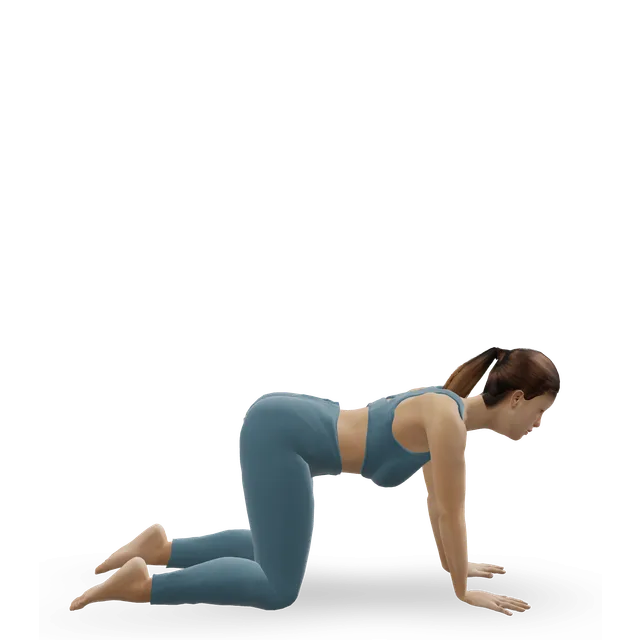
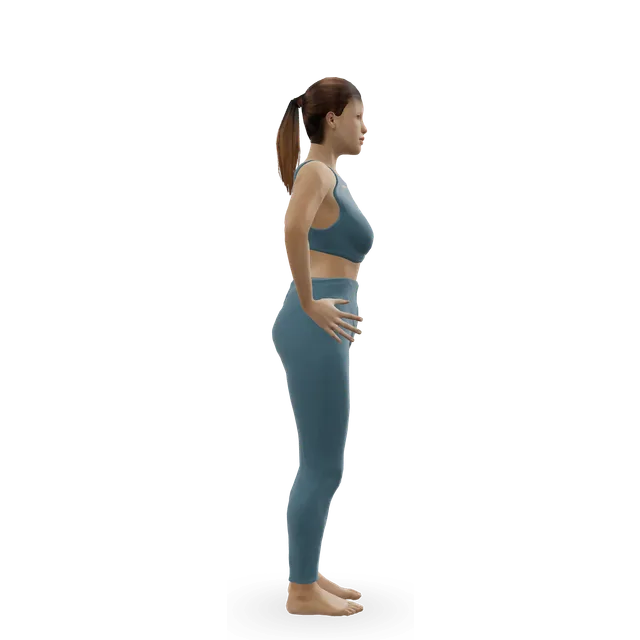
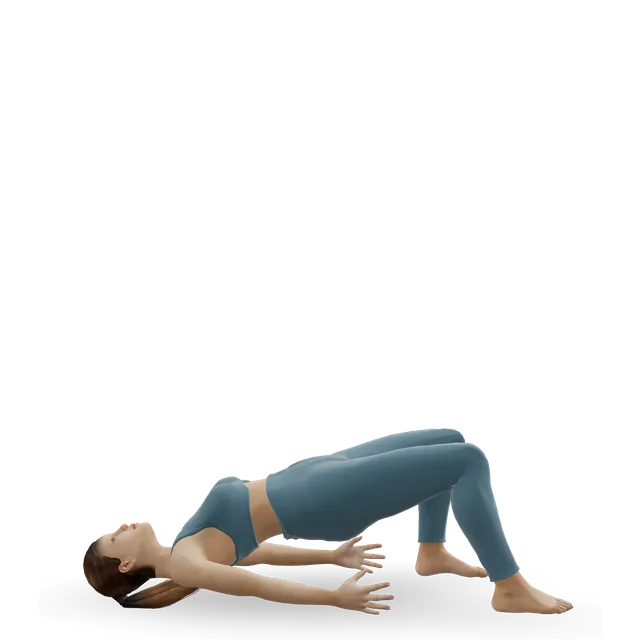
The leaflet's tips are sleeping on the other side for part of the night with a pillow between your knees, supporting your bump with a pregnancy pillow, standing straight without leaning on one hip, and not crossing your legs; they are in the written steps below. Its stretches put the ankle on the opposite knee or cross the painful leg behind the other, and this guide leaves them out: the team behind the LEAP trial of outer hip pain explain that these stretches hold the hip pulled across the body, which presses hard on the tendons.
Sources 13, 14
Other causes, each with its own cluesEmerging evidence
Pain low on one side, by the dimple at the back of the pelvis, is usually the sacroiliac joint, part of pelvic girdle pain. True sciatica, pain down one leg below the knee in a nerve's pattern, often with tingling, numbness or weakness, is uncommon: it affected 10 of 855 pregnant women (1%) in one cohort, and a slipped disc pressing on a nerve was found in 5 of 48,760 births in one hospital (about 1 in 10,000). Most buttock and thigh pain in pregnancy comes from the pelvis instead.
A burning, tingling or numb patch on the outer thigh is meralgia paraesthetica, a squeezed skin nerve that carries feeling only. In a Dutch general practice study the odds of it were about 12 times higher in pregnancy, with a very wide margin of error, and 22.3% of the Turkish women reported its symptoms (not a confirmed diagnosis). It is worse standing or walking for long and usually goes after the birth, an NHS trust says.
Ligament pain, which the NHS calls "growing pains" as the ligaments stretch to support your bump, can feel like a sharp cramp on one side of the lower tummy. It's probably nothing to worry about if it's mild and goes away when you change position, rest, do a poo or pass wind. No peer-reviewed study gives how common it is: in a preprint from one New Zealand clinic, not yet peer reviewed, 68.5% of 203 women past 20 weeks had had tummy pain with no clear cause.
A soft lump in the groin, usually from early in the third trimester, is most often a swollen vein of the round ligament that goes after the birth, the international hernia guideline says. A hernia forming in pregnancy is rare (an estimated 1 in 2,000, though the guideline says the true figure isn't known), and an ultrasound scan tells the two apart. Rarely, the hip joint itself is the cause: a tear in the rim of the socket (the labrum), with groin pain and limited movement, was described in 10 women whose hip pain began in pregnancy or at the birth.
Sources 10, 15, 16, 17, 12, 18, 19, 1, 20, 21, 22, 23, 24
Rare problems of the hip bone, and of the pelvis after the birthEmerging evidence
Transient osteoporosis of the hip, a temporary thinning of the bone at the top of the thigh bone, mostly affects women late in pregnancy. It brings sudden, severe pain in the groin or the front of the thigh, limited hip movement and trouble taking weight. It is rare: over 2 years, one French unit found 3 women (4 hips) with a hip problem linked to pregnancy in 4,900 pregnancies, 1 with transient osteoporosis and 2 with a hidden fracture at the top of the thigh bone, and only a magnetic resonance imaging (MRI) scan could tell the two apart. A fracture is a rare complication, a review says, though it happened in 12.1% of 33 women in one selected German series.
Treatment is taking weight off the hip with crutches or a frame, and it usually settles within months of the birth, though reviews give anything from 2 to 12 months. Pregnancy and lactation associated osteoporosis, a thinning of the bones whose fractures are mostly in the spine and mostly happen while breastfeeding, is rare too; about a third of women affected have a family history of osteoporosis.
After the birth, the joint at the front of the pelvis very rarely separates: in 11 of 4,151 women in one Korean hospital (about 1 in 385), with quoted rates from 1 in 300 to 1 in 30,000. It brings disabling pain at the pubic bone within hours to days of the birth, trouble taking weight and sometimes a feeling of something giving way, and most women recover without surgery (2 of the 11 had an operation). A stress fracture at the base of the spine (the sacrum) brings sudden low back or buttock pain when you stand or walk in the first weeks, often with a normal X-ray, and shows on MRI.
Sources 24, 25, 26, 27, 28, 29, 30, 31, 32, 33, 34
The signs that aren't the joints, and how rare they areStrong evidence
Pain from the pelvic joints and the outer hip changes with movement and position and eases with rest, a pillow and keeping your knees together. The causes that aren't the joints have their own clues, and each is uncommon. About 8 in 100 babies are born early, and before 37 weeks, regular tightenings, period-type pains, a gush or trickle of fluid or backache that isn't usual for you need a call to your midwife or maternity unit; backache is also one of the normal signs that labour is starting. A change in your baby's movements needs a call straight away, even in the middle of the night, and a high temperature (38C or above) can be a sign of an infection.
Pre-eclampsia is most likely from 20 weeks, though it can happen at any point in pregnancy and sometimes starts in the days or weeks after the birth; it complicates 2% to 8% of pregnancies worldwide. The NHS's current list of its symptoms is a severe headache that doesn't go away with simple painkillers, vision problems such as blurred vision or seeing flashing lights, pain below the ribs, sudden swelling of the face, hands or feet, feeling very unwell, heartburn that doesn't go away with heartburn medicines, and being sick. Any of them needs checking immediately: call your maternity unit, or 111 if you've recently given birth or can't reach the unit.
A urine or kidney infection brings pain or burning when you pee, a fever, or pain in the back or side; a kidney infection complicated 0.5% of 543,430 US pregnancies. Blood clots in the legs affect only 1 to 2 in 1,000 pregnant women, most often just after the birth, NHS inform says, and being inactive for long periods because moving is hard can raise the risk. In the first 12 weeks, tummy pain low down on one side with bleeding or pain in the tip of your shoulder can be an ectopic pregnancy, about 1 in 90 pregnancies, and the main sign of a miscarriage is vaginal bleeding, sometimes with cramping in the lower tummy; the NHS doesn't list hip pain as a sign of either. A hot, swollen hip with a fever is rarely a joint infection.
After a fall or a blow to your bump, no NHS website page gives a tier. An NHS Greater Glasgow and Clyde guideline invites everyone from 23 weeks who reports a fall or a blow to the tummy to be checked, and an NHS Wales page says call your maternity unit if you've fallen and landed on your tummy, so this guide's line on a fall or a knock to the bump is our suggestion.
Sources 35, 36, 37, 38, 39, 40, 41, 42, 43, 6, 44, 45, 46, 47, 48
Who is more likely to get it, and what hormones don't explainMixed evidence
Earlier back or pelvic pain, a previous injury to the pelvis, pelvic girdle pain in an earlier pregnancy and a physically demanding job make it more likely, the NHS says, and the RCOG adds hypermobility syndrome, in which joints stretch more than normal. The NHS also lists a higher body weight, while the European guideline found weight wasn't a risk factor, and neither were the contraceptive pill, height or smoking. These are links in studies, not causes, and the NHS's exercise advice in pregnancy "is the same advice given to all adults".
Pregnancy hormones make the ligaments more flexible and the joints more mobile, but research hasn't linked how mobile your joints are with how much pelvic pain you have, an NHS trust says, adding that there's no evidence the pain is a sign of damage. POGP says only a small number of women have pain in the pelvic joints caused by hormones, and another trust says the pelvis "remains strong and stable in pregnancy and birth".
Sources 4, 5, 10, 49, 50, 9, 51
When a scan or test helpsStrong evidence
Usually not for pelvic girdle pain: your physiotherapist, GP or midwife can recognise it from your story and an examination, and the European guideline doesn't recommend X-rays or other scans to diagnose it, keeping MRI for warning signs. Outer hip pain, ligament pain and meralgia are recognised the same way.
Tests answer specific questions. Sudden, severe hip or groin pain, or not being able to take weight, needs an MRI scan, which uses no X-rays: transient osteoporosis and hidden fractures need the leg rested on crutches, and X-rays aren't recommended in pregnancy and can miss them early. An ultrasound scan checks a groin lump, a urine test a suspected urine or kidney infection, blood pressure and pee checks a suspected pre-eclampsia, and an ultrasound scan of the leg a suspected clot.
After the birth, an X-ray or ultrasound scan confirms a separated pubic joint, and an MRI shows a sacral stress fracture that an X-ray can miss. If pain carries on after the birth, your GP may refer you to rule out a hip problem or joint hypermobility, NHS inform says.
Sources 7, 10, 24, 25, 22, 41, 42, 39, 52, 33, 34, 6
How it usually goes, in pregnancy and after the birthMixed evidence
In pregnancy, pelvic girdle pain often builds towards 24 to 36 weeks, and the NHS says these problems "tend not to get completely better until the baby is born", though treatment can improve them; exercise makes the pain less severe. Meralgia usually goes after the birth, and transient osteoporosis settles within months of it.
Most women improve after the birth, but how many depends on how pain is counted. A review found pelvic pain gone within 3 months in 93%. In a Danish cohort of women with confirmed pelvic joint pain, 62.5% of those in its four main pain groups were pain-free within a month and 8.6% still had pain at 2 years; pain only at the front, over the pubic bone, had gone in all of them by 6 months, while 21% with pain in all three pelvic joints still had it at 2 years. The RCOG and NHS inform say around 1 in 10 have ongoing pain, and treatment carries on then. Of Swedish women still in pain 6 months after the birth, most had pain that came and went at about 14 months. No one can promise a timescale.
Pelvic girdle pain may come back in a later pregnancy, but "the symptoms may not be as severe, especially if it is well managed", POGP says.
Sources 12, 4, 53, 18, 28, 54, 5, 6, 55, 9