Why does my hip hurt when I stand?
Most often it's the tendons on the outside of the hip, which hurt when you stand on that leg, lean on one hip or stand for a long time. A deep groin ache that's worst for the first steps after sitting points to the hip joint, and buttock or leg pain that builds the longer you stand can come from the back.
Why does my hip hurt when I stand up from sitting?
Stiffness after the joint has been still is typical of hip arthritis, so the first few steps hurt most. Outer hip pain also catches as you lift your legs out of a car or bed, and low chairs make getting up harder, so a higher seat helps.
Why does my hip hurt when I stand for a long time?
Standing still, especially with your weight on one leg, presses the outer hip tendons against the bone. Spread your weight evenly on both feet and break up long spells of standing. If it's both buttocks or legs and only sitting or bending forward eases it, that's the pattern of a narrowed spinal canal.
Why does my hip hurt when I stand on one leg?
Standing on one leg loads the outer hip tendons and lets the pelvis drop, and NHS inform lists pain when standing on the affected leg among the signs of outer hip pain. In one small study, pain on standing on the painful leg for 30 seconds pointed to those tendons. In pregnancy, pain at the front or back of the pelvis when standing on one leg can be pelvic girdle pain.
Is hip pain when standing a sign of arthritis?
Sometimes, especially from 45 with a deep groin ache and stiffness after rest; NICE diagnoses it without an X-ray. But pain on the outside of the hip, over the bony point, is more often the tendons, and hip pain can come from the back even when your back doesn't hurt.
What's the best way to stand with hip pain?
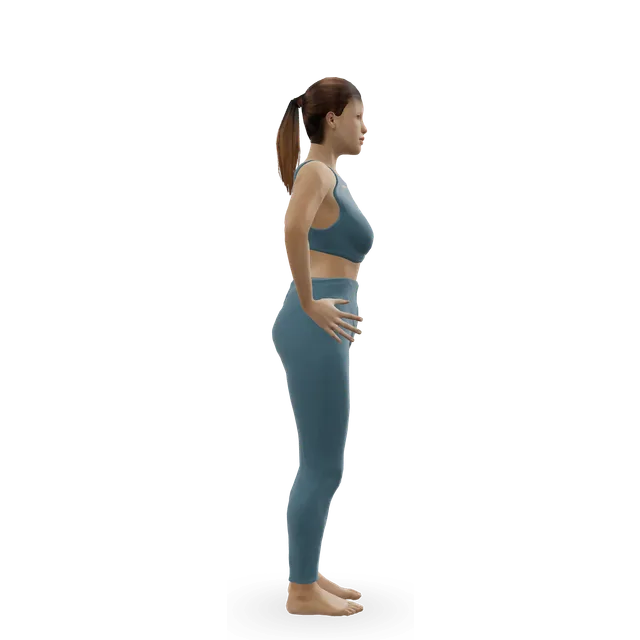
With your weight spread evenly across both feet, not hanging on one hip, and changing position before the ache builds. Our back pain when standing guide has the breaks, mats and shoes for a long day on your feet.
What exercises help hip pain when standing?
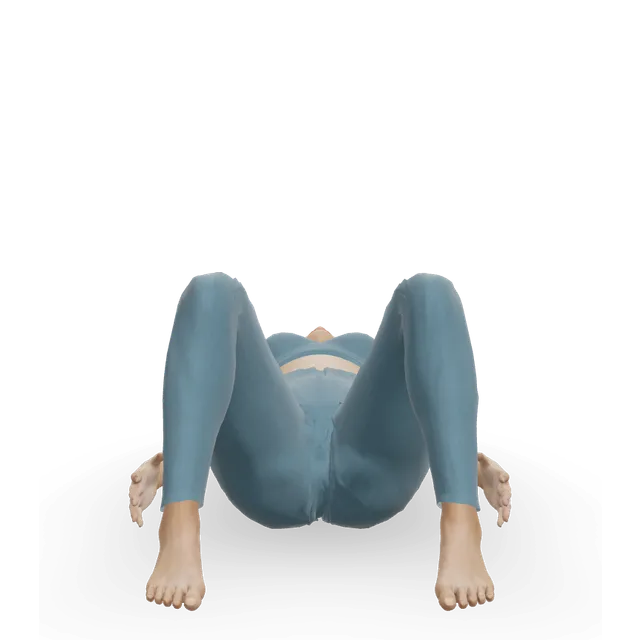
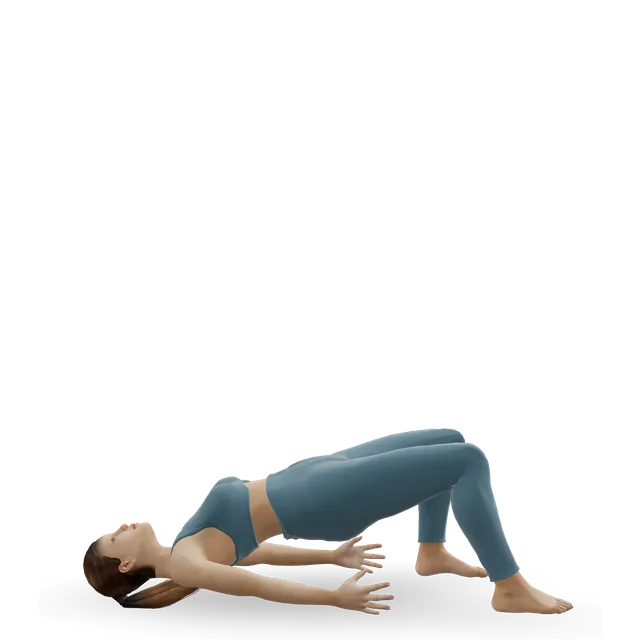
Gentle holds that work the outer hip muscles without squeezing the tendons, then bridges, squats and side steps, then single-leg strength, as in the LEAP trial, where 77% were better after 8 weeks of education and exercise. For hip arthritis, NICE makes exercise the core treatment.
Will an injection help?
A steroid injection can ease outer hip pain for a while, but in the LEAP trial it helped at 8 weeks and not at a year, while education plus exercise helped at both. NHS inform says an injection may help the pain but may not cure the condition.
Do I need a hip replacement?
Most hip pain when standing doesn't need one: much of it comes from the tendons or the back. For hip arthritis, NICE considers a replacement when symptoms substantially affect your life and exercise, weight loss and pain relief haven't helped.
How long does it take to get better?
A new hip problem should begin to settle within 6 weeks, NHS inform says, but outer hip pain can take 6 to 12 months of rehabilitation, with flare-ups along the way. No one can promise a date.
Could my hip pain be coming from my back?
Yes. NHS inform says hip problems can come from the back even without back pain, often with pins and needles or burning leg pain. Pain that builds when you stand and eases only when you sit or bend forward points to the spine.
When should I see a doctor about hip pain when standing?
Call 999 for severe hip pain after a fall or if you can't put weight on the leg, and get an urgent GP appointment or NHS 111 for sudden severe pain without a fall, a hot, swollen hip or a fever. See a GP if it stops your normal activities or sleep, keeps getting worse or hasn't improved after 2 weeks of looking after it at home.