Recovery after carpal tunnel surgery: exercises, the scar and pillar pain, and getting back to work
Carpal tunnel surgery (a carpal tunnel release, or decompression) cuts the ligament that forms the roof of the tunnel at the front of the wrist, giving the median nerve more room. It is usually a 20-minute operation under local anaesthetic, and the NHS says it usually cures carpal tunnel syndrome. Getting back to normal activities can take a month, and the hand can feel stiff and weak for about 3 months.
Recovery is mostly about using the hand: moving the fingers, thumb and wrist from the first day, caring for the wound and scar, and building your grip back up. A splint and routine hand therapy aren't needed. This page gives the usual stages with 3D demos, what to expect from scar tenderness and pillar pain, UK guidance on work and driving, and the warning signs.
Exercise is for pain that has been checked or is clearly mild and settling.
Get urgent medical help if
Call 999 or go to A&E: sudden, severe pain in a muscle of the forearm or hand, especially after an injury or when a cast or bandage feels too tight. It can be compartment syndrome.
Same day: the bandage feels too tight, or your fingers are numb, swollen, or turn blue or white. Raise your hand and loosen the outer bandage if you've been shown how; if it doesn't settle quickly, get help from NHS 111 the same day.
Same day: your hand becomes red, hot, swollen or more painful than usual, or you have a high temperature or feel hot, cold or shivery. Contact your GP urgently or NHS 111 (in the first 24 hours, the unit that treated you). It could be an infection.
After an operation, oozing or pus from the wound: ask for an urgent GP appointment or get help from NHS 111. If you feel unwell or feverish and the wound looks infected, go to A&E.
Arm pain or swelling with breathlessness or chest pain: call 999 or go to A&E, and do not drive yourself. It can be a blood clot that has reached the lungs.
Throbbing pain and swelling in the arm, with red, blue or darker skin and swollen veins: ask for an urgent GP appointment or get help from NHS 111. It could be a blood clot.
See a doctor or physiotherapist if
The tingling or pins and needles don't settle after the operation, or get worse: contact your surgical team. Sooner if your thumb is weak or the numbness is spreading.
Pain that is getting worse instead of better, swelling with fingers that are hard to bend, skin that is shiny, red or very sensitive to touch, or a hand that doesn't feel like yours: contact your surgical team or physiotherapist promptly. These can be early signs of complex regional pain syndrome (CRPS), and early treatment helps.
Still struggling with stiffness, weakness or using your hand after a few months: ask for a review. One NHS hospital lets you book one yourself for a year after the operation.
Your symptoms come back months or years later: see a GP.
Understand it
What the operation does
A small cut is made in the palm, or sometimes the wrist, and the tight ligament that roofs the carpal tunnel is cut so it no longer presses on the median nerve. It usually takes about 20 minutes under local anaesthetic, and you go home the same day. Some centres use keyhole (endoscopic) release through a smaller cut; the long-term results are the same.
The NHS says surgery usually cures carpal tunnel syndrome. One NHS hospital gives a 95% success rate and about a 3 in 100 chance of the symptoms coming back in future.
Tingling and pins and needles usually settle quickly. By about 2 weeks, numbness may be starting to improve, but strength and grip take longer, and some stiffness or scar tenderness is common and usually settles. The hand and wrist often feel stiff and weak for about 3 months.
After severe, long-standing pressure on the nerve, the operation may stop things getting worse, but normal feeling or strength may not fully come back, the British Society for Surgery of the Hand says.
Grip strength comes back over monthsEmerging evidence
Grip drops in the first weeks. In one trial, grip was about 10 to 15 kg at 2 weeks and 14 to 18 kg at a month, and by 6 months it was slightly above its level before the operation. In a small study, grip was back above its pre-operative level by 12 weeks and pinch by 6 weeks; in 39 people, grip kept rising to about 138% of its pre-operative level at a year. These are small studies, but they agree.
One NHS leaflet says it may be 3 months before the hand is back to full strength.
Pillar pain is aching and tenderness either side of the scar, at the base of the palm, worse when you press or lean on the hand. In 170 people after release, 49% had it, at an average of about 3.5 out of 10, lasting a median of 3 months; it wasn't linked to worry or low mood. A review of 12 trials found most cases had gone by 6 months, and smaller cuts didn't prevent it.
One NHS hospital says the scar may be sensitive to direct pressure for several weeks, and it often takes 3 months before you can press on the heel of the hand. On its own, this doesn't mean the operation has failed.
No splint: people get back to things sooner without oneStrong evidence
The 2024 US orthopaedic guideline says, on moderate evidence, that a sling or splint shouldn't be used after carpal tunnel release, with no harms from leaving it off. In a trial in a Cochrane review, people given a bulky dressing instead of a splint and told to move freely from the first day returned to daily activities in an average of 6 days rather than 12, and to full duties at work in 17 days rather than 27, with less pain and a better grip for the first month; by 3 months the groups were the same.
In another trial, a plaster splint made no difference, and in a third, 8 in 10 splinted people found it heavy and uncomfortable.
The same guideline says, on moderate evidence, that supervised therapy shouldn't be routinely prescribed after the operation, though some people benefit case by case. In a trial of 150 people, six 30-minute sessions of hand therapy over 2 weeks gave no better grip, pinch or pain than advice on tendon glides and scar massage given before the operation.
A Cochrane review of 22 trials (1,521 people) of splints, dressings, exercise, ice, laser, electrical treatments, scar desensitisation and arnica found the evidence very low quality, with differences generally small and uncertain. A scar desensitisation programme gave no benefit to function in one small trial.
What UK hand surgeons and therapists agree onEmerging evidence
A UK panel of 33 hand surgeons and hand therapists agreed that people should move the fingers, thumb and wrist regularly and use the hand as soon as possible, ideally within 1 to 2 days; take off any bulky dressing after 2 to 3 days; keep the wound dry for 10 to 14 days; and massage the scar once the wound has closed and the stitches are out. They couldn't agree whether nerve glides or thumb exercises help.
NHS leaflets add exercises: one gives a full fist and straighten, turning the palm up and down, bending the wrist back with a fist, and a gentle palm press, 10 of each, 3 times a day for at least 6 weeks, with light use only for 4 to 6 weeks. This is expert advice rather than something trials have tested.
Keyhole or open release: the same in the long runStrong evidence
In a Cochrane review of 28 trials (2,586 hands), keyhole and open release did about equally well in the long run, and repeat operations were as common. Keyhole release got people back to work or daily activities about 8 days sooner, with more short-lived nerve symptoms, while open release had more wound problems, including scar tenderness; the evidence was low quality. The US guideline rates the long-term results of the two as the same, on strong evidence.
The UK panel agreed these as general timescales: desk work at 4 to 14 days; dirty or dusty work at 14 to 21 days; repetitive gripping at 14 to 28 days; unpredictable knocks to the hand or repeated loading at 14 to 35 days; and vibrating tools or lifting over 10 kg at 21 to 42 days. For driving, the panel's middle answer was 14 days, with most answers between 5 and 14 days, and 9 in 10 said driving in a bulky dressing isn't safe.
Advice varies a lot: in a survey of 310 UK hand surgeons and therapists, the typical advice for heavy manual work was 30 days, but answers ranged from 1 to 90 days. In a UK study of 178 people in work, 90% went back, at a median of 4 weeks, and people in manual jobs were more often unable to (15% against 5%).
The US guideline says, on strong evidence, that paracetamol or anti-inflammatory painkillers should be used after the operation: in trials they eased the worst daily pain better than the strong painkiller oxycodone, with fewer side effects. One NHS hospital says there shouldn't be too much pain, and suggests a painkiller at bedtime if you need one.
Use the hand, but if it hurts, you're overdoing itEmerging evidence
In the first 2 weeks, keep the fingers moving but don't overuse the hand, which may increase scarring and pain, one NHS hospital says. From 2 to 6 weeks, its advice is: "If you are using the hand and it hurts then you are probably overdoing it." UK hand experts say that once the wound has healed you can do tasks within your comfort limits, pacing them.
Once you're strengthening, a working ache of up to about 5 out of 10 that settles within about half an hour and is no worse the next morning is fine: the figure this site uses for other hand problems, borrowed here rather than tested after surgery.
Tenderness when you press on the base of the palm is expected for weeks to months, so use fists or handles for now. Tingling is different: tingling or numbness that is new or getting worse is a reason to contact your team, not to push on.
Start at the first stage. Each move opens a full guide with a 3D demo.
Stage 1
The first 2 weeks, in the dressing: move the fingers, thumb and wrist (as your team allows)
As your team allows, from the day of surgery. Keep the hand raised, in a sling if you were given one, for the first couple of days. Take off the bulky outer dressing after 2 to 3 days if you've been told to, and keep the wound clean and dry for 10 to 14 days. Move your fingers, thumb and wrist regularly, and use the hand for light tasks such as eating, writing and typing as soon as you can, ideally within a day or two; just don't overuse it in these first 2 weeks. Thumb touches are in the notes below.
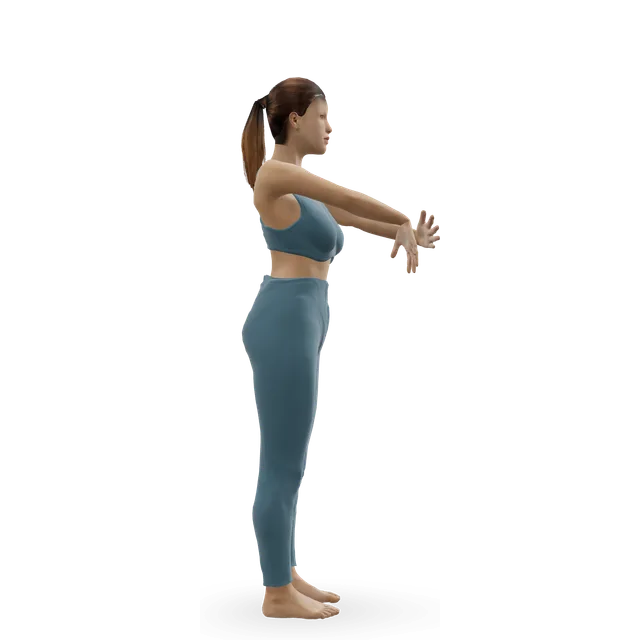
Make a full fist and straighten the fingers 10 times, 3 times a day; add the other positions as the dressing allows · NHS Lothian's fist exercise; the move's page gives 4 to 6 of each position with 5 s holds
Gentle wrist bends within the dressing, and palm-up, palm-down turns, 10 of each, 3 times a day · With the elbow at your side. NHS Lothian's forearm turns
Move on when: The wound has closed and the stitches are out or have dissolved, usually at 10 to 14 days.
Follow along: a timer, a cue and the next move, one step at a time.
Stage 2
Weeks 2 to 6: scar care and light use (as your team allows)
As your team allows. Use the hand for light activities only, for about 4 to 6 weeks, and raise it when you rest if it swells. Massage the scar once the wound has closed and any scab has come off (steps in the notes below). The scar and the base of the palm are often tender, especially when you press or lean on them: that's expected.
10 of each movement, 3 times a day, now through the full range · Include bending the wrist back with a loose fist, the forearm resting on a table. NHS Lothian's exercises
A gentle palm press: palms together, press gently and hold 10 s, 10 times, 3 times a day · NHS Lothian's palm press, much gentler than the move's page. Press more lightly if the heel of the hand is sore
Move on when: Light daily tasks are comfortable and the scar is getting less sensitive, usually at about 4 to 6 weeks.
Follow along: a timer, a cue and the next move, one step at a time.
Stage 3
From about 6 weeks: grip and forearm strength (as your team allows)
As your team allows. Build grip and forearm strength gradually, 2 to 3 times a week (our suggestion). UK hand experts suggest heavy gripping, vibrating tools and lifting over 10 kg from about 3 to 6 weeks, depending on your job. Leave weight through the heel of the hand, such as push-ups, planks and all-fours yoga, until pressing there is comfortable, which one NHS hospital says often takes about 3 months.
Move on when: This is the return to full use. One NHS hospital expects the hand to feel stiff and weak for about 3 months; if you're still struggling after a few months, ask for a review.
Follow along: a timer, a cue and the next move, one step at a time.
What to change for now
Wound care and swelling
Keep the hand raised for the first couple of days. Take off the bulky outer dressing after 2 to 3 days if you've been told to, and keep the wound clean and dry for 10 to 14 days; a plastic bag over the dressing helps in the shower. One NHS hospital uses dissolving stitches and says you can wash the hand after 2 weeks. Raise the hand when you rest if it swells, and use it for light activity only for the first 4 to 6 weeks.
These come from a UK expert consensus and NHS leaflets. Your own team's timings come first.
Driving: not in a bulky dressing. Most people drive again at 5 to 14 days, once they can control the car and do an emergency stop; one NHS hospital says at least 2 weeks. You don't need to tell the Driver and Vehicle Licensing Agency (DVLA) about a short recovery, but you must be safe and stay insured.
Desk work: 4 to 14 days. Repetitive gripping: 2 to 4 weeks. Heavy lifting or vibrating tools: 3 to 6 weeks.
Normal activities: about a month, the NHS says. Sport: once the pain and swelling have settled.
Massage and moisturising help the scar become supple and less sensitive, and may help with pillar pain, NHS Lothian says. UK hand experts agree on starting once the wound has closed.
1. Wait until the wound has closed, the stitches are out or have dissolved, and any scab has come off.
2. Use an unperfumed moisturising cream.
3. Massage along the length of the scar and the skin around it, in small circles with your thumb or two fingers, clockwise and anticlockwise.
4. Press firmly: enough to turn the skin and scar white, but not so hard it hurts.
5. 5 to 10 minutes, 2 to 3 times a day. It may take several months for the scar to become supple and less sensitive.
The base of the palm is tender for weeks to months, and one NHS hospital says it often takes about 3 months to press on it comfortably.
Leave them until pressing on the heel of your hand is comfortable, then start with wall push-ups. Fists or push-up handles keep weight off the palm.Try: Wall push-up
Pushing up from a chair with the operated hand
It presses on the tender base of the palm.
Push up with the other hand.
Heavy gripping, vibrating tools or lifting over 10 kg in the first 3 to 6 weeks (example)
UK hand experts' timescales for these tasks are 3 to 6 weeks.
Light tasks first, then the stage 3 strength moves, such as wrist curls.Try: Wrist curls
Driving in a bulky dressing (example)
Nine in 10 of a UK expert panel said it isn't safe; most people drive again at 5 to 14 days.
Wait until you have a small dressing and can control the car, including an emergency stop.
Massaging the scar before the wound has closed
UK hand experts wait until the wound has closed and the stitches are out.
Then massage it firmly, 5 to 10 minutes, 2 to 3 times a day.
How long does it take to recover from carpal tunnel surgery?
The NHS says it can take a month to get back to normal activities. The hand often feels stiff and weak for about 3 months, and full strength can take several months.
What exercises should I do after carpal tunnel surgery?
Move your fingers, thumb and wrist regularly from the first day, and use the hand for light tasks as soon as you can, ideally within a day or two. Making a full fist and straightening the fingers, turning the palm up and down, and wrist movements, 10 of each, 3 times a day, are typical NHS exercises.
Do I need to wear a splint after carpal tunnel surgery?
Usually not: the US orthopaedic guideline advises against a splint or sling after release, and in a trial people without one got back to work sooner. Move your fingers, thumb and wrist from the start instead. If your surgeon gives you one for a specific reason, follow their advice.
Do I need hand therapy after carpal tunnel release?
Not routinely. A 2-week course gave no better results than advice in a trial of 150 people, and the US guideline advises against routine supervised therapy. Ask for a review if your hand is still stiff or hard to use after a few months.
What is pillar pain, and how long does it last?
It's aching and tenderness either side of the scar at the base of the palm, worse when you press or lean on it. About half of people get it, usually mildly, for a median of 3 months, and most has gone by 6 months. It often takes about 3 months before you can lean on the heel of your hand comfortably.
How do I look after the wound?
Keep it clean and dry for 10 to 14 days, and take off any bulky dressing after 2 to 3 days if you've been told to. Once it has closed and the stitches are out or have dissolved, massage the scar with unperfumed cream for 5 to 10 minutes, 2 to 3 times a day.
When can I drive after carpal tunnel surgery?
Usually after 5 to 14 days, once you're out of the bulky dressing and can control the car, including an emergency stop; one NHS hospital says at least 2 weeks. It's your responsibility to be safe, and you don't need to tell the DVLA about a short recovery.
When can I go back to work after carpal tunnel surgery?
UK hand experts suggest desk work at 4 to 14 days, repetitive gripping at 2 to 4 weeks, and heavy lifting or vibrating tools at 3 to 6 weeks. In a UK study, 90% of people in work went back, at a median of 4 weeks.
When will the numbness in my fingers go?
Tingling usually settles quickly after the operation; numbness can take weeks to months. After severe, long-standing pressure on the nerve, feeling may not fully come back. Tell your team if the tingling doesn't settle or gets worse.
Is keyhole or open carpal tunnel surgery better?
They work equally well in the long run. Keyhole release got people back to work about 8 days sooner on average, with more short-lived nerve symptoms; open release had more scar tenderness.
Will my grip be weaker after carpal tunnel surgery?
For a few weeks. In one trial, grip was back to its level before the operation by about 3 months and slightly above it by 6 months, and in other studies it kept improving for a year.
Can carpal tunnel syndrome come back after surgery?
It's uncommon: one NHS hospital puts it at about 3 in 100, sometimes needing more surgery. See a GP if your symptoms come back.
Exercise education, not a diagnosis or treatment plan. It is written from the guidelines and studies listed above; review by a clinician is pending. If your pain follows an injury, is severe, is getting worse, or comes with any warning sign listed on this page, get it assessed. Health disclaimer.