Pain guide · Wrist and hand pain

Wrist and hand pain at night: carpal tunnel, arthritis, the tendons, night splints and how to sleep

Numb, tingling or aching fingers that wake you, a wrist that throbs in bed, or a hand that's stiff first thing are most often carpal tunnel syndrome, which the National Health Service (NHS) says is usually worse at night. Many people sleep with their wrists bent, and a bent wrist squeezes the nerve. But the nerve at the elbow, a trapped nerve in the neck, the tendons on the thumb side of the wrist, arthritis, gout and pregnancy can all do it, and which fingers are affected is the best clue.

Call 999 for sudden weakness or numbness in one arm with a drooping face, even if it passes, and go to accident and emergency (A&E) after an injury that leaves the wrist out of shape or the hand numb, white or cold. Get help the same day, through an urgent general practitioner (GP) appointment or the NHS's 111 line (NHS 111), for a hot, swollen joint with a high temperature or both hands numb and clumsy with unsteady walking. This guide covers what to do tonight (a splint that keeps the wrist straight, and how to sleep), what night splints can and can't do, and a three-stage plan of glides and grip strength with 3D demos.

When to get help first

Exercise is for pain that has been checked or is clearly mild and settling.

Get urgent medical help if

  • Call 999 or go to A&E after an injury (don't drive yourself) if the arm, wrist or hand is numb, tingling or has pins and needles; a bone is sticking out or a bad cut is bleeding heavily; or the wrist, thumb or a finger has changed shape, is at an odd angle, or has turned blue, grey, white or cold.
  • Call 999, even if it passes: sudden weakness or numbness in one arm, with a drooping face or slurred speech. These are signs of a stroke.
  • Same day (NHS 111): severe wrist pain; you feel faint, dizzy or sick from the pain, or you feel unwell, hot, cold or shivery; you heard a snap, grinding or popping noise when you hurt it; you can't move your wrist or hold things; your wrist has changed shape or colour; a lump on your wrist is very painful, hot or red; or you have lost the feeling in part or all of your hand. These might be signs of a broken wrist or an infection.
  • Same day: a joint or lump that is hot, red and swollen, or hand or wrist pain with a high temperature or feeling hot, cold or shivery. It could be an infection or gout.
  • Same day: both hands numb or clumsy (dropping things, trouble with buttons or handwriting), especially with unsteady walking or falls. Pressure on the spinal cord in the neck can do this, and it is often first mistaken for carpal tunnel syndrome.
  • Contact your GP practice urgently (or NHS 111 if it's closed): clumsiness in your hands, or numbness, pins and needles or weakness in one or both arms that is getting worse.
  • Same day: you wake unable to lift your wrist or fingers, with numbness on the back of the hand, after sleeping on the arm or with it hanging over a chair. It is usually a squeezed nerve in the upper arm that starts to recover within weeks, but a stroke can look similar: call 999 if your face droops, your speech is slurred or you can't lift both arms (our suggestion, from a case series and the NHS stroke page).
  • Same day (urgent GP appointment or NHS 111): throbbing or cramping pain, swelling, redness and warmth in one arm. These can be signs of a blood clot caused by thoracic outlet syndrome, which can be life-threatening if not treated quickly.
  • Get urgent medical help: you're pregnant or have given birth in the last few weeks and have symptoms of pre-eclampsia, such as pain below the ribs, a severe headache that does not go away with simple painkillers, vision problems such as blurred vision or seeing flashing lights, or sudden swelling of the face, hands or feet. If you're pregnant, call your maternity unit if you have the number; if you've recently given birth or cannot call your maternity unit, call 111.

See a doctor or physiotherapist if

  • Numbness or tingling in your thumb and fingers that wakes you at night: see a GP if it is getting worse or not going away. It can be carpal tunnel syndrome, which our carpal tunnel guide covers.
  • Carpal tunnel symptoms that are getting worse, not going away, or not helped by treatment at home; sooner if the thumb is weak or the muscle at the base of the thumb looks thinner.
  • Not improved after 2 weeks of looking after it at home, getting worse, keeps coming back, or stopping you doing normal activities. In many areas you can refer yourself to NHS physiotherapy.
  • Any tingling or loss of feeling in the hand or wrist.
  • You have diabetes and a hand problem: the NHS says hand problems can be more serious if you have diabetes.
  • Swollen, stiff joints in several fingers or both hands, with morning stiffness lasting more than 30 minutes. The National Institute for Health and Care Excellence (NICE) asks GPs to refer suspected rheumatoid arthritis urgently when the small joints of the hands are affected, even if blood tests are normal.
  • See a GP if you have symptoms of gout for the first time (sudden, severe pain in a joint with hot, swollen, red skin), or you have gout and your usual treatments aren't helping.
  • Burning, tingling or numbness in both hands and both feet: see a GP. It can be nerve damage (peripheral neuropathy), most often caused by diabetes in the UK.
  • Pins and needles in one arm and hand that can wake you, with a tired, cold or swollen arm or a hand that turns pale, blue or grey: see a GP. It can be thoracic outlet syndrome, which is rare and which our thoracic outlet syndrome guide covers.
  • Pins and needles or a cold arm alongside neck pain, or a new loss of strength or feeling in the arm that you cannot explain (a possible nerve problem).
  • In pregnancy or after a birth, numb or tingling hands that wake you: a wrist splint at night is the usual first step. Tell your midwife or GP if it's getting worse, your hand feels weak, or it hasn't settled a few months after the birth, as it can last longer (our suggestion, from the NHS and a review).
  • Bone pain that is constant or worse at night, especially with a lump, unexplained weight loss, fever or tiredness, or a past history of cancer.
  • Hand or wrist symptoms that wake you most nights for more than a few weeks despite a night splint and changing how you sleep, or poor sleep that is affecting your days: see a GP or physiotherapist. Treatment for the cause and for sleep, including talking therapy for insomnia, can both help.

Where does it hurt?

Location narrows the likely causes; it does not diagnose.

Numbness, tingling or aching in the thumb, index and middle fingers that wakes you, worse with a bent wrist and eased by shaking the hand

Usually carpal tunnel syndrome. A splint that keeps the wrist straight at night is the usual first step.

Read: Carpal tunnel syndrome →
The same in pregnancy or after a birth, often in both hands

Carpal tunnel symptoms are common in pregnancy, more so after 32 weeks and with swollen fingers. Sudden swelling with a severe headache or problems with your vision is a warning sign.

Tingling in the ring and little fingers that wakes you, worse with the elbow bent

The ulnar nerve at the elbow. Keeping the elbow straighter at night is the first step.

Read: Ulnar nerve entrapment →
A band of pain, pins and needles or burning from the neck or shoulder blade into the hand

A trapped nerve in the neck, which can happen without neck pain.

Read: Pinched nerve in the neck →
Both hands numb and clumsy over weeks or months, with unsteady walking

Possibly pressure on the spinal cord in the neck: get help the same day, as the warning signs say.

Burning, tingling or numbness in both hands and both feet

Nerve damage (peripheral neuropathy), most often from diabetes in the UK: see a GP.

The thumb side of the wrist, worse moving the thumb or lifting with the thumb up, often in the weeks after a birth

Usually De Quervain's tenosynovitis.

Read: De Quervain's tenosynovitis →
The base of the thumb, aching after use and stiff after rest

Often arthritis at the base of the thumb.

Read: Thumb arthritis →
Finger joints that are stiff, knobbly and achy after rest

Often hand osteoarthritis.

Read: Hand and finger arthritis →
Several warm, swollen finger or wrist joints in both hands, stiff for more than 30 minutes in the morning

Possibly rheumatoid arthritis: see a GP soon.

A sudden, very painful, hot, red, swollen joint, often starting overnight

Gout or an infection. With a high temperature, get help the same day.

A finger that clicks, catches or locks, worse in the morning

Usually trigger finger.

Read: Trigger finger →
A smooth lump on the back or palm side of the wrist

Often a ganglion, which is usually painless and may ache with use.

Read: Ganglion cyst →
The little-finger side of the wrist, worse twisting or leaning on the hand

Our guide to the cartilage there, the triangular fibrocartilage complex (TFCC), covers it.

Read: TFCC tear →
A wrist or forearm ache after a day at the keyboard

Our typing guide covers breaks and set-up.

Read: Wrist pain from typing →
A wrist that won't lift on waking, after sleeping on the arm or with it over a chair

Usually a squeezed nerve in the upper arm: get it checked the same day, and call 999 if your face or speech is affected.

Pins and needles in one arm and hand with a cold, tired or pale arm, worse with the arm raised

Rarely, thoracic outlet syndrome.

Read: Thoracic outlet syndrome →
Pins and needles that go within minutes of moving, after lying on your arm

Pressure on a nerve while you slept, not a disease.

Numb hands on the bike

Our cycling guide covers grips, gloves and hand positions.

Read: Numb hands when cycling →
The elbow rather than the wrist at night

Our elbow pain at night guide covers it.

Read: Elbow pain at night →

Understand it

What usually causes itStrong evidence

Numbness, tingling, burning or aching in the thumb, index and middle fingers and part of the ring finger, often worse at night or first thing in the morning, is typical of carpal tunnel syndrome, where the median nerve is squeezed at the wrist. In a survey of 2,466 Swedish adults, 14.4% had pain, numbness or tingling in that part of the hand, and 3.8% had clinically certain carpal tunnel syndrome. It is more common in women and older people, in pregnancy, and with diabetes, thyroid problems, arthritis, a past wrist fracture and work that involves a lot of repetitive or forceful hand use.

Other nerves can wake you too. Tingling in the ring and little fingers, worse with the elbow bent, is usually the ulnar nerve at the elbow. A trapped nerve in the neck sends a band of pain, pins and needles or numbness down one arm into the hand, sometimes without neck pain, and both hands numb and clumsy with unsteady walking can be pressure on the spinal cord in the neck. Burning or numbness in both hands and both feet is usually nerve damage (peripheral neuropathy); thoracic outlet syndrome, which is rare, causes pins and needles that can wake you; and in a series of 25 people, a wrist that wouldn't lift after sleeping with the arm over a chair or under a pillow was a squeezed radial nerve.

Sources 1, 2, 3, 4, 5, 6, 7, 8, 9, 10, 11

The tendons, the joints and other causesStrong evidence

Pain on the thumb side of the wrist, worse moving the thumb or lifting with the thumb up, is often De Quervain's tenosynovitis, which is common in pregnancy and in the weeks after a birth. Osteoarthritis brings more pain and stiffness after the joints have been still, often at the base of the thumb or in the finger joints. Rheumatoid arthritis causes warm, swollen, stiff joints, often in both hands, with morning stiffness that usually lasts longer than 30 minutes, and the National Institute for Health and Care Excellence (NICE) asks for an urgent referral when the small joints of the hands are affected.

Gout causes a sudden, very painful, hot, red, swollen joint: in 724 people, attacks were 2.36 times as likely between midnight and 8am as in the daytime. A ganglion is a smooth lump on the wrist that is often painless and may ache with use; no source we read links ganglions with night pain. After a fall, a wrist that is very painful, swollen or out of shape may be broken.

Sources 12, 13, 14, 15, 16, 17, 18, 19

Why it's worse at night: what's knownEmerging evidence

Many people sleep with their wrists bent, US orthopaedic surgeons say, and NHS inform says a splint at night stops you bending your wrist while you sleep, a position that can squash the nerve. In a laboratory study of 15 people with carpal tunnel syndrome, the pressure in the tunnel was 32 millimetres of mercury with the wrist straight, 94 with it fully bent and 110 fully bent back (2.5, 31 and 30 in 12 people without it). In another, the pressure was lowest with the wrist close to straight. In a survey of 396 people, sleeping with the wrist bent went with more frequent pins and needles at night.

Elbows and necks bend in bed too: bending the elbow provokes the ulnar nerve, and sleep was disturbed in 56.5% of 186 people with a trapped nerve in the neck. In pregnancy, carpal tunnel symptoms went with fluid retention; that fluid gathering in the hands overnight makes things worse is a common explanation, but no study we read measured it. Osteoarthritis aches more after rest, and 81% of 123 people with hip or knee osteoarthritis had night pain that came and went, but no study we read measured night pain in hand arthritis, so that figure is borrowed.

Sources 4, 2, 20, 21, 22, 6, 23, 24, 25

Pain, sleep and the body clockEmerging evidence

Sleep and pain affect each other: in studies that follow people over time, sleep problems predict new and worse long-lasting pain more strongly than pain predicts poor sleep, a review found. In a laboratory study of healthy volunteers kept awake under controlled conditions, pain sensitivity followed a daily rhythm, highest in the middle of the night. Neither study was in people with hand pain, so applying them here is our inference. The NHS's sleep habits, and talking therapy for insomnia that lasts, are the tools for the sleep side.

Sources 26, 27, 28

Pregnancy and the weeks after a birthMixed evidence

Of 639 pregnant Dutch women, 219 (34%) reported carpal tunnel symptoms, more after 32 weeks and with fluid retention, and the symptoms went with sleeping problems. Across studies, 31% to 62% of pregnant women had it diagnosed from their symptoms and 7% to 43% on nerve tests.

How long it lasts is less clear. The NHS says carpal tunnel syndrome sometimes gets better by itself, particularly if pregnancy is the cause, but a review found symptoms still there in more than half of women a year after the birth and in about 30% at 3 years. Gradual swelling of the fingers is common in pregnancy; sudden swelling of the face, hands or feet with a severe headache or problems with your vision is a pre-eclampsia warning sign. De Quervain's is also common in the weeks after a birth.

Sources 24, 29, 1, 30, 31, 12

When night symptoms need checkingStrong evidence

The reassuring pattern, in our reading of the sources: tingling in the thumb-side fingers that wakes you and eases when you shake your hand, or pins and needles that go within minutes once the weight is off your arm. These patterns need help: weakness or numbness in one arm with a drooping face (999, even if it passes); both hands clumsy with unsteady walking (the same day); numbness or weakness that is getting worse; numbness that is constant, a weak thumb or the muscle at its base looking thinner (a GP soon, because untreated carpal tunnel syndrome can cause permanent nerve damage); and constant bone pain at night.

On its own, night pain is a weak sign: at a back pain clinic, 213 of 482 people had night pain, 90 of them every night, and none was found to have a serious disease. That study was in back pain, not hand pain.

Sources 32, 8, 7, 1, 3, 4, 33, 34, 35

Tests and scansEmerging evidence

Carpal tunnel syndrome is usually diagnosed from your symptoms and an examination of the hand, and often the neck. NHS inform says nerve conduction tests can be done but aren't essential, and blood tests can look for a condition that adds to it; ultrasound or magnetic resonance imaging (MRI) is used less often. Suspected rheumatoid arthritis needs blood tests and X-rays, which mustn't delay an urgent referral, and gout can be confirmed with a blood test or fluid from the joint. A wrist that won't lift after sleeping on the arm is diagnosed from the examination, with nerve tests if it doesn't start to recover, and clumsy hands with unsteady walking need an urgent assessment.

Sources 1, 2, 3, 15, 16, 11, 8

How it usually goesEmerging evidence

Carpal tunnel syndrome can settle by itself, especially in pregnancy, but often doesn't. In a UK trial of a night splint or a steroid injection, 16% of the splint group and 22% of the injection group had had surgery after 2 years. After surgery, night symptoms improve dramatically for most people within the first week or so, US orthopaedic surgeons say, and sleep scores improve within 1 to 3 months.

With mild or moderate ulnar nerve symptoms, 89.5% of people in a Swedish trial had improved at 6 months after advice about positions. A wrist that won't lift after sleeping on the arm started to recover after about 2.4 weeks on average. No one can promise a timescale.

Sources 1, 29, 36, 4, 37, 38, 11
What helps, and how strong the evidence is

Night splints: the usual first step, with a small average benefitMixed evidence

The NHS, NHS inform and UK hand surgeons all make a splint that keeps the wrist straight at night the first step, and the NHS says you may need to wear it for up to 6 weeks before it helps. In a Cochrane review of 29 trials (1,937 adults), night splints gave little or no short-term benefit for symptoms on average, at low certainty. One trial of 80 people found splints made overall improvement much more likely (about 1 extra person improved for every 2 who wore one), but that is a single small trial, and the evidence that splints help some people a lot rests on it. Splinting for 6 months may beat 6 weeks, and 18% of people had short-lived side effects.

A straight (neutral) splint gave more relief than one tilted back 20 degrees in a small blinded trial. In 24 hands, being told to wear the splint all day as well as at night improved nerve tests more, though most people didn't wear it by day as asked.

Sources 1, 2, 3, 39, 40, 41

Sleeping position: keep the wrists straight, as studies disagree on side sleepingMixed evidence

In a survey of 396 young adults, volunteers and patients, a third had pins and needles at night at least weekly; sleeping with the wrist bent went with more frequent symptoms, and sleeping on your side with fewer. But in a study comparing 68 people with carpal tunnel syndrome and 138 without, preferring to sleep on your side went with having it. Neither study tested a change of position.

The message that holds up is the wrist itself: US orthopaedic surgeons and NHS inform blame bent wrists in sleep, and the pressure on the nerve was lowest with the wrist close to straight. So this guide says keep your wrists straight, with a splint if you need one, and leaves side or back to you.

Sources 22, 42, 4, 2, 20, 21

Splints and sleepEmerging evidence

In a controlled study, a night splint improved insomnia scores compared with no splint, and surgery improved them further. Across studies, insomnia scores improved after splinting as well as after surgery. These were small studies of people already seeking treatment.

Sources 43, 37

A splint or an injection first: similar results, and fewer operations after a splintEmerging evidence

In a UK trial in general practice, 234 adults with mild or moderate carpal tunnel syndrome had either a night splint worn for 6 weeks or a steroid injection. Symptoms and pain were similar at 12 and 24 months; by 24 months, 16% of the splint group and 22% of the injection group had had surgery, and the splint cost less.

Source 36

Hand exercises and a therapist's sessionEmerging evidence

The NHS says there's a small amount of evidence that hand exercises ease carpal tunnel symptoms. In an Australian trial of 105 people waiting for a surgeon, one group session of education, a night splint and nerve and tendon glides cut the number who went on to surgery by 24 weeks from 80% to 59%; the glides came bundled with the splint and the education, so their own share isn't known.

The Chartered Society of Physiotherapy (CSP) suggests doing its carpal tunnel exercises for at least 6 to 8 weeks to help stop symptoms coming back. Nerve glides can bring on a little extra tingling, which should settle within an hour, an NHS hand therapy leaflet says. No trial has tested exercise for night symptoms as such.

Sources 1, 44, 45, 46

The ulnar nerve at the elbow: advice on positions helped most peopleEmerging evidence

In a Swedish trial of 70 people with mild or moderate symptoms, everyone was told what provokes the nerve and how to avoid it; 51 of the 57 followed for 6 months (89.5%) had improved, and adding night splints or nerve gliding exercises made no difference. UK hand surgeons suggest a folded towel round the elbow at night to stop it bending.

Sources 38, 6

Surgery, when symptoms persistStrong evidence

The NHS says surgery usually cures carpal tunnel syndrome and is discussed when symptoms are getting worse and other treatments haven't worked. With long-standing constant numbness and wasting of the thumb muscles, surgery may be recommended to prevent damage that can't be undone, US orthopaedic surgeons say, and UK hand surgeons say untreated carpal tunnel syndrome can cause permanent nerve damage. After surgery, sleep scores improved within 1 to 3 months and kept improving for up to 2 years across studies. Our carpal tunnel surgery guide covers the recovery.

Sources 1, 4, 3, 37

How much pain is OK while you exercise?

Up to about 5 out of 10 by day, tingling that fades within the hour, and tonight is the testEmerging evidence

Some discomfort during these exercises is fine and doesn't mean you are doing damage. Keep it to about 5 out of 10 or less. It should settle within half an hour or so, and your hand should be no worse the next morning. If it is, do fewer, smaller or lighter next time, not nothing. This is the wrist hub's rule; NHS inform's hand exercises use the same scale (0 to 3 is minimal, 4 to 5 acceptable and 6 to 10 too much), with pain no worse the morning after. In trials of long-lasting muscle and joint pain, exercise that allowed some pain did no worse than pain-free exercise.

Tingling and numbness are different. With nerve glides, a little extra tingling is expected but should fade within an hour, as an NHS hand therapy leaflet puts it. Stop and get advice if numbness spreads, lasts, or your grip or thumb gets weaker.

Tonight is the test (our suggestion, borrowed from our elbow pain at night guide): do the strength work earlier in the day, and if a new exercise is followed by a worse night two or three times running, make it lighter or do it earlier. Judge the week rather than one night. With a finger that catches, leave hard squeezing until it stops catching; with pain on the thumb side of the wrist, leave thumb-up lifting until it settles; and with arthritis, NICE warns that joint pain may rise when you start, but regular exercise still helps. A hot, swollen joint, weakness in one arm with a drooping face, or both hands clumsy are warning signs, not pain-rule questions.

Sources 47, 46, 48, 49

The exercise plan: 3 stages

Start at the first stage. Each move opens a full guide with a 3D demo.

Stage 1

Tonight: a straight wrist at night, gentle glides by day

About the first 6 weeks. Wear a splint that keeps the wrist straight every night (the written steps below), and do these moves earlier in the day, within the pain rule. With any warning sign, get checked first.

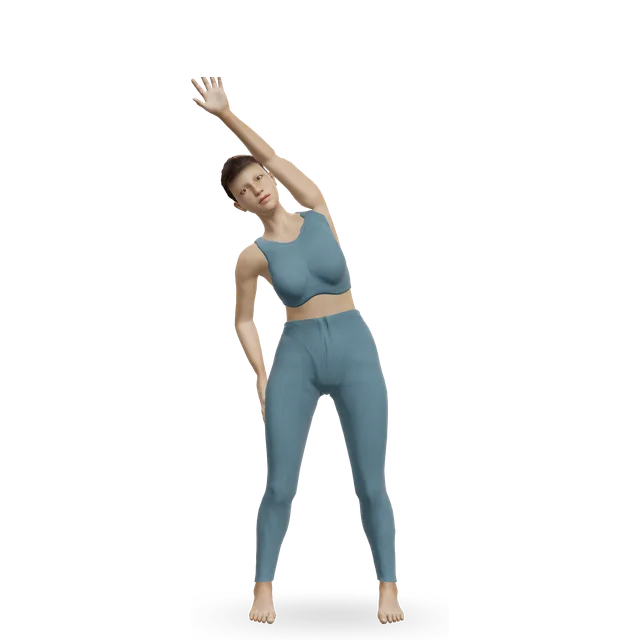
Median nerve glide (six hand positions, for carpal tunnel) demonstrated on the 3D figure3D demoMedian nerve glide (six hand positions, for carpal tunnel)Beginner · No equipment

About 7 s in each position, 5 times through, 3 times a day · The move page's dose, from a carpal tunnel trial's protocol. Stop at the first pull or tingle; a little extra tingling should fade within an hour, as an NHS hand therapy leaflet says

Easier: Median nerve slider (neck-to-arm nerve glide)

Tendon glides (hand tendon gliding exercises) demonstrated on the 3D figure3D demoTendon glides (hand tendon gliding exercises)Beginner · No equipment

4 to 6 of each position, holding each for 5 s, up to 4 times a day · The move page's dose, from an NHS hand therapy leaflet

Harder: Ball squeeze

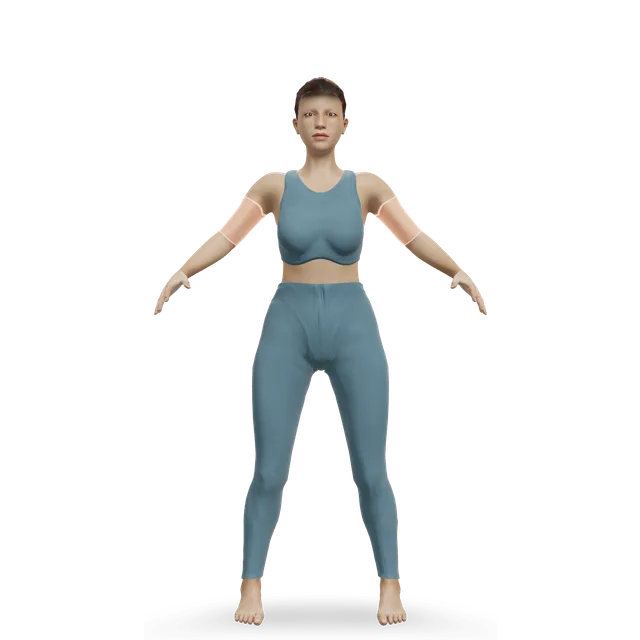
Wrist & forearm flow demonstrated on the 3D figure3D demoWrist & forearm flowBeginner · No equipment

2 or 3 slow reps at a time, every hour if you can, adding 1 or 2 every few days, then sets of 8 · NHS inform's pacing for hand exercises

Easier: Wrist circles · Harder: Wrist flexor stretch

Wrist circles demonstrated on the 3D figure3D demoWrist circlesBeginner · No equipment

2 or 3 slow circles each way at a time, built up the same way · NHS inform's pacing, as our finger pain guide uses it

Harder: Wrist flexor stretch

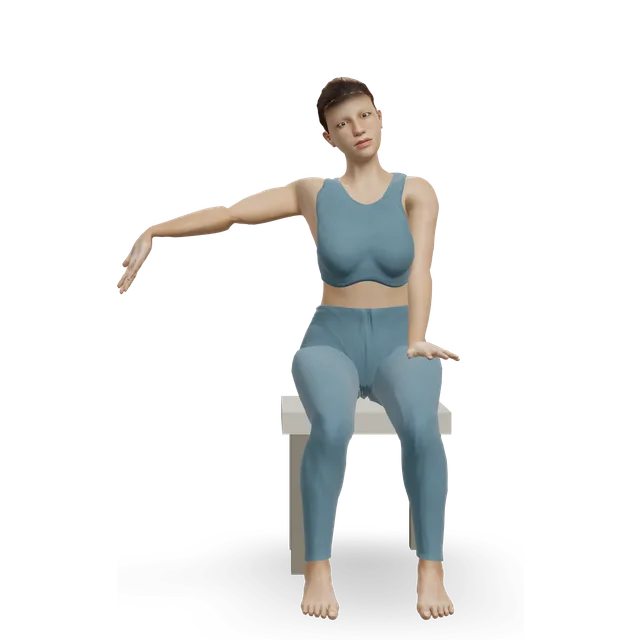
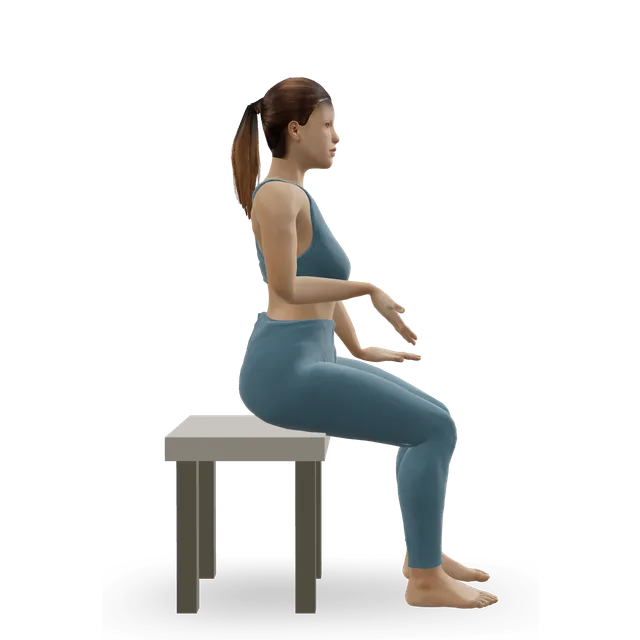
Median nerve slider (neck-to-arm nerve glide) demonstrated on the 3D figure3D demoMedian nerve slider (neck-to-arm nerve glide)Beginner · A bench or box

Only with neck or upper arm symptoms: 10 slow reps, 2 to 3 times a day, with the arm by your side at first · The move page's dose, an editorial starting point. Not in the first, most painful days of a trapped neck nerve, as the move page says

Harder: Median nerve glide (six hand positions, for carpal tunnel)

Move on when: You're waking less often, and the glides don't leave tingling that lasts more than an hour. If numbness becomes constant or the thumb gets weaker, stop and see a GP.

Follow along: a timer, a cue and the next move, one step at a time.
Stage 2

By day: grip and forearm strength

About weeks 2 to 8, 3 days a week, earlier in the day. Keep the splint going at night. Doses are the CSP's carpal tunnel exercises or our carpal tunnel guide's.

Ball squeeze demonstrated on the 3D figure3D demoBall squeezeBeginner · Other / check instructions

A soft ball: 3 sets of 10, holding each squeeze for 5 s · The CSP's hand squeeze. Leave hard squeezing while a finger catches, as the move page says

Easier: Tendon glides (hand tendon gliding exercises) · Harder: Band finger extension

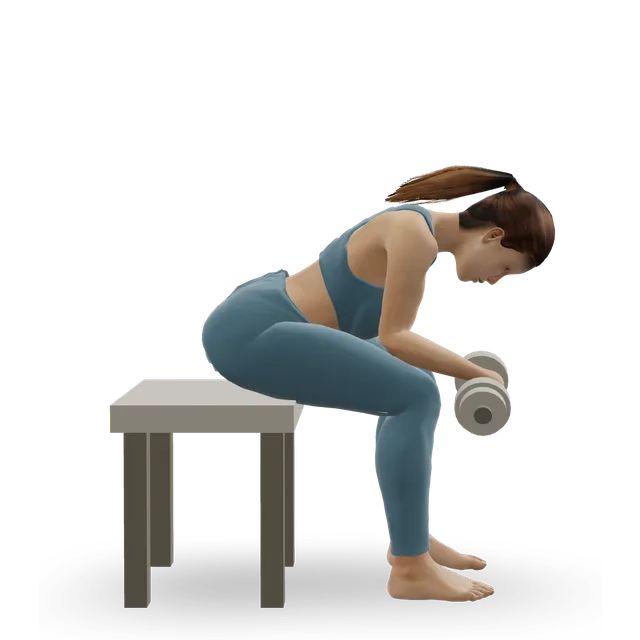
Reverse wrist curl demonstrated on the 3D figure3D demoReverse wrist curlBeginner · A dumbbell + A bench or box

3 sets of 10 holding a tin of beans, adding weight gradually · The CSP's wrist lift

Easier: Wrist-extensor eccentrics · Harder: Plate pinch

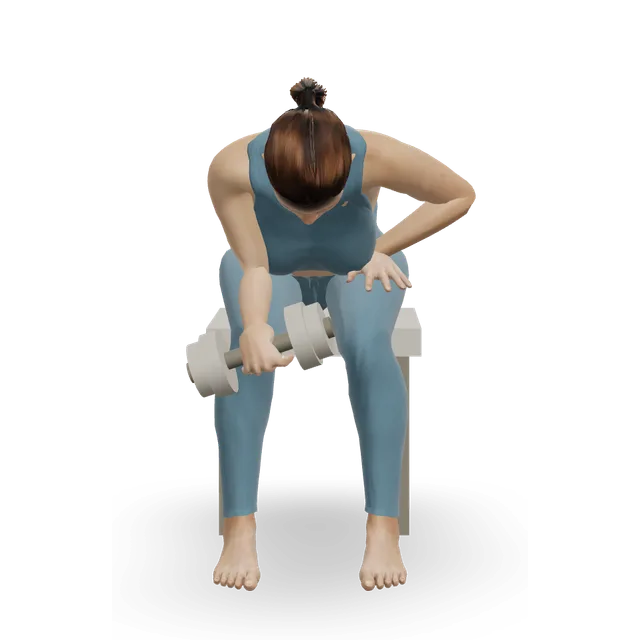
Wrist curls demonstrated on the 3D figure3D demoWrist curlsBeginner · A dumbbell

2 sets of 10, light · As in our carpal tunnel guide (editorial)

Easier: Wrist-extensor eccentrics · Harder: Plate pinch

Band finger extension demonstrated on the 3D figure3D demoBand finger extensionBeginner · A band

2 sets of 10 to 15 · As in our carpal tunnel guide (editorial)

Easier: Ball squeeze · Harder: Plate pinch

Wrist flexor stretch demonstrated on the 3D figure3D demoWrist flexor stretchBeginner · A wall

3 holds of 15 to 30 s, gently, easing off at any tingling · The CSP's wrist stretch hold

Easier: Wrist circles · Harder: Quadruped wrist rocks

Move on when: These stay within the pain rule, most nights are settled, and your hand is no worse the next morning.

Follow along: a timer, a cue and the next move, one step at a time.
Stage 3

Strengthen, and a full night back

From about week 6, 2 or 3 days a week, ongoing: gripping, carrying and weight through the hands, while your usual night comes back by the written steps below. Doses are as in our carpal tunnel guide (editorial).

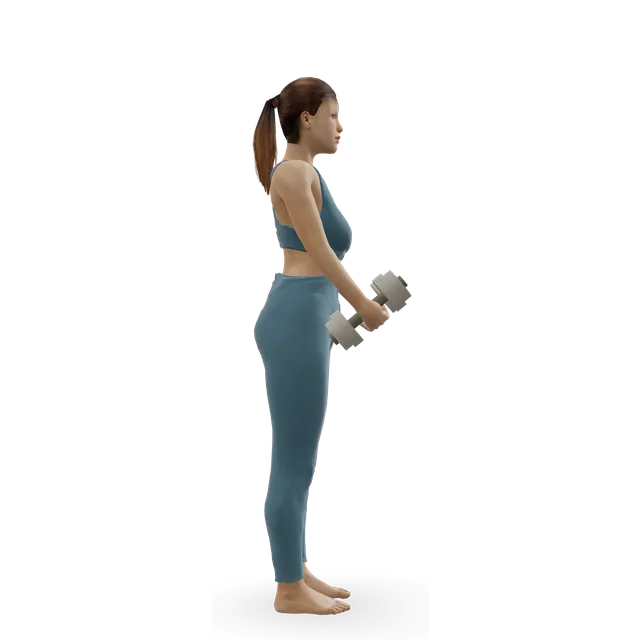
Hammer curl demonstrated on the 3D figure3D demoHammer curlBeginner · A dumbbell

2 to 3 sets of 10 to 12 · Leave thumb-up curls while the thumb side of the wrist is sore (De Quervain's), as the move page says

Easier: Seated dumbbell curl · Harder: Alternating hammer curl

Wall push-up demonstrated on the 3D figure3D demoWall push-upBeginner · A wall

2 sets of 8 to 12 · Only if bending the wrist back doesn't bring on tingling

Harder: Push-up

Incline push-up demonstrated on the 3D figure3D demoIncline push-upBeginner · A bench or box

2 sets of 8 to 12 · Once wall push-ups are comfortable; fists or push-up handles keep the wrist straighter, as our wrist pain in push-ups guide suggests

Easier: Wall push-up · Harder: Push-up

Move on when: Our suggestion: gripping, typing and your usual sleeping position are back most nights, within the pain rule. If symptoms return, go back to the splint and the first stage, and see a GP if they don't settle.

Follow along: a timer, a cue and the next move, one step at a time.

What to change for now

Tonight: the splint and how to sleep (written steps)

Our 3D figure can't show these changes. No trial has tested a sleeping position for night hand symptoms, so each step names its source or is our suggestion.

  • 1. Wear a splint that keeps your wrist straight at night; you can buy one from most pharmacies, and the NHS says you may need it for up to 6 weeks before it helps. NHS inform suggests a daytime splint only for the tasks that bring symptoms on, not all the time.
  • 2. Keep your wrists straight in bed: hands by your sides or resting on a pillow, not curled under your pillow, your chin or your body (US orthopaedic surgeons and NHS inform). Side or back is your choice, as the studies disagree.
  • 3. Tingling in the ring and little fingers: keep the elbow fairly straight with a folded towel wrapped loosely round it (UK hand surgeons).
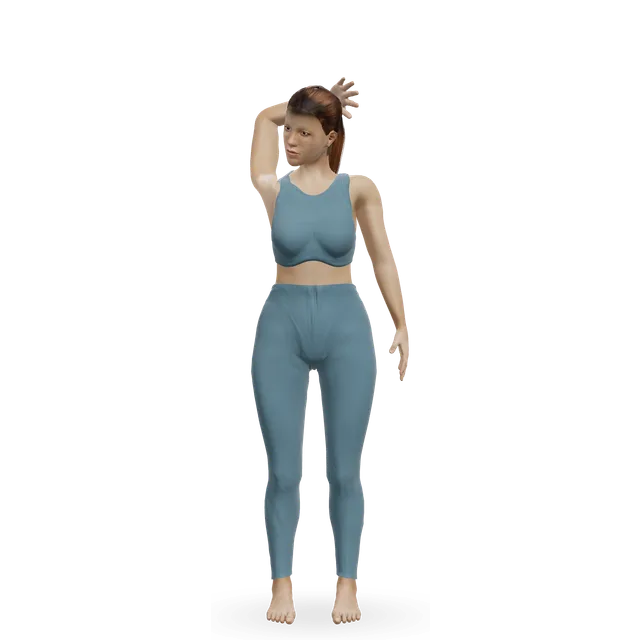
  • 4. Arm symptoms from the neck: a low, firm pillow with your head level with your body, and not sleeping on your front (the NHS). If resting your hand on top of your head eases the arm, that position is fine for a while (our suggestion, from a reported sign of a trapped neck nerve).
  • 5. Woken by tingling: shaking your hand or hanging it over the side of the bed often eases it (UK hand surgeons, the CSP and Arthritis UK).
  • 6. Sleep habits: the same wake-up time every day, an hour to relax before bed, a dark and quiet room, and no tea, coffee or alcohol in the 6 hours before bed (the NHS).

Sources 1, 2, 4, 6, 50, 51, 22, 42, 3, 45, 52, 28

By day (written steps)

These come from the NHS, NHS inform, the CSP and Arthritis UK.

  • 1. Cut down on things that make you bend your wrist often or grip hard, such as vibrating tools or playing an instrument (the NHS).
  • 2. Vary your tasks, alternate heavier and lighter jobs, use padded handles for cycling, gardening or golf, and avoid holding the wrist bent either way for long spells (NHS inform).
  • 3. Prop a phone, tablet or book on a cushion or a stand rather than holding it with a bent wrist, especially in bed (our suggestion, from NHS inform's note that holding a phone, book or steering wheel can bring symptoms on).
  • 4. A working splint can help for the particular jobs that bring it on (the CSP and Arthritis UK).
  • 5. Paracetamol or ibuprofen gel can ease wrist pain; after an injury, an ice pack wrapped in a towel for up to 20 minutes every 2 to 3 hours, and no heat for the first 2 to 3 days (the NHS). The NHS says painkillers have little evidence of treating carpal tunnel syndrome itself.

Sources 1, 2, 19, 45, 52

Your usual night comes back (written steps)

No trial has tested how to stop wearing a night splint. These steps are our suggestion, except where a source is named.

  • 1. Keep the splint going until most nights have been settled for 2 weeks.
  • 2. Then try nights without it, and put it back on for a few nights after a busy day or if the tingling returns.
  • 3. Keep the exercises going for at least 6 to 8 weeks to help stop symptoms coming back (the CSP).
  • 4. If poor sleep carries on for weeks despite these changes, see a GP: the NHS says talking therapy for insomnia can help.

Sources 45, 28

Injections, medicines and surgery

For carpal tunnel syndrome, a steroid injection is an option if a splint hasn't helped; in a UK trial, results at 2 years were similar to a splint, with more people going on to surgery. Surgery usually cures it when symptoms persist, the NHS says. For De Quervain's, a splint that holds the wrist and thumb still, especially at night, and sometimes an injection, are the usual steps. For gout, treating an attack early and keeping the bedclothes off the joint at night help, the NHS says.

Sources 1, 36, 4, 12, 16

Positions to swap, and why

Habit or positionWhy it mattersInstead
Sleeping with your hands curled under the pillow, your chin or your bodyA bent wrist squeezes the nerve: in people with carpal tunnel syndrome, bending the wrist raised the pressure about threefold.A splint that keeps the wrist straight, with your hands by your sides or on a pillow.
Holding a phone, tablet or book in bed with your wrist bentHolding something with the wrist bent forwards can bring symptoms on, NHS inform says.Prop it on a cushion or a stand, swap hands, and put it down an hour before sleep.
Sleeping with the elbow tightly bent when the ring and little fingers tingleBending the elbow provokes the ulnar nerve.A folded towel wrapped loosely round the straightened elbow.
Shaking it out every night for months without getting it checkedShaking eases a bout, but untreated carpal tunnel syndrome can cause permanent nerve damage.The splint and the glides now, and a GP if it isn't settling.Try: Median nerve glide (six hand positions, for carpal tunnel)
Hard gripping, wringing or vibrating tools for long spellsThe NHS says cut down on things that make you bend your wrist often or grip hard.Breaks, varied tasks and padded handles, with the forearm flow in the breaks.Try: Wrist & forearm flow
Floor push-ups with flat hands while your hand tinglesBending the wrist back raised the pressure on the nerve to 110 millimetres of mercury in people with carpal tunnel syndrome.Push-ups against a wall, then fists or push-up handles to keep the wrist straight.Try: Wall push-up
A high plank on flat hands while your hand tinglesIt holds the wrist bent back under your body weight.A forearm plank, which takes the bend out of the wrist.Try: Forearm plank
Pulling the nerve glides hard into tinglingGlides can briefly increase symptoms, which should settle within an hour.Stop at the first pull or tingle, and use a smaller range.
Hard grip work late in the evening, if a worse night followsOur suggestion, borrowed from our elbow pain at night guide: tonight is the test.Do the strength work earlier in the day, and lighter next time.Try: Ball squeeze
Heat on a hot, red, swollen joint, or in the first 2 to 3 days after an injuryThe NHS advises no heat for the first 2 to 3 days after an injury, and a hot, swollen joint with a high temperature needs checking the same day.An ice pack wrapped in a towel for up to 20 minutes every 2 to 3 hours.
Sleeping with your arm hanging over a chair or pinned under a pillowIt can squeeze the radial nerve and leave a wrist that won't lift on waking.Keep the arm supported on the bed.

Routines to follow

More moves for this area

Questions people ask

Why does my wrist hurt more at night?

Usually because the wrist bends while you sleep: many people sleep with their wrists curled, and bending the wrist raises the pressure on the nerve in the carpal tunnel. The NHS and NHS inform both say carpal tunnel symptoms are often worse at night or first thing in the morning. Arthritis also aches more after the joints have been still, and gout attacks are more likely overnight.

Why do my hands go numb or tingle at night?

Numbness or tingling in the thumb, index and middle fingers that wakes you is most often carpal tunnel syndrome, and tingling in the ring and little fingers points to the ulnar nerve at the elbow, made worse by sleeping with the elbow bent. Pins and needles from lying on your arm stops within a few minutes of moving. See a GP if it keeps coming back, is there all the time, or your hand feels weak.

Should I wear a wrist splint at night?

For carpal tunnel symptoms, yes: a splint that keeps the wrist straight, worn at night, is the usual first step, and the NHS says it may take up to 6 weeks to help. On average the benefit in trials was small, though one small trial found splints made improvement much more likely. NHS inform suggests a daytime splint only for the tasks that bring symptoms on, not all the time.

What is the best sleeping position for wrist pain?

Whatever keeps your wrists straight: hands by your sides or resting on a pillow, not curled under your pillow, your chin or your body. Studies disagree on whether sleeping on your side helps or harms, so there's no need to change sides. With ring and little finger tingling, keep the elbow fairly straight with a towel wrapped round it, and with arm pain from the neck, use one low, firm pillow.

Is wrist pain at night always carpal tunnel?

No. Pain on the thumb side of the wrist points to De Quervain's, which is common after a birth; stiff, swollen joints to arthritis; a sudden hot, red, swollen joint to gout or an infection; and pain running down from the neck to a trapped nerve. Both hands numb and clumsy with unsteady walking needs help the same day, as it can be pressure on the spinal cord in the neck.

I'm pregnant and my hands go numb at night. Is that normal?

It's common: a third of pregnant women in one study had carpal tunnel symptoms, more after 32 weeks and with swollen hands, and a night splint is the usual first step. The NHS says it sometimes gets better by itself, particularly when pregnancy is the cause, but in a review symptoms were still there in more than half of women a year later, so tell your midwife or GP if it isn't settling. Sudden swelling of the face, hands or feet with a severe headache or problems with your vision is a warning sign of pre-eclampsia that needs urgent help.

When is hand numbness at night serious?

Call 999 for sudden weakness or numbness in one arm with a drooping face or slurred speech, even if it passes. Get help the same day for both hands numb or clumsy with unsteady walking, and see a GP soon for numbness that is constant or getting worse, a weak grip, or the muscle at the base of the thumb looking thinner. Untreated carpal tunnel syndrome can cause permanent nerve damage.

Do exercises help carpal tunnel at night?

A little, alongside a splint: the NHS says there's a small amount of evidence that hand exercises help, and one group session of education, a night splint and nerve and tendon glides cut the number of people going on to surgery in a trial. Nerve glides can bring on a little extra tingling, which should settle within an hour. The CSP suggests keeping its exercises up for at least 6 to 8 weeks.

Will I need surgery?

Most people don't, at least at first: in a UK trial, 16% to 22% of people who started with a splint or a steroid injection had surgery within 2 years. Surgery is considered when symptoms are getting worse and other treatments haven't worked, and sooner if the thumb muscles are wasting. After surgery, night symptoms improve dramatically for most people within the first week or so.

Could arthritis be why my hands hurt at night?

It can. Osteoarthritis aches more after the joints have been still, and rheumatoid arthritis brings morning stiffness that usually lasts longer than 30 minutes, with warm, swollen joints. Several swollen finger joints in both hands need a GP soon, as NICE asks for an urgent referral.

Can the menopause cause numb hands at night?

NHS inform lists the menopause among the things that make carpal tunnel syndrome more likely, along with pregnancy, diabetes, thyroid problems and rheumatoid arthritis. The same steps apply: a night splint, straight wrists in bed, and a GP if it doesn't settle or your hand feels weak. Tingling in both hands and both feet is different and needs a GP, as it can be nerve damage.

Heat or ice for wrist pain at night?

After an injury, the NHS suggests an ice pack wrapped in a towel for up to 20 minutes every 2 to 3 hours, and no heat for the first 2 to 3 days. For gout, keep the joint cool and the bedclothes off it. For carpal tunnel symptoms, the NHS's first step is a splint, not heat or ice.

Related exercise guides

Other pain guides

Sources

  1. NHS · Carpal tunnel syndrome
  2. NHS inform · Carpal tunnel syndrome
  3. British Society for Surgery of the Hand · Carpal tunnel syndrome (patient information)
  4. AAOS OrthoInfo · Carpal tunnel syndrome
  5. Atroshi 1999 · How common carpal tunnel syndrome is: 2,466 adults in southern Sweden (population survey, JAMA)
  6. British Society for Surgery of the Hand · Cubital tunnel syndrome (patient information)
  7. NHS inform · Cervical radiculopathy
  8. NHS inform · Degenerative cervical myelopathy
  9. NHS · Peripheral neuropathy (past its review date: reviewed October 2022, review due October 2025)
  10. NHS · Thoracic outlet syndrome
  11. Han 2014 · Wrist drop from a squeezed radial nerve in 25 people (case series, J Korean Neurosurg Soc)
  12. AAOS OrthoInfo · De Quervain's tenosynovitis
  13. NHS · Osteoarthritis: symptoms (past its review date: reviewed March 2023, review due March 2026)
  14. NHS · Rheumatoid arthritis: symptoms (past its review date: reviewed March 2023, review due March 2026)
  15. NICE · Rheumatoid arthritis in adults: management (NG100, guideline)
  16. NHS · Gout (past its review date: reviewed August 2023, review due August 2026)
  17. Choi 2015 · Gout attacks by time of day in 724 people (case-crossover study, Arthritis Rheumatol)
  18. NHS · Ganglion cyst
  19. NHS · Wrist pain
  20. Gelberman 1981 · Pressure in the carpal tunnel with the wrist straight, bent and bent back, in people with and without carpal tunnel syndrome (laboratory study, J Bone Joint Surg Am)
  21. Weiss 1995 · The wrist position with the lowest pressure in the carpal tunnel (laboratory study, J Bone Joint Surg Am)
  22. Roth Bettlach 2019 · Sleeping position and night-time pins and needles in 396 young adults, volunteers and patients (survey, Hand)
  23. Shi 2023 · Sleep disturbance in 186 people with a trapped nerve in the neck (cross-sectional study, Eur Spine J)
  24. Meems 2015 · Carpal tunnel symptoms in 639 pregnant women (prospective cohort, BJOG)
  25. Woolhead 2010 · Night pain in hip and knee osteoarthritis (focus group study, Arthritis Care Res)
  26. Finan 2013 · Sleep and pain: an update on which affects which (review, J Pain)
  27. Daguet 2022 · The daily rhythm of pain sensitivity in healthy volunteers (laboratory study, Brain)
  28. NHS · Insomnia
  29. Padua 2010 · Carpal tunnel syndrome in pregnancy (systematic review, Muscle Nerve)
  30. NHS · Swollen ankles, feet and fingers in pregnancy
  31. NHS · Pre-eclampsia
  32. NHS · Symptoms of a stroke
  33. NHS · Pins and needles
  34. NHS · Symptoms of bone cancer
  35. Harding 2005 · Night pain in 482 people at a back pain triage clinic (clinic cohort, Spine)
  36. Burton 2023 · A steroid injection or a night splint for carpal tunnel syndrome in 234 adults: 24-month follow-up (RCT, Rheumatology)
  37. Warren 2024 · Carpal tunnel syndrome and sleep: how much sleep improves after surgery or a splint (systematic review and meta-analysis, Hand Surg Rehabil)
  38. Svernlöv 2009 · Non-surgical treatment of cubital tunnel syndrome (randomised trial, J Hand Surg Eur)
  39. Karjalainen 2023 · Splints for carpal tunnel syndrome: 29 trials, 1,937 adults (Cochrane review)
  40. Burke 1994 · A straight splint against one tilted back for carpal tunnel syndrome (blinded RCT, Arch Phys Med Rehabil)
  41. Walker 2000 · Night-only or full-time wear of a straight wrist splint for carpal tunnel syndrome, 24 hands (RCT, Arch Phys Med Rehabil)
  42. McCabe 2011 · Preferring to sleep on your side and carpal tunnel syndrome: 68 cases and 138 controls (case-control study, Hand)
  43. Rubin 2018 · Night splints, surgery and sleep in carpal tunnel syndrome (controlled prospective study, J Hand Surg Eur Vol)
  44. Lewis 2020 · Group education, a night splint and home exercises for 105 people waiting for carpal tunnel surgery (RCT, J Physiother)
  45. Chartered Society of Physiotherapy · Exercise advice: carpal tunnel syndrome
  46. St George's University Hospitals NHS · Median nerve gliding exercises (hand therapy leaflet, 2024)
  47. NHS inform · Exercises for wrist, hand and finger problems (including how to tell if you're exercising at the right level)
  48. Smith 2017 · Should exercises be painful in chronic musculoskeletal pain? (systematic review and meta-analysis, Br J Sports Med)
  49. NICE · Osteoarthritis in over 16s: diagnosis and management (NG226, guideline)
  50. NHS · Neck pain (past its review date: reviewed April 2023, review due April 2026)
  51. Fast 1989 · Resting the hand on the head to ease arm pain from a neck nerve: the shoulder abduction relief sign (report, Arch Phys Med Rehabil)
  52. Arthritis UK · Carpal tunnel syndrome
  53. NHS · Septic arthritis

Exercise education, not a diagnosis or treatment plan. It is written from the guidelines and studies listed above; review by a clinician is pending. If your pain follows an injury, is severe, is getting worse, or comes with any warning sign listed on this page, get it assessed. Health disclaimer.