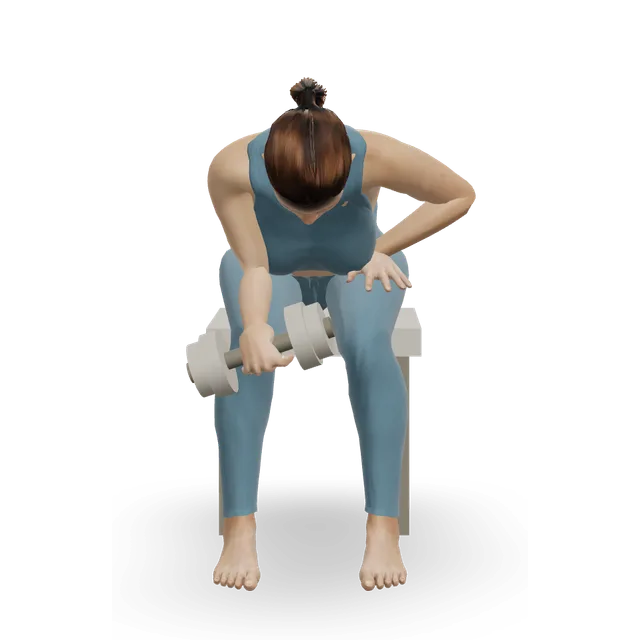
Pain guide · Wrist and hand pain

Numb hands when cycling: which nerve, what to change on the bike today, and when to get it checked

Numb or tingling hands are among the commonest complaints on the bike: leaning on the bars presses on nerves at the wrist and in the palm, especially in the drops. Which fingers go numb points to which nerve: the little and ring fingers to the ulnar nerve (cyclist's or handlebar palsy), the thumb side to the median nerve (carpal tunnel).

Most riders recover with changes to hand position, gloves, bar tape and the bike's set-up. But numbness that lasts after the ride, or a hand that feels weak or clumsy, needs checking, because one branch of the ulnar nerve can be squeezed without numbness to warn you. This guide covers the warning signs, what to change today, when tests help, and a three-stage plan with a 3D demo of every move.

When to get help first

Exercise is for pain that has been checked or is clearly mild and settling.

Get urgent medical help if

  • Call 999, even if it passes: sudden weakness or numbness in one arm, with a drooping face or slurred speech. These are signs of a stroke.
  • Call 999: chest pain that spreads to your arm, neck or jaw. It could be a heart attack.
  • Call 999 or go to A&E after an injury (don't drive yourself) if the arm, wrist or hand is numb, tingling or has pins and needles; a bone is sticking out or a bad cut is bleeding heavily; or the wrist, thumb or a finger has changed shape, is at an odd angle, or has turned blue, grey, white or cold.
  • Same day (NHS 111, an urgent treatment centre or an urgent GP appointment): a wrist or hand injury that is very painful, getting worse, very swollen or bruised, stiff, or that you can't use. It may be broken.
  • Same day: after a fall onto an outstretched hand, pain or tenderness at the base of the thumb on the back of the wrist (the hollow called the snuffbox), even if the wrist moves well or the first X-ray was normal. A broken scaphoid can hide on the first X-ray and is slow to heal if it's missed, so ask what follow-up is planned.
  • Same day: you have lost the feeling in part or all of your hand. For riders, this means feeling that doesn't come back once the pressure is off, not tingling that fades soon after you change your grip (our note).
  • Same day: both hands numb or clumsy (dropping things, trouble with buttons or handwriting), especially with unsteady walking or falls. Pressure on the spinal cord in the neck can do this, and it is often first mistaken for carpal tunnel syndrome.
  • Same day (urgent GP appointment or NHS 111): severe neck pain that starts suddenly or gets worse quickly; heaviness or weakness in the arms or legs; pins and needles in an arm along with neck or arm pain; or pain between the shoulder blades.

See a doctor or physiotherapist if

  • Numbness or pins and needles that is still there after a ride, comes back on every ride despite the changes on this page, or is there all the time: see a GP. The NHS says to see a GP if pins and needles keeps coming back or lasts a long time, and if you have any tingling or loss of feeling in the hand.
  • A weak or clumsy hand after riding, even without much numbness (trouble pinching, spreading or crossing your fingers, or doing up buttons), or the muscle between your thumb and index finger looking thinner: stop long rides and see a GP promptly. A branch of the ulnar nerve can be squeezed without numbness to warn you, and early care matters.
  • Constant numbness in the ring and little fingers, a weak or clumsy hand, or visible wasting of the muscle between the thumb and index finger. Ask about referral: one NHS referral guide treats permanent numbness or wasting as urgent.
  • Carpal tunnel symptoms that are getting worse, not going away, or not helped by treatment at home; sooner if the thumb is weak or the muscle at the base of the thumb looks thinner.
  • You have diabetes and a hand problem: the NHS says hand problems can be more serious if you have diabetes.
  • Burning, tingling or numbness in both hands and both feet that is there whether or not you ride: see a GP. It can be peripheral neuropathy.
  • Fingers that turn white or blue in the cold, including on winter rides, if the attacks are very bad or getting worse, affect one side only, come with joint pain, skin rashes or muscle weakness, or start for the first time after the age of 30: see a GP (Raynaud's).
  • Not improved after 2 weeks of looking after it at home, getting worse, keeps coming back, or stopping you doing normal activities. In many areas you can refer yourself to NHS physiotherapy.

Where does it hurt?

Location narrows the likely causes; it does not diagnose.

The little finger and the little-finger half of the ring finger

During or after rides, worse in the drops or on bar ends, sometimes with a weak pinch or clumsy fingers: the ulnar nerve at the wrist or in the palm, often called cyclist's or handlebar palsy. This guide covers it.

A weak, clumsy hand with little or no numbness

Hard to spread or cross your fingers, pinch or do up buttons, or the web between thumb and index finger looks thinner: the deep, muscle-only branch of the ulnar nerve in the palm. Get it checked: see the warning signs.

The thumb, index and middle fingers

Also at night, eased by shaking the hand, and worse with the wrist bent back on the bars: the median nerve in the carpal tunnel.

Read: Carpal tunnel syndrome →
The ring and little fingers, worse with the elbow bent

On aero bar pads, leaning on your elbows or on the phone: the ulnar nerve at the elbow (cubital tunnel syndrome).

Read: Ulnar nerve entrapment →
A band of pain or tingling from the neck into the arm and hand

Changes when you move your neck: a pinched nerve in the neck.

Read: Pinched nerve in the neck →
Tingling or aching in the arm and hand, worse with the arms raised or carrying

Sometimes with an ache above the collarbone: thoracic outlet syndrome, which is uncommon.

Read: Thoracic outlet syndrome →
Both hands and both feet, burning or numb, all the time

Not linked to riding: possibly peripheral neuropathy, most often from diabetes. See a general practitioner (GP).

Fingers that turn white, then blue, then red in the cold

On winter rides, with numbness and pins and needles during the attacks: Raynaud's.

A sore palm or heel of the hand, without numbness

Worse with weight on the bars: pressure soreness. The wrist and hand guide covers other causes.

Read: Wrist and hand pain →
After a fall onto an outstretched hand

Pain, swelling or bruising at the wrist, or tenderness at the base of the thumb: a sprain, a broken wrist or a broken scaphoid. See the warning signs.

Read: Wrist sprain or fracture →

Understand it

Who gets itEmerging evidence

After a 600 kilometre ride, 23 of 25 riders had motor or sensory symptoms in the hands, or both, whatever their experience; mountain bikers had more loss of feeling. In 14 riders, a 6-day, 420-mile tour slowed the deep branch of the ulnar nerve and worsened carpal tunnel syndrome in 3 of 28 hands. Numb hands or fingers were 21.5% of the complaints of 1,505 riders at bike-fit services, and hand complaints 31.1% in a survey of recreational riders.

A review of 13 studies, most of them case reports, rated the evidence low quality and noted that riders often dismiss the symptoms as part of the ride.

Sources 1, 2, 3, 4, 5

Cyclist's palsy: the wrist and the palmEmerging evidence

Cyclist's palsy is often described as pressure on the ulnar nerve in Guyon's canal, a tunnel at the base of the palm on the little-finger side. A 2025 review describes it more widely: a group of ulnar nerve problems at the wrist and in the palm, often affecting only the deep branch that works the small hand muscles. The highest handlebar pressure lies over that branch, beyond the canal, which fits the many cases with weakness rather than numbness.

After the 600 kilometre ride, weakness alone was the commonest pattern (36% of hands), with loss of feeling alone in 10% and both in 24%.

Sources 6, 7, 1

Why it happensEmerging evidence

In 36 experienced riders, the drops gave the highest pressure over the heel of the hand on the little-finger side and the most bent-back wrist. A 2025 review lists the usual risk factors: a jump in riding, a set-up that loads the hands (bars that are low or far away, a saddle tilted nose-down, an aggressive frame), not changing hand position, long spells in the drops, and a past ulnar nerve problem. Rough roads add vibration.

On aero bars the pressure moves to the elbow: in Ironman athletes, signs of ulnar nerve irritation at the elbow became common after rides.

Sources 8, 6, 9

Weakness without numbnessEmerging evidence

The deep branch of the ulnar nerve carries no feeling, so it can be squeezed until the hand muscles weaken with no numbness to warn you. In 3 riders, a severe palsy of the small hand muscles followed riding, and the authors warn that with bar-end grips and downhill riding, where much of your weight rests on the hand, even a single ride may be enough. The 2025 review stresses spotting it early, before a mild nerve injury becomes a more serious one.

Sources 7, 1, 6

When a nerve test or scan helps, and what it changesEmerging evidence

Not for mild symptoms that settle with changes. In a trial of mild ulnar nerve compression at the elbow, 76% of people with typical symptoms had normal nerve tests and 75% of those with abnormal tests improved, so the authors called routine testing unnecessary. For carpal tunnel, the National Health Service (NHS) uses a nerve conduction test or a scan only when the diagnosis isn't clear.

For weakness, wasting or numbness that persists, nerve conduction tests and electromyography (EMG) show which nerve is affected, where and how badly; for riders, a test of the muscle between the thumb and index finger is needed, because routine ulnar tests can miss the deep branch. An ultrasound or magnetic resonance imaging (MRI) scan can look for a cyst: in one case first thought to be at the elbow, MRI found a cyst in Guyon's canal, which was removed. A cyst or other pressing lesion goes to a surgeon; otherwise care stays with position, equipment and riding changes.

Sources 10, 11, 6, 12, 13

How long it lastsEmerging evidence

No study has followed riders over time. A 2025 review says the vast majority recover without surgery. Case reports vary: one rider's clawed hand settled in 5 days while another had recovered only slightly at 5 weeks, one recovered quickly after changing his grip, and one rider who was never given a diagnosis or told the risk of riding on still had loss of feeling 7 years later. For carpal tunnel syndrome, the NHS says it sometimes gets better by itself in a few months.

So numbness that fades within the ride or soon after is a warning to change something today, and numbness or weakness that persists needs checking. No one can promise a date.

Sources 6, 5, 14, 15, 11

What helps, and how strong the evidence is

Changing hand position and padded glovesEmerging evidence

In a lab study of 36 riders, padded gloves cut pressure over the ulnar nerve by 10 to 28%, with thin foam slightly better than gel, and the drops gave the highest pressure. That is pressure, not symptoms: no trial has tested gloves against numbness. The 600 kilometre study and a 2025 review both advise gloves, a good set-up and changing hand position often.

Sources 8, 1, 6

Set-up and equipment changes: expert advice, untestedEmerging evidence

A 2025 review lists the first changes to make: change hand position often with a soft grip and gently bent elbows, spend less time in the drops and more on the hoods and tops, add layers of bar tape, run lower tyre pressures or wider tyres, wear foam-padded gloves, and set the bike up to take weight off the wrists, with the saddle level. It adds exercises for trunk stability. A sports medicine review recommends a bike-fit check for any ongoing symptoms. None of these has been tested in a trial.

Sources 6, 13

Exercises keep the hand working; they don't free the nerveEmerging evidence

No exercise trial has been done in riders. For mild ulnar nerve compression at the elbow, night splints and nerve glides added nothing to advice in a trial of 70 people, 89.5% of whom had improved at 6 months. For carpal tunnel, the NHS says there's a small amount of evidence that hand exercises ease symptoms. So the plan's exercises keep the hand and wrist moving and build forearm, grip and trunk endurance; the trunk work follows the review's suggestion, untested.

Sources 10, 11, 6

Carpal tunnel: a night splint, then an injection, then surgeryStrong evidence

For thumb-side numbness that also wakes you at night, the NHS's first step is a wrist splint worn at night that keeps the wrist straight; you may need to wear it for up to 6 weeks before it helps. It also says to cut down on things that make you bend your wrist or grip hard. If a splint doesn't help, a steroid injection may be recommended. If it's getting worse and other treatments haven't worked, a specialist may discuss surgery, which usually cures it.

Source 11

Aero bars move the pressure to the elbowEmerging evidence

In Ironman athletes, 20.8% of 712 surveyed reported ulnar nerve symptoms. In 11 tested before and after a ride, a positive tap test at the elbow went from 4.5% to 95.5%, and nerve tests showed slowing in most. That points to shorter spells on the pads and sitting up regularly (our suggestion).

Source 9

Numb hands and the neckEmerging evidence

In 70 riders, arms with ulnar nerve symptoms came with neck pain 3 times as often as arms without, and more often had positive tests for thoracic outlet syndrome. Numbness with neck pain, or pain that runs from the neck into the arm, is a reason to think about the neck.

Source 16

How much pain is OK while you exercise?

The wrist and hand pain rule, and the nerve ruleEmerging evidence

For the exercises, this guide borrows the wrist and hand hub's rule: some discomfort is fine and doesn't mean you are doing damage. Keep it to about 5 out of 10 or less; it should settle within half an hour or so, and your hand should be no worse the next morning.

Tingling and numbness are different. With nerve glides, a little extra tingling is expected but should fade within an hour, as an NHS hand therapy leaflet puts it. Stop and get advice if numbness spreads or lasts, or your grip or thumb gets weaker.

On the bike, our suggestion: tingling or numbness means change position now. The NHS describes everyday pins and needles as stopping once the weight is off. If it fades soon after you change your grip and has gone by the end of the ride, keep rides short and keep changing hands; if it lasts after the ride, comes back on every ride, or any weakness appears, stop long rides and see a GP.

Sources 17, 18, 19

The exercise plan: 3 stages

Start at the first stage. Each move opens a full guide with a 3D demo.

Stage 1

Settle: offload the hands, keep them moving

The first days to about 2 weeks. The bike changes in the written steps below are the core; these moves keep the hand, wrist and forearm moving without pressing on the nerve. No exercise trial has been done in riders. Doses are the ulnar nerve guide's unless the move page is named.

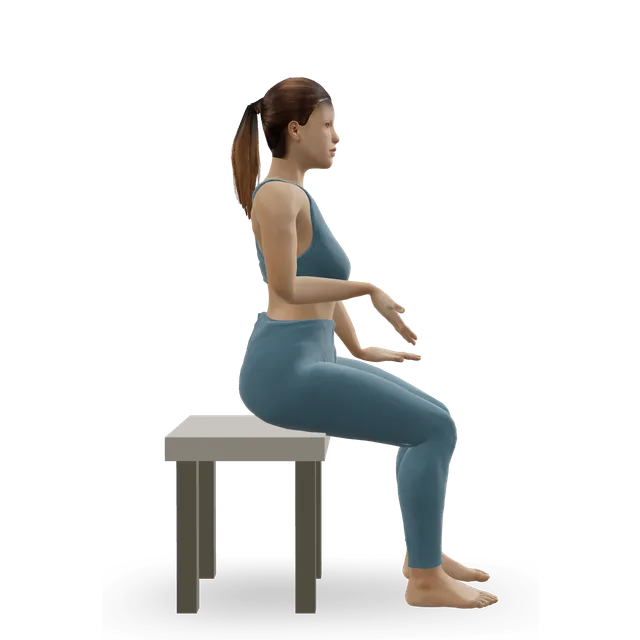
Wrist & forearm flow demonstrated on the 3D figure3D demoWrist & forearm flowBeginner · No equipment

10 slow reps each direction, 2 to 3 times a day

Easier: Wrist circles · Harder: Wrist flexor stretch

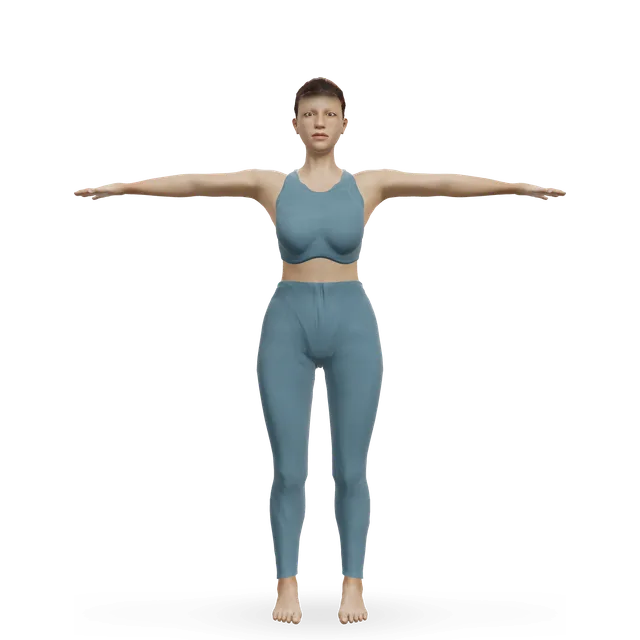
Tendon glides (hand tendon gliding exercises) demonstrated on the 3D figure3D demoTendon glides (hand tendon gliding exercises)Beginner · No equipment

4 to 6 of each position, holding each for 5 s, up to 4 times a day · The move page's dose, from an NHS hand therapy leaflet

Harder: Ball squeeze

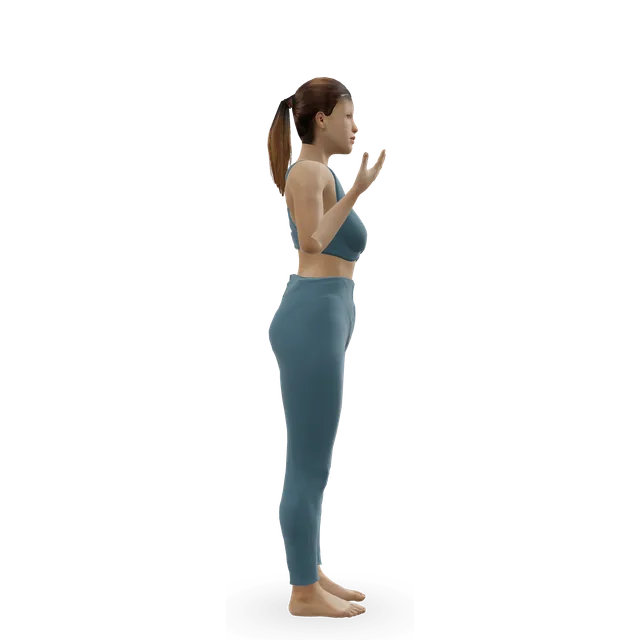
Median nerve glide (six hand positions, for carpal tunnel) demonstrated on the 3D figure3D demoMedian nerve glide (six hand positions, for carpal tunnel)Beginner · No equipment

About 7 s in each position, 5 times through, 3 times a day · The move page's dose. Only for thumb-side numbness; a little extra tingling should fade within an hour

Easier: Median nerve slider (neck-to-arm nerve glide)

Band finger extension demonstrated on the 3D figure3D demoBand finger extensionBeginner · A band

2 sets of 15 · Works the small hand muscles

Easier: Ball squeeze · Harder: Plate pinch

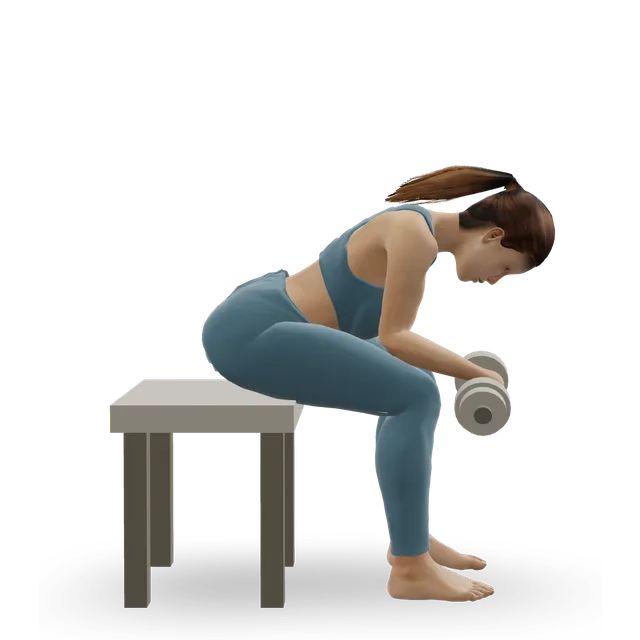
Elbow bend and straighten (elbow range of motion) demonstrated on the 3D figure3D demoElbow bend and straighten (elbow range of motion)Beginner · No equipment

10 slow reps, 2 to 3 times a day · Only if the tingling comes on with the elbow bent or on aero bar pads; no holds at full bend

Harder: Dumbbell biceps curl

Move on when: Tingling isn't building up during the day or at night, the moves don't bring it on, and any weakness has been checked.

Follow along: a timer, a cue and the next move, one step at a time.
Stage 2

Build: forearm, grip and trunk

About weeks 2 to 6. Forearm and grip endurance, and trunk strength so your hands carry less of your weight on the bike (a review's suggestion, untested). Doses are editorial, as in the ulnar nerve guide.

Move on when: Each set leaves the fingers no more tingly than before, and 30 minutes of easy riding, changing hand position often, leaves no numbness after the ride.

Follow along: a timer, a cue and the next move, one step at a time.
Stage 3

Ride again, and keep strong

From about week 6, then ongoing. Riding comes back by our suggested steps, with strength work once or twice a week.

Stationary cycling demonstrated on the 3D figure3D demoStationary cyclingBeginner · Cardio machine

Every other day: 20 to 30 min, upright, with padded gloves, changing hand position every few minutes · Our suggestion. If tingling starts, change position at once; if it doesn't fade, or any weakness appears, end the ride. Ride a similar route 3 or 4 times within the pain rule before adding anything, then add time, about 10% a week, before hills or harder efforts

Easier: Recumbent exercise bike · Harder: Air bike intervals

Side plank demonstrated on the 3D figure3D demoSide plankIntermediate · No equipment

2 to 3 holds of 20 to 40 s each side · On the forearm, which keeps weight off the palm

Easier: Knee side plank · Harder: Side plank with leg lift

Move on when: Our suggestion: keep adding time, about 10% a week, while rides leave no numbness afterwards. Bring back the drops, bar ends, long descents, rough trails and aero bars last. Numbness that lasts after a ride, or any weakness, means stopping long rides and seeing a GP.

Follow along: a timer, a cue and the next move, one step at a time.

What to change for now

What to change on the bike today (written steps)

Our 3D figure can't show these changes. Apart from the glove pressure study, they are expert advice that no trial has tested, so keep what helps.

  • 1. Change hand position every few minutes: tops, hoods, drops and, on flat bars, bar ends.
  • 2. Spend less time in the drops and on bar ends, especially on long descents. The drops gave the highest pressure, and bar ends and downhill riding loaded the deep branch in case reports.
  • 3. Wear padded gloves: they cut pressure over the nerve by 10 to 28% in a lab study, with thin foam slightly better than gel.
  • 4. Add extra layers of bar tape. On flat bars, wider grips that spread the load across the palm are our suggestion.
  • 5. Raise the bars or shorten the reach, and keep the saddle level, not nose-down, so less weight goes through your hands.
  • 6. Hold the bars with a soft grip and gently bent elbows.
  • 7. On rough roads and trails, lower tyre pressures or wider tyres cut vibration.
  • 8. On aero bars, use shorter spells on the pads and sit up regularly (our suggestion).
  • 9. Ride shorter while it settles, and no long rides with any weakness.

Sources 8, 6, 1, 7, 9

Splints, injections and surgery

For carpal tunnel, the NHS starts with a night splint, then a steroid injection if that doesn't help, and surgery if symptoms persist or get worse. For the ulnar nerve at the wrist, the vast majority recover with changes to riding, position and equipment; a cyst or other lesion pressing on the nerve goes to a surgeon. For the ulnar nerve at the elbow, see our ulnar nerve entrapment guide.

Sources 11, 6, 12

Positions to swap, and why

Habit or positionWhy it mattersInstead
Riding on with numb fingers or a weak handThe deep branch of the ulnar nerve can be damaged without numbness to warn you, and spotting it early matters.Change position now; stop long rides and get checked if it lasts or any weakness appears.
Long spells in the drops or on bar ends, and long descents leaning on the heel of the handThe drops gave the highest pressure over the nerve and the most bent-back wrist, and bar ends and downhill riding loaded the deep branch in case reports.The tops and hoods, changing position every few minutes.
Locked elbows and a tight gripA review lists a soft grip and gently bent elbows among the first changes to make.A soft grip with gently bent elbows.
A nose-down saddleA review names it as a risk factor: you slide forward onto your hands.A level saddle.
Long spells on aero bar pads with the elbows bentIn Ironman athletes, signs of ulnar nerve irritation at the elbow became common after rides on aero bars.Shorter spells, sitting up regularly (our suggestion).
The kneeling forearm stretch (palms flat, fingers pointing back)It puts body weight into a deep wrist bend, as the wrist hub explains.Gentle wrist and forearm movement.Try: Wrist & forearm flow
Floor push-ups while the hand is tinglingFull body weight goes through a bent-back wrist, as the wrist hub explains.Push-up handles or fists to keep the wrist straight, or trunk work with no weight on the hands.Try: Dead bug
Squeezing a stiff grip trainer hardHard squeezing can bring symptoms on; the hand guides use soft-ball squeezes (editorial).A soft ball, with 5 s squeezes.

Routines to follow

More moves for this area

Questions people ask

Why do my hands go numb when cycling?

Leaning on the bars presses on the nerves at the wrist and in the palm, especially with the wrist bent back. In a lab study, the drops gave the highest pressure and the most bent-back wrist. More riding, few changes of hand position and a set-up that puts weight on the hands make it likelier.

Which fingers tell me which nerve?

The little finger and half the ring finger point to the ulnar nerve at the wrist or in the palm, often called cyclist's or handlebar palsy. The thumb, index and middle fingers point to the median nerve in the carpal tunnel. Ring and little fingers that tingle with the elbow bent, or on aero bar pads, point to the ulnar nerve at the elbow, and numbness with neck pain points to the neck.

Is it normal for hands to go numb on long rides?

It's common: 23 of 25 riders had hand symptoms after a 600 kilometre ride. But it means a nerve is being squeezed, so change position as soon as it starts, and get it checked if it lasts after the ride or your hand feels weak.

How do I stop my hands going numb?

Change hand position every few minutes, spend less time in the drops, wear padded gloves, add bar tape, hold the bars lightly with bent elbows, and raise the bars or shorten the reach so less weight goes through your hands. Keep the saddle level, not nose-down.

Do cycling gloves help?

Padded gloves cut the pressure over the nerve by 10 to 28% in a lab study, with thin foam slightly better than gel. That helps, but gloves alone aren't enough if the set-up and hand position stay the same.

How long does cyclist's palsy last?

It varies, and no study has followed riders over time. Case reports range from days to months, and a review says most riders recover without surgery, but one rider who was never given a diagnosis still had loss of feeling 7 years later. That's why numbness or weakness that lasts needs checking.

When should I see a doctor?

See a GP if numbness lasts after the ride, keeps coming back or is constant, and promptly if your grip, pinch or finger control is weak or the muscle between your thumb and index finger looks thinner. Both hands numb or clumsy, or numbness with neck pain, needs checking the same day. Sudden numbness or weakness in one arm with a drooping face is a 999 call.

Can I keep riding?

Yes, if the numbness fades soon after you change position and you've made the changes on this page. Stop long rides and get checked if it lasts after the ride or any weakness appears.

Is it carpal tunnel syndrome?

Sometimes, if the thumb, index and middle fingers are affected, but in riders the ulnar nerve is affected more often. Nerve conduction tests can tell them apart if it doesn't settle.

My fingers are still numb days after a ride. What should I do?

See a GP: the NHS says to see a GP if pins and needles lasts a long time or keeps coming back, or you have any loss of feeling in the hand. Rest from long rides meanwhile. Nerve tests show which nerve is affected and how badly.

Do nerve glide exercises help?

No study has tested them in riders, and for the ulnar nerve at the elbow they added nothing to advice in a trial. For carpal tunnel, the NHS says there's a small amount of evidence for hand exercises. They're fine if they feel good, but the bike changes come first.

My ring and little fingers tingle on my aero bars. Why?

Resting on aero bar pads with the elbows bent presses on the ulnar nerve at the elbow: in Ironman athletes, signs of ulnar nerve irritation at the elbow became common after rides. Use shorter spells on the pads, sit up regularly, and see our ulnar nerve entrapment guide.

Related exercise guides

Other pain guides

Sources

  1. Patterson 2003 · Ulnar and median nerve symptoms in 25 cyclists after a 600 km ride (prospective study, Am J Sports Med)
  2. Akuthota 2005 · Nerve tests in 14 cyclists before and after a 6-day, 420-mile tour (prospective study, Am J Sports Med)
  3. Oliveira 2025 · The main complaints of 1,505 cyclists at bike-fit services (cross-sectional study, J Bodyw Mov Ther)
  4. Wilber 1995 · Overuse injuries in 518 recreational cyclists (survey, Int J Sports Med)
  5. Sirisena 2021 · Median and ulnar nerve injuries in cyclists (narrative review, Biomedicine (Taipei))
  6. Farag 2025 · Common sports-related nerve injuries, including cyclist's palsy (review, Muscle Nerve)
  7. Capitani 2002 · Handlebar palsy of the deep motor branch of the ulnar nerve in 3 riders (case series, J Neurol)
  8. Slane 2011 · Gloves, hand position and pressure over the ulnar nerve in 36 cyclists (lab study, Clin Biomech)
  9. Bales 2012 · The ulnar nerve at the elbow in Ironman triathletes using aero bars (descriptive study, Clin J Sport Med)
  10. Svernlöv 2009 · Night splints, nerve glides or advice for mild cubital tunnel syndrome (randomised trial of 70, J Hand Surg Eur)
  11. NHS · Carpal tunnel syndrome
  12. Pearce 2009 · Ulnar nerve compression at the wrist from a cyst in Guyon's canal (case report, HSS J)
  13. Cyr 2022 · Neck, nerve and overuse problems of the arm in cyclists (review, Phys Med Rehabil Clin N Am)
  14. Hankey 1988 · Compression of the deep palmar branch of the ulnar nerve in cyclists (case reports, J Neurol Neurosurg Psychiatry)
  15. Brown 2014 · An unresolved case of handlebar palsy (case report, J Can Chiropr Assoc)
  16. Smith 2008 · Neck and shoulder signs in 70 cyclists with ulnar nerve symptoms (case-control study, Clin J Sport Med)
  17. St George's University Hospitals NHS · Median nerve gliding (hand therapy leaflet, 2024)
  18. NHS · Pins and needles
  19. NHS · Wrist pain
  20. NHS · Peripheral neuropathy (past its review date: reviewed October 2022, review due October 2025)
  21. NHS · Raynaud's (past its review date: reviewed July 2023, review due July 2026)
  22. NHS · Symptoms of a stroke

Exercise education, not a diagnosis or treatment plan. It is written from the guidelines and studies listed above; review by a clinician is pending. If your pain follows an injury, is severe, is getting worse, or comes with any warning sign listed on this page, get it assessed. Health disclaimer.