Neck pain when cycling: position, reach, looking up from a low position, and exercises that help
On a bike you lean forward and tip your head back to see the road, often for hours, so neck pain is among the commonest complaints of recreational riders. Riders' necks aren't weaker than anyone else's: the problem is holding the position, and lower bars make it harder.
Some neck pain needs help first, and after a crash the rules are different. This guide covers those warning signs, the National Health Service (NHS) advice not to ride while you can't turn your head, bar height and reach, aero bars, Shermer's neck on very long rides, how much pain is fine, and a three-stage plan from gentle movement to neck and shoulder strength, with a 3D demo of every move.
Exercise is for pain that has been checked or is clearly mild and settling.
Get urgent medical help if
Call 999 or go to A&E after a neck injury if the person is unresponsive, has severe neck pain or cannot move their head, or fell from a height such as 5 or more stairs. Do not drive yourself. Being 65 or over, a dangerous fall or crash (from more than 1 metre or 5 steps, diving, a high-speed or rollover crash, being thrown from a vehicle, or a bike or horse-riding accident), or tingling in the arms or legs after an injury puts you at high risk of a broken neck: get checked.
Same day after a neck injury: tingling or weakness in the arms or legs, clumsy hands (dropping things, trouble with buttons or zips), changes in bladder or bowel control, changed feeling around the bottom or genitals, a history of osteoporosis or rheumatoid arthritis, or feeling generally unwell.
Call 999 or go to A&E: a stiff neck with a fever, especially if bright light hurts your eyes, you have a rash that does not fade when you press a glass on it, or a very high or very low temperature with shivering. These can be signs of meningitis.
Call 999 or go to A&E: a headache that came on suddenly and is extremely painful; numbness or weakness in the face or body; a drooping face, or being unable to lift both arms and keep them up; difficulty speaking, swallowing, balancing, walking or remembering; double vision or loss of vision; drowsiness or confusion. A torn neck artery often starts with headache and neck pain, sometimes with dizziness or tingling, so head or neck pain unlike any you have had before needs checking.
Call 999 or go to A&E: new problems walking, loss of bladder or bowel control, or a sudden loss of coordination, such as difficulty doing up buttons. These can be signs of pressure on the spinal cord.
Call 999: chest pain that spreads to your arm, neck or jaw, especially with breathlessness, sweating or feeling sick. It could be a heart attack.
Same day (urgent GP appointment or NHS 111): severe neck pain that starts suddenly or gets worse quickly; heaviness or weakness in the arms or legs; pins and needles in an arm along with neck or arm pain; or pain between the shoulder blades.
Same day: clumsiness, numbness, pins and needles or weakness in one or both arms that is getting worse; problems with balance or walking since the neck pain started; or neck pain with a severe headache.
On a very long ride, if your neck muscles give out and you can't hold your head up to see the road, stop riding: you can't look ahead or steer safely. With double vision, trouble swallowing or speaking, a drooping face or weakness anywhere else, call 999 or go to A&E.
See a doctor or physiotherapist if
Neck pain or stiffness that has not eased after a few weeks, or after 8 weeks of looking after it yourself; painkillers are not helping; or you are worried. In many areas you can refer yourself to NHS physiotherapy.
Neck pain with feeling generally unwell, or that started while you were ill with another condition such as rheumatoid arthritis or cancer; or neck pain with blurred vision, ringing in the ears or dizziness.
Severe pain that is constant or disturbs your sleep, a fever or unexplained weight loss, or a history of cancer, inflammatory arthritis, TB, a weakened immune system, neck surgery or a violent injury. Serious causes are very rare, but these need checking.
You are over 50 and your shoulders and neck stay stiff for more than 45 minutes each morning (possible polymyalgia rheumatica).
You can't turn your head far enough to check behind you: don't ride until you can (the NHS says not to drive or cycle while you can't move your neck), and see a general practitioner (GP) if it doesn't ease within a few weeks.
After a crash with any knock to the head or signs of concussion: no riding, and follow our concussion guide.
Where does it hurt?
Location narrows the likely causes; it does not diagnose.
Your head drops and you can't hold it up, on a very long ride
Hours into an ultra-distance event: possibly Shermer's neck, which is rare. Stop riding: see the warning signs and the note below.
Understand it
Who gets itEmerging evidence
Neck complaints were the commonest overuse complaint in a 1995 survey of 518 recreational riders (48.8%), and women had 1.5 times the odds of neck complaints and twice the odds of shoulder complaints. Neck pain was 14% of the complaints of 1,505 riders at bike-fit services, and at one cycling medicine clinic it was more often a discomfort than the main reason to come. A 1991 review put neck and back pain together at up to 60% of riders.
Why a low position loads the neckEmerging evidence
To see the road while you lean forward, you tip your head back. In a lab study of 8 men, lower bars increased the backward bend at the top of the neck, and racing bars produced a bending load at the base of the neck three times that of sitting upright; the authors recommend higher bars for riders who are uncomfortable looking up. In 26 riders, the further they leaned forward, the more they tipped the head back.
It looks like an endurance problem: in 45 men, riders' neck strength was no different from non-riders', and riders with neck pain weren't weaker, so the authors put the pain down to fatigue from holding the position.
Aero bars put you lower still, but we found no study of neck pain on aero bars. A helmet that sits low over the eyes, or glasses whose frames block your view, can make you tip your head further back (our suggestion; heavy helmet lights and cameras were named as a risk in the Shermer's neck report).
What we know comes from one case report with a short review, which we read as an abstract. On ultra-distance rides, usually after about 800 kilometres non-stop, the neck muscles can give out so the head drops. The report named a past neck injury, long spells low on aero bars and helmet lights or cameras as risk factors. Rest and stopping riding were the treatment, and full neck control took 2 to 14 days to come back. It is rare, though the authors warn it can affect untrained riders in popular events of about 300 kilometres.
NHS inform says to call 999 after a neck injury if the person is unresponsive, has severe neck pain or can't move their head, or fell from a height such as 5 or more stairs. It says to call 111 for new or worsening numbness or weakness in the arms or legs, bladder or bowel changes, or changed feeling around the bottom or genitals.
The National Institute for Health and Care Excellence (NICE) lists a bicycle collision among the dangerous injuries that put the neck at high risk, alongside being 65 or over and tingling in the arms or legs. A possible concussion means no riding: our concussion guide sets out the steps back.
Not without warning signs: in 1,211 adults without symptoms, 87.6% had disc bulges on magnetic resonance imaging (MRI), including most people in their 20s. After an injury, NICE's rules decide who needs imaging.
The NHS says most neck pain lasts a few weeks, and NHS inform expects most new neck problems to settle within 8 weeks, with the biggest change in the first couple of weeks. No study has followed riders' neck pain, and no one can promise a date.
Neck and shoulder strengthening has the best supportEmerging evidence
For neck pain that lasts, a Cochrane review found moderate-quality evidence that strength training for the neck, shoulder blades and arms reduces pain by a moderate to large amount straight after treatment. In 180 women office workers, neck strength or endurance training with dumbbell shoulder work reduced pain and disability over 12 months, against advice to do aerobic exercise and stretching; the endurance group lifted the head from lying. No trial has been done in riders.
Strength training for the upper trapeziusEmerging evidence
In 48 women with long-lasting pain in the upper trapezius, 10 weeks of strength training for that muscle cut their worst pain by about 79%, while leg cycling with relaxed shoulders gave only a small, short-lived drop. The plan's dumbbell exercises follow that programme as described in the neck hub's trial note.
In 198 workers with frequent neck and shoulder pain, 2 minutes a day of elastic-band training, 5 days a week, cut pain by 1.4 points out of 10 at 10 weeks against weekly health information. Both trials were in office workers, not riders.
Higher bars reduced the backward bend at the top of the neck and the load at its base in a lab study of 8 men, and leaning forward less went with less tipping of the head in 26 riders. Bars about as wide as your shoulders lowered arm muscle activity in a lab study of 10 women, and stock bars are often wider than women's shoulders. These are lab measures, not trials in riders with neck pain.
Keep it moving, and don't ride until you can turn your headStrong evidence
The NHS says to keep your neck moving, not to wear a neck collar unless a doctor tells you to, and not to drive or cycle while you can't move your neck. NHS inform's exercise advice starts with 2 to 3 repetitions at a time, little and often, building towards about 10. Riding itself isn't a treatment: leg cycling barely changed neck muscle pain in a trial.
A bike fit: no comparison group, no prevention studyMixed evidence
After a fit, 160 mountain bikers reported less neck pain at 30 days, but there was no comparison group, so time alone could explain some of it. Across 18 studies, many measurements used in fitting weren't linked with pain, and no study shows a fit prevents neck pain.
Numb hands and neck pain togetherEmerging evidence
In 70 riders, arms with ulnar nerve symptoms in the hand came with neck pain 3 times as often and shoulder pain 5 times as often as arms without, and more often had positive tests for thoracic outlet syndrome. Numb hands with neck pain are a reason to think about the neck as well as the wrist.
The 5 out of 10 rule, and the arm-symptom exceptionEmerging evidence
This guide uses the neck hub's rule, from NHS inform's neck exercise advice: rate your pain from 0 to 10. During exercise, 0 to 3 is minimal and 4 to 5 is acceptable; 6 or more is too much. If it goes higher, do fewer repetitions, move more slowly or rest longer between movements.
Exercise should not make your neck worse overall. Soreness from a new exercise should ease quickly, and your neck should be no worse the next morning. Stop any exercise that makes your symptoms worse or causes new pain.
Arm symptoms are the exception. If an exercise or a ride sends pain, tingling or numbness further down your arm, or the extra symptoms last more than an hour afterwards, make the movement smaller or the ride shorter and more upright. A hospital leaflet on nerve glides allows a short-lived rise in symptoms but not one lasting over an hour; the rest of this rule is the neck hub's suggestion.
On the bike, our suggestion: when the neck starts to ache, sit up, move your hands and do a few slow chin tucks at a safe moment, and end the ride if it climbs past 5. Stop for dizziness, double vision, slurred speech or trouble swallowing, which are warning signs.
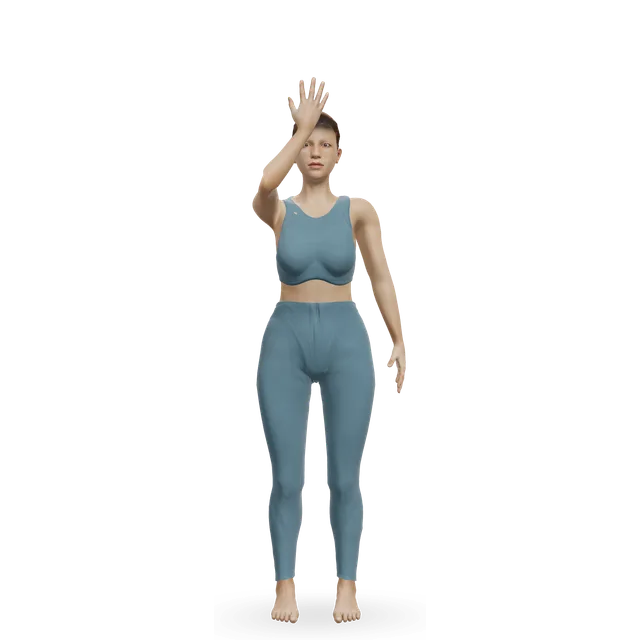
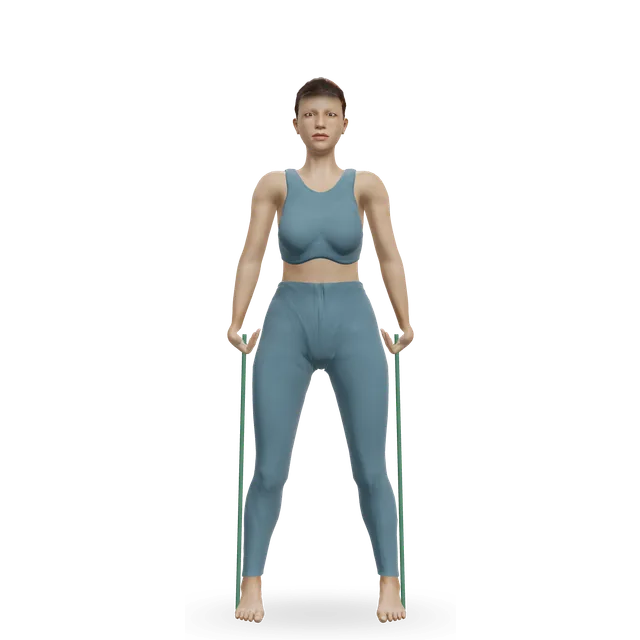
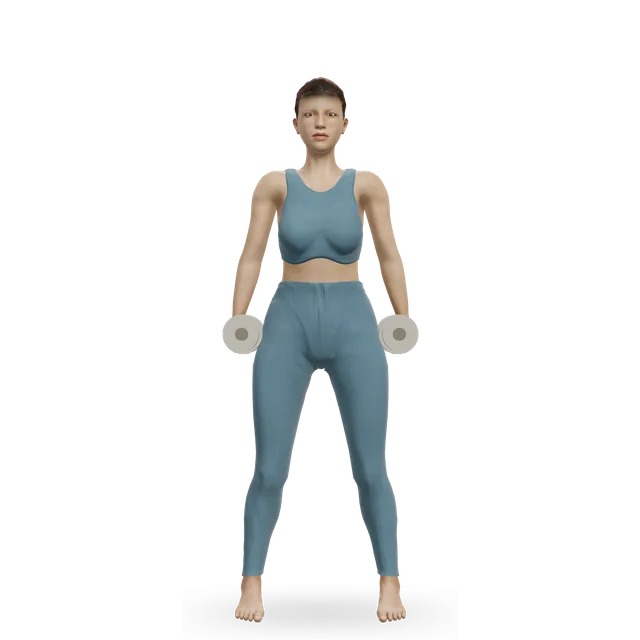
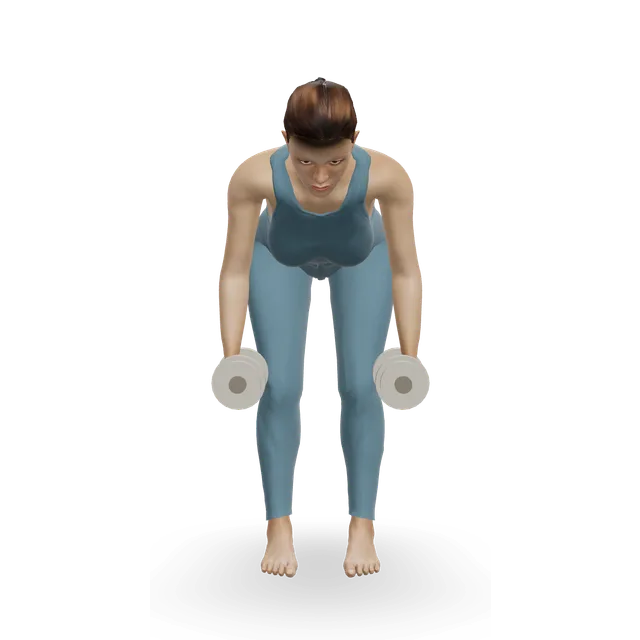
Start at the first stage. Each move opens a full guide with a 3D demo.
Stage 1
Settle: keep it moving
The first days to about 2 weeks. Keep the neck moving little and often, as NHS inform advises. Ride only once you can turn your head to check behind you, and keep rides short and upright. The doses are the neck hub's unless the move page is named.
Move on when: You can turn your head comfortably both ways, and these moves stay within the pain rule.
Follow along: a timer, a cue and the next move, one step at a time.
Stage 2
Build: endurance for holding the position
About weeks 2 to 6. Riders' necks aren't weak but tire, so this stage builds endurance in the neck and shoulder-blade muscles. The doses are the neck hub's unless a trial or the move page is named.
3 to 5 holds of 5 to 10 s each direction, light effort · Build towards 5 holds of 10 s at about half effort. Include pressing the back of your head into your hand, the direction you hold on the bike
Move on when: An easy ride of 30 to 45 minutes on the hoods or tops leaves the neck no worse the next morning.
Follow along: a timer, a cue and the next move, one step at a time.
Stage 3
Strength, and ride again
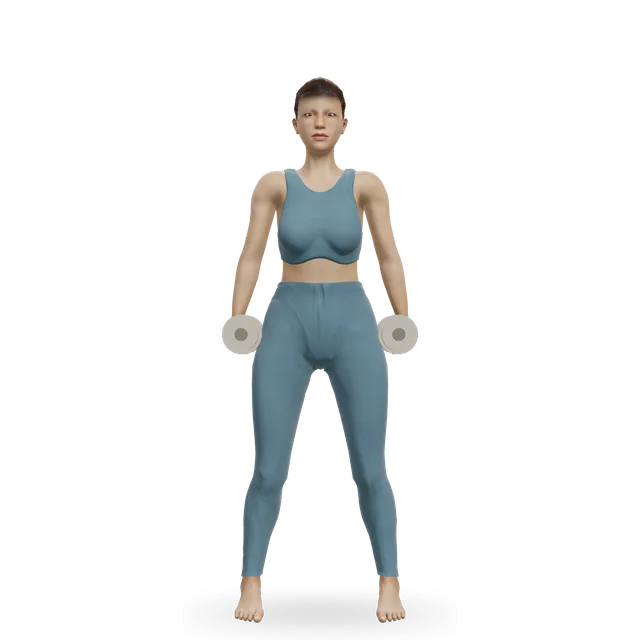
From about week 6, two or three days a week, then ongoing. The dumbbell exercises follow the trapezius pain trial's programme as described in the neck hub's trial note; the sets and reps are the neck hub's. Riding comes back by our suggested steps.
Every other day: 20 to 30 min at an easy effort on the hoods or tops, bars raised if you can · Our suggestion. Change hand position every 10 to 15 minutes. Ride a similar route 3 or 4 times within the pain rule before adding anything, then add time, about 10% a week, before hills or harder efforts
Move on when: Our suggestion: keep adding time, about 10% a week, while the pain rule holds. Bring back the drops, aero bars and fast group rides last, in short spells, and on very long events stop if your neck muscles start to give out.
Follow along: a timer, a cue and the next move, one step at a time.
What to change for now
What to change on the bike today (written steps)
Our 3D figure can't show these changes. Most come from small lab studies or are our suggestions, so keep what helps.
1. Raise the bars or shorten the reach. Higher bars reduced the backward bend at the top of the neck in a lab study.
2. Ride on the hoods or tops, and keep the drops and aero bars for short spells.
3. Look ahead with your eyes as well as your head, with a slight chin tuck (our suggestion, as on our cycling page).
4. Check that your helmet doesn't sit low over your eyes and that your glasses frames don't block your view, so you don't tip your head back further (our suggestion). On long rides, put lights and cameras on the bars rather than the helmet.
5. Choose bars about as wide as your shoulders: matching widths lowered arm muscle activity in a lab study of 10 women.
6. Keep your elbows soft and your shoulders down, and change hand position every 10 to 15 minutes (our suggestion: neck pain on the bike looks like fatigue from holding one position).
7. Don't ride until you can turn your head to check behind you, as the NHS advises.
The NHS says don't wear a neck collar unless a doctor tells you to; it's better to keep your neck moving. Injections and surgery belong to the pinched nerve and neck arthritis guides; nothing in the cycling evidence calls for them.
Leaning forward means tipping your head back to see the road and holding it there for hours. Lower bars increased the bend at the top of the neck and tripled the load at its base in a small lab study. Riders' necks aren't weaker than other people's, so it's endurance and time in position rather than weakness.
How do I stop neck pain on the bike?
Raise the bars or shorten the reach, ride on the hoods or tops, change hand position often, look ahead with your eyes as well as your head, and keep the drops and aero bars for short spells. Build neck and shoulder strength off the bike.
Is it my bike fit?
Often partly: bar height and reach set how far you look up. After a fit, neck pain fell in 160 mountain bikers, though without a comparison group, so pair any change with strength work.
What exercises help neck pain from cycling?
Strengthening the neck, shoulder-blade and shoulder muscles has the best support for neck pain that lasts, and even 2 minutes a day of band exercises, 5 days a week, eased neck and shoulder pain in office workers. The plan on this page builds from gentle movement to holds and dumbbell work.
Can I ride with a stiff neck?
Not if you can't turn your head to check behind you: the NHS says not to drive or cycle while you can't move your neck. Keep it moving gently, and come back to riding when you can look over your shoulder.
My neck hurts after a bike crash. What should I do?
Call 999 if the person is unresponsive, has severe neck pain or can't move their head. A bicycle collision is one of the dangerous injuries guidelines use to decide who needs a neck scan, and tingling or weakness in the arms or legs after a crash needs checking the same day. A possible concussion means no riding: see our concussion guide.
What is Shermer's neck?
It's a rare problem on very long rides: the neck muscles give out and the head drops, usually after about 800 kilometres non-stop. What we know comes from one case report with a short review, read as an abstract; rest and stopping riding were the treatment. Double vision, trouble swallowing or weakness anywhere else needs a 999 call.
Why do my neck and shoulders ache on long rides?
The upper trapezius muscle works to hold your head and shoulders while you lean on the bars. In a trial, strength training for that muscle cut long-lasting trapezius pain by about 79%, while cycling itself barely changed it.
Does a time trial or triathlon bike make neck pain worse?
A lower position means more looking up, and long spells on aero bars were named as a risk factor in the Shermer's neck report. We found no study of neck pain on aero bars, so our suggestion is to build up time in the position gradually.
Do I need a scan?
Not without warning signs. Most adults' neck scans show disc bulges, even in their 20s, and most neck problems settle within weeks.
Exercise education, not a diagnosis or treatment plan. It is written from the guidelines and studies listed above; review by a clinician is pending. If your pain follows an injury, is severe, is getting worse, or comes with any warning sign listed on this page, get it assessed. Health disclaimer.