What a bent-over row asks of the back, and what no study has countedEmerging evidence
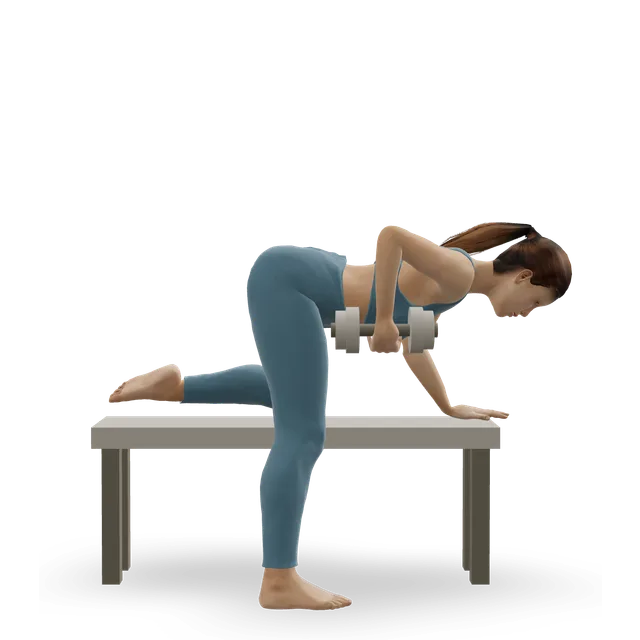
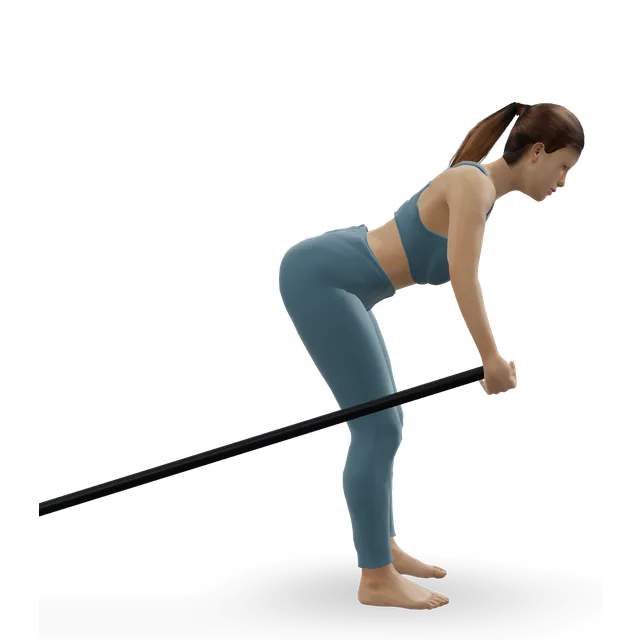
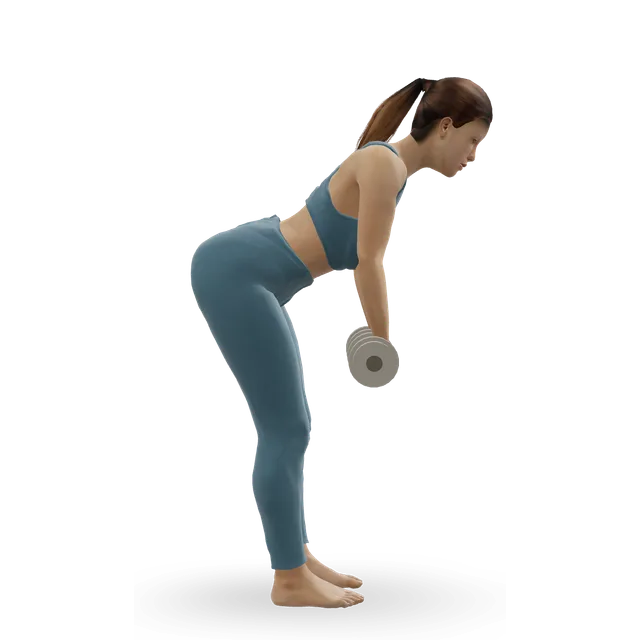
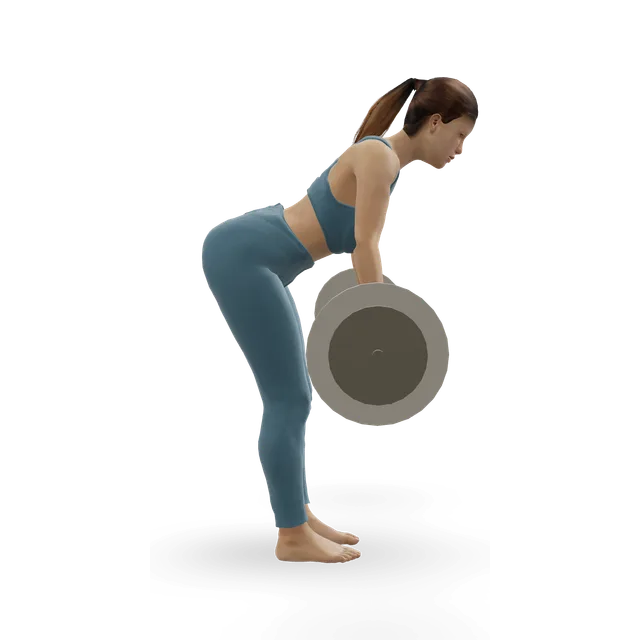
You hinge forward over soft knees, the torso somewhere between about 45 degrees and level with the floor, and row a bar or dumbbells to your lower ribs, as the site's bent-over row guide teaches. The lats, the muscles between the shoulder blades, the rear shoulders and the biceps do the pulling, while the lower back muscles, glutes and hamstrings hold the hinge for the whole set.
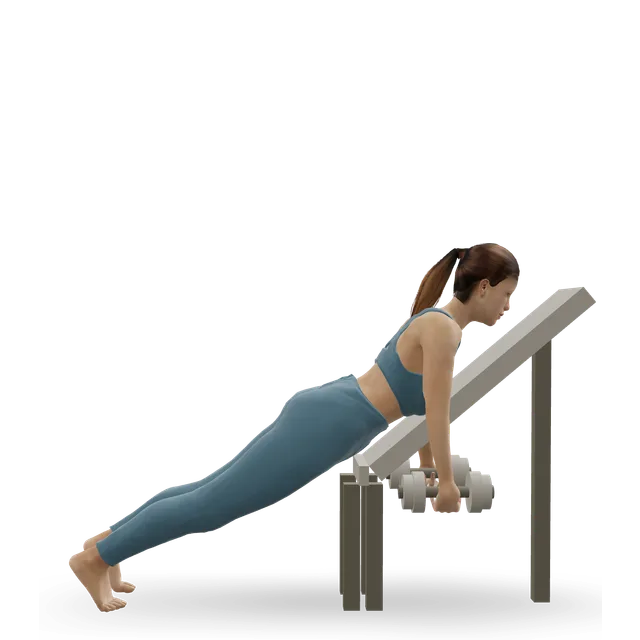
In one small lab study of 7 men (we read the abstract only, which gives no numbers), the bent-over row loaded the lower spine most of the three rows tested, and the inverted row least. The same article was published twice in the same journal volume; it is one study. In 15 trained men, the two-arm free-weight bent-over row drew 34% more lower back muscle activity than a machine row and 12% more than a one-arm free-weight row. In a preliminary study of 3 people, lower back muscle activity was lower with the chest on a bench than standing, though no difference was significant. A review found only 2 primary studies of the bent-over row at all. No study has measured the spine in a chest-supported, one-arm dumbbell, Smith machine, T-bar or Pendlay row, tested torso angle, or counted back pain from rows, so the map on this page comes from what each condition is known to do (our reading).
Sources 1, 2, 3, 4, 5
Holding the hinge, and what tiring does (our reading for rows)Emerging evidence
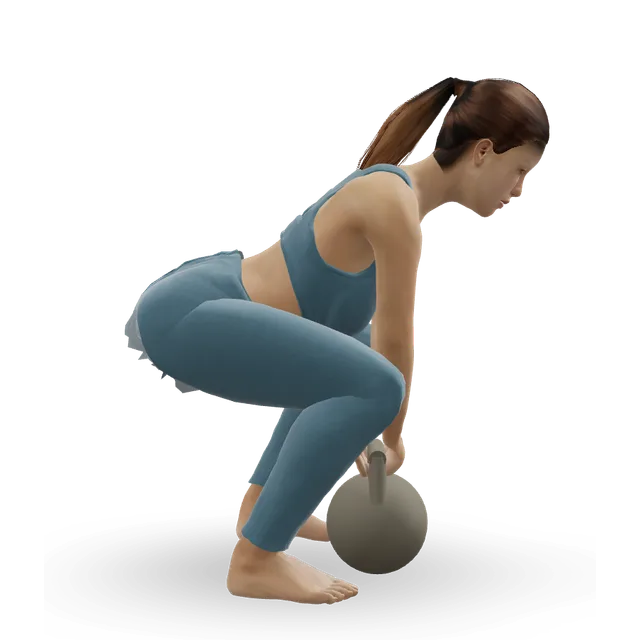
These are lab studies of repeated lifting and held bends, not rows, so applying them to rows is our reading. In 15 volunteers who lifted 10 kg from the floor 100 times, peak lower back bending rose from 83% to 90% of their full range, and the bending load on the spine rose 36%, as the back muscles tired. In 16 men lifting to fatigue, lower back bending rose; one small study of 5 men found no change. Holding the trunk bent forward with a load tired the back muscles in 12 men, and during a part-bend held for 12 minutes, lower back bending crept up as the muscles tired. After 20 minutes in full, unloaded flexion, the spine's stiffness took minutes to come back.
Read together: a long, heavy set is when the back is most likely to round, which is why the site's move page says "When you can no longer hold the hinge, the set is over".
Sources 6, 7, 8, 9, 10, 11
Rounding, discs and what studies of people showMixed evidence
Repeated bending under compression caused disc herniations in pig neck segments, and gradual prolapse in some cadaver lumbar discs. These are animal and cadaver studies. In people, a meta-analysis of 11 low-quality studies found that lower back bending while lifting wasn't a risk factor for back pain, and people with back pain didn't bend more; training about 20,000 workers in lifting technique didn't prevent back pain.
So rounding isn't the proven cause of back pain, and under a heavy bar, setting a long back and ending the set when it can't be held is still sensible (our reading, matching the move page).
Sources 12, 13, 14, 15
Tight hamstrings: a weak explanationMixed evidence
In 41 people bending forward, hamstring flexibility went with how they moved only in those with a history of back pain, not in healthy people. Men with short hamstrings tipped their pelvis less in a toe-touch without bending their lower back more; stretching the hamstrings in a trial of 39 people raised hip movement but didn't change lower back movement; and in 122 people, hamstring flexibility was not strongly related to lower back bending. The practical point is the site's hinge guide's: hinge only as far as your hamstrings allow, or bend your knees a little more, rather than rounding to get lower.
Sources 16, 17, 18, 19
Who gets itEmerging evidence
People who jump to a heavier bar, do long sets or row to failure, row after heavy deadlifts or squats when the back is already tired, or come back to an old working weight after a break (our reading). In United States (US) emergency departments, weight-training injuries were mostly sprains and strains (46.1%) and weights dropped on the person (65.5%), with the lower trunk 19.7% of injuries; the data don't name exercises. Weight-training sports have low injury rates compared with team sports, and the lower back is among the commonest sites. In 104 Swedish powerlifters, the lower back and pelvis were the commonest injury site, but only 16% of those injured had to stop training completely.
In an online survey of 1,387 gym users, 44 of 420 people who did barbell rows (10.5%), 39 of 354 cable rows, 30 of 462 machine rows and 24 of 440 one-arm dumbbell rows (5.5%) linked the exercise to pain, against 41.6% for back squats and 31.9% for deadlifts. The survey didn't record where each exercise hurt, so these figures can't say how much of it was back pain.
Sources 20, 21, 22, 23, 24
When a scan helps, and what it can't tell youStrong evidence
Not for ordinary back pain from rows. The National Institute for Health and Care Excellence (NICE) says not to routinely offer imaging in a non-specialist setting, and the NHS says back pain is very rarely a sign of a serious problem. Scans of people without back pain often show changes: disc wear in 37% at 20 and 96% at 80, and disc bulges in 30% and 84%. Scans matter for the warning signs: the spine's nerve signs, a suspected fracture, a teenager's stress fracture, cancer or infection.
Sources 25, 26, 27
How it usually goesEmerging evidence
No study follows back pain from rows. The NHS says back pain usually improves within a few weeks. Across 33 groups of people with new back pain, average pain fell from 52 to 23 out of 100 at 6 weeks, 12 at 6 months and 6 at a year; pain that had already lasted months improved less. It often comes back: 69% of 250 people who had recovered had another episode within a year. Most injured powerlifters keep training with changes. No one can promise a date, which is why keeping strength work going is the plan's last step.
Sources 25, 28, 29, 23