What a pull-up asks of the back, and what no study has measuredEmerging evidence
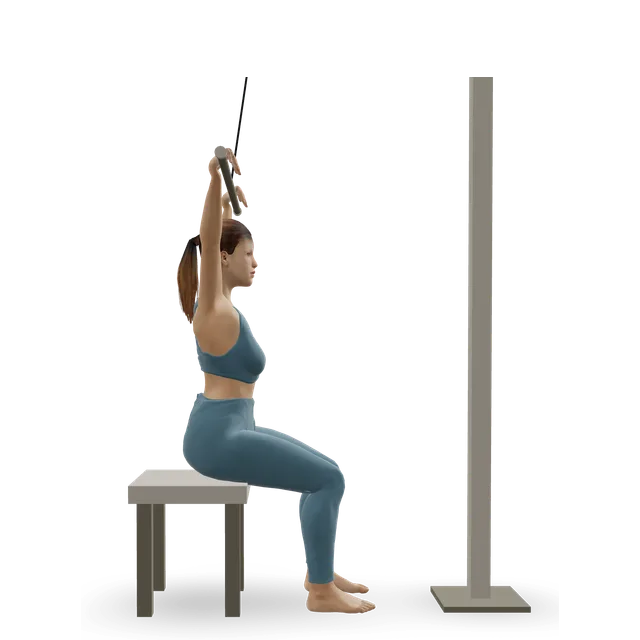
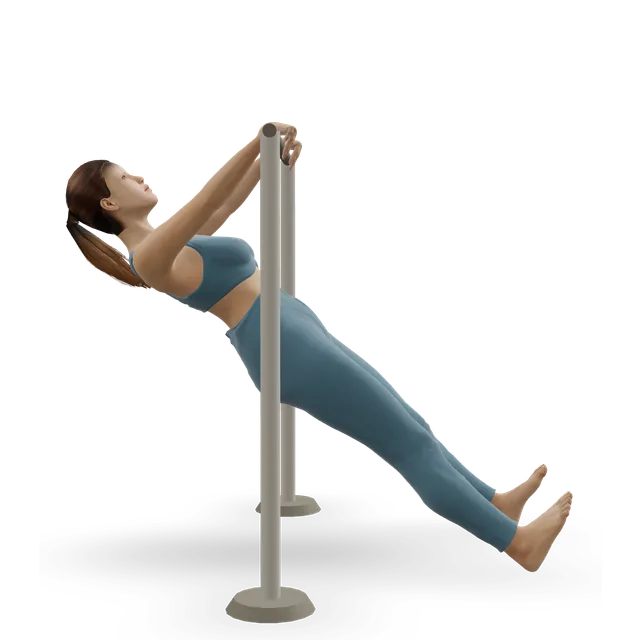
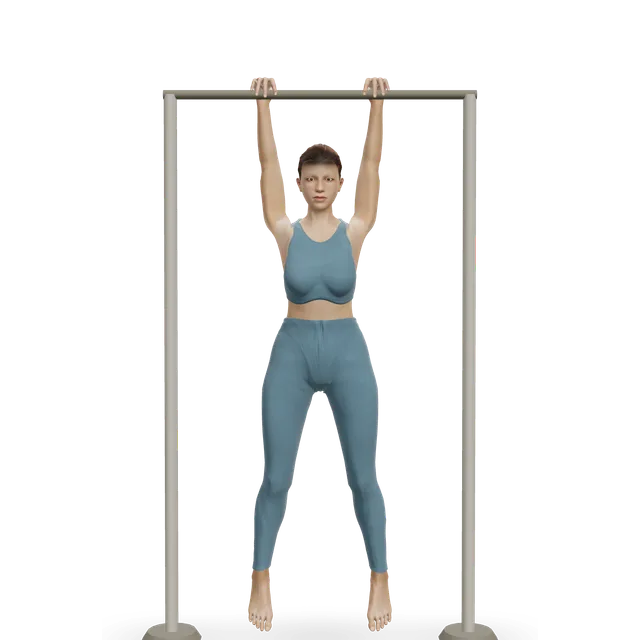
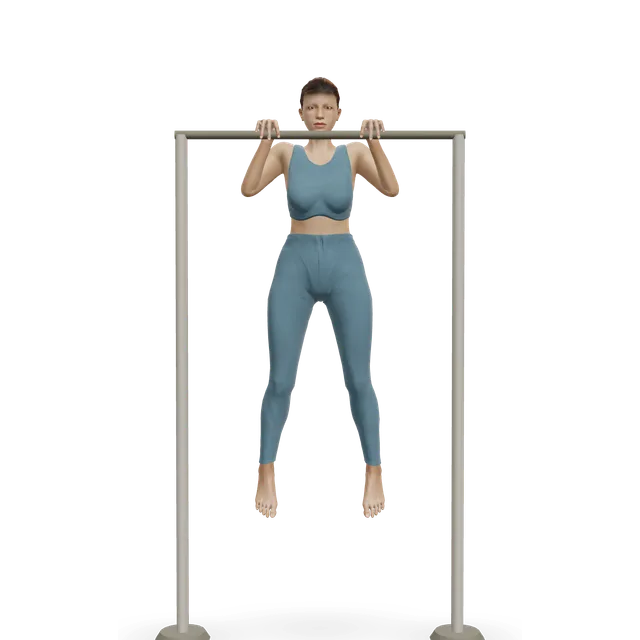
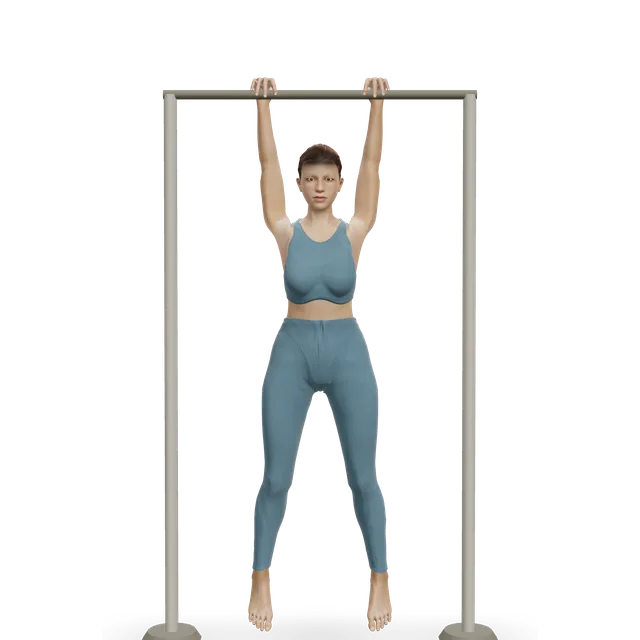
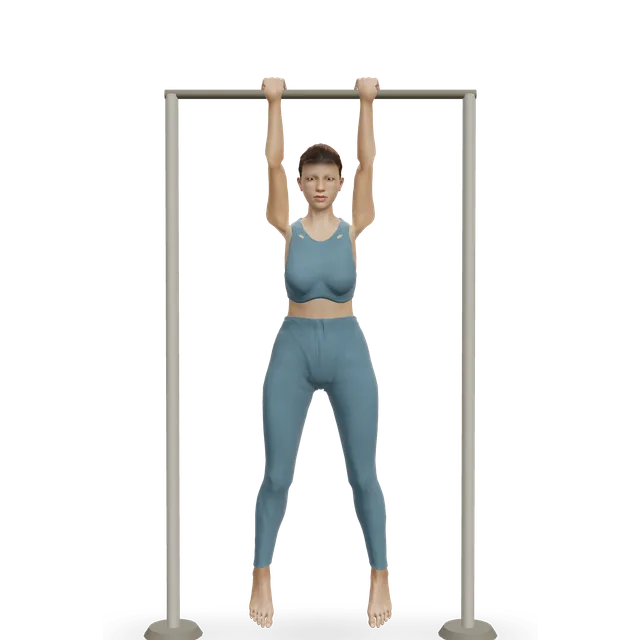
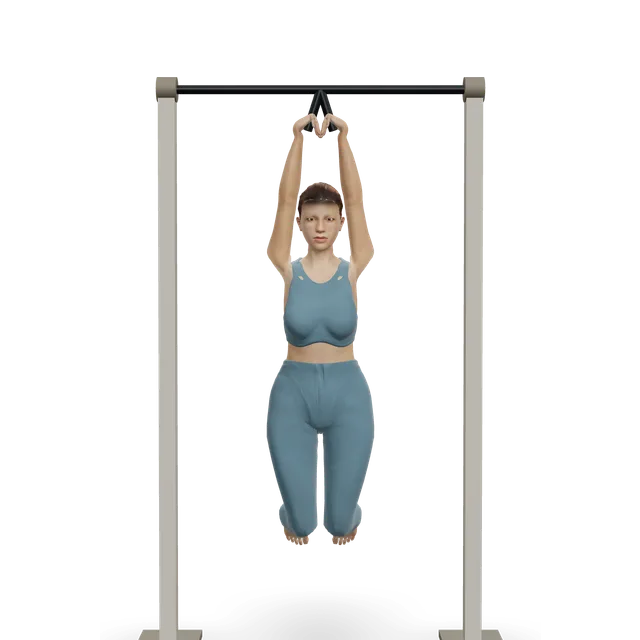
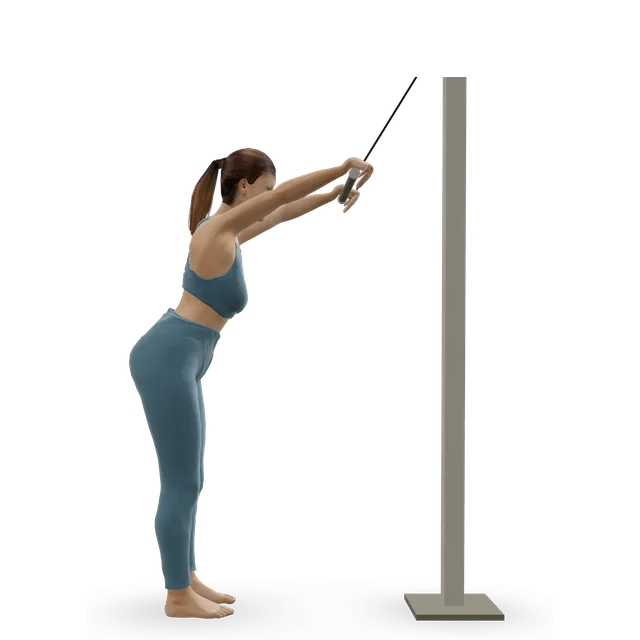
You hang from your hands and pull your body up with the lats, which run from the upper arm to the spine and the back of the pelvis, the muscles around the shoulder blades and the arms. The trunk has to hold still against the hang: in 25 adults doing pull-ups and chin-ups, the lats worked at 117% to 130% of a maximal test effort, the back muscles along the spine (the erector spinae) at 39% to 41% and the side abdominals at 31% to 35%. Chin-ups worked the back muscles harder than a seated lat pulldown. A wide grip with the hands angled out raised the abdominals' work by about 15% of their maximum in 21 men.
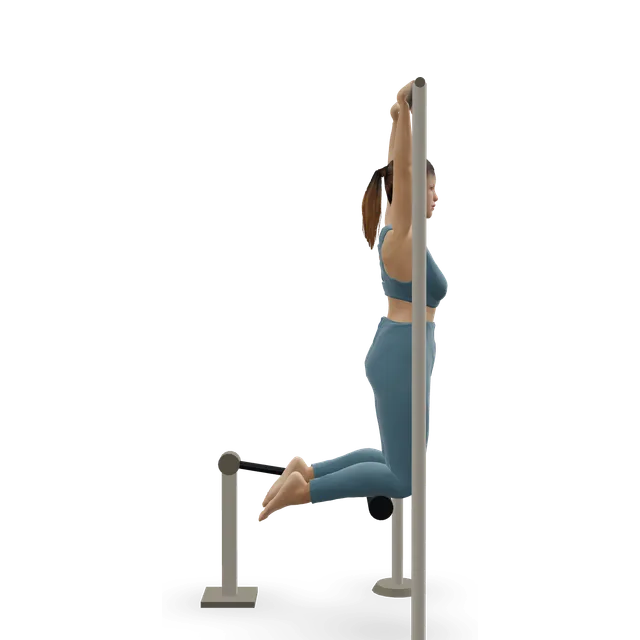
Adding a kip (a swing from the hips) swung the hips through about 49 degrees more and the knees through about 57 degrees more than a strict pull-up in 11 athletes, with the abdominals working about 29% harder and the hip flexors about 26% harder. No lab study has measured how the lower or upper spine moves during a pull-up: the pull-up studies measured the shoulder and arm.
Sources 1, 2, 3, 4, 5, 6
Who gets it, and what the injury surveys showEmerging evidence
No study counts back pain from pull-ups. In CrossFit-style training, the back or spine made up 26% of injuries across 28 studies (11,089 people); in a survey of 3,049 people, the back was the site in 36% of those injured; and in 456 Czech athletes the spine made up 30.7% of injuries, though that paper doesn't say which moves caused them. Smaller surveys also put the shoulder, spine and lower back among the commonest sites.
The one survey that linked injuries to movements points away from pull-ups: in 386 CrossFit athletes, none of the upper, middle or lower back injuries came from gymnastic moves (which include pull-ups), and 9 of 12 low back injuries came from power lifting. The numbers are small, so treat that as a pointer, not proof. In 93 street workout athletes, who train on bars, the upper and mid back made up 18.4% of injured body parts, and overtraining was the commonest reason they gave; in 181 Dutch calisthenics athletes, the back was 10% of injuries. Upper back pain is common in everyone, with 15% to 28% of people having it over a year.
Sources 7, 8, 9, 10, 11, 12, 13, 14, 15
Rare but serious: a torn lat, a rib and a breakdown of muscleEmerging evidence
Tears of the lat or the teres major (a smaller muscle beside it) are rare and seen mostly in baseball pitchers, but they have been reported in weightlifters, CrossFit athletes and bodybuilders. They can start with a sudden pain and sometimes an audible pop, then bruising at the back of the armpit; a 55-year-old bodybuilder heard a pop with pain in his armpit during a pull-up, and a CrossFit athlete tore his lat tendon during a bar muscle-up. Muscle tears are usually treated without surgery; a tendon torn from the bone is sometimes repaired.
No rib stress fracture has been linked to pull-ups. First rib stress fractures have been reported in weightlifters, with pain above the collarbone and around the shoulder blade, and the first X-ray can be normal. Muscle breakdown (rhabdomyolysis), which can harm the kidneys, is rare but followed 85 assisted pull-ups and 125 push-ups in 12 minutes in 3 women, who had very sore, swollen, weak arms days later.
Sources 16, 17, 18, 19, 20, 21, 22, 23
When a scan or test mattersStrong evidence
Not usually. The National Institute for Health and Care Excellence (NICE) says don't routinely offer imaging for low back pain outside specialist care, and NHS inform says that for most back pain you won't need an X-ray or MRI (magnetic resonance imaging) scan. Disc bulges show on scans of 30% of 20-year-olds without back pain and 84% of 80-year-olds, and disc wear from 37% to 96%, so a scan finding isn't the diagnosis on its own.
Tests do matter with the warning signs, for a suspected lat tear (an MRI scan found the tendon torn from the bone in the reported cases), and for rib pain after a fall or building with training (one first rib stress fracture showed on a bone scan and a computed tomography (CT) scan after a normal X-ray).
Sources 24, 25, 26, 18, 19, 21
How it usually goesStrong evidence
No study follows back pain from pull-ups. In new low back pain, average pain fell from 52 to 23 out of 100 within 6 weeks across 33 groups of people (11,166 in all), then to 6 at a year; in pain that had already lasted a while, it fell from 51 to 23 over a year. The NHS sends people to a GP if back pain hasn't improved after a few weeks of looking after it at home.
Lat and teres major muscle tears usually settle without surgery, and the CrossFit athlete whose tendon was repaired managed 15 pull-ups in a row at 9 months. No one can promise a date.
Sources 27, 28, 16, 17, 19
Rare but serious: the heart, the lungs, the ribs and the nervesEmerging evidence
Upper back pain is rarely the heart or the lungs, but they come first. The NHS sends chest pain that feels tight or like squeezing, or spreads to the arms, neck or jaw, to 999, and sudden difficulty breathing, or sudden pain in the chest or upper back with breathlessness or a very fast heartbeat, can be a blood clot in the lung, also a 999 call. After a fall from the bar, a broken or bruised rib with breathlessness or chest pain that is getting worse, or coughing up blood, needs 999 or A&E. Numbness around the genitals or bottom, new bladder or bowel trouble, or weakness or numbness in both legs is an emergency too. All of these are rare.
Sources 29, 30, 31, 32, 28