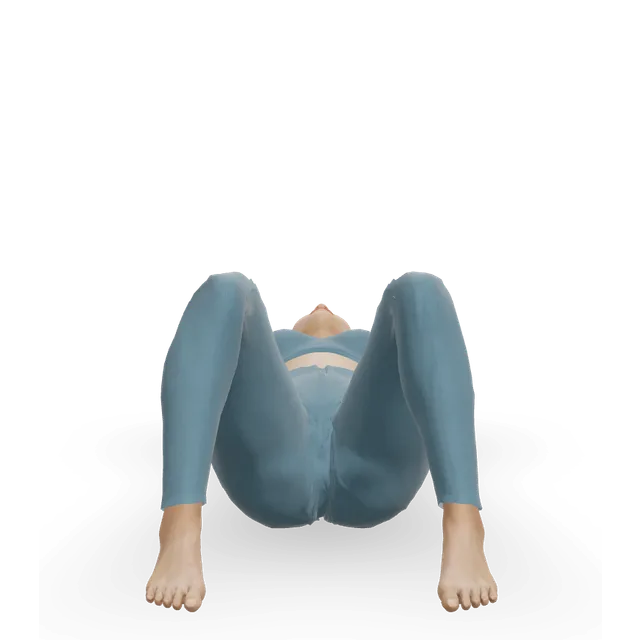
What a leg raise asks of the back, and what no study has countedEmerging evidence
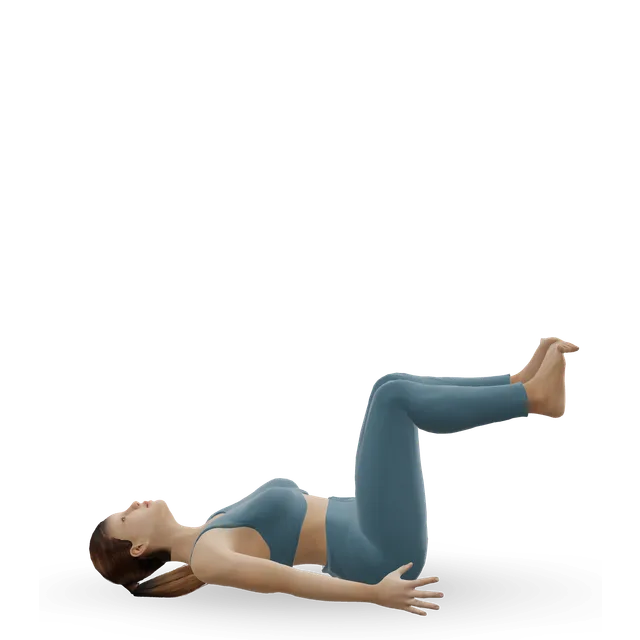
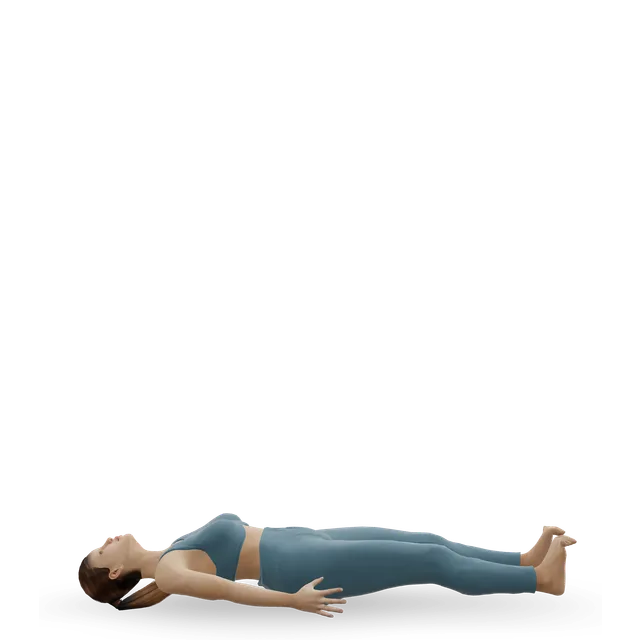
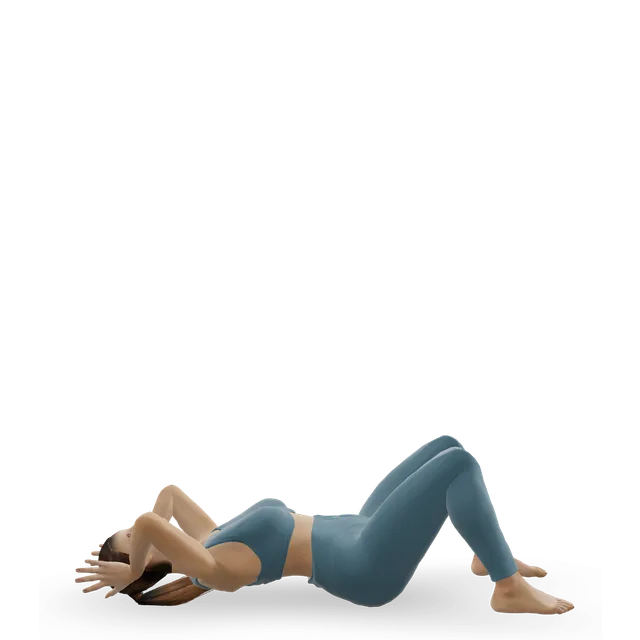
Lying on your back, the hip flexors (the iliopsoas, part of which, the psoas, attaches to the lower spine) lift the legs, and the tummy muscles hold the pelvis so the lower back doesn't arch. In 6 men, lifting both legs needed the tummy muscles and lifting one didn't. Straight legs are a long, heavy lever: across 9 studies of 109 healthy adults, the iliopsoas worked hardest around 60 degrees of hip bend and more with straight legs and both legs together, and in 9 men its activity kept rising to the top of a straight-leg raise.
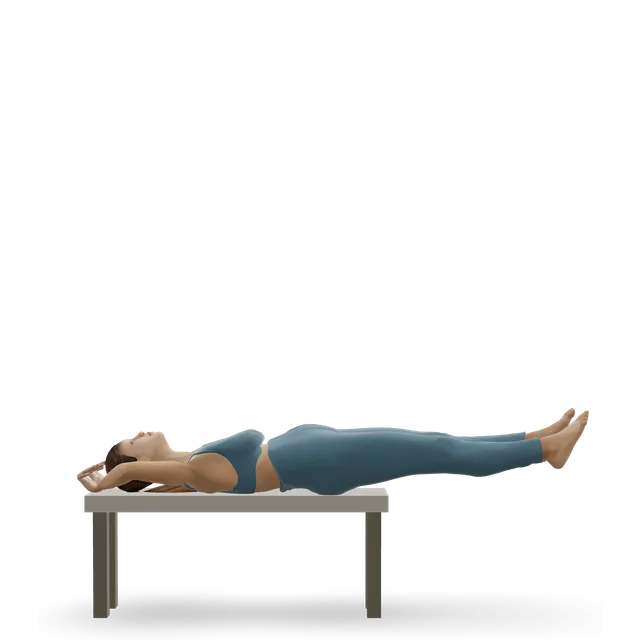
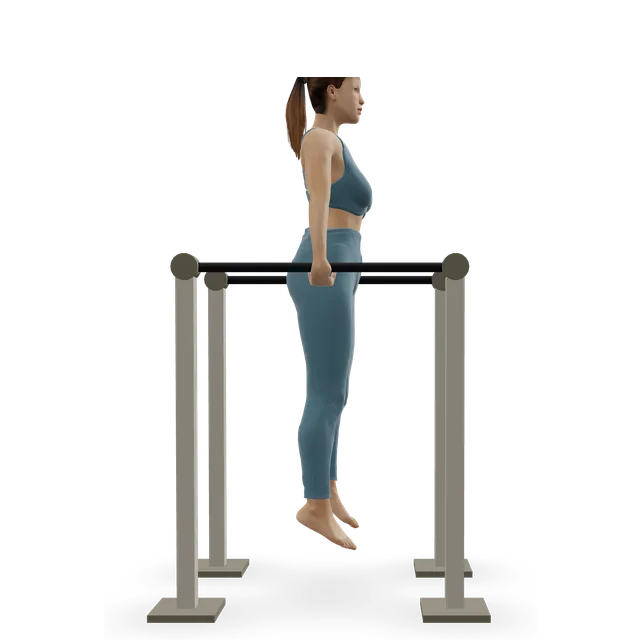
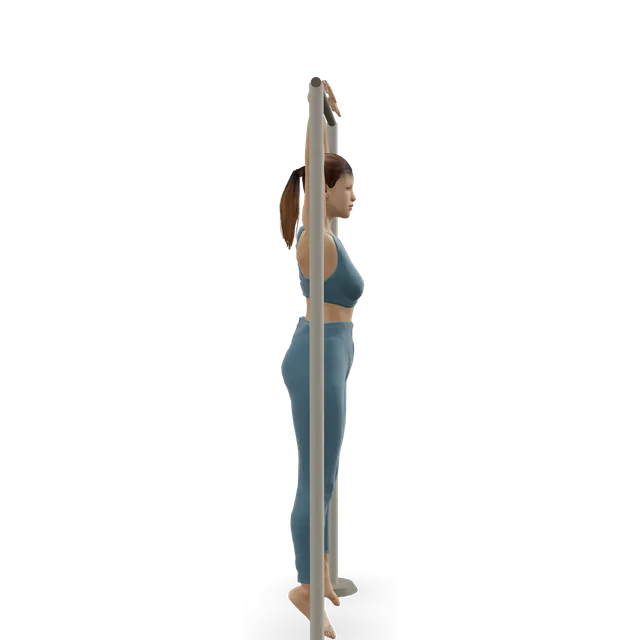
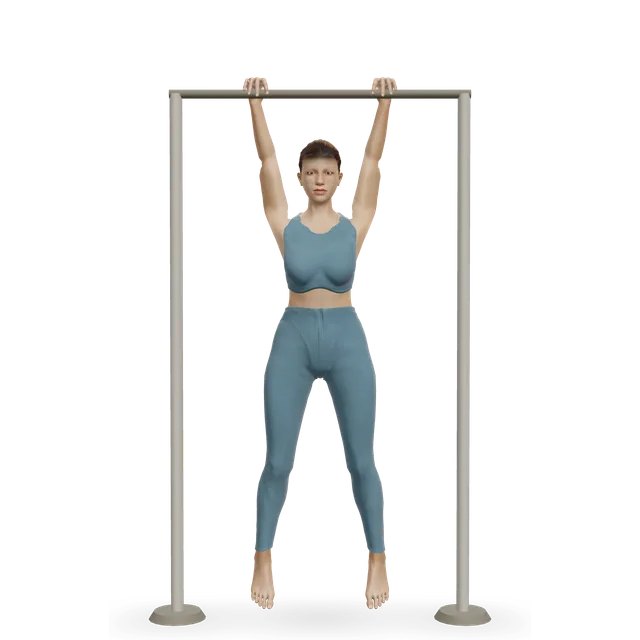
As both straight legs lowered from vertical in 17 adults, the pelvis started to tip forward after only 3.6 degrees of lowering on average, whether or not they tried to stop it, and more as the legs went lower. In 16 men holding their legs just off the floor, a tipped-forward pelvis gave the six-pack less to do. Hanging from a bar adds the whole weight of the legs: in 14 men, the hanging straight-leg raise was the hardest tummy exercise tested, at about 3,000 newtons (N) of compression on the spine.
No study has tested leg raises in people with back pain or counted back pain caused by them. The evidence is small lab studies in healthy, mostly young men, one measurement inside the body in 5 older people with a spinal implant, trials of exercise for back pain in general, and NHS pages. People with an irritable lower back, a recent strain, or a back that dislikes arching are the ones it usually bothers, as are people who jump from crunches to hanging straight-leg raises (our reading).
Sources 1, 2, 3, 4, 5, 6
The usual cause: ordinary back pain, brought on by the archEmerging evidence
An ache across the lower back as the legs lower, easing when you bend your knees or stop lowering so far, is usually ordinary low back pain, the commonest kind, which the NHS says "usually improves within a few weeks". The point where it hurts is usually where the lever is longest and the pelvis tips furthest, close to the floor. Stop lowering where your back starts to lift.
Sources 3, 7, 8
"Are leg raises bad for my back?" What the load measurements showEmerging evidence
The only measurement of a lying leg raise comes from 5 people aged 62 to 71 with a spinal implant that recorded the load on it. Lifting one straight leg added about 10 N on average (nearly 100 N in one person), lifting both straight legs added nearly 220 N, and lifting the pelvis in a bridge about 250 N: about the same as a bridge or a bird dog. That is a tiny study in older people after spinal surgery, so it shows leg raises aren't unusually heavy on the spine, not that they are safe for every back.
The psoas squeezes the lower spine together as it lifts the legs. One modelling study says it doesn't put large shearing forces on the spine except at the very bottom and "cannot have major affects to 'control lordosis'"; another says that at full effort it puts large compression and shear on the spine. Sit-ups worked the psoas harder (15% to 35% of maximum) than curl-ups (under 10%) in 8 people.
Sources 9, 5, 10, 11, 12
Hanging against lying raisesEmerging evidence
Hanging straight-leg raises load the spine heavily (about 3,000 N) and need the pelvis to curl, which some backs dislike. In 21 adults, hanging knee raises with arm straps were among the hardest tummy exercises tested, with low back-muscle activity. Lying raises arch the back as the legs lower, and lowering both legs with the pelvis held tilted back worked the tummy muscles harder than a curl in 15 men. No study compares the versions in people with pain.
Sources 5, 13, 3, 14
The tummy wall: a strain, a hernia or a separationEmerging evidence
A sudden sharp pain in one spot of the tummy wall, sore to tense, cough or sit up, is usually a strained six-pack muscle: 21 tennis players with one returned to sport in 4.5 weeks on average (2 to 8), and 5 handball players in 16 to 22 days.
A lump that "may get bigger when you cough, sneeze or cry, and get smaller when you lie down" can be a hernia, which the NHS says to show a GP. Most hernias aren't urgent. A femoral hernia (a small lump at the top of the thigh) with very bad tummy pain, sickness or no wind or poo is a 999 or A&E emergency, and any other hernia with pain and those signs needs help from NHS 111, as the warning signs say.
A ridge or doming down the middle of the tummy during or after pregnancy is a separation of the six-pack muscle (diastasis recti): 60% of 300 first-time mothers had one at 6 weeks and 33% at a year. The NHS says to contact your GP if the gap is still obvious 8 weeks after the birth.
Sources 15, 16, 17, 18, 19, 20
Nerves, discs and "the leg lift test"Emerging evidence
Pain, tingling or numbness spreading below the knee is sciatica, often from a disc; the NHS says leg pain is usually worse than back pain, and "even if moving hurts, it's not harmful". No study has measured disc pressure in a leg raise; in one volunteer, disc pressure rose with muscle effort and loaded bending.
The "straight leg raise test" or "leg lift test" people search for is a doctor's test for an irritated nerve: they lift your straight leg for you to see if it brings on leg pain. It isn't the exercise. A leg that is weak or hard to lift is a nerve sign that needs checking, urgently if both legs or the bladder or bowels are affected.
Sources 21, 22, 7
What a scan shows, and what it doesn'tStrong evidence
The National Institute for Health and Care Excellence (NICE) says "Do not routinely offer imaging in a non-specialist setting" for back pain. In 3,110 people without back pain, disc wear on scans rose from 37% at 20 to 96% at 80, and disc bulges from 30% to 84%, so a report of a bulging disc doesn't explain pain on its own. The warning signs need urgent assessment instead, and a lump that may be a hernia needs a GP to examine it.
Sources 23, 24
How it usually goesStrong evidence
No study follows back pain from leg raises. Across 33 groups of people with new back pain (11,166 people), average pain fell from 52 out of 100 at the start to 23 at 6 weeks, 12 at 26 weeks and 6 at a year; in back pain that had already lasted, it fell more slowly, from 51 to 23 at a year. The NHS says sciatica "usually gets better in a few weeks to a few months", and tummy muscle strains in athletes took 2 to 8 weeks. No one can promise a date.
Sources 8, 7, 21, 15, 16