Core & abs
Lower ab workout: a leg raise ladder from heel taps to bench leg raises
No exercise can single out your lower abs: the six-pack is one muscle, and studies find at most a small shift in emphasis when your legs and pelvis do the moving. This session trains the whole muscle with those moves, step by step, while your lower back stays down. Heel taps teach your back to stay still while a leg moves, reverse crunches curl your pelvis, and the leg pull-in moves both legs at once; then you lift straight legs on the floor or a bench, and add a hip lift at the top. Find the hardest step you can do with your lower back still for every rep, do 2 or 3 sets of it, and move up when every set reaches the top of its range for 2 sessions. No trial has tested a leg raise programme: the order follows the levels of the Sahrmann core test and our move pages' prerequisites, and the doses come from our 30-day ab challenge, our progression workouts and the move pages, with the leg raise dose our editorial starting point. It builds the muscle; it won't remove lower belly fat, which comes off your whole body with your overall activity and eating habits. Do it 2 or 3 times a week, on days apart.
Warm-up
- Cat-cow8 slow wavesBeginner · Back, Abs · 3D demoThe move page's doseHarder: Half lord of the fishes (Ardha Matsyendrasana)
- Knee fold6 each sideBeginner · Abs, Hip flexors · 3D demoAs our flutter kick progression's warm-up. Float one knee up to a right angle and back down, keeping your pelvis stillEasier: Supine heel slideHarder: Dead bug heel taps


The ladder (pick your step)
Rest 45 to 60 s between sets
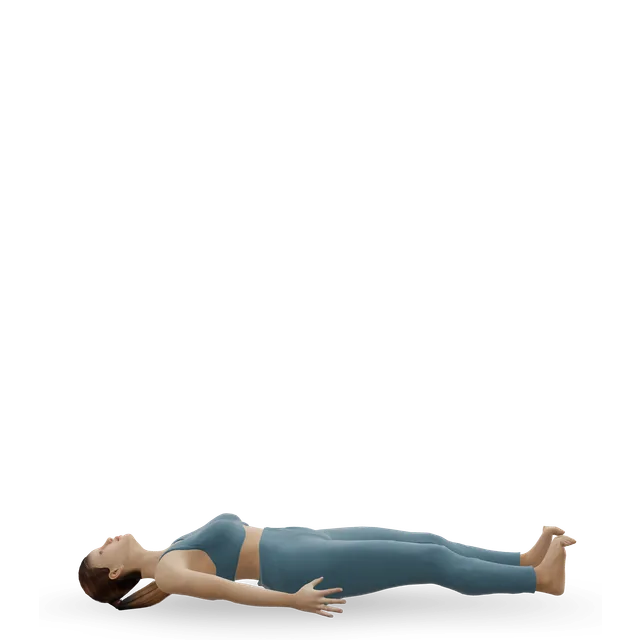
- Dead bug heel taps2 to 3 sets of 6 to 10 each sideBeginner · Abs, Hip flexors · 3D demoStep 1, as our 30-day ab challenge. Lower back gently down; breathe out as the heel tapsEasier: Bent-knee fall-outHarder: Forearm plank
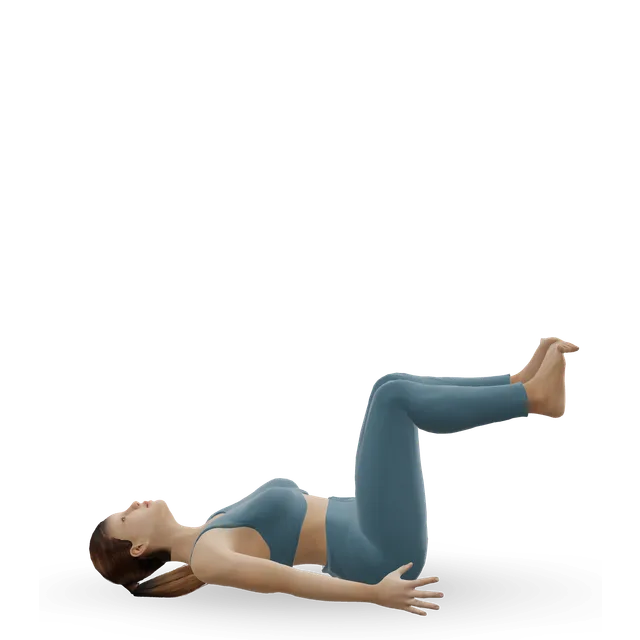
- Reverse crunch2 to 3 sets of 8 to 15Intermediate · Abs, Hip flexors · 3D demoStep 2, as our 30-day ab challenge. Curl your pelvis towards your ribs, with no swinging, and lower slowly. Leave it out with osteoporosisEasier: Cross-body crunchHarder: Captain's chair knee raise
- Leg pull-in2 sets of 6 to 8Intermediate · Abs, Hip flexors · 3D demoStep 3, as our flutter kick progression (an editorial starting point). Legs long and heels just off the floor; draw your knees in and push them back out without touching down. Rest your heels between reps if your back liftsEasier: Stomach vacuum (drawing-in)Harder: Plank walk-up
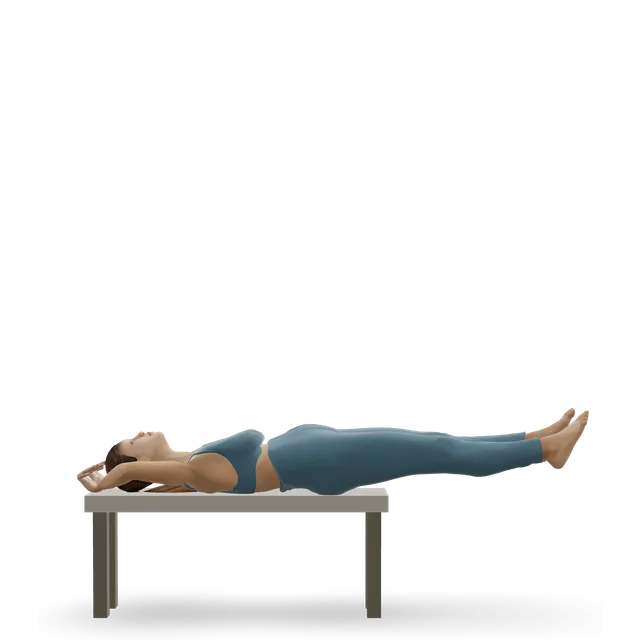
- Lying leg raise on a bench2 to 3 sets of 6 to 12Beginner · Abs, Hip flexors · 3D demoStep 4, our editorial starting point. Straight legs up to vertical, then lower over about 3 seconds, only as far as your lower back stays down. No bench: lie on the floor with your arms by your sides and stop with your heels off the floor. The demo shows the benchEasier: Seated knee tuck on a benchHarder: Captain's chair knee raise
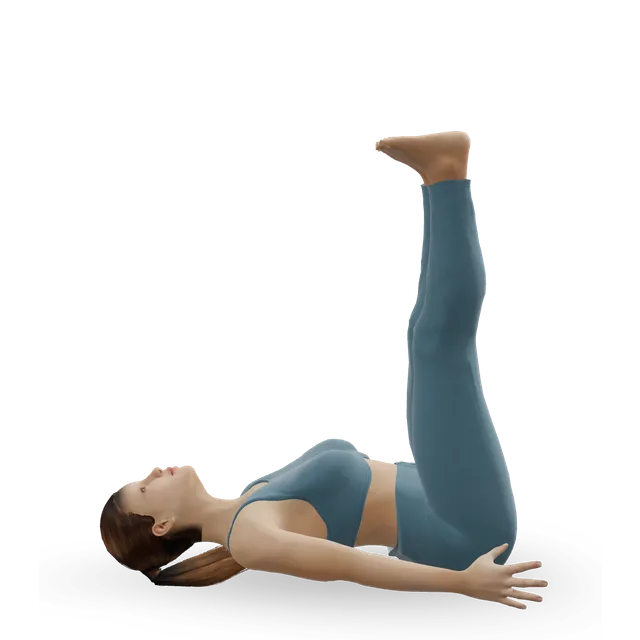
- Vertical-leg hip raise (bottoms up)2 to 3 sets of 10 to 15 slow repsIntermediate · Abs, Hip flexors · 3D demoStep 5, the move page's dose, stopping with 2 or 3 reps in reserve. Legs pointing at the ceiling, curl your pelvis so your hips lift and your feet press up; lower slowly. Bend your knees to bring your feet down at the end. Leave it out with osteoporosisEasier: Lying leg raise on a benchHarder: Chin-up with a knee raise (gorilla chin)

Balance
- Bird dog1 to 2 sets of 6 each side, 3 to 5 s holdsBeginner · Back, Abs, Glutes · 3D demoAs our flutter kick progression. Keep your back stillEasier: Bird dog, one limb at a timeHarder: Bear crawl
- Glute bridge1 set of 10 to 12Beginner · Glutes, Hamstrings, Abs · 3D demoAs our flutter kick progression. Lift your hips without arching your lower backEasier: Pelvic tilt into bridgeHarder: Single-leg glute bridge


Cool-down (optional)
- Half-kneeling hip flexor stretch30 s each sideBeginner · Quads, Glutes · 3D demoAs our hanging leg raise progression. Pad the kneeling kneeHarder: Couch stretch
- Child's Pose (Balasana)1 to 3 minBeginner · Back, Shoulders, Glutes · 3D demoThe move page's doseHarder: Extended puppy pose (Uttana Shishosana)


Tips
- If you're starting cold, warm up first with 3 to 5 minutes of easy movement, such as marching on the spot, as our plans advise.
- Move up a step once every set has reached the top of its range for 2 sessions with your lower back still, and start the new step at the bottom of its range.
- End each set when your lower back starts to lift or the front of your hips cramps: that's the end of useful reps. Make it harder rather than longer: move up a step rather than adding sets.
- Keep your head down and breathe out as your legs lift; never hold your breath.
- No exercise isolates your lower abs. This session trains the whole six-pack muscle; seeing it depends on body fat, which comes off with your overall activity and eating habits.
- Reverse crunches and hip lifts curl your lower back: count them with any other curls and crunches towards about 60 bending reps a session, as our get abs guide advises.
- Stop for chest pain, dizziness or unusual breathlessness. With back pain, stay on steps 1 and 2 and follow our back pain guide's rule; stop if a move sends pain down a leg.
- In pregnancy, after the first trimester, don't do this lying flat on your back: use our pregnancy Pilates workout instead.
- After a birth, start with the NHS's gentle tummy exercises and our diastasis recti guide's stages. If the middle of your tummy domes (bulges into a ridge), go back a step.
- With osteoporosis, leave out steps 2 and 5, which curl your spine.
- With a hernia, after tummy surgery or with a stoma, use the beginner core workout and our guides instead, and stop if you notice bulging around a scar, a stoma or the hernia.
The doses are suggested starting points, not a prescription. Choose a range you can control and stop for sharp or increasing pain, numbness or tingling. Get individual advice after an injury or surgery, or if you are pregnant or managing a health condition.
Guides that recommend it
Find more moves like these
More core & abs



Beginner core workout
A 15-minute beginner core workout on the floor: dead bugs, bird dogs, knee planks, side planks and curl-ups.
15 minBeginner6 movesNo equipment

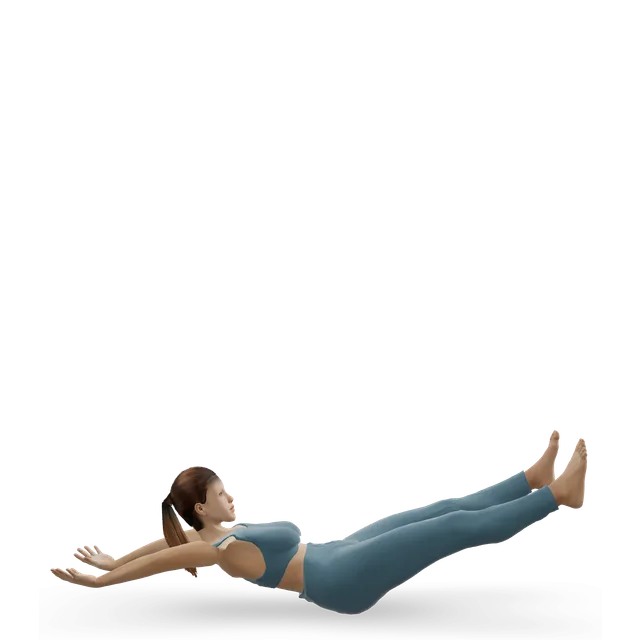
Ab workout (no equipment)
An intermediate ab workout with no equipment: planks, side planks, reverse crunches, hollow holds and mountain climbers.
20 minIntermediate7 movesNo equipment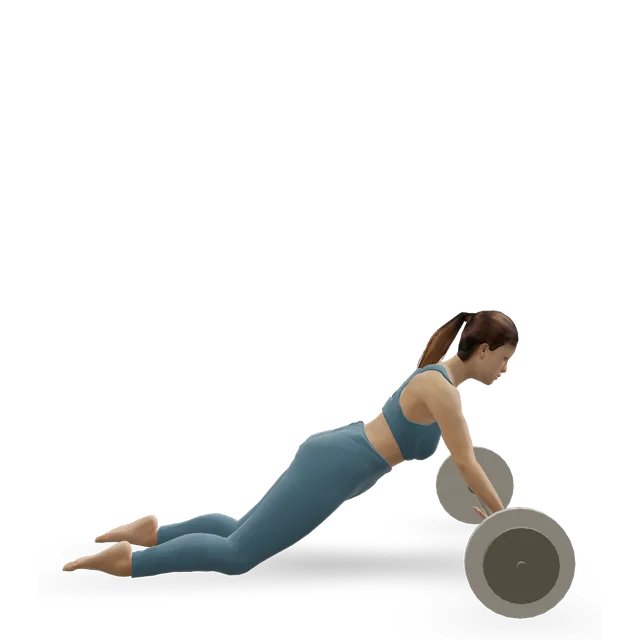
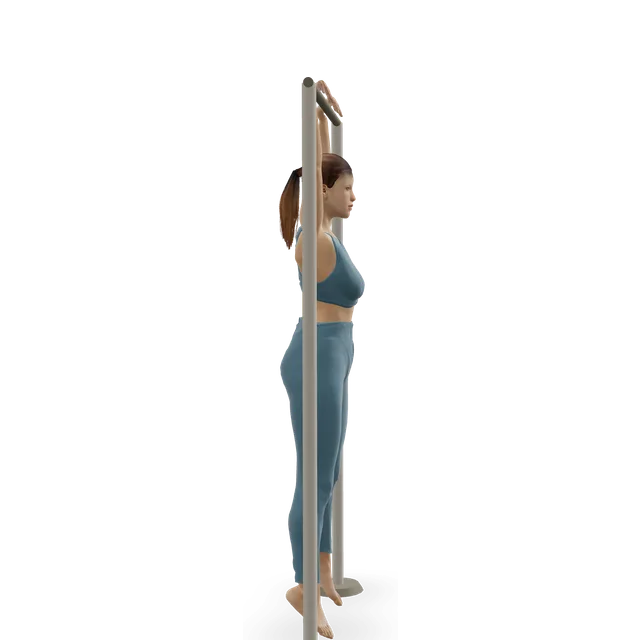
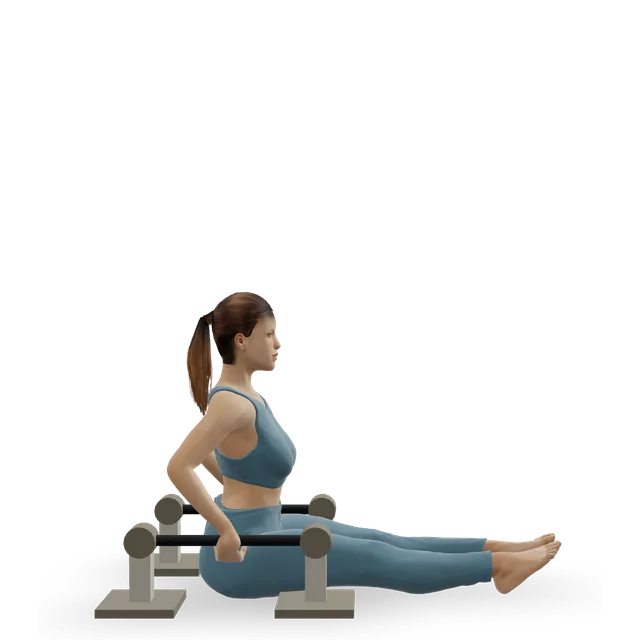

Advanced core workout
Hard core training: ab wheel rollouts, hanging leg raises, L-sits, Copenhagen planks, plank walk-ups and dragon flags.
30 minAdvanced6 movesAn ab wheel, Pull-up barQuestions people ask
How long does the lower ab workout: a leg raise ladder from heel taps to bench leg raises take?
About 15 minutes, including any warm-up and cool-down listed. Shorten it by doing fewer rounds; lengthen it by adding one.
What equipment do I need?
You need: A bench or box. Each move links to its guide, where you can find an alternative if you are missing something.
Is it suitable for beginners?
It is written for beginners. 8 of its 11 moves have an easier option listed beside them if you need one.
How do I make it easier or harder?
Use the easier or harder option listed under each move, change the number of rounds, or adjust the rest. Progress one change at a time.