3D demo
Seated knee tuck on a bench
Strength · Abs, Hip flexors
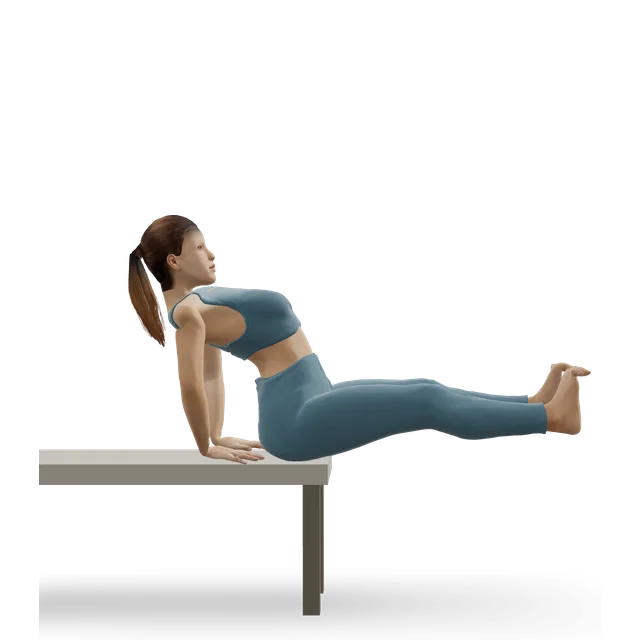
Loading the 3D figure…
The figure repeats the movement from its starting position. Drag to turn it; the arrows open the demos either side.
Sitting on a bench holding its sides, trunk leaning back about 45 degrees and legs stretched out just below level, you draw your knees to your chest as your trunk comes forward to meet them, then push your legs back out. Unlike the lying pull-in, both ends move. Leg-raising work drives the hip flexors hard as well as the abdominals in EMG studies, so expect to feel the front of the hips.
Movement guide
Seated knee tuck on a bench
Make it easier or harder
Choose a version that fits your control and comfort.
Easier option
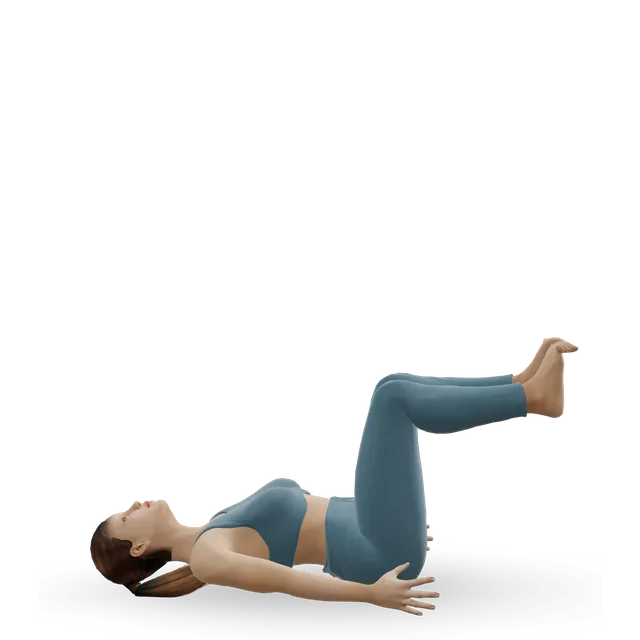 3D demoDead bug heel tapsBeginner · No equipment
Suggested next step, beginner grade.
Harder option
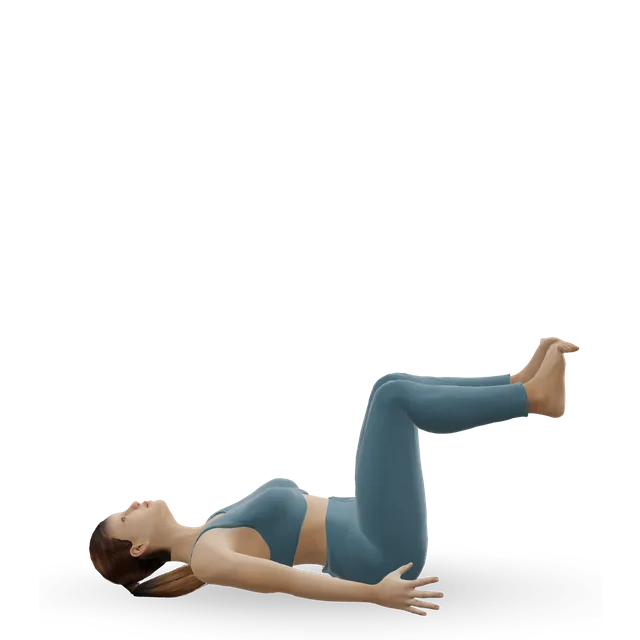 3D demoBent-knee hip raiseIntermediate · No equipment
Similar move, intermediate grade.
Source-researched guide.
Form cues
- Keep your chest lifted; don't slump.
- Move both ends together.
- Avoid: rocking with momentum.
Practice and cautions
2 to 3 sets of 10 to 15 slow reps, stopping with 2 or 3 reps in reserve (our editorial starting point).
Rest your feet on the floor between reps if your low back aches. This is movement education, not an assessment or treatment prescription. Stop for sharp or increasing pain, dizziness, numbness or tingling; seek individual guidance for symptoms, injury or restrictions.
Sources and review status
Sources support the educational description; they do not establish that this exercise is suitable for you.
- ACE · V-ups (intermediate; built up from seated, leaning-back leg lifts with the hands beside the hips) ↗
- Kim and Lee 2016 · The sit-up and the lying leg raise compared (the leg raise worked the hip flexors hard; EMG, J Phys Ther Sci) ↗
- Free Exercise DB · community text ↗
Unlicense · Free Exercise DB contributors; derived from wrkout/exercises.json. Text import; no photographs or media. · Revision f00c92c7dcf1216a928a52c3706c7ce8e2f71ed5
No variation is labeled clinically validated.
What it works
Equipment
A bench or box
Level
Beginner. See the easier and harder options above.
Workouts that use it
Guides that use it
Similar moves
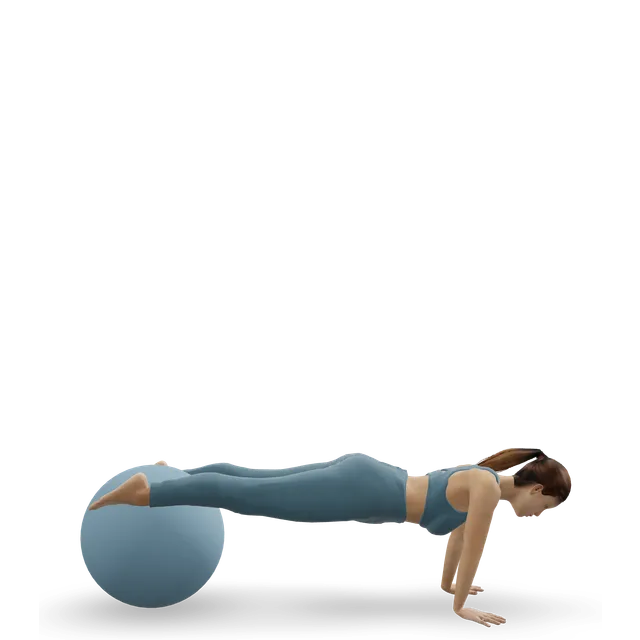 3D demoStability ball knee tuckAdvanced · Exercise ball
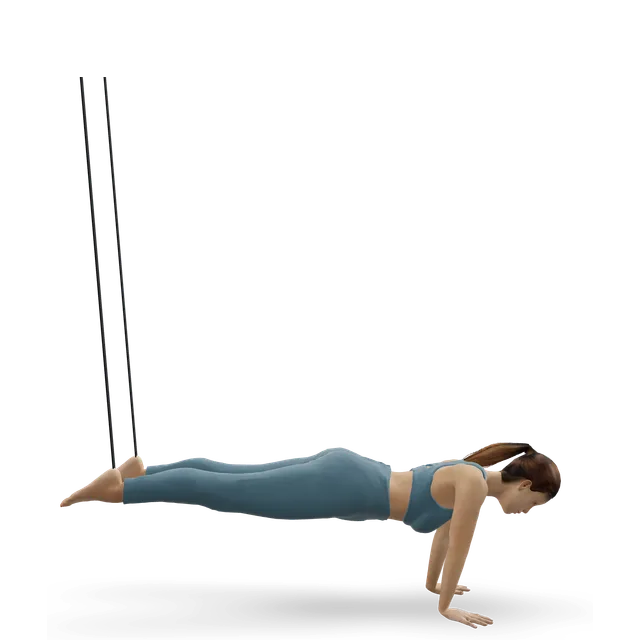 3D demoSuspended knee tuckAdvanced · Other / check instructions
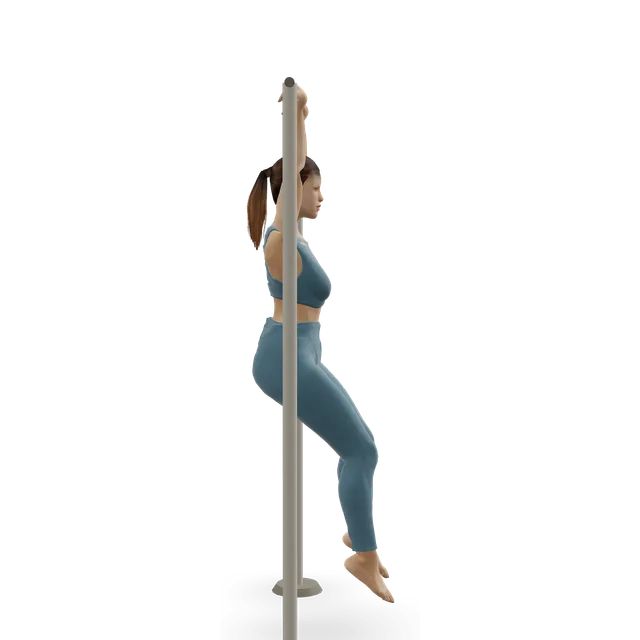 3D demoChin-up with a knee raise (gorilla chin)Advanced · Pull-up bar
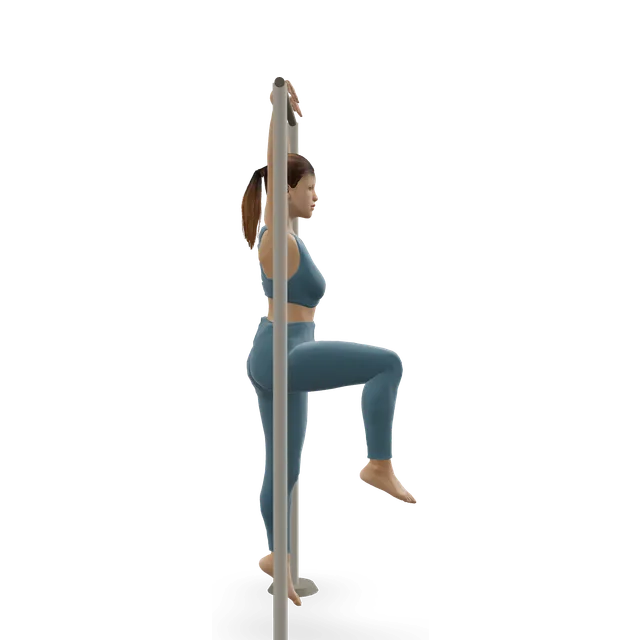 3D demoHanging alternating knee raise (wind sprints)Intermediate · Pull-up bar
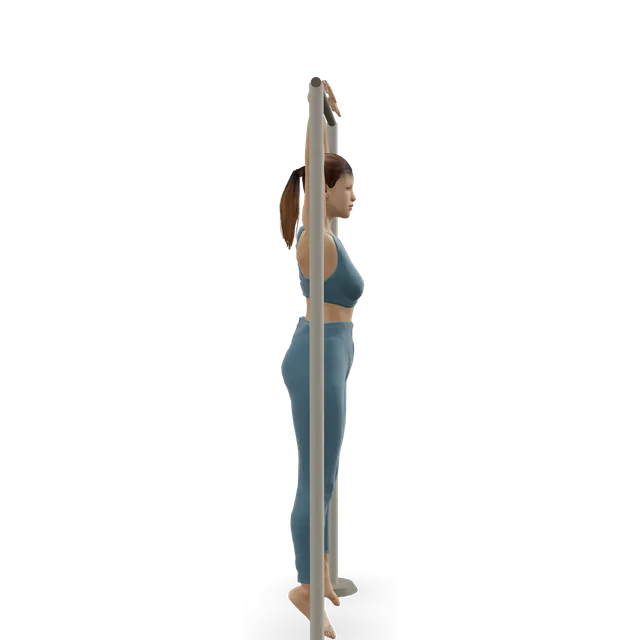 3D demoHanging knee raiseIntermediate · Pull-up bar
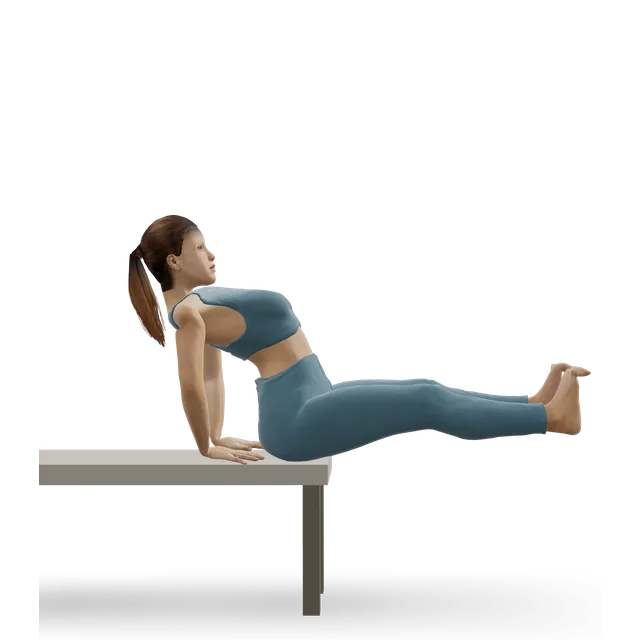 3D demoSeated leg tuckBeginner · A bench or box
Browse more
Questions people ask
What muscles does the Seated knee tuck on a bench work?
Mainly the abs, with help from the hip flexors.
What equipment do I need for the Seated knee tuck on a bench?
A bench or box.
Is the Seated knee tuck on a bench good for beginners?
It is graded beginner, so it suits most people starting out. When it feels easy, try the Bent-knee hip raise.
What is an easier alternative to the Seated knee tuck on a bench?
Try the Dead bug heel taps. It is the suggested step down from this move.
How do I make the Seated knee tuck on a bench harder?
Progress to the Bent-knee hip raise or the Captain's chair knee raise. Follow that guide’s technique and any stated timing.