3D demo
Hanging alternating knee raise (wind sprints)
Strength · Abs, Hip flexors, Forearms
Loading the 3D figure…
The figure repeats the movement from its starting position. Drag to turn it; the arrows open the demos either side.
Hanging from a bar in an overhand grip with your arms and legs long, you drive one knee up as high as it will go, then drop it as the other rises, alternating quickly without swinging. It is the hanging knee raise done one leg at a time, at pace. The hanging straight-leg raise drew more than 130% of maximal rectus abdominis activity in an EMG study, and the captain's chair knee raise ranked first for the obliques in ACE's.
Movement guide
Hanging alternating knee raise (wind sprints)
Make it easier or harder
Choose a version that fits your control and comfort.
Easier option
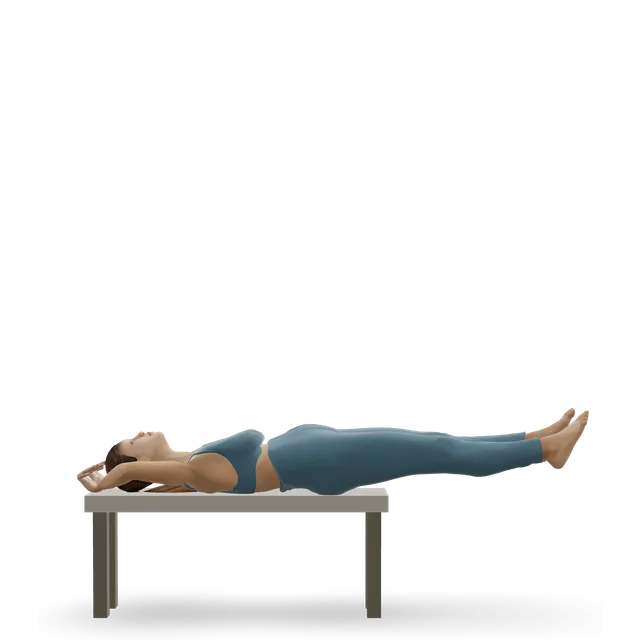 3D demoLying leg raise on a benchBeginner · A bench or box
Similar move, beginner grade.
This move
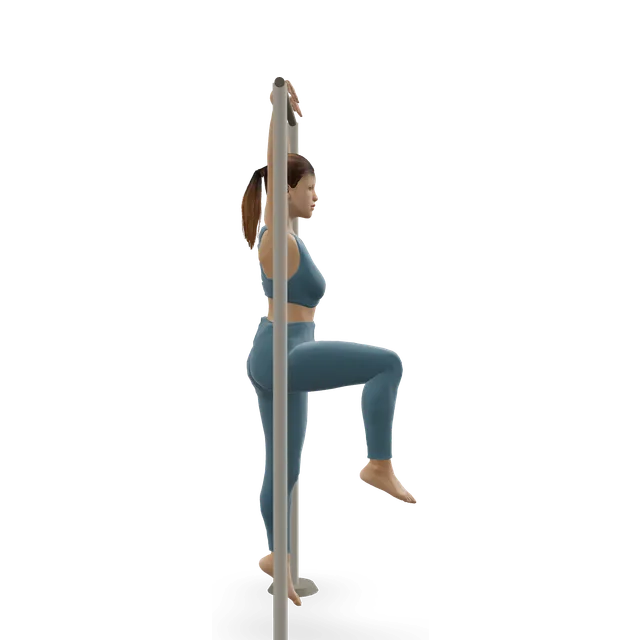 3D demoHanging alternating knee raise (wind sprints)Intermediate · Pull-up bar
Intermediate grade.
Harder option
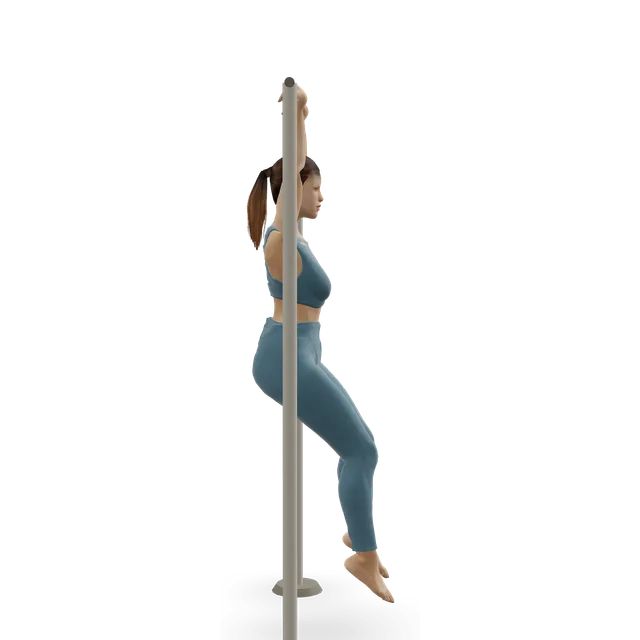 3D demoChin-up with a knee raise (gorilla chin)Advanced · Pull-up bar
Similar move, advanced grade.
Source-researched guide.
Form cues
- Keep the trunk still; only the legs move.
- Breathe steadily.
- Avoid: kicking so hard that your body swings.
Practice and cautions
2 to 3 sets of 20 to 30 seconds, stopping when your grip or control fades (our editorial starting point).
Step down when your grip fades rather than dropping off the bar. This is movement education, not an assessment or treatment prescription. Stop for sharp or increasing pain, dizziness, numbness or tingling; seek individual guidance for symptoms, injury or restrictions.
Sources and review status
Sources support the educational description; they do not establish that this exercise is suitable for you.
- ACE-commissioned study 2001 · 13 ab exercises scored against the basic crunch (the captain's chair, bicycle and reverse crunch highest for the obliques; EMG) ↗
- McGill 2015 · The body saw, hanging leg raise and push-up walkout (the hanging straight-leg raise over 130% of maximal rectus abdominis activity; J Sports Sci) ↗
- Free Exercise DB · community text ↗
Unlicense · Free Exercise DB contributors; derived from wrkout/exercises.json. Text import; no photographs or media. · Revision f00c92c7dcf1216a928a52c3706c7ce8e2f71ed5
No variation is labeled clinically validated.
What it works
Muscles
Main: Abs. Also: Hip flexors, Forearms.
Anatomy: Rectus abdominis, Obliques, Transversus abdominis.
Equipment
Pull-up bar
Level
Intermediate. See the easier and harder options above.
Guides that use it
Similar moves
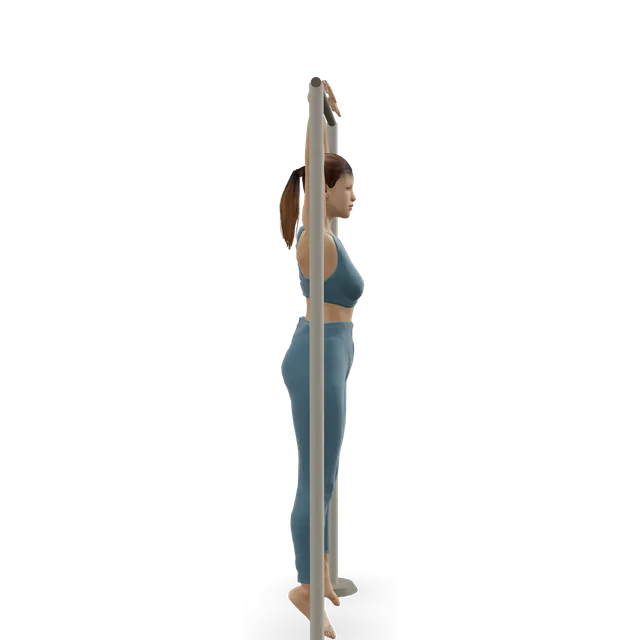 3D demoHanging knee raiseIntermediate · Pull-up bar
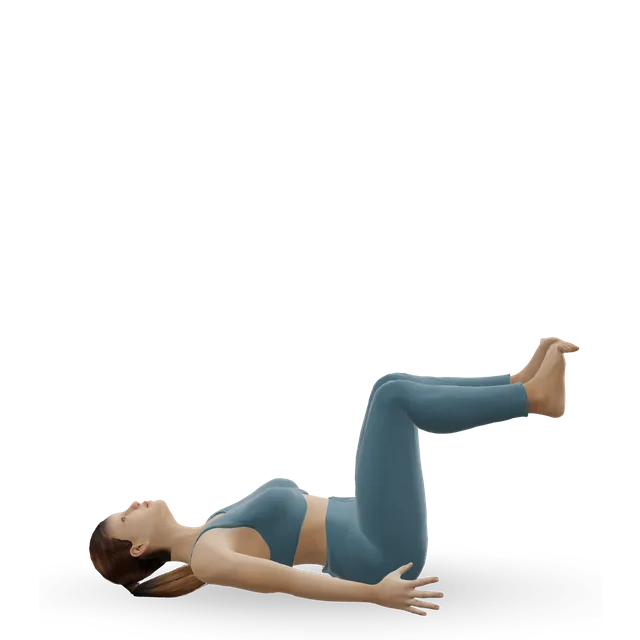 3D demoBent-knee hip raiseIntermediate · No equipment
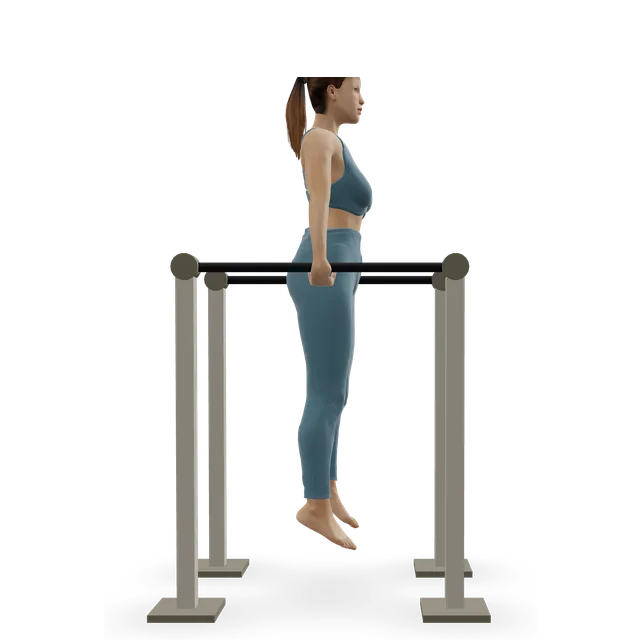 3D demoCaptain's chair knee raiseIntermediate · Other / check instructions
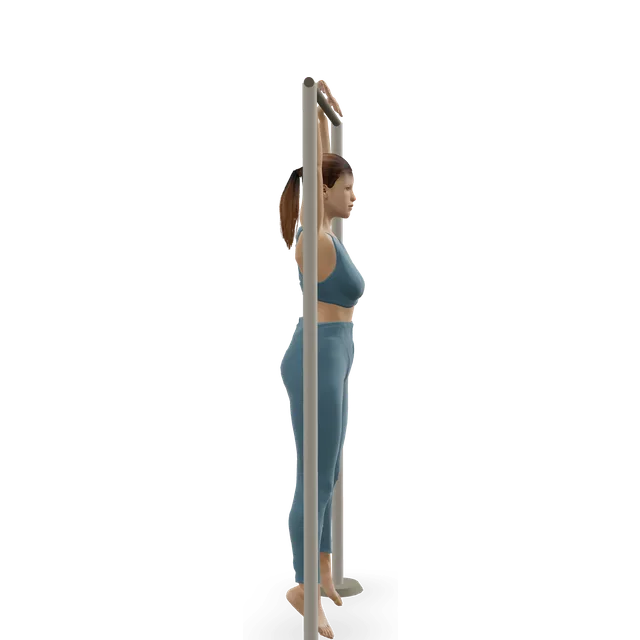 3D demoHanging pikeAdvanced · Pull-up bar
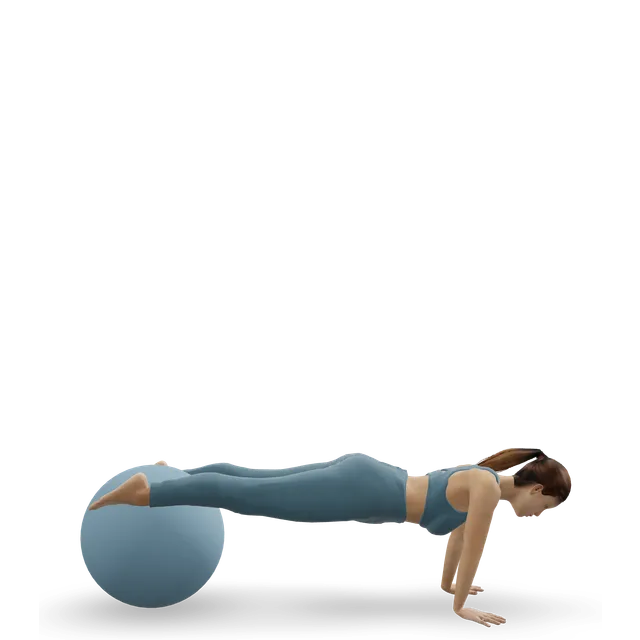 3D demoStability ball knee tuckAdvanced · Exercise ball
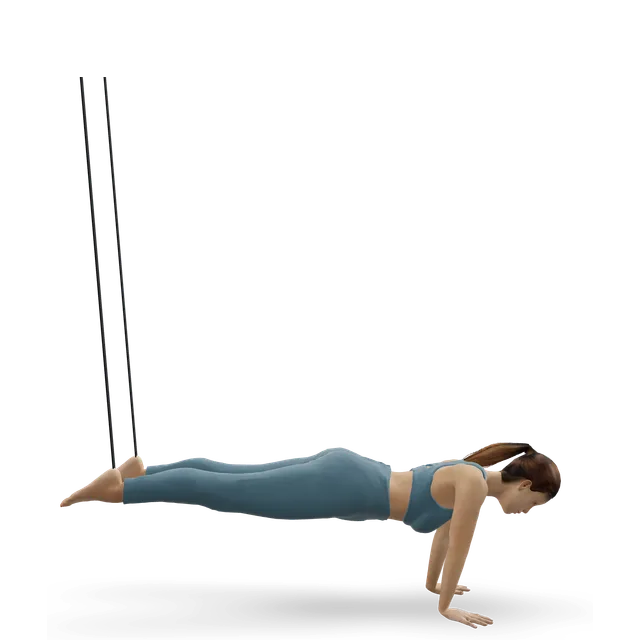 3D demoSuspended knee tuckAdvanced · Other / check instructions
Browse more
Questions people ask
What muscles does the Hanging alternating knee raise (wind sprints) work?
Mainly the abs, with help from the hip flexors and forearms.
What equipment do I need for the Hanging alternating knee raise (wind sprints)?
Pull-up bar.
Is the Hanging alternating knee raise (wind sprints) good for beginners?
It is graded intermediate. If it is too hard right now, start with the Lying leg raise on a bench.
What is an easier alternative to the Hanging alternating knee raise (wind sprints)?
Try the Lying leg raise on a bench or the Seated knee tuck on a bench. It works similar muscles at a lower grade.
How do I make the Hanging alternating knee raise (wind sprints) harder?
Progress to the Chin-up with a knee raise (gorilla chin) or the Hanging straight-leg raise. Follow that guide’s technique and any stated timing.