3D demo
Stability ball knee tuck
Strength · Abs, Hip flexors, Shoulders
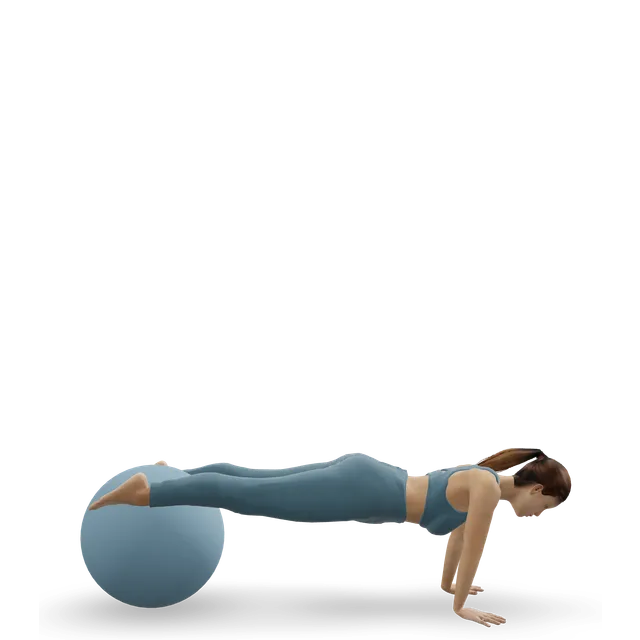
Loading the 3D figure…
The figure repeats the movement from its starting position. Drag to turn it; the arrows open the demos either side.
In a push-up position with the ankles on a stability ball, the knees pull in toward the chest as the ball rolls forward, then push back out: ACE rates the ball knee tuck advanced, against intermediate for the reverse crunch, and the NSCA puts the ball jackknife among its advanced core moves.
Leg raise family
Stability ball knee tuck
Source-researched guide.
Form cues
- Keep the shoulders over the hands.
- Don't let the hips sag as the legs straighten.
Practice and cautions
No universal dose is assigned. Choose a manageable amount for your current capacity, leave room for controlled repetitions, and allow recovery. A clinician’s individual plan takes priority.
This is movement education, not an assessment or treatment prescription. Stop for sharp or increasing pain, dizziness, numbness or tingling; seek individual guidance for symptoms, injury or restrictions.
Sources and review status
Sources support the educational description; they do not establish that this exercise is suitable for you.
- ACE · Stability ball knee tucks (advanced; the reverse crunch intermediate) ↗
- NSCA · Foundations of Fitness Programming (sample core progressions: the ball back extension before the hip and back extension, dumbbell lateral flexion after the side planks, the ball jackknife among the advanced moves) ↗
- Escamilla 2006 · Traditional and nontraditional abdominal exercises compared (the inclined reverse crunch and hanging knee-up among the most activating; Phys Ther) ↗
- Free Exercise DB · community text ↗
Unlicense · Free Exercise DB contributors; derived from wrkout/exercises.json. Text import; no photographs or media. · Revision f00c92c7dcf1216a928a52c3706c7ce8e2f71ed5
No variation is labeled clinically validated.
What it works
Muscles
Main: Abs, Hip flexors. Also: Shoulders, Chest.
Anatomy: Rectus abdominis, Obliques, Transversus abdominis, Iliopsoas, Rectus femoris, Pectineus.
Equipment
Exercise ball
Level
Advanced. See the easier and harder options above.
Guides that use it
Similar moves
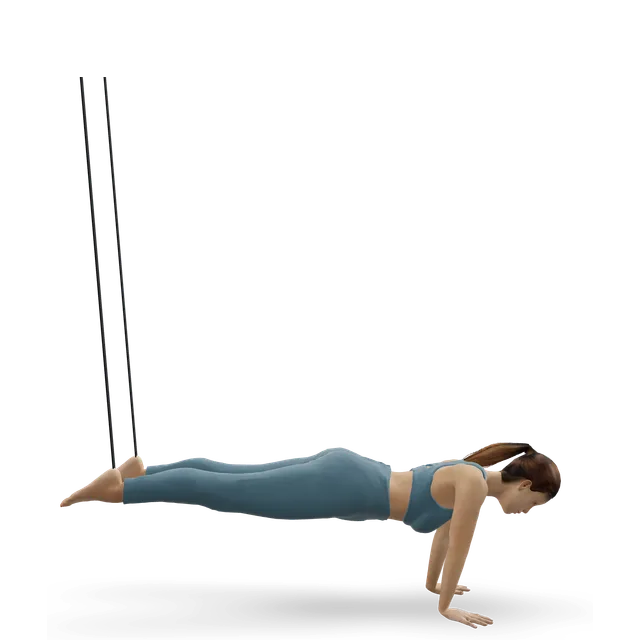 3D demoSuspended knee tuckAdvanced · Other / check instructions
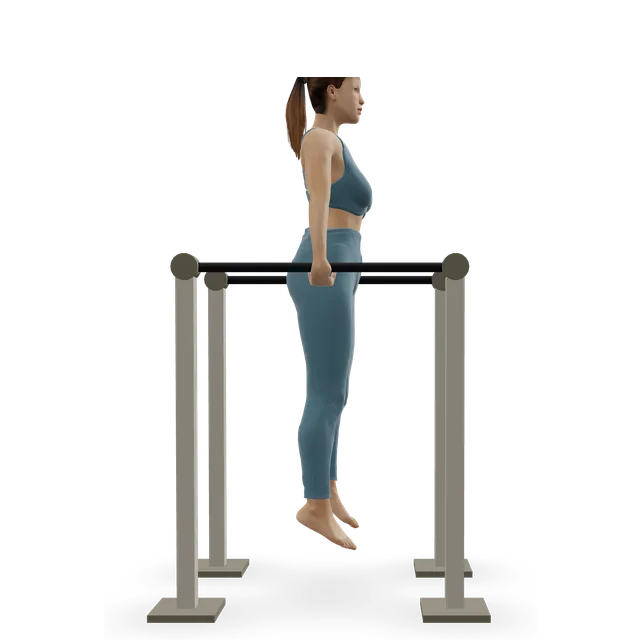 3D demoCaptain's chair knee raiseIntermediate · Other / check instructions
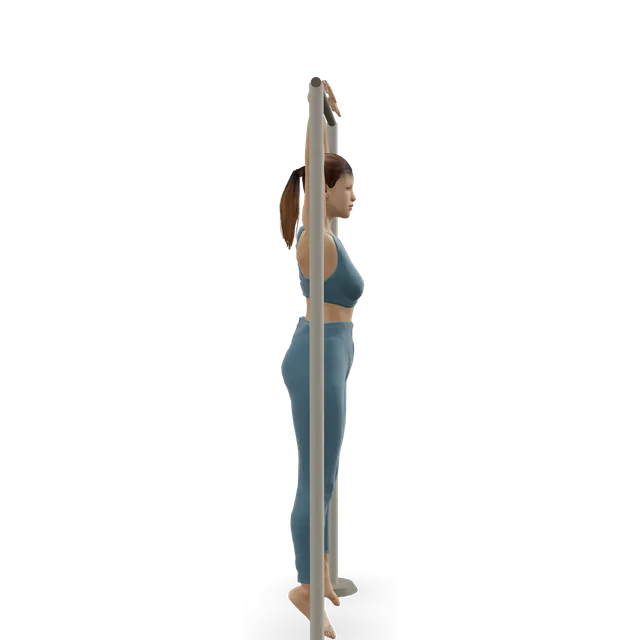 3D demoHanging knee raiseIntermediate · Pull-up bar
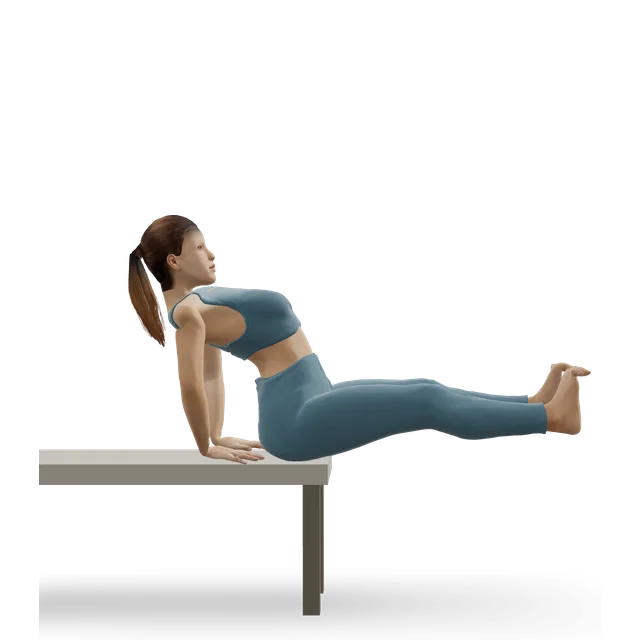 3D demoSeated knee tuck on a benchBeginner · A bench or box
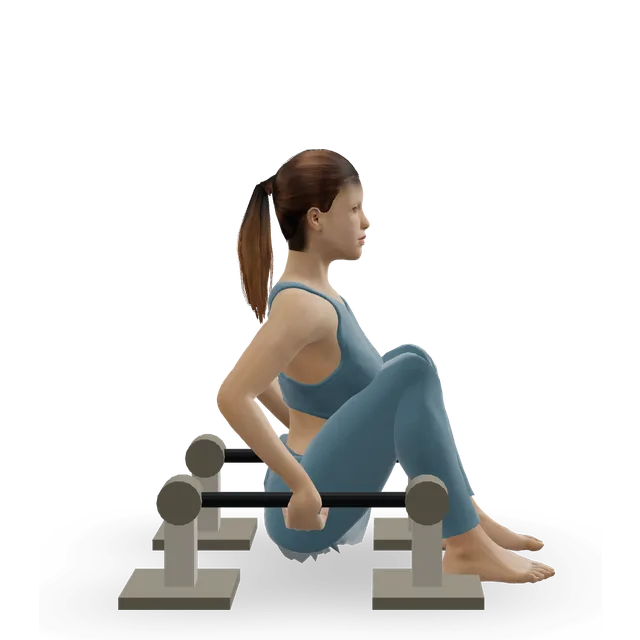 3D demoTuck L-sitIntermediate · No equipment
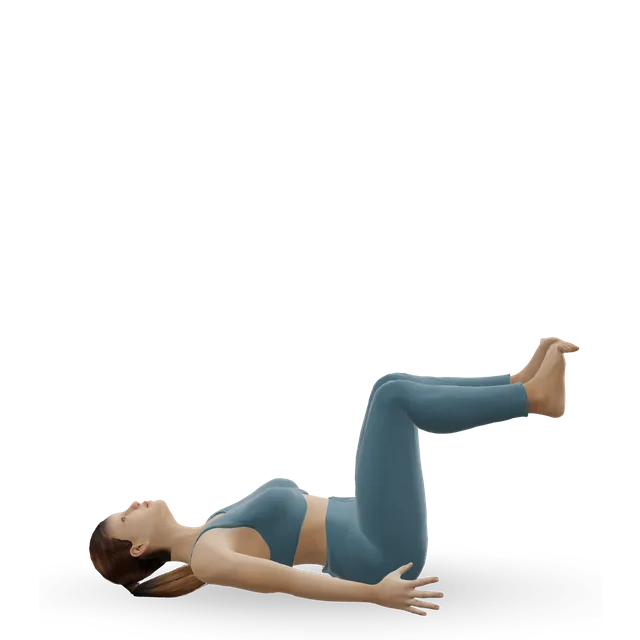 3D demoBent-knee hip raiseIntermediate · No equipment
Browse more
Questions people ask
What muscles does the Stability ball knee tuck work?
Mainly the abs and hip flexors, with help from the shoulders and chest.
What equipment do I need for the Stability ball knee tuck?
Exercise ball.
Is the Stability ball knee tuck good for beginners?
It is an advanced move. Build up to it with the Reverse crunch first.
What is an easier alternative to the Stability ball knee tuck?
Try the Reverse crunch or the Lying leg raise on a bench. Both are written steps in the same progression.
How do I make the Stability ball knee tuck harder?
Progress to the Hanging straight-leg raise or the Hanging pike. Follow that guide’s technique and any stated timing.