Why lifting your leg can hurtStrong evidence
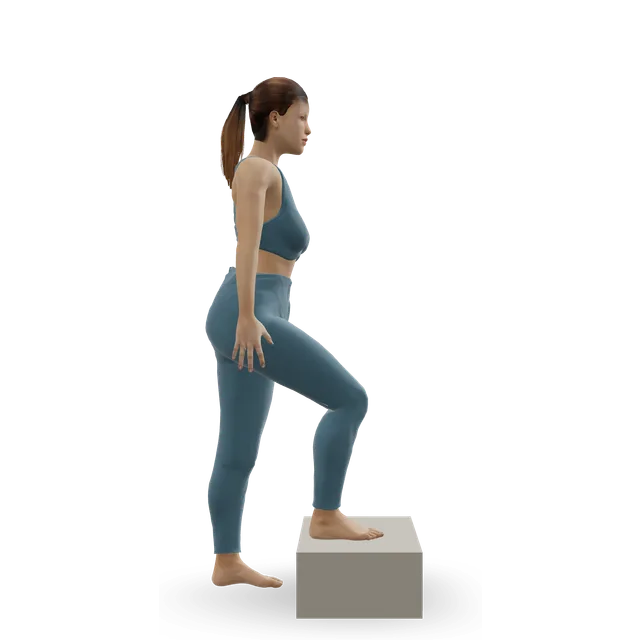
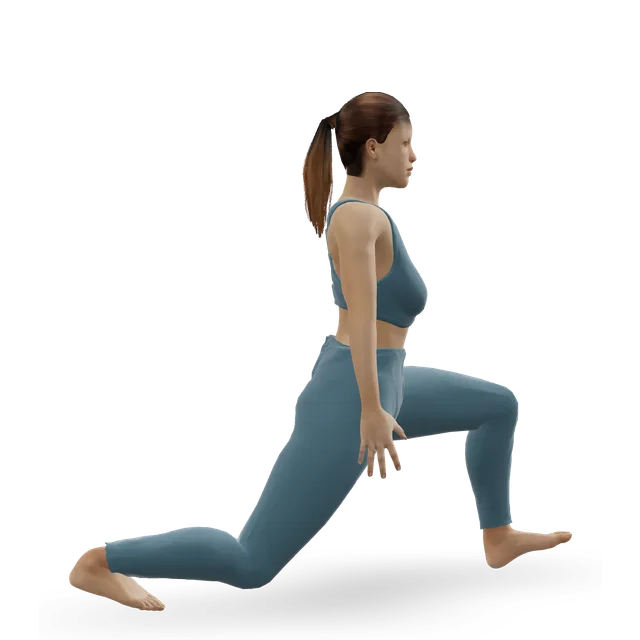
Lifting the leg bends the hip. It uses the hip flexors, the iliopsoas deep in the hip and the rectus femoris at the front of the thigh, and it moves the ball of the thigh bone in its socket. So pain can come from the muscles and tendons, from the joint itself, or from nearby: an international agreement sorts groin pain in athletes into the inner thigh muscles (adductors), the iliopsoas, the area just above the groin crease (inguinal), the pubic bone, the hip joint, and other causes such as hernias, trapped nerves, the back, stress fractures and, rarely, infections, appendicitis and tumours.
In young and middle-aged active adults, the commonest hip-joint causes are hip impingement, a shallow socket and problems with the labrum and cartilage, a second consensus says. From mid-life, arthritis becomes common: the NHS says it can make it "difficult to put your shoes and socks on or to get in and out of a car".
Sources 1, 9, 13
It isn't usually just the hip flexors (athlete data)Mixed evidence
No study has counted the causes of pain lifting the leg in the general public; the figures come from athletes, mostly men. In 207 athletes with long-standing groin pain at one Danish clinic, the inner thigh muscles were the main problem in 58% and the hip flexors in 36%, and a third had more than one. In elite football over 7 seasons, 628 hip and groin injuries were 12 to 16% of all injuries, with the adductors (399) far ahead of the iliopsoas (52); 49% of 695 sub-elite footballers had hip or groin pain in a season.
Sudden hip flexor injuries are mostly the rectus femoris, from kicking and sprinting (16 of 33 on MRI in one study; kicking caused 54% of rectus femoris injuries in 105 professional footballers), then the iliacus. Examination finds inner thigh injuries reliably but places hip flexor injuries poorly, and 21% of acute groin injuries in 81 athletes had a normal MRI. So a hip flexor strain is common, but it's one cause among several.
Sources 2, 3, 4, 5, 6, 7, 8
The front of the hip joint: impingement and the labrumEmerging evidence
In 51 people (52 hips) with hip impingement, average age 35, waiting for surgery at one US centre, the pain was in the groin in 83%, sitting made it worse in 65%, and 31% found putting on shoes and socks difficult (4% couldn't). The test that bends the hip and turns it in hurt in 88%, and it had taken an average of 3.1 years to be diagnosed. In 66 labral tears confirmed at keyhole surgery, 92% had groin pain. These are selected surgical groups, so they show what it can feel like, not how common it is.
An international agreement says hip impingement (FAI syndrome) needs symptoms, signs on examination and imaging together; a shape on a scan alone is never the diagnosis.
Sources 10, 11, 9, 12
Arthritis: a stiff hip that loses turning-in firstStrong evidence
The National Institute for Health and Care Excellence (NICE) diagnoses osteoarthritis without a scan in people aged 45 or over with joint pain on activity and no morning stiffness, or stiffness lasting no longer than 30 minutes. The NHS describes pain in the groin or outside the hip, and trouble with socks, shoes and the car. In a UK primary care study, losing the ability to turn the hip in was the most telling sign on examination.
Sources 13, 14, 15
To the side, lying down and to the chestEmerging evidence
Lifting the leg out to the side works the gluteal tendons on the outer hip, and NHS inform lists "pain when lifting legs in or out of a car or bed" among the signs of outer hip pain, which is commonest in women aged 40 to 60.
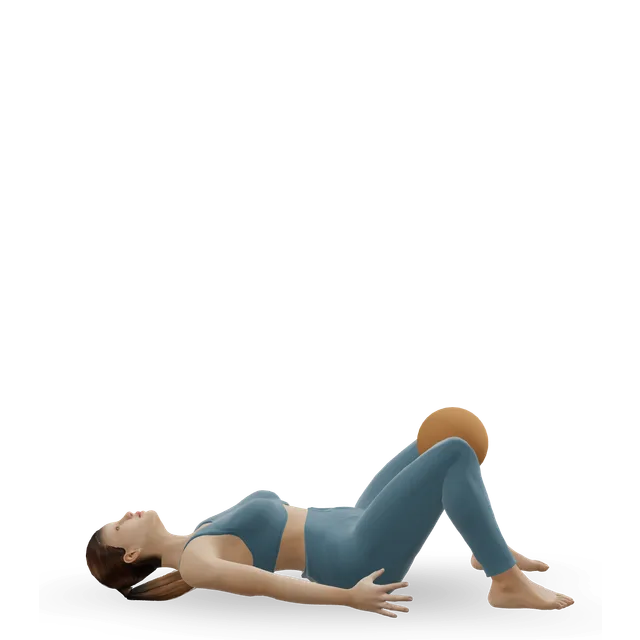
Lifting the straight leg while lying down is a long lever. In healthy volunteers, the iliopsoas worked hardest at around 60 degrees of lift. In 6 people with sensor-fitted hip replacements, a lying straight leg raise loaded the joint at about 1.4 to 1.5 times body weight, with a twisting force about 7 times that of a side leg lift. That's why it can bring on iliopsoas pain, which clinicians test for by lifting the leg against resistance and by stretching the front of the hip, and why a review of hip stress fractures says a straight leg raise can aggravate them.
Sources 16, 20, 21, 22, 17, 23
Snapping, and a teenager's popEmerging evidence
A snapping hip is very common and often painless: 91% of 87 elite ballet dancers reported one, and 58% had pain with it. Deep, painful catching or locking is different and needs checking.
Until the growth plates fuse, a hard sprint or kick can pull a piece of bone off the front of the pelvis. In 228 such injuries (average age 14), half were at the attachment of the rectus femoris and 30% at the sartorius, mostly from sprinting or kicking, and 97% healed without surgery. They need an X-ray the same day.
Sources 18, 19
What a scan does and doesn't showStrong evidence
Across 29 studies, labral tears showed on scans in 54% of people without hip pain and 62% of people with it, and across 26 studies of 2,114 hips without symptoms, a cam shape (a bump on the ball of the hip) showed in 37%, rising to 55% in athletes. A cam shape went with a higher chance of arthritis later in life (relative risk 1.62 in 23,886 hips of older adults), which says nothing about whether treating it helps.
So most people don't need a scan at first. Arthritis from 45 is diagnosed without one; for impingement in a younger adult, X-rays come first and MRI only for more detail, such as planning surgery. Scans do matter for a suspected stress fracture (MRI, because up to two thirds have a normal first X-ray), a teenager's pop at the front of the hip (X-ray), and a hernia that can't be felt clearly (ultrasound).
Sources 24, 25, 26, 14, 9, 8, 23, 29
Hernias, nerves and the tummyEmerging evidence
A hernia lump "may get bigger when you cough, sneeze or cry, and get smaller when you lie down", sometimes with "a heavy, dragging feeling in your leg", the NHS says; a femoral hernia is a small lump at the top of the thigh, "about the size of a grape". Groin hernias affect 27% to 43% of men and 3% to 6% of women over a lifetime; femoral hernias are about 4 times commoner in women and more often need an emergency operation (36% to 39% in Swedish and Danish registries, against 5% of inguinal hernias).
A nerve from the upper part of the lower back can cause pain or numbness at the front of the thigh; upper lumbar disc problems are only 1% to 11% of disc herniations, and the clinical tests are specific but miss about half. NHS inform says hip problems can come from the back "even though you don't feel pain in your back". A burning, numb patch on the outer thigh with no weakness is meralgia paraesthetica, about 32 new cases per 100,000 people a year.
Rarely, the tummy is the cause. Appendicitis pain usually starts around the belly button and moves to the lower right side, the NHS says; pain on moving the right leg (the psoas sign) only modestly raises the chance of appendicitis. An abscess in the psoas muscle is rare (about 1.2 per 100,000 people a year in a Japanese study) and comes with a fever.
Sources 27, 28, 29, 30, 31, 32, 33, 34, 35, 36
How it usually goesEmerging evidence
In elite athletes, hip and groin injuries kept footballers out for 15 days on average, acute adductor injuries took a median of 18 days to full training (78 days for the worst grade), and rectus femoris injuries about 20 days in track and field. Long-standing groin pain had lasted a median of 40 weeks before one trial, and most who trained actively got back to sport. Impingement often goes on for years before it's diagnosed. In 495 people with suspected early hip arthritis, 76% had stable or easing pain over 10 years. NHS inform expects a new hip problem to begin to settle within 6 weeks. No one can promise a date.
Sources 4, 37, 38, 45, 10, 39, 32