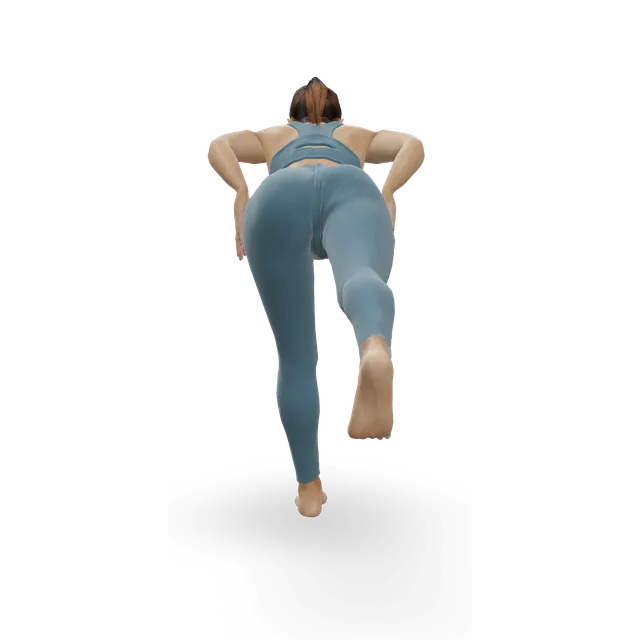
Snapping hip: why your hip clicks or pops, and exercises that help
A snapping hip is a click, clunk or snap you can feel or hear as your hip moves. It's usually a tendon flicking over a bony bump: the iliotibial (IT) band on the outside of the hip, or the hip flexor tendon at the front. Clinicians agree that most snapping is painless and harmless, and needs no treatment.
When it hurts, exercise comes first: easing off the moves that set it off, then building hip and trunk strength over 6 to 12 weeks. This guide explains the three types, why it's so common in dancers, the signs that point to a problem inside the joint, what injections and surgery offer, and a staged plan with a 3D demo of every exercise.
Exercise is for pain that has been checked or is clearly mild and settling.
Get urgent medical help if
Severe hip pain after a fall or injury, or you cannot stand, walk or put weight on the leg. In an older adult this can be a broken hip; the leg may look shorter or turned outward.
Tingling or loss of feeling in the hip or leg after an injury.
A hot, swollen hip, or hip pain with a fever or feeling generally unwell (a possible joint infection).
A child or teenager with sudden hip, thigh or knee pain, a limp, or who will not put weight on a leg. Hip problems in children can be felt only in the knee.
Same day, and stop running now: groin or front-of-hip pain in a runner, sometimes felt in the thigh or knee, that builds with running, hurts with every step or at night, or hurts when the hip is turned to the end of its range. Keep weight off the leg, using crutches if you have them, and get an urgent GP appointment or help from NHS 111 the same day: a stress fracture of the hip (femoral neck) needs urgent imaging.
See a doctor or physiotherapist if
The hip catches, locks or gives way, or the click hurts deep in the groin: a problem inside the joint, such as a labral tear or a loose fragment, is possible.
Snapping that started after an injury or a fall.
Pain at night that is regular or constant, a new limp, one foot turning outwards, or pain that doesn't settle with rest.
Hip pain that stops normal activities or disturbs sleep, keeps getting worse, or has not improved after 2 weeks of looking after it at home.
Painful snapping that hasn't improved after about 8 weeks of regular exercises: ask a physiotherapist or sports medicine doctor to review it.
Stiffness lasting more than 30 minutes after waking.
Understand it
Three kinds of snappingStrong evidence
Snapping hip (coxa saltans) is a snap you can feel or hear as the hip moves. It comes in three main kinds:
Outside of the hip (external, the commonest kind): the thick back edge of the IT band, or the front of the gluteus maximus, flicks over the bony point on the side of the hip as it bends and straightens. It can feel as if the hip is slipping, and you may see a jerk at the side of the hip.
Front of the hip (internal): the iliopsoas tendon, the main hip flexor, flicks over the front of the pelvis or the ball of the hip, usually as you straighten the hip from a bent, turned-out position, at about 30 to 45 degrees of bend. It needs the hip flexor to be working.
Inside the joint (less common): a tear of the labrum, the rim of cartilage round the socket, a cartilage flap or a loose fragment. This feels more like catching, locking, a painful click or a sharp pain deep in the groin, and the labral tear guide covers it.
Rarer sources: the rectus femoris tendon at the front of the hip, and the hamstring tendons at the sitting bone.
A 2010 review estimated that 5 to 10% of people have a hip that snaps without pain, a figure it took from older work. Snapping may be more common in people who use the extremes of hip movement: dancers, footballers, runners and weightlifters.
In a study of 87 elite ballet dancers, 91% reported snapping, mostly in both hips, and more than half reported pain with it; 7% had taken time off dance because of it. In one dance medicine clinic, painful or weak front-of-hip snapping (iliopsoas syndrome) was diagnosed in 9.2% of injured female dancers and 3.2% of injured male dancers, most often in students and under-18s. Ballet dancers may also have more damage to the cartilage and labrum inside the hip, and more wear, than other people: the odds were higher in 15 of 18 groups in a review. That's one more reason to get painful catching checked.
In teenagers, growth spurts and tight muscles are often blamed. Surgery that used the IT band, and a hip replacement, can also lead to snapping on the outside of the hip.
How it's recognised, and what scans showEmerging evidence
A clinician asks where the snap is, which movements set it off and whether you can make it happen, then reproduces it. X-rays are usually normal and are taken mainly to rule out other bone or joint problems. An ultrasound scan done while you move can show a tendon flicking, though in the dancer study it couldn't find the cause in a third of hips. An injection of local anaesthetic around the tendon or into the joint can tell the kinds apart when that matters, and an MRI (magnetic resonance imaging) scan is for a suspected problem inside the joint.
A scan finding has to fit the symptoms. Tears of the labrum show up on MRI in about half of hips that don't hurt (54% in a review of studies), so a tear on a scan in someone with a painless snap doesn't make the tear the cause. A painless snap needs no scan.
When it matters, and how it usually goesEmerging evidence
The snap matters when it hurts, stops you doing things, or comes with catching, locking or the hip giving way. An NHS leaflet tells families that the hip isn't coming out of joint: the hip is a very strong, stable joint.
When it hurts, most cases settle with time, changes to activity and exercise. An NHS leaflet expects the exercises to make a difference after at least 3 weeks, with the hip feeling normal after about 8, though everyone is different.
Pain at the front of the hip when you lift the knee, without a snap, is covered in the hip flexor guide. Deep, painful catching or locking is covered in the labral tear guide. A pinch at the front of the hip when you bend deeply is covered in the hip impingement guide; a snap is not a pinch.
Pain on the outside of the hip when you lie on it is covered in the hip bursitis guide. A painful snap on the outside of the hip can come with an irritated bursa or tendons over the bony point, and then that guide's rules apply as well.
A painless snap needs no treatmentEmerging evidence
Clinicians agree that most snapping is painless and harmless. The American Academy of Orthopaedic Surgeons (AAOS) calls it usually painless and harmless, and NHS leaflets say a click or snap that doesn't hurt is nothing to worry about. This is clinical consensus rather than trial evidence. There's no need to avoid every movement that clicks, and testing it over and over doesn't help (our suggestion).
For painful snapping, care without surgery comes firstEmerging evidence
Every source read for this guide starts without surgery: easing off the movements that set off a painful snap, ice early on, and exercise for the hip muscles with a physiotherapist's guidance. The AAOS also suggests changing how you train for a while, for example less cycling, or swimming with the arms only. An NHS children's leaflet gives three stretches (front of the hip, outer hip and hamstring), each held for 30 seconds, and side-lying leg lifts, 8 to 12 times, all done 2 to 3 times a day.
A dance medicine clinic treated 49 dancers with painful front-of-hip snapping with rest from the moves that set it off, anti-inflammatory medicine, hip flexor stretching and progressive strengthening, trunk control work and changes to dance technique, such as limiting développés and grands battements. All of them recovered without an injection or surgery, though the therapists were dance specialists and the results may not apply to everyone.
How often it works: small, older case seriesMixed evidence
The success rates come from small, older case series without comparison groups: 36 to 67% of people improved or recovered without surgery in the earliest reports, and 77 to 100% in small series of athletes and dancers, including all 49 dancers in the clinic above. These series are at high risk of bias, so they can't say how much of the improvement came from the treatment and how much from time.
Why this guide builds strength rather than stretching hardEmerging evidence
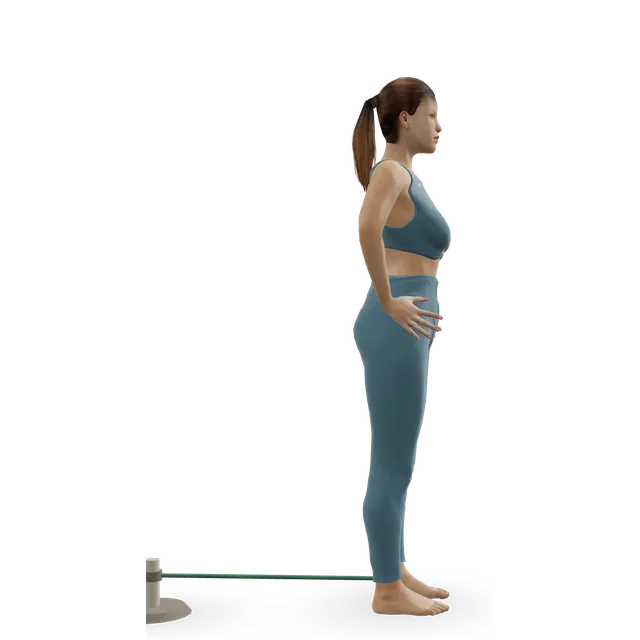
Front-of-hip snapping happens partway through the movement while the hip flexor is working, so reviewers suggest that changing how the muscle works may matter. Hip flexors respond quickly to training: in a trial in healthy adults, 6 weeks of band hip flexion, 3 times a week, raised hip flexion strength by 17%. That trial wasn't in people with snapping hip.
With a painful snap on the outside of the hip, the bony point there is often sore. Stretches that pull the thigh across the body press the buttock tendons against that bone, as the hip bursitis guide explains, so this guide leaves them out while the spot is tender. No trial has compared stretching with strengthening for snapping hip; stretching rests on case series.
Injections: short-term relief, and a testEmerging evidence
An image-guided steroid injection around the iliopsoas tendon brought short-term improvement in about 50 to 70% of people in studies without comparison groups, and it also helps confirm where the pain comes from. A steroid injection into an inflamed bursa on the outside of the hip is another option the AAOS lists.
Surgery: for the few who don't settleEmerging evidence
Surgery is for the rare painful snap that doesn't settle without it; some surgical studies required at least 6 months of other care first. For snapping on the outside of the hip, keyhole release or lengthening of the IT band improved symptoms and function across 9 mostly retrospective studies (403 people, 689 hips), and the snapping came back in about 1%.
For front-of-hip snapping, the iliopsoas tendon can be released or lengthened, often during keyhole surgery for a problem inside the joint. In 4 matched comparisons, people improved as much without the release as with it, so it added no clear benefit, and in one comparison it left the muscle about 25% smaller and seated hip flexion strength 19% lower. Hip flexor weakness is the commonest reported complication.
A painless snap is fine; pain is the guideEmerging evidence
A click or snap without pain is not a reason to stop, and there's no need to avoid every movement that clicks.
For pain, this guide borrows the hip pain guide's rule. During an exercise, pain up to about 5 out of 10 is acceptable, as long as it settles afterwards and your hip is no worse that night or the next morning. If it is worse, do less next time (fewer repetitions, a smaller range, a lighter load), not nothing. The rule comes from pain-monitoring studies in arthritis and tendon pain; it hasn't been tested in snapping hip.
If an exercise makes the snap painful, make the movement smaller or slower, or change the angle a little, for example by turning the leg slightly in or out, until it doesn't (our suggestion). An NHS leaflet says to stop an exercise that increases hip pain. Painful catching, locking or a feeling of the hip giving way isn't part of the rule: get it checked.
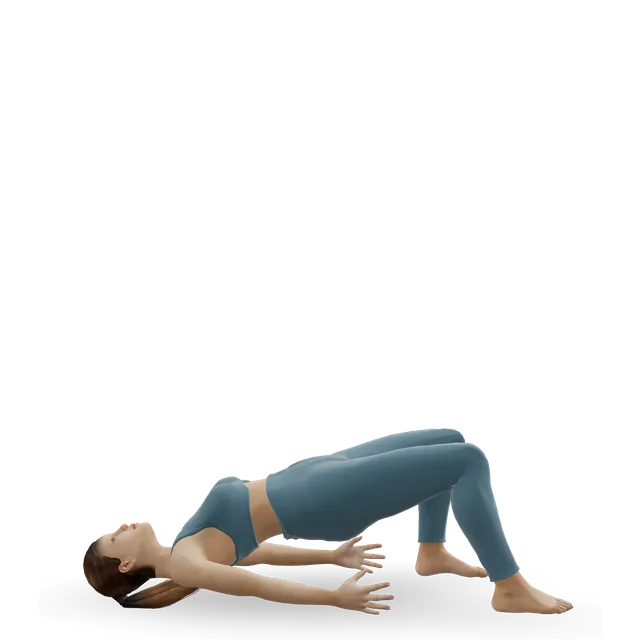
With pain on the outside of the hip, use the hip bursitis guide's stricter rule for squats, bridges and side steps: no increase in that outer hip pain.
Start at the first stage. Each move opens a full guide with a 3D demo.
Stage 1
Settle: ease the snap and keep the hip working (about weeks 0 to 2)
Cut back, rather than stop, the movements that set off a painful snap: for dancers, développés and grands battements at full turnout; for others, repeated deep hip bending or long bike rides. Ice can help for the first few days. Exercises daily. Doses are editorial unless marked as an NHS leaflet's.
Move on when: The snap no longer hurts in daily life, these feel easy, and the hip is calm the next morning.
Follow along: a timer, a cue and the next move, one step at a time.
Stage 2
Build: hip flexor and hip strength through the range (about weeks 2 to 6)
Load the hip flexors and the side and back of the hip 3 times a week, and keep normal activity going within the pain rule. The band hip flexion progression comes from a trial in healthy adults; other doses are editorial.
3 sets, building from about 15 to about 8 hard repetitions over the weeks, 3 times a week · The trial's progression. Lower slowly, and stop the knee short of any painful snap
Move on when: Band hip flexion is strong and pain-free on both sides, and single-leg work doesn't bring on a painful snap.
Follow along: a timer, a cue and the next move, one step at a time.
Stage 3
Strengthen and return to sport or dance (about weeks 6 to 12)
Heavier single-leg strength and control, then the moves of your sport or dance in short blocks within the pain rule. Dancers can bring back développés and grands battements gradually, in a smaller range and with less turnout at first. Keep two strength sessions a week afterwards. Doses are editorial.
Move on when: You can train fully without a painful snap. If it hasn't settled after about 8 to 12 weeks of regular exercise, see a physiotherapist or sports medicine doctor: an injection or, rarely, surgery may be discussed.
Follow along: a timer, a cue and the next move, one step at a time.
What to change for now
Change the activity, don't stop it
Cut back whatever sets off the painful snap for a while: fewer deep hip bends, shorter bike rides, and swimming with the arms only, using a float between the legs. Dancers can limit full-turnout développés and grands battements and bring them back in a smaller range. Ice wrapped in a towel can ease a sore hip in the first few days.
A painful snap on the outside of the hip can come with an irritated bursa or tendons over the bony point. Then follow the hip bursitis guide's advice as well: lie on the other side with a pillow between your knees, and leave out stretches that pull the thigh across the body until the bony point is no longer tender.
Usually a tendon flicking over a bony bump: the IT band over the bony point on the outside of the hip, or the hip flexor tendon at the front. If it doesn't hurt, it's usually harmless and needs no treatment.
Is a snapping hip serious?
Rarely. It matters when it hurts, stops you doing things, or comes with catching, locking or the hip giving way, which can mean a problem inside the joint such as a labral tear. Get those checked.
Is my hip popping out of joint?
No. The snap is a tendon moving over bone, and the hip isn't coming out of place: an NHS leaflet calls the hip a very strong, stable joint.
What's the difference between internal and external snapping hip?
External snapping is on the outside of the hip, where the IT band or gluteus maximus flicks over the bony point. Internal snapping is at the front, where the iliopsoas tendon flicks, often as you straighten the hip from a bent, turned-out position. Snapping from inside the joint feels more like catching or locking deep in the groin.
What exercises help a snapping hip?
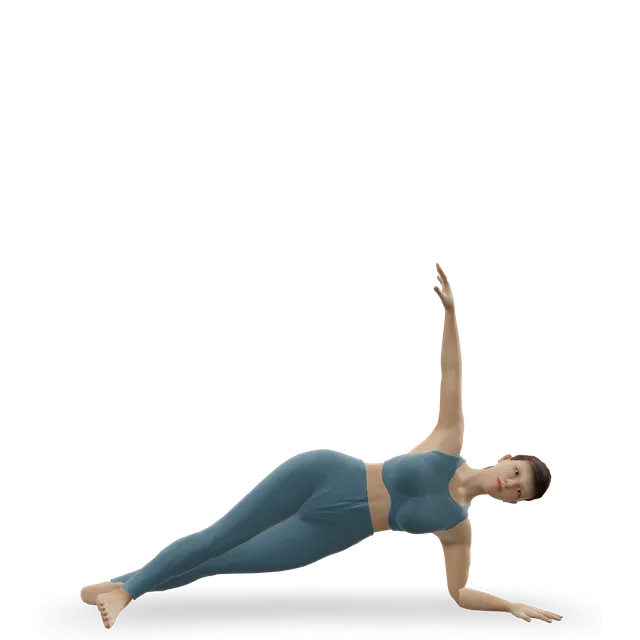
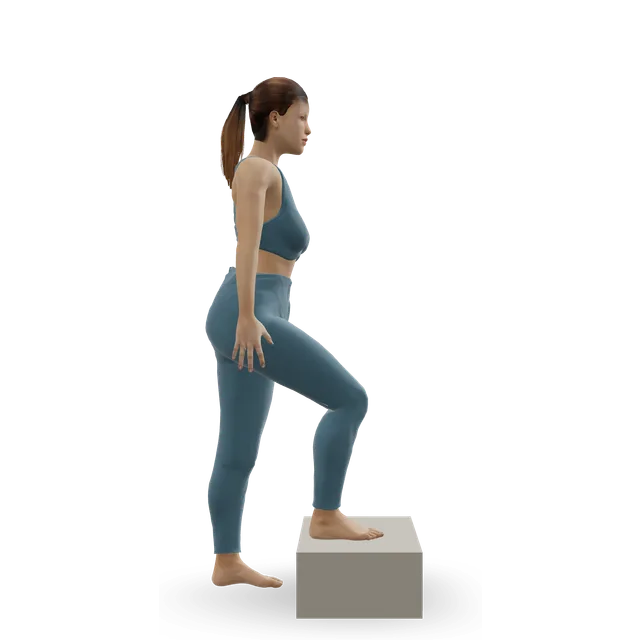
Strength and control for the hip and trunk, built up over weeks: bridges, side-lying leg lifts, band hip flexion, step-ups and single-leg work, with gentle stretches if they're comfortable. The plan on this page starts gently and adds load stage by stage.
What exercises should I avoid?
For now, whatever makes the snap painful: often deep hip bending, slow straight-leg lowering, full-turnout dance moves and, with a sore outer hip, IT band stretches across the body. A painless click doesn't need avoiding.
How long does a snapping hip take to settle?
An NHS leaflet says the exercises usually take at least 3 weeks to make a difference, and the hip often feels normal after about 8 weeks. Most painful snapping settles without surgery, though how long it takes varies.
Why is snapping hip so common in dancers?
Ballet uses the extremes of turnout and hip bending, where tendons are most likely to flick. In a study of elite ballet dancers, 91% reported snapping, and more than half reported pain with it, so a painful snap in a dancer is worth treating.
Should I stretch my IT band?
Gentle stretches are optional if they feel good, but no trial supports them for snapping hip. If the bony point on the outside of the hip is sore, skip stretches that pull the leg across the body, because they press on the sore tendons.
Do I need a scan?
Usually not. X-rays are normal in most people with a snapping hip. A clinician may use ultrasound to watch the tendon move, or an MRI scan if a problem inside the joint is suspected.
Do injections or surgery help?
A steroid injection around the tendon can ease pain for a while and help confirm where it comes from. Surgery is for the few whose painful snapping doesn't settle after good rehab, and releasing the hip flexor tendon can leave the hip flexor weaker.
Exercise education, not a diagnosis or treatment plan. It is written from the guidelines and studies listed above; review by a clinician is pending. If your pain follows an injury, is severe, is getting worse, or comes with any warning sign listed on this page, get it assessed. Health disclaimer.