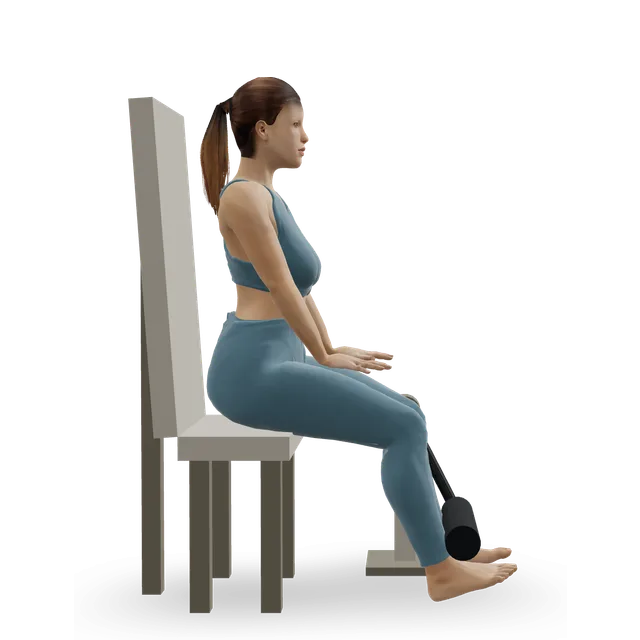
Pain guide · Hip pain

Hip pain in older adults: arthritis, the outer hip, the back, falls and a broken hip, and what helps

Hip pain is common in later life, and it usually comes from the hip joint (osteoarthritis), the tendons on the bony point of the outer hip, or the lower back. Osteoarthritis is the joint's everyday repair falling behind, not a hip wearing out, and it doesn't necessarily get worse. Exercise is the main treatment at any age, though its average benefit is small, and a walking stick in the opposite hand, stairs taken good leg first and a firmer, higher chair help in the meantime. Polymyalgia rheumatica, a hernia at the top of the thigh and, rarely, an infection or a problem in the bone can show up as hip pain too, and each has its own clues.

Some hip pain needs help first: call 999 or go to accident and emergency (A&E) for severe hip pain after a fall, or if you can't stand, walk or put weight on the leg, because in later life this can be a broken hip. Less severe hip pain after a fall that still makes walking hard needs checking too, even if you can stand: our suggestion is the National Health Service's 111 line (NHS 111) the same day. A hot, swollen hip with a high temperature needs an urgent appointment with your general practitioner (GP) or NHS 111. This guide covers the causes and how common each is, what helps (exercise, weight, painkillers, injections and surgery), walking aids, stairs, chairs and falls, and a three-stage plan with 3D demos.

When to get help first

Exercise is for pain that has been checked or is clearly mild and settling.

Get urgent medical help if

  • Call 999 or go to A&E: severe hip pain after a fall or injury, or you cannot stand, walk or put weight on the leg. In an older adult this can be a broken hip; the leg may be at an odd angle or look shorter. Don't drive yourself.
  • Call 999 or go to A&E: tingling or loss of feeling in the hip or leg after an injury.
  • After a fall, hip, groin or thigh pain that isn't severe but makes walking hard, even if you can still stand or take some weight: get help from NHS 111 the same day and say you've fallen (our suggestion; the NHS says hip pain after a fall needs urgent medical help). The American Academy of Orthopaedic Surgeons says that with some broken hips you can still take part of your weight, though it hurts badly, and that a small number aren't as painful at first; a break can also hide on the first X-ray.
  • Call 999 if you or someone else has fallen and may have hurt the head, back, neck or hip, or cannot get up. Get help from NHS 111 after a fall if you may be in pain, injured or unwell.
  • Ask for an urgent GP appointment or get help from NHS 111 if you have severe hip pain that started suddenly but you've not had a fall or injured your hip, your hip is swollen and feels hot, the skin around your hip has changed colour, or you have hip pain, feel generally unwell and have a high temperature (although not everyone has one) or feel hot, cold or shivery. A hot, swollen hip with a high temperature can be a joint infection.
  • Call 999 or go to A&E if you have sciatica on both sides, weakness or numbness in both legs that's severe or getting worse, or numbness around or under your genitals, or around your bottom (anus); if you find it hard to start peeing, cannot pee or cannot control when you pee; or if you do not notice when you need to poo or cannot control when you poo, and this is not normal for you. These could be symptoms of a serious back problem that needs to be treated in hospital as soon as possible.
  • Call 999 or go to A&E if breathing suddenly becomes difficult, if pain in your chest or upper back comes on suddenly with breathlessness or a very fast heartbeat, or if someone passes out. These are the NHS's signs of a blood clot in the lungs (a pulmonary embolism) or another serious condition. Don't drive yourself.
  • Same day (urgent GP appointment or NHS 111): throbbing pain in one leg (rarely both), usually the calf or thigh; swelling in one leg (rarely both); red, blue or darkened skin around the painful area, which may be harder to see on brown or black skin; or swollen veins. This can be a deep vein thrombosis (DVT). It is more likely after surgery, a hospital stay, 3 or more days in bed, a journey of over 4 hours, pregnancy or a recent birth, cancer, a previous clot, or contraception or hormone replacement therapy (HRT) that contains oestrogen.
  • Call 999 or go to A&E now if you have a femoral hernia (a small lump at the top of your thigh, in your groin) and very bad tummy pain, you feel sick or you're being sick, you cannot fart or poo, you have a high temperature or you feel hot, cold or shivery, or you've suddenly become confused. Do not drive to A&E. With any other hernia and pain in or around it, a bloated tummy, feeling or being sick, vomiting blood or vomit that looks like coffee grounds, constipation, a high temperature or feeling hot, cold or shivery, or sudden confusion, get help from NHS 111.
  • Contact a GP immediately, go to 111.nhs.uk or call NHS 111: a new or frequent headache that usually comes on suddenly (your scalp may also feel sore or tender), pain in the jaw muscles or tongue when eating or talking, or problems with your sight, such as double vision or loss of vision in 1 or both eyes. With pain and stiffness around the shoulders, these can be signs of temporal arteritis (giant cell arteritis), which up to 1 in 5 people with polymyalgia rheumatica develop. If you suddenly can't see from 1 or both eyes, call 999 or go to A&E.
  • If the hip was replaced: severe hip pain, a leg that looks shorter or is turned unusually far in or out, a new bulge at the side of the hip, or walking that is suddenly difficult or painful can mean it has dislocated. Don't walk on it; go to A&E straight away.
  • After a recent hip replacement, ask for an urgent GP appointment or call NHS 111 for throbbing or cramping pain in your hip or leg, a high temperature or feeling hot, cold or shivery, oozing or pus from the wound, or redness, tenderness, swelling or pain in your hip or leg that isn't getting better or is getting worse. Call 999 or go to A&E for pain and swelling in your hip or leg with difficulty breathing or chest pain.

See a doctor or physiotherapist if

  • Hip pain that stops normal activities or disturbs sleep, keeps getting worse or keeps coming back, or has not improved after 2 weeks of looking after it at home.
  • Stiffness lasting more than 30 minutes after waking.
  • See a GP if you have pain and stiffness for more than a week, especially if you're over 50, it's in both shoulders (often the neck and hips too) and the stiffness lasts longer than 45 minutes in the morning. It can be polymyalgia rheumatica.
  • Bone pain that is constant or worse at night, especially with a lump, unexplained weight loss, fever or tiredness, or a past history of cancer.
  • You are 60 or over with bone pain in your hips, back, ribs or shoulders that won't go away, especially with tiredness, feeling very thirsty or weight loss: see a GP. The National Institute for Health and Care Excellence (NICE) asks GPs to offer blood tests for myeloma in people 60 and over with persistent bone pain.
  • Hip or groin pain that hasn't settled after 6 weeks, especially with a normal X-ray, or new hip pain if you take high-dose steroids, drink heavily, or have sickle cell disease or lupus: ask your GP about an MRI (magnetic resonance imaging) scan and a hip specialist. It can be avascular necrosis, which an X-ray can miss early on.
  • You take a bisphosphonate bone medicine, especially if you've taken it for years, and get new thigh, hip or groin pain: tell your GP, as the medicines regulator asks. Rarely, long-term treatment leads to an unusual break in the thigh bone, which can ache for weeks or months first. Don't stop the medicine on your own (our suggestion): these breaks are far fewer than the fractures it prevents.
  • A lump in the groin, upper thigh or tummy, especially one that appears when you cough or strain and goes when you lie down: see a GP, as it may be a true hernia. A femoral hernia (a small lump at the top of the thigh, mainly in women over 50, though it can happen to anyone) needs treating in hospital.
  • Any fall or near-fall, new unsteadiness, or a new fear of falling: ask about a falls assessment.
  • Leg ache when you walk that goes after a few minutes' rest: possible peripheral arterial disease (narrowed leg arteries), especially if you smoke or have diabetes.
  • Outer hip pain that hasn't improved within 6 weeks of following this advice, or that gets worse: talk to a GP or physiotherapist. In many areas you can refer yourself.

Where does it hurt?

Location narrows the likely causes; it does not diagnose.

A stiff ache in the groin or front of the hip, worse when you start moving and after long walks, with socks, shoes and the car harder

Usually hip osteoarthritis, with morning stiffness that wears off within 30 minutes. It can be felt in the buttock, down the thigh and below the knee.

Read: Hip arthritis →
The bony point on the outside of the hip, sore to lie on, on stairs and when you cross your legs

Usually the gluteal tendons, often called hip bursitis, which is common in women from mid-life.

Read: Hip bursitis (gluteal tendinopathy) →
The outside of the hip, and you're not sure what it is

Our outer hip pain guide tells the causes apart.

Read: Outer hip pain →
The buttock, or pins and needles, burning or numbness down the leg

Often the lower back rather than the hip, even without back pain.

Read: Sciatica →
Lower back and hip pain together, or you're not sure which

Our lower back and hip guide sorts the two.

Read: Lower back and hip pain →
Buttocks and legs aching on standing or walking, eased only by sitting or leaning forward

The pattern of spinal stenosis, from the back.

Read: Lumbar spinal stenosis →
Hip pain at night, or lying on your side

Our night guide covers sleep positions and the warning signs.

Read: Hip pain at night →
When walking, or with a limp

Our walking guide covers pace, a stick and the exercises that help.

Read: Hip pain when walking →
Getting up from a chair, or standing for a while

Our standing guide covers chairs, standing still and a plan.

Read: Hip pain when standing →
After a fall, hip, groin or upper leg pain, or not being able to stand or put weight on the leg

Possibly a broken hip: call 999 (the warning signs). Our broken hip guide covers recovery.

Read: Broken hip →
Groin or pubic bone pain after a minor fall, with walking very hard, when the hip itself isn't broken

Often a fragility fracture of the pelvis, which a plain X-ray can miss.

Read: Broken pelvis →
Both hips and both shoulders stiff for more than 45 minutes each morning, over 50, and tired

Possibly polymyalgia rheumatica: see a GP (the warning signs). Our polymyalgia rheumatica exercise page covers staying active.

A small lump at the top of the thigh, in the groin

Possibly a femoral hernia, mainly in women over 50: see the warning signs.

Thigh, hip or groin pain while taking bisphosphonate bone tablets long term

Rarely an unusual break in the thigh bone: tell your GP.

Deep groin pain with steroid tablets, heavy drinking, sickle cell disease or lupus

Possibly avascular necrosis, which an early X-ray can miss.

Read: Avascular necrosis (hip) →
A replaced hip that becomes hot, red, more painful or suddenly hard to walk on

Possibly an infection or a dislocation: see the warning signs. Our hip replacement guide covers recovery.

Read: Hip replacement →
Hip pain in women, including around the menopause

Our hip pain in women guide covers the causes at each stage of life.

Read: Hip pain in women →
Knee pain too

The hip can be felt in the knee, and our knee pain in older adults guide covers the knee itself.

Read: Knee pain in older adults →
Back pain too

Our back pain in older adults guide covers spinal stenosis, spinal fractures from thin bones and a plan.

Read: Back pain in older adults →

Understand it

Common in later lifeStrong evidence

About 1 in 5 people aged 65 and over in an Oxfordshire survey (19.2% of 3,341) had hip pain on most days for a month or longer in the past year, and 40.7% had hip or knee pain. In a US survey of 6,596 adults aged 60 and over, 14.3% had significant hip pain on most days for 6 weeks, women more often than men. In 7,878 people aged 50 and over in North Staffordshire, most kinds of pain became less common with age, but pain in the hips, knees and feet didn't.

"Hip pain is common, especially as you get older," the NHS says. Common isn't the same as untreatable: what helps, and how much, is below.

Sources 1, 2, 3, 4

Osteoarthritis comes first, and it isn't the hip wearing outStrong evidence

The NHS says joints meet a constant low level of everyday damage that the body usually repairs; osteoarthritis is when that repair falls behind, it is more common in women, and it doesn't necessarily get worse over time and can sometimes gradually improve. Arthritis UK describes "a normal cycle of wear and repair" and says the hip is the second most commonly affected joint. Worldwide it is far less common at the hip than at the knee (about 418 against 4,307 in every 100,000 people in 2020, in modelled estimates adjusted for age). Arthritis UK's 2026 report puts the number of people in the UK with hip osteoarthritis at 4.5 million, with symptoms usually starting at about 55.

The National Institute for Health and Care Excellence (NICE) diagnoses osteoarthritis without an X-ray in people aged 45 or over with pain on activity and morning stiffness of 30 minutes or less. Hip osteoarthritis usually hurts in the groin or the outside of the hip, and can make it hard to put on shoes and socks or get in and out of a car (the NHS). Pain and X-rays often disagree: in the Framingham study, only 15.6% of hips that hurt on most days showed osteoarthritis on an X-ray, and only 20.7% of hips with osteoarthritis on an X-ray hurt on most days.

Sources 5, 6, 7, 8, 9, 10, 11

The outer hip: tendon pain, often called hip bursitisEmerging evidence

Pain on the bony point of the outer hip usually comes from the gluteal tendons there (gluteal tendinopathy), and it is often called hip bursitis. In 3,026 US adults aged 50 to 79, it affected about 23.5% of women and 8.5% of men (on one or both sides, our sums of the study's figures); women had 3.37 times the odds, age within that range made no difference, and it went with low back pain and knee osteoarthritis. The study counted tenderness on examination, which overcounts.

It often hurts after a long rest, lying on the painful side and climbing stairs, sometimes spreading down the outside of the thigh, an NHS trust says. It often lasts: in 164 people in Dutch general practice (average age 55), at least 36% still had pain at a year and 29% at 5 years, more often with osteoarthritis in the legs.

Sources 12, 13, 4, 14

The back can be felt in the hip, and the hip below the kneeEmerging evidence

Pain felt in the hip can come from the lower back, even when your back doesn't hurt, NHS inform says: people often describe pins and needles, or sharp, hot or burning pain, usually in the leg. Arthritis UK adds that a back problem may be felt only in the buttocks, down the back of the legs or over the outer hip. In 97 people with leg pain at a spine clinic, a limp, groin pain and limited inward turning of the hip pointed to the hip rather than the spine, and of 200 people seen by a spine surgeon for low back pain, 12.5% had a hip problem. No study has measured how often this happens in older adults generally.

The hip joint itself can be felt well away from the groin. Comparing 60 people waiting for a hip replacement with 60 waiting for spinal stenosis surgery, groin pain was present in 84.3% of those with hip arthritis and absent in 70.3% of those with stenosis, and 47% of the hip group had pain below the knee. In 51 people whose pain was confirmed to come from the hip joint, it was felt in the buttock in 71%, the thigh in 57%, the groin in 55% and below the knee in 22%, but in the knee itself in only 2%.

Sources 15, 16, 17, 18, 19, 20

A broken hip: common in later lifeStrong evidence

A broken hip usually happens because of a fall or injury, and it's more common in older people and people with osteoporosis. The NHS signs are pain in the hip, upper leg and groin, not being able to stand or put weight on the leg, difficulty moving the hip and leg, the leg at an odd angle or looking shorter, and swelling and bruising. "You will need urgent medical help for a broken hip or hip pain after a fall," the NHS says.

There were 71,885 broken hips in England, Wales and Northern Ireland in 2024; in England the average age was 82, and 69% were in women. Surgery is usually on the day of arrival or the day after, and 94% of people survive the first month. A quarter of people who break a hip have another fracture within 5 years, and the NHS says a fracture liaison service can help anyone over 50 who has broken a hip to prevent further breaks.

Sources 21, 22

Not every broken bone after a fall stops you walkingEmerging evidence

The American Academy of Orthopaedic Surgeons says that with some broken hips it may be possible to take part of your weight on the leg, though it will be severely painful. It adds that a small number may not be as painful at first, so you may still move the leg and walk on it. The NHS broken hip page doesn't say this, so this guide's line on hip pain after a fall when you can still walk (NHS 111 the same day) is our suggestion.

A break can also hide on the first X-ray. In 35 studies of 2,992 older adults (average age 76.8) who were still suspected of a broken hip after X-rays showed no definite break, a magnetic resonance imaging (MRI) scan found a break needing surgery in 39%, and in 44% of those aged 80 and over. That figure applies only to this selected group, not to all broken hips. NICE asks for an MRI scan when a broken hip is still suspected after normal X-rays, or a computed tomography (CT) scan if MRI isn't available within 24 hours.

The pelvis can break too, usually after a simple fall: in German data there were 22.4 first pelvic fractures for every 10,000 people aged 60 and over each year, 2.38 times as often in women, and more often with age. Pain can make walking very hard, and plain X-rays often miss breaks at the back of the pelvis, which a CT scan shows better.

Sources 23, 24, 25, 26, 27

Polymyalgia rheumatica: both hips and shoulders, stiff in the morningStrong evidence

Polymyalgia rheumatica causes pain, stiffness and inflammation in the muscles around the shoulders, neck and hips, and its main symptom is morning stiffness that lasts longer than 45 minutes; extreme tiredness, loss of appetite, weight loss and depression can come with it. Most people diagnosed are over 65, it's very rare under 50, and it's more common in women, the NHS says. In 125 people with new polymyalgia rheumatica, 73% had aching around both hips, and 57% had hip pain or limited hip movement when examined.

In the UK, about 96 in every 100,000 people over 40 are diagnosed with it each year, and the lifetime risk was about 2.4% for women and 1.7% for men in a US population. Steroid treatment usually lasts 12 months to 2 years (the NHS), and blood tests for inflammation are usually raised (the British Society for Rheumatology's 2026 guideline).

Some people with polymyalgia rheumatica develop temporal arteritis (giant cell arteritis): up to 1 in 5, the NHS says, while the British Society for Rheumatology's guideline gives about 5% to 10%. Either way, a new headache, jaw pain when eating or a change in your sight needs a GP or NHS 111 immediately, and suddenly losing sight in 1 or both eyes needs 999 (the warning signs).

Sources 28, 29, 30, 31, 32, 33, 34

Infection, a hernia, cancer and rare bone problems: the causes not to missStrong evidence

A joint infection brings sudden severe pain in one joint, difficulty moving or putting weight on it, hot, swollen or red skin, and usually a high temperature, although not everyone has one; an artificial joint raises the risk. Of 623,253 first hip replacements in England and Wales, 2,705 were redone for infection over about 4.6 years of follow-up (about 4 in 1,000, our arithmetic). A replaced hip can also dislocate, though not commonly, soon after surgery or many years later (the NHS).

A femoral hernia is a small lump, about the size of a grape, at the top of the thigh in the groin, with aching that comes and goes. It mainly happens in women over 50, and most become tightly squeezed (strangulated), so it needs treating in hospital, the NHS says. NICE asks GPs to offer blood tests for myeloma, a cancer of the bone marrow, to people aged 60 and over with persistent bone pain, particularly back pain, or an unexplained fracture, and the NHS lists bone pain in the back, hips, shoulders or ribs among its symptoms.

Two bone problems are rare. Avascular necrosis, a loss of blood supply to the bone, was recorded in about 1.4 to 3 in every 100,000 people a year in UK GP records, three-quarters of them at the hip, often linked with steroid tablets. Unusual thigh bone fractures happen rarely, mainly after years of bisphosphonate bone tablets; some people have thigh or groin pain for weeks or months first, so the medicines regulator asks people on these tablets to report thigh, hip or groin pain. The tablets still prevent far more breaks than they cause: in 196,129 women, 3 years of treatment prevented 149 hip fractures for every 2 unusual fractures (in white women).

Sources 35, 36, 37, 38, 39, 40, 41, 42, 43, 44

Hip pain and fallsEmerging evidence

Hip osteoarthritis itself wasn't linked with more falls across 21 studies, unlike knee osteoarthritis (risk ratio 1.35). Even so, the World Falls Guidelines count pain and arthritis among the risk factors for falling, and the NHS says falls are more likely if you're older or have mobility problems. A broken hip usually follows a fall, which is why the plan builds balance as well as strength, and the written steps below cover what to do if you fall.

Sources 45, 46, 47

When a scan or test helpsStrong evidence

Usually not for osteoarthritis: NICE diagnoses it from symptoms from 45, doesn't routinely use imaging to diagnose it or to guide treatment, and keeps imaging for features that don't fit, such as a recent injury, rapid worsening, a hot swollen joint or a worry about infection or cancer. X-ray changes and hip pain often disagree (above).

Tests answer specific questions. A suspected broken hip needs an X-ray in hospital, and if a break is still suspected after normal X-rays, NICE asks for an MRI scan (or CT if MRI isn't available within 24 hours); CT also shows breaks at the back of the pelvis better. Blood tests for inflammation help when polymyalgia rheumatica is suspected, and NICE's blood tests for myeloma are for people aged 60 and over with persistent bone pain or an unexplained fracture. Anyone taking bisphosphonates who has thigh, hip or groin pain should be checked for an incomplete thigh fracture, the medicines regulator says. Groin pain that lasts beyond 6 weeks with a normal X-ray is a reason to ask about an MRI scan (the warning signs).

Sources 9, 11, 21, 25, 27, 32, 40, 43

How it usually goesEmerging evidence

New hip pain, or a flare of a long-standing problem, usually begins to settle within 6 weeks, NHS inform says. Over years, osteoarthritis pain follows different courses. In 588 Dutch people aged 45 to 65 followed for 10 years from their first hip pain, 1 in 9 had a hip replacement, and in the rest, pain and function stayed on average the same even as X-ray changes rose. In the same cohort, pain followed four distinct courses over 5 years, and the X-ray didn't predict which. A review of 15 studies found the course too varied to summarise, though inactivity and not doing supervised exercise predicted worse pain (weak evidence). These were mostly middle-aged people, not later life.

Outer hip pain is often slow: at least a third of people in Dutch general practice still had pain at a year, and an NHS trust says recovery with exercise can take 6 to 12 months. After a broken hip, people usually spend 1 to 4 weeks in hospital, and some need a walking stick or frame afterwards. Polymyalgia rheumatica usually needs steroids for 12 months to 2 years. No one can promise a timescale.

Sources 15, 48, 49, 50, 14, 13, 21, 28

What helps, and how strong the evidence is

Exercise first: NICE's core treatment, at any ageStrong evidence

NICE makes therapeutic exercise tailored to you (such as local muscle strengthening and general aerobic fitness), and weight management where it applies, the core treatments for osteoarthritis, and suggests considering supervised sessions and combining exercise with education. It says joint pain may increase when you start, and that regular, consistent exercise will still benefit your joints. "Exercise is one of the most important treatments for people with osteoarthritis, whatever your age or level of fitness", the NHS says, and our hip arthritis guide shows that US and international guidelines put exercise first too.

The NHS treatment page, which is past its review date, also warns that too much exercise too quickly, or the wrong sort, may damage your joints, without giving evidence; building up gradually, as the plan does, covers that worry.

Sources 9, 51

How big the benefit is: small on averageMixed evidence

The 2026 Cochrane update (18 studies, 1,368 people) found that, compared with no treatment, exercise probably reduces hip pain slightly (about 7 points out of 100) and improves function slightly (about 9), changes its authors judge unlikely to matter much on average (moderate certainty). Against a sham treatment or attention control it may make little or no difference to pain (low certainty), and in a trial of 102 people, a 12-week physiotherapy package did no better than a sham. The 2014 review found about 8 points, and a 2023 review of 18 trials found a real but small benefit that further trials are unlikely to change.

Averages hide a wide spread. That's why the plan pairs exercise with walking aids, changes at home and falls prevention, where the benefits are clearer, and NICE still makes exercise a core treatment (above).

Sources 52, 53, 54, 55

Supervised programmes, and doing enoughEmerging evidence

In a meta-analysis, supervised programmes that met recognised exercise doses reduced hip pain, while those with uncertain adherence didn't. In Denmark's GLA:D programme (3 education sessions and 12 supervised exercise sessions over 6 weeks), 2,492 people with hip osteoarthritis (average age 65.5) reported hip pain falling from 47.1 to 36.1 out of 100 at 3 months, and it was still lower at a year. Painkiller use fell from 58.1% to 44.7%, but there was no comparison group, so the true effect is probably smaller. In 76 people aged 60 to 77 with severe hip or knee osteoarthritis, a similar programme was done with acceptable pain in 93.8% of sessions.

Exercise in water gave a small short-term benefit (about 5 points out of 100 for pain and disability) across 13 trials of 1,190 people with knee or hip osteoarthritis (average age 68), with no serious side effects. It is a way in if exercise on land hurts too much.

Sources 56, 57, 58, 59

Outer hip pain: education and exercise beat an injectionEmerging evidence

In the LEAP trial (204 people aged 35 to 70 with outer hip pain for more than 3 months), education plus exercise succeeded for 51 of 66 people at 8 weeks, against 38 of 65 after one steroid injection and 20 of 68 with wait and see, and it was still ahead overall at a year. The education taught people to avoid the positions that squeeze the tendons, such as crossing the legs, standing hanging on one hip and lying on the sore side, and the exercises started with gentle holds and built to single-leg work over 8 weeks. No trial has tested this in people over 70.

Sources 60, 61

Weight, if it appliesStrong evidence

For people living with overweight or obesity, NICE says weight loss will improve quality of life and physical function and reduce pain, that any amount of weight loss is likely to help, and that losing 10% of body weight is likely to help more than 5%. NICE gives this advice for osteoarthritis in general, not for the hip alone. It is one treatment among several, alongside exercise, never a precondition for help.

Source 9

Walking sticksEmerging evidence

NICE says consider walking aids, such as walking sticks, for osteoarthritis in the legs, and the NHS and Arthritis UK say hold a stick in the hand opposite the sore hip, so it takes some of your weight. In 27 adults (average age 53.5) with late-stage osteoarthritis in one hip, a stick in the opposite hand cut the peak sideways load on the painful hip by about 25%, and walking pain from 42.1 to 26.4 out of 100, in a single session. A 1980 calculation put the force through the hip with a stick at about 60% of normal. These are laboratory findings rather than trials of using a stick for months.

Sources 9, 51, 6, 62, 63

Medicines: NICE's order, and care with ageStrong evidence

NICE offers an anti-inflammatory gel first only for the knee; for other joints, such as the hip, it says consider one. If a gel doesn't work or doesn't suit you, it says consider an anti-inflammatory tablet at the lowest dose for the shortest time, with a medicine to protect the stomach, taking account of age and the risks to the stomach, kidneys, liver and heart. NICE doesn't routinely offer paracetamol or weak opioids, explaining that there's no strong evidence of benefit for paracetamol, and doesn't offer glucosamine or strong opioids.

Arthritis UK notes that a gel may not reach a joint as deep as the hip, and says don't use painkillers for more than 2 weeks without speaking to your GP. Ibuprofen may not be suitable if you have or have had a stomach ulcer, or have asthma, a heart, liver or kidney condition or have had a stroke, the NHS says, and opioid painkillers raise the risk of falls, the World Falls Guidelines note. A pharmacist or GP can help you choose.

Sources 9, 16, 64, 46

Injections and other treatments: short-term help at bestStrong evidence

NICE says consider a steroid injection into the joint when other medicines haven't helped or aren't suitable, or to support exercise, explaining that the relief lasts 2 to 10 weeks, and it doesn't offer hyaluronic acid injections. For outer hip pain, a steroid injection helped more than usual care at 3 months in 120 Dutch adults (55% against 34% recovered) but not at a year (61% against 60%), and an NHS trust says repeated injections are often not advised, as they could weaken the tendon in the long term.

NICE doesn't routinely offer insoles, braces or supports, offers manual therapy only alongside exercise, and doesn't offer acupuncture, transcutaneous electrical nerve stimulation (TENS) or ultrasound treatment for osteoarthritis.

Sources 9, 65, 13

A hip replacement: for hips that still hold you backStrong evidence

NICE suggests considering referral for a hip replacement when symptoms substantially affect your quality of life and non-surgical treatment, such as exercise, weight loss and pain relief, isn't working or isn't suitable, and says no one should be ruled out because of age, sex, smoking, other conditions, or overweight or obesity. Hip replacements are usually very successful, the NHS says, and modern ones are designed to last at least 15 years. In 2025, 120,338 first hip replacements were recorded in the National Joint Registry, and Arthritis UK reports that 92% of 2024's were for osteoarthritis; more than 90% of people who have one find their pain greatly reduced, Arthritis UK says.

Sources 9, 66, 37, 67, 8, 16

Strength and balance exercise prevents fallsStrong evidence

Across 108 trials of 23,407 people with an average age of 76, exercise cut the rate of falls by 23% and the number of people falling by 15% (high-certainty evidence). The World Falls Guidelines recommend balance-challenging and functional exercise, such as sit-to-stands and stepping, 3 or more times a week, made harder over at least 12 weeks and continued for longer effect, and note that 1 in 8 older adults who fall lie on the floor for more than an hour.

NICE asks for falls programmes that are progressive and tailored. The NHS advises activities that improve strength, balance and flexibility on at least 2 days a week for adults aged 65 and over, and its own strength and balance exercises start with 5 slow sit-to-stands, side-stepping, heel-to-toe walking and one-leg stands, near a wall or a sturdy chair.

Sources 68, 46, 69, 70, 71, 72

Hip protectors: a little help in care homes, not at homeStrong evidence

Hip protectors probably reduce broken hips a little for people in care homes (11 fewer for every 1,000 people) but make little or no difference for people living at home. Strength and balance exercise does more to prevent the falls in the first place (above).

Source 73

How much pain is OK while you exercise?

0 to 2 is safe, up to 5 is acceptable, back to your usual by the next morning; outer hip pain shouldn't climb during a moveEmerging evidence

Rate your hip pain from 0 to 10 during and after exercise. In the pain-monitoring model used with older people with hip and knee osteoarthritis, 0 to 2 counts as safe, up to 5 as acceptable and above 5 as too much; aim for 0 to 3 most of the time. The model was used with 76 people aged 60 to 77 with severe hip or knee osteoarthritis waiting for a joint replacement, and in the hip group the typical (median) pain after a session was 2 out of 10. NHS inform's hip exercise page uses the same 0 to 5 ceiling: above it, do fewer repetitions, move more slowly or rest longer between movements.

By the next morning your hip should be back to its usual level. If it is not, drop back one step next time (fewer repetitions, a smaller range, a lower step), not to nothing. NHS inform asks for pain no worse the morning after, NICE says joint pain may rise when you start exercising and regular exercise still helps, and across 7 trials of long-lasting pain, exercise that allowed some pain did no worse than pain-free exercise.

Outer hip pain is the exception. The LEAP programme accepted no rise in pain over the bony point during squats, bridges and side-steps, because pain there suggests the tendon is being squeezed; its heavier strength work allowed up to 5 out of 10 if it eased afterwards and was no worse that night or the next morning. "Exercise is safe and pain does not mean harm," an NHS trust says, but regularly pushing into moderate to severe pain that lasts and disturbs sleep means you may be doing too much.

Sharp, catching or giving-way pain, or new swelling, is a reason to stop and get it checked; a fall, a hot, swollen hip, pain that is constant or worse at night, or new stiffness of both shoulders and hips isn't a pain-rule question (the warning signs). Feeling your muscles working, or slight soreness the next day, is normal. If you get chest pain, dizziness or severe shortness of breath while exercising, stop and contact your GP, or call an ambulance if you feel very unwell and it doesn't go away when you stop (the Otago booklet).

Sources 58, 74, 9, 75, 61, 13, 76

The exercise plan: 3 stages

Start at the first stage. Each move opens a full guide with a 3D demo.

Stage 1

Keep the hip moving, and wake up the hip muscles

About weeks 1 to 2: gentle movement daily, strength 2 or 3 days a week, and walking or cycling on most days. Keep the hip moving through its comfortable range, start the hip and thigh muscles working, keep up daily walking within the pain rule, and set up your home (the written steps below). New to exercise, or in a flare? NHS inform starts with 2 to 3 repetitions at a time, practised every hour, adding 1 or 2 every few days, then sets of 8, building to a maximum of 2 sets of 15. Do every standing move next to a kitchen counter, a sturdy chair or a wall. With any warning sign, get checked first; with a known diagnosis (hip arthritis, outer hip tendon pain, a broken hip or pelvis, or a hip replacement), that guide's plan or your team's comes first. No trial has tested this plan as a whole: its structure resembles the GLA:D and Otago programmes.

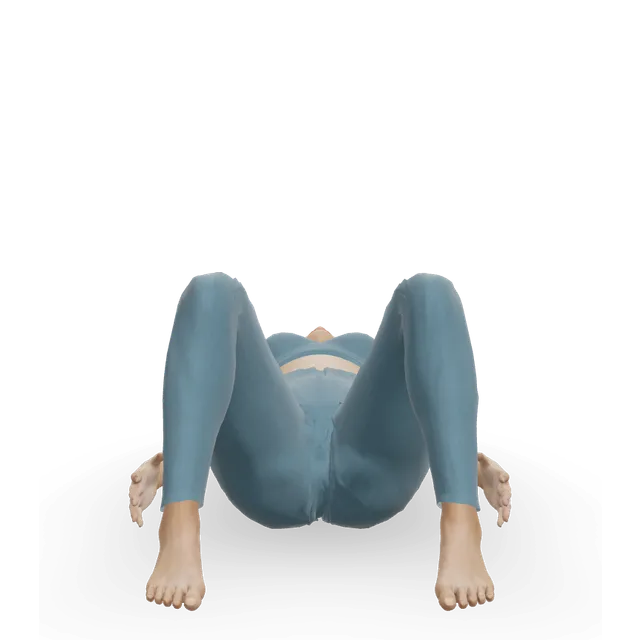
Supine heel slide demonstrated on the 3D figure3D demoSupine heel slideBeginner · No equipment

10 slow repetitions each side, once or twice a day · The move page's dose, an editorial starting point. After hip surgery, stay inside the range your team allows, as the move page says

Harder: Hip windshield wipers

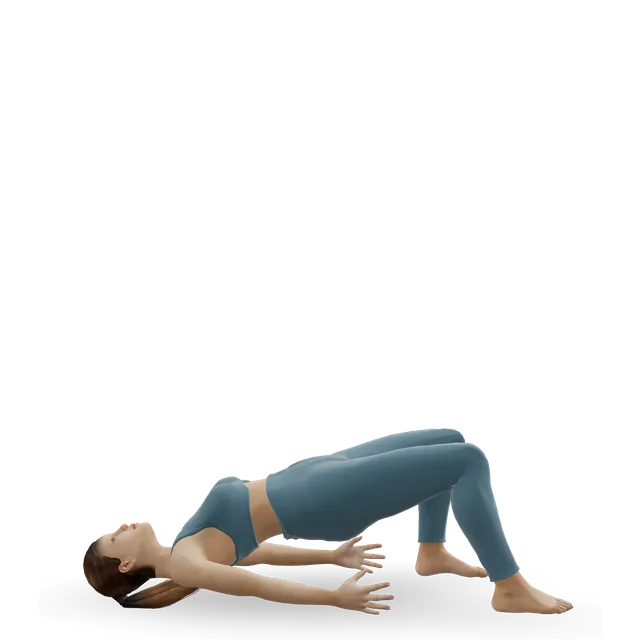
Glute bridge demonstrated on the 3D figure3D demoGlute bridgeBeginner · No equipment

2 sets of 8, a small range, pausing for a few seconds at the top · As in our hip arthritis guide (editorial); NHS inform's lying bridge holds "for a few seconds"

Easier: Pelvic tilt into bridge · Harder: Single-leg glute bridge

Supine isometric hip abduction (belt press) demonstrated on the 3D figure3D demoSupine isometric hip abduction (belt press)Beginner · A band

3 to 5 holds of 5 to 10 seconds, twice a day, at a light effort · For outer hip pain. The move page's dose, the LEAP trial's starting dose. Do it lying on your back, not your side, and press more gently if the outer hip hurts more, as the move page says

Harder: Lateral band walk

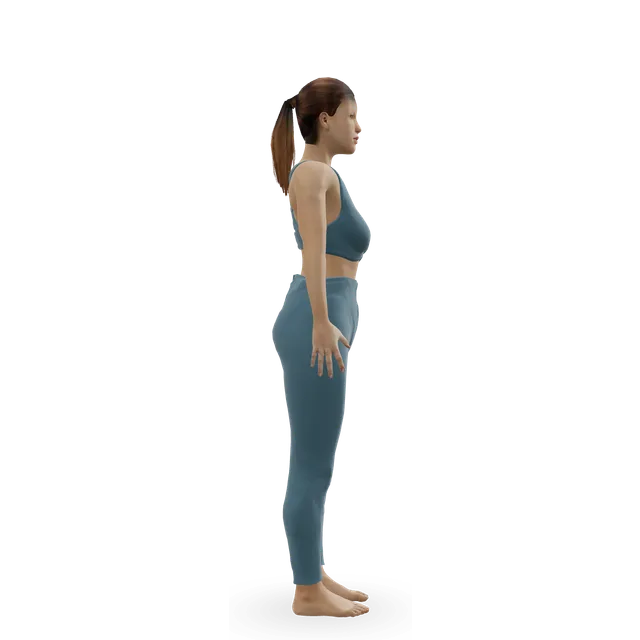
Standing march demonstrated on the 3D figure3D demoStanding marchBeginner · No equipment

1 to 2 minutes, holding your support, as the warm-up · The Otago booklet's dose

Easier: Seated march · Harder: Standing band hip flexion

Sit to stand from a chair demonstrated on the 3D figure3D demoSit to stand from a chairBeginner · A bench or box

5 slow repetitions from a firm, higher chair, using your hands if you need to, building to 2 sets of 5 to 8 · The NHS strength exercises aim for 5 ("The slower the repetitions, the better") and the Otago booklet goes up to 10; the build is our hip arthritis guide's (editorial). Use a chair that can't slide or tip, as the move page says, high enough that your hip is slightly above your knee (Arthritis UK)

Easier: Sit to stand, pushing on the thighs · Harder: Bodyweight squat

Treadmill walking demonstrated on the 3D figure3D demoTreadmill walkingBeginner · Cardio machine

10 minutes at a comfortable pace, most days · Editorial; walking outdoors counts the same. Or 10 to 20 minutes on a recumbent bike at a moderate effort, building towards 30, that move page's dose (editorial)

Harder: Treadmill jogging

Move on when: The hip is back to its usual level by the next morning after sessions (the pain rule), and you can stand up from the higher chair 8 times with little help from your hands (editorial).

Follow along: a timer, a cue and the next move, one step at a time.
Stage 2

Standing strength and balance

About weeks 2 to 6: strength 2 or 3 days a week, balance 3 or more days a week. Single-leg strength and balance for stairs, kerbs, buses and getting up. For falls, the World Falls Guidelines recommend balance-challenging, functional exercise such as sit-to-stands and stepping 3 or more times a week, made harder over at least 12 weeks; the NHS balance exercises are done at least twice a week, near a wall or a stable chair.

Sit to stand from a chair demonstrated on the 3D figure3D demoSit to stand from a chairBeginner · A bench or box

3 sets of 8 to 12 from a lower seat, without your hands, lowering slowly · As in our hip arthritis guide (editorial)

Easier: Sit to stand, pushing on the thighs · Harder: Bodyweight squat

Staggered-stance bridge (offset bridge) demonstrated on the 3D figure3D demoStaggered-stance bridge (offset bridge)Beginner · No equipment

5 slow repetitions each side once a day, building to 2 sets of 5 to 10 at a somewhat hard effort · The move page's dose, from the LEAP programme. Shorten the range if the outer hip hurts more, as the move page says

Easier: Pelvic tilt into bridge · Harder: Single-leg glute bridge

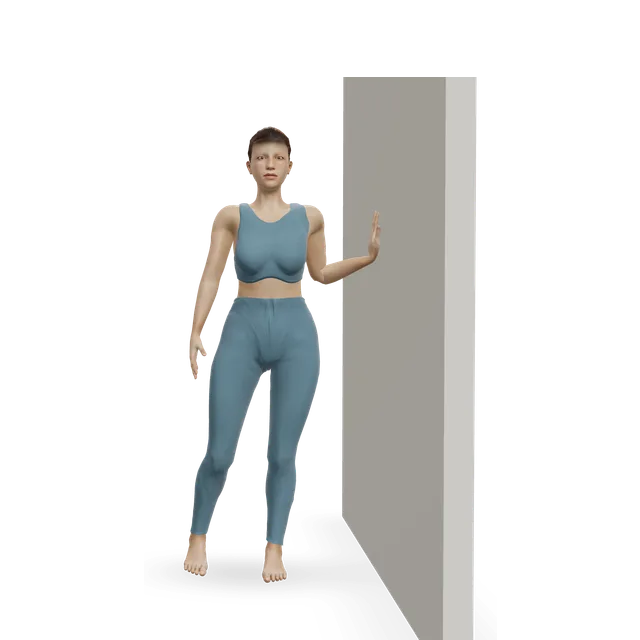
Wall side leg lift (standing side kick at the wall) demonstrated on the 3D figure3D demoWall side leg lift (standing side kick at the wall)Beginner · A wall

Up to 10 each leg, lifting for a slow count of 3 and lowering for a slow count of 5, holding your support · The Otago booklet's side hip strengthener; the move page's own suggestion, 10 to 12 each side, is editorial. With outer hip pain, do the standing wall-press hold instead (3 to 5 holds of 5 to 15 seconds each side, twice a day, that move page's dose from the LEAP programme) until the bony point is comfortable

Harder: Lateral band walk, band at the feet

Low step-up demonstrated on the 3D figure3D demoLow step-upBeginner · A step

Up to 5 steps with each leg on the bottom stair, holding the rail, building to 2 to 3 sets of 8 each leg · The start is the NHS balance exercises'; the build is our hip arthritis guide's step-up dose (editorial). Step down under control

Harder: Step-up

Side-stepping (sideways walking) demonstrated on the 3D figure3D demoSide-stepping (sideways walking)Beginner · A wall

10 steps each way, next to a counter · The move page's dose, from the NHS balance exercises

Harder: Lateral band walk

Single-leg stand demonstrated on the 3D figure3D demoSingle-leg standBeginner · A wall

3 holds of 5 to 10 seconds each leg, with your fingertips on the wall, building towards 30 seconds · The start is the NHS balance exercises'; the build is editorial. Keep the pelvis level. With dizziness or a recent fall, stay within arm's reach of something solid with someone nearby, as the move page says

Easier: Tandem stance and heel-to-toe walk · Harder: Single-leg reach matrix

Move on when: You can do 12 sit-to-stands without your hands and 8 step-ups each leg, and stand for 10 seconds on each leg with a fingertip on the wall (editorial), with the hip settled by the next morning.

Follow along: a timer, a cue and the next move, one step at a time.
Stage 3

Stronger legs, then full days out

From about week 6: 2 strength days and 3 balance sessions a week, then keep going. Heavier strength work for stairs, hills and carrying, getting down to the floor and back up, and longer walks or rides building towards the NHS's 150 minutes a week of moderate activity, with strength and balance on at least 2 days. Add a little load or a harder option every week or two while the hip stays within the pain rule (editorial, as our hip arthritis guide does). Longer walks and hills, stairs without the rail, carrying shopping, gardening, dancing, bowls, golf, swimming and cycling come back one at a time, a little less than before at first, adding a little every week or two (editorial). Balance work stays at 3 or more times a week, continued for longer effect, as the World Falls Guidelines say.

Dumbbell goblet squat demonstrated on the 3D figure3D demoDumbbell goblet squatIntermediate · A dumbbell

3 sets of 8 to 10 to a chair or box, holding a light dumbbell · As in our hip arthritis guide (editorial); stop just above any pinch in the groin. Breathe out as you stand: the move page says don't hold your breath under load if your blood pressure is uncontrolled

Easier: Bodyweight squat · Harder: Barbell front squat

Step-up demonstrated on the 3D figure3D demoStep-upBeginner · A step

3 sets of 8 to 10 each leg on a higher step, holding the rail · Editorial; lower the step before you add weight, as the move page says

Easier: Low step-up · Harder: Dumbbell step-up

Lateral band walk demonstrated on the 3D figure3D demoLateral band walkBeginner · A band

10 to 15 steps each way with a light band, next to a counter · As in our hip bursitis guide (editorial). If it brings on sharp outer hip pain rather than a working burn, use a lighter band and get it assessed, as the move page says

Easier: Hip abduction machine · Harder: Lateral band walk, band at the feet

Tandem stance and heel-to-toe walk demonstrated on the 3D figure3D demoTandem stance and heel-to-toe walkBeginner · A wall

3 to 5 lengths of a hallway, moving away from the wall as you improve · The NHS balance exercises' heel-to-toe walk and its progression; the lengths are editorial. Walk beside a wall or rail if you've fallen in the past year, as the move page says

Easier: Semi-tandem stance · Harder: Single-leg stand

Get up and down from the floor demonstrated on the 3D figure3D demoGet up and down from the floorBeginner · No equipment

5 to 8 slow cycles down and up, changing the leading leg · The move page's dose, an editorial starting point. The first few times, have someone with you and a sturdy chair close by, and after a hip replacement check which positions are allowed first, as the move page says. The NHS's steps for getting up after a fall are in the written steps below

Easier: Sit to stand from a chair · Harder: Bodyweight get-up

Recumbent exercise bike demonstrated on the 3D figure3D demoRecumbent exercise bikeBeginner · Cardio machine

10 to 20 minutes at a moderate effort to start, building towards 30 · The move page's dose, an editorial starting point. Swimming and cycling are the low-load exercise Arthritis UK recommends for hip osteoarthritis

Harder: Stationary cycling

Move on when: Our suggestion: a normal week of activity passes the pain rule. Keep 2 strength days and 3 balance sessions a week, and drop back a stage for a week or two after a flare. Keeping going is the hard part, so a class, a walking group or a falls service programme can help; GLA:D's gains held at a year.

Follow along: a timer, a cue and the next move, one step at a time.

What to change for now

A flare: the first 48 hours (written steps)

Our 3D figure can't show these. Each step names its source.

  • 1. In the first 24 to 48 hours, reduce your activities but move as much as your symptoms allow, move your hip gently for a short time every hour while you're awake, and avoid long periods on your feet. After 48 hours, build your activities back up gradually, but avoid sport and heavy lifting until there's less discomfort and good movement (NHS inform).
  • 2. Heat or ice, whichever helps, for no longer than 20 minutes at a time and a few hours apart, never straight on the skin, and neither if you have problems with circulation or feeling (NHS inform). The NHS suggests an ice pack, or a bag of frozen peas, in a towel for up to 20 minutes every 2 to 3 hours.
  • 3. Painkillers such as paracetamol or ibuprofen gel can help for a short spell (the NHS); NICE's order for osteoarthritis is in the evidence above, and a pharmacist can advise.

Sources 15, 4

Walking and a walking stick (written steps)

These come from Arthritis UK, the NHS, an NHS trust and NICE, unless they say editorial.

  • 1. Keep walking, little and often (Arthritis UK), on flatter routes during a flare (editorial), building towards 150 minutes a week of moderate activity, with activities for strength, balance and flexibility on at least 2 days (the NHS's advice for adults aged 65 and over). A bench or a rest stop on the way is fine (editorial).
  • 2. Hold a walking stick in the hand opposite the sore hip, so it takes some of your weight (the NHS and Arthritis UK). Set the grip at wrist height, wear supportive flat shoes, and replace a worn or split rubber tip (an NHS trust).
  • 3. Walking with a stick, the trust's order is the stick forward a stride's length and a little out to the side, then the sore leg, then the good leg. To stand up from a chair, push up from the chair arm, not the stick.
  • 4. You can borrow some sticks and walking frames through the NHS, sometimes for a small deposit; have the height checked, and speak to a physiotherapist before using a stick on steps. Frames without wheels are best indoors and frames with wheels outdoors (the NHS). NICE says consider walking aids such as sticks.

Sources 6, 70, 51, 77, 78, 9

Stairs, chairs, cars, socks and shoes (written steps)

Each step names its source.

  • 1. On stairs, lead with your good leg going up and your sore leg coming down, using the handrail (NHS inform and Arthritis UK).
  • 2. With a stick and a rail: the rail in one hand and the stick in the other. Going up, the good leg first, then the sore leg to the same step, then the stick; coming down, the stick first, then the sore leg, then the good leg (an NHS trust).
  • 3. Choose a firm chair high enough that your hip is slightly higher than your knee (Arthritis UK), ideally with arms (an NHS trust), and avoid low chairs, which put extra pressure on your hips (the NHS). Sit near the front, feet slightly back, lean forward and stand up slowly, using your hands on the chair if you need to (the Otago booklet).
  • 4. Try not to cross your legs. Get into a car by sitting on the side of the seat and swinging both legs in, rather than stepping in one leg at a time, and use a wedge-shaped cushion or a folded towel to level a sloping car seat. An occupational therapist can advise on a sock aid and other equipment (all Arthritis UK).
  • 5. Wear comfortable, shock-absorbing shoes with a soft sole (the NHS), or thick soles with room for your toes, and avoid high heels (Arthritis UK). Avoid carrying heavy things (the NHS); a trolley rather than a basket helps when shopping, and try not to carry things on the same side as the sore hip (Arthritis UK).

Sources 15, 6, 77, 4, 76, 16

Sleeping, and positions for outer hip pain (written steps)

Each step names its source.

  • 1. With hip arthritis, a pillow between your legs when you lie on your side, or under your knees when you lie on your back, can make sleeping more comfortable (Arthritis UK).
  • 2. With outer hip pain, avoid sleeping on the painful side: lie on your back with a pillow under your knees, or on your good side with a pillow between your legs to keep them in line with your hips (an NHS trust).
  • 3. In the day, with outer hip pain, spread your weight evenly across both feet rather than leaning on one leg, avoid sitting with your legs crossed, and use a handrail on stairs (an NHS trust).

Sources 6, 13

If you fall, and around the home (written steps)

These come from the NHS falls page, unless they say otherwise.

  • 1. If you fall, try to stay calm, and take a couple of minutes to check for pain or injury. If you feel able to get up, take your time: roll onto your side, push up onto your hands and knees, crawl to something stable such as a heavy piece of furniture, put one foot flat on the floor and stand up slowly, holding on, then sit down and rest.
  • 2. If you can't get up, use a phone or personal alarm, or shout or bang on a wall or the floor for help; keep warm, keep moving gently, and try to change position about every 30 minutes. If someone else has fallen, keep them comfortable and warm, but don't try to lift them yourself.
  • 3. Call 999 if someone has fallen and may have hurt the head, back, neck or hip, or can't get up; get help from NHS 111 if they may be in pain, injured or unwell; and see a GP after a fall or if you're worried about your balance. In some areas you can refer yourself to a falls service.
  • 4. Around the home: shoes or slippers that fit well, don't slip off and grip; a personal alarm or a mobile phone with you; a non-slip mat in the bath or shower; rails on steps and grab rails in the bathroom; less clutter and nothing to trip on, such as loose wires or rugs; and help with tasks you find difficult, such as lifting or reaching. Your local council can do a free care needs assessment, including changes to make your home safer.
  • 5. Have regular eye and hearing checks, and ask a GP or pharmacist if your medicines could be affecting your balance; opioid painkillers raise the risk of falls (the World Falls Guidelines). Practising getting down to the floor and back up is the plan's last stage.

Sources 47, 46

Weight, if it applies

For people living with overweight or obesity, NICE says any weight loss is likely to help, and 10% is likely to help more than 5%. It sits alongside exercise as a core treatment, not a test you have to pass first; our weight loss exercise page covers how activity fits in.

Source 9

Positions to swap, and why

Habit or positionWhy it mattersInstead
Resting the hip until it stops hurtingNICE makes exercise a core treatment and says pain may rise at first, and NHS inform says move the hip every hour in a flare, then build back up.The first-stage moves and short walks.Try: Supine heel slide
Giving up walking because the hip achesThe NHS advises 150 minutes a week of activity for adults aged 65 and over, and Arthritis UK says little and often.Shorter, flatter walks with a stick, or a recumbent bike.Try: Recumbent exercise bike
Holding the stick on the same side as the sore hipThe NHS and Arthritis UK say the opposite hand, so the stick takes some of your weight.The opposite hand, with the grip at wrist height.
Leading with the sore leg going upstairsNHS inform says good leg first going up, sore leg first coming down.Step practice, holding the rail.Try: Low step-up
Low, soft chairs and sofasLow chairs put extra pressure on your hips, the NHS says.A firm chair with your hip slightly higher than your knee, and sit-to-stand practice.Try: Sit to stand from a chair
Crossing your legs, hanging on one hip or lying on the sore side, with outer hip painThese positions squeeze the gluteal tendons against the bone, an NHS trust says.Weight on both feet, lying on your back or your good side with a pillow, and the lying belt press.Try: Supine isometric hip abduction (belt press)
Stretching a sore outer hip across your bodyStretching squeezes the tendon and can irritate it if repeated, an NHS trust says, and the move page says skip it with a sore bony point.Strength holds against a wall.Try: Standing wall-press hip abduction
Deep squats into a pinch in the groin during a flareOur hip arthritis guide notes that deep squats and very low chairs often aggravate an arthritic hip, and sets the depth with a box (editorial); depth can come back as the flare settles.A squat to a box, just above the pinch.Try: Dumbbell goblet squat
Loose slippers, clutter, loose wires and rugsThe NHS asks for shoes or slippers that fit, stay on and grip, and nothing to trip on at home.Well-fitting shoes or slippers, a phone or alarm with you, and balance practice.Try: Single-leg stand
Paracetamol as the main long-term painkiller for hip arthritisNICE doesn't routinely offer it, explaining that there's no strong evidence of benefit.NICE's order: a gel, then an anti-inflammatory tablet with care. Ask a pharmacist or GP.
GlucosamineNICE says don't offer it, as there's no strong evidence of benefit.The exercise plan.
Repeated steroid injections for outer hip painThe relief is short-lived, and an NHS trust says repeated injections are often not advised.Education and exercise, which did better overall at a year in a trial.Try: Staggered-stance bridge (offset bridge)
Hip protectors at home instead of exerciseThey made little or no difference for people living at home.Strength and balance work 3 or more times a week.Try: Side-stepping (sideways walking)

Routines to follow

More moves for this area

Questions people ask

Why do my hips hurt more as I get older?

The commonest reason is osteoarthritis: joints repair everyday wear all the time, and osteoarthritis is when that repair falls behind, with symptoms usually starting at about 55. Pain on the bony point of the outer hip, from the gluteal tendons, is also common, especially in women, and the lower back can be felt in the hip. Exercise helps all three, at any age.

Is hip pain in older people always arthritis?

No. The outer hip tendons and the lower back are common causes, and polymyalgia rheumatica, a femoral hernia and, after a fall, a broken hip or pelvis are important ones; infection and cancer are rare. Where the pain is and what brings it on sorts most of them, and the warning signs say when to get help quickly.

How can I tell if my hip is broken after a fall, and can you walk with a broken hip?

The NHS signs are pain in the hip, upper leg or groin, not being able to stand or put weight on the leg, a leg at an odd angle or looking shorter, and swelling or bruising; call 999 for severe pain or not being able to walk or put weight on the leg. The American Academy of Orthopaedic Surgeons says that with some broken hips you can still take part of your weight, though it hurts badly, and a break can hide on the first X-ray, so NICE asks for an MRI scan if one is still suspected. That's why our suggestion is NHS 111 the same day for less severe hip pain after a fall that makes walking hard, even if you can still walk.

Is it my hip or my back?

Groin pain, a limp and a hip that is stiff to turn point to the hip; pins and needles, or sharp, hot or burning pain down the leg, point to the back, even without back pain. Often both play a part, and our lower back and hip guide sorts them.

What are the best hip exercises for older adults?

Bridges, sit-to-stands, side leg lifts and step-ups for strength, with balance work and walking or cycling: NICE recommends exercise tailored to you, including muscle strengthening and general fitness. Start gently: the NHS aims for 5 slow sit-to-stands, the Otago booklet up to 10 side leg lifts and sit-to-stands, and NHS inform builds to 2 sets of 15. The plan above shows each move in 3D.

Should I rest my hip when it hurts?

In a flare, ease off for a day or two but keep moving, moving the hip gently every hour, then build back up. NICE says joint pain may rise when you start exercising and regular exercise still helps. Pain up to 5 out of 10 during exercise is acceptable if the hip is back to its usual level by the next morning.

Which hand should I hold a walking stick in for hip pain?

The hand opposite the sore hip, so the stick takes some of your weight, with the grip at wrist height. In a small laboratory study, a stick in the opposite hand cut the load on the painful hip by about a quarter and eased walking pain. You can borrow one through the NHS; ask a physiotherapist about using it on steps.

Why does the side of my hip hurt at night?

Usually the gluteal tendons on the bony point, which are squeezed when you lie on that side or cross your legs. Lie on your back with a pillow under your knees, or on your good side with a pillow between your legs, and keep your weight even on both feet in the day; education and exercise beat a steroid injection in a trial. Pain that is there whatever position you lie in needs checking, and our hip pain at night guide goes further.

Can polymyalgia rheumatica cause hip pain?

Yes: it causes pain and stiffness in the muscles around the shoulders, neck and hips, mostly in people over 65, with morning stiffness that lasts more than 45 minutes, and in one study 73% of people with it had aching around both hips. See a GP if pain and stiffness last more than a week. A new headache, jaw pain when eating or a change in your sight needs a GP or NHS 111 immediately, and suddenly losing sight needs 999.

Do I need an X-ray or a scan?

Usually not for arthritis: NICE diagnoses it from symptoms from 45, and X-rays and pain often disagree. An X-ray matters after a fall, an MRI scan if a break is still suspected after a normal X-ray, and blood tests if polymyalgia rheumatica or myeloma is suspected.

Which painkillers or injections help?

For the hip, NICE says consider an anti-inflammatory gel, then an anti-inflammatory tablet with care for the stomach, kidneys and heart; paracetamol and weak opioids aren't routinely offered, and glucosamine and strong opioids aren't offered. A steroid injection into the joint gives relief for 2 to 10 weeks, and for outer hip pain an injection's benefit had faded by a year in a trial. Ask a pharmacist or GP, since opioids also raise the risk of falls.

Will I need a hip replacement, and am I too old for one?

Many people don't: in a Dutch study of people aged 45 to 65 with early hip pain, 1 in 9 had one within 10 years. NICE suggests considering referral when symptoms substantially affect your quality of life despite other treatment, and says no one should be ruled out because of age or weight. Hip replacements are usually very successful, and more than 90% of people find their pain greatly reduced, Arthritis UK says.

Related exercise guides

Other pain guides

Sources

  1. Dawson 2004 · Hip and knee pain in 3,341 people aged 65 and over in Oxfordshire (postal survey, Rheumatology)
  2. Christmas 2002 · How common hip pain is in 6,596 US adults aged 60 and over (national survey, J Fam Pract)
  3. Thomas 2004 · Pain and how much it interferes with life in 7,878 adults aged 50 and over (population survey, Pain)
  4. NHS · Hip pain in adults
  5. NHS · Osteoarthritis (past its review date: reviewed March 2023, review due March 2026)
  6. Arthritis UK · Osteoarthritis of the hip
  7. GBD 2021 Osteoarthritis Collaborators 2023 · Osteoarthritis worldwide, 1990 to 2020, and projections (Global Burden of Disease modelling study, Lancet Rheumatol)
  8. Arthritis UK 2026 · The State of Musculoskeletal Health (report)
  9. NICE NG226 · Osteoarthritis in over 16s: diagnosis and management (2022)
  10. NHS · Osteoarthritis: symptoms (past its review date: reviewed March 2023, review due March 2026)
  11. Kim 2015 · Hip pain and hip osteoarthritis on X-ray often disagree (diagnostic study of two US cohorts, BMJ)
  12. Segal 2007 · Outer hip pain (greater trochanteric pain syndrome) in 3,026 adults aged 50 to 79 (cross-sectional study, Arch Phys Med Rehabil)
  13. Royal Orthopaedic Hospital NHS Trust · Gluteal tendinopathy (patient information)
  14. Lievense 2005 · How outer hip pain goes over 1 and 5 years in Dutch general practice (cohort study, Br J Gen Pract)
  15. NHS inform · Hip problems
  16. Arthritis UK · Hip pain
  17. Brown 2004 · Telling hip disease from spine disease in 97 people with leg pain (diagnostic study, Clin Orthop Relat Res)
  18. Sembrano 2009 · How often low back pain comes from the hip or pelvis: 200 people at a spine clinic (case series, Spine)
  19. Khan 2004 · Where people waiting for a hip replacement feel their pain: 60 people (descriptive study, Ann R Coll Surg Engl)
  20. Lesher 2008 · Hip joint pain referral patterns (Pain Medicine)
  21. NHS · Broken hip
  22. National Hip Fracture Database · Annual report 2025: hip fracture in 2024 (national audit, Royal College of Physicians)
  23. AAOS OrthoInfo · Hip fractures
  24. Haj-Mirzaian 2020 · Broken hips hidden on X-ray in older adults still suspected of one: 35 studies (systematic review and meta-analysis, Radiology)
  25. NICE CG124 · Hip fracture: management (2011, updated 2023)
  26. Andrich 2015 · Pelvic fractures in older people in Germany (population study, PLoS One)
  27. Gordon 2025 · Fragility fractures of the pelvis: current understanding and open questions (review, J Clin Med)
  28. NHS · Polymyalgia rheumatica (past its review date: reviewed April 2023, review due April 2026)
  29. Dasgupta 2012 · Classification criteria for polymyalgia rheumatica, with a cohort of 125 people (EULAR/ACR study, Ann Rheum Dis)
  30. Partington 2018 · Polymyalgia rheumatica in the UK over two decades (population study, Ann Rheum Dis)
  31. Crowson 2011 · Lifetime risk of rheumatoid arthritis, polymyalgia rheumatica and other rheumatic diseases (population study, Arthritis Rheum)
  32. Toyoda 2026 · The British Society for Rheumatology guideline for treating polymyalgia rheumatica (guideline, Rheumatology)
  33. NHS · Temporal arteritis (giant cell arteritis) (past its review date: reviewed August 2023, review due August 2026)
  34. NHS · Vision loss
  35. NHS · Septic arthritis
  36. Lenguerrand 2018 · Infection after 623,253 hip replacements in England and Wales (cohort study, Lancet Infect Dis)
  37. NHS · Complications of a hip replacement
  38. NHS · Femoral hernia
  39. NHS · Hernia
  40. NICE NG12 · Suspected cancer: recognition and referral (2015, updated 2026)
  41. NHS · Symptoms of myeloma
  42. Cooper 2010 · Osteonecrosis in two UK GP record databases (case-control study, Osteoporos Int)
  43. Medicines and Healthcare products Regulatory Agency (MHRA) · Bisphosphonates: atypical femoral fractures (Drug Safety Update, June 2011)
  44. Black 2020 · Unusual thigh bone fractures against fractures prevented by bisphosphonates in 196,129 women (cohort study, N Engl J Med)
  45. Deng 2021 · Hip and knee osteoarthritis and falls (systematic review and meta-analysis, Int J Clin Pract)
  46. Montero-Odasso 2022 · World guidelines for falls prevention and management for older adults (Age Ageing)
  47. NHS · Falls
  48. van Berkel 2021 · Early hip osteoarthritis over 10 years in 588 people: the CHECK study (cohort, Ann Rheum Dis)
  49. Bastick 2016 · Four courses of hip pain over 5 years in early hip osteoarthritis: the CHECK study (cohort, Osteoarthritis Cartilage)
  50. de Rooij 2016 · How pain and function change in hip osteoarthritis, and what predicts it (systematic review, J Rehabil Med)
  51. NHS · Osteoarthritis: treatment and support (past its review date: reviewed March 2023, review due March 2026)
  52. Hall 2026 · Exercise for osteoarthritis of the hip (Cochrane review update)
  53. Bennell 2014 · Physiotherapy vs a sham treatment for hip osteoarthritis in 102 people (RCT, JAMA)
  54. Fransen 2014 · Exercise for osteoarthritis of the hip (Cochrane review)
  55. Teirlinck 2023 · Exercise for hip osteoarthritis: 18 trials (cumulative meta-analysis, Osteoarthr Cartil Open)
  56. Moseng 2017 · The importance of dose in land-based supervised exercise for hip osteoarthritis (meta-analysis)
  57. Skou 2017 · GLA:D: education and supervised neuromuscular exercise nationwide (BMC Musculoskeletal Disorders)
  58. Ageberg 2010 · NEMEX-TJR neuromuscular training for severe hip or knee osteoarthritis, and its pain rule (BMC Musculoskelet Disord)
  59. Bartels 2016 · Aquatic exercise for knee and hip osteoarthritis (Cochrane review)
  60. Mellor 2018 · Education plus exercise vs corticosteroid injection vs wait and see for gluteal tendinopathy (RCT, BMJ)
  61. Mellor 2016 · The LEAP trial protocol (BMC Musculoskeletal Disorders)
  62. Tazawa 2022 · Walking with a cane in 27 people with late-stage hip osteoarthritis (laboratory study, Arch Rehabil Res Clin Transl)
  63. Brand 1980 · How using a cane changes the force through the hip (calculation study, Clin Orthop Relat Res)
  64. NHS · Ibuprofen for adults
  65. Brinks 2011 · A steroid injection against usual care for greater trochanteric pain syndrome in 120 people (RCT, Ann Fam Med)
  66. NHS · Why a hip replacement is done
  67. National Joint Registry · 23rd annual report: key facts about joint replacement in 2025 (summary)
  68. Sherrington 2019 · Exercise for preventing falls in older people living in the community (Cochrane review)
  69. NICE NG249 · Falls: assessment and prevention in older people and in people 50 and over at higher risk (2025)
  70. NHS · Physical activity guidelines for older adults
  71. NHS · Strength exercises
  72. NHS · Balance exercises
  73. Santesso 2014 · Hip protectors for preventing broken hips in older people (Cochrane review)
  74. NHS inform · Exercises for hip problems (including how to tell if you're exercising at the right level)
  75. Smith 2017 · Should exercises be painful in chronic musculoskeletal pain? (meta-analysis, BJSM)
  76. Later Life Training · Otago strength and balance home exercise programme: beginners (booklet, 2018)
  77. South Tees Hospitals NHS Foundation Trust · How to use walking sticks (physiotherapy leaflet)
  78. NHS · Walking aids, wheelchairs and mobility scooters
  79. NHS · Sciatica
  80. NHS · Deep vein thrombosis (DVT)
  81. NHS · Pulmonary embolism
  82. NHS · Peripheral arterial disease (PAD)

Exercise education, not a diagnosis or treatment plan. It is written from the guidelines and studies listed above; review by a clinician is pending. If your pain follows an injury, is severe, is getting worse, or comes with any warning sign listed on this page, get it assessed. Health disclaimer.