Exercise guide

Exercise for polymyalgia rheumatica: easing stiffness, staying strong, and the warning signs

Polymyalgia rheumatica (PMR) makes the muscles around the shoulders, neck and hips stiff and achy, worst in the morning, mostly in people over 65. Moving usually eases it, and the 2026 UK guideline says everyone with PMR should get advice on physical activity and pacing. No trial has tested exercise in PMR yet, so the advice here comes from guidelines, a self-help booklet written with patients, and research in other conditions.

Steroid tablets ease PMR quickly, but they can weaken muscles and bones, so gentle stretches come first, then strength, balance and walking, built up slowly. PMR is linked to giant cell arteritis (GCA), which needs urgent care: a new headache, jaw pain when eating or any change in your sight means contacting a GP (general practitioner) or NHS 111 immediately, and suddenly losing your sight means calling 999.

This guide starts with those warning signs, then covers how much to do, daily stretches and strength moves with 3D demos, steroids and bones, flares and tapering, and a follow-along routine. Your GP and rheumatology team come first: use this to understand and remember their advice.

Giant cell arteritis: the warning signs that can't wait

This is general information, not a diagnosis. A&E means accident and emergency. In the US, call 911 where this page says 999, and get same-day medical care where it says NHS 111.

Call 999 or go to A&E

Call 999 or go to A&E if any of these happen. Don't drive yourself: ask someone to drive you, or call 999 for an ambulance.

  • You suddenly can't see from 1 or both eyes, or suddenly have severe eye pain.
  • You have a headache with loss of vision, or a headache that started suddenly and is extremely painful.
  • You have signs of a stroke: your face drooping on one side, weakness in one arm, or slurred or confused speech. Call 999 even if the symptoms stop.

Sources 1, 2, 3

Contact a GP or call NHS 111 immediately

The NHS says to contact a GP or call NHS 111 immediately if you've been diagnosed with polymyalgia rheumatica, or it's suspected, and you have:

  • A new or frequent headache that usually develops suddenly (your scalp may also feel sore or tender).
  • Pain in your jaw muscles or tongue when eating or talking.
  • Problems with sight, such as double vision or loss of vision in 1 or both eyes.

Sources 4, 5

Why it's urgent

In the NHS's words: "Unlike polymyalgia rheumatica, temporal arteritis requires immediate medical attention. It can lead to serious problems like stroke or blindness if not treated quickly." Temporal arteritis is another name for giant cell arteritis. If it affects your sight, the NHS says you should have a same-day appointment with an eye specialist at a hospital eye department, and treatment starts before the diagnosis is confirmed.

Sources 5, 6

Even if it only lasts a few minutes

The charity PMRGCAuk says sudden changes in your sight need a doctor the same day even if they only last a few minutes, and if you can't see your doctor, go to A&E. Arthritis UK says that if you can't get an immediate appointment, contact an out-of-hours doctor or go to A&E straight away. Less often, giant cell arteritis causes pain in the arm muscles when you use them, or in the calves when you walk. In Scotland, NHS inform says to phone 111 or your GP practice urgently, and for sudden changes in your vision, to contact an optician immediately or phone 111.

Sources 7, 8, 9

How often PMR comes with giant cell arteritisMixed evidence

Sources give different figures. The NHS says up to 1 in 5 people with PMR develop giant cell arteritis. The 2026 guideline from the British Society for Rheumatology (BSR) and PMRGCAuk say 5% to 10% later develop it, and a 2025 review says 15% to 20% have it at some point. Whatever the figure, the signs above always need urgent help.

Sources 5, 10, 7, 11

The short version

Moving helps PMR

Activity usually eases the pain and stiffness of PMR, while doing too much tends to make it worse. The 2026 UK guideline says everyone with PMR should get advice on physical activity and pacing, and the 2015 European and American recommendations say to consider an exercise programme to keep muscle strength and function and cut the risk of falls.

Sources 12, 10, 11

Start with gentle daily stretches

A booklet written by PMRGCAuk with patients, Keele University and the University of Leeds suggests stretches for the neck, shoulders and hips, held for up to 20 seconds, 5 of each, at least twice a day, and getting up to move every half hour. This is expert and patient advice: no trial has tested exercise in PMR.

Sources 13, 10

Then strength, balance and walking

Steroids can cause painless weakness in the thigh and shoulder muscles. Light strength work, such as arm curls with a water bottle and standing up from a chair, plus balance practice and walking, helps keep you strong and steady and helps your bones.

Sources 11, 13, 10

About half of what you used to do

PMRGCAuk's helpline suggests thinking of your earlier level of activity and doing about half of that. If you ache afterwards, halve it, then build back up over a week. These are rules of thumb from experience, not trial results.

Sources 14, 13

Look after your bones

The risk of breaking a bone is higher with PMR, and steroids are one reason; it's highest in the first year of treatment. Most people are offered bone-protecting medicine when they start steroids, with weight-bearing exercise such as walking, and strength work, alongside it.

Sources 15, 10, 16

Your team leads on steroids and flares

Never stop or change your steroid dose yourself. If your PMR symptoms come back as the dose comes down, contact your GP or rheumatology team, and keep moving gently in the meantime.

Sources 17, 10, 13

PMR and how it affects movement

What PMR is

Polymyalgia rheumatica causes pain, stiffness and inflammation in the muscles around the shoulders, neck and hips. The main symptom is stiffness in the morning that lasts longer than 45 minutes, and people often feel very tired, lose their appetite or feel low. It often comes on over a week or two, sometimes after a flu-like illness, and the stiffness can make dressing, washing, climbing stairs or getting out of bed hard. Unlike the ache after exercise your body isn't used to, it's worse after rest and eases with activity and as the day goes on.

Sources 5, 18, 12

Who gets it

Most people diagnosed are over 65, and it's very rare under 50. It's more common in women. About 1% of people in the UK have it, and the lifetime risk is 2.4% for women and 1.7% for men.

Sources 5, 10

How it's treated

A steroid medicine, prednisolone, is the main treatment, and symptoms usually improve within a few days. The dose is reduced slowly, usually every 1 to 2 months, and most people take it for about 2 years. About half of people have a flare as the dose comes down, and in a review of studies, about half were still taking steroids after 2 years and a quarter after 5 years. In the UK, most people are treated by their GP, with a rheumatologist's help when needed.

Sources 17, 10, 19

How PMR affects strength and walking

In an Australian study, 36 people with PMR were compared with 32 people of the same age and sex. People with PMR had more difficulty with everyday tasks, and 18 months on, women with PMR took about 3 seconds longer to stand up from a chair 5 times and walked more slowly. More people with PMR were on the way to becoming frail (71% against 34% at the first visit). A US study of 41 people found similar results. Both studies are small.

Sources 20, 21

Tiredness, sleep and mood

In the same Australian study, about a third of people with PMR had severe fatigue, against 3% of the comparison group, and most slept poorly, almost 2 years after starting treatment. In a UK survey of 550 people with PMR, about 1 in 7 had symptoms of depression. Prednisolone can affect mood too: about 1 in 20 people notice changes.

Sources 22, 23, 17

What the evidence says

Guidelines recommend activity and a tailored exercise planStrong evidence

The 2026 UK guideline says people with PMR should have information on self-care, including physical activity and pacing, which 97% of its panel agreed with. The 2015 recommendations from EULAR (the European Alliance of Associations for Rheumatology) and the American College of Rheumatology say to consider an individual exercise programme to keep muscle mass and function and cut the risk of falls. A physiotherapist can tailor one.

Sources 10, 24, 11

No exercise trial in PMR yetStrong evidence

No trial has tested exercise in people with PMR, and a 2026 review for the European guidelines found none in PMR or giant cell arteritis. The UK guideline expects research in arthritis and other conditions to apply to PMR, and calls for trials. So the amounts in this guide are expert and patient advice, not trial results.

Sources 10, 25

Strength work can reverse steroid muscle lossEmerging evidence

In a 1985 study of 12 people taking prednisone, a similar steroid (about 12.6 mg a day, and not people with PMR), the thigh muscles were 20% smaller than in people not taking it, and 50 days of training on a strength machine increased the muscle and brought strength back to normal. The UK guideline expects resistance and weight-bearing exercise to counteract steroid muscle weakness, but this hasn't been tested in PMR.

Sources 26, 10

Exercise prevents falls in older peopleStrong evidence

In 59 trials of older people living at home, exercise cut the rate of falls by 23%, and the review rated this high-certainty evidence. These weren't PMR trials, but falls matter more when steroids have thinned the bones, which is why the UK guideline wants falls reviewed soon after diagnosis.

Sources 27, 10

Bones: medicine first, exercise alongsideStrong evidence

In UK records of 12,136 people with PMR, the risk of breaking a bone was 63% higher than in people without it, and fewer than 13% of those on steroids were prescribed bone medicine. The 2026 UK guideline now recommends bone-protecting medicine (bisphosphonates) for everyone starting steroids for PMR unless there's a reason not to, and the UK osteoporosis guideline recommends regular weight-bearing and muscle-strengthening exercise alongside.

Sources 15, 10, 16

What physiotherapists offerEmerging evidence

In a 2015 survey of 1,072 UK physiotherapists, 80% saw a role for physiotherapy in PMR, and 89% prescribed individual exercise that builds up gradually. Yet in a UK study of 197 people with PMR, only 35 used exercise to manage it, and a 2025 review says only about a quarter had been given exercise advice by their doctor.

Sources 28, 29, 11

Steroids carry the evidence for PMR itselfStrong evidence

Steroids treat PMR and usually work within days. Bone protection and, for some people, other medicines such as methotrexate are your team's decisions. Exercise works alongside them for strength, balance, bones, weight and mood, never instead of them.

Sources 17, 10

How much, and how to start

These are starting points to discuss with your GP or a physiotherapist. The booklet's amounts are expert and patient advice from PMRGCAuk, Keele University and the University of Leeds; they haven't been tested in a trial.

Move every half hour

Get up, stretch and move every half hour, even if it's only walking to your front door. On long journeys, stop now and then to stretch your shoulders, arms and legs.

Sources 13, 12

Stretches: at least twice a day

Go as far as is comfortable and hold for up to 20 seconds. Start with 5 of each, at least twice a day, and with just a few minutes in total, building up to about a minute for each exercise.

Source 13

Strength: once your symptoms are controlled

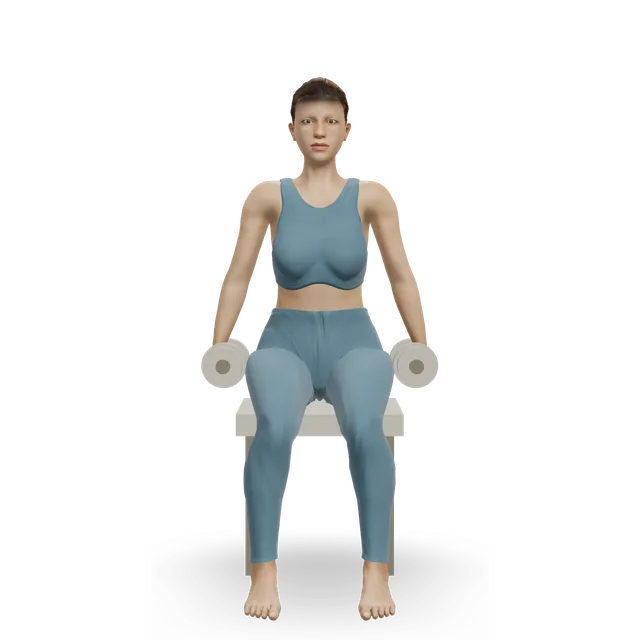
Start with 5 of each move and build up over a month to 20 a day. A tin of beans or a small bottle of water works as a weight. Step-ups: 30 seconds, or until you're moderately breathless, building to a few minutes, twice a day. Wall squat: hold for 10 seconds, building to 60 seconds, 3 times, once a day. PMRGCAuk says steroids can reduce your muscle, so some resistance exercise matters.

Sources 13, 30

Balance: on at least 2 days a week

The NHS advises older adults to do activities that improve strength, balance and flexibility on at least 2 days a week. Our editorial starting points are side-stepping, 10 steps each way, as in our older adults guide, and standing with one foot half in front of the other, up to 10 seconds each side building to 30 seconds, with your fingertips on a kitchen counter.

Sources 31, 10

Walking and other cardio

Walking is usually the most suitable weight-bearing exercise for PMR. Start with a few minutes, and when you can, walk at a brisker pace for a few minutes. Many people find swimming particularly good, though it doesn't load your bones. Over time, build towards the NHS guideline of 150 minutes of moderate activity a week.

Sources 12, 14, 13, 31

About half of what you used to do

Steroids can ease symptoms so quickly that it's tempting to go straight back to your old routine, and PMRGCAuk says almost everyone who does feels rough the next day. Its helpline's rule of thumb is to think of your earlier activity or sport and do about half of that. If you ache afterwards, halve what you did, then build back up over the next week.

Sources 14, 13

Pace yourself

Keep a diary of your activity and how you feel, to find what you can manage even on a bad day. Don't do more than you planned on a good day, still do some activity on a down day, and look at your progress over a month rather than a week. Housework, work and seeing friends count as activity too.

Source 13

Warmth

A hot bath or shower first thing in the morning or after exercise can ease pain and stiffness.

Source 12

Daily stretches

The booklet's beginner set: go as far as is comfortable and hold up to 20 seconds, 5 of each, at least twice a day. Turn your head left and right only, stopping if you feel dizzy, and do the knee to chest sitting if lying down is hard.

Strength, once your symptoms are controlled

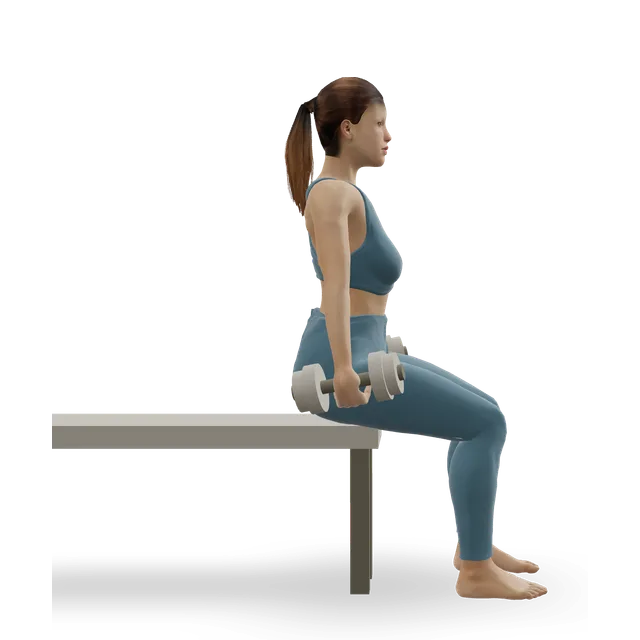
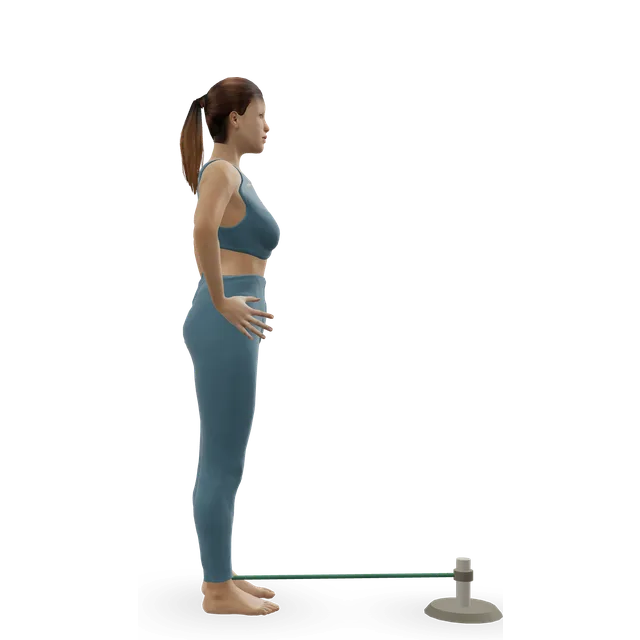
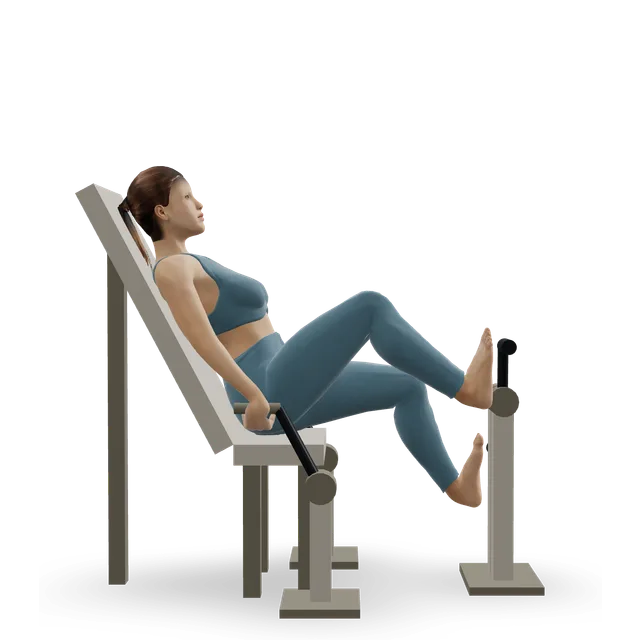
The booklet's set: 5 of each, building over a month to 20 a day, with a water bottle or tin of beans as a weight; hold side raises and hip extensions for 5 to 10 seconds. The knee extension and band row are our additions: 1 set of 8 to 12 to start (editorial).

Balance, next to a kitchen counter

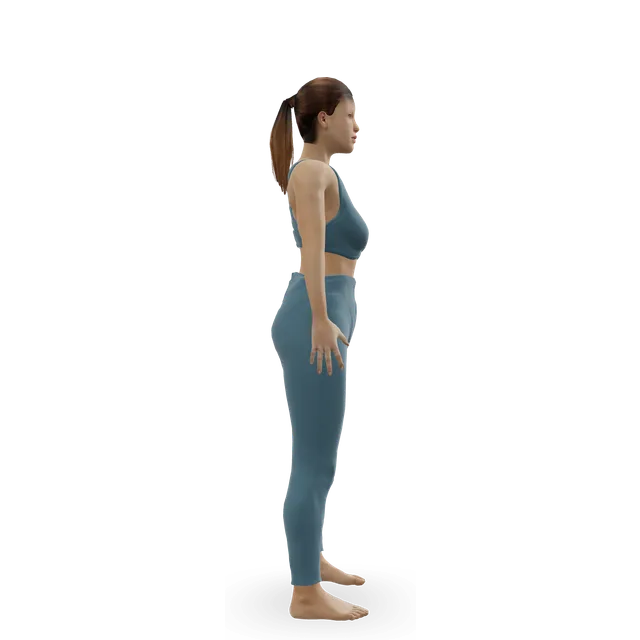
On at least 2 days a week, easiest first, with your fingertips on the counter. Our editorial starting points: march for 1 to 2 minutes, side-step 10 steps each way, and hold each stance for up to 10 seconds, building to 30 seconds.

Walking and everyday movement

Walk most days, starting with a few minutes. Seated marching breaks up long spells of sitting. Heel drops add impact for your bones only if you've had no spinal fractures: read our osteoporosis guide first.

Steroids, muscles and bones

Steroids and muscle weakness

Steroids can cause painless weakness and wasting in the muscles of the thighs, hips and shoulders, so climbing stairs, getting up from a chair and lifting get harder. It can be hard to tell apart from PMR itself, so tell your team about new weakness. Strength work for these muscles is the exercise answer.

Sources 11, 32

Steroids and bones

Broken bones are most common in the first year of treatment, and the extra risk lasts at least 5 years: in one UK study, about 1 in 10 people with PMR had broken a bone by 5 years. Bone protection usually starts with the steroids. Walking, strength work and balance practice help too, and our osteoporosis guide explains safe bending and impact.

Sources 10, 16

Weight, blood sugar and blood pressure

Prednisolone increases appetite and can raise blood pressure and blood sugar. The NHS says regular exercise helps keep your weight stable and helps lower high blood sugar, and the UK guideline lists aerobic exercise for blood sugar, weight and blood pressure.

Sources 32, 33, 34, 10

Never stop steroids suddenly

Stopping suddenly can make you very unwell. If you take steroids for more than 3 weeks, your GP or pharmacist should give you a steroid card to carry. If you're ill and being sick, follow the steroid sick day rules your team gave you.

Sources 17, 33, 10

Flares, tapering and setbacks

Ups and downs are normal

Living with PMR can be unpredictable, and setbacks are normal. You may ache after activity, especially in muscles you haven't used for a while. If so, halve what you did, then build back up over the next week.

Source 13

When the dose comes down

Some people's energy dips as their steroids are reduced. Cut back your planned activity for a while, for example with a shorter walk, rather than stopping, and build up again.

Source 13

If your PMR symptoms come back

Some of your old symptoms may return as the dose comes down. If you think it's your PMR coming back rather than soreness from doing more, contact your GP or rheumatology team: a flare may need a change of dose, which only your team should make. Keep moving gently in the meantime.

Sources 10, 13, 17

Other aches

As the dose comes down, some aches may come from osteoarthritis that the steroids were hiding, which doesn't need steroids. After long-term steroids, some people develop tendon problems such as rotator cuff trouble in the shoulder, where a physiotherapist can help.

Sources 18, 30

Exercises to avoid? What to be careful with

Nothing is banned, but take care with

  • Doing too much too soon, especially once the steroids have eased the pain.
  • Forcing a stiff shoulder past a comfortable range.
  • Neck turns that make you dizzy: stop that exercise.
  • Bending further than you've been advised after a hip replacement.
  • With a spinal fracture, deep, repeated or loaded rounding of your back: our osteoporosis guide has a checklist.
  • Firm massage or pressure in the early days, which many people with PMR find uncomfortable.
  • Sitting still for long spells.

Sources 13, 14, 30

Workouts

Start with the PMR routine's stretches, and add its strength block once your symptoms are controlled. The chair workout suits stiff mornings, the strength and balance workout is a next step, and the flare-up routine suits a bad day.

Polymyalgia rheumatica exercises: daily stretches, then strength and balance

The stretches and light strength moves from a polymyalgia rheumatica self-help booklet written with patients, plus balance practice, built up slowly.

15 minBeginner15 movesA dumbbell, A bench or box

Chair exercises for seniors: a seated workout

A 20-minute seated workout for older adults who cannot stand for long: marching, leg and arm strength, posture, and sit-to-stands that lead back to standing.

20 minBeginner11 movesA bench or box, Something with weight

10-minute starter workout

A 10-minute session for low-energy days: marching, sit-to-stands, wall push-ups, step-ups and bridges, then a short walk. Doing a little counts.

10 minBeginner7 movesA bench or box, A wall

Strength and balance exercises for seniors

A 40-minute strength and balance session for over-65s, built from the Otago home programme and NHS exercises, using a chair, a counter and a step.

40 minBeginner18 movesA bench or box, Something with weight

Neck and shoulder stretches

Eight gentle neck and shoulder stretches for desk stiffness, done standing or seated in ten minutes.

10 minBeginner8 movesA wall

Chair yoga for seniors

A free 20-minute chair yoga class for older adults: slow breathing, gentle seated stretches and twists, standing poses holding the chair, and a calm finish.

20 minBeginner18 movesA bench or box, Something with weight

Chronic pain flare-up routine: gentle movement for a bad day

A 10-minute routine for a pain flare-up: slow breathing, small gentle moves lying and sitting, a short stroll if you can, then rest. Repeat later in the day.

10 minBeginner10 movesA band, A bench or box

Easy cardio workout

A steady 30 to 45 minute cardio session at talk-but-not-sing pace: walk, cycle, row or cross-train, counting toward weekly activity guidelines.

40 minBeginner3 movesCardio machine, A wall

Plans

For building up walking and strength over several weeks, once your symptoms are controlled.

Other warning signs: when to get help

The giant cell arteritis signs are at the top of this page. In the US, call 911 where this page says 999.

Call 999

Call 999, and don't drive yourself to A&E, for:

  • Chest pain that feels tight or like squeezing, or spreads to your arms, neck or jaw.
  • Signs of a stroke, even if they stop.
  • A fall where you may have hurt your head, back, neck or hip, or you can't get up.
  • Thoughts about harming yourself or ending your life: prednisolone can affect mood.

Sources 35, 3, 36, 17

Call a doctor or 111 straight away: steroid side effects

The NHS lists these as serious side effects of prednisolone:

  • Signs of high blood sugar: feeling sleepy or confused, very thirsty or hungry, peeing more often, flushing, breathing quickly, or breath that smells like fruit.
  • Being very sick, very dizzy or passing out, muscle weakness, feeling very tired, mood changes, or losing your appetite and weight (possible adrenal gland problems).
  • Muscle pain, weakness or cramps, or changes in your heart rate (possible low potassium).
  • Changes in your eyesight.
  • Being near someone with chickenpox or shingles: get medical advice immediately.

Sources 32, 17

Tell your GP or rheumatology team soon

  • Your PMR symptoms come back as the steroid dose comes down.
  • New weakness: trouble with stairs, getting up from a chair or lifting things.
  • Changes in your mood on prednisolone: the NHS says contact a GP as soon as possible.
  • A fall, or worries about your balance.
  • Tiredness that you think comes from your PMR rather than from doing more.

Sources 10, 13, 11, 17, 36

Your mood

Low mood is common with PMR, so tell your team. For urgent mental health help, call NHS 111 and choose the mental health option, or call Samaritans free on 116 123, any time. If you feel you can't keep yourself safe, call 999 or go to A&E. In the US, call or text 988.

Sources 23, 37, 38, 39

Support

PMRGCAuk's helpline, answered by volunteers who have had PMR or giant cell arteritis, is on 0300 111 5090, Monday to Friday, 9am to 5pm; it can't give medical advice. Arthritis UK's helpline is on 0800 5200 520.

Sources 40, 12

Myths

"With PMR, rest is best"Emerging evidence

Activity usually eases PMR pain and stiffness; it's doing too much that tends to make symptoms worse. The UK guideline recommends advice on physical activity and pacing, and most UK physiotherapists surveyed prescribe gradual exercise for PMR.

Sources 12, 10, 28

"Once the steroids work, I can go straight back to my old routine"Emerging evidence

PMRGCAuk says almost everyone who does this feels rough the next day, with the aching and stiffness back. Its rule of thumb is about half your earlier level, built up slowly.

Source 14

"Steroid weakness can't be helped"Emerging evidence

In a small study, 50 days of training restored thigh muscle and strength in people taking a similar steroid, and the UK guideline expects resistance exercise to counteract steroid muscle weakness. It hasn't been tested in PMR itself.

Sources 26, 10

"Stiffness coming back means I overdid it"

It might be soreness from doing more, which eases if you cut back for a few days, or your PMR returning as the dose comes down, which needs your GP or rheumatology team. Some returning aches are osteoarthritis that the steroids had hidden.

Sources 13, 18

"PMR is just getting older"Strong evidence

It's an inflammatory condition that steroids treat, often within days, and it carries a risk of giant cell arteritis, which needs urgent care.

Sources 5, 10

"You can't lift weights with PMR"Emerging evidence

Light strength work is part of the plan: the booklet uses a water bottle or a tin of beans, and PMRGCAuk says resistance exercise matters because steroids can reduce your muscle. Build up slowly, ideally with a physiotherapist's advice.

Sources 13, 30, 10

Questions people ask

Can I exercise with polymyalgia rheumatica?

Yes. Activity usually eases PMR pain and stiffness, and the UK guideline says everyone with PMR should get advice on physical activity and pacing. Start gently with daily stretches and build up slowly, because too much too soon tends to make symptoms worse.

Does exercise make polymyalgia rheumatica worse?

Doing too much can bring back the aching and stiffness for a day or so, especially if you jump back to your old routine as soon as the steroids work. PMRGCAuk suggests about half of what you used to do, halving it again if you ache, then building back up over a week. Gentle activity, built up gradually, is what UK guidance and the PMR charity recommend.

What are the best exercises for polymyalgia rheumatica?

Start with gentle stretches for the neck, shoulders and hips, held for up to 20 seconds, at least twice a day. Then add light strength work, such as arm curls, side raises, standing up from a chair and step-ups, plus balance practice and walking. No single exercise has been shown to be best: the aim is moving, strength and balance.

What exercises should I avoid with PMR?

Nothing is banned, but avoid doing too much too soon, forcing a stiff shoulder, and sitting still for long. Stop neck turns if they make you dizzy, and after a hip replacement bend only as far as you've been advised. If you've had a spinal fracture, follow our osteoporosis guide on bending.

Is walking good for polymyalgia rheumatica?

Yes. Walking is usually the most suitable weight-bearing exercise for PMR, and it helps keep your bones strong while you take steroids. Start with a few minutes and build up; walking with others can lift your mood too.

Is swimming good for PMR?

Many people with PMR find swimming particularly good for moving their shoulders and hips. It doesn't load your bones, so add some walking and strength work for bone health.

Can I go to the gym or do strength training with PMR?

Yes, building up gradually. Steroids can reduce your muscle, so resistance exercise matters. Start light, with 5 of each move, and build up over a month; a physiotherapist can tailor a programme for you.

Why are my legs weak, and can steroid weakness be reversed?

Steroids can cause painless weakness in the thigh and shoulder muscles, making stairs, standing up from a chair or lifting harder. In a small study, 50 days of training restored thigh strength in people taking a similar steroid. Tell your team about new weakness, because it can be hard to tell apart from PMR.

Why am I so tired with polymyalgia rheumatica?

Fatigue and poor sleep are common in PMR and can last almost 2 years after diagnosis. Pace yourself: plan your activity, rest when you need to, and still do something gentle on a down day. If you think the tiredness is your PMR coming back, contact your team.

What if my symptoms come back as my steroids are reduced?

Contact your GP or rheumatology team: flares are common and may need a change of dose, which only your team should make. Don't change your dose or stop your steroids yourself. Keep moving gently, and cut back your planned activity for a while.

What are the warning signs of giant cell arteritis?

The NHS says to contact a GP or call NHS 111 immediately if you have PMR and get a new or frequent headache, pain in your jaw or tongue when eating or talking, or problems with your sight, such as double vision. If you suddenly can't see from 1 or both eyes, call 999 or go to A&E. Sight changes count even if they only last a few minutes.

Will exercise protect my bones while I'm on steroids?

It helps: regular weight-bearing and muscle-strengthening exercise is recommended alongside bone-protecting medicine, which most people with PMR are offered when they start steroids. Balance practice also cuts the risk of falls. Our osteoporosis guide has more.


Sources

  1. NHS · Vision loss
  2. NHS · Headaches
  3. NHS · Stroke: symptoms
  4. NHS · Polymyalgia rheumatica: symptoms (reviewed April 2023; review was due April 2026)
  5. NHS · Polymyalgia rheumatica (reviewed April 2023; review was due April 2026)
  6. NHS · Temporal arteritis (giant cell arteritis) (reviewed August 2023; review was due August 2026)
  7. PMRGCAuk 2026 · If you have PMR, you could also have GCA
  8. Arthritis UK · Giant cell arteritis (GCA)
  9. NHS inform · Polymyalgia rheumatica (Scotland; updated September 2026)
  10. Toyoda 2026 · The 2026 British Society for Rheumatology guideline for the treatment of polymyalgia rheumatica (guideline, Rheumatology)
  11. Harkins 2025 · Modern management of isolated polymyalgia rheumatica (review, Rheumatology and Therapy)
  12. Arthritis UK · Polymyalgia rheumatica (PMR)
  13. PMRGCAuk, Keele University and University of Leeds 2024 · Maintaining movement, activity and exercise with PMR: a self-help guide (booklet written with patients)
  14. PMRGCAuk 2021 · Exercise and nutrition (last updated February 2021)
  15. Paskins 2018 · Fracture risk in polymyalgia rheumatica and giant cell arteritis: 12,136 people with PMR (population study, BMC Medicine; abstract read)
  16. Gregson 2025 · The 2024 UK clinical guideline for the prevention and treatment of osteoporosis (NOGG, Archives of Osteoporosis)
  17. NHS · Polymyalgia rheumatica: treatment (reviewed April 2023; review was due April 2026)
  18. PMRGCAuk · What is PMR?
  19. Floris 2022 · Long-term steroids and relapses in polymyalgia rheumatica (meta-analysis, Clinical Rheumatology; abstract read)
  20. Leung 2025 · Physical function and body composition in the first 2 years of polymyalgia rheumatica: 36 people and 32 controls (cohort study, Rheumatology)
  21. Sattui 2022 · Frailty in polymyalgia rheumatica: 41 people (cross-sectional study, Rheumatology; abstract read)
  22. Leung 2025 · Persistent fatigue and sleep disturbance in polymyalgia rheumatica (cohort study, Journal of Rheumatology; abstract read)
  23. Vivekanantham 2018 · How common depression is in polymyalgia rheumatica: 550 people (survey, Clinical Rheumatology; abstract read)
  24. Dejaco 2015 · 2015 EULAR and American College of Rheumatology recommendations for the management of polymyalgia rheumatica (Annals of the Rheumatic Diseases; abstract read)
  25. Dey 2026 · Literature review for the 2025 EULAR recommendations on polymyalgia rheumatica and large vessel vasculitis: no exercise trial in PMR (systematic review, EULAR Rheumatology Open)
  26. Horber 1985 · Physical training and prednisone muscle loss: 12 people (study, Journal of Clinical Endocrinology and Metabolism; abstract read)
  27. Sherrington 2019 · Exercise for preventing falls in older people living in the community: 108 trials, 23,407 people (Cochrane review; abstract read)
  28. O'Brien 2025 · Physiotherapy for polymyalgia rheumatica: a survey of 1,072 UK physiotherapists (Musculoskeletal Care)
  29. Weddell 2022 · Non-drug treatments people with polymyalgia rheumatica try: 197 people (PMR Cohort Study, Rheumatology International; abstract read)
  30. PMRGCAuk 2021 · Frequently asked questions (last updated March 2021)
  31. NHS · Physical activity guidelines for older adults
  32. NHS · Side effects of prednisolone tablets and liquid (reviewed February 2022; review was due February 2025)
  33. NHS · Steroids
  34. NHS · High blood sugar (hyperglycaemia)
  35. NHS · Heart attack
  36. NHS · Falls
  37. NHS · Where to get urgent help for mental health (reviewed April 2023; review was due April 2026)
  38. Samaritans · Contact a Samaritan: 116 123, free, any time
  39. 988 Suicide and Crisis Lifeline (US): call, text or chat, any time
  40. PMRGCAuk · Helpline: 0300 111 5090, Monday to Friday, 9am to 5pm

Exercise education, not a diagnosis or treatment plan, and clinical review of these guides is pending. Stop and get advice for chest pain, unusual breathlessness, dizziness or fainting, or new pain, and check with your doctor or midwife first if they have told you to limit activity. Health disclaimer.