Strength at home
Polymyalgia rheumatica exercises: daily stretches, then strength and balance
A routine for polymyalgia rheumatica (PMR), built from the exercise booklet that the charity PMRGCAuk wrote with Keele University and the University of Leeds, which the 2026 UK guideline lists for patients. Its doses are expert and patient advice: no trial has tested exercise in PMR. Start with the stretches on their own, at least twice a day. Add the strength and balance moves once your symptoms are controlled and the stretches feel easy. If you get a new headache, jaw pain when eating or any change in your sight, stop and contact a GP or call NHS 111 immediately; if you suddenly can't see from 1 or both eyes, call 999.
Stretches, at least twice a day
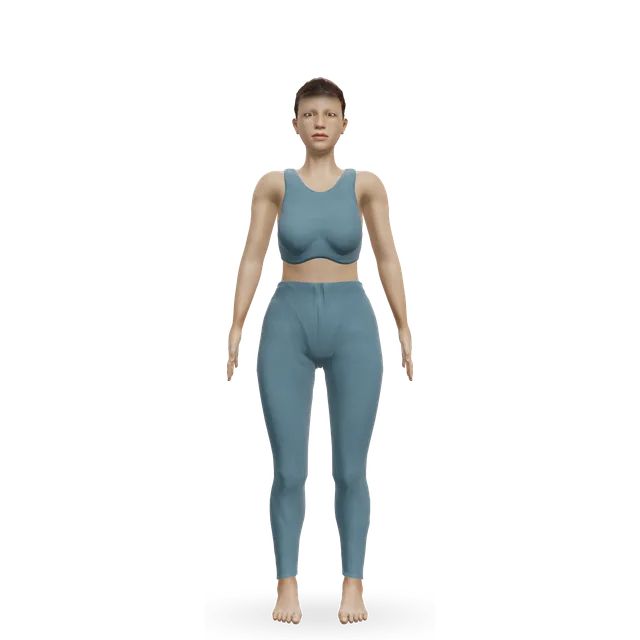
- Neck CARs (controlled articular rotations)5 slow turns each way, holding up to 20 sBeginner · Neck · 3D demoTurn your head left and right only, as far as is comfortable. Stop if you feel dizzyHarder: Rabbit pose (Sasangasana)
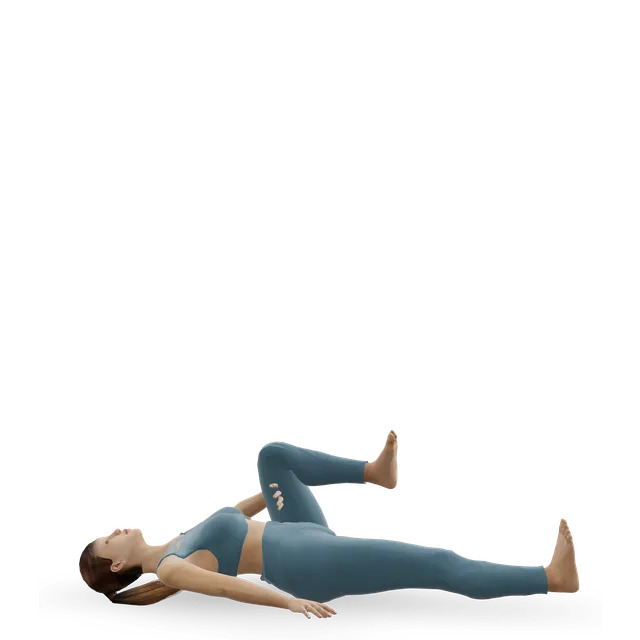
- Single knee-to-chest stretch5 each side, holding up to 20 sBeginner · Glutes, Back, Hip flexors · 3D demoSitting is fine: lift one knee and gently pull it towards your chest. After a hip replacement, bend only as far as you've been advisedHarder: 90/90 hip lift-off
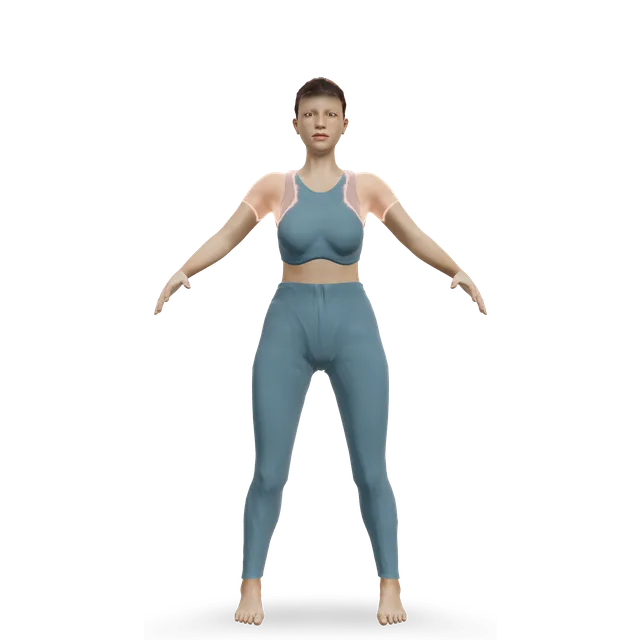
- Shoulder rolls5 slow shrugsBeginner · Shoulders, Back, Neck · 3D demoLift your shoulders up and down slowly, then pull your shoulder blades together and hold up to 20 sHarder: Shoulder CARs (controlled articular rotations)
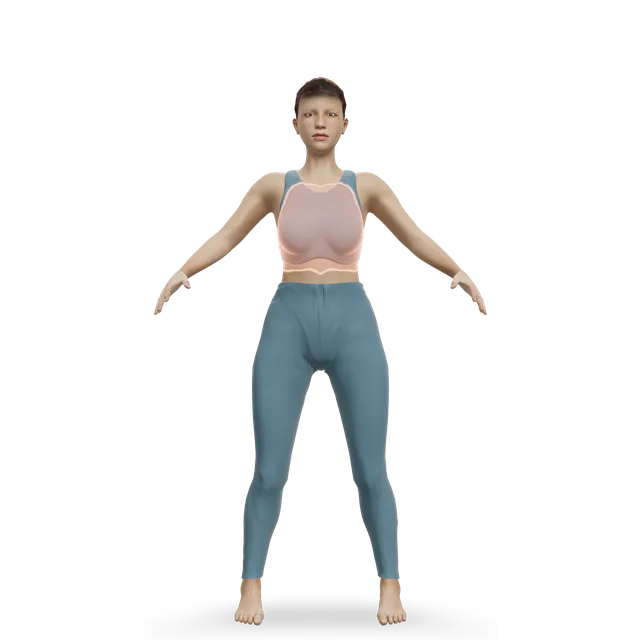
- Standing overhead reach5 reaches, holding up to 20 sBeginner · Abs, Chest, Forearms · 3D demoReach both arms up towards the ceiling, sitting or standing, only as far as is comfortableHarder: Half lord of the fishes (Ardha Matsyendrasana)
- Elbow opening with hands behind the head5 times, holding up to 20 sBeginner · Chest, ShouldersRest your hands behind your head and ease your elbows backHarder: Fish pose (Matsyasana)
- Hand up the back (back scratch reach)5 times, holding up to 20 sBeginner · ShouldersSlide your hands down and reach up your back as far as you canHarder: Crab reach


Strength, once your symptoms are controlled
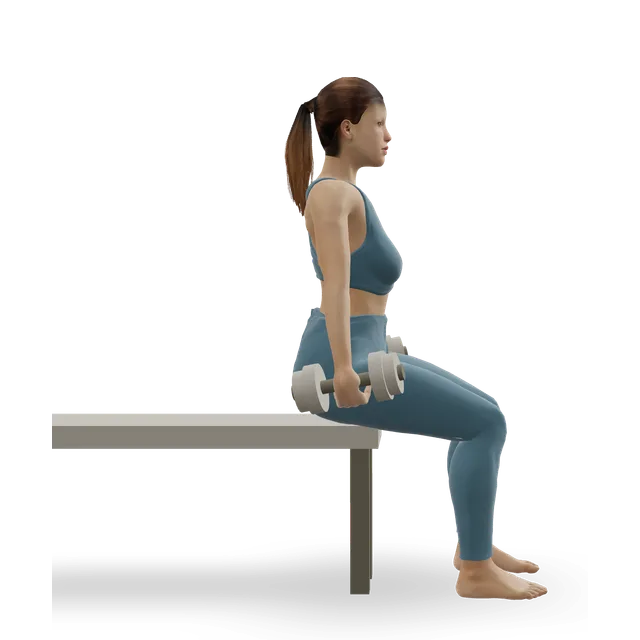
- Seated dumbbell curl5 each armBeginner · Biceps, Forearms · 3D demoA filled water bottle or a tin of beans is enough. Build to 20 over a monthHarder: Dumbbell biceps curl
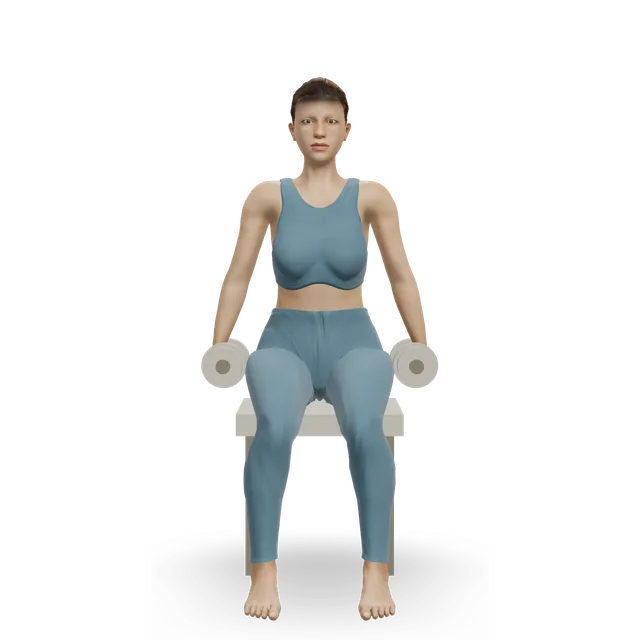
- Seated dumbbell lateral raise5, holding 5 to 10 sBeginner · Shoulders · 3D demoLift only to shoulder height, with or without a light weight. Build to 20 over a monthEasier: Band lateral raiseHarder: Smith machine upright row
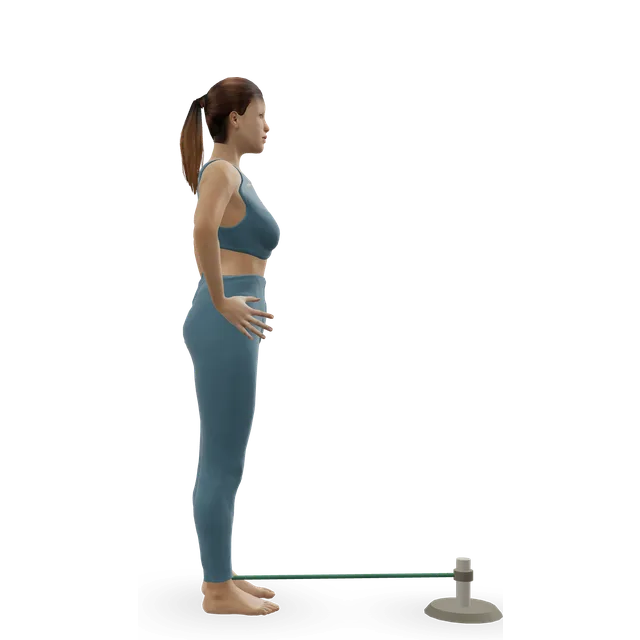
- Standing band hip extension5 each leg, holding 5 to 10 sBeginner · Glutes, Hamstrings · 3D demoHold a kitchen counter and take your leg back behind you, without a band to start. Build to 20 over a monthHarder: Back extension on a 45-degree bench
- Beginner · Quads, Glutes, Hamstrings · 3D demoSit down slowly into the chair, then stand straight up again; push on your thighs if you need to. Build to 20 over a monthEasier: Sit to stand, pushing on the thighsHarder: Bodyweight squat
- Low step-up30 s, or until moderately breathlessBeginner · Quads, Glutes, Hamstrings · 3D demoHold the rail at the bottom stair, step up with both feet, then step down. Build to a few minutes, twice a dayHarder: Step-up
- Wall sitHold 10 s, 3 timesBeginner · Quads, Glutes · 3D demoBack against the wall, slide down as if sitting on a chair, only as far as is comfortable. Build towards 60 sEasier: Straight-leg raiseHarder: Spanish squat (band squat hold)



Balance, next to a kitchen counter
- Side-stepping (sideways walking)10 steps each wayBeginner · Hip abductors, Glutes, Adductors · 3D demoAlong the counter, fingertips on itHarder: Lateral band walk
- Semi-tandem stanceUp to 10 s each side, building to 30 sBeginner · Calves, Hip abductors · 3D demoOne foot half in front of the other, fingertips on the counterHarder: Tandem stance and heel-to-toe walk


Walk
- Treadmill walking5 minBeginner · Quads, Calves, Glutes · 3D demoOutdoors or on a treadmill, at a pace where you can still talk. Walking is the most suitable weight-bearing exercise for PMRHarder: Treadmill jogging

Tips
- Do the stretches every day, at least twice. Start with a few minutes in total and build up to about a minute for each exercise.
- Add the strength block once the stretches feel easy and your symptoms are controlled: 5 of each to start, building over a month to 20 a day.
- Think of about half of what you used to do. If you ache the next day, halve it, then build back up over the next week.
- Don't do more than you planned on a good day, and still do something on a down day.
- Your energy may dip as your steroid dose comes down: cut back for a while rather than stopping. If your PMR symptoms come back, contact your GP or rheumatology team.
- Get up and move every half hour, even if it's only to the front door. A hot bath or shower before or after can ease stiffness.
- If you've had a spinal fracture, read our osteoporosis guide before the knee to chest stretch.
The doses are suggested starting points, not a prescription. Choose a range you can control and stop for sharp or increasing pain, numbness or tingling. Get individual advice after an injury or surgery, or if you are pregnant or managing a health condition.
Guides that recommend it
Find more moves like these
More strength at home




Beginner bodyweight workout
A 20-minute full-body workout with no equipment: squats, knee push-ups, bridges, lunges and planks.
20 minBeginner10 movesNo equipment


Full-body bodyweight workout
An intermediate no-equipment workout: push-ups, split squats, single-leg bridges, pike push-ups and core work.
30 minIntermediate11 movesNo equipment


Full-body dumbbell workout
A 35-minute full-body strength workout with dumbbells: goblet squats, presses, rows, Romanian deadlifts and carries.
35 minIntermediate9 movesA band, A dumbbellQuestions people ask
How long does the polymyalgia rheumatica exercises: daily stretches, then strength and balance take?
About 15 minutes, including any warm-up and cool-down listed. Shorten it by doing fewer rounds; lengthen it by adding one.
What equipment do I need?
You need: A dumbbell, A bench or box, A band, An anchor point, A step, A wall, Cardio machine. Each move links to its guide, where you can find an alternative if you are missing something.
Is it suitable for beginners?
It is written for beginners. 3 of its 15 moves have an easier option listed beside them if you need one.
How do I make it easier or harder?
Use the easier or harder option listed under each move, change the number of rounds, or adjust the rest. Progress one change at a time.