Crab reach
From sitting with your hands behind you, you lift your hips into a tabletop, then drive them higher as one arm reaches up and over your head, the chest turning open. It comes from quadrupedal training such as Animal Flow, whose moves drew high shoulder and back-of-thigh activity in an EMG study. In an 8-week trial in 42 students, quadrupedal classes improved hip and shoulder range; the crab reach on its own is untested.
Movement guide
Crab reach
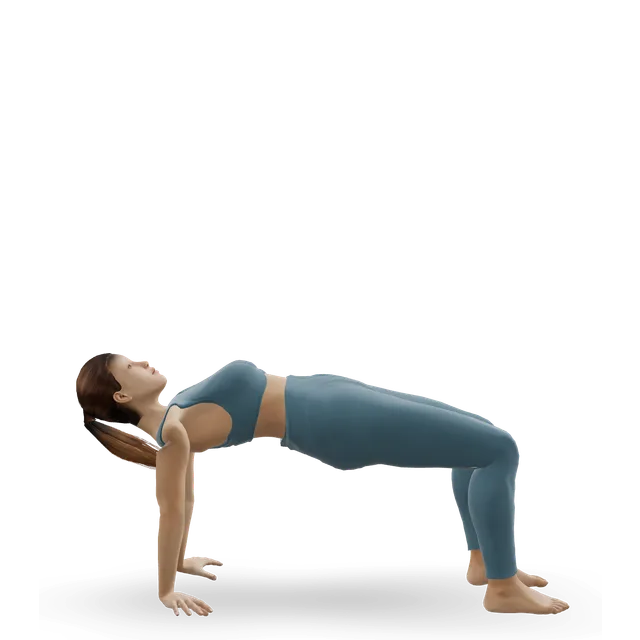
Loading the 3D figure…
Make it easier or harder
Choose a version that fits your control and comfort.
Easier option
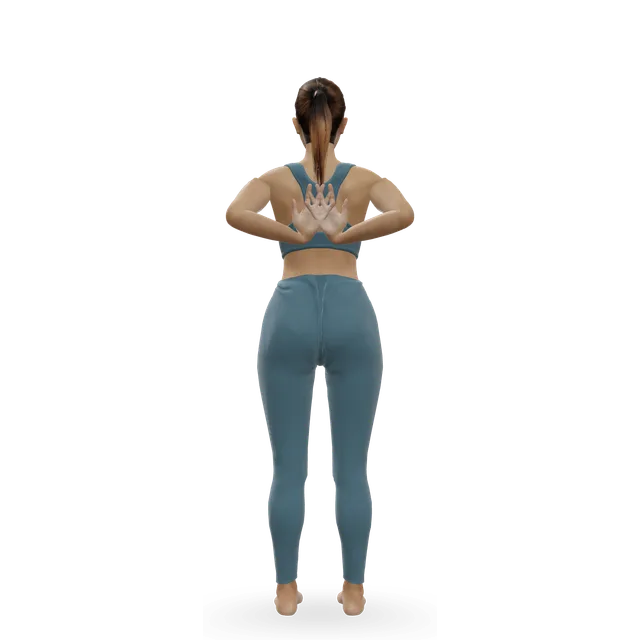 3D demoHand up the back (back scratch reach)Beginner · No equipment
Similar move, beginner grade.
Harder option
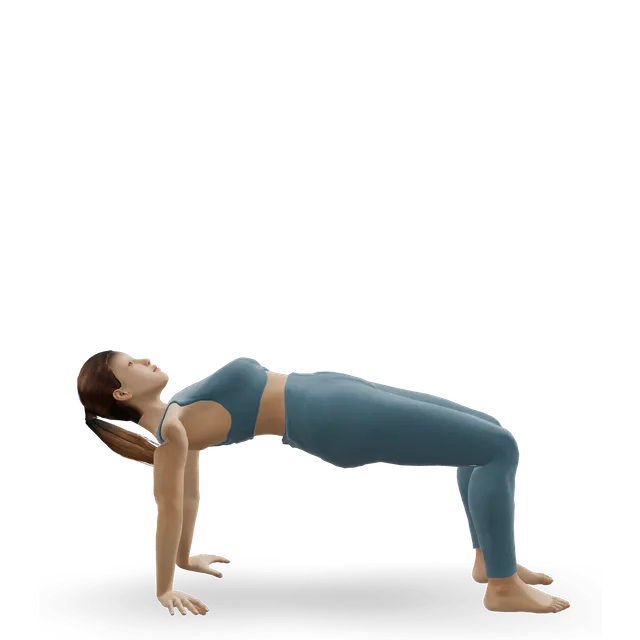 3D demoCrab walkIntermediate · No equipment
Suggested next step, intermediate grade.
Source-researched guide.
How to move
- Sit with your knees bent and feet flat, hands on the floor behind you, fingers turned out or pointing away from you, whichever suits your wrists.
- Press through your hands and feet to lift your hips into a tabletop, knees over your feet.
- Drive your hips higher as you reach your right arm up and over your head towards the left, letting your chest open and your eyes follow the hand.
- Bring the hand back down and lower to the start, then reach with the left arm. To finish, sit down slowly.
Form cues
- Lift the hips with your buttocks, not by arching your low back.
- Keep your neck long; don't let your head drop right back.
- Avoid: sinking into the supporting shoulder.
Practice and cautions
5 reaches each side, alternating sides, 2 rounds (our editorial starting point).
The wrists carry real load in full extension here, and letting the head hang fully back makes some people briefly dizzy. Keep the neck long and the tempo slow, and stop if dizziness appears. This is movement education, not an assessment or treatment prescription. Stop for sharp or increasing pain, dizziness, numbness or tingling; seek individual guidance for symptoms, injury or restrictions.
Sources and review status
Sources support the educational description; they do not establish that this exercise is suitable for you.
- The Prehab Guys · Under switch to crab reach (the hips driven up into a bridge as the free arm reaches overhead, the planted arm straight) ↗
- Buxton 2024 · Eight Animal Flow moves drew moderate to very high activity, higher than push-ups for the shoulders and lats and than squats for the back of the thigh (EMG study of 20 adults, J Bodyw Mov Ther) ↗
- Buxton 2022 · Eight weeks of quadrupedal movement classes, twice a week, improved hip flexion, hip outward rotation and shoulder extension range, but not balance or upper-body strength (RCT of 42 students, JSCR) ↗
No variation is labeled clinically validated.
What it works
Muscles
Main: Glutes, Shoulders. Also: Hip flexors, Chest.
Anatomy: Gluteus maximus, Piriformis, Obturator internus, Deltoid, Rotator cuff, Supraspinatus.
Equipment
None: body weight and floor space.
Level
Intermediate. See the easier and harder options above.
Workouts that use it
Guides that use it
Similar moves
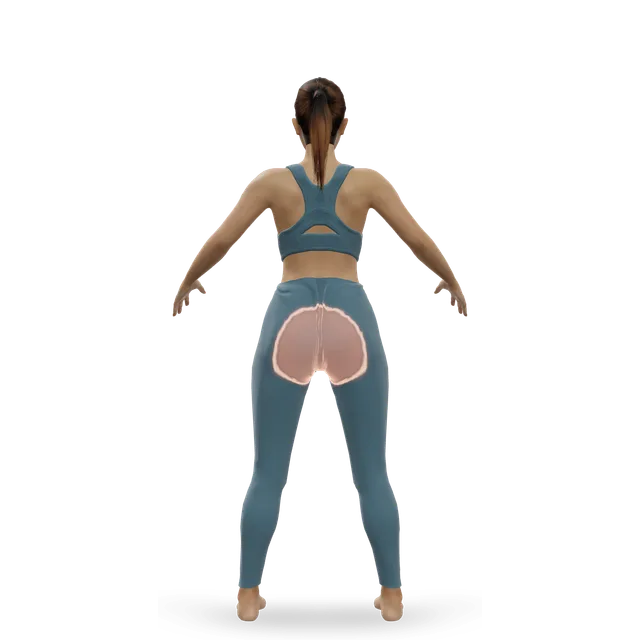 Cow face pose (Gomukhasana)Intermediate · No equipment
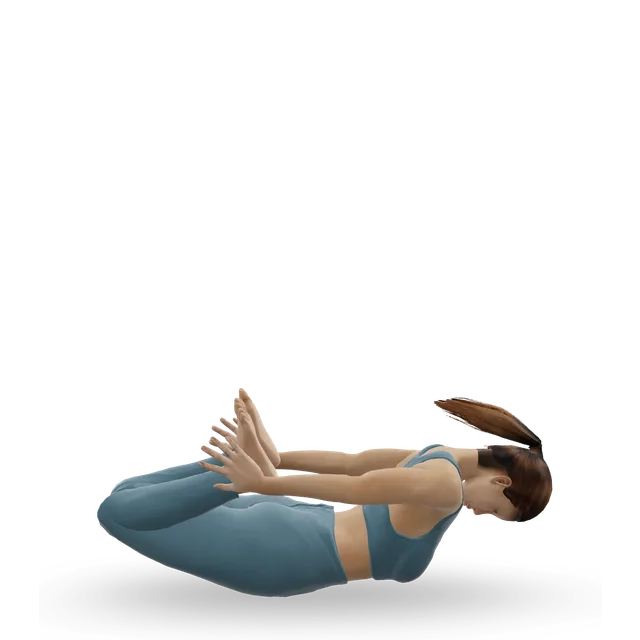 3D demoBow pose (Dhanurasana)Intermediate · No equipment
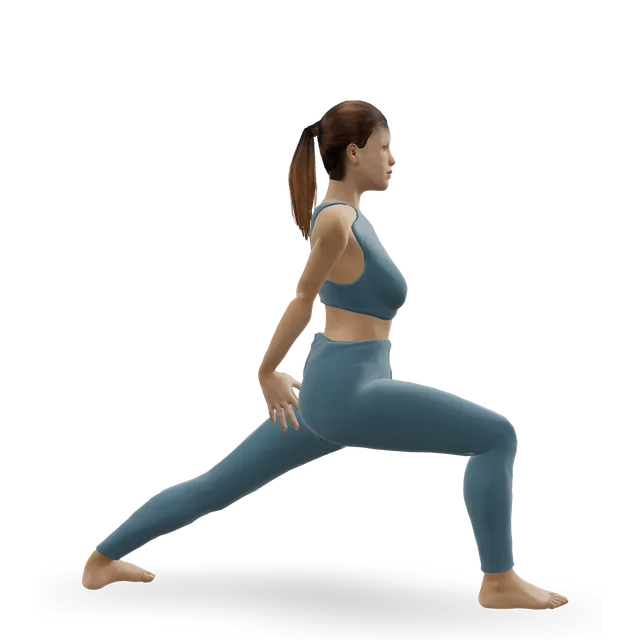 3D demoHumble warrior (Baddha Virabhadrasana)Intermediate · No equipment
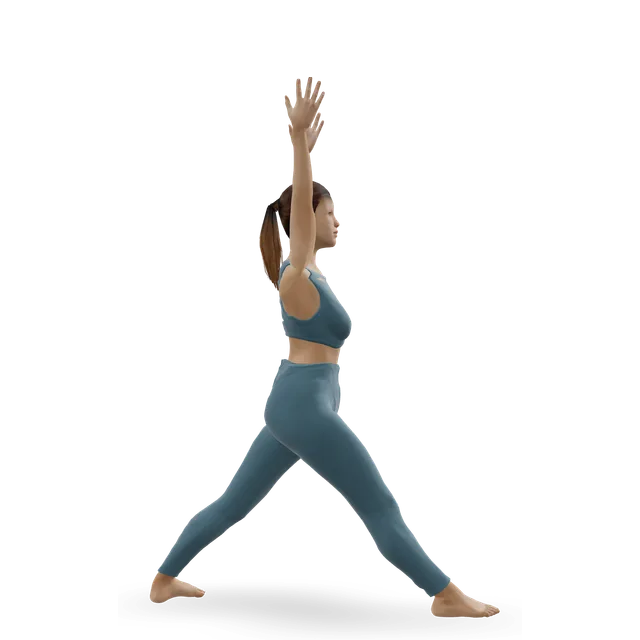 3D demoWarrior I (Virabhadrasana I)Intermediate · No equipment
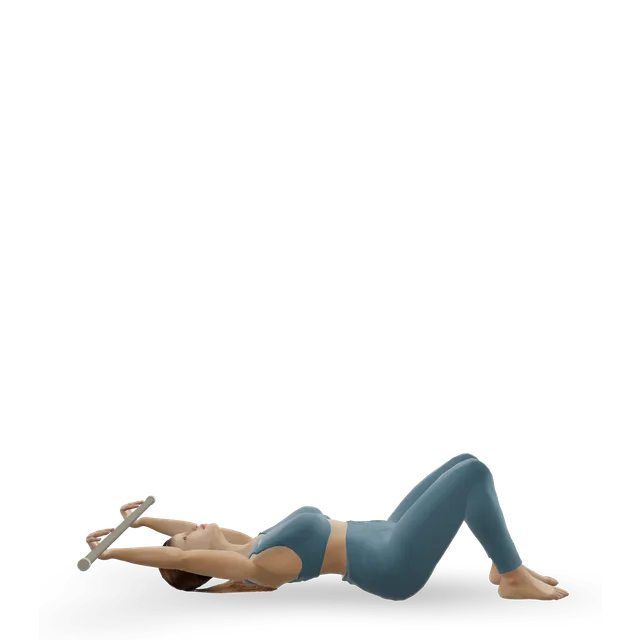 3D demoArm lift lying down, with a stickBeginner · Other / check instructions
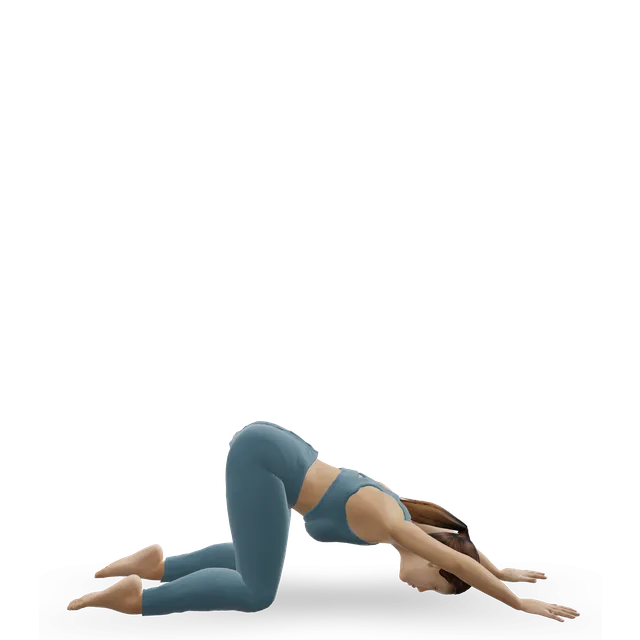 3D demoExtended puppy pose (Uttana Shishosana)Beginner · No equipment
Browse more
Questions people ask
What muscles does the Crab reach work?
Mainly the glutes and shoulders, with help from the hip flexors and chest.
What equipment do I need for the Crab reach?
No equipment: your body weight and a little floor space.
Is the Crab reach good for beginners?
It is graded intermediate. If it is too hard right now, start with the Hand up the back (back scratch reach).
What is an easier alternative to the Crab reach?
Try the Hand up the back (back scratch reach) or the Table slide (seated forward reach). It works similar muscles at a lower grade.
How do I make the Crab reach harder?
Progress to the Crab walk. Follow that guide’s technique and any stated timing.