Crab walk
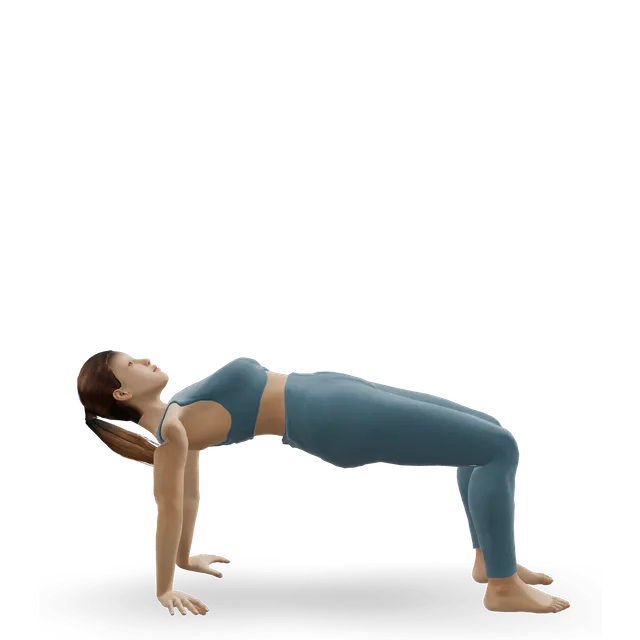
Sitting with your hands flat behind you and your feet flat in front, you lift your hips into a table and walk on hands and feet, opposite hand and foot together. It loads the shoulders with the arms behind the body, the reverse of the bear crawl's position. GMB advises keeping the hands and feet close to the body and building a 10-second reverse tabletop hold before travelling; physiotherapists have used crab walks to rebuild weight-bearing after an elbow injury.
Movement guide
Crab walk
Loading the 3D figure…
Make it easier or harder
Choose a version that fits your control and comfort.
Easier option
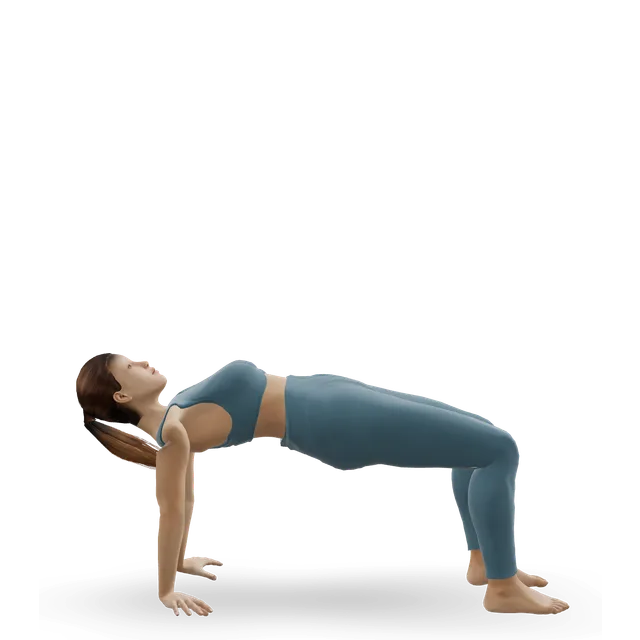 3D demoCrab reachIntermediate · No equipment
Suggested next step, intermediate grade.
Harder option
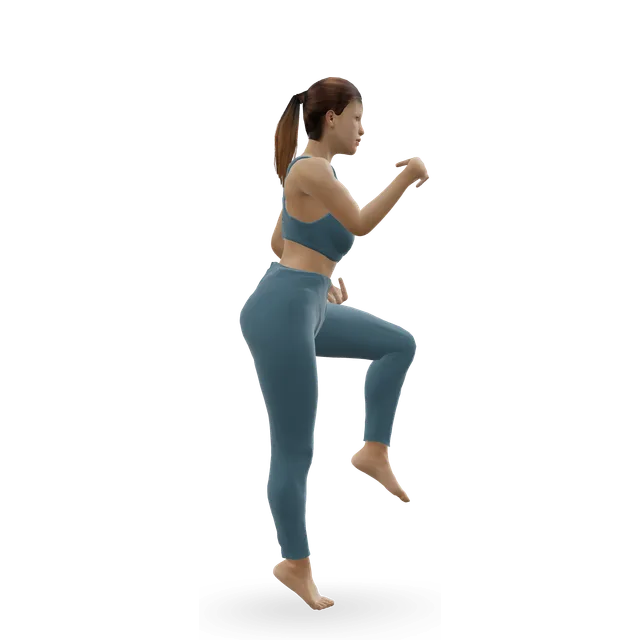 3D demoAlternate-leg boundingAdvanced · No equipment
Similar move, advanced grade.
Source-researched guide.
How to move
- Sit on the floor with your knees bent, feet flat and hip-width apart, and place your hands flat behind you, fingers pointing toward your heels.
- Press through your hands and feet to lift your hips until only your hands and feet touch the floor, shoulders drawn down away from your ears.
- Keeping your hips up, step your left foot and right hand forward together, then your right foot and left hand.
- Travel forwards for the set distance, then backwards, and sit down to rest.
Form cues
- Keep your hands and feet close to your body.
- Shoulders down, chest open.
- Avoid: letting your hips sag toward the floor.
Practice and cautions
4 crawls of 6 to 8 metres, resting 45 seconds between (our editorial starting point).
With shoulder instability, wrist arthritis or a history of dislocation, shorten the range or skip it. This is movement education, not an assessment or treatment prescription. Stop for sharp or increasing pain, dizziness, numbness or tingling; seek individual guidance for symptoms, injury or restrictions.
Sources and review status
Sources support the educational description; they do not establish that this exercise is suitable for you.
- GMB Fitness · How to do the crab walk (hands and feet close to the body, shoulders down; build up from a reverse tabletop hold) ↗
- Corbitt & Bandy 2024 · Crab walks among the weight-bearing exercises in a cheerleader's return from an elbow ligament sprain (case report, IJSPT) ↗
- Buxton 2024 · Eight quadrupedal moves from a commercial programme, pooled and not named, so possibly without this move: the deltoid, lats and biceps worked harder than in a push-up (EMG of 20 adults, J Bodyw Mov Ther) ↗
No variation is labeled clinically validated.
What it works
Muscles
Main: Triceps, Shoulders, Glutes. Also: Hamstrings, Abs.
Anatomy: Triceps brachii, Deltoid, Rotator cuff, Supraspinatus, Infraspinatus, Subscapularis.
Equipment
None: body weight and floor space.
Level
Intermediate. See the easier and harder options above.
Workouts that use it
- Animal moves for kids: a 15-minute active play workout · 15 min
- Martial arts warm-up with breakfalls: run, fall, move, balance, strengthen · 15 min
- Parkour warm-up: jog, ankles, hips, wrists, crawls, landings and rolls · 15 min
- Pilates for kids: a 20-minute follow-along class with games · 20 min
- Yoga for kids: a 20-minute animal adventure · 20 min
- Crawling workout: bear crawls, crab walks and inchworms (20 minutes, no equipment) · 20 min
Pain guides that use it
Part of a staged plan, with when to get help first.
- Irritable hip (transient synovitis): a young child's sudden limp, and telling it from infection
- Köhler's disease (Kohler's disease): a young child's limp from the navicular, and how it settles
- In-toeing (pigeon toes) in children: what's normal at each age, and when to see a GP
- Hip pain in children: irritable hip, infection, Perthes, a slipped growth plate and when to get help
- Neck pain in children and teens: stiff necks, screens, a baby's tilted head, and when it's urgent
Guides that use it
Similar moves
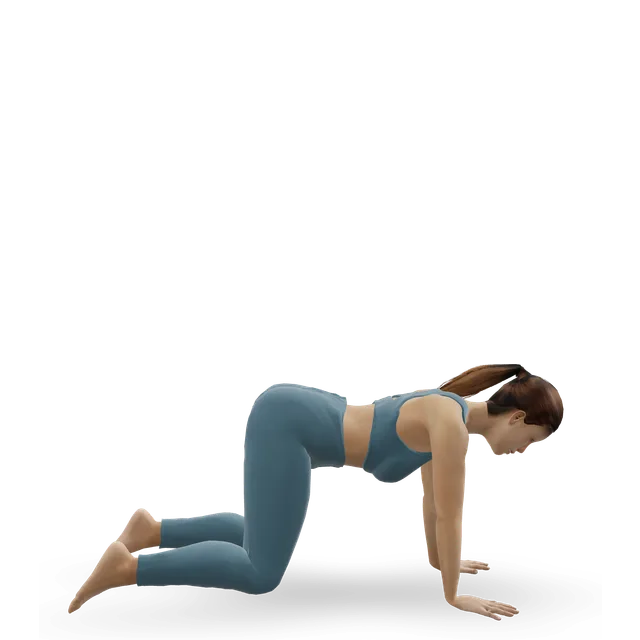 3D demoBear crawlIntermediate · No equipment
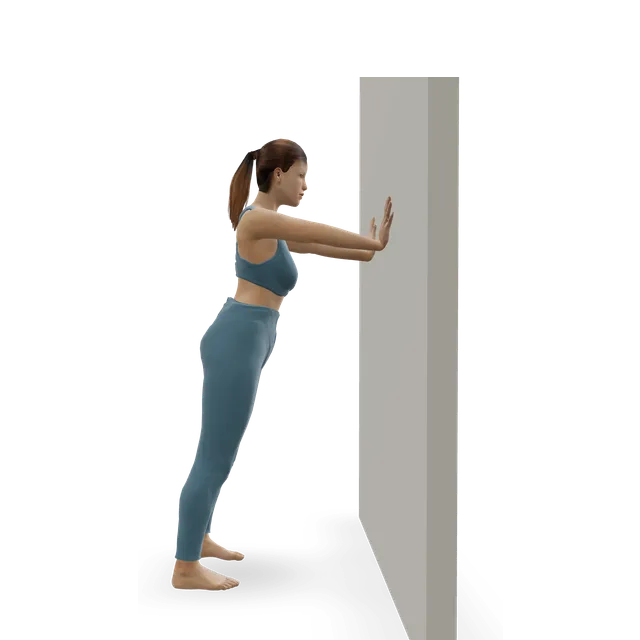 3D demoElastic wall bounceBeginner · A wall
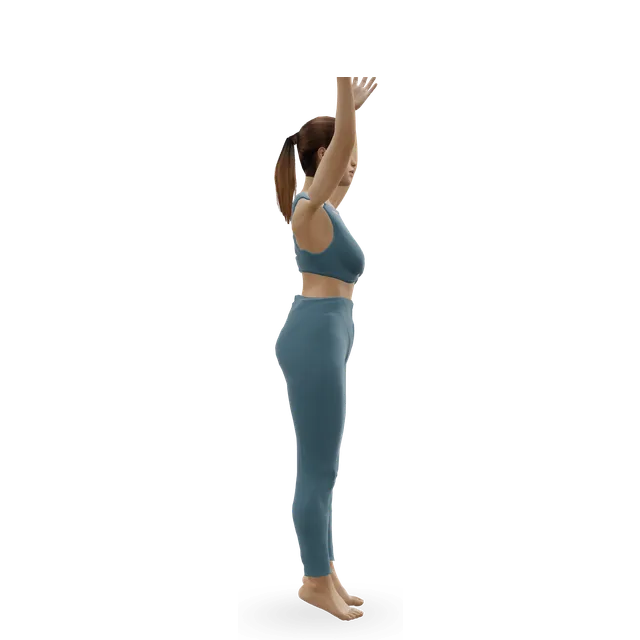 3D demoSnapdown to athletic landingBeginner · No equipment
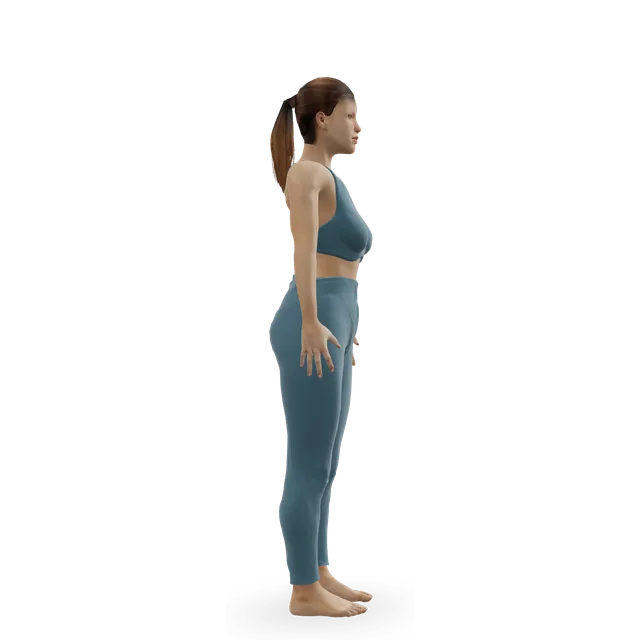 3D demoStanding broad jump with stuck landingIntermediate · No equipment
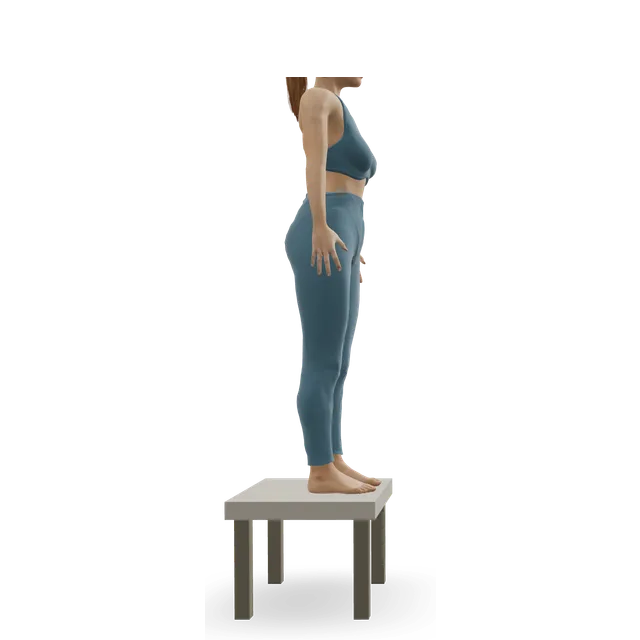 3D demoBox drop landingIntermediate · A step
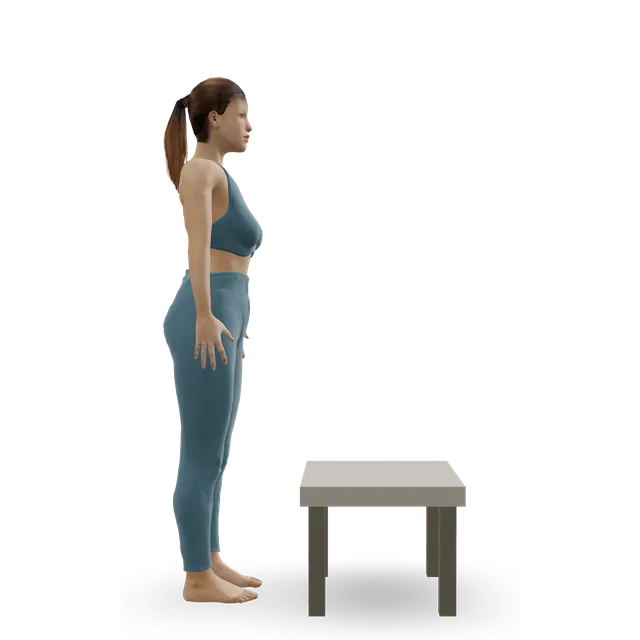 3D demoBox jumpIntermediate · A bench or box
Browse more
Questions people ask
What muscles does the Crab walk work?
Mainly the triceps, shoulders and glutes, with help from the hamstrings and abs.
What equipment do I need for the Crab walk?
No equipment: your body weight and a little floor space.
Is the Crab walk good for beginners?
It is graded intermediate. If it is too hard right now, start with the Crab reach.
What is an easier alternative to the Crab walk?
Try the Crab reach. It is the suggested step down from this move.
How do I make the Crab walk harder?
Progress to the Alternate-leg bounding or the Depth jump. Follow that guide’s technique and any stated timing.